

Free Eastern Region Travel Guide & Mobile App
Explore Eastern Region with free travel guides. Discover regional history, expert tips, proposed trips, and audio guides on web or mobile app.


Explore Eastern Uganda’s Nile adventures, Sipi Falls, Mount Elgon coffee country, archaeological sites and lively regional towns.
Read more about Eastern Region
When is the best time to visit Eastern Region?
Best: December–February · 27–28°C| Month | High (°C) | Rainfall (mm) |
|---|---|---|
| January (best) | 28 | 46 |
| February (best) | 28 | 56 |
| March | 29 | 71 |
| April | 29 | 91 |
| May | 28 | 101 |
| June | 28 | 111 |
| July | 27 | 106 |
| August | 27 | 116 |
| September | 28 | 126 |
| October | 28 | 111 |
| November | 28 | 91 |
| December (best) | 27 | 71 |
Getting to and around Eastern Region
How to get there
Transportation
Top city travel guides in Eastern Region
The cities of Eastern Region, and the easiest places to base yourself.
-

-

-

-

-
-


Swipe for more cities
Destinations in Eastern Region
Resorts, valleys and scenic spots worth a trip of their own.
-

-

-


Swipe for more destinations
Best attractions in Eastern Region
Eastern Uganda’s attractions range from water-based adventure to highland walking and archaeological discovery. Jinja is the main centre for rafting, kayaking, river excursions and other activities on the Victoria Nile, while nearby sections of the river provide quieter opportunities for birdwatching and cycling. Around Mbale and Kapchorwa, Sipi Falls descends through cultivated highland scenery, with guided walks, coffee visits and abseiling available through local operators. Mount Elgon National Park adds forest trails, montane landscapes and access to the wider Elgon ecosystem, although longer hikes require planning and appropriate guidance. The Nyero Rock Paintings near Kumi offer a cultural and archaeological counterpoint, set among granite outcrops in the Teso region. Tororo Rock provides a prominent geological feature and a demanding local walk, while Busia and other border towns reveal the importance of trade. Across the region, village visits, craft experiences, churches, markets, wetlands and agricultural landscapes reward slower travel, provided visitors arrange access respectfully and do not treat communities as informal spectacles.
-
Park
Centenary Park Kampala
Explore the lush greenery and cultural vibrancy of Centenary Park, a serene oasis in the heart of Kampala, perfect for relaxation and local experiences.
-
Amusement park
Wonder World Amusement Park
Explore the magic of Wonder World Amusement Park in Kampala, Uganda – a thrilling experience for families and adventure seekers alike.
-
Nature preserve
National Forestry Authority - Namanve
Immerse yourself in nature at the National Forestry Authority - Namanve, a tranquil preserve in Kampala showcasing Uganda's rich biodiversity.
-
Tourist attraction
Griffin Falls Camp
Experience the tranquil beauty of Griffin Falls Camp near Lugazi, Uganda, where nature and adventure await in a serene setting.
Best landmarks in Eastern Region
The Victoria Nile at Jinja is Eastern Uganda’s defining geographical landmark, marking the river’s passage from Lake Victoria and shaping the town’s history, industry and adventure-tourism identity. In the foothills of Mount Elgon, the Sipi Falls group forms a recognisable series of plunges over steep basalt and volcanic terrain, surrounded by farms and highland paths. Mount Elgon itself dominates the skyline around Mbale and Kapchorwa, its broad volcanic massif providing the region’s most important mountainous landscape. Near Kumi, the Nyero Rock Paintings are significant both for their ancient imagery and for the granite shelters in which they survive. Tororo Rock rises dramatically from the plains around Tororo and has long served as a visual marker for travellers approaching the town. Jinja’s older commercial streets, railway-era buildings and religious structures provide a reminder of its cosmopolitan colonial history, while the region’s mosques, churches, markets and traditional cultural sites reflect the continuing diversity of eastern Uganda.
-
Zoo
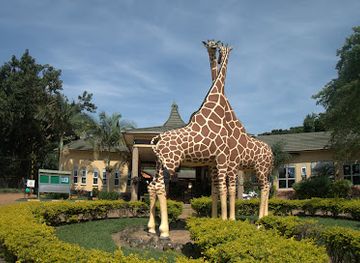
Uganda Wildlife Conservation Education Centre
Explore Uganda's wildlife at the Uganda Wildlife Conservation Education Centre, a sanctuary for rescued animals and a hub for conservation education.
-
National park
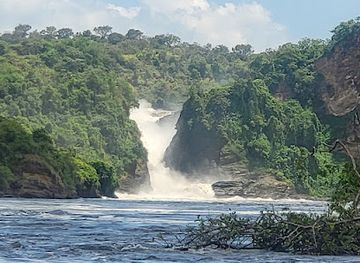
Murchison Falls National Park
Explore Murchison Falls National Park, Uganda's largest national park, featuring stunning waterfalls, diverse wildlife, and unforgettable adventures in nature's paradise.
-
Tourist attraction
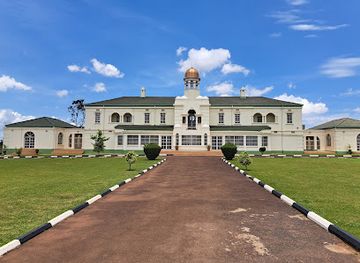
Kabaka's Palace
Experience the rich cultural heritage of the Buganda Kingdom at Kabaka's Palace, a historical landmark in the heart of Kampala, Uganda.
-
National park
Queen Elizabeth National Park
Explore the incredible wildlife and diverse ecosystems of Queen Elizabeth National Park, a UNESCO Biosphere Reserve in Uganda.
Explore Eastern Region on the map
Plan your trip on one map. See where the top cities, national parks and sights are, and book hotels and experiences in a few clicks.
Best hotels in Eastern Region
Best restaurants in Eastern Region
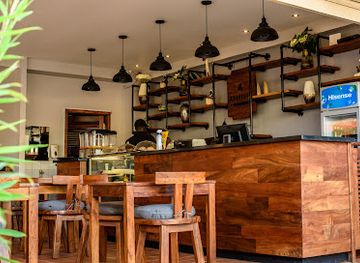
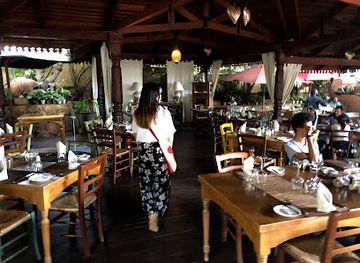
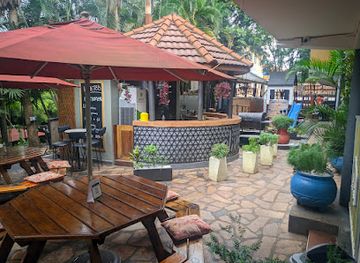
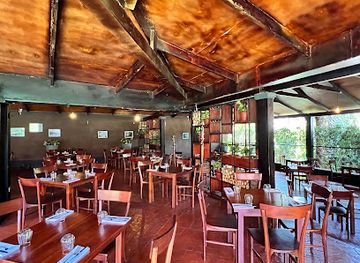
Dining in Eastern Uganda is shaped by everyday East African cooking, freshwater produce and the crops grown across its different landscapes. In Jinja, visitors will find restaurants and cafés serving Ugandan dishes alongside Indian, continental and international food, reflecting the town’s commercial history and its established tourism sector. Local meals commonly include matoke, posho, cassava, rice, beans, groundnut sauce, grilled chicken, beef and seasonal greens; tilapia and other freshwater fish are available in places linked to the Nile and Lake Victoria. Around Mbale and Mount Elgon, Arabica coffee is an important part of the food economy, and farm visits may include tastings or explanations of local processing. Soroti and smaller towns offer modest eateries, bakeries and market food rather than a concentrated restaurant scene. Fresh fruit, roasted maize, chapati and samosas are widely encountered, while regional produce markets provide insight into the ingredients that sustain households and trading communities.
-
Restaurant
Charcoal Grill Restaurant Kiwatule
Experience authentic Ugandan cuisine at Charcoal Grill Restaurant in Kiwatule - where flavor meets hospitality.
-
Italian
Mediterraneo Restaurant
Discover authentic Italian cuisine at Mediterraneo Restaurant in Kampala – where tradition meets local flavor.
-
Restaurant
Olives Restaurant & Bar
Experience the vibrant culinary scene at Olives Restaurant & Bar in Kampala - where local flavors meet international cuisine.
-
Restaurant
The Hickory
Experience diverse cuisines at The Hickory in Kampala—a vibrant food court offering local and international delights.
Best bars in Eastern Region
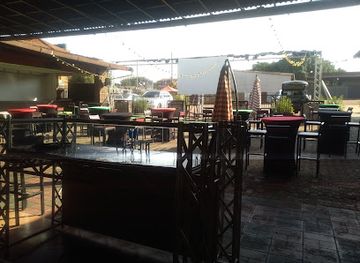
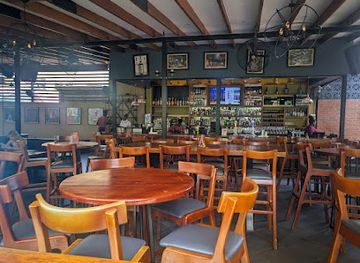
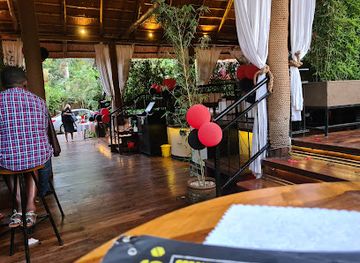
Evening life in Eastern Uganda differs considerably between Jinja’s visitor-oriented centre, larger towns such as Mbale and Soroti, and rural districts where social life is centred on local pubs and restaurants. Jinja has the broadest selection of casual bars, cafés, hotel lounges, live music and late-evening venues, with activity concentrated around central streets and the tourism economy rather than a single formal nightlife quarter. Mbale also has restaurants, bars and music venues that attract residents, visitors and students, while Soroti offers a smaller town-centred scene. Outside these places, evenings are generally quieter, with trading-centre pubs, community events and accommodation-based dining more common than nightclubs. Drink responsibly, use trusted transport after dark and ask locally about current venues, as businesses and entertainment schedules can change.
-
Bar
Nexus Lounge
Experience the vibrant nightlife of Kampala at Nexus Lounge, where themed nights and delicious drinks await you.
-
Bar
The Alchemist Kitchen and Bar
Discover the flavors of Uganda at The Alchemist Kitchen and Bar, a culinary gem in Kampala, where vibrant dining meets a lively atmosphere.
-
Grill
Banana Bar & Bistro
Experience the vibrant culinary scene of Kampala at Banana Bar & Bistro, where grilled favorites meet local flavors in a welcoming atmosphere.
-
Bar
Riders Lounge Ug
Discover the vibrant nightlife of Kampala at Riders Lounge Ug, where unique drinks and a welcoming atmosphere await you.
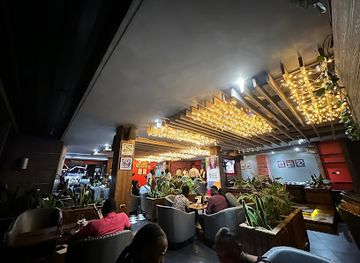
Best nightclubs in Eastern Region
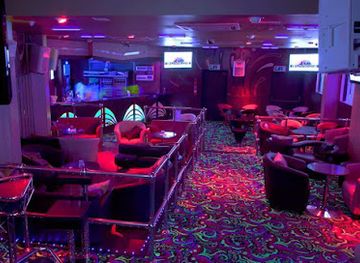
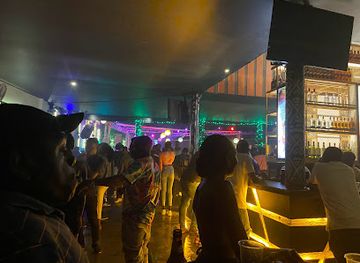
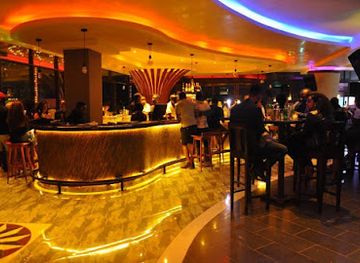
Evening life in Eastern Uganda differs considerably between Jinja’s visitor-oriented centre, larger towns such as Mbale and Soroti, and rural districts where social life is centred on local pubs and restaurants. Jinja has the broadest selection of casual bars, cafés, hotel lounges, live music and late-evening venues, with activity concentrated around central streets and the tourism economy rather than a single formal nightlife quarter. Mbale also has restaurants, bars and music venues that attract residents, visitors and students, while Soroti offers a smaller town-centred scene. Outside these places, evenings are generally quieter, with trading-centre pubs, community events and accommodation-based dining more common than nightclubs. Drink responsibly, use trusted transport after dark and ask locally about current venues, as businesses and entertainment schedules can change.
-
Club
GUVNOR
Discover the pulsating nightlife of Kampala at Guvnor, an iconic club that offers unforgettable music, dance, and vibrant atmosphere.
-
Lounge
EXO LOUNGE
Discover the lively nightlife at EXO LOUNGE, Kampala's top spot for cocktails, music, and unforgettable moments.
-
Night club
Cielo Lounge
Experience the electrifying nightlife at Cielo Lounge in Kampala, where exquisite dining meets vibrant entertainment in a stunning setting.
-
Night club
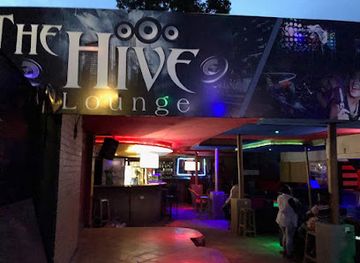
Hive Night Club
Discover the electrifying nightlife at Hive Night Club in Mukono, where music, dance, and vibrant energy come together for an unforgettable experience.
Best shops in Eastern Region
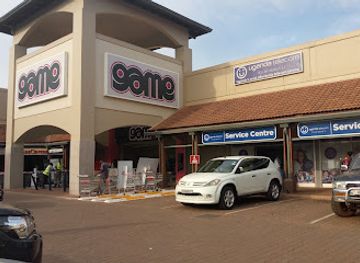
Shopping in Eastern Uganda is mainly local and practical, with the greatest variety found in Jinja, Mbale, Soroti and other district towns. Central markets sell fruit, vegetables, grains, clothing, household goods and prepared food, while craft stalls and small independent shops offer baskets, woven items, beads, carvings and locally made textiles. Jinja has the widest choice of visitor-oriented souvenirs, art, cafés and gift shops, whereas Mbale is particularly useful for buying coffee and produce from the Mount Elgon area. Around Sipi and Kapchorwa, ask whether coffee can be purchased directly from a cooperative or farm and check how it has been packaged for travel. Market visits are lively but require respectful photography and careful attention to belongings. Bargaining may be customary in informal settings, though not every seller expects it; agree prices clearly and support products made through fair, transparent arrangements.
-
Shopping mall
Lugogo Mall
Explore Lugogo Mall, Kampala's premier shopping destination blending local culture with modern retail and diverse dining experiences.
-
Shopping mall
Acacia Mall
Discover Acacia Mall in Kampala, a shopping and dining destination offering an exciting blend of brands, food, and entertainment for all ages.
-
Shopping mall
Garden City Shopping Mall
Explore Garden City Shopping Mall, Kampala's vibrant shopping haven with diverse stores, delicious dining, and family-friendly entertainment.
-
Outlet mall
Freedom City Mall
Experience the best of shopping, dining, and entertainment at Freedom City Mall in Kampala, Uganda's premier outlet destination.


Get your free copy of our complete guide to Eastern Region, delivered straight to you.
Everything on this page, from attractions and restaurants to essentials and local phrases, in one PDF you can read offline, print or share.
Already have an account? Sign in
Your Eastern Region guide is ready.
We'll send it to · Not you? Sign out

Getting your guide ready…
We are putting together a fresh copy of the Eastern Region guide. This can take up to a minute.
This can take a few moments. If your browser asks, choose Allow so the download can start. You'll find the guide in your Downloads folder.
Nothing happened? Download it again
Sorry, the guide is taking longer than usual. Please try again in a minute, or get it by email instead.
Eastern Region essentials
Currency and Payment
Safety
Emergency Situations
Do's and Don'ts
Local Tips
From Eve
Local phrases worth knowing
You don't need to get them perfect. A few words go a long way, and locals appreciate the effort.
Basics
| English | Local | Say it |
|---|---|---|
| Hello | Oli otya | [Oh-lee oh-tyah] |
| Goodbye | Weeraba | [Wee-rah-bah] |
| Yes | Ye | [Yay] |
| No | Nedda | [Neh-dah] |
| Please/You're welcome | Nnyinayo | [Nn-yee-nah-yo] |
| Thank you | Webale | [Weh-bah-leh] |
| Excuse me/Sorry | Nsaba | [N-sah-bah] |
| How are you? | Oli otya? | [Oh-lee oh-tyah?] |
| Fine. And you? | Ndi bulungi. Nyo? | [N-dee boo-loon-gee. N-yo?] |
| Do you speak English? | Ogwetaaga Oluganda? | [Oh-gwe-tah-gah Oh-loo-gan-dah?] |
| I don't understand | Sikyalabye | [See-kya-lah-bye] |
Eating & Drinking
| English | Local | Say it |
|---|---|---|
| I'd like to see the menu, please | Nnyinza okusaba ekyokulya, nyo | [Nn-yin-zah oh-koo-sah-bah eh-kyoh-kool-yah, nyo] |
| I don't eat meat | Sikula nyama | [See-koo-lah nyah-mah] |
| Cheers! | Sula bulungi! | [Soo-lah boo-loon-gee!] |
| I would like to pay, please | Nnyinza okufuna obukadde, nyo | [Nn-yin-zah oh-koo-foo-nah oh-boo-kah-dde, nyo] |
Emergencies
| English | Local | Say it |
|---|---|---|
| Help! | Mpa obuyambi! | [M-pah oh-boo-yah-mbee!] |
| Go away! | Genda! | [Gen-dah!] |
| Call the Police! | Genda okuwebwa abatuliganya! | [Gen-dah oh-koo-weh-bwah ah-boo-too-lee-gah-nyah!] |
| Call a doctor! | Genda okuwebwa daktari! | [Gen-dah oh-koo-weh-bwah dahk-tah-ree!] |
| I'm lost | Ndi mu kyekyankya | [N-dee moo kyeh-kyahn-kya] |
| I'm ill | Ndi mu bwongo | [N-dee moo b-won-go] |
Shopping
| English | Local | Say it |
|---|---|---|
| I'd like to buy... | Nnyinza okukola... | [Nn-yin-zah oh-koo-koh-lah...] |
| I'm just looking | Ndi kwekula | [N-dee kweh-koo-lah] |
| How much is it? | Kikadde ki? | [Kee-kah-dde kee?] |
| That's too expensive | Kino kyakalu | [Kee-noh kyah-kah-loo] |
| Can you lower the price? | Oyinza okutaasa omusolo? | [Oh-yee-nzah oh-koo-tah-sah oh-moo-soh-loh?] |
Time & Numbers
| English | Local | Say it |
|---|---|---|
| What time is it? | Okwagaliza ki? | [Oh-kwa-gah-lee-zah kee?] |
| It's one o'clock | Kiri saawa mmwe | [Kee-ree sah-wah mm-weh] |
| Half past (10) | Kyaasa (10) | [Ch-yah-sah (10)] |
| Morning | Ekitangaala | [Eh-kee-tahng-ah-lah] |
| Afternoon | Ekitondo | [Eh-kee-ton-doh] |
| Evening | Ekitangala | [Eh-kee-tahn-gah-lah] |
| Yesterday | Ekitangaala ekyamasi | [Eh-kee-tahng-ah-lah eh-kyah-mah-see] |
| Today | Lwaki | [Lwah-kee] |
| Tomorrow | Ekitangaala eky'ekyasa | [Eh-kee-tahng-ah-lah eh-kee-eh-kyah-sah] |
| 1 | Emu | [Eh-moo] |
| 2 | Babiri | [Bah-bee-ree] |
| 3 | Basatu | [Bah-sah-too] |
| 4 | Bana | [Bah-nah] |
| 5 | Baatano | [Bah-tah-noh] |
| 6 | Mukaaga | [Moo-kah-gah] |
| 7 | Musatu | [Moo-sah-too] |
| 8 | Munaana | [Moo-nah-nah] |
| 9 | Mukaaga | [Moo-kah-gah] |
| 10 | Mugenda | [Moo-gen-dah] |
Transport & Directions
| English | Local | Say it |
|---|---|---|
| Where's a/the...? | Ekiwandiiko ki? | [Eh-kee-wahn-dee-koh kee?] |
| What's the address? | Ebikozesebwa ki? | [Eh-bee-koh-zeh-say-bwah kee?] |
| Can you show me (on the map)? | Oyinza okumpa (mu map)? | [Oh-yee-nzah oh-koom-pah (moo map)?] |
| When's the next (bus)? | Lwaki lujja? | [Lwah-kee loo-jah?] |
| A ticket (to ....) | Ekitikiti (ku ...) | [Eh-kee-tee-kee-tee (koo ...)] |
History of Eastern Region
Early Rock Art and Settlement
The Nyero Rock Paintings near Kumi are the region’s best-known prehistoric archaeological legacy. Their red and white figures, placed on sheltered granite rock faces, belong to an ancient rock-art tradition whose creators and exact meanings remain uncertain. The paintings demonstrate that eastern Uganda has a far older cultural history than the written records of modern kingdoms or colonial administration suggest. Other rock outcrops and archaeological locations across the Teso and Bukedi landscapes point to long patterns of movement, settlement, cattle keeping and farming, although interpretation should remain cautious where evidence is limited.
The Formation of Busoga and Other Regional Societies
Before colonial rule, eastern Uganda was home to several political and cultural systems rather than a single regional state. The Busoga area consisted of numerous chiefdoms that later developed closer recognition through the institution of the Kyabazinga, while communities in Bugisu, Teso, Bukedi and the eastern highlands maintained their own clan structures, languages and leadership traditions. These societies were connected by farming, fishing, cattle keeping, craft production and trade. Their histories continue to shape ceremonies, music, land relationships and the cultural distinctions visitors notice between Jinja, Mbale, Soroti and the surrounding districts.
Nineteenth-Century Trade and the Nile Corridor
The Victoria Nile and Lake Victoria linked eastern Uganda to long-distance networks of commerce and travel during the nineteenth century. Trade in ivory, livestock, agricultural produce and other goods connected inland communities with lake ports and routes towards the coast, while missionaries, explorers and traders increasingly entered the area. The river crossing and the settlement that became Jinja later acquired particular importance because of their position between the lake and the Nile. These connections helped establish the region as a meeting point between local societies, wider East African commerce and foreign political interests.
Colonial Administration and the Growth of Jinja
British colonial rule reorganised eastern Uganda through taxation, mission activity, cash-crop production and new administrative boundaries. Jinja expanded in the early twentieth century as a commercial and industrial centre, benefiting from its river location and later from railway connections linking the interior with the East African transport network. Indian merchants and professionals became important to the town’s commercial life, leaving an architectural and cultural imprint that remains visible. Colonial systems also altered land use and labour patterns, encouraging cotton, sugar and other commercial agriculture while placing new pressures on existing political institutions.
Sugar, Cotton and Agricultural Change
Agriculture became central to eastern Uganda’s modern economy. Cotton production expanded in the Teso and Busoga areas during the colonial period, while sugar estates and processing developed around the Lake Victoria basin and Jinja’s industrial hinterland. Smallholder farming remained equally important, producing food crops such as cassava, millet, beans, bananas and groundnuts. The region’s fertile volcanic soils around Mount Elgon supported a strong coffee economy, particularly Arabica coffee grown at higher elevations. These industries brought roads, factories and market links, but also exposed communities to changing prices, land pressures and uneven access to commercial opportunities.
Independence, Industry and Regional Transformation
Uganda became independent in 1962, after which eastern towns and rural districts experienced major political and economic changes. Jinja’s industrial prominence declined during periods of national instability and the expulsion of Uganda’s Asian community in 1972, although manufacturing and trade later recovered in more limited and diversified forms. New roads, tourism investment and cross-border commerce have since changed the regional economy. Today, rafting on the Nile, Mount Elgon tourism, coffee experiences, heritage visits and growing urban services complement farming, while communities continue to negotiate the pressures of population growth and environmental conservation.
Eastern Region in Photos
Browse through our photo collection highlighting the charm and character of the destination.
Neighbouring regions of Eastern Region
The closest regions to Eastern Region, if you have time for more than one.
-

-

-

-

-


Swipe for more regions
Explore more

Explore more of Uganda
Discover Uganda: From the majestic mountain gorillas of Bwindi to the vibrant streets of Kampala, experience the diverse landscapes and rich culture of the Pearl of Africa.
Explore Uganda