

Free Teso Travel Guide & Mobile App
Explore Teso with free travel guides. Discover regional history, expert tips, proposed trips, and audio guides on web or mobile app.


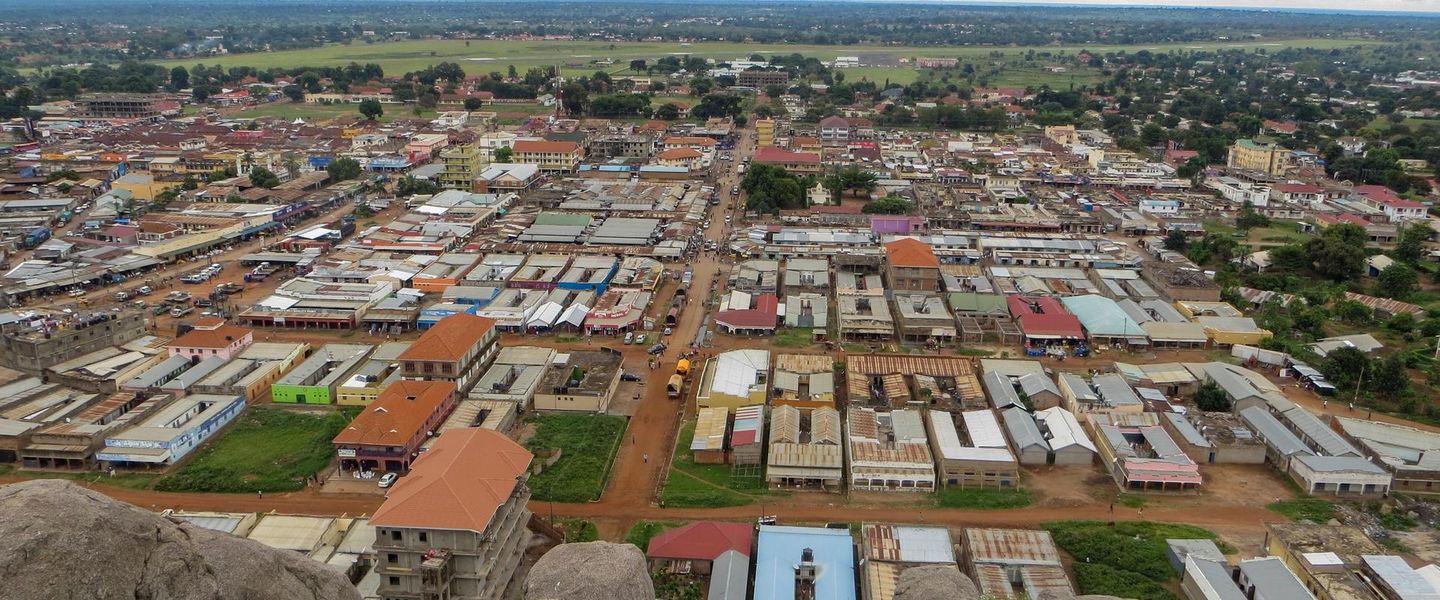


Explore Teso’s rock art, wetlands, markets and Iteso culture through Soroti and the open agricultural landscapes of eastern Uganda.
Read more about Teso
When is the best time to visit Teso?
Best: January–February, July · 27–29°C| Month | High (°C) | Rainfall (mm) |
|---|---|---|
| January (best) | 29 | 50 |
| February (best) | 29 | 60 |
| March | 30 | 70 |
| April | 29 | 90 |
| May | 28 | 100 |
| June | 28 | 80 |
| July (best) | 27 | 70 |
| August | 28 | 80 |
| September | 29 | 100 |
| October | 29 | 110 |
| November | 29 | 90 |
| December | 29 | 70 |
Getting to and around Teso
How to get there
Transportation
Top city travel guides in Teso
The cities of Teso, and the easiest places to base yourself.
-

-


Swipe for more cities
Destinations in Teso
Resorts, valleys and scenic spots worth a trip of their own.

Swipe for more destinations
Best attractions in Teso
Teso’s attractions are dispersed across a predominantly rural region, so the experience is less about a concentrated circuit of ticketed sights and more about combining archaeology, culture and landscape. The Nyero rock paintings near Kumi are the standout heritage visit, with ancient images preserved on sheltered rock faces in a quiet setting. Soroti offers the region’s liveliest markets and a useful base for learning about local food, trade and everyday urban life. Around Lake Kyoga and the Awoja wetland system, seasonal waterways, papyrus and cultivated plains create opportunities for birdwatching and nature observation, although specialist local guidance and advance planning are valuable. Visitors can also arrange community-based encounters focused on Iteso music, dance, farming or cooking, provided these are organised respectfully rather than treated as staged access to private life. Cycling, walking and photography are rewarding on quieter rural roads, but road surfaces, shade and visitor facilities vary considerably. Teso is not a conventional safari destination, and large concentrations of game should not be expected; its appeal lies in the relationship between people, archaeological landscapes, wetlands and agricultural country.
-
Tourist attraction
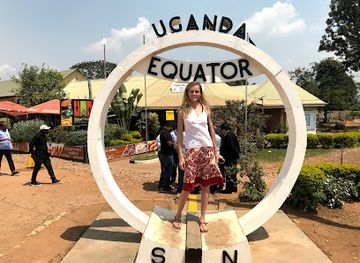
Uganda Equator
Experience the unique charm of the Uganda Equator, where geography meets culture and adventure awaits at every turn.
-
Tourist attraction
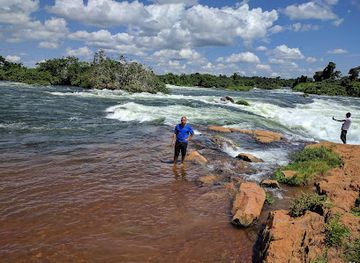
Itanda Falls
Experience the thrill of adventure and the beauty of nature at Itanda Falls, Uganda's stunning waterfall destination.
-
Park
Busowoko Falls
Explore the breathtaking Busowoko Falls in Jinja, Uganda, where nature's beauty meets serene adventure in a stunning park setting.
-
National park
Pian Upe Game Reserve
Discover the unspoiled beauty and diverse wildlife of Pian Upe Game Reserve, a hidden treasure in Uganda's national parks.
Best landmarks in Teso
The Nyero rock shelters near Kumi are Teso’s most significant archaeological landmarks, with painted figures set against large granite outcrops in a landscape that conveys the site’s age and isolation. Their importance is both artistic and historical, offering evidence of ancient symbolic practices in eastern Africa while retaining an atmosphere of continuing local significance. Soroti’s identity is expressed less through monumental architecture than through its streets, markets, railway-era transport history and role as the region’s principal administrative and commercial centre. The broad wetlands and open plains around Awoja form another kind of landmark: they are recognisable geographical features that support farming, fishing and birdlife and demonstrate how seasonal water shapes settlement. The Lake Kyoga margins provide further visual definition in western parts of Teso, where cultivated land meets water and papyrus habitats. Across the region, small churches, trading-centre streets and homesteads are important elements of the lived landscape, but visitors should distinguish ordinary community buildings from formally protected monuments and seek permission before entering private or sacred places.
-
Tourist attraction
Kabaka's Palace
Discover the rich heritage of the Buganda Kingdom at Kabaka's Palace, an iconic landmark in the heart of Kampala, Uganda.
-
National park
Queen Elizabeth National Park
Explore the breathtaking wildlife and stunning landscapes of Queen Elizabeth National Park, Uganda's premier national park for adventure and nature lovers.
-
Museum
Uganda Museum
Explore Uganda's rich history and diverse cultures at the Uganda Museum, the nation's premier cultural attraction in Kampala.
-
National park
Mount Elgon National Park
Experience the breathtaking landscapes and rich biodiversity of Mount Elgon National Park, a top destination for nature lovers in Kenya.
Explore Teso on the map
Plan your trip on one map. See where the top cities, national parks and sights are, and book hotels and experiences in a few clicks.
Best hotels in Teso
Best restaurants in Teso
Dining in Teso is centred on Soroti and the region’s trading centres, with modest restaurants, cafés, roadside food stalls and local eateries serving filling Ugandan meals. Staples commonly include matooke, cassava, millet-based foods, rice, beans, greens and grilled or stewed meat, while fish is available in areas connected to Lake Kyoga and regional waterways. Chicken, goat and beef feature in many everyday meals, and seasonal produce from surrounding farms appears in market cooking. Millet and cassava are particularly relevant to the food traditions of eastern Uganda, though preparation differs between households and communities. Soroti is the best place to compare local dishes with broader Ugandan cooking and to buy fruit, roasted groundnuts and other market snacks. Rural food choices are more limited, and visitors should favour busy establishments with good turnover, freshly cooked food and safe drinking water. Upscale dining is modest compared with Kampala, but locally arranged meals can offer a more informative introduction to Teso’s agricultural culture than a formal restaurant.
-
East African
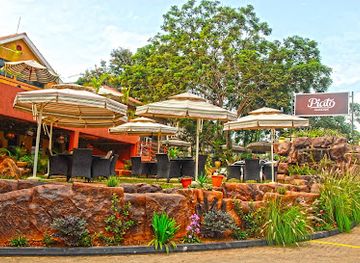
Piato Restaurant
Experience authentic East African flavors at Piato Restaurant – where delicious breakfasts meet vibrant ambiance in the heart of Kampala.
-
Italian
Mediterraneo Restaurant
Discover authentic Italian cuisine at Mediterraneo Restaurant in Kampala – where flavor meets culture in a charming setting.
-
Thai
Tamarai
Experience authentic Thai cuisine at Tamarai in Kampala—where exquisite flavors meet a relaxing lounge atmosphere.
-
Restaurant
The Hickory
Discover delicious flavors at The Hickory in Kampala - where local cuisine meets international delights in a vibrant setting.

Best bars in Teso
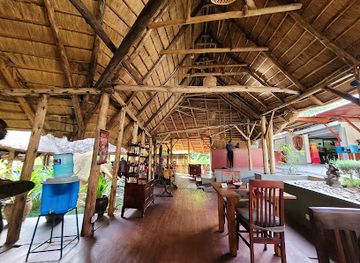
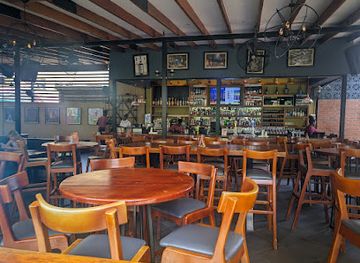
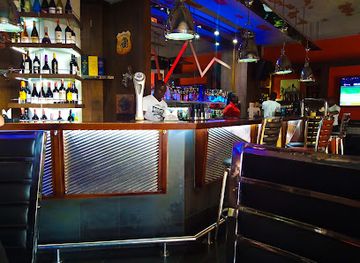
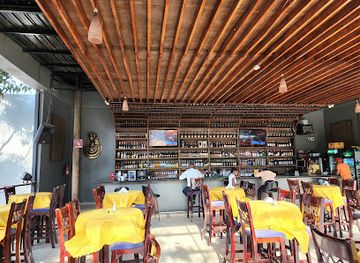
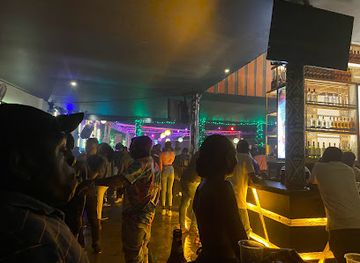
Evening life in Teso is concentrated in Soroti and larger trading centres rather than spread across a major club circuit. Visitors will find local bars, hotel lounges, casual restaurants and venues where Ugandan music is played, while traditional pubs and football-viewing spots are common forms of social entertainment. Soroti offers the broadest choice of places to eat and meet in the evening, but opening arrangements, music nights and venue status can change. Outside the main town, nightlife generally winds down earlier and centres on neighbourhood bars, family gatherings and community events rather than dedicated nightclubs. A locally brewed or commercially produced drink may be available, but alcohol is not necessary for engaging with the region’s culture. Use registered or trusted transport after dark, avoid walking unfamiliar roads at night, and ask accommodation staff for current advice about suitable venues.
-
Bar
The Alchemist Kitchen and Bar
Discover the vibrant flavors and lively atmosphere at The Alchemist Kitchen and Bar, a culinary jewel in the heart of Kampala's nightlife.
-
Bar
Riders Lounge Ug
Experience the vibrant atmosphere of Riders Lounge Ug, a premier bar in Kampala, offering a mix of local flavors and international drinks in a lively setting.
-
Bar
Thrones Lounge Bar & Restaurant
Thrones Lounge Bar & Restaurant in Kampala offers a vibrant nightlife experience with delicious food, creative cocktails, and live entertainment.
-
Lounge
BRISK
Discover BRISK, Kampala's ultimate lounge for a thrilling night out with great drinks, delicious food, and vibrant entertainment.
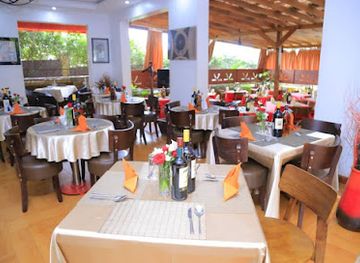
Best nightclubs in Teso
Evening life in Teso is concentrated in Soroti and larger trading centres rather than spread across a major club circuit. Visitors will find local bars, hotel lounges, casual restaurants and venues where Ugandan music is played, while traditional pubs and football-viewing spots are common forms of social entertainment. Soroti offers the broadest choice of places to eat and meet in the evening, but opening arrangements, music nights and venue status can change. Outside the main town, nightlife generally winds down earlier and centres on neighbourhood bars, family gatherings and community events rather than dedicated nightclubs. A locally brewed or commercially produced drink may be available, but alcohol is not necessary for engaging with the region’s culture. Use registered or trusted transport after dark, avoid walking unfamiliar roads at night, and ask accommodation staff for current advice about suitable venues.
-
Club
GUVNOR
Discover the heart of Kampala's nightlife at GUVNOR, where electrifying music and vibrant energy create unforgettable nights.
-
Lounge
EXO LOUNGE
Discover the energetic nightlife of Kampala at EXO LOUNGE, a premier spot for cocktails and socializing until dawn.
-
Night club
Cielo Lounge
Experience a dynamic blend of nightlife, gourmet dining, and stunning views at Cielo Lounge in Kampala, Uganda.
-
Disco club
Catwalk Bar & Lounge
Discover the heart of Kampala's nightlife at Catwalk Bar & Lounge, where music, dance, and vibrant energy come together.

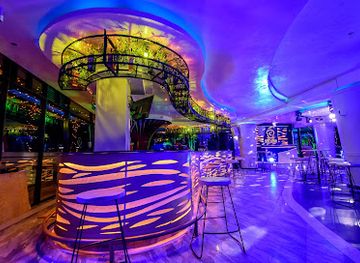
Best shops in Teso
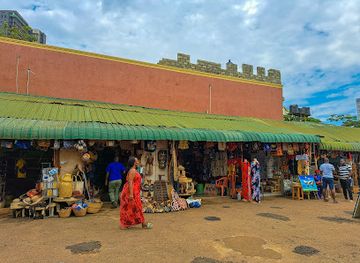
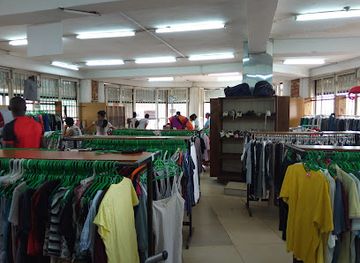
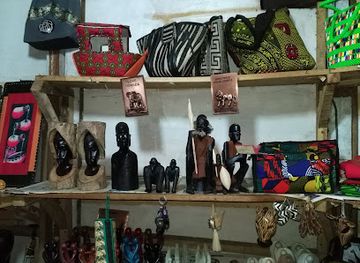
Shopping in Teso is primarily a market-town experience, with Soroti providing the widest selection of fresh produce, clothing, household goods, mobile-phone services and practical travel supplies. Markets and roadside stalls are useful for seeing the agricultural economy at close range, with cassava, millet, maize, beans, fruit, groundnuts and seasonal vegetables moving through local trade. Smaller centres in Kumi, Ngora, Serere, Amuria, Katakwi and Bukedea offer more limited but often highly localised shopping, particularly on busy market days. Visitors may find woven items, baskets, fabrics and handmade household goods, though availability depends on the community and season rather than a permanent craft-retail scene. Packaged coffee, groundnuts, honey or other regional produce can make practical gifts when purchased from reputable sellers and transported within customs restrictions. Bargaining may be acceptable in informal markets, but it should remain courteous and prices should be agreed before purchasing services. Do not buy archaeological objects, wildlife products or items claimed to come from Nyero’s rock shelters.
-
Craft store
Bagala Craft
Discover the heart of Ugandan craftsmanship at Bagala Craft, featuring unique handmade treasures that celebrate local artistry.
-
Clothing store
Green shop
Explore Green Shop in Kampala for unique clothing that reflects Ugandan culture and contemporary style.
-
Gift shop
Apgifto Gift Shop
Discover unique gifts and local treasures at Apgifto Gift Shop in Kampala, where creativity meets Ugandan warmth and hospitality.
-
Antique store
Exposure Africa
Explore the rich history and vibrant culture of Uganda through unique antiques and collectibles at Exposure Africa in Kampala.

Get your free copy of our complete guide to Teso, delivered straight to you.
Everything on this page, from attractions and restaurants to essentials and local phrases, in one PDF you can read offline, print or share.
Already have an account? Sign in
Your Teso guide is ready.
We'll send it to · Not you? Sign out

Getting your guide ready…
We are putting together a fresh copy of the Teso guide. This can take up to a minute.
This can take a few moments. If your browser asks, choose Allow so the download can start. You'll find the guide in your Downloads folder.
Nothing happened? Download it again
Sorry, the guide is taking longer than usual. Please try again in a minute, or get it by email instead.
Teso essentials
Currency and Payment
Safety
Emergency Situations
Do's and Don'ts
Local Tips
From Eve
Local phrases worth knowing
You don't need to get them perfect. A few words go a long way, and locals appreciate the effort.
Basics
| English | Local | Say it |
|---|---|---|
| Hello | Akol | [ah-kol] |
| Goodbye | Naki | [nah-kee] |
| Yes | Eyo | [eh-yo] |
| No | Awo | [ah-wo] |
| Please/You're welcome | Nai | [nai] |
| Thank you | Webale | [weh-bah-le] |
| Excuse me/Sorry | Nyege | [nyeh-geh] |
| How are you? | Oli otya? | [oh-lee oh-tyah] |
| Fine. And you? | Ndi bulungi. Nyo? | [n-dee boo-loon-gee. nyo?] |
| Do you speak English? | Okwanjula Oluganda? | [oh-kwan-joo-lah oh-loo-gahn-dah] |
| I don't understand | Sikyalira | [see-kya-lee-rah] |
Eating & Drinking
| English | Local | Say it |
|---|---|---|
| I'd like to see the menu, please | Nnyinza okulaba ku menu, nai | [nnee-yeen-zah oh-koo-lah-bah koo men-oo, nai] |
| I don't eat meat | Sikola nyama | [see-koh-lah nyah-mah] |
| Cheers! | Otya! | [oh-tyah!] |
| I would like to pay, please | Nnyinza okukwata, nai | [nnee-yeen-zah oh-koo-kwa-tah, nai] |
Emergencies
| English | Local | Say it |
|---|---|---|
| Help! | Musa! | [moo-sah!] |
| Go away! | Siga! | [see-gah!] |
| Call the Police! | Genda okuwandiika abaserikale! | [gen-dah oh-koo-wan-dee-kah ah-bah-seh-ree-kah-le!] |
| Call a doctor! | Genda okuwandiika daktari! | [gen-dah oh-koo-wan-dee-kah dahk-tah-ree!] |
| I'm lost | Ndi mu kitanga | [n-dee moo kee-tang-ah] |
| I'm ill | Ndi mu bulwadde | [n-dee moo boo-lwah-dde] |
Shopping
| English | Local | Say it |
|---|---|---|
| I'd like to buy... | Nnyinza okugula... | [nnee-yeen-zah oh-koo-goo-lah...] |
| I'm just looking | Ndi ku labeera | [n-dee koo lah-beh-rah] |
| How much is it? | Kiki ekya? | [kee-kee eh-kya?] |
| That's too expensive | Ono guli munene | [oh-no goo-lee moo-neh-neh] |
| Can you lower the price? | Okwanjula okulemesa omuwendo? | [oh-kwan-joo-lah oh-koo-leh-meh-sah oh-moo-wen-doh?] |
Time & Numbers
| English | Local | Say it |
|---|---|---|
| What time is it? | Okwate ki? | [oh-kwah-teh kee?] |
| It's one o'clock | Kiri saawa emu | [kee-ree sah-wah eh-moo] |
| Half past (10) | Sawa esatu | [sah-wah eh-sah-too] |
| Morning | Ekitanga | [eh-kee-tang-ah] |
| Afternoon | Ekitondo | [eh-kee-ton-doh] |
| Evening | Ekitanga ekisera | [eh-kee-tang-ah eh-kee-seh-rah] |
| Yesterday | N'ekiri | [n-eh-kee-ree] |
| Today | N'ekyo | [n-eh-kyoh] |
| Tomorrow | N'ekisera | [n-eh-kee-seh-rah] |
| 1 | Emu | [eh-moo] |
| 2 | Ebi | [eh-bee] |
| 3 | Ekitatu | [eh-kee-tah-too] |
| 4 | Ekitano | [eh-kee-tah-no] |
| 5 | Ekitano | [eh-kee-tah-no] |
| 6 | Ekitano | [eh-kee-tah-no] |
| 7 | Ekitano | [eh-kee-tah-no] |
| 8 | Ekitano | [eh-kee-tah-no] |
| 9 | Ekitano | [eh-kee-tah-no] |
| 10 | Ekitano | [eh-kee-tah-no] |
Transport & Directions
| English | Local | Say it |
|---|---|---|
| Where's a/the...? | Okwate wa ...? | [oh-kwah-teh wah ...?] |
| What's the address? | Kiki ekitundu? | [kee-kee eh-kee-tun-doo?] |
| Can you show me (on the map)? | Okwanjula okundabira (ku kiondo)? | [oh-kwan-joo-lah oh-koon-dah-beer-ah (koo kee-on-doh)?] |
| When's the next (bus)? | Kiki ekya bus ey'oku? | [kee-kee eh-kya boos eh-yo-koo?] |
| A ticket (to ....) | Ekitikiti (ku ...) | [eh-kee-tee-kee-tee (koo ...)] |
History of Teso
Ancient Rock Art at Nyero
The Nyero rock shelters near Kumi contain painted figures and motifs attributed to an ancient rock-art tradition found in parts of eastern Africa. The images are generally understood to predate modern settlement in the immediate area, although their exact age, authorship and meaning remain debated. Their importance lies not only in the paintings themselves but also in the evidence they provide of long-term human activity and symbolic expression in the region. The sheltered rock faces, surrounding grassland and nearby communities form an archaeological landscape rather than an isolated monument.
The Formation of Iteso Society
The Iteso developed a distinctive society in the eastern Ugandan plains, with households historically dependent on cultivation, livestock keeping and local exchange. Oral traditions, language and clan relationships remain important in understanding Teso identity, while settlement patterns and farming practices reflect adaptation to seasonal rainfall and wetland environments. The region has never been culturally uniform: neighbouring peoples, including Kumam communities in parts of the north-western area, have their own histories and traditions. This layered social geography remains visible in language, local leadership and community life.
Colonial Administration and Cotton
British colonial rule reorganised eastern Uganda through taxation, administrative boundaries, mission activity and new systems of agricultural production. Cotton became particularly important in Teso during the twentieth century, linking farmers to national and international markets and influencing the growth of trading centres such as Soroti. Colonial institutions also altered local authority and patterns of education, while roads and rail connections gradually tied the region more closely to Kampala and other commercial centres. The legacy of this period can still be seen in agricultural economies, town layouts and the prominence of cotton in regional memory.
Independence and Regional Change
Uganda’s independence in 1962 brought new political institutions and development priorities, but Teso, like other regions, experienced periods of instability after independence. Soroti expanded as an administrative, educational and commercial centre, while roads, schools and agricultural services changed the relationship between rural communities and the wider Ugandan economy. Shifts in crop prices, land use and access to markets affected household livelihoods. The region’s modern history is therefore not only a story of political events but also of gradual changes in farming, education, transport and urbanisation.
Cattle Raiding and Insecurity
For decades, cattle raiding and the circulation of firearms created serious insecurity in parts of Teso, particularly along areas facing Karamoja and the north-eastern frontier. Raids disrupted livestock ownership, farming, settlement and movement, while communities developed local strategies of protection and recovery. Government disarmament operations and changing security conditions reduced some of the danger, though the effects remain part of family and community memory. Visitors should recognise that present-day travel conditions can vary and should obtain current local advice before travelling through remote border districts.
Teso’s Contemporary Recovery and Cultural Renewal
In recent decades, Teso has continued to rebuild livelihoods through agriculture, education, trade and local enterprise. Soroti’s growth has reinforced its role as a regional service centre, while rural communities have adapted to changing rainfall, markets and transport links. Cultural organisations and community leaders continue to promote Iteso language, music, dance and heritage, including interest in archaeological places such as Nyero. Contemporary Teso is consequently shaped by both continuity and change: longstanding farming and social traditions coexist with mobile phones, expanding towns and new forms of regional commerce.
Teso in Photos
Browse through our photo collection highlighting the charm and character of the destination.
Neighbouring regions of Teso
The closest regions to Teso, if you have time for more than one.
-

-

-

-

-


Swipe for more regions

