

Free Central Region Travel Guide & Mobile App
Explore Central Region with free travel guides. Discover regional history, expert tips, proposed trips, and audio guides on web or mobile app.


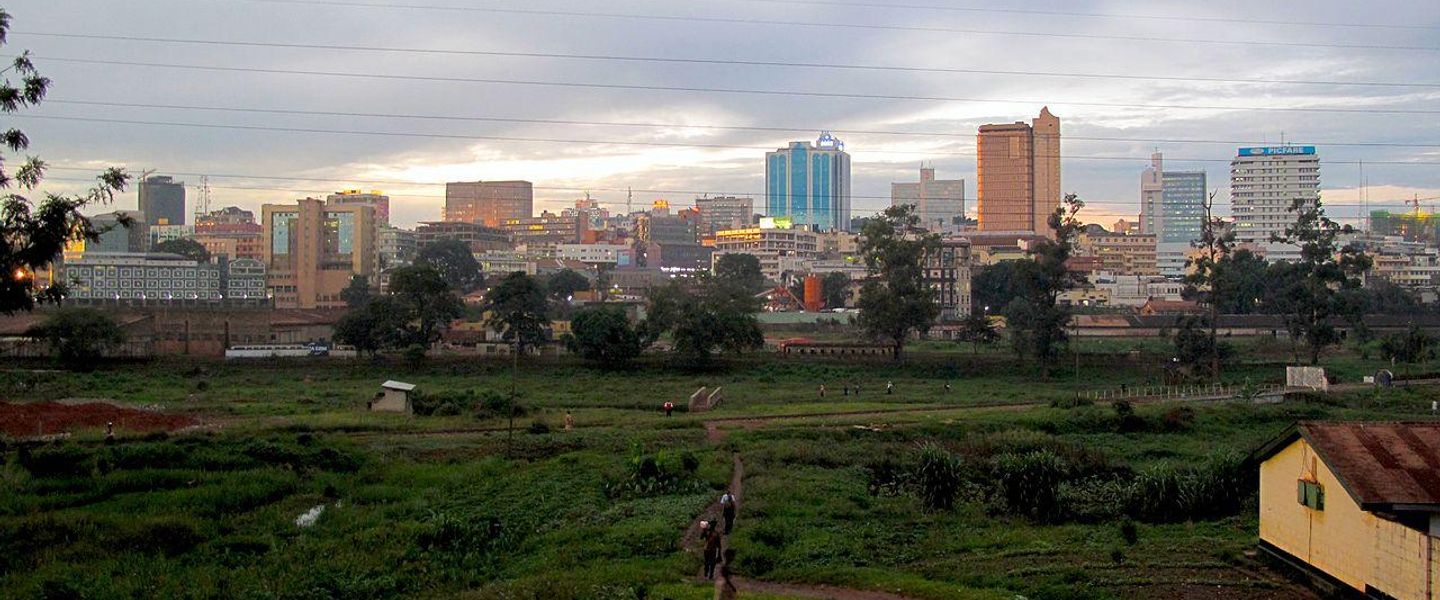


Explore Uganda’s Central Region through Kampala’s heritage, Entebbe’s lake shores, Buganda culture, wetlands, islands and lively dining scene.
When is the best time to visit Central Region?
Best: June–August · 25–26°C| Month | High (°C) | Rainfall (mm) |
|---|---|---|
| January | 27 | 65 |
| February | 28 | 65 |
| March | 28 | 115 |
| April | 27 | 155 |
| May | 26 | 130 |
| June (best) | 26 | 70 |
| July (best) | 25 | 50 |
| August (best) | 26 | 50 |
| September | 26 | 85 |
| October | 27 | 145 |
| November | 27 | 145 |
| December | 27 | 85 |
Getting to and around Central Region
How to get there
Transportation
Top city travel guides in Central Region
The cities of Central Region, and the easiest places to base yourself.
-
-

-

-

-

-


Swipe for more cities
Destinations in Central Region
Resorts, valleys and scenic spots worth a trip of their own.
-

-

-

-

-


Swipe for more destinations
Best attractions in Central Region
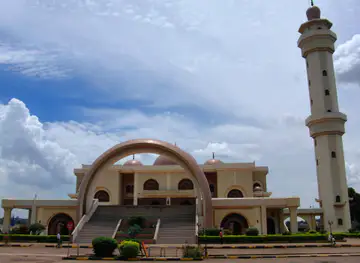
Central Region offers a broad mixture of cultural institutions, royal heritage, urban experiences and lake landscapes. Kampala contains the Uganda Museum, galleries, craft markets and several important religious and historical sites, giving visitors a useful introduction to Uganda’s peoples, kingdoms and contemporary creative life. The Kasubi Tombs and Wamala Tombs provide a deeper encounter with Buganda’s royal traditions, while Namugongo is a major pilgrimage destination associated with the Uganda Martyrs. In Entebbe, the Uganda Wildlife Education Centre, botanical gardens and lakeside setting create a gentler alternative to the capital. The Mabamba Wetland is a leading birdwatching destination, reached by canoe through papyrus channels where the shoebill may be seen. Around Mukono, Ssezibwa Falls combines a wooded landscape with important Buganda cultural associations. The Ssese Islands extend the region’s attractions into Lake Victoria, offering forest, beaches, fishing communities and village life, although travel requires more logistical planning. Across the countryside, coffee farms, banana gardens, markets and small cultural sites reward visitors who travel slowly, while boating, birdwatching and guided nature walks provide outdoor alternatives to urban sightseeing.
-
Market
Owino Market/Kampala
Explore the vibrant Owino Market in Kampala, a bustling hub of culture, commerce, and culinary delights, perfect for an authentic Ugandan experience.
-
Cultural center
Ndere Cultural Centre
Immerse yourself in the vibrant traditions of Uganda at Ndere Cultural Centre, where culture, music, and dance come alive in the heart of Kampala.
-
Zoo
Uganda Wildlife Conservation Education Centre
Explore the Uganda Wildlife Conservation Education Centre in Entebbe for an unforgettable wildlife experience and a commitment to conservation.
-
Tourist attraction
Kabaka's Palace
Explore the grandeur of Kabaka's Palace: a historical landmark showcasing the royal heritage of Uganda's Buganda Kingdom.


Best landmarks in Central Region
The Kasubi Tombs on Kampala’s Kasubi Hill are among Central Region’s most important landmarks: the immense thatched Muzibu Azaala Mpanga is the burial place of several kabakas of Buganda and expresses the kingdom’s architectural and spiritual traditions. Wamala Tombs, set in a quieter landscape west of Kampala, are another significant royal burial site associated with Buganda history. At Namugongo, the Uganda Martyrs Basilica and the nearby Anglican shrine form a major religious and architectural landmark visited by pilgrims from Uganda and beyond. Entebbe’s lakeside peninsula, shaped by broad views across Lake Victoria and its mature vegetation, is a geographical landmark as well as a historic administrative setting. Ssezibwa Falls, northeast of Kampala, is distinguished not only by its cascades and forested valley but also by its place in Buganda cultural traditions. The papyrus channels of Mabamba Wetland provide a living natural landmark on the lake shore, while the forested islands and open beaches of the Ssese archipelago mark the southern reaches of the region. Together these sites express the area’s royal, religious, ecological and lake-based identities.
-
Hotel
Hotel Africana Ltd & Convention center
Discover luxury and comfort at Hotel Africana, the ultimate retreat in the heart of Kampala, Uganda, where modern elegance meets cultural richness.
-
National park
Murchison Falls National Park
Explore the untamed wilderness of Murchison Falls National Park, where nature's beauty ignites adventure and wildlife encounters are abundant.
-
Tourist attraction
Kabaka's Palace
Explore Kabaka's Palace in Kampala, a stunning blend of history, culture, and vibrant traditions of the Buganda Kingdom.
-
National park
Queen Elizabeth National Park
Experience the breathtaking wildlife and stunning landscapes of Queen Elizabeth National Park, a true gem in Uganda's natural heritage.


Explore Central Region on the map
Plan your trip on one map. See where the top cities, national parks and sights are, and book hotels and experiences in a few clicks.
Best hotels in Central Region
Best restaurants in Central Region
Central Region’s food scene ranges from informal roadside cooking and market stalls to contemporary restaurants, hotel dining rooms and longstanding Kampala establishments. Buganda-influenced meals commonly feature matoke, steamed or cooked green bananas, served with groundnut sauce, beans, meat or fish; visitors may also encounter luwombo, in which meat, fish or vegetables are steamed in banana leaves. Freshwater fish, particularly tilapia and Nile perch, is widely available around Lake Victoria and in urban restaurants, while grilled meats, chapati, samosas and the popular egg-and-chapati roll known as a rolex suit quick meals. Kampala offers the greatest range of Ugandan regional cuisines alongside Indian, Middle Eastern, Ethiopian and international food. Entebbe combines cafés and hotel restaurants with lakeside dining, and island communities focus more on fish, simple local dishes and provisions brought from the mainland. Coffee is an important Ugandan product, and markets are good places to encounter seasonal fruit, bananas, cassava and other staples, though visitors should choose busy vendors and drink treated or bottled water.
-
Market
Vegan foods Uganda
Dive into Kampala's bustling Market Street for authentic vegan Ugandan feasts: posho with beans, matoke in peanut sauce, and fresh avocados amid vibrant street commerce and tropical energy.
-
East African
Piato Restaurant
Experience authentic East African flavors at Piato Restaurant in Kampala—where every meal is a celebration of local cuisine.
-
Restaurant
Cafesserie Acacia Mall
Discover delightful flavors at Cafesserie Acacia Mall in Kampala - where local meets international cuisine in an inviting atmosphere.
-
Restaurant
Asian Fusion Restaurant
Experience the best of Chinese and Indian cuisines at Kampala's premier Asian Fusion Restaurant - where flavors meet tradition.


Best bars in Central Region
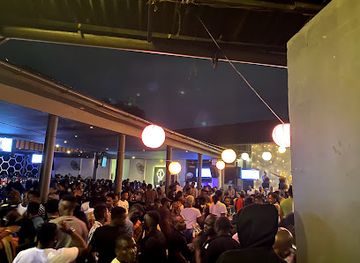
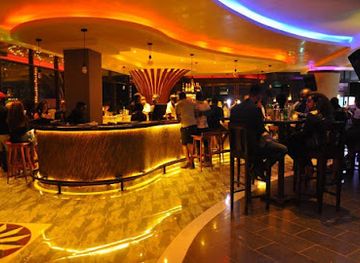
Nightlife is concentrated in Kampala, where neighbourhoods across the central, southern and eastern parts of the city offer pubs, lounges, live-music venues, restaurants and clubs with changing programmes. The capital’s evening culture includes Ugandan music, East African performers, DJs and international dining, but venues vary considerably in atmosphere and location; traffic makes it sensible to choose an area close to accommodation rather than crossing the city late at night. Entebbe has a quieter selection of hotel bars, lakeside restaurants and informal pubs, with evenings often centred on conversation rather than large-scale clubbing. In Mukono and other larger towns, local pubs, bars and occasional live entertainment provide the main evening options. Rural districts and the Ssese Islands generally have a slower nightlife pattern, focused on guesthouse bars, restaurants and community venues rather than a dense club scene. Visitors should use reputable transport after dark, keep valuables secure and remember that alcohol is not necessary to participate in the region’s music and social life.
-
Bar
Nexus Lounge
Experience vibrant nightlife at Nexus Lounge in Kampala, where themed nights, delightful drinks, and a lively atmosphere await.
-
Bar
The Alchemist Kitchen and Bar
Discover the vibrant flavors of Uganda at The Alchemist Kitchen and Bar, where culinary creativity meets a lively atmosphere in Kampala.
-
Bar
Cayenne
Experience the vibrant nightlife of Kampala at Cayenne, a lively bar and lounge offering delicious food, drinks, and entertainment in a stylish setting.
-
Lounge
F.A.M.E Lounge
Experience the vibrant atmosphere of F.A.M.E Lounge in Kampala, where modern elegance meets local flavors and delightful refreshments.


Best nightclubs in Central Region
Nightlife is concentrated in Kampala, where neighbourhoods across the central, southern and eastern parts of the city offer pubs, lounges, live-music venues, restaurants and clubs with changing programmes. The capital’s evening culture includes Ugandan music, East African performers, DJs and international dining, but venues vary considerably in atmosphere and location; traffic makes it sensible to choose an area close to accommodation rather than crossing the city late at night. Entebbe has a quieter selection of hotel bars, lakeside restaurants and informal pubs, with evenings often centred on conversation rather than large-scale clubbing. In Mukono and other larger towns, local pubs, bars and occasional live entertainment provide the main evening options. Rural districts and the Ssese Islands generally have a slower nightlife pattern, focused on guesthouse bars, restaurants and community venues rather than a dense club scene. Visitors should use reputable transport after dark, keep valuables secure and remember that alcohol is not necessary to participate in the region’s music and social life.
-
Club
GUVNOR
Experience the vibrant nightlife of Kampala at Guvnor, the city's premier club with electrifying music and an unforgettable atmosphere.
-
Lounge
F.A.M.E Lounge
Discover the vibrant energy of F.A.M.E Lounge in Kampala, where relaxation meets entertainment in a stylish setting.
-
Lounge
EXO LOUNGE
EXO LOUNGE: Kampala's ultimate nightlife destination for great drinks, vibrant atmosphere, and unforgettable experiences.
-
Night club
Cielo Lounge
Experience the vibrant nightlife of Kampala at Cielo Lounge, a premier night club with stunning views, great music, and a lively atmosphere.


Best shops in Central Region
Kampala is Central Region’s main shopping centre, with large supermarkets, contemporary malls, busy markets, bookshops, galleries and streets of independent retailers. Craft outlets and specialist markets offer baskets, woodcarvings, textiles, jewellery, paintings and bark-cloth products, but quality and pricing vary, so examine items carefully and compare prices before buying. Entebbe has a smaller, more relaxed selection of craft shops, food retailers and practical stores, while Mukono, Masaka and other towns serve as useful market centres for local produce and everyday goods. Farmers’ and produce markets are the best places to see the region’s bananas, pineapples, passion fruit, coffee and other agricultural products, though packaged goods are easier to transport internationally. On the Ssese Islands, shopping is limited and focuses mainly on fish, simple crafts and locally made items rather than extensive retail. When purchasing antiques, wildlife products or culturally significant objects, check Ugandan regulations and request proof that an item may legally leave the country.
-
Shopping mall
Acacia Mall
Explore Acacia Mall in Kampala for a delightful blend of shopping, dining, and entertainment in a vibrant setting.
-
Shopping mall
Village Mall
Explore the vibrant Village Mall in Kampala for a unique shopping experience, delightful dining, and exciting entertainment options.
-
Shopping mall
Garden City Shopping Mall
Experience shopping and entertainment at Garden City Shopping Mall in Kampala, a vibrant destination blending local culture with international flair.
-
Outlet mall
Freedom City Mall
Explore Freedom City Mall, Kampala's premier shopping destination, offering a vibrant mix of retail, dining, and entertainment for every traveler.



Get your free copy of our complete guide to Central Region, delivered straight to you.
Everything on this page, from attractions and restaurants to essentials and local phrases, in one PDF you can read offline, print or share.
Already have an account? Sign in
Your Central Region guide is ready.
We'll send it to · Not you? Sign out

Getting your guide ready…
We are putting together a fresh copy of the Central Region guide. This can take up to a minute.
This can take a few moments. If your browser asks, choose Allow so the download can start. You'll find the guide in your Downloads folder.
Nothing happened? Download it again
Sorry, the guide is taking longer than usual. Please try again in a minute, or get it by email instead.
Central Region essentials
Currency and Payment
Safety
Emergency Situations
Do's and Don'ts
Local Tips
From Eve
Local phrases worth knowing
You don't need to get them perfect. A few words go a long way, and locals appreciate the effort.
Basics
| English | Local | Say it |
|---|---|---|
| Hello | Oli otya | [Oh-lee oh-tyah] |
| Goodbye | Weeraba | [Wee-rah-bah] |
| Yes | Ndi | [Ndee] |
| No | Nedda | [Neh-dah] |
| Please/You're welcome | Nkyetegereza | [Nkyet-eh-geh-rah] |
| Thank you | Webale | [Weh-bah-leh] |
| Excuse me/Sorry | Nsonyiwa | [Nson-yee-wah] |
| How are you? | Oli otya? | [Oh-lee oh-tyah?] |
| Fine. And you? | Nyo, ggwe otya? | [Nyo, g-gweh oh-tyah?] |
| Do you speak English? | Ogwetaaga Olungereza? | [Oh-gweh-tah-gah Oh-loon-geh-reh-zah?] |
| I don't understand | Sijja kumanya | [See-jah koo-mah-nyah] |
Eating & Drinking
| English | Local | Say it |
|---|---|---|
| I'd like to see the menu, please | Nnyinza kulaba ku menu, nsanyuse | [Nnee-yin-zah koo-lah-bah koo meh-noo, n-sahn-yoo-seh] |
| I don't eat meat | Sikola nyama | [See-koh-lah nyah-mah] |
| Cheers! | Tukirize! | [Too-kee-ree-zeh!] |
| I would like to pay, please | Nnyinza okutuusa, nsanyuse | [Nnee-yin-zah oh-koo-too-sah, n-sahn-yoo-seh] |
Emergencies
| English | Local | Say it |
|---|---|---|
| Help! | Mpozzi! | [M-poh-zzi!] |
| Go away! | Genda wano! | [Gen-dah wah-noh!] |
| Call the Police! | Tandika poliisi! | [Tahn-dee-kah poh-lee-see!] |
| Call a doctor! | Tandika dokita! | [Tahn-dee-kah doh-kee-tah!] |
| I'm lost | Nze ndi mu bubi | [Nzeh n-deh moo boo-bee] |
| I'm ill | Nze ndi mu bubu | [Nzeh n-deh moo boo-boo] |
Shopping
| English | Local | Say it |
|---|---|---|
| I'd like to buy... | Nnyinza kugula... | [Nnee-yin-zah koo-goo-lah...] |
| I'm just looking | Nze ndi mu kwetegereza | [Nzeh n-deh moo kweh-teh-geh-reh-zah] |
| How much is it? | Ekitundu kiyinza ki | [Eh-kee-tun-doo kee-yin-zah kee] |
| That's too expensive | Ekitundu kyekyalo | [Eh-kee-tun-doo kyeh-kah-loh] |
| Can you lower the price? | Osobola okukuba ekitundu? | [Oh-soh-boh-lah oh-koo-kboo-ah eh-kee-tun-doo?] |
Time & Numbers
| English | Local | Say it |
|---|---|---|
| What time is it? | Lwaki luno? | [Lwah-kee loo-no?] |
| It's one o'clock | Lwaki luno lwa ssatu | [Lwah-kee loo-noo lwah ssah-too] |
| Half past (10) | Ekitundu ky’ettanu | [Eh-kee-tun-doo kyay-eh-tah-nu] |
| Morning | Mugole | [Moo-goh-leh] |
| Afternoon | Okwanjula | [Oh-k-wan-joo-lah] |
| Evening | Ekitanga | [Eh-kee-tahn-gah] |
| Yesterday | Ekitanga ekyasooka | [Eh-kee-tahn-gah eh-kyah-soo-kah] |
| Today | Leero | [Leh-roh] |
| Tomorrow | Ekitanga eky’otya | [Eh-kee-tahn-gah eh-ky-oh-tyah] |
| 1 | Muwendo 1 | [Moo-wen-doh 1] |
| 2 | Muwendo 2 | [Moo-wen-doh 2] |
| 3 | Muwendo 3 | [Moo-wen-doh 3] |
| 4 | Muwendo 4 | [Moo-wen-doh 4] |
| 5 | Muwendo 5 | [Moo-wen-doh 5] |
| 6 | Muwendo 6 | [Moo-wen-doh 6] |
| 7 | Muwendo 7 | [Moo-wen-doh 7] |
| 8 | Muwendo 8 | [Moo-wen-doh 8] |
| 9 | Muwendo 9 | [Moo-wen-doh 9] |
| 10 | Muwendo 10 | [Moo-wen-doh 10] |
Transport & Directions
| English | Local | Say it |
|---|---|---|
| Where's a/the...? | Wali wa...? | [Wah-lee wah...?] |
| What's the address? | Ekitabo ki? | [Eh-kee-tah-boh kee?] |
| Can you show me (on the map)? | Osobola mpaala (ku mapeera)? | [Oh-soh-boh-lah m-pah-lah (koo mah-peh-rah)?] |
| When's the next (bus)? | Lwaki olutalo luno? | [Lwah-kee oh-loo-tah-loh loo-no?] |
| A ticket (to ....) | Tikketi (ku ....) | [Tee-keh-tee (koo ...)] |
History of Central Region
The Kingdom of Buganda before colonial rule
Buganda developed into one of the most influential kingdoms in the Great Lakes region, centred south of Lake Kyoga and around the north-western shores of Lake Victoria. Its kabakas, or kings, governed through a system of counties, clans and chiefly authority, while agriculture, fishing and long-distance exchange supported the kingdom. The royal complex at Mengo and burial places such as the Kasubi and Wamala Tombs preserve important evidence of Buganda’s political and spiritual traditions. Although modern Central Region contains many communities and identities, Buganda’s institutions remain central to understanding its history and cultural landscape.
Trade, Islam and Christian missions in the nineteenth century
During the nineteenth century, Central Buganda became connected to expanding trade networks reaching the East African coast. Muslim traders introduced new commercial and religious influences, followed by Catholic and Protestant missionaries whose rival missions became highly influential at the royal court. The competition between religious factions contributed to political conflict, but it also established institutions that shaped education, literacy and public life. Kampala’s historic religious hills and Namugongo’s pilgrimage sites reflect this period, while the region’s continuing Christian and Muslim communities form part of a wider Ugandan religious history.
The British protectorate and the 1900 Buganda Agreement
British influence in Uganda expanded during the late nineteenth century and was formalised through the 1900 Buganda Agreement. The settlement strengthened the position of certain chiefs, reorganised landholding and incorporated Buganda into the wider Uganda Protectorate while retaining elements of the kingdom’s internal authority. It had lasting consequences for land, political power and relations between Buganda and other parts of Uganda. Entebbe became the colonial administrative centre, while Kampala grew as a commercial and transport hub. The period also accelerated the spread of cash crops, mission education and new bureaucratic institutions.
Kampala, Entebbe and the growth of modern Uganda
During the twentieth century, Kampala expanded from a cluster of hills near the royal capital into Uganda’s principal commercial city. Entebbe developed as an administrative and transport centre on Lake Victoria, later becoming home to the country’s main international airport. Roads, rail connections and formal markets strengthened the Central Region’s role in distributing agricultural produce and imported goods. Coffee, bananas, fish and other products moved through increasingly connected urban and lakeside economies. This period also produced new schools, hospitals, churches, mosques and civic architecture, many of which contributed to the region’s modern identity.
Independence, the 1966 crisis and the abolition of kingdoms
Uganda achieved independence in 1962, but relations between the central government and the Buganda kingdom soon deteriorated. In 1966, government forces attacked the royal residence at Mengo, forcing Kabaka Edward Mutesa II into exile. The subsequent constitutional changes abolished Uganda’s traditional kingdoms and concentrated authority in the central state. The conflict left a deep political and cultural legacy in Central Region, where royal sites and memories of the crisis remain significant. Kampala’s role as the national capital also expanded as government, business and population increasingly concentrated there.
Restoration of cultural institutions and contemporary urban transformation
Traditional kingdoms were restored as cultural institutions in 1993, although they do not exercise the political powers they held before their abolition. Buganda’s royal institution again became publicly visible, supporting cultural activities and heritage initiatives across Central Region. During the same decades, Kampala and the surrounding districts experienced rapid population growth, suburban expansion and increased international connections through Entebbe. The region now combines royal and religious heritage with universities, technology businesses, creative industries and a growing hospitality sector, while wetlands, farmland and lakeside communities face the pressures of urban development.
Central Region in Photos
Browse through our photo collection highlighting the charm and character of the destination.
Neighbouring regions of Central Region
The closest regions to Central Region, if you have time for more than one.
-

-

-

-

-


Swipe for more regions
Explore more

Explore more of Uganda
Discover Uganda: From the majestic mountain gorillas of Bwindi to the vibrant streets of Kampala, experience the diverse landscapes and rich culture of the Pearl of Africa.
Explore Uganda