

Free Sebei Travel Guide & Mobile App
Explore Sebei with free travel guides. Discover regional history, expert tips, proposed trips, and audio guides on web or mobile app.


Explore Sebei in eastern Uganda for Sipi Falls, Mount Elgon landscapes, Arabica coffee farms and Sabiny culture in the highlands.
Read more about Sebei
When is the best time to visit Sebei?
Best: January–March · 25–26°C| Month | High (°C) | Rainfall (mm) |
|---|---|---|
| January (best) | 25 | 21 |
| February (best) | 25 | 23 |
| March (best) | 26 | 25 |
| April | 26 | 27 |
| May | 26 | 29 |
| June | 27 | 31 |
| July | 27 | 33 |
| August | 27 | 35 |
| September | 27 | 37 |
| October | 28 | 39 |
| November | 28 | 42 |
| December | 28 | 44 |
Getting to and around Sebei
How to get there
Transportation
Destinations in Sebei
Resorts, valleys and scenic spots worth a trip of their own.

Swipe for more destinations
Best attractions in Sebei
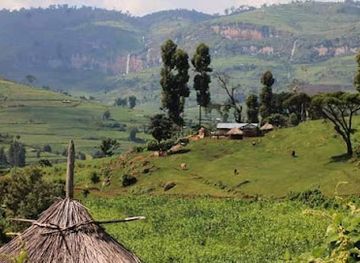
Sebei's attractions are shaped by the Mount Elgon escarpment and by the farms and communities that occupy its lower slopes. Sipi Falls is the best-known focus, with three principal cascades, walking routes between them, viewpoints and opportunities for guided abseiling where arrangements and conditions permit. The surrounding landscape is part of the experience: footpaths pass through Arabica coffee gardens, banana plots and steep valleys rather than a purpose-built tourism zone. Mount Elgon National Park offers forest, bamboo, giant heather and high-altitude moorland habitats for walking and birdwatching, with routes requiring planning and local guidance. Coffee tours explain cultivation, harvesting, washing and drying, while community-led cultural visits introduce Sabiny food, music, craft and oral traditions respectfully. In the districts of Kween and Bukwo, the appeal is quieter and more rural, with mountain scenery and agricultural life taking precedence over a concentration of formal attractions. Visitors should distinguish between a short Sipi walk, a farm visit and a multi-day Mount Elgon excursion, since each demands different equipment, time and transport.
-
Tourist attraction
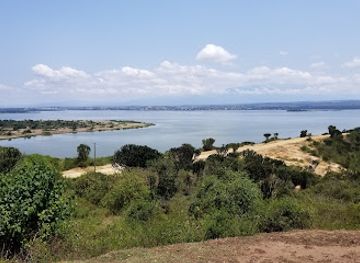
Mount Elgon National Park
Explore the breathtaking landscapes and rich biodiversity of Mount Elgon National Park, a must-visit natural wonder in Kenya.
-
Tourist attraction
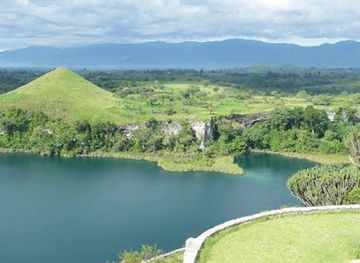
Kibale National Park
Explore the enchanting Kibale National Park, a premier destination for chimpanzee trekking and rich biodiversity in the heart of Uganda.
-
Resort hotel
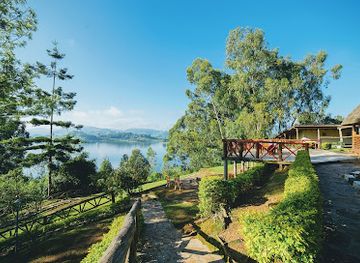
Lake Bunyonyi Eco Resort
Discover the beauty of Lake Bunyonyi at the Eco Resort, a serene getaway on Kyahugye Island, perfect for relaxation and adventure in Uganda.
-
Historical society
Sebei Nation
Explore the captivating heritage and rich agricultural culture of the Sebei Nation in the heart of Uganda's scenic Kapchorwa region.
Best landmarks in Sebei
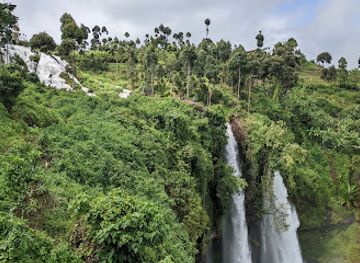
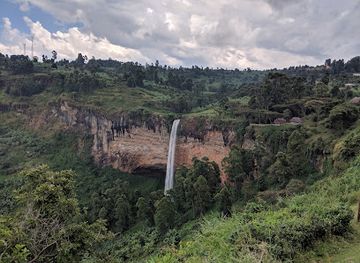
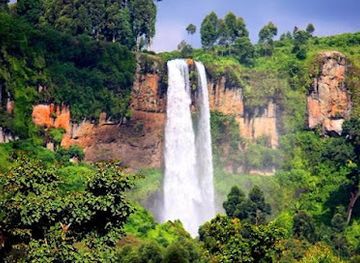
Sipi Falls is Sebei's defining natural landmark, where a series of streams drops over prominent escarpment cliffs above the lower eastern Ugandan plains. The falls are not a single viewpoint but a group of cascades reached by paths through farms and valleys, making the surrounding topography part of their significance. Mount Elgon itself is the region's larger geographical landmark: its broad, eroded volcanic massif governs the climate, vegetation, drainage and settlement pattern of Sebei. The forested and moorland slopes within Mount Elgon National Park mark a clear transition from cultivated highlands to protected mountain terrain. Kapchorwa's position on the escarpment gives it importance as the region's administrative and travel centre, while the roads and viewpoints around Sipi reveal the dramatic meeting of ridge, valley and plain. In villages and trading centres, churches, markets and farm compounds are more modest landmarks, but they help explain how contemporary Sebei is lived rather than simply viewed.
-
National park
Queen Elizabeth National Park
Explore the breathtaking beauty and wildlife of Queen Elizabeth National Park, a premier Ugandan destination for nature lovers and adventure seekers alike.
-
National park
Mount Elgon National Park
Explore the enchanting Mount Elgon National Park, a treasure trove of biodiversity, stunning landscapes, and thrilling adventures awaiting every traveler.
-
Hotel
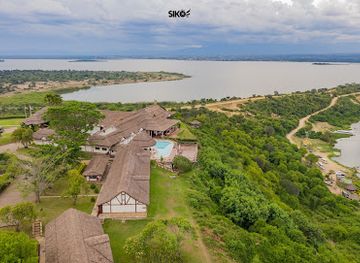
Mweya Safari Lodge
Discover Mweya Safari Lodge, a luxurious escape in Queen Elizabeth National Park, blending wildlife adventure with elegant comfort and stunning views.
-
Tourist attraction
Sipi Falls
Discover the breathtaking beauty of Sipi Falls, a stunning natural wonder in Uganda's Kapchorwa district, perfect for adventure seekers and nature lovers alike.
Explore Sebei on the map
Plan your trip on one map. See where the top cities, national parks and sights are, and book hotels and experiences in a few clicks.
Best hotels in Sebei
Best restaurants in Sebei
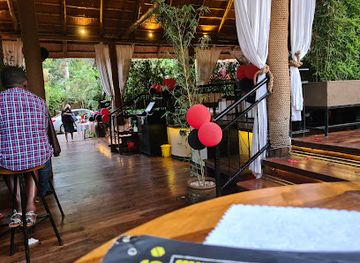
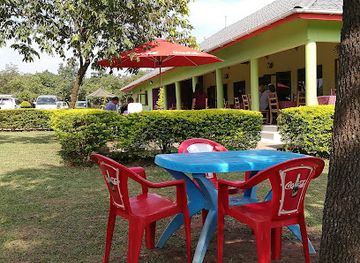
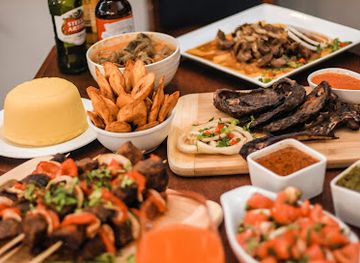
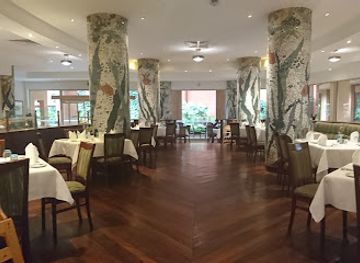
Dining in Sebei is closely tied to highland agriculture and the food served in local homes, guesthouses, lodges and modest town restaurants. Meals commonly draw on matoke, maize, beans, vegetables, potatoes, cassava, rice and meat, with seasonal produce varying between farms and markets. Coffee is the region's signature agricultural product, and a farm or cooperative visit may include an explanation of roasting and preparation rather than a formal tasting menu. Around Kapchorwa and Sipi Falls, accommodation-led kitchens provide the widest choice for travellers, while smaller settlements have simpler cafés and eateries with limited menus. Fresh fruit, locally grown vegetables and tea are useful additions to longer stays. Visitors should not expect a dense restaurant scene in rural areas; advance notice helps when staying in smaller lodges or arranging meals for walking groups. Ugandan cooking traditions are national in scope, but Sebei's altitude, coffee farms and mountain supply chains give local meals a distinctly highland setting.
-
Grill
Banana Bar & Bistro
Experience delightful grilled dishes and vibrant atmosphere at Banana Bar & Bistro in Kampala – a must-visit culinary destination.
-
Restaurant
Kabalega Diner Limited
Discover delightful breakfast and lunch options at Kabalega Diner Limited - where flavor meets comfort in Nakitoma.
-
Bar
Karibu Grill & Lounge Kampala
Discover the vibrant nightlife at Karibu Grill & Lounge in Kampala—where delicious cuisine meets lively entertainment.
-
Restaurant
The Lakes Restaurant.
Discover exquisite flavors at The Lakes Restaurant in Kampala - where local charm meets culinary excellence.
Best bars in Sebei
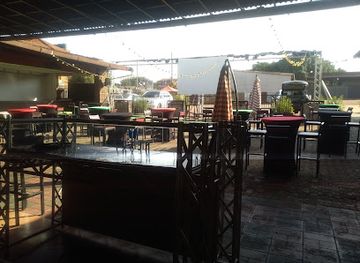
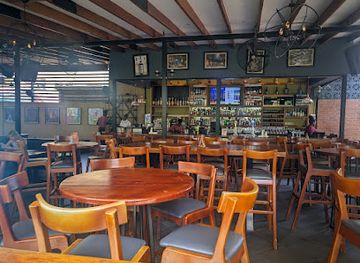
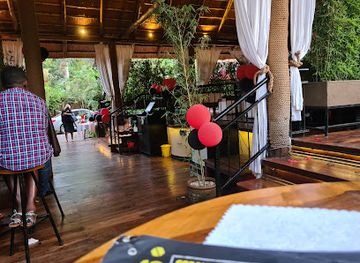
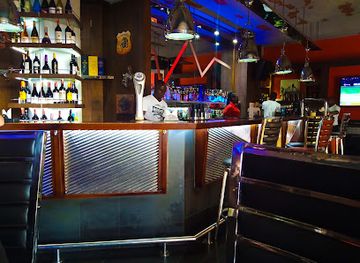
Evening life in Sebei is modest and locally focused. Kapchorwa has the broadest choice of ordinary bars, hotel lounges and places showing sport, while Sipi Falls accommodation tends to offer a quiet drink, a fire or conversation after a day outdoors rather than a dedicated club scene. In smaller towns and rural communities, social life often centres on local bars, restaurants and community gatherings, with music and activity varying by day and season. Travellers may find bottled beers, soft drinks and locally available spirits, but should drink responsibly and avoid presenting alcohol as the main route into local culture. Night-time movement is limited in remote areas because roads are dark and walking routes may be uneven, so arrange transport in advance. Live music and larger nightlife options are more characteristic of Uganda's major cities than of the Sebei highlands.
-
Bar
Nexus Lounge
Experience the vibrant nightlife of Kampala at Nexus Lounge, where themed nights and a lively atmosphere await every visitor.
-
Bar
The Alchemist Kitchen and Bar
Discover the vibrant flavors of Kampala at The Alchemist Kitchen and Bar, where culinary creativity meets a lively atmosphere.
-
Grill
Banana Bar & Bistro
Discover the vibrant flavors of Uganda at Banana Bar & Bistro, where delicious grilled dishes and refreshing drinks await in a lively setting.
-
Bar
Riders Lounge Ug
Experience the vibrant nightlife at Riders Lounge Ug in Kampala, a bar where hospitality meets a unique ambiance and lively entertainment.
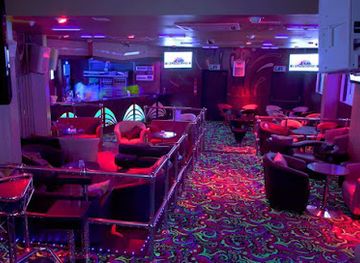
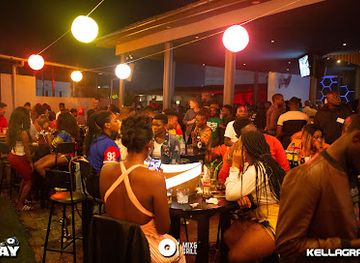
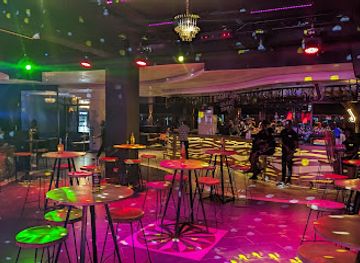
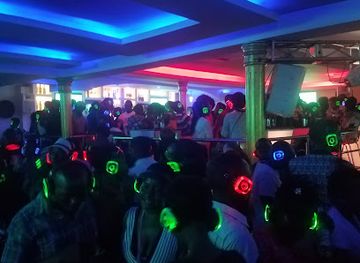
Best nightclubs in Sebei
Evening life in Sebei is modest and locally focused. Kapchorwa has the broadest choice of ordinary bars, hotel lounges and places showing sport, while Sipi Falls accommodation tends to offer a quiet drink, a fire or conversation after a day outdoors rather than a dedicated club scene. In smaller towns and rural communities, social life often centres on local bars, restaurants and community gatherings, with music and activity varying by day and season. Travellers may find bottled beers, soft drinks and locally available spirits, but should drink responsibly and avoid presenting alcohol as the main route into local culture. Night-time movement is limited in remote areas because roads are dark and walking routes may be uneven, so arrange transport in advance. Live music and larger nightlife options are more characteristic of Uganda's major cities than of the Sebei highlands.
-
Club
GUVNOR
Discover the pulse of Kampala’s nightlife at GUVNOR, where great music and an electric atmosphere await. Dance, drink, and enjoy the vibrant local scene.
-
Lounge
EXO LOUNGE
Experience the vibrant nightlife at Exo Lounge in Kampala, where exquisite drinks and a lively atmosphere await every visitor.
-
Night club
Cielo Lounge
Experience the vibrant nightlife of Kampala at Cielo Lounge, where exquisite dining meets an electrifying atmosphere in the heart of the city.
-
Disco club
Club Beruga Makindye
Discover the lively nightlife of Club Beruga Makindye, where music and dance come alive in an electrifying atmosphere.
Best shops in Sebei
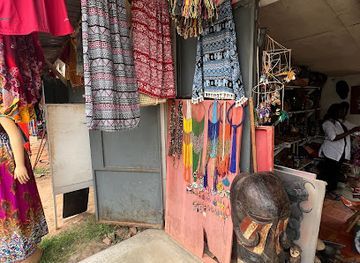
Shopping in Sebei is practical and small-scale, with Kapchorwa offering the most useful concentration of everyday shops, produce sellers, cafés and services. Rural markets and trading centres are places to find seasonal fruit, vegetables, grains and household goods, although market days and stock vary. The region's most distinctive purchases are Arabica coffee, locally made crafts and food products from small producers or cooperatives. Ask about origin and processing when buying coffee, and prefer transparent community or farm sales over vague claims about provenance. Handcrafted baskets, beadwork and other items may be available through cultural initiatives and accommodation providers, but selection is not uniform across the region. Visitors should not expect a large shopping centre or extensive luxury retail; the appeal lies in direct contact with an agricultural economy and in buying modest, useful products connected to Mount Elgon's farming communities.
-
Souvenir store
Pearl Crafts Village Entebbe
Explore the vibrant Pearl Crafts Village in Entebbe, where authentic Ugandan souvenirs and rich cultural artistry await every traveler.
-
E-commerce service
Kwesi Stores Online Shopping Uganda
Discover a diverse shopping experience at Kwesi Stores Online Shopping Uganda, where local meets global in the heart of Kampala.
-
Shopping mall
Serubiri cheap stores
Experience the vibrant shopping culture at Serubiri Cheap Stores, where affordability meets authenticity in the heart of Kampala.
-
Shopping mall
SERUWALE SHOPPING CENTRE
Discover the energy of Seruwale Shopping Centre in Kampala, a perfect blend of shopping, dining, and local culture.
Get your free copy of our complete guide to Sebei, delivered straight to you.
Everything on this page, from attractions and restaurants to essentials and local phrases, in one PDF you can read offline, print or share.
Already have an account? Sign in
Your Sebei guide is ready.
We'll send it to · Not you? Sign out

Getting your guide ready…
We are putting together a fresh copy of the Sebei guide. This can take up to a minute.
This can take a few moments. If your browser asks, choose Allow so the download can start. You'll find the guide in your Downloads folder.
Nothing happened? Download it again
Sorry, the guide is taking longer than usual. Please try again in a minute, or get it by email instead.
Sebei essentials
Currency and Payment
Safety
Emergency Situations
Do's and Don'ts
Local Tips
From Eve
Local phrases worth knowing
You don't need to get them perfect. A few words go a long way, and locals appreciate the effort.
Basics
| English | Local | Say it |
|---|---|---|
| Hello | Oli otya | [Olee oh-tyah] |
| Goodbye | Naki | [Nah-kee] |
| Yes | Ehe | [Eh-heh] |
| No | Nedda | [Neh-dah] |
| Please/You're welcome | Nkwenda | [Nkwen-dah] |
| Thank you | Webale | [Weh-bah-leh] |
| Excuse me/Sorry | Nsonyiwa | [Nson-yee-wah] |
| How are you? | Oli mutya? | [Olee moo-tyah?] |
| Fine. And you? | Ndi bulungi. Naawe? | [Ndee boo-loon-gee. Nah-weh?] |
| Do you speak English? | Ogwetaaga Olungereza? | [O-gwe-tah-gah Oh-loon-geh-rah?] |
| I don't understand | Sikyalaba | [See-kyah-lah-bah] |
Eating & Drinking
| English | Local | Say it |
|---|---|---|
| I'd like to see the menu, please | Nkwenda okulaba omukolo, ndowooza | [Nkwen-dah oh-koo-lah-bah oh-moo-koh-loh, n-doh-wo-zah] |
| I don't eat meat | Sikola nyama | [See-koh-lah nyah-mah] |
| Cheers! | Tukirire | [Too-kee-ree-reh] |
| I would like to pay, please | Nkwenda okuweereza, ndowooza | [Nkwen-dah oh-koo-weh-ree-zah, n-doh-wo-zah] |
Emergencies
| English | Local | Say it |
|---|---|---|
| Help! | Musa! | [Moo-sah!] |
| Go away! | Genda wansi! | [Gen-dah wahn-see!] |
| Call the Police! | Funa Polisi! | [Foo-nah Poh-lee-see!] |
| Call a doctor! | Funa daktari! | [Foo-nah dahk-tah-ree!] |
| I'm lost | Ndi mu kifo | [Ndee moo kee-foh] |
| I'm ill | Ndi musango | [Ndee moo-sahn-go] |
Shopping
| English | Local | Say it |
|---|---|---|
| I'd like to buy... | Nkwenda okukula... | [Nkwen-dah oh-koo-koo-lah...] |
| I'm just looking | Ndi kuzinza | [Ndee koo-zeen-zah] |
| How much is it? | Kika ki? | [Kee-kah kee?] |
| That's too expensive | Kyo kiki kireeta | [Kyo kee-kee kee-reh-tah] |
| Can you lower the price? | Oyinza okuleeta kisa? | [Oh-yin-zah oh-koo-leh-tah kee-sah?] |
Time & Numbers
| English | Local | Say it |
|---|---|---|
| What time is it? | Ndi mwaki ki? | [Ndee mwah-kee kee?] |
| It's one o'clock | Kiri emu | [Kee-ree eh-moo] |
| Half past (10) | Olukumi n'ekikumi | [Oh-loo-koo-mee n'eh-kee-koo-mee] |
| Morning | Ekitangaala | [Eh-kee-tahn-gah-lah] |
| Afternoon | Ekitondo | [Eh-kee-ton-doh] |
| Evening | Ekitangaala eky'ekiro | [Eh-kee-tahn-gah-lah eh-kee-kee-roh] |
| Yesterday | Ekitangaala ky'ekyennyanja | [Eh-kee-tahn-gah-lah kee-kyen-nyan-jah] |
| Today | Leero | [Leh-roh] |
| Tomorrow | Ekyenna | [Eh-kyen-nah] |
| 1 | Emu | [Eh-moo] |
| 2 | Ebbiri | [Eh-bee-ree] |
| 3 | Ekitatu | [Eh-kee-tah-too] |
| 4 | Ekitano | [Eh-kee-tah-noh] |
| 5 | Ekitano | [Eh-kee-tah-noh] |
| 6 | Ekitandiko | [Eh-kee-tahn-dee-koh] |
| 7 | Ekitandiko | [Eh-kee-tahn-dee-koh] |
| 8 | Ekitandiko | [Eh-kee-tahn-dee-koh] |
| 9 | Ekitandiko | [Eh-kee-tahn-dee-koh] |
| 10 | Ekitandiko | [Eh-kee-tahn-dee-koh] |
Transport & Directions
| English | Local | Say it |
|---|---|---|
| Where's a/the...? | Wali wa...? | [Wah-lee wah...?] |
| What's the address? | Kiki ekitundu? | [Kee-kee eh-kee-toon-doo?] |
| Can you show me (on the map)? | Oyinza okundabiriza (mu map)? | [Oh-yin-zah oh-koon-dah-bee-ree-zah (moo mahp)?] |
| When's the next (bus)? | Nka ki bus? | [N-kah kee bus?] |
| A ticket (to ....) | Ticket (ku ....) | [Tee-ket (koo ....)] |
History of Sebei
Early Settlement and Kalenjin Connections
The Sebei are a Kalenjin-speaking people whose history is connected to wider movements and exchanges among communities of the eastern African highlands. Their settlement around Mount Elgon developed through agriculture, pastoralism, kinship networks and interaction with neighbouring peoples, including communities on the mountain's Ugandan and Kenyan sides. Oral history remains important in understanding identity and ancestry, while the region's steep terrain helped produce distinct local communities rather than a single urban tradition.
Mount Elgon's Long Environmental History
Mount Elgon is an ancient, heavily eroded volcano whose broad massif has shaped settlement, farming and trade for centuries. Its slopes provide fertile soils and a marked sequence of ecological zones, from cultivated lower ground through forest and bamboo to high moorland. The mountain's forests and water catchments continue to influence life in Sebei, supplying streams and waterfalls while also creating tensions between conservation, cultivation and access to natural resources.
Colonial Administration and the Uganda Protectorate
During the period of British rule in Uganda, the Sebei highlands were incorporated into colonial administrative systems that reorganised authority, taxation, land use and labour. The border with Kenya became a more formal political division even though communities around Mount Elgon maintained older social and trading connections. Missionary activity, schools, Christianity and colonial agricultural policies gradually altered local institutions, while roads and administrative centres strengthened the importance of Kapchorwa.
Coffee and Highland Agriculture
Arabica coffee became a major cash crop on the cool, fertile slopes of Sebei, alongside food crops and livestock keeping. Its cultivation linked smallholder families to cooperatives, traders and national export markets, and coffee remains central to the region's economic identity. Production is shaped by altitude, rainfall, labour and access to processing facilities. Today, farm visits and community coffee experiences provide visitors with a direct way to understand an industry that is both locally rooted and internationally connected.
Uganda's Independence and Local Government
Uganda became independent in 1962, and Sebei's administration subsequently evolved within the country's changing systems of local government and district organisation. Kapchorwa became the principal administrative and commercial centre, while Kween and Bukwo developed as distinct districts within the wider Sebei cultural area. These modern boundaries do not erase older relationships across the mountain, but they affect public services, roads, conservation administration and the way visitors plan travel.
Conservation and Tourism around Mount Elgon
Mount Elgon's Ugandan slopes were progressively brought within formal conservation arrangements, eventually forming Mount Elgon National Park. Conservation has protected important forest, bamboo and high-altitude habitats, while also changing how surrounding communities use land and natural resources. Sipi Falls, mountain trekking, birdwatching and coffee tourism later became significant parts of Sebei's visitor economy. The region's contemporary travel story therefore combines environmental protection, rural livelihoods and locally guided tourism rather than relying only on large-scale resorts.
Sebei in Photos
Browse through our photo collection highlighting the charm and character of the destination.
Neighbouring regions of Sebei
The closest regions to Sebei, if you have time for more than one.
-

-

-

-

-


Swipe for more regions
Explore more

Explore more of Uganda
Discover Uganda: From the majestic mountain gorillas of Bwindi to the vibrant streets of Kampala, experience the diverse landscapes and rich culture of the Pearl of Africa.
Explore Uganda