

Free Elgon Travel Guide & Mobile App
Explore Elgon with free travel guides. Discover regional history, expert tips, proposed trips, and audio guides on web or mobile app.


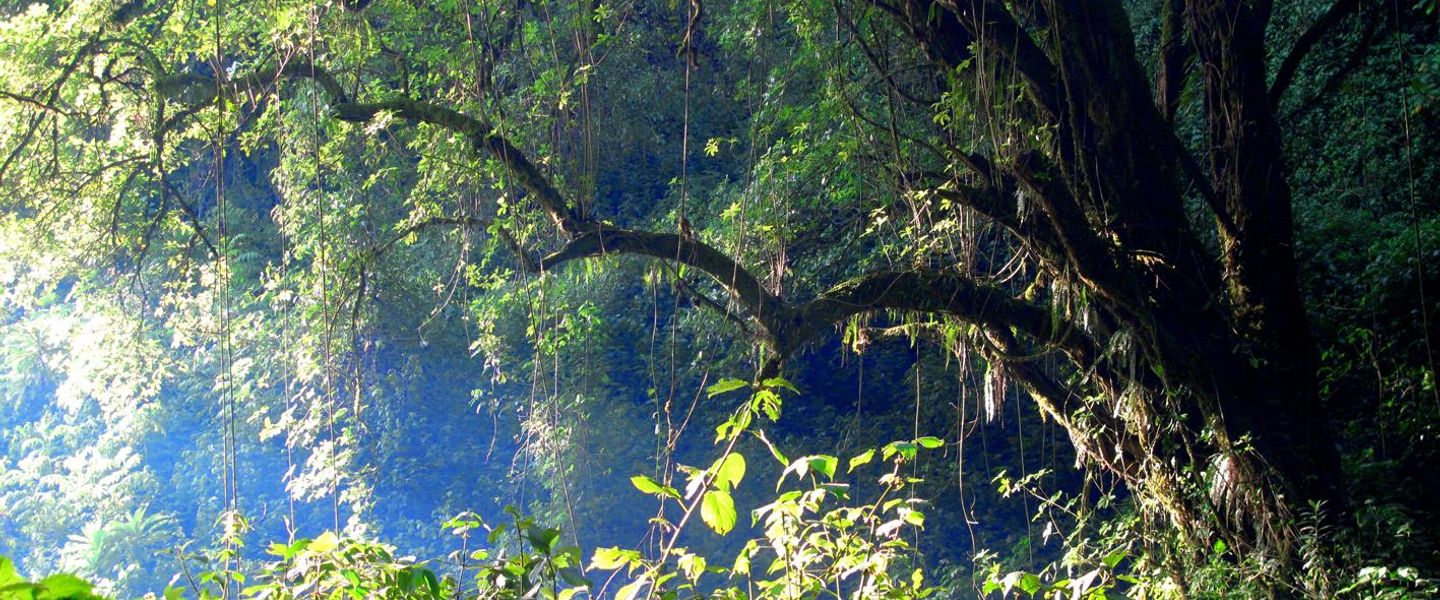


Explore Elgon in eastern Uganda for Mount Elgon trails, Sipi Falls, Arabica coffee, highland landscapes and Bagisu cultural heritage.
Read more about Elgon
When is the best time to visit Elgon?
Best: January–March · 23–24°C| Month | High (°C) | Rainfall (mm) |
|---|---|---|
| January (best) | 23 | 40 |
| February (best) | 24 | 45 |
| March (best) | 24 | 50 |
| April | 24 | 80 |
| May | 24 | 100 |
| June | 23 | 120 |
| July | 23 | 100 |
| August | 23 | 80 |
| September | 23 | 60 |
| October | 23 | 50 |
| November | 22 | 40 |
| December | 22 | 30 |
Getting to and around Elgon
How to get there
Transportation
Top city travel guides in Elgon
The cities of Elgon, and the easiest places to base yourself.

Swipe for more cities
Destinations in Elgon
Resorts, valleys and scenic spots worth a trip of their own.

Swipe for more destinations
Best attractions in Elgon
Elgon’s attractions are concentrated in landscapes rather than in large built visitor complexes. Mount Elgon National Park offers guided trekking through montane forest, bamboo, moorland and high volcanic terrain, with caves, cliffs and streams providing geological and ecological interest. Routes vary in length and difficulty, and the mountain is better suited to walkers and nature enthusiasts than to conventional safari drives. Around Sipi and the northern escarpment, several waterfalls descend through steep farmland and wooded ravines; local guides lead walks to viewpoints and the base of the falls. Coffee tours explain Arabica cultivation, harvesting and processing on smallholder plots. Mbale provides markets, urban history and access to the lowland food culture, while Bududa, Sironko, Manafwa and Bulambuli reveal densely farmed valleys and striking mountain scenery. Birdwatching, village walks, cultural visits and photography are possible throughout the region, but arrangements should be made respectfully and with community consent. Seasonal rain affects paths and roads, so outdoor itineraries need flexibility.
-
National park
Murchison Falls National Park
Discover the breathtaking beauty and diverse wildlife of Murchison Falls National Park, Uganda's largest national park, home to the spectacular Nile River Falls.
-
National park
Queen Elizabeth National Park
Experience the wild heart of Uganda at Queen Elizabeth National Park, a paradise for wildlife enthusiasts and nature lovers.
-
Historical landmark
Mbale Clock Tower
Explore the historic Mbale Clock Tower, a vibrant symbol of local culture and community in the heart of Uganda.
-
National park
Lake Mburo National Park
Explore Uganda's stunning Lake Mburo National Park, a wildlife haven with breathtaking landscapes and rich biodiversity, perfect for nature enthusiasts.


Best landmarks in Elgon
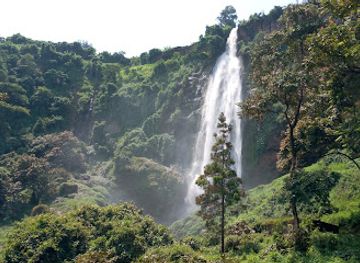
The most recognisable landmark in Elgon is Mount Elgon itself, whose enormous eroded volcanic massif dominates eastern Uganda without forming a sharply pointed summit. Its caldera, high ridges and distinctive montane vegetation give the mountain its geographical identity. In the north, the Sipi waterfalls form a series of prominent natural features on the escarpment, dropping through dark rock and cultivated highland slopes. Mount Elgon National Park’s caves and forested approaches are important physical reminders of the mountain’s volcanic and ecological history. Mbale’s Wanale ridge, on the city’s eastern side, provides a notable mountain backdrop and marks the transition from urban lowland to the steep foothills. Across Bududa, Sironko, Manafwa and Bulambuli, narrow valleys, exposed slopes and fast-flowing streams are landmarks of a lived agricultural landscape, although their appearance changes markedly between wet and dry periods.
-
Historical landmark
Mbale Clock Tower
Explore Mbale's iconic Clock Tower, a historical landmark that embodies the city's vibrant culture and rich history.
-
Tourist attraction
Sipi Falls
Experience the breathtaking beauty of Sipi Falls in Uganda, a natural wonder with stunning waterfalls and vibrant local culture, perfect for adventure seekers.
-
Volcano
Mount Elgon
Explore the breathtaking landscapes of Mount Elgon, a majestic volcano in Uganda with rich biodiversity and unforgettable hiking experiences.
-
Tourist attraction
Sisiyi Falls
Experience the breathtaking beauty of Sisiyi Falls, a hidden gem in Uganda, where nature and adventure await in perfect harmony.


Explore Elgon on the map
Plan your trip on one map. See where the top cities, national parks and sights are, and book hotels and experiences in a few clicks.
Best hotels in Elgon
Best restaurants in Elgon
Dining in Elgon is rooted in everyday Ugandan cooking, with matoke, cassava, sweet potatoes, maize, beans, groundnuts, greens and rice widely available in Mbale and the highland towns. Small restaurants and roadside cafés generally offer filling local meals, while guesthouses and lodges around Sipi may provide a broader menu for travellers. Malewa, prepared from tender bamboo shoots, is associated with Bagisu cuisine and may appear seasonally or according to the cook’s availability. Arabica coffee is the region’s defining drink and is best understood through a farm or community visit that explains cultivation and processing, rather than simply through a café tasting. In markets, look for fresh fruit, roasted maize and other informal snacks. Dining options become more limited away from Mbale, so visitors staying in rural areas should confirm meal arrangements in advance and avoid assuming that late-evening food will be available.
-
East African
Piato Restaurant
Discover authentic East African cuisine at Piato Restaurant in Kampala - where every meal tells a story.
-
Restaurant
Cafesserie Acacia Mall
Discover the flavors of Uganda at Cafesserie Acacia Mall – where every meal is an experience!
-
Restaurant
Caramel Café & Lounge - Acacia
Experience the best of Kampala's dining scene at Caramel Café & Lounge - Acacia; where delicious cuisine meets vibrant ambiance.
-
Fine Dining
The Lawns Restaurant
Experience fine dining and barbecue delights at The Lawns Restaurant in Kampala - where every meal is a celebration of flavor.


Best bars in Elgon
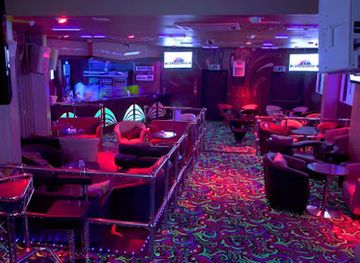
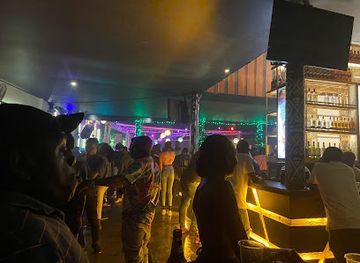
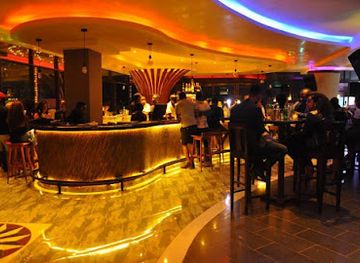
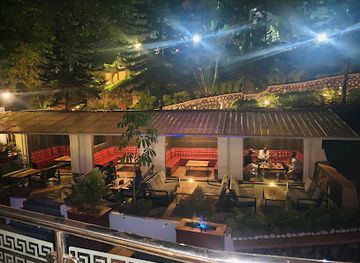
Nightlife in Elgon is modest and varies sharply between Mbale and the mountain areas. Mbale has the region’s broadest evening choice, including ordinary bars, restaurants, music venues and social meeting places, with activity concentrated around the town rather than a clearly defined club district. In Kapchorwa and around Sipi, evenings are more commonly spent at a lodge, guesthouse, pub or restaurant, sometimes with locally popular music rather than a large nightclub scene. Rural communities generally become quiet earlier, and transport after dark can be limited. Visitors should choose accommodation with a dependable evening meal and arrange returns before going out. Local beer and other drinks are available, but alcohol is not necessary to engage with Elgon’s evening culture; coffee, conversation, food and views are equally characteristic parts of a highland stay.
-
Bar
Thrones Lounge Bar & Restaurant
Experience the vibrant nightlife of Kampala at Thrones Lounge Bar & Restaurant, where great music and a diverse drink menu await.
-
Bar
The Bourbon
Experience the vibrant nightlife and exquisite drink selection at The Bourbon, Jinja's top bar destination for locals and tourists alike.
-
Bar
Rock Garden Cafe
Discover the charm of Rock Garden Cafe in Kampala, where lush views of the Nile meet delightful local cuisine and vibrant entertainment.
-
Cocktail bar
The Terrace
Experience Kampala's vibrant nightlife at The Terrace, where innovative cocktails meet a lively atmosphere.


Best nightclubs in Elgon
Nightlife in Elgon is modest and varies sharply between Mbale and the mountain areas. Mbale has the region’s broadest evening choice, including ordinary bars, restaurants, music venues and social meeting places, with activity concentrated around the town rather than a clearly defined club district. In Kapchorwa and around Sipi, evenings are more commonly spent at a lodge, guesthouse, pub or restaurant, sometimes with locally popular music rather than a large nightclub scene. Rural communities generally become quiet earlier, and transport after dark can be limited. Visitors should choose accommodation with a dependable evening meal and arrange returns before going out. Local beer and other drinks are available, but alcohol is not necessary to engage with Elgon’s evening culture; coffee, conversation, food and views are equally characteristic parts of a highland stay.
-
Club
GUVNOR
Experience the vibrant nightlife of Kampala at Guvnor, the ultimate disco club with electrifying music and a lively atmosphere.
-
Lounge
EXO LOUNGE
Experience the vibrant nightlife at EXO Lounge in Kampala, where great drinks, live music, and an electrifying atmosphere await.
-
Night club
Cielo Lounge
Discover the vibrant nightlife of Cielo Lounge in Kampala, where exquisite cocktails and lively music create the perfect evening escape.
-
Disco club
Catwalk Bar & Lounge
Discover Kampala's nightlife at Catwalk Bar & Lounge, a vibrant disco club with great music, lively ambiance, and a diverse crowd.
Best shops in Elgon
Mbale is Elgon’s most useful shopping centre, with markets and ordinary high-street businesses selling clothing, household goods, fresh produce and travel necessities. The region’s most meaningful purchases are agricultural and craft-based: locally grown Arabica coffee, roasted beans, groundnuts, fruit and other produce can often be found through markets, cooperatives or farm visits. Around Sipi and the mountain districts, guesthouses and community tourism projects may offer woven items, baskets, artworks or small locally made souvenirs, but selection is more limited than in Uganda’s major cities. Shopping in rural areas is part of the local economy rather than a formal retail experience, so ask about provenance and pay fair, agreed prices. Carrying coffee home requires appropriate packaging and attention to the import rules of the destination country.
-
Shopping mall
Acacia Mall
Discover the vibrant shopping, dining, and entertainment experience at Acacia Mall, the premier destination in Kampala for tourists and locals alike.
-
Shopping mall
Garden City Shopping Mall
Explore Garden City Shopping Mall: A vibrant shopping haven in Kampala, blending local culture with modern shopping experiences.
-
Outlet mall
Freedom City Mall
Explore Freedom City Mall: Kampala's ultimate shopping and entertainment destination with diverse options for all tastes and ages.
-
Shopping mall
Victoria Mall
Experience shopping, dining, and entertainment at Victoria Mall, Entebbe's vibrant hub for tourists and locals alike.


Get your free copy of our complete guide to Elgon, delivered straight to you.
Everything on this page, from attractions and restaurants to essentials and local phrases, in one PDF you can read offline, print or share.
Already have an account? Sign in
Your Elgon guide is ready.
We'll send it to · Not you? Sign out

Getting your guide ready…
We are putting together a fresh copy of the Elgon guide. This can take up to a minute.
This can take a few moments. If your browser asks, choose Allow so the download can start. You'll find the guide in your Downloads folder.
Nothing happened? Download it again
Sorry, the guide is taking longer than usual. Please try again in a minute, or get it by email instead.
Elgon essentials
Currency and Payment
Safety
Emergency Situations
Do's and Don'ts
Local Tips
From Eve
Local phrases worth knowing
You don't need to get them perfect. A few words go a long way, and locals appreciate the effort.
Basics
| English | Local | Say it |
|---|---|---|
| Hello | Oli otya | [Oh-lee oh-tyah] |
| Goodbye | Weeraba | [Wee-rah-bah] |
| Yes | Naa | [Nah] |
| No | Naa | [Nah] |
| Please/You're welcome | Nkwagala | [Nkwah-gah-lah] |
| Thank you | Webale | [Weh-bah-leh] |
| Excuse me/Sorry | Nsaba | [N-sah-bah] |
| How are you? | Oli otya? | [Oh-lee oh-tyah?] |
| Fine. And you? | Nne ndyeyo. Otya? | [N-nay n-deh-yoh. Oh-tyah?] |
| Do you speak English? | Ogwanga okwogera Oluzungu? | [Oh-gwah-ngah oh-kwo-ge-ra Oh-loo-zoo-ngoo?] |
| I don't understand | Sijja kukiriza | [See-jah koo-kee-ree-zah] |
Eating & Drinking
| English | Local | Say it |
|---|---|---|
| I'd like to see the menu, please | Nkwagala okulaba omenyu, pls | [Nkwah-gah-lah oh-koo-lah-bah oh-meh-nyoo, please] |
| I don't eat meat | Sijja kudduka nnya | [See-jah koo-ddu-kah n-nyah] |
| Cheers! | Tukirize! | [Too-kee-ree-zeh!] |
| I would like to pay, please | Nkwagala okuwandiika, pls | [Nkwah-gah-lah oh-koo-wan-dee-kah, please] |
Emergencies
| English | Local | Say it |
|---|---|---|
| Help! | Mpa ffe! | [M-pah feh!] |
| Go away! | Genda wansi! | [Gen-dah wahn-see!] |
| Call the Police! | Leka abapoliisi! | [Leh-kah ah-bah-po-lee-see!] |
| Call a doctor! | Leka daktari! | [Leh-kah dahk-tah-ree!] |
| I'm lost | Ndi muwanga | [N-dee moo-wahn-gah] |
| I'm ill | Ndi musango | [N-dee moo-sahn-goh] |
Shopping
| English | Local | Say it |
|---|---|---|
| I'd like to buy... | Nkwagala okugula... | [Nkwah-gah-lah oh-koo-goo-lah...] |
| I'm just looking | Ndi mulaba | [N-dee moo-lah-bah] |
| How much is it? | Kikadde ki? | [Kee-kah-deh kee?] |
| That's too expensive | Kyo kyekikadde nnyo | [Kee-yoh kyeh-kee-kah-deh nyoo] |
| Can you lower the price? | Osobola okugonza essimu? | [Oh-soh-boh-lah oh-koo-gon-zah eh-see-moo?] |
Time & Numbers
| English | Local | Say it |
|---|---|---|
| What time is it? | Ekitundu ki? | [Eh-kee-tun-doo kee?] |
| It's one o'clock | Kiri ssaatu emu | [Kee-ree sah-ah-too eh-moo] |
| Half past (10) | Ekitundu ky'abiri | [Eh-kee-tun-doo chah-bee-ree] |
| Morning | Ekitangaala | [Eh-kee-tahn-gah-lah] |
| Afternoon | Ekitangaala ky'ekiro | [Eh-kee-tahn-gah-lah chee-kee-roh] |
| Evening | Ekitangaala ky'ekiro | [Eh-kee-tahn-gah-lah chee-kee-roh] |
| Yesterday | Ekitangaala ekyasembayo | [Eh-kee-tahn-gah-lah eh-kyah-sehm-bah-yoh] |
| Today | Ekitangaala ekya leero | [Eh-kee-tahn-gah-lah eh-kyah leh-roh] |
| Tomorrow | Ekitangaala ekya bukya | [Eh-kee-tahn-gah-lah eh-kyah boo-kyah] |
| 1 | Emu | [Eh-moo] |
| 2 | Abiri | [Ah-bee-ree] |
| 3 | Akatono | [Ah-kah-toh-noh] |
| 4 | Akatano | [Ah-kah-tah-noh] |
| 5 | Akatano | [Ah-kah-tah-noh] |
| 6 | Akatano | [Ah-kah-tah-noh] |
| 7 | Akatano | [Ah-kah-tah-noh] |
| 8 | Akatano | [Ah-kah-tah-noh] |
| 9 | Akatano | [Ah-kah-tah-noh] |
| 10 | Akatano | [Ah-kah-tah-noh] |
Transport & Directions
| English | Local | Say it |
|---|---|---|
| Where's a/the...? | Wali wa...? | [Wah-lee wah...?] |
| What's the address? | Ekitundu ki? | [Eh-kee-tun-doo kee?] |
| Can you show me (on the map)? | Osobola okundabiriza (ku mappa)? | [Oh-soh-boh-lah oh-koon-dah-bee-ree-zah (koo mah-pah)?] |
| When's the next (bus)? | Mungeri ki (bus)? | [Moo-nger-ee kee (bus)?] |
| A ticket (to ....) | Ekitikiti (ku ....) | [Eh-kee-tee-kee-tee (koo ....)] |
History of Elgon
The Ancient Mount Elgon Volcano
Mount Elgon is the eroded remnant of a vast ancient volcano whose slopes extend across present-day Uganda and Kenya. Volcanic activity created fertile soils, while later erosion carved valleys, cliffs and the mountain’s broad caldera. This geological history explains the region’s dramatic changes in elevation and its productive agriculture. The mountain’s caves, ridges, streams and high-altitude vegetation are not simply scenic features: they are the physical foundation of the settlements, farms and water systems that developed around the massif.
Bagisu and Other Highland Communities Before Colonial Rule
The western and southern slopes of Elgon are strongly associated with the Bagisu, also known as the Bamasaba, whose communities developed intensive farming systems in the mountain foothills. Sebei communities have long occupied parts of the northern and north-eastern highlands, while other neighbouring peoples have shaped the lower country around the massif. Social organisation, land use, language and initiation traditions developed through local histories rather than through a single central kingdom. Imbalu, the Bagisu male circumcision tradition, remains an important cultural institution, although visitors should approach ceremonies only through appropriate local arrangements.
The Uganda Protectorate and the Eastern Frontier
British colonial rule incorporated the Elgon area into the Uganda Protectorate during the late nineteenth and early twentieth centuries, while the mountain itself became part of an international frontier with Kenya. Colonial administration introduced new systems of taxation, schooling, land management and commercial production, often reshaping existing authorities and patterns of exchange. The border did not end historical links across the mountain, but it did place communities on different sides of separate colonial and later national administrations.
Coffee and the Transformation of Highland Agriculture
Arabica coffee became a major commercial crop on the cooler slopes of Elgon during the twentieth century. Smallholder cultivation connected villages to regional trading networks and eventually to national and international markets. Coffee remains important to household incomes and local identity, although farmers also grow bananas, maize, beans, vegetables and other food crops. The coffee landscape is therefore both agricultural and cultural: shaded plots, seasonal harvesting, washing, drying and cooperative marketing continue to shape the working countryside around Mbale and the mountain districts.
Independence and the Reorganisation of Local Government
Uganda’s independence in 1962 brought the Elgon districts into a new national political framework, followed by repeated changes to district boundaries and local administration. Mbale retained its role as the principal commercial centre, while new districts were created across the mountain’s slopes to bring government services closer to dispersed communities. These administrative changes can make the region difficult to define on a map, but the shared geography of Mount Elgon, its markets and its cultural relationships continues to provide a practical regional identity.
Mount Elgon National Park and Conservation
Mount Elgon National Park was established in 1992 on Uganda’s side of the massif, building on earlier forest and wildlife protection arrangements. The park safeguards montane forest, bamboo, high-altitude moorland, streams, caves and wildlife habitats, while also providing a setting for trekking and guided nature visits. Conservation remains connected to the lives of neighbouring communities, whose farms, water sources and roads lie close to the protected area. The park’s significance is therefore ecological as well as recreational.
Landslides, Climate Pressure and Contemporary Elgon
Steep slopes, intense rainfall, dense settlement and cultivation have made some parts of the Elgon region vulnerable to landslides and soil erosion. Severe events, including those in Bududa and neighbouring districts, have caused loss of life and displacement, while changing rainfall patterns add pressure to farming and roads. Contemporary Elgon is consequently shaped by both opportunity and risk: coffee, tourism and urban growth bring income, but conservation, slope management, resilient infrastructure and community safety remain central to the region’s future.
Elgon in Photos
Browse through our photo collection highlighting the charm and character of the destination.
Neighbouring regions of Elgon
The closest regions to Elgon, if you have time for more than one.
-

-

-

-

-


Swipe for more regions
Explore more

Explore more of Uganda
Discover Uganda: From the majestic mountain gorillas of Bwindi to the vibrant streets of Kampala, experience the diverse landscapes and rich culture of the Pearl of Africa.
Explore Uganda