

Free Bunyoro Travel Guide & Mobile App
Explore Bunyoro with free travel guides. Discover regional history, expert tips, proposed trips, and audio guides on web or mobile app.


Explore Bunyoro in western Uganda for royal heritage, Lake Albert scenery, Budongo Forest, wildlife and the historic landscapes of the Bunyoro-Kitara Kingdom.
Read more about Bunyoro
When is the best time to visit Bunyoro?
Best: December–February · 28–29°C| Month | High (°C) | Rainfall (mm) |
|---|---|---|
| January (best) | 28 | 25 |
| February (best) | 29 | 30 |
| March | 29 | 50 |
| April | 29 | 75 |
| May | 29 | 100 |
| June | 28 | 120 |
| July | 28 | 100 |
| August | 28 | 90 |
| September | 28 | 75 |
| October | 29 | 50 |
| November | 29 | 30 |
| December (best) | 28 | 25 |
Getting to and around Bunyoro
How to get there
Transportation
Top city travel guides in Bunyoro
The cities of Bunyoro, and the easiest places to base yourself.

Swipe for more cities
Destinations in Bunyoro
Resorts, valleys and scenic spots worth a trip of their own.
-

-


Swipe for more destinations
Best attractions in Bunyoro
Bunyoro's attractions combine living royal heritage, tropical forest, wildlife and the broad landscapes of the Albertine Rift. Around Hoima, the Mparo Tombs provide an important introduction to the history of the Bunyoro-Kitara Kingdom, while cultural visits can give context to royal traditions that remain part of contemporary public life. In Kikuube District, the Kibiro salt gardens on Lake Albert offer insight into a specialised lakeside industry and the daily realities of a remote community. Budongo Forest, reached most conveniently from the Masindi side, is valued for chimpanzee tracking, forest walks, birdwatching and its exceptional botanical character. Murchison Falls National Park extends beyond Bunyoro's boundaries, but its southern access through Masindi makes the region a significant gateway to game drives, Nile scenery and the falls. Rural roads, farms, wetlands and lakeside viewpoints add texture, though distances are long and responsible visits should be arranged with local guides and conservation authorities.
-
Tourist attraction
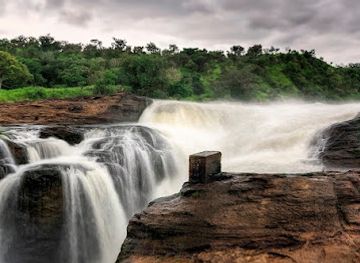
Murchison Falls National Park
Explore the breathtaking Murchison Falls National Park, Uganda's largest national park, where stunning landscapes meet incredible wildlife experiences.
-
Ranch
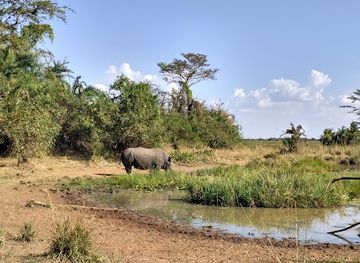
Ziwa Rhino and Wildlife Ranch
Experience the wonder of Uganda's wildlife at Ziwa Rhino and Wildlife Ranch, a sanctuary for endangered rhinos and a hub for eco-tourism.
-
Hotel
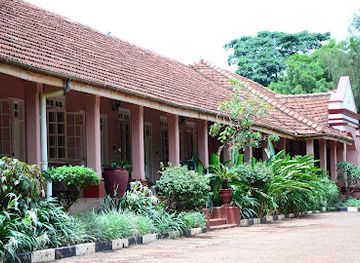
Masindi Hotel
Discover the charm of Masindi Hotel, a historic landmark offering comfortable stays and easy access to Uganda's natural wonders.
-
 Resort hotel
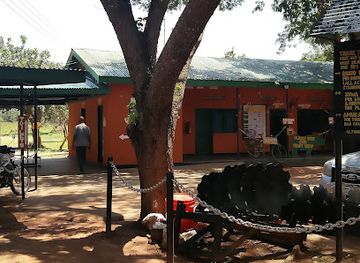
Kabalega Resort - Hoima
Discover the serene beauty and rich cultural heritage at Kabalega Resort, your perfect getaway in Hoima, Uganda.

Best landmarks in Bunyoro
The Mparo Tombs near Hoima are among Bunyoro's most important cultural landmarks, associated with the royal history of the Bunyoro-Kitara Kingdom and the memory of Omukama Kabalega. Their significance is ceremonial and historical as well as architectural, so visitors should follow guidance about photography, dress and access. Kibiro's salt-making landscape on the eastern shore of Lake Albert is a different kind of landmark: salt pans, processing areas and the surrounding rift-valley setting together express a longstanding relationship between people and the lake. The escarpments and open views around Lake Albert form some of Bunyoro's most recognisable natural features, while Budongo Forest represents a major ecological landmark of the region. The southern approaches to Murchison Falls National Park, including the Nile landscapes reached from Masindi, are also visually important, although the park itself crosses Bunyoro's administrative and cultural boundaries. Hoima's royal and civic spaces further illustrate the continuing presence of Bunyoro's heritage in a changing regional capital.
-
National park
Murchison Falls National Park
Explore Murchison Falls National Park, Uganda's largest national park, where wildlife encounters and breathtaking landscapes await every traveler.
-
Tourist attraction
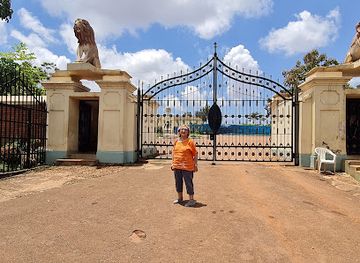
Kabaka's Palace
Explore the historical grandeur of Kabaka's Palace, a cultural treasure in Kampala, Uganda, showcasing the rich heritage of the Buganda Kingdom.
-
Tourist attraction
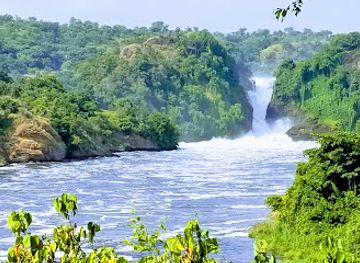
Murchison Falls Uganda
Discover Murchison Falls in Uganda, where the Nile River unleashes its power in a stunning waterfall surrounded by diverse wildlife and breathtaking landscapes.
-
Ranch
Ziwa Rhino and Wildlife Ranch
Discover the beauty of Uganda's wildlife at Ziwa Rhino and Wildlife Ranch, where conservation meets adventure in a stunning natural setting.
Explore Bunyoro on the map
Plan your trip on one map. See where the top cities, national parks and sights are, and book hotels and experiences in a few clicks.
Best hotels in Bunyoro
Best restaurants in Bunyoro
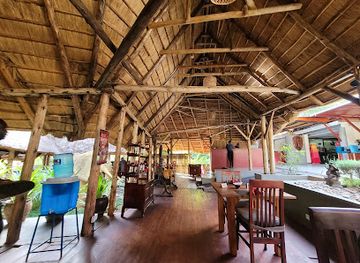
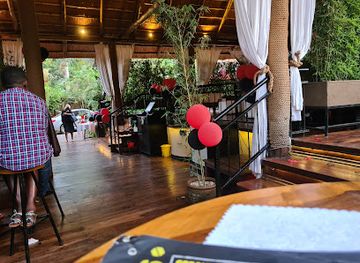
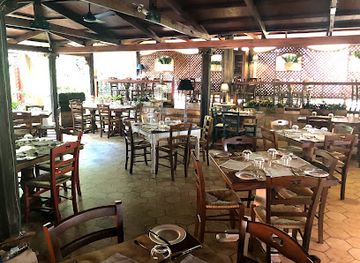
Dining in Bunyoro is primarily local and practical rather than centred on a large restaurant scene. In Hoima and Masindi, hotel restaurants, cafés and modest eateries commonly serve matoke, cassava, rice, beans, groundnuts, beef, chicken and seasonal vegetables, with freshwater fish more prominent around Lake Albert and other fishing communities. Millet and sorghum remain important foods in the wider regional diet, while roadside stalls may offer roasted plantain, maize or other simple snacks. Produce from surrounding farms reaches town markets, and visitors can often find regional cooking through guesthouses or arranged community meals. Formal dining is limited outside the main towns, so remote journeys require planning rather than relying on frequent cafés. Tipping is discretionary, and asking about ingredients is sensible where menus are informal. The food experience is best understood through everyday markets, local restaurants and rural hospitality, not through claims of a single dish representing the whole of Bunyoro.
-
East African
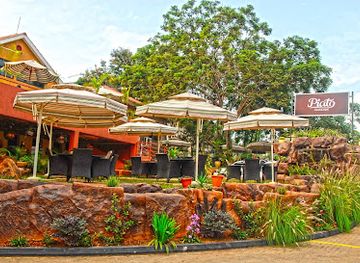
Piato Restaurant
Experience authentic East African cuisine at Piato Restaurant in Kampala – a culinary delight for breakfast lovers!
-
Thai
Tamarai
Discover authentic Thai flavors at Tamarai - where exquisite cuisine meets vibrant lounge vibes in the heart of Kampala.
-
Grill
Banana Bar & Bistro
Experience exquisite dining at Banana Bar & Bistro – where local flavors meet international flair in the heart of Kampala.
-
Restaurant
Cantine Divino
Discover exquisite dining at Cantine Divino in Kampala, where local flavors meet international cuisine in a vibrant setting.
Best bars in Bunyoro
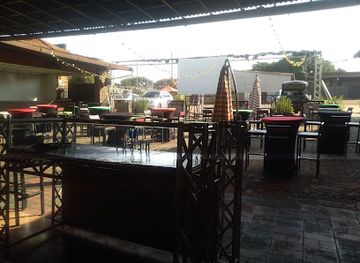
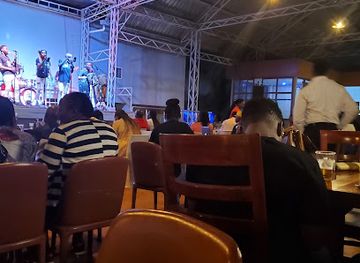
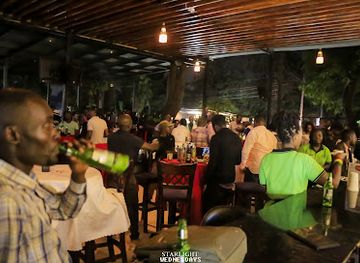
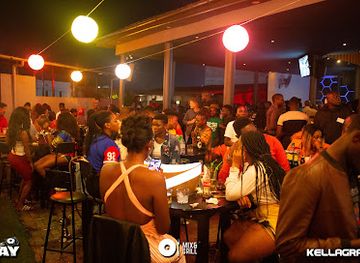
Evening life in Bunyoro is concentrated in Hoima, Masindi and other larger trading centres, where hotel bars, local pubs, cafés and small music venues provide the main options. Hoima has the broadest selection, reflecting its role as the region's principal town and its expanding business community, while Masindi serves travellers heading towards Budongo Forest and Murchison Falls. Outside these centres, nightlife is quieter and usually revolves around neighbourhood bars, restaurants, guesthouse courtyards and occasional live music rather than a large club circuit. Restaurants and hospitality venues may offer regional beers, soft drinks and spirits, but drinking is not essential to experiencing local culture. Leave rural and park roads before dark where possible, use arranged transport after an evening out and confirm local conditions rather than expecting fixed opening patterns in smaller settlements.
-
Bar
Nexus Lounge
Experience the vibrant nightlife of Kampala at Nexus Lounge, a lively bar with a rich drink selection and an energetic atmosphere.
-
Restaurant
Max Breeze Lounge
Experience the vibrant flavors of Uganda at Max Breeze Lounge, where local and international cuisines meet in a lively atmosphere.
-
Grill
Banana Bar & Bistro
Discover the vibrant flavors of Kampala at Banana Bar & Bistro, where delicious grill and bistro dishes meet a lively atmosphere.
-
Lounge
Kush Lounge
Experience the vibrant nightlife of Kampala at Kush Lounge, a chic haven for relaxation and socializing with friends.

Best nightclubs in Bunyoro
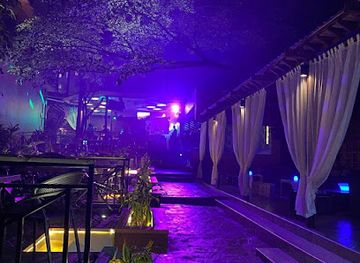
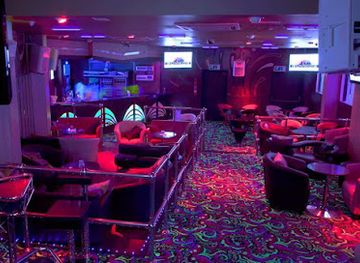
Evening life in Bunyoro is concentrated in Hoima, Masindi and other larger trading centres, where hotel bars, local pubs, cafés and small music venues provide the main options. Hoima has the broadest selection, reflecting its role as the region's principal town and its expanding business community, while Masindi serves travellers heading towards Budongo Forest and Murchison Falls. Outside these centres, nightlife is quieter and usually revolves around neighbourhood bars, restaurants, guesthouse courtyards and occasional live music rather than a large club circuit. Restaurants and hospitality venues may offer regional beers, soft drinks and spirits, but drinking is not essential to experiencing local culture. Leave rural and park roads before dark where possible, use arranged transport after an evening out and confirm local conditions rather than expecting fixed opening patterns in smaller settlements.
-
Club
GUVNOR
Experience the electrifying nightlife at GUVNOR, Kampala's premier disco club, where vibrant music and a lively atmosphere await.
-
Bar
Thrones Lounge Bar & Restaurant
Discover the lively nightlife of Kampala at Thrones Lounge Bar & Restaurant, where delicious food and enticing drinks meet vibrant entertainment.
-
Lounge
EXO LOUNGE
Discover the vibrant nightlife of Kampala at EXO Lounge, where great drinks, music, and unforgettable memories await.
-
Night club
Club Ambiance Kampala
Dive into the energetic nightlife of Club Ambiance Kampala, where unforgettable music and vibrant dance floors await every visitor.

Best shops in Bunyoro
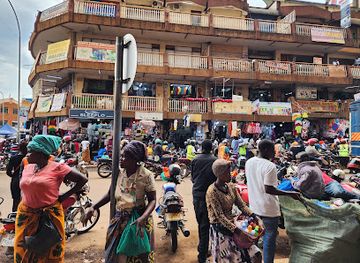
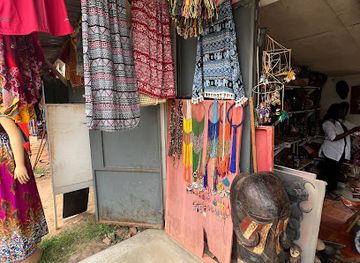
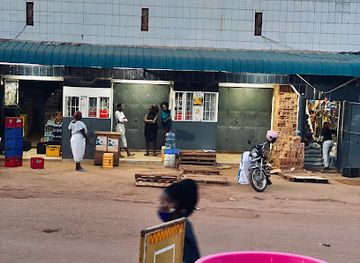
Shopping in Bunyoro is strongest in the market centres of Hoima, Masindi and other district towns, where visitors find everyday produce, clothing, household goods and practical travel supplies rather than large-scale luxury retail. Fresh bananas, cassava, groundnuts, beans and seasonal fruit reflect the agricultural economy, while fish is traded around Lake Albert subject to local regulations and availability. Small craft stalls and market traders may sell woven items, baskets, carved objects and locally made textiles, though quality and provenance vary; buy respectfully and avoid anything that appears to be an archaeological or protected cultural object. Packaged coffee, tea, honey and dried foods can make useful regional gifts when obtained from reputable sellers. Hoima has the widest range of supermarkets, pharmacies and modern shops, whereas rural markets are more valuable for observing local commerce and buying fresh produce. Carry cash in smaller Uganda-shilling notes, compare prices politely and remember that market opening patterns can differ between towns.
-
Business center
Mini price
Explore Mini Price, Kampala's dynamic shopping center for clothing, electronics, and more, where vibrant local culture meets unbeatable prices.
-
Souvenir store
Pearl Crafts Village Entebbe
Discover unique Ugandan handcrafted treasures at Pearl Crafts Village Entebbe, your ultimate destination for authentic souvenirs.
-
Supermarket
Bloom Stores
Explore Bloom Stores in Kampala for a delightful shopping experience with a blend of local and international products.
-
Shopping mall
Serubiri cheap stores
Explore affordable shopping at Serubiri Cheap Stores in Kampala, where local culture meets unique finds in a vibrant market setting.
Get your free copy of our complete guide to Bunyoro, delivered straight to you.
Everything on this page, from attractions and restaurants to essentials and local phrases, in one PDF you can read offline, print or share.
Already have an account? Sign in
Your Bunyoro guide is ready.
We'll send it to · Not you? Sign out

Getting your guide ready…
We are putting together a fresh copy of the Bunyoro guide. This can take up to a minute.
This can take a few moments. If your browser asks, choose Allow so the download can start. You'll find the guide in your Downloads folder.
Nothing happened? Download it again
Sorry, the guide is taking longer than usual. Please try again in a minute, or get it by email instead.
Bunyoro essentials
Currency and Payment
Safety
Emergency Situations
Do's and Don'ts
Local Tips
From Eve
Local phrases worth knowing
You don't need to get them perfect. A few words go a long way, and locals appreciate the effort.
Basics
| English | Local | Say it |
|---|---|---|
| Hello | Oli otya | [oh-lee oh-tyah] |
| Goodbye | Oli kwayo | [oh-lee kwa-yo] |
| Yes | Ye | [yeh] |
| No | Nedda | [neh-dah] |
| Please/You're welcome | Nkwagala | [nkwa-ga-la] |
| Thank you | Webale | [weh-ba-le] |
| Excuse me/Sorry | Nsaba | [n-sah-ba] |
| How are you? | Oli otya | [oh-lee oh-tyah] |
| Fine. And you? | Ndi bulungi. Otya? | [n-dee boo-lun-gee. oh-tyah?] |
| Do you speak English? | Ogwetaaga okubuuza Oluzungu? | [oh-gweh-ta-ga oh-koo-boo-za oh-loo-zun-gu] |
| I don't understand | Sikyalira | [see-kya-li-ra] |
Eating & Drinking
| English | Local | Say it |
|---|---|---|
| I'd like to see the menu, please | Nkwagala okukulaga menu, ndowooza | [nkwa-ga-la oh-koo-kula-ga men-oo, n-do-wo-za] |
| I don't eat meat | Sikula mwoyo | [see-koo-la mwoy-o] |
| Cheers! | Tukirize! | [too-kee-ri-zeh] |
| I would like to pay, please | Nkwagala okwetaaga, ndowooza | [nkwa-ga-la oh-kwe-ta-ga, n-do-wo-za] |
Emergencies
| English | Local | Say it |
|---|---|---|
| Help! | Mbeera! | [m-beh-rah] |
| Go away! | Genda wano! | [gen-da wah-no] |
| Call the Police! | Tandika Abakulu! | [tan-dee-ka ah-ba-ku-lu] |
| Call a doctor! | Tandika daktari! | [tan-dee-ka dahk-ta-ri] |
| I'm lost | Ndi mu bwangu | [n-dee moo bwang-u] |
| I'm ill | Ndi musango | [n-dee moo-sang-o] |
Shopping
| English | Local | Say it |
|---|---|---|
| I'd like to buy... | Nkwagala kugula... | [nkwa-ga-la koo-goo-la] |
| I'm just looking | Nze njogedde | [n-zeh n-jo-ged-deh] |
| How much is it? | Kikadde ki? | [kee-kah-deh kee?] |
| That's too expensive | Ekitundu kyakulu | [eh-kee-tun-du kya-kulu] |
| Can you lower the price? | Osobola okuweereza omusolo? | [oh-so-bo-la oh-koo-weh-ree-za oh-moo-so-lo] |
Time & Numbers
| English | Local | Say it |
|---|---|---|
| What time is it? | Buli ssaawa ki? | [boo-lee sah-wah kee?] |
| It's one o'clock | Ssaawa emu | [sah-wah eh-moo] |
| Half past (10) | Obwakabiri (10) | [oh-bwa-ka-beer-ee] |
| Morning | Enkya | [en-kya] |
| Afternoon | Ekitanga | [eh-kee-tan-ga] |
| Evening | Ekitwenge | [eh-kee-twen-ge] |
| Yesterday | Ekitanga eyo | [eh-kee-tan-ga eh-yo] |
| Today | Leero | [leh-roh] |
| Tomorrow | Ekitanga eyo | [eh-kee-tan-ga eh-yo] |
| 1 | Emu | [eh-moo] |
| 2 | Ebiri | [eh-beer-ee] |
| 3 | Esatu | [eh-sah-too] |
| 4 | Ekkumi | [eh-kku-mee] |
| 5 | Ekitano | [eh-kee-tah-no] |
| 6 | Ekitandikwa | [eh-kee-tan-di-kwa] |
| 7 | Ekitandikiru | [eh-kee-tan-di-ki-ru] |
| 8 | Ekitandikiri | [eh-kee-tan-di-ki-ri] |
| 9 | Ekitandikiri | [eh-kee-tan-di-ki-ri] |
| 10 | Ekitandikiri | [eh-kee-tan-di-ki-ri] |
Transport & Directions
| English | Local | Say it |
|---|---|---|
| Where's a/the...? | Wali wa...? | [wah-lee wah...?] |
| What's the address? | Ekitanda ki? | [eh-kee-tan-da kee?] |
| Can you show me (on the map)? | Osobola okundaga (mu kramu)? | [oh-so-bo-la oh-koon-da-ga (moo kra-moo)?] |
| When's the next (bus)? | Kiki kyakabiri (bus)? | [kee-kee kya-ka-beer-ee (bus)?] |
| A ticket (to ....) | Ekitikiti (ku ...) | [eh-kee-ti-kee-ti (koo ...)] |
History of Bunyoro
Bunyoro-Kitara and the Early Kingdom
Bunyoro's historical identity is rooted in the Bunyoro-Kitara tradition, one of the major kingdoms of the Great Lakes region. Its political influence once extended across a much wider area than the modern Bunyoro subregion. Royal institutions, oral histories and clan relationships continue to shape cultural life, while the title of Omukama remains associated with the kingdom. Archaeological and historical interpretations of the early kingdom are complex, but the enduring importance of royal authority is visible in ceremonies, cultural sites and the continued role of the Bunyoro Kitara Kingdom in regional public life.
Trade, Ironworking and Regional Exchange
Before colonial rule, Bunyoro was connected to wider networks of exchange across the Great Lakes and the Nile basin. Agricultural production, cattle keeping, ironworking and trade in local goods supported communities and royal power. The region's proximity to Lake Albert and the Nile corridor encouraged contact with neighbouring societies, while salt production at Kibiro became particularly important. Kibiro's salt gardens, on the eastern shore of Lake Albert, remain an important reminder that Bunyoro's economy has long combined farming with specialised lakeside industries.
Nineteenth-Century Expansion and the Reign of Kabalega
During the nineteenth century, Bunyoro experienced military and political pressures connected with neighbouring kingdoms, long-distance traders and the expansion of external powers. Omukama Kabalega, who ruled from 1870, is remembered for reorganising resistance to British attempts to bring Bunyoro under colonial control. His campaigns and eventual defeat had major consequences for the kingdom's territory and political authority. The period remains central to Bunyoro's historical memory and is commemorated through royal heritage sites and public narratives across the region.
British Conquest and Colonial Administration
British forces and their allies established control over Bunyoro in the late nineteenth and early twentieth centuries after prolonged conflict. Colonial administration altered the kingdom's territorial position, placed new limits on royal authority and incorporated Bunyoro into the Uganda Protectorate. Roads, administrative stations and commercial agriculture developed within this new framework, but the changes also brought taxation, labour demands and political tensions. The colonial period explains many of the modern region's administrative patterns and the layered relationship between the kingdom and the Ugandan state.
Agriculture, Forests and the Road Economy
In the twentieth century, Bunyoro's economy was shaped by smallholder agriculture, cattle keeping, cotton and food production, alongside timber and other forest resources. Roads linking Hoima, Masindi and the wider western Ugandan network increased the movement of people and goods. Budongo Forest became important both as a source of timber and as a conservation landscape, with later efforts focusing more strongly on biodiversity and research. These developments created a region whose economy combines rural livelihoods, natural-resource management and growing urban centres.
Oil Exploration and Contemporary Bunyoro
Commercially significant petroleum deposits were identified in the Lake Albert basin during the early twenty-first century, bringing new investment, infrastructure and political attention to Bunyoro. Hoima and surrounding districts have consequently experienced rapid change, while communities and conservation organisations have debated land, livelihoods, environmental protection and the distribution of benefits. Oil development is an important contemporary chapter, but it exists alongside farming, fishing, tourism and royal cultural life. Visitors will see a region in transition rather than a place defined by one industry alone.
Bunyoro in Photos
Browse through our photo collection highlighting the charm and character of the destination.
Neighbouring regions of Bunyoro
The closest regions to Bunyoro, if you have time for more than one.
-

-

-

-

-


Swipe for more regions
Explore more

Explore more of Uganda
Discover Uganda: From the majestic mountain gorillas of Bwindi to the vibrant streets of Kampala, experience the diverse landscapes and rich culture of the Pearl of Africa.
Explore Uganda