

Free Toro Travel Guide & Mobile App
Explore Toro with free travel guides. Discover regional history, expert tips, proposed trips, and audio guides on web or mobile app.


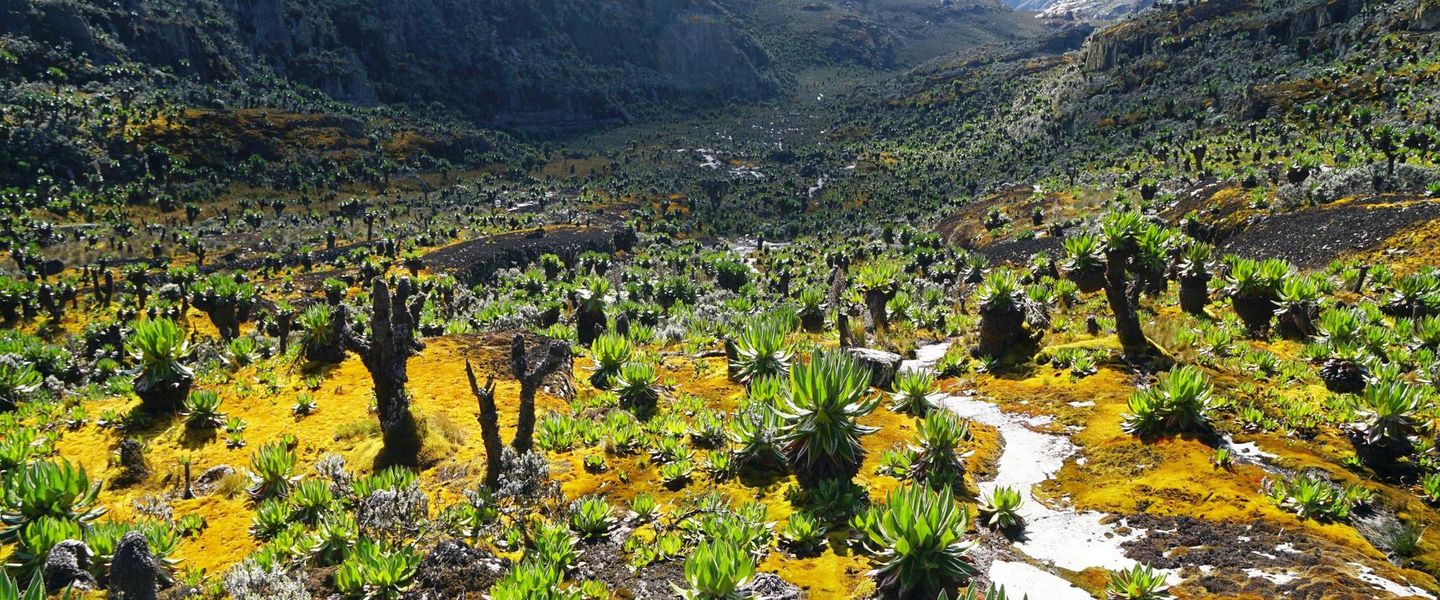


Explore Toro in western Uganda for Tooro Kingdom heritage, crater lakes, tea country, primate forests and Rwenzori foothill adventures.
Read more about Toro
When is the best time to visit Toro?
Best: December–February · 25°C| Month | High (°C) | Rainfall (mm) |
|---|---|---|
| January (best) | 25 | 30 |
| February (best) | 25 | 35 |
| March | 26 | 40 |
| April | 26 | 50 |
| May | 26 | 60 |
| June | 25 | 70 |
| July | 25 | 80 |
| August | 25 | 70 |
| September | 25 | 60 |
| October | 25 | 50 |
| November | 25 | 40 |
| December (best) | 25 | 30 |
Getting to and around Toro
How to get there
Transportation
Top city travel guides in Toro
The cities of Toro, and the easiest places to base yourself.

Swipe for more cities
Destinations in Toro
Resorts, valleys and scenic spots worth a trip of their own.
-

-

-


Swipe for more destinations
Best attractions in Toro
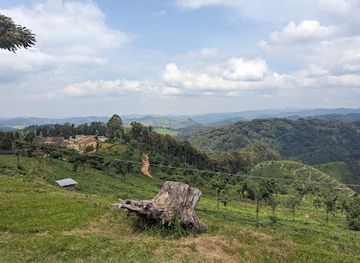
Toro's attractions combine living cultural heritage with forests, farmland and volcanic scenery. In Fort Portal, visitors can explore the Tooro Palace area, the Karambi Royal Tombs and the town's gardens, markets and historical streets. Around the town, Amabere Caves and waterfalls make a compact excursion, while the crater-lake country offers guided walks, viewpoints and quiet rural landscapes. Kibale National Park is the region's leading wildlife attraction, with chimpanzee tracking, forest walks and rich birdlife; permits and guided access are required. Semuliki National Park, farther west, provides a contrasting lowland rainforest environment and the distinctive Sempaya hot springs. The eastern approaches to the Rwenzori Mountains support longer trekking and community-based mountain experiences, although high-altitude routes require specialist planning. Tea estates, farms and local cultural projects add slower-paced alternatives to formal park visits. Because these sites are widely dispersed, Toro is better explored through a series of planned excursions than through a single loop from Fort Portal.
-
National park
Kibale National Park
Explore Kibale National Park, Uganda's primate paradise, where adventure meets biodiversity in a breathtaking natural setting.
-
Market
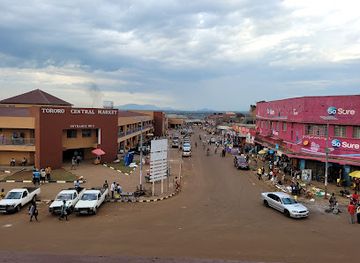
Tororo Central Market
Discover the colorful chaos of Tororo Central Market, where Ugandan culture, cuisine, and crafts come to life in a vibrant shopping experience.
-
Tourist attraction
The Female Hot Spring
Experience tranquility and rejuvenation at The Female Hot Spring, a unique sanctuary dedicated to wellness and relaxation in a serene natural setting.
-
Nature preserve
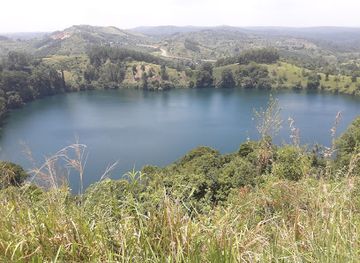
Lake Nkuruba Nature Reserve & Community Campsite
Explore the breathtaking beauty of Lake Nkuruba Nature Reserve, a haven for nature lovers and cultural enthusiasts in Uganda.

Best landmarks in Toro
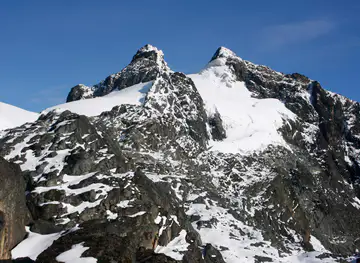
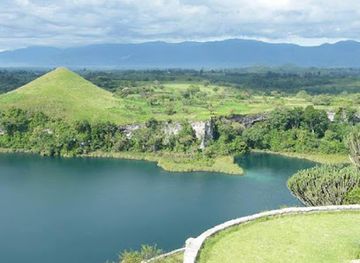
The Tooro Palace in Fort Portal is the most recognisable symbol of the region's continuing kingdom institution, although visitors should check access arrangements because it remains a culturally significant royal site rather than simply a public museum. The Karambi Royal Tombs, also near Fort Portal, mark the burial place of Tooro kings and provide a direct connection with the kingdom's modern history. Amabere Caves and their waterfalls are distinctive geological landmarks associated with local traditions and the limestone landscape south-west of town. Toro's natural identity is further expressed by its crater lakes, especially the steep-sided volcanic lake basins scattered around the Fort Portal countryside. In the west, the Sempaya hot springs are a notable geothermal feature within Semuliki National Park, while the forested slopes and high ridges leading towards the Rwenzori Mountains define the region's grander horizon. Together these places show why Toro is best understood through both cultural monuments and its underlying geology.
-
National park
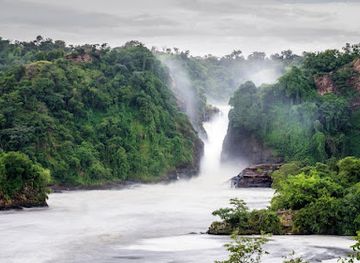
Murchison Falls National Park
Experience the majesty of Murchison Falls National Park, where thrilling safaris meet stunning landscapes and rich wildlife in Uganda's premier national park.
-
Tourist attraction
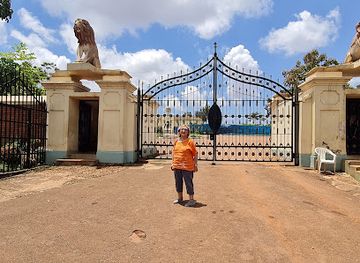
Kabaka's Palace
Explore Kabaka's Palace, a historical gem in Kampala showcasing the rich culture and royal heritage of the Buganda Kingdom amidst serene gardens.
-
Nature preserve
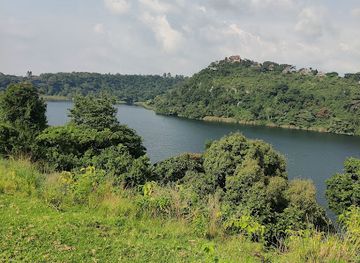
Amabere Caves
Explore Amabere Caves, a stunning natural preserve near Fort Portal, rich in history, culture, and breathtaking geological wonders.
-
National park
Nyungwe Forest National Park
Explore the breathtaking Nyungwe Forest National Park in Rwanda, a treasure trove of biodiversity, stunning landscapes, and rich cultural heritage.
Explore Toro on the map
Plan your trip on one map. See where the top cities, national parks and sights are, and book hotels and experiences in a few clicks.
Best hotels in Toro
Best restaurants in Toro
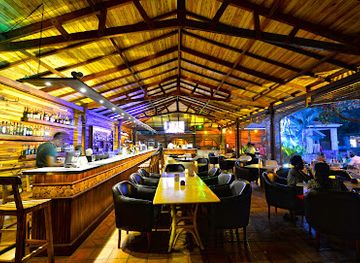
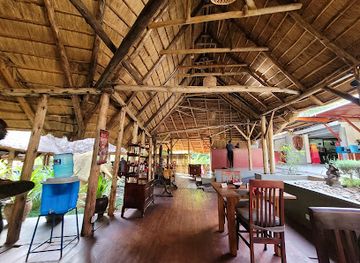
Dining in Toro is centred on Fort Portal, where Ugandan restaurants, hotel dining rooms, cafés and informal eateries serve dishes based on the region's agricultural produce. Plantain, beans, groundnuts, cassava, rice, matoke, grilled meats and fresh vegetables are common, while fish may appear on menus depending on supply from western Uganda. Tea and coffee are natural features of a highland region surrounded by plantations and smallholder farms, and fresh fruit is widely available in markets. Rural lodges near Kibale, Semuliki and the Rwenzori approaches usually provide pre-arranged meals rather than a choice of nearby restaurants. Visitors interested in local food should try market produce and ask about seasonal specialities, while those seeking international dishes will find the broadest selection in Fort Portal. Dining facilities outside the main town can be basic, so advance arrangements are sensible for park and mountain itineraries.
-
East African
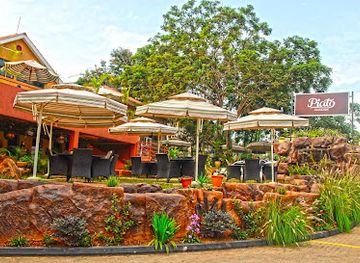
Piato Restaurant
Experience authentic East African cuisine at Piato Restaurant in Kampala—where every dish tells a story of culture and tradition.
-
Restaurant
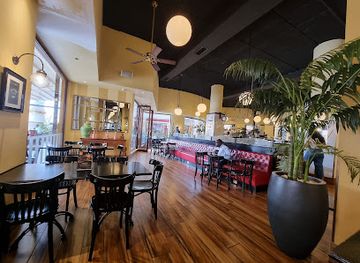
Cafesserie Acacia Mall
Discover diverse flavors at Cafesserie Acacia Mall - where local meets international in the heart of Kampala.
-
Restaurant
Torino
Experience the rich flavors of Uganda at Torino - where every meal is a celebration of taste and culture.
-
Thai
Tamarai
Experience authentic Thai cuisine at Tamarai, Kampala's premier restaurant blending tradition with modern elegance for an unforgettable dining experience.
Best bars in Toro
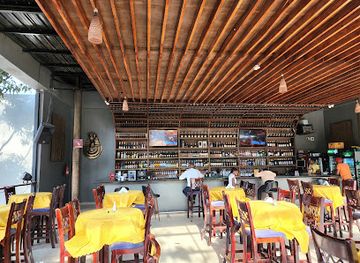
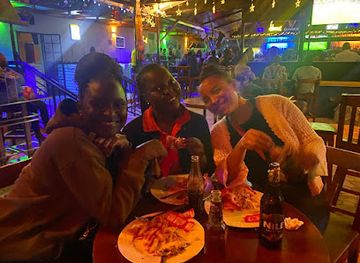
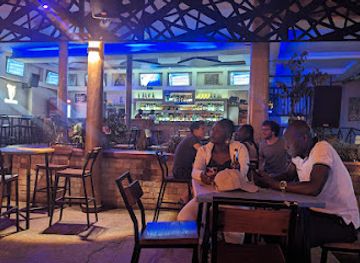
Fort Portal provides most of Toro's evening life, with local pubs, hotel bars, cafés and restaurants forming the main social venues. Evenings are generally more relaxed than in Kampala, and live music or organised entertainment may be available at particular establishments without following a fixed regional programme. In smaller towns and rural districts, nightlife usually centres on neighbourhood bars and community gatherings rather than dedicated clubs. Lodges near Kibale, Semuliki and the Rwenzori foothills tend to offer quiet evenings, often focused on dinner, conversation and early starts for forest or mountain activities. Visitors should ask locally about current venues and transport after dark, as businesses and entertainment schedules can change. Alcohol is not necessary to engage with Toro's evening culture, and respectful behaviour is especially important in smaller communities where visitor facilities are closely integrated with local life.
-
Bar
Thrones Lounge Bar & Restaurant
Experience vibrant nightlife at Thrones Lounge Bar & Restaurant in Kampala, offering delicious drinks and live music in a stylish setting.
-
Bar
Pavilion Bar & Grill
Discover the vibrant Pavilion Bar & Grill in Fort Portal, where delicious food and a relaxed atmosphere create the perfect dining experience.
-
Bar
Club Africana
Discover the vibrant nightlife at Club Africana, a lively bar in Fort Portal offering a unique blend of local flavors and a warm, inviting atmosphere.
-
Bar
Skyz Lounge, Kasese
Experience the vibrant nightlife at Skyz Lounge in Kasese, where great drinks and festive atmosphere meet local culture.
Best nightclubs in Toro
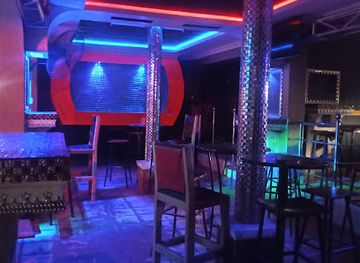
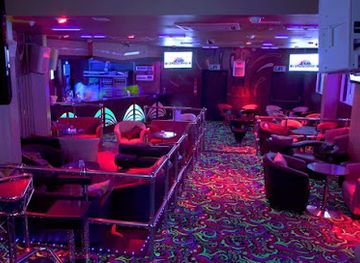
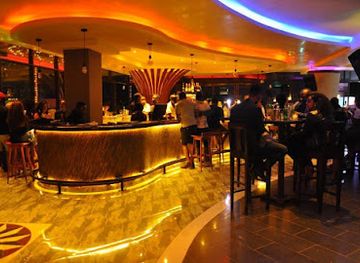
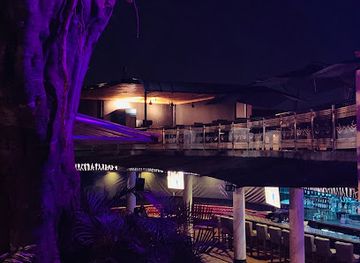
Fort Portal provides most of Toro's evening life, with local pubs, hotel bars, cafés and restaurants forming the main social venues. Evenings are generally more relaxed than in Kampala, and live music or organised entertainment may be available at particular establishments without following a fixed regional programme. In smaller towns and rural districts, nightlife usually centres on neighbourhood bars and community gatherings rather than dedicated clubs. Lodges near Kibale, Semuliki and the Rwenzori foothills tend to offer quiet evenings, often focused on dinner, conversation and early starts for forest or mountain activities. Visitors should ask locally about current venues and transport after dark, as businesses and entertainment schedules can change. Alcohol is not necessary to engage with Toro's evening culture, and respectful behaviour is especially important in smaller communities where visitor facilities are closely integrated with local life.
-
Club
GUVNOR
Dive into the heart of Kampala's nightlife at GUVNOR, where exceptional music and vibrant atmosphere create unforgettable experiences.
-
Lounge
EXO LOUNGE
Experience the vibrant nightlife of Kampala at EXO LOUNGE, your ultimate destination for drinks, music, and unforgettable moments.
-
Night club
Cielo Lounge
Experience the vibrant nightlife of Kampala at Cielo Lounge, where exquisite cuisine meets a lively atmosphere and stunning skyline views.
-
Disco club
Catwalk Bar & Lounge
Discover the vibrant nightlife of Kampala at Catwalk Bar & Lounge, a disco club where the music never stops and the dance floor is always alive.

Best shops in Toro
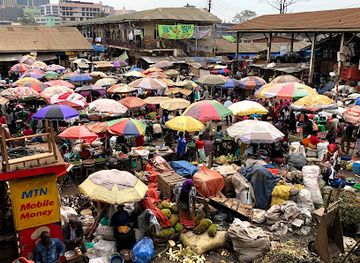
Fort Portal is Toro's principal shopping centre, with a central market and independent shops selling everyday goods, clothing, produce and household items. Markets are the best places to see the region's agricultural economy, including bananas, beans, groundnuts, fruit and other seasonal produce, although packaging and transport should be considered before buying food to take on long journeys. Shops and stalls may also carry coffee, tea and locally made crafts, while lodges and cultural projects sometimes offer baskets, textiles, carvings or other handmade items. Shopping in smaller towns is functional rather than centred on specialist retail, and rural park areas have limited choice. Visitors should compare quality, agree prices politely where bargaining is customary and avoid purchasing archaeological objects, wildlife products or anything presented as an antique without clear legal provenance. The most useful souvenirs are generally packaged regional produce and responsibly sourced handicrafts.
-
Market
Owino Market/Kampala
Explore Owino Market in Kampala, Uganda, a bustling hub of local flavors, vibrant culture, and diverse shopping experiences.
-
Shopping mall
Garden City Shopping Mall
Discover a vibrant shopping experience at Garden City Shopping Mall in Kampala, featuring diverse retailers, dining, and entertainment options.
-
Outlet mall
Freedom City Mall
Experience shopping and entertainment like never before at Freedom City Mall, the ultimate destination for tourists in Kampala, Uganda.
-
Shopping mall
Forest Mall
Discover shopping, dining, and entertainment all in one place at Forest Mall, Kampala's premier shopping destination.
Get your free copy of our complete guide to Toro, delivered straight to you.
Everything on this page, from attractions and restaurants to essentials and local phrases, in one PDF you can read offline, print or share.
Already have an account? Sign in
Your Toro guide is ready.
We'll send it to · Not you? Sign out

Getting your guide ready…
We are putting together a fresh copy of the Toro guide. This can take up to a minute.
This can take a few moments. If your browser asks, choose Allow so the download can start. You'll find the guide in your Downloads folder.
Nothing happened? Download it again
Sorry, the guide is taking longer than usual. Please try again in a minute, or get it by email instead.
Toro essentials
Currency and Payment
Safety
Emergency Situations
Do's and Don'ts
Local Tips
From Eve
Local phrases worth knowing
You don't need to get them perfect. A few words go a long way, and locals appreciate the effort.
Basics
| English | Local | Say it |
|---|---|---|
| Hello | Oli otya | [Oh-lee oh-tyah] |
| Goodbye | Nkwagala | [N-kwa-gah-lah] |
| Yes | Ayi | [Ah-yee] |
| No | Nedda | [Nay-dah] |
| Please/You're welcome | Ssebo/Osanyuse | [S-seh-boh/O-sah-nyoo-seh] |
| Thank you | Webale | [Weh-bah-leh] |
| Excuse me/Sorry | Nsonyiwa | [N-son-yee-wah] |
| How are you? | Oli otya? | [Oh-lee oh-tyah?] |
| Fine. And you? | Nziza. Nne otya? | [N-zee-zah. N-nay oh-tyah?] |
| Do you speak English? | Osoma Oluganda? | [O-so-mah Oh-loo-gahn-dah?] |
| I don't understand | Sijja kumanya | [See-jah koo-mah-nyah] |
Eating & Drinking
| English | Local | Say it |
|---|---|---|
| I'd like to see the menu, please | Nkwagala okukola menu, ssebo | [N-kwa-gah-lah oh-koo-koh-lah meh-noo, s-seh-boh] |
| I don't eat meat | Sijja kulya nnyama | [See-jah koo-lyah n-nyah-mah] |
| Cheers! | Tukirize! | [Too-kee-ree-zeh!] |
| I would like to pay, please | Nkwagala okuwandiika, ssebo | [N-kwa-gah-lah oh-koo-wan-dee-kah, s-seh-boh] |
Emergencies
| English | Local | Say it |
|---|---|---|
| Help! | Mpozzi! | [M-po-zzi!] |
| Go away! | Genda wansi! | [Gen-dah wan-see!] |
| Call the Police! | Gulawo Poliisi! | [Goo-lah-woh Poh-lee-see!] |
| Call a doctor! | Gulawo doko! | [Goo-lah-woh doh-koh!] |
| I'm lost | Ndi mu kwegatta | [N-dee moo kweh-gah-tah] |
| I'm ill | Ndi musiru | [N-dee moo-see-roo] |
Shopping
| English | Local | Say it |
|---|---|---|
| I'd like to buy... | Nkwagala okugula... | [N-kwa-gah-lah oh-koo-goo-lah...] |
| I'm just looking | Nze njagala kwangula | [N-zeh n-jah-gah-lah kwahng-oo-lah] |
| How much is it? | Ki ssente ki? | [Kee sen-teh kee?] |
| That's too expensive | Kyo kireeta ssente nyingi | [Kee-oh kee-reh-tah sen-teh n-yin-gee] |
| Can you lower the price? | Osobola okukuba ssente? | [O-so-boh-lah oh-koo-bah sen-teh?] |
Time & Numbers
| English | Local | Say it |
|---|---|---|
| What time is it? | Okwanjula ki? | [Oh-kwahn-joo-lah kee?] |
| It's one o'clock | Ekitundu ky'ekya | [Eh-kee-tun-doo ky-eh-kyah] |
| Half past (10) | Omukaaga (10) | [Oh-moo-kah-gah (10)] |
| Morning | Ekiddugavu | [Eh-kee-doo-gah-voo] |
| Afternoon | Ekitanga | [Eh-kee-tan-gah] |
| Evening | Ekitanga ekya | [Eh-kee-tan-gah eh-kyah] |
| Yesterday | Ekitabo | [Eh-kee-tah-boh] |
| Today | Leero | [Leh-roh] |
| Tomorrow | Nedda | [Nay-dah] |
| 1 | Emu | [Eh-moo] |
| 2 | Biri | [Bee-ree] |
| 3 | Satu | [Sah-too] |
| 4 | Nne | [N-nay] |
| 5 | Taano | [Tah-noh] |
| 6 | Tano | [Tah-noh] |
| 7 | Mukaaga | [Moo-kah-gah] |
| 8 | Munaana | [Moo-nah-nah] |
| 9 | Mwenda | [Mwen-dah] |
| 10 | K kumi | [K koo-mee] |
Transport & Directions
| English | Local | Say it |
|---|---|---|
| Where's a/the...? | Wali wa...? | [Wah-lee wah...?] |
| What's the address? | Kiki ekiraga? | [Kee-kee eh-kee-rah-gah?] |
| Can you show me (on the map)? | Osobola okunnyonnyola (mu kadi)? | [O-so-boh-lah oo-koo-nyon-nyoh-lah (moo kah-dee)?] |
| When's the next (bus)? | Okwanjula ki (ekitanda)? | [Oh-kwahn-joo-lah kee (eh-kee-tahn-dah)?] |
| A ticket (to ....) | Ekitabo (ku ....) | [Eh-kee-tah-boh (koo ....)] |
History of Toro
Early Kingdoms and the Formation of Toro
Toro emerged as a distinct kingdom in the nineteenth century after a succession dispute within the larger Bunyoro-Kitara political sphere. Prince Kaboyo Olimi, a son of the Omukama of Bunyoro, established an independent Tooro kingdom in the 1820s. Its territory and political influence changed over time, but the institution became central to the history and identity of western Uganda. Oral traditions, royal genealogies and the continued role of the Omusinga, or king, preserve links with this formative period.
Trade, Migration and the Precolonial Landscape
Before colonial rule, Toro was connected to neighbouring kingdoms and communities through cattle keeping, agriculture, long-distance exchange and political alliances. The region's fertile highlands supported bananas, grains and livestock, while routes towards the Albertine Rift connected inland communities with wider networks of movement and trade. Social and political relationships were complex, involving both cooperation and conflict, and cannot be reduced to a single kingdom boundary. These older connections remain important in understanding Toro's diverse communities.
The British Protectorate and Fort Portal
British influence expanded into western Uganda during the late nineteenth century, and Toro was incorporated into the Uganda Protectorate while retaining its kingdom institution under colonial supervision. Fort Portal developed as the principal administrative centre, taking its name from Gerald Portal, a British commissioner associated with the early colonial administration. Roads, administrative buildings, missions and commercial agriculture reshaped the area, while colonial policies also altered local authority, land use and connections with neighbouring regions.
Forests, Tea and Agricultural Change
During the twentieth century, cultivation and commercial agriculture became increasingly important to Toro's economy. Tea estates and processing developed in the highlands, alongside coffee, bananas, dairy farming and subsistence crops. Forests such as Kibale and Semuliki were managed under changing conservation policies, with periods of logging, agricultural pressure and later stronger protection. The region's present economy and landscapes therefore reflect both long-established farming systems and more recent efforts to conserve biodiversity and develop nature-based tourism.
Toro in Independent Uganda
Uganda's independence in 1962 initially preserved the country's traditional kingdoms within the new political system. The monarchy was abolished in 1967 during President Milton Obote's centralising reforms, and royal institutions were suspended for several decades. In 1993, the Ugandan government restored cultural kingdoms without returning their former administrative powers. The Tooro Kingdom consequently continues as a cultural institution, with the Omusinga and royal sites playing an important symbolic role in regional identity.
Conservation and Contemporary Tourism
Since the late twentieth century, Toro has become an important base for conservation and tourism in the Albertine Rift. Kibale National Park's chimpanzee research and tracking programmes, Semuliki's protection of lowland rainforest, and the growing profile of the Rwenzori Mountains have brought international attention to the region. Tourism now sits alongside farming, trade and public services as an economic activity, while community conservation projects seek to connect visitor income with local livelihoods and the protection of forests and wildlife.
Toro in Photos
Browse through our photo collection highlighting the charm and character of the destination.
Neighbouring regions of Toro
The closest regions to Toro, if you have time for more than one.
-

-

-

-

-


Swipe for more regions

