

Free Western Region Travel Guide & Mobile App
Explore Western Region with free travel guides. Discover regional history, expert tips, proposed trips, and audio guides on web or mobile app.


Explore Western Uganda for gorilla trekking, crater lakes, rainforest chimpanzees, Rwenzori views, savannah parks and living kingdom heritage.
Read more about Western Region
When is the best time to visit Western Region?
Best: December–February · 26°C| Month | High (°C) | Rainfall (mm) |
|---|---|---|
| January (best) | 26 | 50 |
| February (best) | 26 | 60 |
| March | 26 | 90 |
| April | 26 | 100 |
| May | 25 | 110 |
| June | 24 | 120 |
| July | 24 | 130 |
| August | 24 | 140 |
| September | 25 | 130 |
| October | 25 | 120 |
| November | 26 | 100 |
| December (best) | 26 | 60 |
Getting to and around Western Region
How to get there
Transportation
Top city travel guides in Western Region
The cities of Western Region, and the easiest places to base yourself.
-

-

-

-

-


Swipe for more cities
Destinations in Western Region
Resorts, valleys and scenic spots worth a trip of their own.
-

-

-

-
-

-


Swipe for more destinations
Best attractions in Western Region
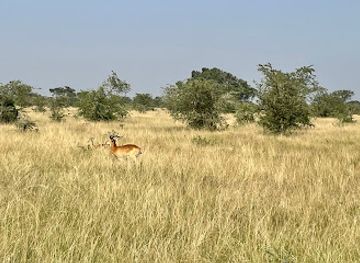
Western Uganda's attractions range from primate-rich rainforest to open savannah and high volcanic country. Kibale National Park is the principal destination for guided chimpanzee tracking and forest walks, with Bigodi Wetland Sanctuary providing a community-led experience close to the park. Queen Elizabeth National Park offers game drives, birdwatching and boat excursions along the Kazinga Channel, while the Rwenzori Mountains National Park provides demanding multi-day mountain routes and shorter foothill experiences. Bwindi Impenetrable National Park and Mgahinga Gorilla National Park are associated with carefully regulated mountain-gorilla trekking, as well as forest birds, golden monkeys and dramatic highland scenery. Around Fort Portal, crater lakes, tea landscapes and cultural visits create a gentler complement to wildlife trips. Lake Bunyonyi, the Kisoro highlands and the cultivated hills near Kabale suit walking, canoeing and landscape-focused travel. The region also has royal and community attractions linked to Tooro, Ankole and other local histories, though access and interpretation vary. Distances are substantial, so the best itineraries combine a few complementary areas rather than attempting to cover every park in one journey.
-
Tourist attraction
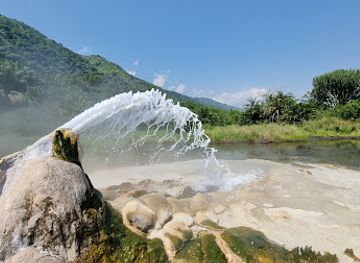
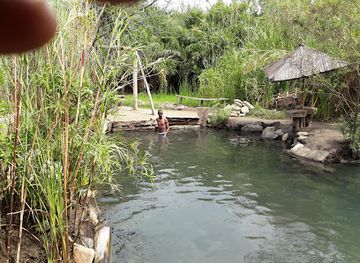
The Female Hot Spring
Experience the healing waters and breathtaking scenery of The Female Hot Spring, a unique natural attraction in Uganda offering relaxation and exploration.
-
Nature preserve
Lake Nkuruba Nature Reserve & Community Campsite
Embrace the tranquility of Lake Nkuruba Nature Reserve, a natural paradise near Fort Portal, rich in wildlife and cultural experiences.
-
Tourist attraction
Main Gate, UWA, Kasenyi Uganda
Explore the wild wonders of Uganda at the Main Gate, UWA in Kasenyi, where adventure and nature meet in breathtaking harmony.
-
Tourist attraction
KIWA Heritage
Explore KIWA Heritage: A breathtaking tourist attraction in Uganda, blending stunning landscapes with rich cultural experiences.
Best landmarks in Western Region
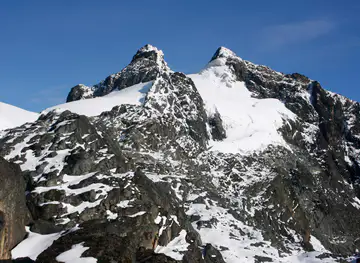
The Rwenzori Mountains form Western Uganda's most imposing natural landmark, rising above the plains west of Kasese and creating a distinctive skyline of ridges, valleys and high-altitude peaks. The Virunga volcanoes around Mgahinga provide another powerful geographical marker near Kisoro, where Uganda meets the mountainous borderlands of Rwanda and the Democratic Republic of the Congo. Lake Bunyonyi's irregular shoreline and island-dotted waters are among the most recognisable landscapes in the Kigezi highlands, while the crater lakes around Fort Portal reveal the volcanic history of the Albertine Rift. The Kazinga Channel is a defining feature of Queen Elizabeth National Park, linking Lake Edward and Lake George through a wildlife-rich corridor. In the cultural landscape, Fort Portal and the surrounding Tooro area retain associations with the kingdom's royal heritage, while the rolling cattle country around Mbarara reflects Ankole's historical identity. The steep cultivated hills of Kabale and Kisoro are landmarks in their own right, showing how farming communities have adapted intensely to highland terrain.
-
Zoo
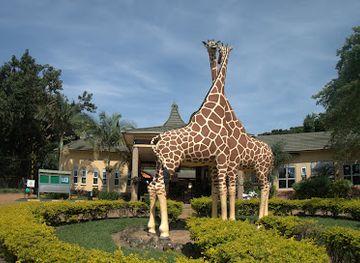
Uganda Wildlife Conservation Education Centre
Explore Uganda's wildlife at the Uganda Wildlife Conservation Education Centre, a unique blend of education, conservation, and adventure for all ages.
-
National park
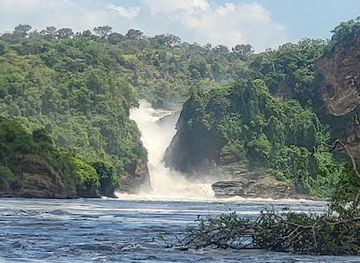
Murchison Falls National Park
Explore Murchison Falls National Park, Uganda's largest park, where stunning landscapes and diverse wildlife converge in an unforgettable adventure.
-
Tourist attraction
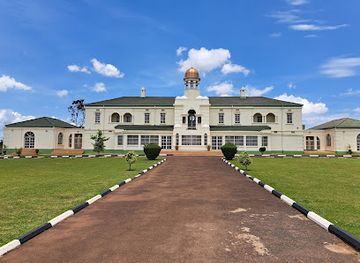
Kabaka's Palace
Explore the rich cultural heritage of the Buganda Kingdom at Kabaka's Palace, a stunning architectural gem in Kampala, Uganda.
-
National park
Queen Elizabeth National Park
Discover the rich wildlife and stunning landscapes of Queen Elizabeth National Park, a top destination for nature lovers and adventure seekers in Uganda.
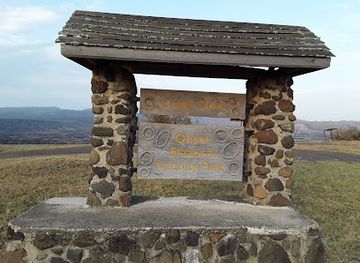
Explore Western Region on the map
Plan your trip on one map. See where the top cities, national parks and sights are, and book hotels and experiences in a few clicks.
Best hotels in Western Region
Best restaurants in Western Region
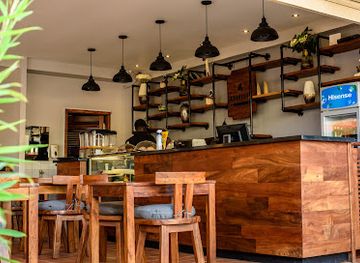
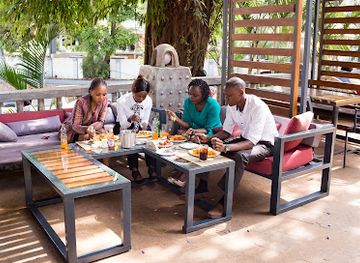
Dining in Western Uganda is grounded in everyday East African staples and the produce of small farms, markets and highland gardens. Matoke, beans, groundnuts, cassava, sweet potatoes, rice and millet appear widely, while grilled meat, chicken and freshwater fish are common in towns and at larger lodges. Around Mbarara and Ankole, beef and dairy reflect the area's pastoral history; near Fort Portal, tea, coffee, bananas and tropical fruit form part of the agricultural landscape. Kabale and Kisoro have cool upland climates and active markets supplying vegetables, potatoes and legumes. Town restaurants and hotel dining rooms generally offer Ugandan dishes alongside Indian, continental and international options for travellers on safari. Roadside cafés provide simple meals and tea, while lodges near national parks often serve set menus suited to organised excursions. Markets are useful for seeing the diversity of local produce, but visitors should choose cooked food and treated or sealed water when hygiene standards are uncertain.
-
Restaurant
Charcoal Grill Restaurant Kiwatule
Discover mouthwatering grilled delights and authentic Ugandan flavors at Charcoal Grill Restaurant in Kiwatule.
-
East African
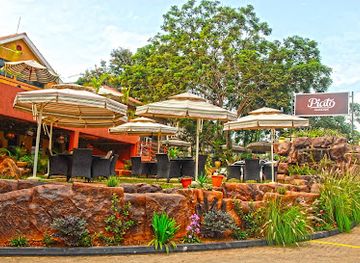
Piato Restaurant
Discover authentic East African cuisine at Piato Restaurant in Kampala, where every dish celebrates Uganda's rich culinary heritage.
-
Restaurant
Asian Fusion Restaurant
Savor an unforgettable fusion of Chinese and Indian flavors at Kampala's premier Asian dining destination.
-
Italian
Mediterraneo Restaurant
Experience authentic Italian cuisine at Mediterraneo Restaurant in Kampala - where every dish tells a story of flavor and tradition.
Best bars in Western Region
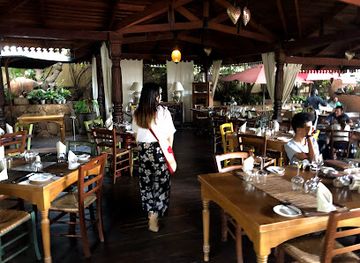
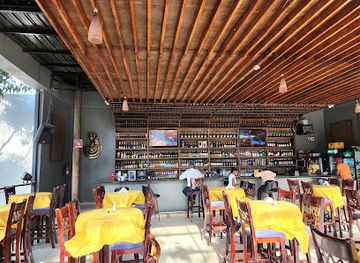
Evening life in Western Uganda is concentrated in town centres rather than spread through the parks and rural highlands. Mbarara has the broadest urban choice, including pubs, restaurants, music venues and late-opening bars, while Fort Portal, Kabale, Kasese and Kisoro offer smaller scenes shaped by local residents, students, traders and visitors. In rural areas and near national parks, evenings usually centre on lodge dining, fireside conversation, modest bars or community performances rather than nightclubs. Traditional pubs and contemporary bars serve local and imported beers, soft drinks and spirits, and some venues feature Ugandan music or televised sport. Nightlife is quieter in mountain and lakeside settlements, where darkness, weather and conservation rules limit late activity. Use trusted transport after dark, keep valuables secure and remember that alcohol is not necessary to participate in local social life.
-
Bar
The Alchemist Kitchen and Bar
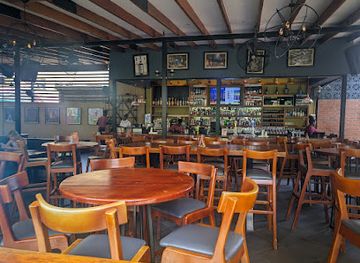
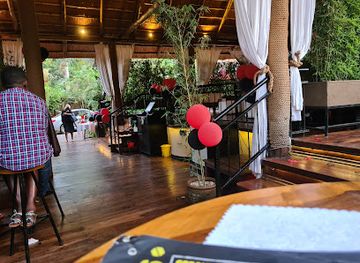
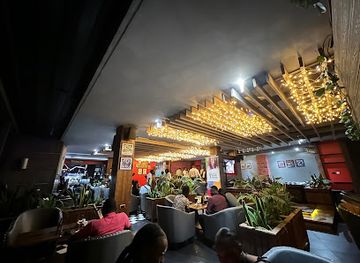
Experience the vibrant flavors and nightlife of Kampala at The Alchemist Kitchen and Bar, where culinary creativity meets social energy.
-
Grill
Banana Bar & Bistro
Experience the vibrant culinary scene at Banana Bar & Bistro, where delightful grills and bistro specialties await in the heart of Kampala.
-
Bar
Riders Lounge Ug
Discover Kampala's vibrant nightlife at Riders Lounge UG, a unique bar with a welcoming atmosphere and an extensive drink selection.
-
Bar
Thrones Lounge Bar & Restaurant
Thrones Lounge Bar & Restaurant: Dive into Kampala's nightlife with delicious food, refreshing drinks, and a vibrant atmosphere.
Best nightclubs in Western Region
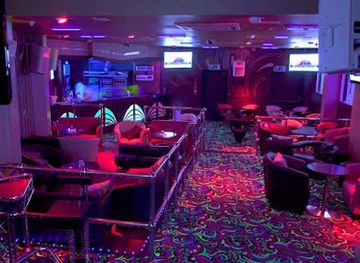
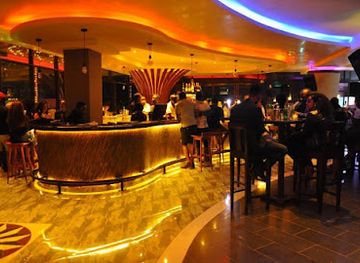
Evening life in Western Uganda is concentrated in town centres rather than spread through the parks and rural highlands. Mbarara has the broadest urban choice, including pubs, restaurants, music venues and late-opening bars, while Fort Portal, Kabale, Kasese and Kisoro offer smaller scenes shaped by local residents, students, traders and visitors. In rural areas and near national parks, evenings usually centre on lodge dining, fireside conversation, modest bars or community performances rather than nightclubs. Traditional pubs and contemporary bars serve local and imported beers, soft drinks and spirits, and some venues feature Ugandan music or televised sport. Nightlife is quieter in mountain and lakeside settlements, where darkness, weather and conservation rules limit late activity. Use trusted transport after dark, keep valuables secure and remember that alcohol is not necessary to participate in local social life.
-
Club
GUVNOR
Experience the vibrant nightlife of Kampala at GUVNOR, the premier club for unforgettable parties and electrifying entertainment.
-
Lounge
EXO LOUNGE
Experience the vibrant nightlife of Kampala at EXO LOUNGE, where relaxation meets entertainment in a stylish setting.
-
Night club
Cielo Lounge
Experience the vibrant nightlife of Kampala at Cielo Lounge, a premier night club blending exquisite cuisine and electrifying music.
-
Night club
Hive Night Club
Discover the electrifying nightlife at Hive Night Club in Mukono, Uganda, where great music and vibrant energy await every night.


Best shops in Western Region
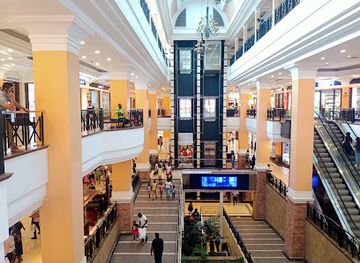
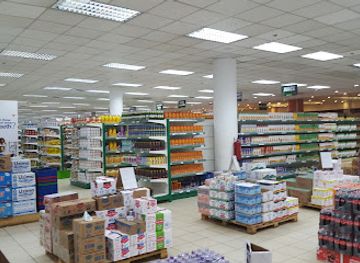
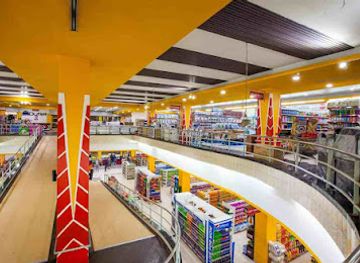
Shopping in Western Uganda is centred on busy town markets, roadside produce stalls, independent shops and craft outlets rather than large retail complexes. Mbarara and Fort Portal offer the widest range of practical goods, clothing, mobile services, food products and everyday shopping, while Kabale, Kisoro and Kasese are useful for local produce, travel necessities and small-scale crafts. Visitors may find woven baskets, mats, beadwork, woodcarvings and textiles, although quality and provenance vary; buying directly from artisans or established community enterprises is preferable to purchasing objects made from protected wildlife materials. Tea and coffee from the western highlands, dried fruit, spices and packaged foods can make appropriate souvenirs when labelled and permitted for import. Market visits are most rewarding with a guide or local companion who can explain produce and customary bargaining. Rural stalls often accept cash only, and larger notes may be difficult to change outside major towns.
-
Shopping mall
Acacia Mall
Discover the vibrant shopping and dining experience at Acacia Mall in Kampala, where local culture meets international flair.
-
Shopping mall
Garden City Shopping Mall
Experience the best of shopping, dining, and entertainment at Garden City Shopping Mall in Kampala, a vibrant hub for tourists and locals alike.
-
Outlet mall
Freedom City Mall
Explore Freedom City Mall in Kampala for a vibrant shopping experience with diverse stores, delicious dining, and exciting entertainment options.
-
Shopping mall
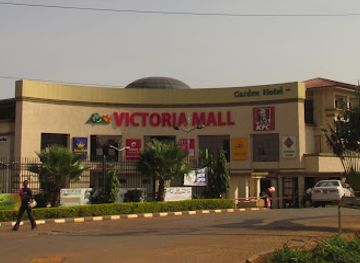
Victoria Mall Entebbe
Explore Victoria Mall Entebbe: a vibrant shopping center with diverse retail, dining, and entertainment options for an unforgettable experience.
Get your free copy of our complete guide to Western Region, delivered straight to you.
Everything on this page, from attractions and restaurants to essentials and local phrases, in one PDF you can read offline, print or share.
Already have an account? Sign in
Your Western Region guide is ready.
We'll send it to · Not you? Sign out

Getting your guide ready…
We are putting together a fresh copy of the Western Region guide. This can take up to a minute.
This can take a few moments. If your browser asks, choose Allow so the download can start. You'll find the guide in your Downloads folder.
Nothing happened? Download it again
Sorry, the guide is taking longer than usual. Please try again in a minute, or get it by email instead.
Western Region essentials
Currency and Payment
Safety
Emergency Situations
Do's and Don'ts
Local Tips
From Eve
Local phrases worth knowing
You don't need to get them perfect. A few words go a long way, and locals appreciate the effort.
Basics
| English | Local | Say it |
|---|---|---|
| Hello | Oli otya | [Oh-lee oh-tyah] |
| Goodbye | Weeraba | [Wee-rah-bah] |
| Yes | Nze | [Nzeh] |
| No | Nedda | [Neh-dah] |
| Please/You're welcome | Nsanyuse | [N-sah-nyoo-seh] |
| Thank you | Webale | [Weh-bah-leh] |
| Excuse me/Sorry | Nsonyiwa | [N-soh-nyi-wah] |
| How are you? | Oli otya? | [Oh-lee oh-tyah?] |
| Fine. And you? | Nziza. Otya naawe? | [Nzee-zah. Oh-tyah nah-weh?] |
| Do you speak English? | Ogwenda okwogera Oluganda? | [Oh-gwen-dah oh-kwo-ge-ra O-loo-gan-dah?] |
| I don't understand | Sijja kumanya | [See-jah koo-mah-nah] |
Eating & Drinking
| English | Local | Say it |
|---|---|---|
| I'd like to see the menu, please | Njagala okulaba ku menu, nsanyuse | [Njah-gah-lah oo-koo-lah-bah koo meh-noo, n-sah-nyoo-se] |
| I don't eat meat | Sikola nyama | [See-koh-lah nyah-mah] |
| Cheers! | Tukwatagane! | [Too-kwah-tah-gah-neh!] |
| I would like to pay, please | Njagala okuwaayo, nsanyuse | [Njah-gah-lah oo-koo-wah-yoh, n-sah-nyoo-se] |
Emergencies
| English | Local | Say it |
|---|---|---|
| Help! | Mpuuze! | [M-poo-zeh!] |
| Go away! | Genda wano! | [Gen-dah wah-noh!] |
| Call the Police! | Tandika Poliisi! | [Tan-dee-kah Poh-lee-see!] |
| Call a doctor! | Tandika daktari! | [Tan-dee-kah dahk-tah-ree!] |
| I'm lost | Ndi mu kwegatta | [N-dee moo kway-gah-tah] |
| I'm ill | Ndi musujja | [N-dee moo-soo-jah] |
Shopping
| English | Local | Say it |
|---|---|---|
| I'd like to buy... | Njagala kugula... | [Njah-gah-lah koo-goo-lah...] |
| I'm just looking | Nze ndi mu kwegatta | [Nzeh n-dee moo kway-gah-tah] |
| How much is it? | Kiki mu ssente? | [Kee-kee moo sen-teh?] |
| That's too expensive | Ekyo kyakalu | [Eh-kyoh kyah-kah-loo] |
| Can you lower the price? | Oyinza okwewandiika? | [Oh-yeen-zah oh-kweh-wahn-dee-kah?] |
Time & Numbers
| English | Local | Say it |
|---|---|---|
| What time is it? | Kiki ekiseera? | [Kee-kee eh-kee-seh-rah?] |
| It's one o'clock | Kiri kimu | [Kee-ree kee-moo] |
| Half past (10) | Omukono gumu (10) | [Oh-moo-koh-noh goo-moo (10)] |
| Morning | Okitundu | [Oh-kee-tun-doo] |
| Afternoon | Ekitundu | [Eh-kee-tun-doo] |
| Evening | Ekitondo | [Eh-kee-ton-doo] |
| Yesterday | Ekitundu eky'eddaki | [Eh-kee-tun-doo eh-kee-y'eh-dah-kee] |
| Today | Okwono | [Oh-kwoh-noh] |
| Tomorrow | Ekitondo ekyava | [Eh-kee-ton-doo eh-kee-yah-vah] |
| 1 | Kimu | [Kee-moo] |
| 2 | Biri | [Bee-ree] |
| 3 | Ssatu | [Sah-too] |
| 4 | Nne | [Neh] |
| 5 | Tano | [Tah-noh] |
| 6 | Mukaaga | [Moo-kah-gah] |
| 7 | Musanvu | [Moo-sahn-voo] |
| 8 | Munaana | [Moo-nah-nah] |
| 9 | Musanvu | [Moo-sahn-voo] |
| 10 | K kumi | [Kee koo-mee] |
Transport & Directions
| English | Local | Say it |
|---|---|---|
| Where's a/the...? | Eri wa ...? | [Eh-ree wah ...?] |
| What's the address? | Kiki ekitundu? | [Kee-kee eh-kee-tun-doo?] |
| Can you show me (on the map)? | Oyinza okundaga (mu kramu)? | [Oh-yeen-zah oh-kun-dah-gah (moo krah-moo)?] |
| When's the next (bus)? | Kiki ekibuga eky'omu? | [Kee-kee eh-kee-boo-gah eh-kee-y'oh-moo?] |
| A ticket (to ....) | Ekikwekweto (ku ...) | [Eh-kee-kweh-kweh-toh (koo ...)] |
History of Western Region
Early Settlement and Great Lakes Cultures
Western Uganda has been shaped by successive farming, herding and iron-working communities linked to the wider Great Lakes region. Archaeological evidence and oral traditions point to long histories of settlement around the western lakes, fertile highlands and forest margins. Bantu-speaking communities developed agricultural systems suited to different environments, while cattle and exchange networks connected the plateau, savannah and lake shores. These early patterns help explain the region's cultural diversity, including the distinct historical identities associated with Tooro, Bunyoro, Ankole and the communities of the Kigezi highlands.
Bunyoro-Kitara and the Kingdom of Tooro
The powerful Bunyoro-Kitara kingdom historically influenced much of western Uganda and the broader Albertine region. Tooro emerged as a separate kingdom in the nineteenth century when Kabalega's brother, Kaboyo, established an independent polity in the area around present-day Fort Portal. Royal institutions, clan relationships and systems of land use continued to shape local society, even as colonial administration later redrew political boundaries. The Tooro kingdom remains a significant cultural institution, with its historical centre in and around Fort Portal providing an important lens on western Uganda's past.
Ankole and the Southwestern Highlands
The kingdom of Ankole developed in the grasslands and rolling country south of the Rwenzori region, with cattle husbandry playing a major economic and cultural role. The long-horned Ankole cattle associated with the area became an important symbol of pastoral heritage, although farming and urban commerce have transformed the economy considerably. Farther southwest, the densely settled Kigezi highlands acquired a distinctive agricultural landscape of steep cultivated slopes and carefully managed smallholdings. These different environments created contrasting regional identities that remain visible around Mbarara, Kabale and Kisoro.
Colonial Rule, Missionaries and New Towns
British colonial rule incorporated western Uganda into the Uganda Protectorate during the late nineteenth and early twentieth centuries. Mission stations, administrative posts, roads and commercial centres altered patterns of authority and trade. Fort Portal became an important colonial town in the Tooro area, while Mbarara developed as a major centre in Ankole and Kabale grew in the Kigezi highlands. Christian missions introduced new institutions, education and architectural forms, alongside colonial taxation and labour systems. The region's modern road network and many town layouts have roots in this period.
Agriculture, Tea and the Changing Rural Economy
Agriculture has remained central to western Uganda, but its products vary with altitude and climate. Banana cultivation, cattle, coffee, tea, beans, millet and horticulture support rural livelihoods across different districts. Commercial tea expanded particularly around the highlands near Fort Portal, where plantations and smallholder production occupy fertile slopes. Dairy development and urban food markets have also become important, especially around Mbarara and neighbouring districts. These industries have brought income and connectivity while placing continuing pressure on land, forests and wetlands.
Independence, Conflict and Political Change
Uganda's independence in 1962 brought new political structures and considerable change to the western kingdoms. The kingdoms were abolished under the 1967 republican constitution and later restored as cultural institutions in the 1990s, without their former executive political powers. Western Uganda also experienced the wider instability and violence that affected Uganda during the 1970s and early 1980s, followed by further political and economic change. Contemporary towns, roads, schools and tourism enterprises reflect the region's gradual reconstruction and integration into national life.
Conservation and the Rise of Nature Tourism
Much of western Uganda's modern international profile comes from conservation. Queen Elizabeth National Park was established in 1954, while Kibale, Bwindi, Mgahinga and Rwenzori protected areas preserve forest, mountain and savannah habitats. Wildlife tourism, chimpanzee tracking and mountain-gorilla trekking now provide employment and conservation revenue, but they also involve complex questions about land, access and relations with neighbouring communities. The region's parks are therefore both visitor destinations and living landscapes where conservation, farming and settlement must coexist.
Western Region in Photos
Browse through our photo collection highlighting the charm and character of the destination.
Neighbouring regions of Western Region
The closest regions to Western Region, if you have time for more than one.
-

-

-

-

-


Swipe for more regions
Explore more

Explore more of Uganda
Discover Uganda: From the majestic mountain gorillas of Bwindi to the vibrant streets of Kampala, experience the diverse landscapes and rich culture of the Pearl of Africa.
Explore Uganda