

Free Fort Portal Travel Guide & Mobile App
Plan your Fort Portal trip with Evendo. Get free guides to top attractions, restaurants, hotels, and bars. Web access or download the mobile app.


Fort Portal, Uganda, pairs Tooro heritage, crater-lake scenery and green highland landscapes with cultural sights, cafés and gateways to Kibale Forest.
Highland Setting and Tooro Identity
Fort Portal lies in western Uganda near the Rwenzori Mountains and the foothills of the Albertine Rift, where cool upland air, cultivated hills and volcanic crater lakes shape the surrounding landscape. The town is the administrative centre of Kabarole District and the principal urban gateway to the Tooro sub-region, whose cultural identity is closely connected with the Kingdom of Tooro. Streets around the centre combine practical shops, cafés, markets and civic buildings with views towards the green countryside beyond.Read more about Fort Portal
From Colonial Outpost to Regional Centre
Crater Lakes, Tea Country and Forest
When is the best time to visit Fort Portal?
Best: February, July–August · 27°C| Month | High (°C) | Rainfall (mm) |
|---|---|---|
| January | 27 | 105 |
| February (best) | 27 | 98 |
| March | 28 | 124 |
| April | 28 | 210 |
| May | 28 | 262 |
| June | 27 | 198 |
| July (best) | 27 | 100 |
| August (best) | 27 | 91 |
| September | 27 | 140 |
| October | 28 | 177 |
| November | 28 | 217 |
| December | 28 | 152 |
Getting to and around Fort Portal
How to get there
Transportation
Best attractions in Fort Portal
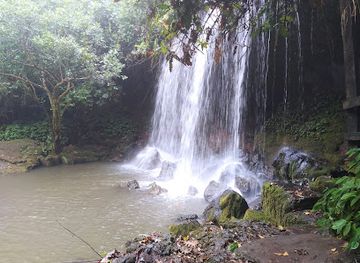
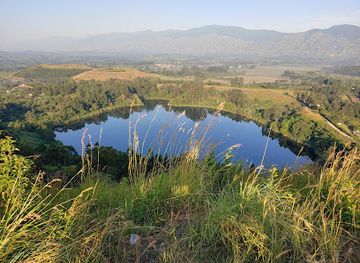
Fort Portal’s principal attractions combine town life with the surrounding highland landscape. Tooro Kingdom Palace, also known as the Karuziika Palace, introduces visitors to the region’s living royal institution and its cultural significance, while the town’s central market offers a close view of produce, household goods and everyday commerce. The nearby Amabere Caves, associated in local tradition with the breasts of Nyinamwirima, combine rock formations, oral history and a waterfall setting outside the urban centre. The crater lakes around Fort Portal provide scenic walks, birdwatching and views across cultivated hills, although access and facilities vary. Tea estates reveal the agricultural economy of the area, and Kibale National Park, reached beyond the town, offers organised forest experiences centred on chimpanzees and other primates. These places are best understood as connected excursions from Fort Portal rather than as attractions contained within a compact city centre.
-
Tourist attraction
Amabere Caves
Explore the stunning Amabere Caves in Fort Portal, a mesmerizing blend of nature's beauty and rich cultural tales.
18 min drive · 5.8 km from city centre
-
Tourist attraction
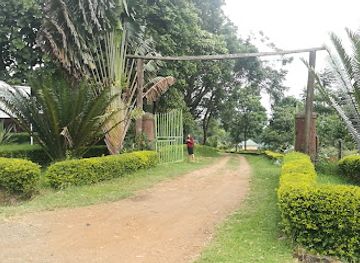
Tooro Botanical Gardens
Explore the lush landscapes and rich biodiversity of Tooro Botanical Gardens, a serene retreat in Fort Portal, Uganda, perfect for nature lovers and families.
6 min drive · 1.8 km from city centre
-
Tourist attraction
Kyeganywa Hill
Explore Kyeganywa Hill in Fort Portal, Uganda, a scenic tourist attraction with breathtaking views and rich biodiversity for nature lovers.
15 min drive · 5.1 km from city centre
-
Tourist attraction
Sir Gerald Portal Monument
Explore the Sir Gerald Portal Monument in Fort Portal, a stunning tribute surrounded by breathtaking landscapes and rich Ugandan heritage.
2 min walk · 0.2 km from city centre

Best landmarks in Fort Portal
Tooro Kingdom Palace, or Karuziika Palace, is Fort Portal’s most important symbolic landmark, representing the restored cultural institution of the Tooro monarchy and its continuing relationship with the region. The town’s name recalls the colonial fort associated with Sir Gerald Portal, although the original fort itself is not preserved as a complete monument. Within the centre, civic buildings, churches and commercial streets reflect the layered development of a colonial administrative post that became a Ugandan regional town. Outside the urban core, the Amabere Caves form a natural and cultural landmark whose limestone formations are linked to the story of Nyinamwirima in local tradition. The surrounding crater lakes and volcanic landscapes are not constructed monuments, but they are central to Fort Portal’s visual identity and explain why the town’s landmarks are best read together with its natural setting and Tooro heritage.
-
 Hotel
HotelMountains of the Moon Hotel
Experience the breathtaking beauty of Fort Portal at Mountains of the Moon Hotel, your perfect retreat in the heart of Uganda's stunning landscapes.
6 min drive · 2.1 km from city centre
-
Nature preserve
Amabere Caves
Explore the stunning Amabere Caves in Fort Portal, Uganda - a natural wonder filled with rich culture and breathtaking limestone formations.
18 min drive · 5.8 km from city centre
-
Lodge
Kyaninga Lodge
Discover Kyaninga Lodge, where luxury meets nature in the heart of Fort Portal, Uganda, offering breathtaking views and unforgettable experiences.
18 min drive · 6.0 km from city centre
-
Hotel
Reinah Tourist Hotel
Experience comfort and culture at Reinah Tourist Hotel in Fort Portal, the ideal base for exploring Uganda's stunning landscapes and vibrant heritage.
6 min walk · 0.5 km from city centre


Explore Fort Portal on the map
Plan your Fort Portal trip on one map. See where the top attractions, landmarks, restaurants, bars and hotels are, find what's near where you're staying, and book hotels and experiences in a few clicks.
Best hotels in Fort Portal
Best restaurants in Fort Portal
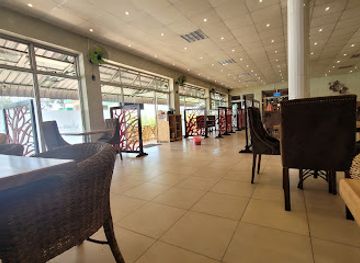
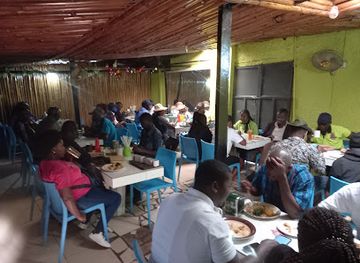
Fort Portal’s dining scene reflects western Uganda’s agricultural setting and the practical character of a regional town. Local restaurants and informal eateries commonly serve staples such as matoke, the cooked green banana central to Ugandan cuisine, with beans, groundnut sauces, beef, chicken or fish, alongside rice, posho and chapati. Fresh fruit, tea and coffee are readily associated with the surrounding farmland and plantations, while roadside grills and small cafés provide simple meals for residents, drivers and visitors. The central market is useful for seeing the produce that underpins local cooking, though prepared food stalls should be chosen with normal attention to cleanliness and turnover. More established hotels and guesthouses usually offer broader menus, including familiar international dishes, but dining remains less formal and less specialised than in Kampala. Meals can be leisurely, and service times may reflect local rhythms rather than fixed expectations.
-
Restaurant
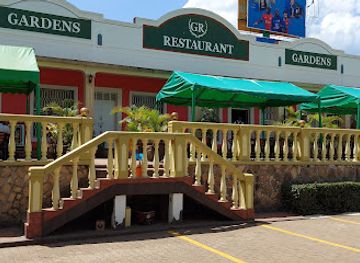
Gardens Restaurant, Cafè, Art Gallery
Experience delightful dining amidst stunning gardens at Gardens Restaurant, Cafè & Art Gallery in Fort Portal - where taste meets creativity.
6 min walk · 0.5 km from city centre
-
Hotel
Dutchess Hotel and Restaurant
Discover unmatched hospitality at Dutchess Hotel and Restaurant in Fort Portal - where comfort meets culinary delight amidst Uganda's natural beauty.
5 min walk · 0.4 km from city centre
-
Restaurant
Cafe de forte
Discover Cafe de Forte in Fort Portal - A delightful blend of local flavors and international cuisine in a cozy setting.
4 min walk · 0.3 km from city centre
-
Restaurant
Capital One Hotel
Experience authentic Ugandan cuisine and warm hospitality at Capital One Hotel in Fort Portal – your culinary adventure awaits!
2 min walk · 0.2 km from city centre
Best bars in Fort Portal
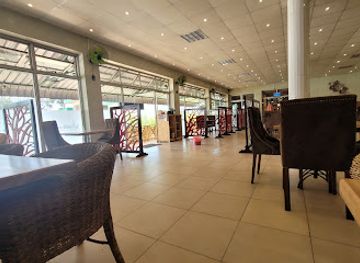
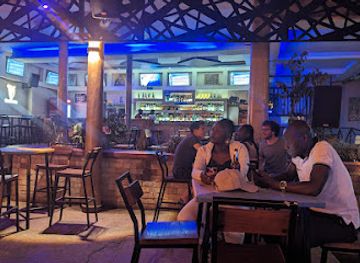
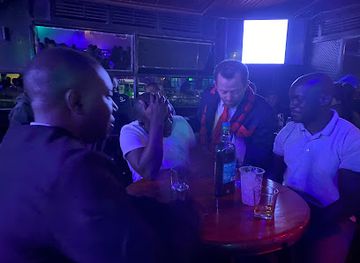
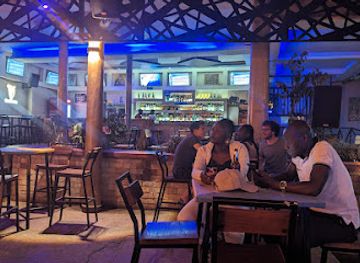
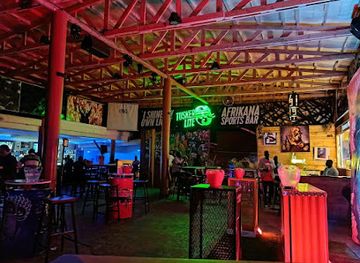
Fort Portal has a modest evening scene shaped more by local social life, hotel bars and music venues than by a concentrated nightclub district. Around the centre, bars and casual lounges provide places for conversation, televised sport and locally popular music, while established hotels may offer quieter settings for visitors. Evening activity is generally livelier at weekends, but venues and schedules can change, so local advice is useful. Traditional Ugandan drinks and commercial beers may appear alongside soft drinks and tea, while live music or small entertainment events occasionally add to the atmosphere. Travellers should use arranged transport after dark, keep valuables secure and show restraint around residential or cultural areas. The town is a practical regional centre rather than a destination for large-scale clubbing, and its nightlife is best approached as an extension of everyday community life.
-
Bar
Pavilion Bar & Grill
Experience the vibrant nightlife at Pavilion Bar & Grill in Fort Portal, where local flavors and refreshing drinks come together in a lively atmosphere.
17 min walk · 1.4 km from city centre
-
Bar
Cafe de forte
Discover Café de Forte in Fort Portal, Uganda - where delightful pastries, refreshing drinks, and a cozy atmosphere await you.
4 min walk · 0.3 km from city centre
-
Bar
Club Africana
Discover the vibrant nightlife of Fort Portal at Club Africana, a lively bar offering local drinks, music, and an unforgettable atmosphere.
3 min walk · 0.3 km from city centre
-
Grill
Afrikana Sports Bar
Discover the vibrant atmosphere of Afrikana Sports Bar in Fort Portal, where delicious grilled cuisine and lively entertainment await.
3 min walk · 0.3 km from city centre


Best nightclubs in Fort Portal
Fort Portal has a modest evening scene shaped more by local social life, hotel bars and music venues than by a concentrated nightclub district. Around the centre, bars and casual lounges provide places for conversation, televised sport and locally popular music, while established hotels may offer quieter settings for visitors. Evening activity is generally livelier at weekends, but venues and schedules can change, so local advice is useful. Traditional Ugandan drinks and commercial beers may appear alongside soft drinks and tea, while live music or small entertainment events occasionally add to the atmosphere. Travellers should use arranged transport after dark, keep valuables secure and show restraint around residential or cultural areas. The town is a practical regional centre rather than a destination for large-scale clubbing, and its nightlife is best approached as an extension of everyday community life.
-
Bar
Pavilion Bar & Grill
Experience the vibrant nightlife of Fort Portal at Pavilion Bar & Grill, where delicious cuisine meets refreshing drinks in a lively atmosphere.
17 min walk · 1.4 km from city centre
-
Bar
Fort Motel
Experience comfort and adventure at Fort Motel, your home away from home in the scenic beauty of Fort Portal, Uganda.
13 min walk · 1.1 km from city centre
-
Bar
Club Africana
Immerse yourself in the vibrant nightlife of Fort Portal at Club Africana, where drinks flow and good times roll.
3 min walk · 0.3 km from city centre
-
Grill
Afrikana Sports Bar
Experience sports like never before at Afrikana Sports Bar in Fort Portal, where delicious grilled dishes meet a vibrant atmosphere and thrilling live games.
3 min walk · 0.3 km from city centre
Best shops in Fort Portal
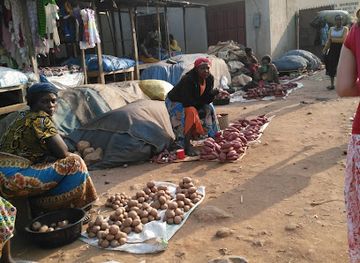
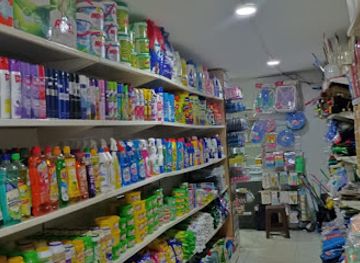
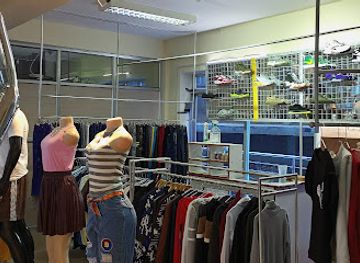
Shopping in Fort Portal is concentrated around the central market, ordinary town streets and small independent shops rather than a large formal retail district. The market is the most useful place to encounter local agricultural produce, including bananas, fruit, vegetables and other goods from the fertile surrounding countryside, while shops and stalls supply clothing, household items and practical travel necessities. Visitors may find baskets, woven goods, simple craftwork and locally produced food items, although selection varies and products should be assessed for authenticity and quality. Tea and coffee from western Uganda can make suitable regional purchases when properly packaged for travel. Bargaining may be accepted in informal settings, but it should remain polite and good-natured. The town’s retail character is primarily local and functional, offering a closer view of regional commerce than of branded or luxury shopping.
-
Grocery store
Kabundiare Market
Discover the heart of Fort Portal at Kabundiare Market, a vibrant grocery hub offering fresh produce and unique Ugandan crafts.
6 min walk · 0.5 km from city centre
-
Supermarket
Andrew & Brothers Supermarket
Experience the heart of Fort Portal at Andrew & Brothers Supermarket, where local flavors meet global tastes.
1 min walk · 0.1 km from city centre
-
Grocery store
active supermarket
Discover a vibrant shopping experience at the Active Supermarket in Fort Portal, where fresh produce meets local culture and essential goods.
2 min walk · 0.2 km from city centre
-
Boutique
A&K Botique
Explore A&K Boutique in Fort Portal for unique fashion that blends modern style with local culture, perfect for every traveler’s wardrobe.
1 min walk · 0.1 km from city centre

Get your free copy of our complete guide to Fort Portal, delivered straight to you.
Everything on this page, from attractions and restaurants to essentials and local phrases, in one PDF you can read offline, print or share.
Already have an account? Sign in
Your Fort Portal guide is ready.
We'll send it to · Not you? Sign out

Getting your guide ready…
We are putting together a fresh copy of the Fort Portal guide. This can take up to a minute.
This can take a few moments. If your browser asks, choose Allow so the download can start. You'll find the guide in your Downloads folder.
Nothing happened? Download it again
Sorry, the guide is taking longer than usual. Please try again in a minute, or get it by email instead.
Fort Portal essentials
Currency and Payment
Safety
Emergency Situations
Do's and Don'ts
Local Tips
From Eve
Local phrases worth knowing
You don't need to get them perfect. A few words go a long way, and locals appreciate the effort.
Basics
| English | Local | Say it |
|---|---|---|
| Hello | Oraire | [oh-rye] |
| Goodbye | Webale nyo | [weh-bah-leh n-yoh] |
| Yes | Wee | [wee] |
| No | Nedda | [neh-dah] |
| Please/You're welcome | Mwattu | [mwah-too] |
| Thank you | Webale | [weh-bah-leh] |
| Excuse me/Sorry | Nze muntunte | [nzeh moon-too-n-teh] |
| How are you? | Oli otya? | [oh-lee oh-tyah] |
| Fine. And you? | Gyendi. Ovako? | [gyen-dee. oh-vah-koh] |
| Do you speak English? | Omanyi olungereza? | [oh-mahn-yee oh-loon-geh-reh-zah] |
| I don't understand | Sijja kibuga | [see-jah kee-boo-gah] |
Eating & Drinking
| English | Local | Say it |
|---|---|---|
| I'd like to see the menu, please | Nkwagala okulabirira menu, nebaza | [n-kwah-gah-lah oh-koo-lah-bee-ree-rah meh-noo, neh-bah-zah] |
| I don't eat meat | Sikula ekitu | [see-koo-lah eh-kee-too] |
| Cheers! | Nywera | [ny-weh-rah] |
| I would like to pay, please | Nkwagala okuyita, nebaza | [n-kwah-gah-lah oh-koo-yee-tah, neh-bah-zah] |
Emergencies
| English | Local | Say it |
|---|---|---|
| Help! | Mbulire! | [mboo-lee-reh] |
| Go away! | Genda! | [gen-dah] |
| Call the Police! | Tambula Poliisi! | [tahm-boo-lah poh-lee-see] |
| Call a doctor! | Tambula daktari! | [tahm-boo-lah dahk-tah-ree] |
| I'm lost | Nkuyita | [n-koo-yee-tah] |
| I'm ill | Nze bulijjo | [nzeh boo-lee-jjo] |
Shopping
| English | Local | Say it |
|---|---|---|
| I'd like to buy... | Nkwagala okunywa... | [n-kwah-gah-lah oh-koo-ny-wah] |
| I'm just looking | Njagala okulabira | [n-jah-gah-lah oh-koo-lah-bee-rah] |
| How much is it? | Birungi gya? | [bee-roon-gee ch-yah] |
| That's too expensive | Gwe omubi | [gweh oh-moo-bee] |
| Can you lower the price? | Omanyi okukuba omuli? | [oh-mahn-yee oh-koo-koo-bah oh-moo-lee] |
Time & Numbers
| English | Local | Say it |
|---|---|---|
| What time is it? | Saa ngapi? | [sah-ah ngah-pee] |
| It's one o'clock | Saa limu | [sah-ah lee-moo] |
| Half past (10) | Kati ya (10) | [kaa-tee yah (10)] |
| Morning | Olwekyo | [ohl-weh-kyoh] |
| Afternoon | Ebbanga | [eh-bahn-gah] |
| Evening | Olw'ekiro | [ohl-weh-kee-roh] |
| Yesterday | Lwakubiri | [lwah-koo-bee-ree] |
| Today | Lelo | [leh-loh] |
| Tomorrow | Lwomukaaga | [lwoh-moo-kah-gah] |
| 1 | Mmoja | [mmoh-jah] |
| 2 | Bili | [bee-lee] |
| 3 | Ssatu | [ssah-too] |
| 4 | Naalungata | [nah-loon-gah-tah] |
| 5 | Naalulungi | [nah-loo-loong-ee] |
| 6 | Mmusa | [mmoo-sah] |
| 7 | Mmuna | [mmoo-nah] |
| 8 | Mmubiri | [mmoo-bee-ree] |
| 9 | Mmunaana | [mmoo-nah-nah] |
| 10 | Kumi | [koo-mee] |
Transport & Directions
| English | Local | Say it |
|---|---|---|
| Where's a/the...? | Yampi...? | [yahm-pee] |
| What's the address? | Yampi ekiwandiiko? | [yahm-pee eh-kee-wahn-dee-koh] |
| Can you show me (on the map)? | Omanyi kundawo (mu mapu)? | [oh-mahn-yee koon-dah-woh (moo mah-poo)] |
| When's the next (bus)? | Yampi ebiseera bya mbaga? | [yahm-pee eh-bee-say-rah byah m-bah-gah] |
| A ticket (to ....) | Tikiti (ku ....) | [tee-kee-tee (koo ....)] |
History of Fort Portal
The Formation of Tooro Kingdom
Fort Portal stands within the historic territory of the Tooro kingdom, which emerged in the nineteenth century after a secession from the larger Bunyoro-Kitara kingdom. Tooro’s royal institution, known as the Omukama and associated with the Abatooro people, remains important to the cultural identity of the region. Before the modern town developed, communities organised life through agriculture, trade, clan relationships and royal administration across the foothills and valleys west of the Rwenzori range. This political and cultural history continues to shape ceremonies, institutions and the sense of regional belonging found in Fort Portal today.
A British Colonial Outpost
The modern town grew around a British colonial fort established in the late nineteenth century, during the expansion of the Uganda Protectorate. The fort was associated with British commissioner Sir Gerald Portal, whose name was given to the settlement. Colonial officials used the location as an administrative centre in a region where British authority was being consolidated through treaties, taxation and new systems of government. The original military structure did not survive intact, but its name remains embedded in the town’s identity. Fort Portal’s position on routes through western Uganda also helped it develop as a centre for administration and commerce.
Agriculture and Regional Trade
During the colonial and post-colonial periods, the Fort Portal area became increasingly connected to commercial agriculture and regional trade. Tea growing expanded in the fertile highlands, while coffee, bananas, cocoa and food crops supported household livelihoods and local markets. Roads linked the town with communities around the Rwenzori foothills, the Albertine Rift and the forests to the south-east. These economic networks shaped Fort Portal as a service centre, bringing together farmers, traders, transport workers, public institutions and schools. The town’s markets and surrounding plantations still reflect this agricultural foundation.
Independence and Political Change
Uganda gained independence from Britain in 1962, and Fort Portal continued as an important centre in western Uganda through the country’s periods of political change. The status and public role of traditional kingdoms altered after independence: the kingdoms were abolished in 1967 under President Milton Obote and later restored as cultural institutions in 1993. Tooro’s monarchy therefore survives today without the executive political authority it once held. This distinction is important when interpreting royal sites and ceremonies in the Fort Portal area, where the institution represents cultural continuity rather than a separate governmental administration.
A Gateway to Conservation
In recent decades, Fort Portal’s identity has also been influenced by conservation and nature-based tourism. Kibale National Park, established in 1993 after earlier forest protection arrangements, safeguards one of Uganda’s important tracts of tropical forest and is noted for its primate populations, particularly chimpanzees. The town is commonly used as a staging point for visits to Kibale and for journeys towards crater lakes, tea country and the Rwenzori region. This role has encouraged growth in guiding, transport and hospitality while also highlighting the need to balance tourism with farming, forest conservation and local livelihoods.
Fort Portal in Photos
Browse through our photo collection highlighting the charm and character of the destination.
Cities near Fort Portal
The closest cities to Fort Portal, if you have time for more than one stop.
-

-

-

-

-


Swipe for more cities
Explore more

Explore more of Uganda
Discover Uganda: From the majestic mountain gorillas of Bwindi to the vibrant streets of Kampala, experience the diverse landscapes and rich culture of the Pearl of Africa.
Explore Uganda