

Free West Nile Travel Guide & Mobile App
Explore West Nile with free travel guides. Discover regional history, expert tips, proposed trips, and audio guides on web or mobile app.


Explore West Nile, Uganda for Albert Nile landscapes, Arua markets, diverse cultures, wildlife areas and rewarding journeys through the north-west.
Read more about West Nile
When is the best time to visit West Nile?
Best: December–February · 31–32°C| Month | High (°C) | Rainfall (mm) |
|---|---|---|
| January (best) | 31 | 10 |
| February (best) | 32 | 15 |
| March | 32 | 25 |
| April | 33 | 60 |
| May | 32 | 90 |
| June | 32 | 100 |
| July | 31 | 90 |
| August | 31 | 80 |
| September | 32 | 60 |
| October | 32 | 40 |
| November | 32 | 30 |
| December (best) | 32 | 20 |
Getting to and around West Nile
How to get there
Transportation
Best attractions in West Nile
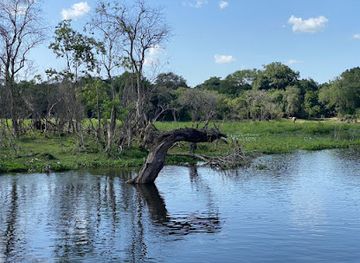
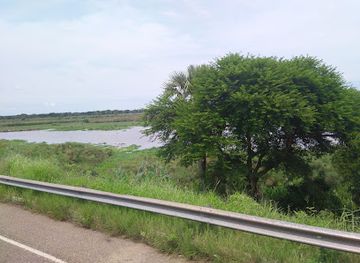
West Nile’s attractions are dispersed across a large borderland rather than concentrated in one resort town. Arua provides the region’s strongest introduction to contemporary life through its markets, trading streets and access to surrounding Lugbara communities. Nebbi and Paidha are useful bases for experiencing the Alur cultural landscape, while Pakwach brings visitors to the Albert Nile, one of the region’s defining natural features. Ajai Wildlife Reserve, in the Arua area, protects savannah and wetland habitats and offers a quieter conservation experience than Uganda’s better-known parks, subject to current access arrangements and local guidance. The wider Murchison Falls National Park lies beyond and partly around the region’s eastern and southern approaches; it can be combined with West Nile, but its principal attractions should not be confused with destinations wholly within the subregion. Rural journeys reveal cultivated hills, seasonal wetlands, village markets and broad skies, while community visits and local food provide insight unavailable from a short transit stop. Travellers should plan realistically: many experiences require advance arrangements, a local guide and a vehicle suited to variable roads.
-
Tourist attraction
Murchison Falls National Park - Kichubanyobo entrance gate
Discover the breathtaking landscapes and rich wildlife of Murchison Falls National Park, Uganda's premier adventure destination.
-
Bridge
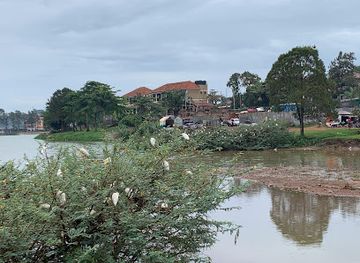
Pakwach Bridge
Explore the breathtaking Pakwach Bridge over the White Nile, a scenic gateway to Uganda's West Nile region and its rich cultural heritage.
-
Public beach
Eripak Beach Resort
Discover the serene beauty of Eripak Beach Resort, a perfect blend of relaxation and adventure in Uganda's West Nile region.
-
Tourist attraction
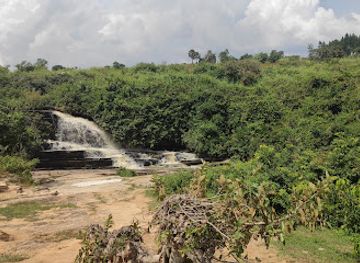
MIRIADUA FALLS
Discover the enchanting Miriadua Falls in West Nile, Uganda, where nature's beauty meets tranquility in a breathtaking landscape.
Best landmarks in West Nile
The Albert Nile is West Nile’s principal geographical landmark, passing through Pakwach before continuing north towards South Sudan. Its banks and crossings express the region’s historical importance as a corridor for movement, administration, trade and migration. Arua Hill is a prominent natural reference point above Arua and helps explain the city’s visual character, although the surrounding urban landscape is now as important as the hill itself. The Pakwach Bridge, spanning the Nile on a major transport route, is an important piece of contemporary infrastructure and a familiar marker for travellers entering the wider Murchison area. In the west, the rolling country around Nebbi, Paidha and Zombo forms part of the region’s distinctive Alur cultural landscape, while Ajai’s savannah and wetland environment is a significant conservation landmark in the Arua area. Many of West Nile’s most meaningful landmarks are therefore landscapes and transport structures rather than monumental buildings; their importance lies in how they connect communities, ecosystems and national borders.
-
Lake
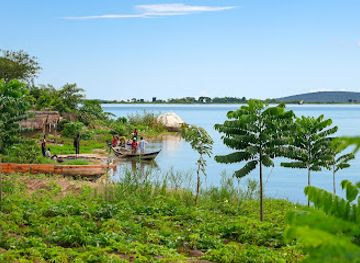
Lake Victoria
Explore the breathtaking beauty and vibrant culture of Lake Victoria, Africa's largest lake, offering unforgettable adventures and stunning landscapes.
-
National park
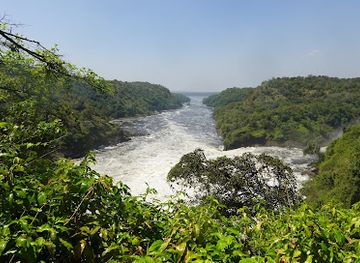
Murchison Falls National Park
Explore the breathtaking beauty of Murchison Falls National Park, where adventure and nature come together in Uganda's premier wildlife destination.
-
Tourist attraction
Kabaka's Palace
Discover Kabaka's Palace in Kampala, a stunning blend of history, culture, and royal heritage in the heart of Uganda.
-
National park
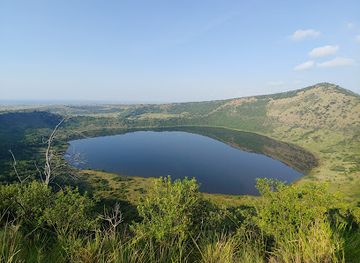
Queen Elizabeth National Park
Explore the magnificent Queen Elizabeth National Park, a wildlife haven in Uganda, offering breathtaking landscapes and unforgettable safari experiences.
Explore West Nile on the map
Plan your trip on one map. See where the top cities, national parks and sights are, and book hotels and experiences in a few clicks.
Best hotels in West Nile
Best restaurants in West Nile
Dining in West Nile is centred on everyday Ugandan cooking, market food and the produce of small farms rather than a formally defined restaurant circuit. Cassava, millet, sorghum, beans, groundnuts, sesame, greens and chicken appear frequently, with rice, matoke and grilled meats also common in town eateries. Along the Albert Nile and in riverside markets, locally sourced fish may be available, although supply and preparation vary by season. Arua has the widest choice of restaurants, cafés and hotels, including establishments serving Ugandan, Indian and other East African dishes; smaller towns rely more on informal restaurants, roadside grills and tea stalls. Visitors should look for busy, well-established places with good food turnover and ask locally about daily specialities. Market kitchens offer direct contact with regional tastes, but hygiene standards can differ, so choose carefully. Regional produce such as groundnuts, sesame and cassava is also encountered as a snack or ingredient rather than a packaged speciality.
-
East African
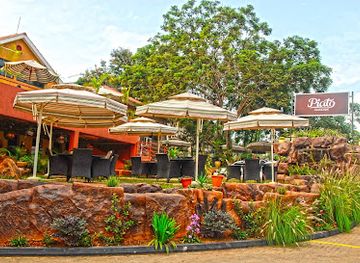
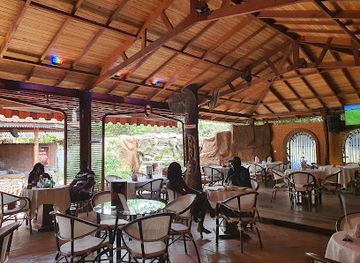
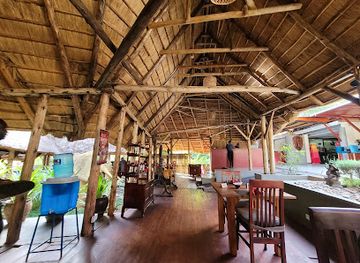
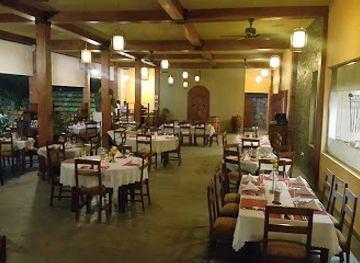
Piato Restaurant
Discover authentic East African flavors at Piato Restaurant in Kampala - a culinary haven for breakfast lovers.
-
Restaurant
Torino
Discover Torino's vibrant restaurant scene where traditional Italian cuisine meets modern culinary creativity.
-
Thai
Tamarai
Experience authentic Thai cuisine in Kampala at Tamarai, where every dish is a flavorful journey into Thailand's culinary heritage.
-
Fine Dining
The Lawns Restaurant
Discover culinary excellence at The Lawns Restaurant in Kampala – where fine dining meets barbecue bliss.
Best bars in West Nile
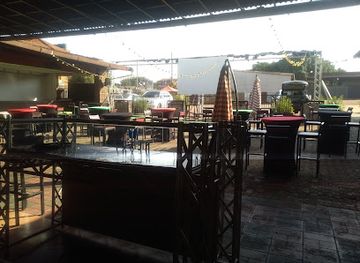
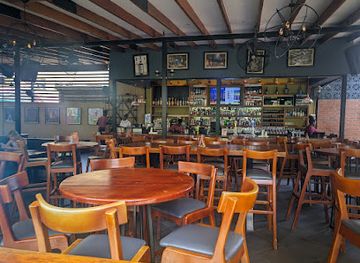
Nightlife in West Nile is modest and town-based, with Arua offering the broadest choice of hotel bars, local pubs, cafés, sports-viewing venues and occasional live-music entertainment. Evening activity in Nebbi, Paidha, Pakwach and other district centres is generally focused on restaurants, neighbourhood bars and social gatherings rather than a large club circuit. Some venues serve Ugandan beers, spirits, soft drinks and locally familiar music, while smaller towns often become quiet earlier than Uganda’s major cities. Rural evenings are more likely to centre on family compounds, community events or a local trading centre than on formal nightlife. Visitors should use reputable venues, arrange transport before drinking and avoid walking alone on unfamiliar roads after dark. Entertainment schedules and individual business status change frequently, so accommodation staff or trusted local contacts are the best source of current information.
-
Bar
Nexus Lounge
Experience the vibrant nightlife of Kampala at Nexus Lounge, where exceptional drinks and a lively atmosphere await.
-
Bar
The Alchemist Kitchen and Bar
Discover a culinary gem in Kampala where exquisite flavors meet a vibrant atmosphere at The Alchemist Kitchen and Bar.
-
Lounge
F.A.M.E Lounge
Discover the vibrant nightlife of Kampala at F.A.M.E Lounge, where exquisite drinks, live entertainment, and a lively atmosphere await you.
-
Grill
Banana Bar & Bistro
Experience the vibrant flavors and lively ambiance at Banana Bar & Bistro in Kampala, your go-to destination for grill delights and local culture.


Best nightclubs in West Nile
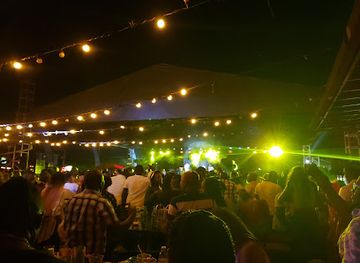
Nightlife in West Nile is modest and town-based, with Arua offering the broadest choice of hotel bars, local pubs, cafés, sports-viewing venues and occasional live-music entertainment. Evening activity in Nebbi, Paidha, Pakwach and other district centres is generally focused on restaurants, neighbourhood bars and social gatherings rather than a large club circuit. Some venues serve Ugandan beers, spirits, soft drinks and locally familiar music, while smaller towns often become quiet earlier than Uganda’s major cities. Rural evenings are more likely to centre on family compounds, community events or a local trading centre than on formal nightlife. Visitors should use reputable venues, arrange transport before drinking and avoid walking alone on unfamiliar roads after dark. Entertainment schedules and individual business status change frequently, so accommodation staff or trusted local contacts are the best source of current information.
-
Bar
Nexus Lounge
Experience the vibrant nightlife of Kampala at Nexus Lounge, a lively bar offering a diverse drink menu and engaging events.
-
Club
GUVNOR
Dive into the lively nightlife of Kampala at GUVNOR, the ultimate disco club for great music, drinks, and unforgettable memories.
-
Lounge
EXO LOUNGE
Discover the vibrant nightlife at EXO Lounge, Kampala's stylish retreat for cocktails, music, and unforgettable experiences.
-
Night club
Cielo Lounge
Discover the pulse of Kampala's nightlife at Cielo Lounge, a stylish destination for cocktails, dining, and dancing under the stars.


Best shops in West Nile
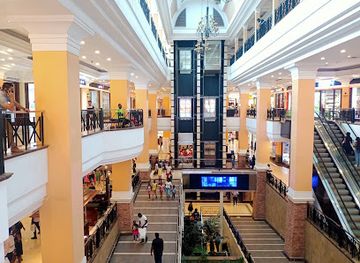
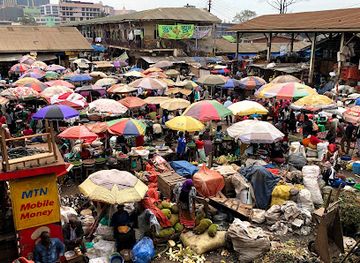
Shopping in West Nile is concentrated in Arua’s commercial centre and the market towns of Nebbi, Paidha, Pakwach, Koboko, Moyo and Adjumani. Arua offers the broadest selection of clothing, household goods, mobile phones, imported products and everyday supplies, while smaller towns are more closely tied to agricultural trade. Open markets are useful places to see cassava, groundnuts, sesame, beans, millet, fruit and other locally produced goods moving from rural areas into the regional economy. Visitors may find woven items, simple craftwork, fabrics and locally made household products, although availability is seasonal and quality varies. Packaged groundnuts, coffee from elsewhere in Uganda and other national products are easier to locate than formally branded West Nile souvenirs. Bargaining is common in informal markets but should remain courteous; fixed-price shops and supermarkets are more straightforward for visitors who prefer clear transactions. Carry small notes for modest purchases and protect phones and cash in crowded trading areas.
-
Shopping mall
Acacia Mall
Discover Acacia Mall in Kampala: a vibrant shopping destination offering local and international brands, diverse dining options, and entertainment for everyone.
-
Market
Owino Market/Kampala
Experience the vibrant culture and lively atmosphere of Owino Market in Kampala, a must-visit destination for tourists seeking authentic Ugandan experiences.
-
Shopping mall
Garden City Shopping Mall
Discover the ultimate shopping and entertainment experience at Garden City Shopping Mall in Kampala, Uganda, where culture meets modern retail.
-
Outlet mall
Freedom City Mall
Discover the vibrant shopping, dining, and entertainment experience at Freedom City Mall, the ultimate destination in Kampala for tourists and locals alike.

Get your free copy of our complete guide to West Nile, delivered straight to you.
Everything on this page, from attractions and restaurants to essentials and local phrases, in one PDF you can read offline, print or share.
Already have an account? Sign in
Your West Nile guide is ready.
We'll send it to · Not you? Sign out

Getting your guide ready…
We are putting together a fresh copy of the West Nile guide. This can take up to a minute.
This can take a few moments. If your browser asks, choose Allow so the download can start. You'll find the guide in your Downloads folder.
Nothing happened? Download it again
Sorry, the guide is taking longer than usual. Please try again in a minute, or get it by email instead.
West Nile essentials
Currency and Payment
Safety
Emergency Situations
Do's and Don'ts
Local Tips
From Eve
Local phrases worth knowing
You don't need to get them perfect. A few words go a long way, and locals appreciate the effort.
Basics
| English | Local | Say it |
|---|---|---|
| Hello | Oli otya | [Oh-lee oh-tyah] |
| Goodbye | Weeraba | [Weh-rah-bah] |
| Yes | Nye | [Nyeh] |
| No | Nedda | [Neh-dah] |
| Please/You’re welcome | Tukwagaliza | [Too-kwah-gah-lee-zah] |
| Thank you | Webale | [Weh-bah-leh] |
| Excuse me/Sorry | Nsonyiwa | [Nsoh-nyiwah] |
| How are you? | Oli otya? | [Oh-lee oh-tyah?] |
| Fine. And you? | Ndi bulungi. Nyo? | [Ndee boo-loon-gee. Nyo?] |
| Do you speak English? | Ogwowola Olungereza? | [Oh-gwoh-wah-lah Oh-loon-geh-reh-zah?] |
| I don't understand | Sikya nyinyo | [See-kyah nyin-yoh] |
Eating & Drinking
| English | Local | Say it |
|---|---|---|
| I’d like to see the menu, please | Nsaba okukirizibwa ku menu | [N-sah-bah oh-koo-kee-reez-bwah koo meh-noo] |
| I don't eat meat | Sikula nnono | [See-koo-lah nnoh-noh] |
| Cheers! | Tukwagaliza! | [Too-kwah-gah-lee-zah!] |
| I would like to pay, please | Nsaba okuwa obukadde | [N-sah-bah oh-koo-wah oh-boo-kah-deh] |
Emergencies
| English | Local | Say it |
|---|---|---|
| Help! | Mpa obuyambi! | [M-pah oh-boo-yahm-bee!] |
| Go away! | Genda! | [Gen-dah!] |
| Call the Police! | Mpeewo abaserikale! | [M-peh-woh ah-bah-seh-ree-kah-leh!] |
| Call a doctor! | Mpeewo doko! | [M-peh-woh doh-koh!] |
| I’m lost | Ndi mu maaso | [N-dee moo mah-soh] |
| I’m ill | Ndi muwanga | [N-dee moo-wahn-gah] |
Shopping
| English | Local | Say it |
|---|---|---|
| I’d like to buy... | Nsaba kugula... | [N-sah-bah koo-goo-lah...] |
| I’m just looking | Nze njagala okulaba | [N-zeh n-jah-gah-lah oh-koo-lah-bah] |
| How much is it? | Ekikadde ki? | [Eh-kee-kah-deh kee?] |
| That’s too expensive | Oyo kyenyini | [Oh-yoh cheh-nee-nee] |
| Can you lower the price? | Osobola okujjuza omuwendo? | [Oh-soh-boh-lah oh-koo-joo-zah oh-moo-wen-doh?] |
Time & Numbers
| English | Local | Say it |
|---|---|---|
| What time is it? | Ekitundu ki? | [Eh-kee-tun-doo kee?] |
| It’s one o'clock | Kigaana mu | [Kee-gah-nah moo] |
| Half past (10) | Ekitundu kyakumi | [Eh-kee-tun-doo chah-koo-mee] |
| Morning | Ekitangaala | [Eh-kee-tahng-ah-lah] |
| Afternoon | Ekitondo | [Eh-kee-ton-doh] |
| Evening | Ekitangaala eyakye | [Eh-kee-tahng-ah-lah eh-yah-kee] |
| Yesterday | Ekitangaala kya lule | [Eh-kee-tahng-ah-lah chah loo-leh] |
| Today | Leero | [Leh-roh] |
| Tomorrow | Ekitangaala kya lumu | [Eh-kee-tahng-ah-lah chah loo-moo] |
| 1 | Muwendo gumu | [Moo-wen-doh goo-moo] |
| 2 | Muwendo ebiri | [Moo-wen-doh eh-bee-ree] |
| 3 | Muwendo esatu | [Moo-wen-doh eh-sah-too] |
| 4 | Muwendo esaano | [Moo-wen-doh eh-sah-noh] |
| 5 | Muwendo esita | [Moo-wen-doh eh-see-tah] |
| 6 | Muwendo esatu | [Moo-wen-doh eh-sah-too] |
| 7 | Muwendo esatu | [Moo-wen-doh eh-sah-too] |
| 8 | Muwendo esatu | [Moo-wen-doh eh-sah-too] |
| 9 | Muwendo esatu | [Moo-wen-doh eh-sah-too] |
| 10 | Muwendo kumi | [Moo-wen-doh koo-mee] |
Transport & Directions
| English | Local | Say it |
|---|---|---|
| Where's a/the...? | Eki ki? | [Eh-kee kee?] |
| What's the address? | Okwanjula ki? | [Oh-kwahn-joo-lah kee?] |
| Can you show me (on the map)? | Osobola okundabira (ku mape)? | [Oh-soh-boh-lah oh-koon-dah-bee-rah (koo mah-peh)?] |
| When's the next (bus)? | Ekitondo ki? | [Eh-kee-ton-doh kee?] |
| A ticket (to ....) | Ekitikiti (ku ....) | [Eh-kee-tee-kee-tee (koo ....)] |
History of West Nile
Early settlement and the cultures of the Nile basin
West Nile has long been a meeting ground for communities connected by the Nile, the Congo basin and the routes across northern Uganda. Lugbara, Alur and Madi societies developed distinct languages, political traditions and farming systems, while exchange linked villages and chiefdoms across what are now international borders. In the west, Alur political history is associated with the wider Alur kingdom centred around Nebbi and neighbouring areas; Lugbara social organisation shaped much of the country around Arua; and Madi communities developed along the Nile corridor. These histories remain visible in language, clan identity, settlement patterns and local authority.
The Nile corridor and the colonial era
The Albert Nile became a major geographical reference during nineteenth-century exploration and the expansion of colonial control. British administration incorporated the area into the Uganda Protectorate, gradually introducing district offices, taxation, mission stations, roads and new commercial links. Administrative centres such as Arua grew in importance, while the river and routes towards Congo and Sudan made the region strategically significant. Colonial policies also encouraged cash-crop production, particularly cotton in parts of northern Uganda, although agriculture remained primarily in the hands of local households and communities.
Trade, missions and changing regional towns
During the twentieth century, mission education, Christianity, Islam and formal schooling altered the social landscape of West Nile while existing cultural institutions continued to shape community life. Arua developed into the region’s leading market and service centre, and Nebbi, Paidha, Pakwach, Koboko, Moyo and Adjumani grew around administration, trade, transport and agriculture. Cross-border exchange with present-day South Sudan and the Democratic Republic of the Congo was a persistent feature of the economy, although political boundaries increasingly regulated movements that had previously followed older social and commercial routes.
West Nile in the era of Idi Amin
Idi Amin, who was born in the Koboko area of West Nile, became one of Uganda’s most consequential and controversial political figures after taking power in 1971. His northern-western background was part of a wider military and regional context, but it should not be used to reduce the history of West Nile to his career. The region experienced the pressures of national politics, military recruitment, displacement and economic disruption during his rule. The period left a difficult legacy, and local memories of it are varied and often connected to broader family and regional histories.
The 1979 conflict and the West Nile Bank Front
After the fall of Idi Amin’s government in 1979, West Nile became the centre of fighting involving forces associated with the former regime and the new Ugandan authorities. The West Nile Bank Front insurgency and related military operations caused insecurity, displacement and disruption across the region during the late 1970s and early 1980s. Arua and surrounding districts were particularly affected, as were communities along transport routes and near the international borders. The conflict remains an important part of regional memory and helps explain later patterns of migration, reconstruction and political caution.
Refuge, reconstruction and cross-border life
West Nile has repeatedly received people fleeing conflict in neighbouring South Sudan and the Democratic Republic of the Congo, while residents of the region have also crossed borders during periods of insecurity. Adjumani, Moyo, Yumbe, Koboko and other districts have therefore been shaped by both host communities and refugee populations. This has placed pressure on land, forests, water and public services, but has also expanded trade, humanitarian activity and cultural exchange. Since the return of relative stability, roads, markets, schools and health services have supported a gradual transformation of the region’s towns and rural economy.
Contemporary agriculture, trade and conservation
Modern West Nile combines subsistence farming, expanding commercial agriculture, transport trade and a growing interest in conservation and tourism. Arua acts as a commercial hub for a large hinterland, while border posts and river crossings connect Uganda with neighbouring countries. Cassava, sesame, groundnuts, beans and other crops remain important, and small businesses dominate much of the regional economy. Conservation initiatives such as Ajai Wildlife Reserve reflect efforts to protect savannah and wildlife habitats alongside farming and settlement. The region’s current identity is consequently shaped by both its historic borderland role and its search for sustainable development.
West Nile in Photos
Browse through our photo collection highlighting the charm and character of the destination.
Neighbouring regions of West Nile
The closest regions to West Nile, if you have time for more than one.
-

-

-

-

-


Swipe for more regions
Explore more

Explore more of Uganda
Discover Uganda: From the majestic mountain gorillas of Bwindi to the vibrant streets of Kampala, experience the diverse landscapes and rich culture of the Pearl of Africa.
Explore Uganda