

Free Karamoja Travel Guide & Mobile App
Explore Karamoja with free travel guides. Discover regional history, expert tips, proposed trips, and audio guides on web or mobile app.


Explore Karamoja in north-eastern Uganda for mountain landscapes, Karamojong culture, wildlife reserves and the remote valleys of Kidepo.
Read more about Karamoja
When is the best time to visit Karamoja?
Best: November–January · 30°C| Month | High (°C) | Rainfall (mm) |
|---|---|---|
| January (best) | 30 | 20 |
| February | 30 | 20 |
| March | 31 | 40 |
| April | 30 | 60 |
| May | 30 | 80 |
| June | 29 | 100 |
| July | 29 | 80 |
| August | 29 | 80 |
| September | 29 | 60 |
| October | 30 | 40 |
| November (best) | 30 | 20 |
| December (best) | 30 | 20 |
Getting to and around Karamoja
How to get there
Transportation
Best attractions in Karamoja
Karamoja’s attractions are defined by open dryland scenery, living cultural heritage and protected wildlife landscapes rather than a dense concentration of conventional tourist facilities. Mount Moroto provides the region’s most prominent mountain setting, with guided walks offering views across the plains and insight into the plants, water sources and settlements of the highlands. The Matheniko-Bokora Wildlife Reserve preserves rugged semi-arid habitat south and east of Moroto, while Pian Upe Wildlife Reserve offers broad grasslands and rocky terrain farther south. Access and wildlife visibility vary with season and local conditions. In the far north, Kidepo Valley National Park is the region’s best-known wildlife destination, combining seasonal river valleys, mountainous horizons and opportunities to see large mammals and birds. Cultural visits around Moroto, Kotido and rural communities can introduce visitors to beadwork, oral history, livestock traditions and contemporary Karamojong life when arranged respectfully through local organisations or guides. Birdwatching, landscape photography and carefully planned walking are particularly rewarding, but services outside the principal towns are limited and journeys should be treated as expeditions rather than short excursions.
-
 Hotel
HotelKara-Tunga, Karamoja Safari Camp
Discover the breathtaking beauty and rich culture of Karamoja at Kara-Tunga Safari Camp, your gateway to Uganda's wild heart.
-
Tourist attraction
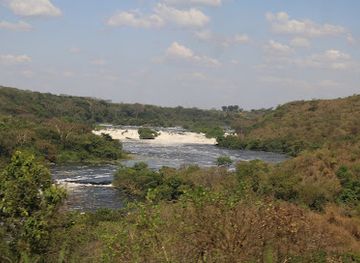
Karuma Falls
Experience the breathtaking beauty of Karuma Falls, a stunning natural wonder in Uganda that captivates with its majestic cascades and rich biodiversity.
-
Art center
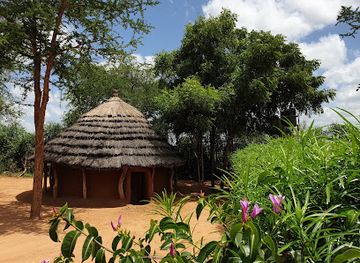
Karamoja Arts Eco Lodge & Cultural Tours
Discover the essence of Ugandan culture at Karamoja Arts Eco Lodge, where art, tradition, and eco-tourism unite for an unforgettable experience.
-
Mountain peak
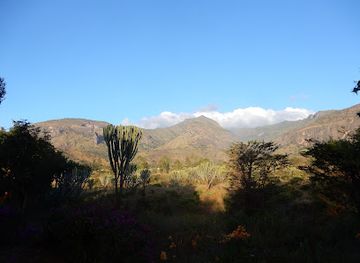
Mount Moroto
Discover the breathtaking beauty of Mount Moroto, Uganda's majestic peak, rich in wildlife and culture, perfect for adventure and exploration.
Best landmarks in Karamoja
Mount Moroto is Karamoja’s defining natural landmark, rising sharply above the Moroto plain and shaping the identity and skyline of the region’s principal town. Its slopes are both a dramatic geographical feature and a lived landscape connected to paths, water, vegetation and local communities. Farther north, the valleys and mountain backdrops of Kidepo Valley National Park form one of Uganda’s most recognisable wilderness settings, with seasonal riverbeds cutting through broad plains. The park’s scenery is especially distinctive where the Narus and Kidepo systems meet the surrounding ranges. The dry hills and open expanses of the Matheniko-Bokora landscape provide another important visual signature, while the grasslands and inselbergs of Pian Upe Wildlife Reserve show the geological and ecological variety of southern Karamoja. In towns, markets, administrative buildings and roadside trading spaces are less monumental but reveal the region’s contemporary development and its links between pastoral settlements and national commerce. These landmarks are best understood in relation to land, water, wildlife and community life rather than as isolated photographic objects.
-
Heritage museum
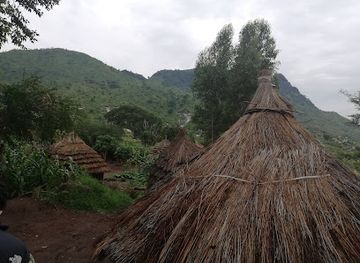
Karamoja Museum and Cultural Center
Discover the vibrant traditions and rich history of the Karamojong at the Karamoja Museum and Cultural Center, a cultural gem in Uganda.
Explore Karamoja on the map
Plan your trip on one map. See where the top cities, national parks and sights are, and book hotels and experiences in a few clicks.
Best hotels in Karamoja
Best restaurants in Karamoja
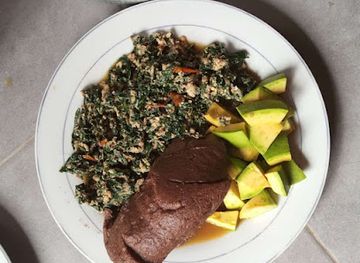
Dining in Karamoja is concentrated in Moroto, Kotido, Kaabong and accommodation serving travellers to the reserves. Small restaurants and local eateries commonly provide Ugandan staples such as matoke, posho, rice, beans, groundnut sauces, chapati and meat, while grilled goat and beef reflect the importance of livestock in the regional economy. In rural areas, food is simpler and availability depends on supplies, harvests and market days, so visitors should not expect a broad restaurant choice between towns. Local produce may include sorghum, millet, maize and seasonal greens, with milk and other pastoral foods varying between communities and households. Markets offer a useful glimpse of everyday ingredients, but visitors should buy and eat through established vendors rather than treating private meals as public attractions. Lodges and guesthouses catering to park visitors usually provide planned meals, often with advance notice, making early communication important for dietary requirements and long journeys.
-
Restaurant
Romeo's Restaurant Ntinda
Experience authentic Ugandan cuisine with a modern twist at Romeo's Restaurant Ntinda - where every meal tells a story.
-
Restaurant
La Cabana Restaurant
Experience exquisite dining at La Cabana Restaurant in Kampala with diverse flavors and stunning views.
-
Indian
Northern Pearl Indian Restaurant, Cottages & Suites
Discover the flavors of India at Northern Pearl - where delicious cuisine meets comfortable accommodation in Gulu.
-
Hotel
Kara-Tunga, Karamoja Safari Camp
Experience adventure and tranquility at Kara-Tunga, Karamoja Safari Camp—your gateway to Uganda's stunning landscapes and rich culture.

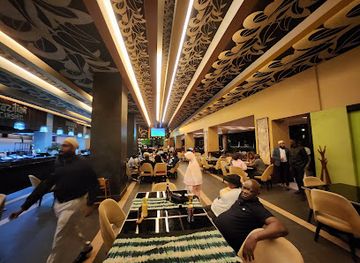
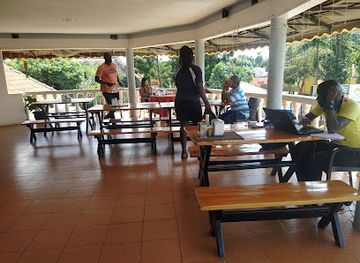
Best bars in Karamoja
Karamoja’s evening culture is centred on social bars, hotel lounges, food stalls and small-town gathering places rather than a large nightclub circuit. Moroto has the widest choice of places to eat, meet and listen to music, while Kotido and Kaabong offer more limited but locally important evening scenes. In smaller settlements, night-time activity generally winds down earlier, and accommodation compounds may be more practical than searching for entertainment after dark. Some venues serve locally available beer and spirits alongside soft drinks, but alcohol is not necessary to engage with the region’s culture. Traditional songs, dances and ceremonies should only be attended through appropriate introductions and with consent; they should not be assumed to be nightly performances for visitors. Remote lodges near wildlife areas usually prioritise quiet meals, campfire conversation where permitted and early departures over nightlife.
-
Bar
The Alchemist Kitchen and Bar
Experience the vibrant culinary scene of Kampala at The Alchemist Kitchen and Bar, where local flavors meet modern dining in a lively atmosphere.
-
Grill
Vintage Lounge
Discover the vibrant flavors of Uganda at Vintage Lounge, a premier grill restaurant in Lira offering a delightful blend of local and international cuisine.
-
Hotel
Kara-Tunga, Karamoja Safari Camp
Discover the beauty and culture of Uganda at Kara-Tunga, Karamoja Safari Camp, your gateway to adventure and unforgettable experiences in the wild.
-
Bar
Club 1000 Opobo's Joint
Experience the lively atmosphere of Club 1000 Opobo's Joint, a local bar in Kotido, where drinks and camaraderie come together in a vibrant setting.
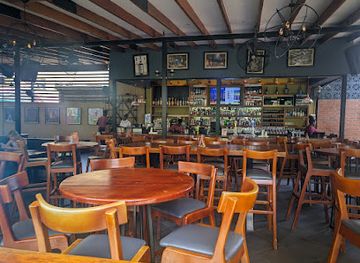
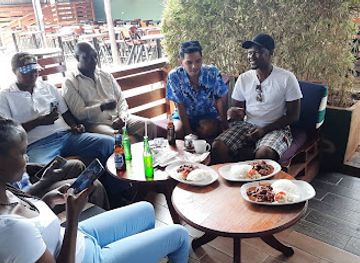
Best nightclubs in Karamoja
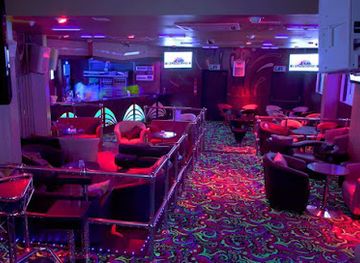
Karamoja’s evening culture is centred on social bars, hotel lounges, food stalls and small-town gathering places rather than a large nightclub circuit. Moroto has the widest choice of places to eat, meet and listen to music, while Kotido and Kaabong offer more limited but locally important evening scenes. In smaller settlements, night-time activity generally winds down earlier, and accommodation compounds may be more practical than searching for entertainment after dark. Some venues serve locally available beer and spirits alongside soft drinks, but alcohol is not necessary to engage with the region’s culture. Traditional songs, dances and ceremonies should only be attended through appropriate introductions and with consent; they should not be assumed to be nightly performances for visitors. Remote lodges near wildlife areas usually prioritise quiet meals, campfire conversation where permitted and early departures over nightlife.
-
Club
GUVNOR
Experience the lively nightlife of Kampala at GUVNOR, the city's premier club featuring electrifying music and an unforgettable atmosphere.
-
Restaurant
Club el Tanjia
Discover the lively blend of dining and entertainment at Club el Tanjia - the heart of Mbale's vibrant nightlife scene.
-
Night club
Club Ambiance Kampala
Discover the pulsating energy of Kampala's nightlife at Club Ambiance, where music, dance, and vibrant culture collide in an unforgettable experience.
-
Night club
Illusion
Dive into Kampala's nightlife at Illusion, a vibrant club offering music, dance, and an unforgettable atmosphere for tourists and locals alike.



Best shops in Karamoja
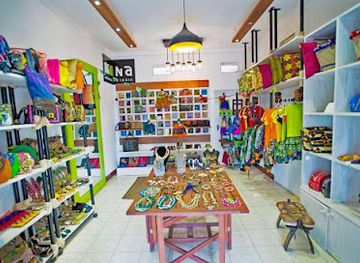
Shopping in Karamoja is primarily local and practical, with Moroto and Kotido providing the broadest selection of markets, provisions and small independent shops. Visitors can look for Karamojong beadwork, woven items, baskets and other crafts, but should buy through fair-trade outlets, recognised community initiatives or directly from makers with transparent prices. Bead colours and designs can carry social or personal meaning, so asking about an item is more respectful than treating every piece as a generic souvenir. Markets also sell grains, vegetables, livestock-related goods, clothing and household necessities, offering a window into regional trade rather than a conventional retail experience. Packaged food, drinks, toiletries, fuel and basic equipment become harder to find outside the larger towns, making advance provisioning sensible for remote journeys. Art, craft and food purchases should be carried responsibly, with particular care not to buy wildlife products, archaeological objects or items whose origin and permission are unclear.
-
Produce market
Kotido Market
Discover the vibrant Kotido Market, a bustling hub of fresh produce and local culture in Uganda, perfect for an authentic travel experience.
-
Gift shop
KONA
Explore KONA, a unique gift shop in Kampala offering authentic African goods, fashion, and baby clothing, perfect for every traveler.
-
Grocery store
Savemore Supermarket
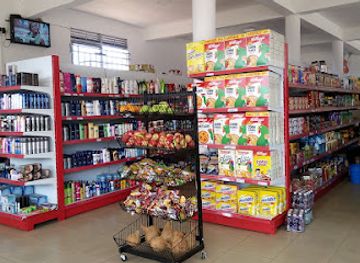
Explore local flavors and community life at Savemore Supermarket in Moroto, your gateway to authentic Ugandan grocery shopping.
-
Supermarket
TAWAKAL STORE MOROTO
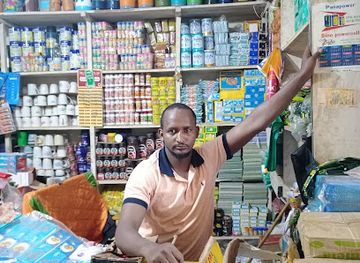
Experience local flavors and international goods at TAWAKAL STORE, Moroto's premier supermarket for all your shopping needs.
Get your free copy of our complete guide to Karamoja, delivered straight to you.
Everything on this page, from attractions and restaurants to essentials and local phrases, in one PDF you can read offline, print or share.
Already have an account? Sign in
Your Karamoja guide is ready.
We'll send it to · Not you? Sign out

Getting your guide ready…
We are putting together a fresh copy of the Karamoja guide. This can take up to a minute.
This can take a few moments. If your browser asks, choose Allow so the download can start. You'll find the guide in your Downloads folder.
Nothing happened? Download it again
Sorry, the guide is taking longer than usual. Please try again in a minute, or get it by email instead.
Karamoja essentials
Currency and Payment
Safety
Emergency Situations
Do's and Don'ts
Local Tips
From Eve
Local phrases worth knowing
You don't need to get them perfect. A few words go a long way, and locals appreciate the effort.
Basics
| English | Local | Say it |
|---|---|---|
| Hello | Ong'ot | [Ong-ot] |
| Goodbye | Ong'ot aji | [Ong-ot a-ji] |
| Yes | Eyo | [Eh-yo] |
| No | Nok | [Nok] |
| Please/You're welcome | Nyang'ere | [Nyan-ge-re] |
| Thank you | Akamwaki | [Akam-wa-ki] |
| Excuse me/Sorry | Ng'eda | [Nge-da] |
| How are you? | Ating'ani? | [Ating-a-ni] |
| Fine. And you? | Naki. Kati? | [Na-ki. Ka-ti?] |
| Do you speak English? | Ong'ot engere? | [Ong-ot en-ge-re] |
| I don't understand | Ng'eda akasik | [Nge-da a-ka-sik] |
Eating & Drinking
| English | Local | Say it |
|---|---|---|
| I'd like to see the menu, please | Nyang'ere, ndakamat akabok | [Nyan-ge-re, nda-ka-mat a-ka-bok] |
| I don't eat meat | Ng'eda akamat nyam | [Nge-da a-ka-mat nya-m] |
| Cheers! | Akamwaki! | [Akam-wa-ki] |
| I would like to pay, please | Nyang'ere, ndakamat akajok | [Nyan-ge-re, nda-ka-mat a-ka-jok] |
Emergencies
| English | Local | Say it |
|---|---|---|
| Help! | Ong'ot! | [Ong-ot!] |
| Go away! | Nok ango! | [Nok an-go!] |
| Call the Police! | Nok akamat abor | [Nok a-ka-mat a-bor] |
| Call a doctor! | Nok akamat dookita! | [Nok a-ka-mat doo-ki-ta!] |
| I'm lost | Ng'eda aji | [Nge-da a-ji] |
| I'm ill | Ng'eda agok | [Nge-da a-gok] |
Shopping
| English | Local | Say it |
|---|---|---|
| I'd like to buy... | Nyang'ere, ndakamat ... | [Nyan-ge-re, nda-ka-mat ...] |
| I'm just looking | Ning'ot aji | [Nin-got a-ji] |
| How much is it? | Kati ng'ot? | [Ka-ti ng-ot?] |
| That's too expensive | Ong'ot akamat nyam | [Ong-ot a-ka-mat nya-m] |
| Can you lower the price? | Nok akamat ng'ot? | [Nok a-ka-mat ng-ot?] |
Time & Numbers
| English | Local | Say it |
|---|---|---|
| What time is it? | Kati ng'ot? | [Ka-ti ng-ot?] |
| It's one o'clock | Ng'ot ng'ekomi | [Ng-ot nge-ko-mi] |
| Half past (10) | Nang'ekomi (10) | [Nan-ge-ko-mi (10)] |
| Morning | Ong'ot | [Ong-ot] |
| Afternoon | Ong'ot aji | [Ong-ot a-ji] |
| Evening | Ong'ot aji | [Ong-ot a-ji] |
| Yesterday | Ong'ot akal | [Ong-ot a-kal] |
| Today | Ong'ot abere | [Ong-ot a-be-re] |
| Tomorrow | Ong'ot akang | [Ong-ot a-kang] |
| 1 | Nye | [Nye] |
| 2 | Abiri | [A-bi-ri] |
| 3 | Akat | [A-ka-t] |
| 4 | Ane | [A-ne] |
| 5 | Aton | [A-ton] |
| 6 | Atano | [A-ta-no] |
| 7 | Akaton | [A-ka-ton] |
| 8 | Ageni | [A-ge-ni] |
| 9 | Akatat | [A-ka-tat] |
| 10 | Akakumi | [A-ka-ku-mi] |
Transport & Directions
| English | Local | Say it |
|---|---|---|
| Where's a/the...? | Kati ng'ot ...? | [Ka-ti ng-ot ...?] |
| What's the address? | Kati akamat ng'ot? | [Ka-ti a-ka-mat ng-ot?] |
| Can you show me (on the map)? | Nok akamat akawere? | [Nok a-ka-mat a-ka-we-re?] |
| When's the next (bus)? | Kati ng'ot buse? | [Ka-ti ng-ot bu-se?] |
| A ticket (to ....) | Akamwaki (ku ...) | [Akam-wa-ki (ku ...)] |
History of Karamoja
Early settlement and pastoral lifeways
Karamoja’s history reaches deep into the human past, although much of its archaeology remains less documented for visitors than the region’s living cultural traditions. Pastoralism and seasonal movement became central to life across the drylands, supported by cattle, goats and sheep as well as cultivation where rainfall and soils allowed. Communities developed detailed knowledge of water, pasture, weather and routes between mountain and plain. Oral histories, clan relationships, settlement patterns and age-based social organisation continue to preserve historical memory, even as modern schooling, markets, administration and changing environmental conditions reshape everyday life.
Karamojong society before colonial rule
Before colonial administration, the communities now broadly described as Karamojong maintained social, economic and political relationships across the north-eastern drylands. Cattle were important stores of wealth, sources of food and markers of social standing, while raiding and defence formed part of the wider regional history of pastoral societies. This past should not be reduced to a single story of conflict: trade, marriage, migration, negotiation and shared ecological knowledge also linked communities. The cultural forms associated with song, dance, beadwork, livestock and age sets developed within this complex social world.
Colonial administration and the making of a frontier
British colonial rule incorporated Karamoja into the Uganda Protectorate while treating the region as a difficult and strategically distinct frontier. Administration, taxation, missionary activity and attempts to regulate movement altered relationships between local communities and external authorities. Colonial officials often viewed pastoral mobility through sedentary administrative assumptions, encouraging policies that did not fit the dryland environment. Roads, trading centres and formal government structures expanded gradually, but Karamoja remained comparatively distant from the economic and political centres of southern Uganda.
Post-independence change and insecurity
After Uganda gained independence in 1962, Karamoja experienced uneven integration into national services and markets. Periods of political instability, the circulation of firearms and cattle raiding caused serious insecurity, affecting pastoral livelihoods and access to roads, schools and health facilities. Government disarmament efforts, community initiatives and changing economic opportunities have altered the security landscape over time, though the consequences of earlier violence remain part of regional memory. Visitors should understand that contemporary Karamoja is not defined solely by this history, but it has strongly influenced development and travel arrangements.
Wildlife conservation and protected landscapes
The creation and development of protected areas gave parts of Karamoja a new conservation and tourism role. Kidepo Valley National Park, gazetted in the late twentieth century, protects a remote northern landscape of seasonal rivers, mountain ranges and wildlife habitats. Matheniko-Bokora Wildlife Reserve and Pian Upe Wildlife Reserve protect additional dryland ecosystems farther south. Conservation has brought opportunities for tourism and habitat protection but also raises questions about land use, access and the relationship between protected areas and neighbouring communities. Local participation is increasingly important to the region’s tourism future.
Contemporary Karamoja
Modern Karamoja is shaped by the interaction of pastoralism, settled agriculture, education, roads, mobile communications, mining interests, conservation and urban growth. Moroto and other district centres have expanded as administrative and commercial hubs, while markets connect livestock and rural produce with wider Ugandan economies. Climate variability and pressure on water and pasture remain significant concerns. Tourism now presents the region through mountains, wildlife and Karamojong heritage, but responsible travel depends on recognising residents as contemporary communities with their own priorities rather than as symbols of an unchanging past.
Karamoja in Photos
Browse through our photo collection highlighting the charm and character of the destination.
Neighbouring regions of Karamoja
The closest regions to Karamoja, if you have time for more than one.
-

-

-

-

-


Swipe for more regions
Explore more

Explore more of Uganda
Discover Uganda: From the majestic mountain gorillas of Bwindi to the vibrant streets of Kampala, experience the diverse landscapes and rich culture of the Pearl of Africa.
Explore Uganda