

Free Lango Travel Guide & Mobile App
Explore Lango with free travel guides. Discover regional history, expert tips, proposed trips, and audio guides on web or mobile app.


Explore Lango in northern Uganda for Lira’s culture, lake shores, rural landscapes, local food and the history of the Lango people.
Read more about Lango
When is the best time to visit Lango?
Best: December–February · 32–33°C| Month | High (°C) | Rainfall (mm) |
|---|---|---|
| January (best) | 32 | 10 |
| February (best) | 33 | 20 |
| March | 33 | 40 |
| April | 34 | 80 |
| May | 33 | 120 |
| June | 32 | 160 |
| July | 31 | 120 |
| August | 32 | 120 |
| September | 32 | 120 |
| October | 32 | 80 |
| November | 31 | 40 |
| December (best) | 32 | 20 |
Getting to and around Lango
How to get there
Transportation
Top city travel guides in Lango
The cities of Lango, and the easiest places to base yourself.
-

-
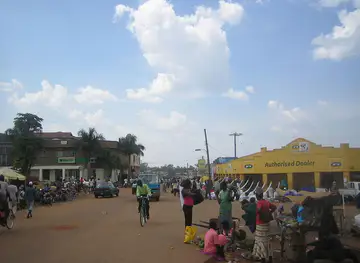


Swipe for more cities
Destinations in Lango
Resorts, valleys and scenic spots worth a trip of their own.

Swipe for more destinations
Best attractions in Lango
Lango’s attractions are primarily cultural, environmental and experiential rather than a concentration of major ticketed monuments. Lira City provides the region’s main base, with markets, local food, cultural activity and access to practical services. The Lango Cultural Foundation and related heritage initiatives can offer context on language, customs and traditional identity, although arrangements and public access should be checked locally. Around Apac, Amolatar and neighbouring lakeside areas, the shores of Lake Kyoga and Lake Kwania introduce open water, fishing communities, papyrus wetlands and bird-rich landscapes. These places are best explored with local guidance rather than through an assumed tourist infrastructure. Rural roads reveal cultivated plains, cattle, seasonal wetlands and market centres, while community visits can illuminate farming, music and everyday commerce when conducted respectfully. Lira’s historical association with Apollo Milton Obote is also relevant to visitors interested in Uganda’s political past, though not all sites connected with his life are formal attractions. Lango is not a safari destination in the same sense as Uganda’s major national parks, and Murchison Falls National Park lies outside the region; visitors wishing to combine the two should plan it as a separate journey.
-
 Tourist attraction
Igongo Country Hotel and Cultural Centre
Discover Ugandan culture and comfort at Igongo Country Hotel and Cultural Centre, a unique destination for travelers seeking authentic experiences.
-
Anglican church
All Saints Cathedral
Discover the captivating All Saints Cathedral in Kampala, a stunning Anglican church that blends architectural beauty with rich cultural heritage.
-
Recreation center
Kavumba Recreation Center Kids park
Discover the ultimate family-friendly destination at Kavumba Recreation Center in Wakiso, where fun, relaxation, and adventure await for all ages.
-
Ranch
Ziwa Rhino and Wildlife Ranch
Discover the wonders of Ziwa Rhino and Wildlife Ranch, a unique sanctuary for rhinos and a haven for wildlife enthusiasts in Uganda.
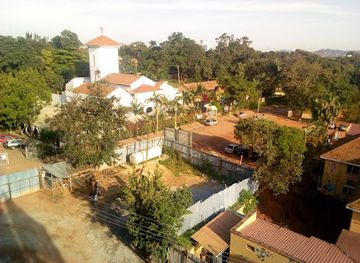
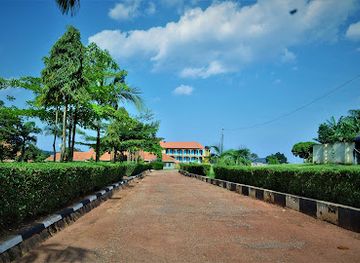
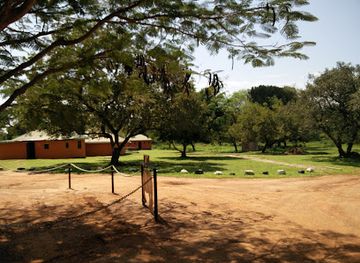
Best landmarks in Lango
Lira City is Lango’s most recognisable urban landmark in a regional sense: its expanding streets, markets, public buildings and commercial activity express the area’s role as the principal northern Lango centre. The waters and wetlands associated with Lake Kyoga form the region’s major natural landmark, with broad horizons, fishing settlements and papyrus-fringed channels marking a clear contrast with the inland agricultural plains. Lake Kwania, on the western side of the wider Lango area, provides another important landscape of water, fishing and wetland ecology. The rural surroundings of Apac and the northern districts are marked less by monumental architecture than by open cultivated country, seasonal wetlands, cattle and dispersed settlements. Sites connected with Apollo Milton Obote’s early life near Akokoro have historical significance, although they should not be assumed to function as formal museums or memorials. Traditional institutions and cultural centres linked to Lango identity are likewise important symbolic landmarks, but access and interpretation should be arranged locally rather than presumed.
-
Tourist attraction
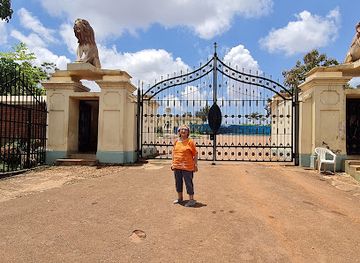
Kabaka's Palace
Discover the rich history and cultural heritage of Uganda at Kabaka's Palace, the iconic residence of the Buganda Kingdom's king.
-
Historical landmark
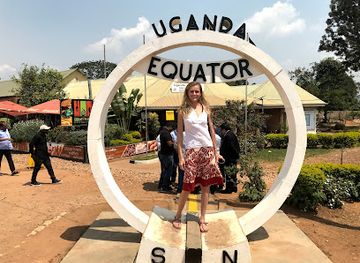
Uganda Equator
Discover the iconic Uganda Equator, a historical landmark where you can stand at the center of the Earth and explore local culture and crafts.
-
Monument
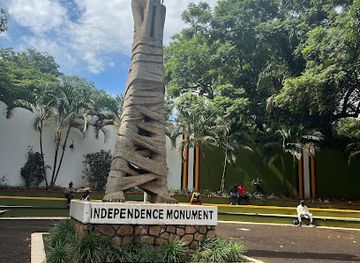
Independence Monument
Discover the Independence Monument in Kampala, a powerful symbol of Uganda's freedom and a must-visit for cultural enthusiasts and history lovers.
-
Historical landmark
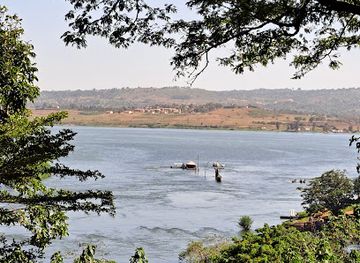
Speke Memorial Monument, source of the Nile
Explore the historical significance of the Speke Memorial Monument at the source of the Nile, surrounded by breathtaking landscapes and abundant wildlife.
Explore Lango on the map
Plan your trip on one map. See where the top cities, national parks and sights are, and book hotels and experiences in a few clicks.
Best hotels in Lango
Best restaurants in Lango
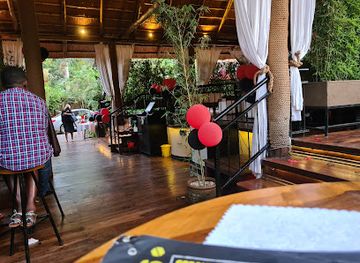
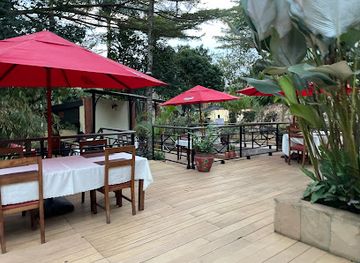
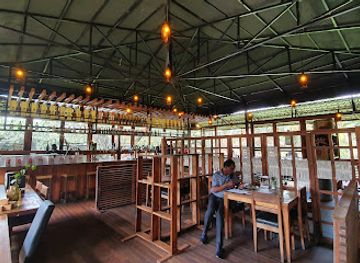
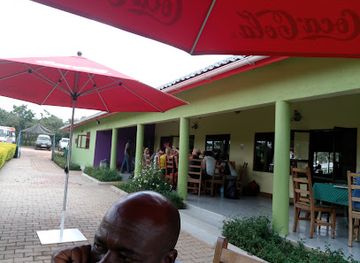
Dining in Lango is centred on Lira and the market towns, where modest restaurants, cafés, hotels and roadside food stalls serve filling Ugandan meals. Common local foods include millet and maize preparations, cassava, sweet potatoes, beans, matoke, greens, groundnut sauces, grilled meat and chicken. Fish becomes particularly relevant near Lake Kyoga and Lake Kwania, where locally landed species may appear grilled, fried or stewed, subject to season and supply. Simsim and groundnuts contribute to sauces and snacks, while fresh produce follows the agricultural calendar. Visitors will also find chapati, samosas and other foods shared across Uganda, alongside tea and soft drinks. In rural areas, choice may be limited and meals are often arranged around what is available that day. Lira has the widest range of cafés, hotel restaurants and contemporary eating places, but expectations should remain regional rather than metropolitan. Carrying water and allowing extra time for preparation are sensible when eating away from the city.
-
Grill
Banana Bar & Bistro
Discover exquisite grilled dishes and bistro delights at Banana Bar & Bistro in Kampala - where flavors meet ambiance.
-
Fine Dining
The Lawns Restaurant
Experience fine dining and delectable barbecue at The Lawns Restaurant in Kampala - where every meal is a celebration of flavor.
-
Restaurant
Yujo Izakaya
Discover the vibrant flavors of Japan at Yujo Izakaya, Kampala's top destination for authentic sushi and ramen experiences.
-
Restaurant
Kabalega Diner Limited
Experience authentic Ugandan flavors at Kabalega Diner Limited - your go-to spot for delicious breakfasts and lunches in Nakitoma.
Best bars in Lango
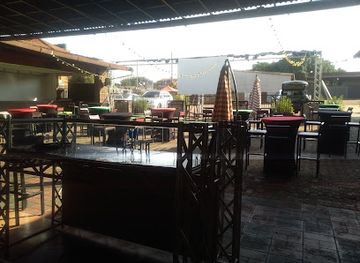
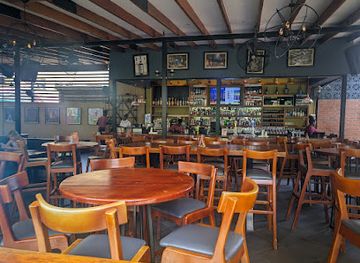
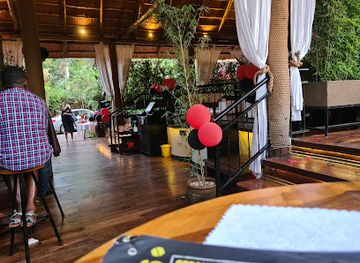
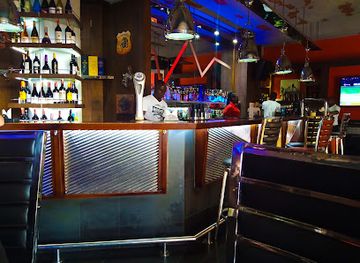
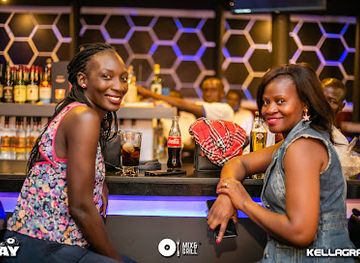
Lango’s evening life is concentrated in Lira City and larger trading centres rather than spread across a major club circuit. Local pubs, hotel bars and small music venues provide places to meet, watch sport and listen to recorded or live music, while restaurants and cafés are useful for quieter evenings. Traditional drinking places and contemporary bars coexist, but their atmosphere and opening arrangements can vary considerably. Outside Lira, nightlife is generally low-key and often centres on community gatherings, social visits, food stalls or music rather than dedicated nightclubs. Visitors should use trusted transport after dark, confirm whether a venue is open and respect local communities in residential areas. Alcohol is available in many urban settings, but it is not necessary to understand Lango’s culture; daytime markets, cultural activities and conversations with local hosts offer more meaningful insight into regional life.
-
Bar
Nexus Lounge
Experience the vibrant nightlife of Kampala at Nexus Lounge, where themed nights and a fantastic drink selection await.
-
Bar
The Alchemist Kitchen and Bar
Experience Kampala's vibrant nightlife at The Alchemist Kitchen and Bar, where innovative cuisine meets a lively atmosphere for an unforgettable evening.
-
Grill
Banana Bar & Bistro
Savor the best of grill and bistro dining in Kampala's vibrant atmosphere at Banana Bar & Bistro.
-
Bar
Riders Lounge Ug
Experience the vibrant nightlife at Riders Lounge, a top bar in Kampala known for its great drinks and lively atmosphere.
Best nightclubs in Lango
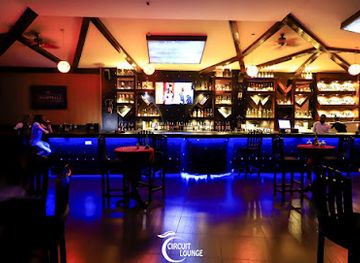
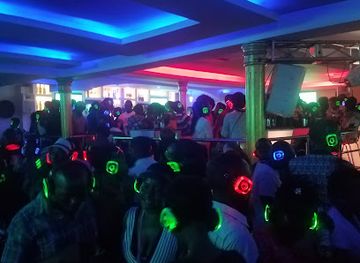
Lango’s evening life is concentrated in Lira City and larger trading centres rather than spread across a major club circuit. Local pubs, hotel bars and small music venues provide places to meet, watch sport and listen to recorded or live music, while restaurants and cafés are useful for quieter evenings. Traditional drinking places and contemporary bars coexist, but their atmosphere and opening arrangements can vary considerably. Outside Lira, nightlife is generally low-key and often centres on community gatherings, social visits, food stalls or music rather than dedicated nightclubs. Visitors should use trusted transport after dark, confirm whether a venue is open and respect local communities in residential areas. Alcohol is available in many urban settings, but it is not necessary to understand Lango’s culture; daytime markets, cultural activities and conversations with local hosts offer more meaningful insight into regional life.
-
Lounge
EXO LOUNGE
Experience the vibrant nightlife of Kampala at EXO LOUNGE, your go-to spot for crafted cocktails and lively atmosphere.
-
Night club
Cielo Lounge
Discover the lively nightlife of Kampala at Cielo Lounge, where stunning views and vibrant music create an unforgettable experience.
-
Lounge
Circuit lounge
Experience the perfect blend of relaxation and vibrant nightlife at Circuit Lounge, Kampala's premier lounge destination.
-
Disco club
Club Beruga Makindye
Discover the vibrant nightlife of Kampala at Club Beruga Makindye, a disco club that guarantees an unforgettable evening of music and dance.

Best shops in Lango
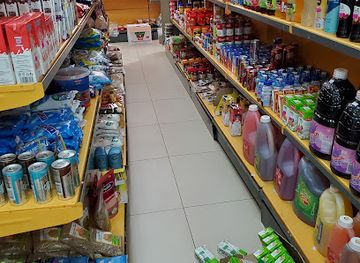
Shopping in Lango is most varied in Lira City, where markets, high-street businesses, supermarkets, pharmacies and small independent shops serve both urban residents and surrounding rural communities. Open markets are useful for observing the movement of grain, cassava, fruit, vegetables, fish, clothing and household goods, although visitors should ask before photographing traders or stalls. Smaller towns offer practical shopping rather than extensive tourist retail. Regional purchases may include groundnuts, simsim, honey, dried foods, woven items and locally made crafts, depending on season and availability. Handmade products are often sold through informal networks rather than dedicated souvenir shops, so a local guide or cultural organisation can help identify appropriate makers and fair transactions. Do not assume that every product labelled as local was produced in Lango, and check packaging and transport restrictions before buying food or natural materials. Bargaining may occur in informal markets, but it should remain courteous and proportionate.
-
Shopping mall
Village Mall
Experience the vibrant shopping culture of Kampala at Village Mall, where local charm meets international brands in a delightful setting.
-
Outlet mall
Freedom City Mall
Discover a shopper's paradise at Freedom City Mall, where local culture meets global brands in the heart of Kampala.
-
Shopping mall
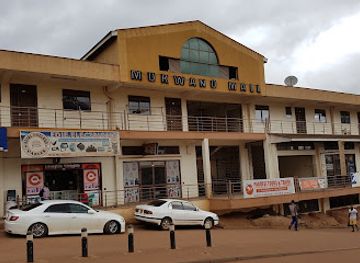
Mukwano Mall
Explore the vibrant Mukwano Mall in Kampala, where shopping, dining, and entertainment come together for an unforgettable experience.
-
Clothing store
Green shop
Explore the Green Shop in Kampala for unique clothing that captures the essence of Ugandan culture and style.
Get your free copy of our complete guide to Lango, delivered straight to you.
Everything on this page, from attractions and restaurants to essentials and local phrases, in one PDF you can read offline, print or share.
Already have an account? Sign in
Your Lango guide is ready.
We'll send it to · Not you? Sign out

Getting your guide ready…
We are putting together a fresh copy of the Lango guide. This can take up to a minute.
This can take a few moments. If your browser asks, choose Allow so the download can start. You'll find the guide in your Downloads folder.
Nothing happened? Download it again
Sorry, the guide is taking longer than usual. Please try again in a minute, or get it by email instead.
Lango essentials
Currency and Payment
Safety
Emergency Situations
Do's and Don'ts
Local Tips
From Eve
Local phrases worth knowing
You don't need to get them perfect. A few words go a long way, and locals appreciate the effort.
Basics
| English | Local | Say it |
|---|---|---|
| Hello | Otya | [oh-tyah] |
| Goodbye | Rukundo | [roo-kun-doh] |
| Yes | Ee | [eh] |
| No | Naa | [nah] |
| Please/You're welcome | Tukirize | [too-kee-ree-zeh] |
| Thank you | Webale | [weh-bah-leh] |
| Excuse me/Sorry | Nsonyiwa | [nsoh-nee-wah] |
| How are you? | Oli otya? | [oh-lee oh-tyah?] |
| Fine. And you? | Ndi bulungi. Naawe? | [n-dee boo-loon-gee. nah-weh?] |
| Do you speak English? | Ogwandiika Oluganda? | [oh-gwan-dee-kah oh-loo-gahn-dah?] |
| I don't understand | Sikyalaba | [see-kyah-lah-bah] |
Eating & Drinking
| English | Local | Say it |
|---|---|---|
| I'd like to see the menu, please | Nja kwetegereza menu, tukirize | [n-jah kweh-teh-geh-reh-zah meh-noo, too-kee-ree-zeh] |
| I don't eat meat | Sikola nyama | [see-koh-lah nyah-mah] |
| Cheers! | Nkwagala! | [n-kwa-gah-lah!] |
| I would like to pay, please | Nja kwetegereza, tukirize | [n-jah kweh-teh-geh-reh-zah, too-kee-ree-zeh] |
Emergencies
| English | Local | Say it |
|---|---|---|
| Help! | Musa! | [moo-sah!] |
| Go away! | Genda! | [gen-dah!] |
| Call the Police! | Genda okwetabaala Poliisi! | [gen-dah oh-kweh-tah-bah-lah poh-lee-see!] |
| Call a doctor! | Genda okwetabaala dokita! | [gen-dah oh-kweh-tah-bah-lah doh-kee-tah!] |
| I'm lost | Ndi muwanga | [n-dee moo-wah-nga] |
| I'm ill | Ndi muwanga | [n-dee moo-wah-nga] |
Shopping
| English | Local | Say it |
|---|---|---|
| I'd like to buy... | Nja kugula... | [n-jah koo-goo-lah...] |
| I'm just looking | Njagala okukola | [n-jah-gah-lah oh-koo-koh-lah] |
| How much is it? | Kiki ekisoka? | [kee-kee eh-kee-soh-kah?] |
| That's too expensive | Ekitonotono | [eh-kee-toh-noh-toh-noh] |
| Can you lower the price? | Osobola okuweereza omukisa? | [oh-soh-boh-lah oh-koo-weh-ree-zah oh-moo-kee-sah?] |
Time & Numbers
| English | Local | Say it |
|---|---|---|
| What time is it? | Okwesiga ki? | [oh-kweh-see-gah kee?] |
| It's one o'clock | Kiri saawa emu | [kee-ree sah-wah eh-moo] |
| Half past (10) | Saawa emu ne kumi | [sah-wah eh-moo neh koo-mee] |
| Morning | Omutanda | [oh-moo-tahn-dah] |
| Afternoon | Omutandikya | [oh-moo-tahn-dee-kah] |
| Evening | Omutandikya | [oh-moo-tahn-dee-kah] |
| Yesterday | Omukaaga | [oh-moo-kah-gah] |
| Today | Leero | [leh-roh] |
| Tomorrow | Ekitanga | [eh-kee-tahn-gah] |
| 1 | Emu | [eh-moo] |
| 2 | Biri | [bee-ree] |
| 3 | Satu | [sah-too] |
| 4 | Nne | [n-neh] |
| 5 | Tano | [tah-noh] |
| 6 | Taano | [tah-noh] |
| 7 | Mukaaga | [moo-kah-gah] |
| 8 | Mukaaga | [moo-kah-gah] |
| 9 | Mwenda | [mwen-dah] |
| 10 | Kumi | [koo-mee] |
Transport & Directions
| English | Local | Say it |
|---|---|---|
| Where's a/the...? | Wali wa ...? | [wah-lee wah ...?] |
| What's the address? | Kiki ekifaananyi? | [kee-kee eh-kee-fah-nah-nee?] |
| Can you show me (on the map)? | Osobola okundabira (ku kifuula)? | [oh-soh-boh-lah oh-koon-dah-bee-rah (koo kee-foo-lah)?] |
| When's the next (bus)? | Kiki kirekera (katale)? | [kee-kee kee-reh-keh-rah (kah-tah-leh)?] |
| A ticket (to ....) | Ekitikiti (ku ...) | [eh-kee-tee-kee-tee (koo ...)] |
History of Lango
Lango Society Before Colonial Rule
The Lango people developed communities across the plains and wetlands of north-central Uganda before the establishment of British administration. Social organisation was shaped by clans, extended family networks, elders and local authorities rather than by a single centralised kingdom of the type found elsewhere in Uganda. Cattle keeping, cultivation, fishing and exchange supported settlement around seasonal water sources and fertile land. Oral traditions, praise poetry, music and ritual practices preserved knowledge of ancestry and migration. These institutions remain important for understanding Lango identity, even though modern district boundaries and urban growth have changed how communities are organised.
British Administration and Mission Education
British influence expanded into Lango during the late nineteenth and early twentieth centuries as the Uganda Protectorate consolidated its administration across northern Uganda. Colonial officials introduced new forms of taxation, courts and local government, while Christian missions established schools and churches that altered access to literacy and formal education. The region was incorporated into wider administrative and commercial networks, although most people continued to depend on farming, livestock and local trade. Roads, trading centres and administrative posts gradually connected Lango more closely with other parts of Uganda, while also placing pressure on established political and social structures.
Cotton, Farming and Regional Commerce
During the colonial period and after independence, cotton became an important cash crop in northern Uganda, including Lango. Its cultivation linked farmers to ginneries, merchants and national export markets, while food crops such as millet, cassava and simsim remained central to household security. The fortunes of cotton fluctuated with prices, production conditions and political instability, but the crop helped shape roads, trading centres and patterns of rural commerce. Lango’s economy has since diversified, with agriculture, livestock, fishing, small businesses and public services all contributing to the region’s contemporary character.
Apollo Milton Obote and Uganda’s Independence
Apollo Milton Obote, born at Akokoro in the Lango area in 1924, became one of the central figures in Uganda’s modern political history. He led the Uganda People’s Congress and became the country’s first prime minister at independence in 1962, later serving as president. His career connected Lango to national debates about federalism, central government and political power. Obote’s legacy is viewed differently across Uganda, but his regional importance is undeniable. Places associated with his early life and political memory form part of Lango’s historical landscape, even where there is no formal visitor facility.
Conflict and Disruption in the Late Twentieth Century
Lango, like much of northern Uganda, experienced the effects of political upheaval, military rule and insecurity during the 1970s and 1980s. Conflict disrupted farming, education, trade and local administration, while population movements placed additional pressure on communities and services. The region also felt wider insecurity associated with armed groups operating in northern Uganda during the late twentieth and early twenty-first centuries, although the most intense effects varied by locality. Recovery brought renewed investment in roads, schools, health services and markets, but memories of disruption remain part of community history.
Urban Growth and Contemporary Lango
Since the return of relative stability, Lira has expanded as a regional centre for commerce, education, health care, transport and public administration. The elevation of Lira to city status in 2020 reflected its growing urban role, although the surrounding region remains predominantly rural. Improved connectivity has encouraged trade in agricultural products and strengthened links with Gulu, Soroti, Kampala and neighbouring districts. At the same time, cultural organisations and traditional institutions continue to promote Lango language, heritage and public identity. Contemporary Lango therefore combines rapid urban change with enduring agricultural, lakeside and communal ways of life.
Lango in Photos
Browse through our photo collection highlighting the charm and character of the destination.
Neighbouring regions of Lango
The closest regions to Lango, if you have time for more than one.
-

-

-

-

-


Swipe for more regions
Explore more

Explore more of Uganda
Discover Uganda: From the majestic mountain gorillas of Bwindi to the vibrant streets of Kampala, experience the diverse landscapes and rich culture of the Pearl of Africa.
Explore Uganda