

Free Kigezi Travel Guide & Mobile App
Explore Kigezi with free travel guides. Discover regional history, expert tips, proposed trips, and audio guides on web or mobile app.


Explore Kigezi’s terraced hills, Lake Bunyonyi, volcanic peaks and protected forests, with gorilla trekking and highland cultural experiences.
Read more about Kigezi
When is the best time to visit Kigezi?
Best: January–February, July · 24°C| Month | High (°C) | Rainfall (mm) |
|---|---|---|
| January (best) | 24 | 50 |
| February (best) | 24 | 45 |
| March | 25 | 70 |
| April | 25 | 100 |
| May | 24 | 110 |
| June | 24 | 70 |
| July (best) | 24 | 50 |
| August | 24 | 60 |
| September | 24 | 90 |
| October | 24 | 100 |
| November | 24 | 90 |
| December | 24 | 60 |
Getting to and around Kigezi
How to get there
Transportation
Destinations in Kigezi
Resorts, valleys and scenic spots worth a trip of their own.
-

-


Swipe for more destinations
Best attractions in Kigezi
Kigezi’s attractions centre on highland nature, conservation and landscapes shaped by cultivation. Bwindi Impenetrable National Park is the region’s foremost draw, offering tightly regulated mountain-gorilla trekking as well as guided forest walks, birdwatching and other permitted experiences. Mgahinga Gorilla National Park provides access to the Ugandan side of the Virunga volcanoes, with opportunities for golden-monkey tracking and strenuous mountain hikes. Echuya Central Forest Reserve, between Kabale and Kisoro, offers a quieter forest setting with important bird habitats and locally guided walks. Lake Bunyonyi is the region’s principal lake destination, with canoe trips, island visits and viewpoints across its steeply terraced surroundings. Rural roads reveal changing patterns of cultivation, market towns and mist-covered ridges, while cultural programmes can introduce visitors to local history, farming and craft traditions when organised responsibly. The region suits travellers who prefer a combination of trekking, scenery and conservation-based activities rather than a single concentrated sightseeing circuit.
-
Tourist attraction
Bunyonyi Safaris Resort
Discover the natural beauty and adventure at Bunyonyi Safaris Resort, a serene lakeside retreat in Kabale, Uganda, perfect for relaxation and exploration.
-
Tourist attraction
White Nile Rafting Ltd | White Water Rafting | Rafting in Uganda | Water Rafting Uganda | White Nile Rafting Uganda
Discover the thrill of white water rafting at White Nile Rafting Ltd in Jinja, Uganda, where adventure meets stunning natural beauty.
-
Tourist attraction
Mgahinga Gorilla National Park
Discover the breathtaking beauty of Mgahinga Gorilla National Park, home to mountain gorillas and golden monkeys in the stunning Virunga Mountains.
-
Adventure sports center
Supreme Adventure Park Bunyonyi
Discover adrenaline-fueled adventures and serene landscapes at Supreme Adventure Park Bunyonyi, a top destination for thrill-seekers in Uganda.
Best landmarks in Kigezi
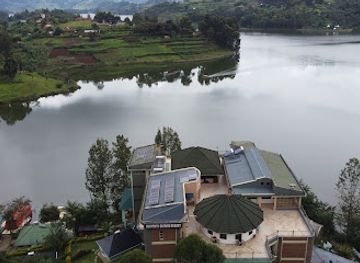
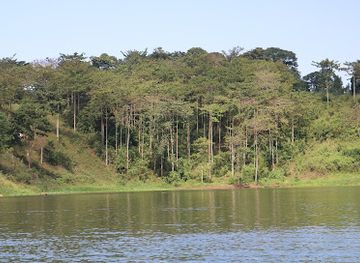
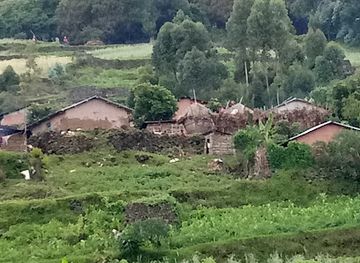
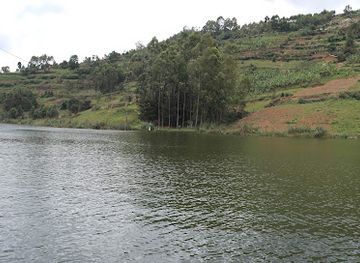
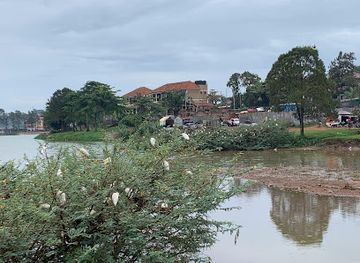
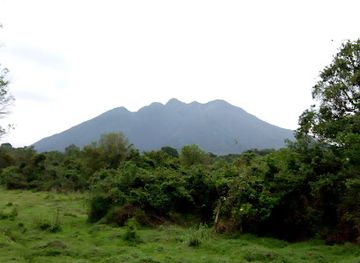
Lake Bunyonyi is Kigezi’s most recognisable natural landmark, its irregular shoreline and scattered islands enclosed by steep, intensively cultivated hills. To the west, the Virunga volcanoes create a powerful regional skyline: Mount Muhabura, Mount Gahinga and Mount Sabyinyo rise above the Kisoro area, with hiking access determined by park regulations and weather. Bwindi Impenetrable National Park is a landmark landscape as much as a wildlife destination, its dense montane forest representing one of the last major habitats of mountain gorillas. Echuya Central Forest Reserve marks another important highland woodland between Kabale and Kisoro. Around Kabale, terraced slopes are themselves a defining cultural landmark, showing how farming communities have adapted to narrow ridges and deep valleys. The region’s significance lies in the relationship between these physical features, conservation areas and the settlements that occupy the surrounding hills.
-
Tourist attraction
Kabaka's Palace
Discover the cultural richness and historical significance of Kabaka's Palace in Kampala, a key landmark of the Buganda Kingdom.
-
Historical landmark
Uganda Equator
Discover the Uganda Equator - a stunning geographical landmark where the Northern and Southern Hemispheres meet, offering unique experiences and local culture.
-
National park
Bwindi Impenetrable Forest National Park
Discover Bwindi Impenetrable Forest National Park: A UNESCO World Heritage site and a sanctuary for mountain gorillas in Uganda's breathtaking wilderness.
-
National park
Mgahinga Gorilla National Park
Explore the breathtaking landscapes and rare wildlife of Mgahinga Gorilla National Park, a hidden gem in Uganda's natural heritage.

Explore Kigezi on the map
Plan your trip on one map. See where the top cities, national parks and sights are, and book hotels and experiences in a few clicks.
Best hotels in Kigezi
Best restaurants in Kigezi
Dining in Kigezi is closely connected to its cool highland agriculture. Potatoes, beans, sorghum, bananas, greens and other locally grown produce appear in everyday meals, alongside the broader Ugandan staples of matoke, rice, posho and occasionally grilled meat or fish. Kabale and Kisoro have the widest choice of cafés, hotels and modest restaurants, while lodges around Lake Bunyonyi and the national parks commonly serve familiar international dishes as well as regional cooking. Markets are useful for seeing the produce economy, although prepared food stalls vary in hygiene and should be chosen carefully. Tea and other hot drinks are welcome in the cool climate, and locally sourced vegetables are a feature of many lodge menus. In rural areas, meals may need to be arranged in advance rather than selected from an extensive evening menu, particularly when staying near trekking trailheads.
-
East African
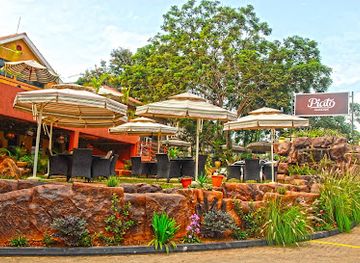
Piato Restaurant
Experience authentic East African cuisine at Piato Restaurant in Kampala - where every meal tells a story.
-
Restaurant
Asian Fusion Restaurant
Discover the exquisite flavors of Asia at the Asian Fusion Restaurant in Kampala - where Chinese and Indian cuisines unite in perfect harmony.
-
Fine Dining
The Lawns Restaurant
Discover an exquisite blend of fine dining and barbecue delights at The Lawns Restaurant in Kampala.
-
Indian
Haandi Restaurant
Savor authentic Indian cuisine at Haandi Restaurant in Kampala - a culinary haven blending tradition with modern dining.
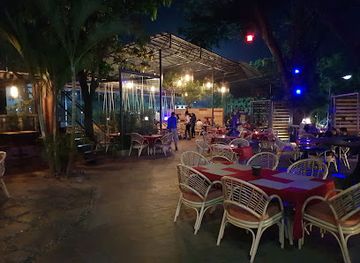

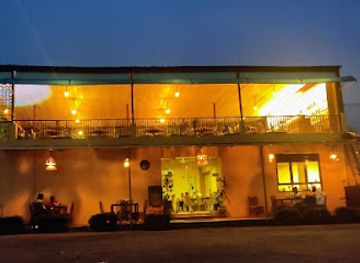
Best bars in Kigezi
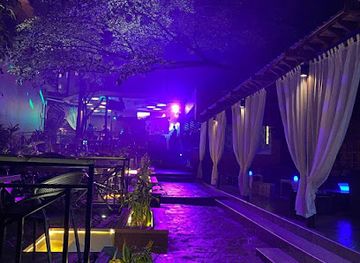
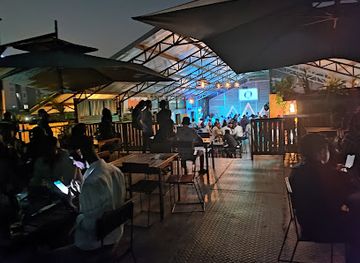
Kigezi’s evening life is modest and concentrated in Kabale, Kisoro and other district centres rather than spread across a large club scene. Local pubs and hotel bars are the main social venues, with music, televised sport and informal conversation more common than late-night dancing. A selection of restaurants and lodges around Lake Bunyonyi provides quieter evenings, sometimes with outdoor seating and views over the water, while accommodation near Bwindi and Mgahinga generally prioritises early starts for trekking. Kabale and Kisoro offer the greatest choice of bars, but opening arrangements and entertainment can change, so visitors should ask locally. In smaller settlements, darkness and mountain travel distances make evenings particularly low-key; arranging transport in advance is sensible rather than assuming that taxis will be readily available late at night.
-
Bar
Riders Lounge Ug
Discover Riders Lounge, a lively bar in Kampala, offering a mix of local and international drinks in a vibrant atmosphere perfect for unwinding.
-
Bar
Thrones Lounge Bar & Restaurant
Experience the vibrant nightlife at Thrones Lounge Bar & Restaurant in Kampala, where great drinks and music await.
-
Lounge
Kush Lounge
Experience the vibrant nightlife at Kush Lounge in Kampala - a modern oasis with great music, cocktails, and a lively atmosphere.
-
Bar
Kenji’s Cocktail Bar
Discover the vibrant nightlife at Kenji's Cocktail Bar in Kampala, where expertly crafted cocktails meet an electric atmosphere for unforgettable evenings.
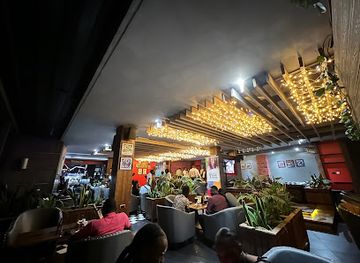
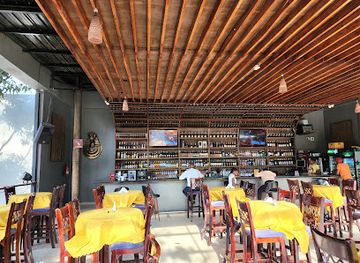
Best nightclubs in Kigezi
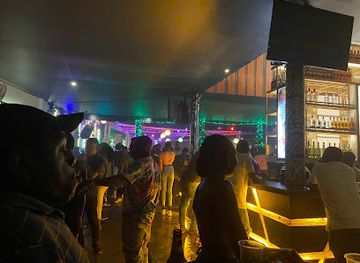
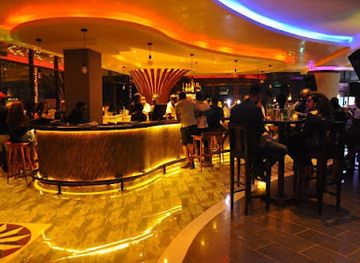
Kigezi’s evening life is modest and concentrated in Kabale, Kisoro and other district centres rather than spread across a large club scene. Local pubs and hotel bars are the main social venues, with music, televised sport and informal conversation more common than late-night dancing. A selection of restaurants and lodges around Lake Bunyonyi provides quieter evenings, sometimes with outdoor seating and views over the water, while accommodation near Bwindi and Mgahinga generally prioritises early starts for trekking. Kabale and Kisoro offer the greatest choice of bars, but opening arrangements and entertainment can change, so visitors should ask locally. In smaller settlements, darkness and mountain travel distances make evenings particularly low-key; arranging transport in advance is sensible rather than assuming that taxis will be readily available late at night.
-
Club
GUVNOR
Discover Kampala's vibrant nightlife at Guvnor, the ultimate club experience with energizing music and a stylish ambiance.
-
Lounge
EXO LOUNGE
Experience the vibrant nightlife of Kampala at EXO Lounge, where lively music and delicious drinks create unforgettable evenings.
-
Night club
Cielo Lounge
Discover the vibrant nightlife at Cielo Lounge, Kampala's premier destination for dining, drinks, and dancing until dawn.
-
Disco club
Ambiance - Masaka
Discover the vibrant nightlife of Masaka at Ambiance, the city's premier disco club for unforgettable dance and entertainment experiences.


Best shops in Kigezi
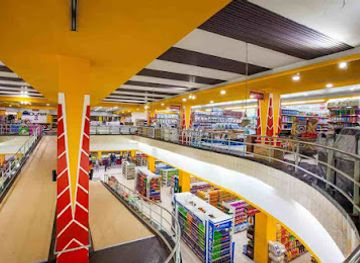
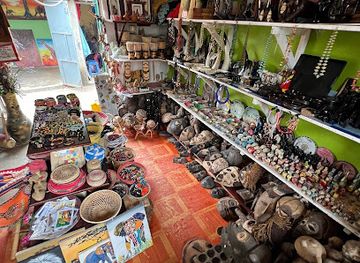
Shopping in Kigezi is practical, local and strongly tied to agriculture. Kabale and Kisoro markets are the best places to see highland produce, including potatoes, beans, bananas and seasonal vegetables, while smaller trading centres serve surrounding farming communities. Shops in the main towns stock clothing, household goods, food and travel supplies, but rural retail is limited and cash is useful. Visitors can look for woven items, baskets, carved objects and other crafts through reputable community groups or tourism organisations, taking care to distinguish locally made work from mass-produced souvenirs. Tea, coffee and packaged agricultural products may be available from regional sellers, although provenance and export rules should be checked before purchase. Around Lake Bunyonyi and the national parks, lodge shops and craft stalls offer visitor-oriented items, but bargaining should remain courteous and purchases should support makers fairly rather than encouraging the sale of protected plants, wildlife products or archaeological objects.
-
Shopping mall
Village Mall
Discover the ultimate shopping experience at Village Mall in Kampala, where retail, dining, and entertainment converge for the perfect day out.
-
Outlet mall
Freedom City Mall
Discover the vibrant shopping and entertainment experience at Freedom City Mall, the ultimate outlet destination in Kampala, Uganda.
-
Shopping mall
Forest Mall
Explore Forest Mall in Kampala: A vibrant shopping and entertainment hub offering diverse retail and culinary experiences in Uganda's capital.
-
Souvenir store
Pearl Crafts Village Entebbe
Explore the vibrant world of Ugandan craftsmanship at Pearl Crafts Village Entebbe, where unique souvenirs await every traveler.

Get your free copy of our complete guide to Kigezi, delivered straight to you.
Everything on this page, from attractions and restaurants to essentials and local phrases, in one PDF you can read offline, print or share.
Already have an account? Sign in
Your Kigezi guide is ready.
We'll send it to · Not you? Sign out

Getting your guide ready…
We are putting together a fresh copy of the Kigezi guide. This can take up to a minute.
This can take a few moments. If your browser asks, choose Allow so the download can start. You'll find the guide in your Downloads folder.
Nothing happened? Download it again
Sorry, the guide is taking longer than usual. Please try again in a minute, or get it by email instead.
Kigezi essentials
Currency and Payment
Safety
Emergency Situations
Do's and Don'ts
Local Tips
From Eve
Local phrases worth knowing
You don't need to get them perfect. A few words go a long way, and locals appreciate the effort.
Basics
| English | Local | Say it |
|---|---|---|
| Hello | Oli otya | [Oh-lee oh-tyah] |
| Goodbye | Nkwagala | [Nkwah-gah-lah] |
| Yes | Eee | [Eh-eh] |
| No | Nedda | [Neh-dah] |
| Please/You're welcome | Wandiisa | [Wahn-dee-sah] |
| Thank you | Webale | [Weh-bah-leh] |
| Excuse me/Sorry | Nsonyiwa | [Nsoh-nee-wah] |
| How are you? | Oli otya? | [Oh-lee oh-tyah?] |
| Fine. And you? | Nindaga bulungi. Nyo? | [Nin-dah-gah boo-loon-gee. Nyo?] |
| Do you speak English? | Ogwetegereza Luganda? | [Oh-gweh-teh-geh-rah Loo-gahn-dah?] |
| I don't understand | Sikiga | [See-kee-gah] |
Eating & Drinking
| English | Local | Say it |
|---|---|---|
| I'd like to see the menu, please | Nja kwekanga ekirabo, wandiisa | [Njah kweh-kah-ngah eh-kee-rah-boh, wahn-dee-sah] |
| I don't eat meat | Sikula nyama | [See-koo-lah nyah-mah] |
| Cheers! | Tukirize! | [Too-kee-ree-zeh!] |
| I would like to pay, please | Njagala kwetaaga, wandiisa | [Njah-gah-lah kweh-tah-gah, wahn-dee-sah] |
Emergencies
| English | Local | Say it |
|---|---|---|
| Help! | Musa! | [Moo-sah!] |
| Go away! | Genda! | [Gen-dah!] |
| Call the Police! | Funa poliisi! | [Foo-nah poh-lee-see!] |
| Call a doctor! | Funa daktari! | [Foo-nah dahk-tah-ree!] |
| I'm lost | Ndi muwanga | [Ndee moo-wahn-gah] |
| I'm ill | Ndi muwanga | [Ndee moo-wahn-gah] |
Shopping
| English | Local | Say it |
|---|---|---|
| I'd like to buy... | Njagala kugula... | [Njah-gah-lah koo-goo-lah...] |
| I'm just looking | Nze njekola | [Nzeh njay-koh-lah] |
| How much is it? | Kiki ekitundu? | [Kee-kee eh-kee-toon-doo?] |
| That's too expensive | Ono kyekikula | [Oh-noh kyeh-kee-koo-lah] |
| Can you lower the price? | Osobola okuweereza obukadde? | [Oh-soh-boh-lah oh-koo-weh-ree-zah oh-boo-kah-dday?] |
Time & Numbers
| English | Local | Say it |
|---|---|---|
| What time is it? | Mugamba ki? | [Moo-gahm-bah kee?] |
| It's one o'clock | Kiri kimu | [Kee-ree kee-moo] |
| Half past (10) | Kya kumi | [Kah yah koo-mee] |
| Morning | Ekitanga | [Eh-kee-tahng-ah] |
| Afternoon | Ekitanga ekyama | [Eh-kee-tahng-ah eh-kyah-mah] |
| Evening | Ekitanga ekyama | [Eh-kee-tahng-ah eh-kyah-mah] |
| Yesterday | Ekitanga ekiraga | [Eh-kee-tahng-ah eh-kee-rah-gah] |
| Today | Lwaki | [Loo-wah-kee] |
| Tomorrow | Lwakuchu | [Loo-wah-koo-choo] |
| 1 | Kimu | [Kee-moo] |
| 2 | Biri | [Bee-ree] |
| 3 | Tatu | [Tah-too] |
| 4 | Nne | [Neh-neh] |
| 5 | Tano | [Tah-noh] |
| 6 | Taano | [Tah-noh] |
| 7 | Mukaaga | [Moo-kah-gah] |
| 8 | Munaana | [Moo-nah-nah] |
| 9 | Mukaaga | [Moo-kah-gah] |
| 10 | Kumi | [Koo-mee] |
Transport & Directions
| English | Local | Say it |
|---|---|---|
| Where's a/the...? | Eyo...? | [Eh-yoh...?] |
| What's the address? | Okwanjula ki? | [Oh-kwan-joo-lah kee?] |
| Can you show me (on the map)? | Osobola okumanya (mu mape)? | [Oh-soh-boh-lah oh-koo-mah-nyah (moo mah-peh)?] |
| When's the next (bus)? | Kiki ekikulembedde (bus)? | [Kee-kee eh-kee-koo-lehm-beh-dday (bus)?] |
| A ticket (to ....) | Ekitanda (ku ....) | [Eh-kee-tahn-dah (koo ....)] |
History of Kigezi
Early Settlement and the Forest Peoples
Kigezi’s history reaches back through archaeological and oral traditions associated with communities that lived in the south-western highlands and surrounding forests. Batwa hunter-gatherer communities have longstanding cultural connections with the forest landscapes now included in protected areas. Later agricultural communities expanded cultivation across the hills, developing intensive systems suited to steep terrain and fertile volcanic or highland soils. Oral histories also preserve memories of older political communities and migrations, although their boundaries do not always correspond neatly with modern districts.
The Kingdom of Mpororo and Regional Polities
Before colonial rule, parts of present-day Kigezi were linked to the kingdom of Mpororo and other local political formations in the south-western Great Lakes region. Mpororo’s historical influence is particularly associated with areas around present-day Rukungiri and Kanungu, though remembered boundaries and political authority changed over time. These histories connect Kigezi with the wider cultural and political world of south-western Uganda and neighbouring Rwanda, rather than presenting the region as an isolated highland society.
Colonial Administration and the Creation of Kigezi
British rule incorporated the south-western highlands into the Uganda Protectorate during the early twentieth century and gradually imposed new administrative boundaries. Kigezi District became a colonial administrative unit, with Kabale developing as its main centre. Mission stations, taxation, schools, roads and courts altered local patterns of authority and exchange. Colonial officials also treated the densely settled hills as an agricultural frontier, encouraging cash-crop production and administrative control while often misunderstanding existing land use and social organisation.
Bakiga Land Use and Agricultural Change
The Bakiga became strongly associated with Kigezi’s steep cultivated hills, where households developed intensive farming practices in response to limited flat land and population pressure. Potatoes, sorghum, beans and bananas formed part of a varied subsistence economy, while colonial and post-colonial policies encouraged additional market production. Terracing and hillside cultivation remain among the region’s most visible cultural landscapes. They also explain why erosion, soil fertility and access to land are enduring practical concerns in Kigezi.
Protected Forests and Displacement
Forests in and around Kigezi were progressively placed under formal conservation regimes during the colonial and post-colonial periods. Bwindi and the Ugandan Virunga mountains later became national parks, protecting globally important mountain-gorilla and other highland habitats. Conservation brought international attention, tourism income and stronger habitat protection, but it also restricted customary forest access and contributed to the displacement and marginalisation of Batwa communities. Contemporary conservation programmes increasingly acknowledge the need for community participation and more equitable benefits.
War, Borders and Modern Districts
Kigezi’s position beside Rwanda and the Democratic Republic of the Congo has made borderlands, migration and regional security important parts of its modern history. The upheavals surrounding the Rwandan genocide and the conflicts of the Great Lakes region affected trade and population movements, although Kigezi itself is now a major tourism and agricultural area. Since the late twentieth century, the former Kigezi District has been divided into several districts, including Kabale, Kisoro, Kanungu, Rukungiri, Rubanda and Rukiga, while the older regional name remains widely used.
Kigezi in Photos
Browse through our photo collection highlighting the charm and character of the destination.
Neighbouring regions of Kigezi
The closest regions to Kigezi, if you have time for more than one.
-

-

-

-

-


Swipe for more regions
Explore more

Explore more of Uganda
Discover Uganda: From the majestic mountain gorillas of Bwindi to the vibrant streets of Kampala, experience the diverse landscapes and rich culture of the Pearl of Africa.
Explore Uganda