

Free Northern Region Travel Guide & Mobile App
Explore Northern Region with free travel guides. Discover regional history, expert tips, proposed trips, and audio guides on web or mobile app.


Explore Northern Uganda for Murchison Falls wildlife, Nile landscapes, Acholi and Lango culture, West Nile towns and open-road adventure.
Read more about Northern Region
When is the best time to visit Northern Region?
Best: December–February · 27–28°C| Month | High (°C) | Rainfall (mm) |
|---|---|---|
| January (best) | 27 | 15 |
| February (best) | 28 | 20 |
| March | 28 | 40 |
| April | 29 | 80 |
| May | 28 | 120 |
| June | 28 | 140 |
| July | 27 | 120 |
| August | 27 | 100 |
| September | 27 | 80 |
| October | 28 | 60 |
| November | 28 | 20 |
| December (best) | 27 | 15 |
Getting to and around Northern Region
How to get there
Transportation
Top city travel guides in Northern Region
The cities of Northern Region, and the easiest places to base yourself.
-

-

-

-

-

-


Swipe for more cities
Destinations in Northern Region
Resorts, valleys and scenic spots worth a trip of their own.
-

-

-

-


Swipe for more destinations
Best attractions in Northern Region
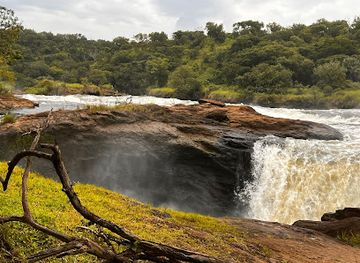
Northern Region’s attractions are spread across a large area, with wildlife and landscapes best experienced through a planned overland itinerary. Murchison Falls National Park is the principal draw, combining northern savannah game drives with boat trips on the Victoria Nile and opportunities to see elephants, giraffes, Uganda kob, hippos, crocodiles and many bird species. Beyond the park, the Nile corridor, seasonal wetlands and wooded countryside provide rewarding settings for birdwatching and guided nature experiences. Gulu, Lira and Arua offer urban contrasts, including markets, cultural activities, craftwork, restaurants and community initiatives that help visitors understand the region beyond safari tourism. In Acholi country, locally arranged music, dance and storytelling can introduce living traditions when presented with consent and appropriate context. West Nile districts have their own languages, foodways and trading connections, while Lango country is characterised by productive agricultural landscapes and busy market centres. The region is not suited to a hurried checklist: distances are long, rural infrastructure varies, and some experiences require advance arrangements with knowledgeable local guides.
-
Tour agency
Murchison Falls National Park Safari
Discover Murchison Falls National Park: A breathtaking safari experience in Uganda's wild heart, rich in wildlife and natural beauty.
-
Tourist attraction
Aruu Falls Campsite
Explore the breathtaking beauty of Aruu Falls Campsite in Uganda, where nature meets adventure in a serene setting.
-
Tourist attraction
Aruu Falls
Explore the stunning Aruu Falls in Uganda, a captivating natural attraction with breathtaking views and serene surroundings perfect for relaxation.
-
Tourist attraction
Fort Patiko
Uncover the history and beauty of Fort Patiko, a must-visit tourist attraction in Uganda, blending rich heritage with stunning natural landscapes.


Best landmarks in Northern Region
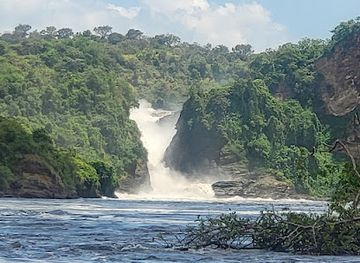
The Victoria Nile and Murchison Falls National Park form Northern Region’s most recognisable natural landmarks, with the river cutting through savannah and the falls forcing its way through a narrow gorge before continuing westwards. The park’s northern plains are especially associated with broad wildlife-viewing landscapes, while the river provides the region’s strongest visual and ecological thread. In Gulu, the town’s streets, civic buildings and public spaces reflect its role as the principal centre of Acholi country and its transformation after decades of conflict, although the city is more a living urban landmark than a preserved historic quarter. Arua’s position in West Nile gives it importance as a regional trading and transport centre near Uganda’s north-western frontier. Across rural northern Uganda, modest churches, trading centres, bridges and Nile-related landscapes are often more significant to local life than monumental architecture. Visitors should approach memorials and places associated with recent conflict with sensitivity, using local guidance and avoiding intrusive photography.
-
Zoo
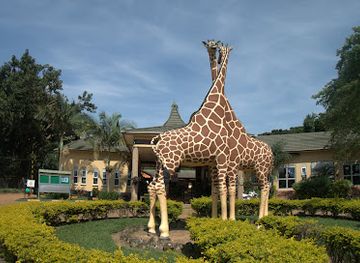
Uganda Wildlife Conservation Education Centre
Discover Uganda Wildlife Conservation Education Centre: A premier conservation hub for wildlife enthusiasts and nature lovers in Entebbe.
-
National park
Murchison Falls National Park
Discover the stunning beauty and wildlife of Murchison Falls National Park, Uganda's largest national park, a paradise for nature and adventure lovers.
-
Tourist attraction
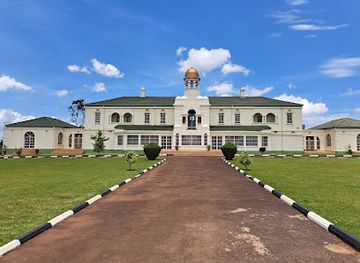
Kabaka's Palace
Discover Kabaka's Palace in Kampala, a stunning symbol of Ugandan heritage and the Buganda Kingdom's royal history.
-
National park
Queen Elizabeth National Park
Explore the breathtaking wildlife and scenic beauty of Queen Elizabeth National Park, a top destination for eco-tourism in Uganda.

Explore Northern Region on the map
Plan your trip on one map. See where the top cities, national parks and sights are, and book hotels and experiences in a few clicks.
Best hotels in Northern Region
Best restaurants in Northern Region
Dining in Northern Uganda is primarily informal, local and closely linked to markets, agriculture and roadside trade. In Gulu, Lira and Arua, visitors will find restaurants and cafés serving Ugandan staples such as matoke, rice, beans, groundnut sauces, cassava, sweet potatoes, chapati and grilled meats, alongside South Asian and other international influences in larger towns. Northern food traditions include dishes based on millet, sorghum, sesame, greens and smoked or dried ingredients, with variations between Acholi, Lango, Alur and West Nile communities. Roadside grills and small eateries can be useful for simple meals, though standards and availability vary, so choose busy places with good food turnover. Markets provide an insight into seasonal produce including mangoes, citrus, groundnuts and leafy vegetables, but prepared food should be approached with ordinary hygiene awareness. Safari lodges around Murchison Falls National Park generally offer set menus designed for guests, while rural journeys require planning around limited dining options.
-
East African
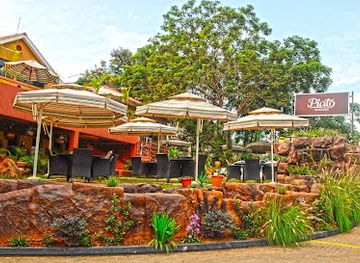
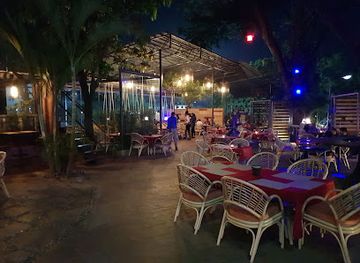
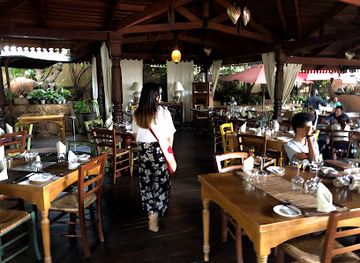
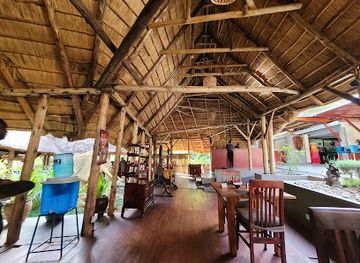
Piato Restaurant
Experience authentic East African cuisine at Piato Restaurant in Kampala - a must-visit for every food lover.
-
Restaurant
Asian Fusion Restaurant
Discover a fusion of flavors at Asian Fusion Restaurant in Kampala – where exquisite Chinese and Indian cuisines meet.
-
Italian
Mediterraneo Restaurant
Experience authentic Italian cuisine at Mediterraneo Restaurant in Kampala - where tradition meets taste in every dish.
-
Thai
Tamarai
Experience authentic Thai cuisine at Tamarai in Kampala—where tradition meets modern dining in a vibrant lounge atmosphere.
Best bars in Northern Region
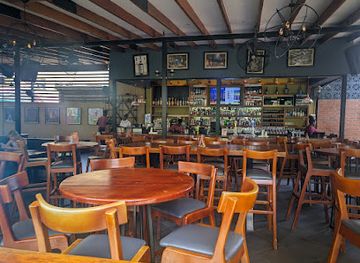
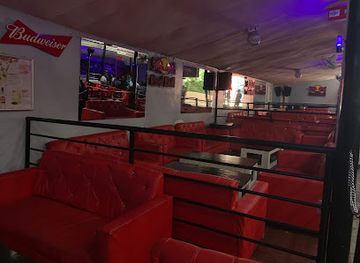
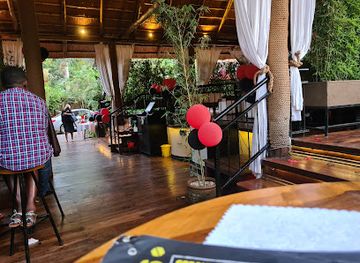
Evening life in Northern Region is concentrated in Gulu, Lira and Arua, where local bars, cafés, hotel lounges and restaurants provide the main social settings. Gulu has the broadest choice of urban nightlife, including venues with recorded music, occasional live performances and late-evening food, while Lira and Arua have their own busy local scenes shaped by students, traders and residents. Outside the main towns, evenings are quieter and usually centre on neighbourhood bars, guesthouses or family gatherings rather than a formal club circuit. Safari lodges near Murchison Falls National Park focus on relaxed dinners, campfire settings where provided and early starts for wildlife activities. Local beers and soft drinks are widely available, but visitors should drink moderately, keep valuables secure and arrange transport in advance rather than walking unfamiliar rural roads after dark.
-
Bar
Nexus Lounge
Experience the vibrant nightlife at Nexus Lounge, where themed nights and a lively atmosphere await in the heart of Kampala.
-
Bar
The Alchemist Kitchen and Bar
Discover Kampala's nightlife at The Alchemist Kitchen and Bar, where local flavors meet vibrant social scenes in a welcoming atmosphere.
-
Lounge
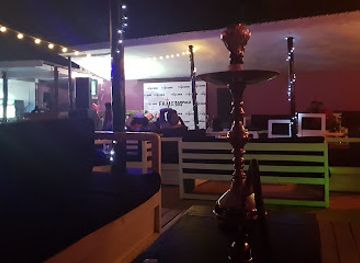
F.A.M.E Lounge
Discover F.A.M.E Lounge in Kampala: a trendy destination for delicious cuisine, vibrant atmosphere, and unforgettable nightlife experiences.
-
Grill
Banana Bar & Bistro
Experience the vibrant flavors and inviting ambiance of Banana Bar & Bistro in Kampala, where exceptional grill dishes meet refreshing drinks.

Best nightclubs in Northern Region
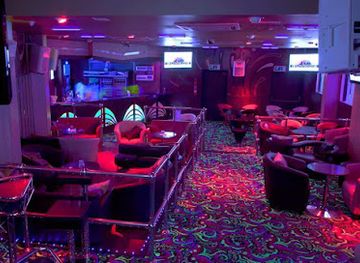
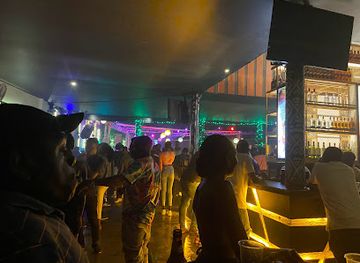
Evening life in Northern Region is concentrated in Gulu, Lira and Arua, where local bars, cafés, hotel lounges and restaurants provide the main social settings. Gulu has the broadest choice of urban nightlife, including venues with recorded music, occasional live performances and late-evening food, while Lira and Arua have their own busy local scenes shaped by students, traders and residents. Outside the main towns, evenings are quieter and usually centre on neighbourhood bars, guesthouses or family gatherings rather than a formal club circuit. Safari lodges near Murchison Falls National Park focus on relaxed dinners, campfire settings where provided and early starts for wildlife activities. Local beers and soft drinks are widely available, but visitors should drink moderately, keep valuables secure and arrange transport in advance rather than walking unfamiliar rural roads after dark.
-
Club
GUVNOR
Experience the vibrant nightlife of Kampala at GUVNOR, the premier disco club where music, dance, and unforgettable memories await.
-
Lounge
F.A.M.E Lounge
Discover the vibrant atmosphere of F.A.M.E Lounge, Kampala's go-to spot for exquisite drinks and a lively social scene.
-
Lounge
EXO LOUNGE
Experience the vibrant nightlife of Kampala at EXO Lounge, where great drinks, live music, and a lively atmosphere await you.
-
Night club
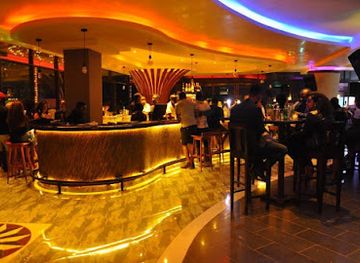
Cielo Lounge
Discover Cielo Lounge, Kampala's premier nightclub and bar, offering exquisite drinks, delectable food, and an unforgettable nightlife experience.
Best shops in Northern Region
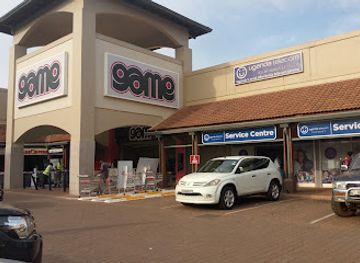
Shopping in Northern Region is centred on working markets, high streets and small independent businesses rather than large destination malls. Gulu, Lira and Arua offer the widest selection of everyday goods, fabrics, clothing, phone services, craft items and locally produced food, while smaller market centres serve surrounding farming communities. Visitors may find woven baskets, mats, beadwork, carved objects and textiles associated with northern Ugandan craft traditions, but quality and provenance vary; buying directly from recognised cooperatives or community enterprises offers a more reliable way to support makers. Regional food products such as groundnuts, sesame, millet, dried fruit and coffee may be available through markets or specialist sellers, subject to packaging and border regulations. Bargaining can be part of informal market transactions, but it should remain courteous and proportionate. Ask before photographing stalls and people, and remember that markets are primarily places of work rather than staged tourist attractions.
-
Shopping mall
Lugogo Mall
Experience shopping, dining, and entertainment at Lugogo Mall, Kampala's vibrant hub for locals and tourists alike.
-
Shopping mall
Acacia Mall
Discover Acacia Mall in Kampala: A vibrant shopping center offering a blend of local boutiques, international brands, delicious dining, and entertainment.
-
Shopping mall
Village Mall
Discover the vibrant shopping and dining experience at Village Mall, your premier destination for retail therapy in Kampala, Uganda.
-
Shopping mall
Garden City Shopping Mall
Discover the vibrant shopping and entertainment experience at Garden City Shopping Mall in Kampala, a must-visit destination for every tourist.
Get your free copy of our complete guide to Northern Region, delivered straight to you.
Everything on this page, from attractions and restaurants to essentials and local phrases, in one PDF you can read offline, print or share.
Already have an account? Sign in
Your Northern Region guide is ready.
We'll send it to · Not you? Sign out

Getting your guide ready…
We are putting together a fresh copy of the Northern Region guide. This can take up to a minute.
This can take a few moments. If your browser asks, choose Allow so the download can start. You'll find the guide in your Downloads folder.
Nothing happened? Download it again
Sorry, the guide is taking longer than usual. Please try again in a minute, or get it by email instead.
Northern Region essentials
Currency and Payment
Safety
Emergency Situations
Do's and Don'ts
Local Tips
From Eve
Local phrases worth knowing
You don't need to get them perfect. A few words go a long way, and locals appreciate the effort.
Basics
| English | Local | Say it |
|---|---|---|
| Hello | Oli otya | [O-lee o-tya] |
| Goodbye | Weeraba | [Wee-ra-ba] |
| Yes | Ndi | [N-dee] |
| No | Nedda | [N-ed-da] |
| Please/You're welcome | Nkwagala | [N-kwa-ga-la] |
| Thank you | Webale | [We-ba-le] |
| Excuse me/Sorry | Nsonyiwa | [N-son-yi-wa] |
| How are you? | Oli otya? | [O-lee o-tya?] |
| Fine. And you? | Nziza. Nyo? | [N-zee-za. N-yo?] |
| Do you speak English? | Ogwera luganda? | [O-gwe-ra lu-gan-da?] |
| I don't understand | Sijja kutambula | [Si-jja ku-tam-bu-la] |
Eating & Drinking
| English | Local | Say it |
|---|---|---|
| I'd like to see the menu, please | Nkwagala kulaba menu, nkwebaza | [N-kwa-ga-la ku-la-ba me-nu, n-kwe-ba-za] |
| I don't eat meat | Sijja kula nyama | [Si-jja ku-la n-ya-ma] |
| Cheers! | Nnyabo! | [N-nya-bo!] |
| I would like to pay, please | Nkwagala kubanja, nkwebaza | [N-kwa-ga-la ku-ban-ja, n-kwe-ba-za] |
Emergencies
| English | Local | Say it |
|---|---|---|
| Help! | Mpunye! | [M-pun-ye!] |
| Go away! | Genda! | [Gen-da!] |
| Call the Police! | Kuba polisi! | [Ku-ba po-li-si!] |
| Call a doctor! | Kuba daktari! | [Ku-ba dak-ta-ri!] |
| I'm lost | Nze nfuuka | [N-ze n-fu-ka] |
| I'm ill | Nze nsibuka | [N-ze n-si-bu-ka] |
Shopping
| English | Local | Say it |
|---|---|---|
| I'd like to buy... | Nkwagala kugula... | [N-kwa-ga-la ku-gu-la...] |
| I'm just looking | Nze njogedde | [N-ze n-jo-gedde] |
| How much is it? | Kiwanvu ki? | [Ki-wan-vu ki?] |
| That's too expensive | Kyo kisente nnyo | [Kyo ki-sen-te nny-o] |
| Can you lower the price? | Osobola okwewandiisa? | [O-so-bo-la o-kwe-wan-di-sa?] |
Time & Numbers
| English | Local | Say it |
|---|---|---|
| What time is it? | Lwaki lwakye? | [Lwa-ki l-wak-ye?] |
| It's one o'clock | Kiri emu | [Ki-ri e-mu] |
| Half past (10) | Kyejjukanye (10) | [Kye-jju-ka-nye (10)] |
| Morning | Amakya | [A-ma-kya] |
| Afternoon | Olwokutanda | [Ol-wo-ku-tan-da] |
| Evening | Ekitangaala | [E-ki-tan-ga-a-la] |
| Yesterday | Nedda | [N-ed-da] |
| Today | Leero | [Lee-ro] |
| Tomorrow | Ekitangaala eky'eddako | [E-ki-tan-ga-a-la e-ky-e-d-da-ko] |
| 1 | Emu | [E-mu] |
| 2 | Ebiri | [E-bi-ri] |
| 3 | Ekitatu | [E-ki-ta-tu] |
| 4 | Ekitaano | [E-ki-ta-a-no] |
| 5 | Ebiri | [E-bi-ri] |
| 6 | Ekisatu | [E-ki-sa-tu] |
| 7 | Ekitaano | [E-ki-ta-a-no] |
| 8 | Ekitaano | [E-ki-ta-a-no] |
| 9 | Ekitaano | [E-ki-ta-a-no] |
| 10 | Ekitaano | [E-ki-ta-a-no] |
Transport & Directions
| English | Local | Say it |
|---|---|---|
| Where's a/the...? | Ehe kyekyali...? | [E-he kye-kya-li...?] |
| What's the address? | Kiki ekiti? | [Ki-ki e-ki-ti?] |
| Can you show me (on the map)? | Osobola nkuwa (ku mapa)? | [O-so-bo-la n-ku-wa (ku ma-pa)?] |
| When's the next (bus)? | Lwaki olutalo oluwanguka? | [Lwa-ki o-lu-ta-lo o-lu-wan-gu-ka?] |
| A ticket (to ....) | Ekikwekweto (ku ...) | [E-ki-kwe-kwe-to (ku ...)] |
History of Northern Region
Early societies and regional kingdoms
Northern Uganda has long been home to settled farming and pastoral communities whose political and cultural systems developed through local traditions, migration and exchange. The Acholi, Lango and Alur areas, together with West Nile communities, were not a single historical kingdom but a network of societies with distinct languages, institutions and relationships. Trade and movement connected the north with the Nile corridor, the Great Lakes and territories farther towards the Sudan region. Oral history remains important in understanding ancestry, leadership and land, while archaeological evidence across northern Uganda records much older patterns of settlement and material culture.
Nile trade and nineteenth-century upheaval
The Nile and its tributaries formed routes for movement, trade and political influence before and during the nineteenth century. Traders, ivory networks and armed raiders connected northern Uganda with markets to the north and east, bringing both commercial opportunity and severe insecurity. The area also felt the influence of the Bunyoro-Kitara kingdom and neighbouring political communities, although control varied greatly from place to place. These developments altered local power structures and population movements before formal colonial rule was established.
Colonial administration and the Uganda Protectorate
British rule gradually extended into northern Uganda from the late nineteenth and early twentieth centuries. Colonial administrators governed through a mixture of appointed officials, local authorities and indirect rule, while missionary education and Christianity expanded in several districts. Arua, Gulu and Lira developed as administrative and commercial centres, and roads, stations and agricultural systems tied the north more closely to the wider Uganda Protectorate. Colonial policy also reinforced regional divisions in education, recruitment and public employment, legacies that continued to shape Uganda after independence.
Independence, military recruitment and political change
Uganda’s independence in 1962 brought new national institutions but did not erase regional inequalities or political tensions. Northern communities supplied many soldiers to the national army, partly because of colonial recruitment patterns and limited alternative employment. Military rule under Idi Amin, who came from the West Nile area, brought profound political violence and upheaval across Uganda. The subsequent wars and changes of government affected northern towns, transport routes, livelihoods and relations between communities, leaving a complex heritage that cannot be reduced to a single regional narrative.
The Lord’s Resistance Army conflict
From the late 1980s into the early twenty-first century, insurgency by the Lord’s Resistance Army caused extensive displacement, violence and economic disruption in Acholi and neighbouring areas. Many people lived for years in internally displaced persons’ camps, while children and adults suffered abduction and other abuses. The conflict gradually declined after the group moved its operations away from northern Uganda and peace efforts took hold. Memorials, community organisations, former camp sites and continuing discussions about justice and reconciliation remain part of the region’s recent history.
Post-conflict recovery and regional transformation
Since the return of greater security, northern Uganda has undergone substantial reconstruction. Towns such as Gulu have expanded as centres of education, commerce, health services and civil society, while rural communities have rebuilt homes, farms and local markets. Tourism around Murchison Falls National Park has grown alongside conservation and community-benefit initiatives, though development remains uneven. Contemporary northern Uganda is therefore shaped both by its difficult recent past and by the increasing importance of trade, education, transport, agriculture, cultural enterprise and wildlife tourism.
Northern Region in Photos
Browse through our photo collection highlighting the charm and character of the destination.
Neighbouring regions of Northern Region
The closest regions to Northern Region, if you have time for more than one.
-

-

-

-

-


Swipe for more regions
Explore more

Explore more of Uganda
Discover Uganda: From the majestic mountain gorillas of Bwindi to the vibrant streets of Kampala, experience the diverse landscapes and rich culture of the Pearl of Africa.
Explore Uganda