

Free Acholi Travel Guide & Mobile App
Explore Acholi with free travel guides. Discover regional history, expert tips, proposed trips, and audio guides on web or mobile app.


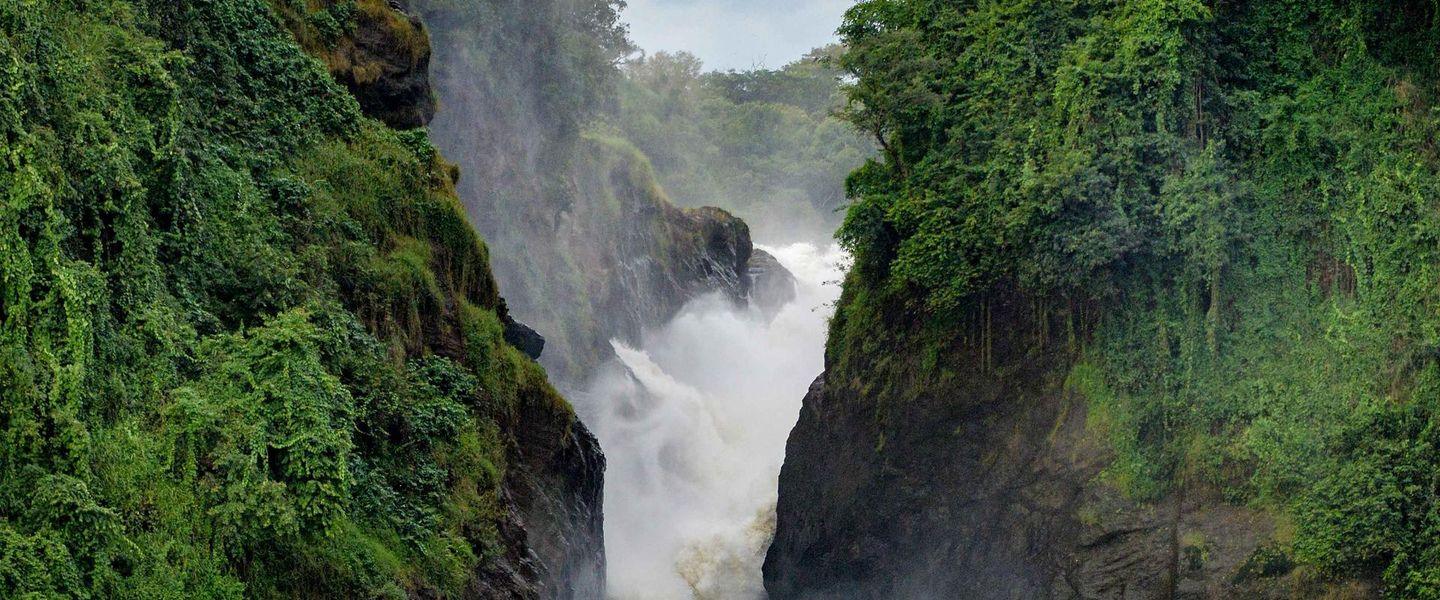


Explore Acholi in northern Uganda for Gulu’s culture, historic Fort Patiko, broad savannah landscapes and distinctive Luo heritage.
Read more about Acholi
When is the best time to visit Acholi?
Best: December–February · 29°C| Month | High (°C) | Rainfall (mm) |
|---|---|---|
| January (best) | 29 | 20 |
| February (best) | 29 | 30 |
| March | 30 | 40 |
| April | 30 | 50 |
| May | 30 | 60 |
| June | 29 | 70 |
| July | 29 | 80 |
| August | 29 | 80 |
| September | 29 | 70 |
| October | 30 | 60 |
| November | 30 | 50 |
| December (best) | 29 | 40 |
Getting to and around Acholi
How to get there
Transportation
Top city travel guides in Acholi
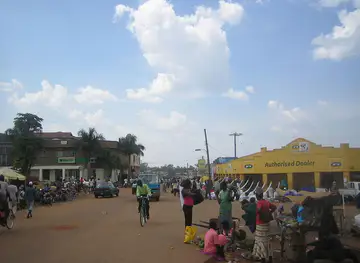
The cities of Acholi, and the easiest places to base yourself.
-

-


Swipe for more cities
Destinations in Acholi
Resorts, valleys and scenic spots worth a trip of their own.

Swipe for more destinations
Best attractions in Acholi
Acholi’s attractions are distributed across a large rural region rather than concentrated in a single resort or historic centre. Gulu provides the broadest selection of cultural encounters, markets, educational institutions, churches, restaurants and community-led initiatives, while Kitgum and Pader offer access to quieter northern landscapes and local trade centres. Fort Patiko, also known as Baker’s Fort, is the region’s most significant nineteenth-century heritage site, with earthworks and surviving structures associated with the period of Egyptian, Sudanese and British expansion along the Nile frontier. The countryside itself is an important part of the experience: seasonal wetlands, savannah, cultivated fields and the Achwa River create changing scenery for visitors travelling by road. In western Acholi, Amuru and Nwoya provide access routes towards the wildlife areas of Murchison Falls National Park, although the park extends beyond the region and its principal attractions should not be misrepresented as Acholi landmarks. Cultural activities, when arranged respectfully, may include traditional music, dance, storytelling and craft demonstrations. The region is better suited to travellers interested in history, community life, landscape and slow overland exploration than to visitors seeking a dense schedule of ticketed attractions.
-
Tourist attraction
Bwindi Impenetrable Forest National Park
Explore Bwindi Impenetrable Forest National Park, a UNESCO World Heritage site offering breathtaking biodiversity and unforgettable gorilla trekking experiences.
-
River
Sezibwa River
Explore the enchanting Sezibwa River in Uganda, a serene natural wonder with rich biodiversity and profound cultural significance, perfect for every traveler.
-
Lake
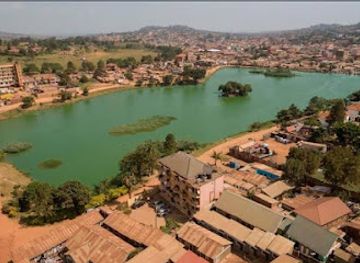
Kabaka's Lake
Explore the serene beauty and rich history of Kabaka's Lake, a cultural gem in Kampala, Uganda, ideal for nature lovers and history enthusiasts alike.
-
Tourist attraction
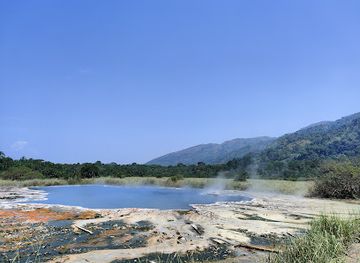
Sempaya Female hot springs
Experience the healing waters and rich cultural heritage at Sempaya Female Hot Springs in Mongiro, Uganda, a serene escape for every traveler.
Best landmarks in Acholi
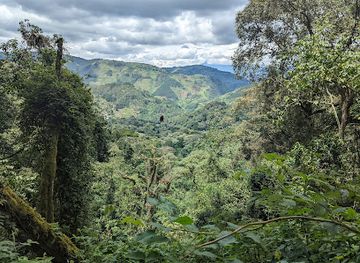
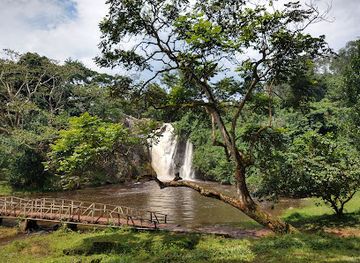
Fort Patiko, north-west of Gulu, is Acholi’s most recognisable historic landmark. Also called Baker’s Fort, it occupies a raised site with surviving earthworks and remnants linked to the nineteenth-century struggles involving Egyptian and Sudanese forces, the slave trade and later British influence. Its importance lies not in grand architecture but in the way the site embodies the region’s connection to wider Nile politics. Gulu’s urban landscape forms a more contemporary set of landmarks, including its central commercial streets, market areas, churches and institutional buildings, which reflect the city’s role as northern Uganda’s administrative and educational centre. The Achwa River is a significant natural feature, crossing the region’s northern landscape and supporting farming, fishing and wetland ecosystems, although access is often rural rather than developed for tourism. Across Acholi, traditional homesteads, cultivated plains and seasonal wetlands provide a visual record of continuing rural life, but they are lived-in places rather than open-air museums. Visitors should seek permission before entering compounds, photographing people or approaching culturally important locations.
-
Tourist attraction
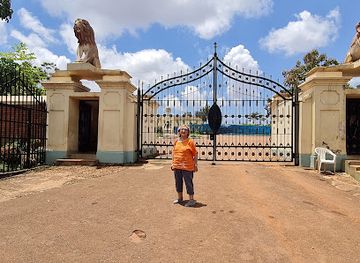
Kabaka's Palace
Explore Kabaka's Palace in Kampala, a stunning symbol of Buganda's rich heritage and culture, offering tours and insight into royal traditions.
-
Historical landmark
Uganda Equator
Experience the unique intersection of the northern and southern hemispheres at Uganda Equator, where culture, crafts, and cuisine converge.
-
National park
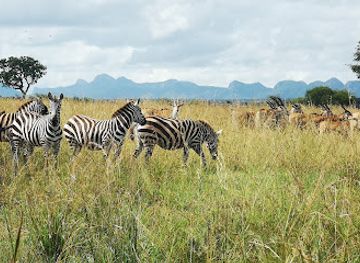
Kidepo National Park Uganda
Explore Kidepo National Park, Uganda – a breathtaking national park teeming with wildlife, stunning landscapes, and rich cultural experiences.
-
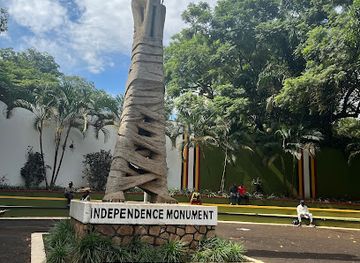
Monument
Independence Monument
Discover the Independence Monument in Kampala – A majestic tribute to Uganda's freedom, blending history, culture, and vibrant city life.

Explore Acholi on the map
Plan your trip on one map. See where the top cities, national parks and sights are, and book hotels and experiences in a few clicks.
Best hotels in Acholi
Best restaurants in Acholi
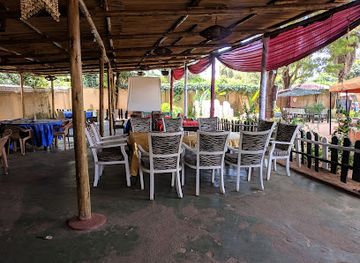
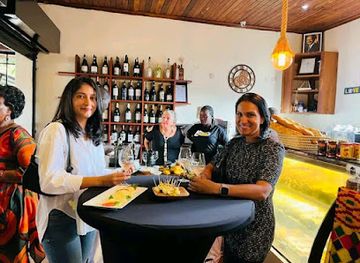
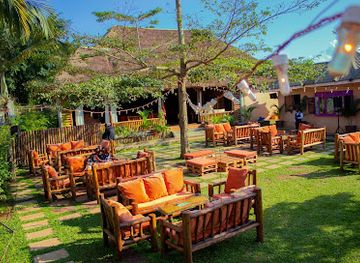
Dining in Acholi is most varied in Gulu, where restaurants and cafés serve Ugandan staples alongside Indian, regional African and international dishes. Local meals commonly feature millet bread or posho, cassava, sweet potatoes, beans, groundnut sauces, leafy greens, chicken, beef and, in suitable locations, fish from northern waterways. Smaller towns and roadside stops offer simpler plates, grilled meat, chapati, samosas, tea and seasonal fruit, while market stalls provide an informal way to observe everyday food culture. Millet and cassava remain particularly important in northern cooking, and groundnuts add flavour and richness to many sauces. Food availability changes with season and location, so travellers heading into rural districts should carry water and modest provisions. Hotels and established city restaurants may offer the most predictable hygiene standards, but local eateries can provide a more direct introduction to regional flavours when chosen carefully. Vegetarian meals are usually possible, although it is helpful to explain requirements clearly and allow extra preparation time.
-
Indian
The Great Indian Dhaba
Experience authentic Indian flavors at The Great Indian Dhaba in Kampala - where every dish tells a story.
-
Restaurant
Linove Restaurant
Experience authentic Italian cuisine at Linove Restaurant in Kampala – where delightful flavors meet a serene dining atmosphere.
-
Restaurant
NINA2Z Restaurant and Gardens
Experience authentic Ugandan cuisine at NINA2Z Restaurant and Gardens—where vibrant flavors meet a tranquil garden setting.
-
Restaurant
Furaha Restaurant and Lounge
Experience culinary delights at Furaha Restaurant and Lounge - where local flavors meet continental cuisine in Kampala's vibrant atmosphere.
Best bars in Acholi
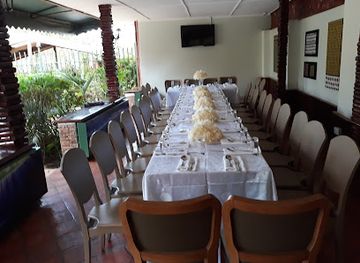
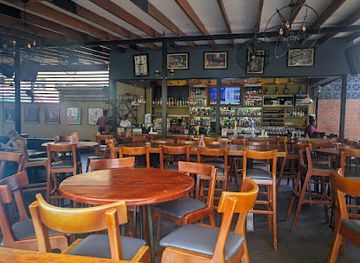
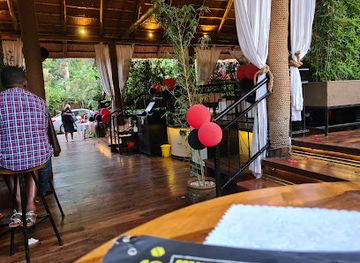
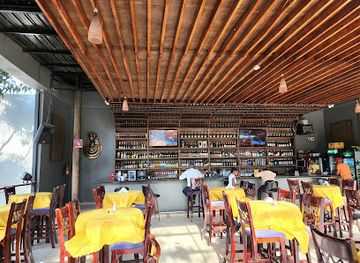
Gulu is the centre of Acholi’s evening life, with hotel bars, restaurants, social venues, live music and a modest selection of clubs concentrated around the city’s commercial areas. The atmosphere is generally more relaxed and local than the large-scale nightlife found in Kampala, and venues may be busiest at weekends or around university and cultural events. Outside Gulu, evening entertainment is mainly based around neighbourhood pubs, hotel lounges, small restaurants and informal social gatherings, with far fewer dedicated nightlife venues. Kitgum and other district towns have places to eat and meet, but travellers should not expect late-night services or a comprehensive club scene. Local and national beers are widely available, while soft drinks, tea and bottled water are easy alternatives. Arrange transport back to accommodation in advance, avoid walking unfamiliar roads late at night and ask local staff about the most suitable venues rather than assuming that a busy-looking establishment is intended for visitors.
-
Bar
The Alchemist Kitchen and Bar
Experience the vibrant culinary scene at The Alchemist Kitchen and Bar, where local flavors meet creative cocktails in the heart of Kampala.
-
Grill
Banana Bar & Bistro
Experience the vibrant culinary scene of Kampala at Banana Bar & Bistro, where delicious grilled dishes meet a lively atmosphere.
-
Bar
Riders Lounge Ug
Discover the vibrant nightlife at Riders Lounge Ug in Kampala, where exceptional drinks and a welcoming atmosphere await.
-
Bar
Thrones Lounge Bar & Restaurant
Discover the lively atmosphere and delightful flavors at Thrones Lounge Bar & Restaurant, a top spot in Kampala for food and drinks.
Best nightclubs in Acholi
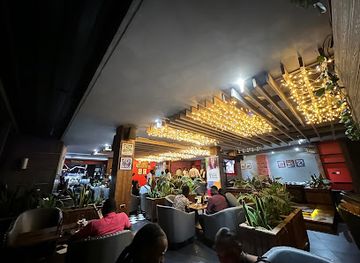
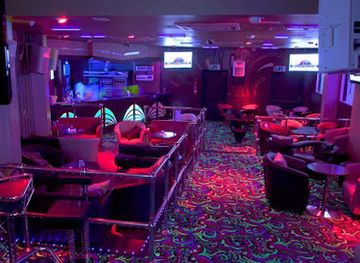
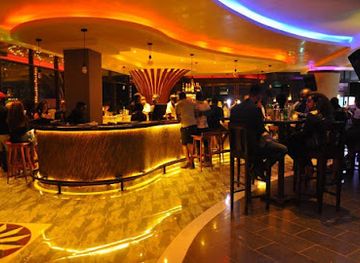
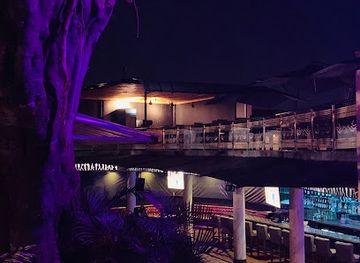
Gulu is the centre of Acholi’s evening life, with hotel bars, restaurants, social venues, live music and a modest selection of clubs concentrated around the city’s commercial areas. The atmosphere is generally more relaxed and local than the large-scale nightlife found in Kampala, and venues may be busiest at weekends or around university and cultural events. Outside Gulu, evening entertainment is mainly based around neighbourhood pubs, hotel lounges, small restaurants and informal social gatherings, with far fewer dedicated nightlife venues. Kitgum and other district towns have places to eat and meet, but travellers should not expect late-night services or a comprehensive club scene. Local and national beers are widely available, while soft drinks, tea and bottled water are easy alternatives. Arrange transport back to accommodation in advance, avoid walking unfamiliar roads late at night and ask local staff about the most suitable venues rather than assuming that a busy-looking establishment is intended for visitors.
-
Club
GUVNOR
Experience the electrifying nightlife at Guvnor, Kampala's premier club with top DJs and a vibrant atmosphere.
-
Lounge
EXO LOUNGE
Discover the vibrant nightlife at EXO Lounge in Kampala, where music, cocktails, and a lively atmosphere await you.
-
Night club
Cielo Lounge
Experience the vibrant nightlife of Kampala at Cielo Lounge, where stunning views and delicious cuisine meet energetic music and dancing.
-
Disco club
Catwalk Bar & Lounge
Dive into Kampala's nightlife at Catwalk Bar & Lounge, the ultimate disco club for music, dance, and vibrant experiences.

Best shops in Acholi
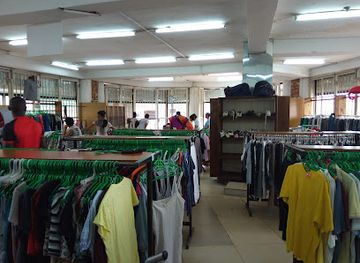
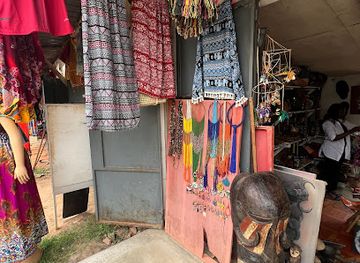
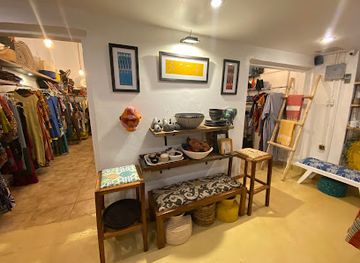
Shopping in Acholi is centred on Gulu’s markets, high streets and independent businesses rather than large luxury malls. Gulu is the best place to buy practical supplies, clothing, mobile-phone accessories, books, household goods and locally produced food before travelling into rural districts. Market stalls commonly carry cassava, millet, groundnuts, beans, fruit and other seasonal produce, while small craft sellers may offer woven items, beadwork, woodwork or locally made gifts. Kitgum, Pader and other district towns have more modest market scenes that are useful for observing everyday trade, although product ranges and trading days vary. Visitors should ask whether an item was made locally and pay fair, agreed prices rather than treating bargaining as a contest. Packaged groundnuts, dried foods and other durable produce can make practical souvenirs, subject to customs rules. Purchases connected with wildlife products, archaeological objects or old cultural materials should be avoided unless provenance and legality are fully clear.
-
Clothing store
Smiling babies uganda
Explore the vibrant world of children's fashion at Smiling Babies Uganda, a unique clothing store in Kampala offering stylish apparel for your little ones.
-
Clothing store
Green shop
Explore eclectic fashion and local craftsmanship at Green Shop in Kampala, where style meets culture in a vibrant shopping experience.
-
Souvenir store
Pearl Crafts Village Entebbe
Explore the unique artistry of Uganda at Pearl Crafts Village Entebbe, your go-to destination for authentic handmade souvenirs.
-
Clothing store
Bold in Africa
Discover unique fashion and accessories at Bold in Africa, a clothing store in Kampala showcasing local craftsmanship and contemporary style.

Get your free copy of our complete guide to Acholi, delivered straight to you.
Everything on this page, from attractions and restaurants to essentials and local phrases, in one PDF you can read offline, print or share.
Already have an account? Sign in
Your Acholi guide is ready.
We'll send it to · Not you? Sign out

Getting your guide ready…
We are putting together a fresh copy of the Acholi guide. This can take up to a minute.
This can take a few moments. If your browser asks, choose Allow so the download can start. You'll find the guide in your Downloads folder.
Nothing happened? Download it again
Sorry, the guide is taking longer than usual. Please try again in a minute, or get it by email instead.
Acholi essentials
Currency and Payment
Safety
Emergency Situations
Do's and Don'ts
Local Tips
From Eve
Local phrases worth knowing
You don't need to get them perfect. A few words go a long way, and locals appreciate the effort.
Basics
| English | Local | Say it |
|---|---|---|
| Hello | Akwaj | [Ah-kwahj] |
| Goodbye | Ninyalo | [Nin-yah-lo] |
| Yes | Aye | [Eye] |
| No | Nye | [Nyeh] |
| Please/You're welcome | Dano | [Dah-no] |
| Thank you | Atye | [Ah-tyeh] |
| Excuse me/Sorry | Dano ni | [Dah-no nee] |
| How are you? | Otino kwath? | [Oh-tee-no kwahth] |
| Fine. And you? | Nye konyo. Nyo? | [Nyeh koh-nyoh. Nyo?] |
| Do you speak English? | Okwera English? | [Oh-kweh-rah English?] |
| I don't understand | Nye konyo ni | [Nyeh koh-nyoh nee] |
Eating & Drinking
| English | Local | Say it |
|---|---|---|
| I'd like to see the menu, please | Nye konyo onyo menu, dano | [Nyeh koh-nyoh oh-nyoh menu, dah-no] |
| I don't eat meat | Nye konyo ni na koro | [Nyeh koh-nyoh nee nah koh-roh] |
| Cheers! | Akwaj! | [Ah-kwahj!] |
| I would like to pay, please | Nye konyo onyo okusoma, dano | [Nyeh koh-nyoh oh-nyoh oo-koo-soh-mah, dah-no] |
Emergencies
| English | Local | Say it |
|---|---|---|
| Help! | Yee! | [Yay!] |
| Go away! | Konyo ywe! | [Koh-nyoh yweh!] |
| Call the Police! | Paka Polisi! | [Pah-kah Poh-lee-see!] |
| Call a doctor! | Paka doko! | [Pah-kah doh-koh!] |
| I'm lost | Nye konyo ni yubo | [Nyeh koh-nyoh nee yoo-boh] |
| I'm ill | Nye konyo ni pogi | [Nyeh koh-nyoh nee poh-gee] |
Shopping
| English | Local | Say it |
|---|---|---|
| I'd like to buy... | Nye konyo onyo koyo... | [Nyeh koh-nyoh oh-nyoh koh-yoh...] |
| I'm just looking | Nye nyo jopango | [Nyeh nyoh joh-pahn-goh] |
| How much is it? | Bino ma konyo? | [Bee-no mah koh-nyoh?] |
| That's too expensive | Bino ma konyo na tye | [Bee-no mah koh-nyoh nah tyeh] |
| Can you lower the price? | Okwera konyo tye? | [Oh-kweh-rah koh-nyoh tyeh?] |
Time & Numbers
| English | Local | Say it |
|---|---|---|
| What time is it? | Gime ma konyo? | [Gee-meh mah koh-nyoh?] |
| It's one o'clock | Gime ma konyo mone | [Gee-meh mah koh-nyoh moh-neh] |
| Half past (10) | Gime ma konyo abiti (10) | [Gee-meh mah koh-nyoh ah-bee-tee (10)] |
| Morning | Lwaki | [Lwah-kee] |
| Afternoon | Piny | [Pee-ny] |
| Evening | Piny piny | [Pee-ny pee-ny] |
| Yesterday | Kweyo | [Kweh-yoh] |
| Today | Nongo | [Nohng-oh] |
| Tomorrow | Kweyo ma | [Kweh-yoh mah] |
| 1 | Mone | [Moh-neh] |
| 2 | Abili | [Ah-bee-lee] |
| 3 | Acoli | [Ah-cho-lee] |
| 4 | Awu | [Ah-woo] |
| 5 | Akworo | [Ah-kwoh-roh] |
| 6 | Akwedhi | [Ah-kweh-dee] |
| 7 | Akwero | [Ah-kweh-roh] |
| 8 | Akwalo | [Ah-kwah-loh] |
| 9 | Akwete | [Ah-kweh-teh] |
| 10 | Akwici | [Ah-kwee-chee] |
Transport & Directions
| English | Local | Say it |
|---|---|---|
| Where's a/the...? | Iti ma ...? | [Ee-tee mah ...?] |
| What's the address? | Iti ma adiri? | [Ee-tee mah ah-dee-ree?] |
| Can you show me (on the map)? | Okwera nongo (ku map)? | [Oh-kweh-rah nohng-oh (koo mahp)?] |
| When's the next (bus)? | Iti ma konyo (bus) tye? | [Ee-tee mah koh-nyoh (bus) tyeh?] |
| A ticket (to ....) | Ticket (ku ....) | [Tee-ket (koo ....)] |
History of Acholi
Early Luo-speaking settlement and Acholi society
The Acholi are part of the wider Luo-speaking peoples of the Upper Nile and northern Uganda. Over time, communities established settlements across the region, combining cultivation, livestock keeping, hunting and trade. Political life developed through clans, elders and local chiefs rather than a single centralised kingdom. Oral history, language, music and customary practice remain important to Acholi identity, although contemporary life is also shaped by Christianity, formal education, urbanisation and national institutions.
Nineteenth-century Nile and Sudan connections
Before and during the colonial period, northern Uganda was connected to wider Nile and Sudanese trading networks. Traders, raiders, ivory and enslaved people moved through the region, while armed groups linked to Egyptian and Sudanese expansion entered parts of northern Uganda. Fort Patiko, near present-day Gulu, was constructed in the late nineteenth century in this turbulent setting. Its remains provide a tangible reminder that Acholi history was connected to regional power struggles well beyond Uganda’s modern borders.
British rule and the creation of colonial northern Uganda
British influence expanded into northern Uganda during the late nineteenth and early twentieth centuries. Colonial administration introduced new boundaries, taxation, labour systems, schools, roads and Christian missions, often using existing chiefs while reshaping their authority. Acholi communities were drawn into Uganda’s wider economy and military structures, including recruitment into the King’s African Rifles. The colonial legacy remains visible in administrative towns, mission institutions, transport routes and debates about the unequal development of Uganda’s regions.
Independence, military rule and regional disruption
Uganda gained independence in 1962, but the decades that followed brought political instability and armed conflict. People from northern Uganda, including many Acholi, were heavily represented in the national military, reflecting colonial recruitment patterns and later political developments. Changes of government, military operations and insecurity disrupted movement, farming and local administration. These national events helped create the conditions in which northern Uganda became a major theatre of conflict during the late twentieth century.
The Lord’s Resistance Army conflict
From the late 1980s into the 2000s, the Lord’s Resistance Army insurgency affected Acholi communities profoundly. Abductions, killings, displacement and insecurity led hundreds of thousands of people to leave rural homes for internally displaced-persons camps, where living conditions were often difficult. The conflict also crossed into neighbouring countries, including South Sudan and the Democratic Republic of the Congo. Its effects remain present in family histories, land questions, memorial work, trauma-recovery efforts and discussions of justice and reconciliation.
Return, reconstruction and contemporary change
As large-scale conflict declined in the 2000s, many displaced people returned to villages and began rebuilding homes, farms, schools and local economies. Gulu developed as a centre for education, healthcare, commerce, humanitarian work and civil-society activity, while roads and telecommunications improved links with Kampala and neighbouring countries. Recovery has not erased the effects of war, land pressure or poverty, but contemporary Acholi life also reflects entrepreneurship, youth culture, music, higher education and renewed attention to cultural heritage.
Acholi in Photos
Browse through our photo collection highlighting the charm and character of the destination.
Neighbouring regions of Acholi
The closest regions to Acholi, if you have time for more than one.
-

-

-

-

-


Swipe for more regions
Explore more

Explore more of Uganda
Discover Uganda: From the majestic mountain gorillas of Bwindi to the vibrant streets of Kampala, experience the diverse landscapes and rich culture of the Pearl of Africa.
Explore Uganda