

Sian River Travel Guide - Free Web & App
Your ultimate guide to Sian River. Discover top landmarks, proposed trips, and local tips. Free on the web or via the Evendo companion app.


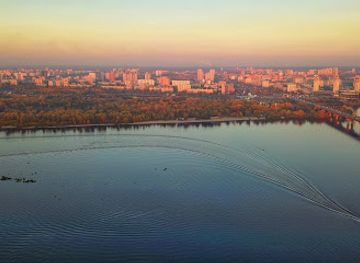
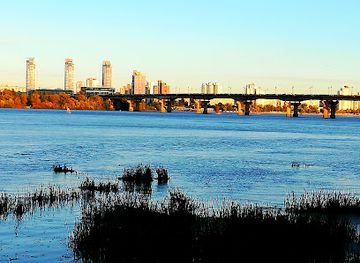
Discover the Sian River in Ukraine: A tranquil escape for nature lovers, rich in history and brimming with outdoor adventures.
Read more about Sian River
When is the best time to visit Sian River?
Best: May–June, September · 24–28°C| Month | High (°C) | Rainfall (mm) |
|---|---|---|
| January | 2 | 28 |
| February | 2 | 23 |
| March | 8 | 21 |
| April | 17 | 16 |
| May (best) | 24 | 14 |
| June (best) | 28 | 9 |
| July | 32 | 8 |
| August | 31 | 10 |
| September (best) | 24 | 15 |
| October | 16 | 20 |
| November | 8 | 24 |
| December | 3 | 28 |
Getting to and around Sian River
How to get there
Transportation
Best attractions in Sian River
Sian River in Ukraine offers visitors a unique blend of natural beauty and historical significance. From the picturesque landscapes along the riverbanks to the ancient ruins and castles scattered throughout the area, there is something for everyone to explore. Visitors can enjoy boat tours along the river, visit charming villages, and immerse themselves in the rich history of the region. With a mix of outdoor activities, cultural experiences, and stunning views, Sian River is a must-visit destination for any traveler looking for a truly memorable adventure.
-
National park
Synevyr National Park
Explore the breathtaking landscapes and diverse wildlife of Synevyr National Park in Ukraine's stunning Zakarpattia Oblast.
-
Tourist attraction
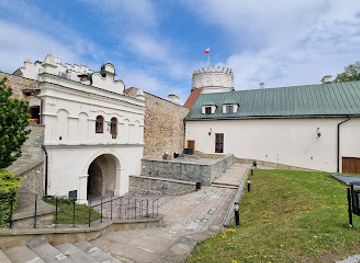
Casimir Castle in Przemysl
Explore the enchanting Casimir Castle in Przemyśl, a historical landmark boasting stunning architecture and captivating views of the surrounding landscape.
-
Tourist attraction
Museum of Bells and Pipes
Explore the enchanting Museum of Bells and Pipes in Przemyśl, Poland, where music history and craftsmanship come alive in a captivating cultural experience.
-
Tourist attraction
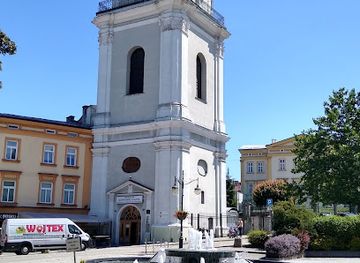
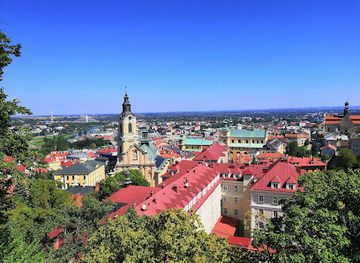
Przemyśl Cathedral
Explore the architectural splendor and spiritual tranquility of Przemyśl Cathedral, a must-visit destination in Poland's cultural landscape.

Best landmarks in Sian River
The Sian River in Ukraine offers visitors a journey through history and natural beauty. From the ancient ruins of Chortomlyk and the picturesque village of Velyka Mykhaylivka to the stunning landscapes of the Sian Biosphere Reserve, there is something for everyone to enjoy. Visitors can explore the rich cultural heritage of the region through its historic sites, traditional cuisine, and vibrant festivals. Whether you are interested in archaeology, nature, or simply relaxing by the river, Sian has it all waiting for you to discover.
-
Monastery
Kiev Pechersk Lavra
Explore the stunning Kiev Pechersk Lavra, a UNESCO World Heritage Site, rich in spirituality, history, and breathtaking architecture in the heart of Kyiv.
-
Historical landmark
Ukrainian Motherland Monument
Discover the towering Ukrainian Motherland Monument in Kyiv, a symbol of national pride and resilience amidst stunning city views.
-
Fortress
Tarakaniv Fort
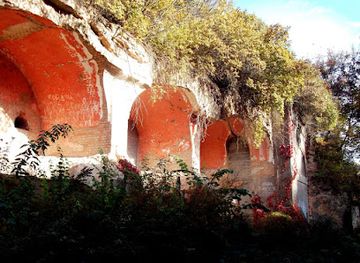
Explore Tarakaniv Fort, a remarkable 19th-century fortress in Rivne Oblast, steeped in history and surrounded by breathtaking landscapes.
-
Historical landmark
Kyiv Founders Monument
Discover the Kyiv Founders Monument, a historical landmark that honors the legendary founders of Ukraine's capital city with stunning sculptures and scenic views.
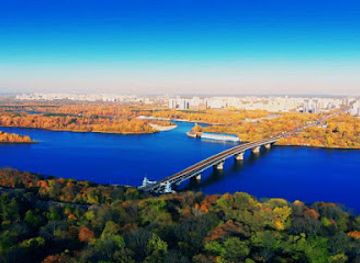
Explore Sian River on the map
Plan your trip on one map. See where the top attractions, landmarks, restaurants and hotels are, and book hotels and experiences in a few clicks.
Best hotels in Sian River
Best restaurants in Sian River
The dining scene of Sian River offers a unique blend of traditional Ukrainian cuisine and modern gastronomic experiences, catering to a variety of tastes and preferences. Visitors can indulge in hearty borscht and pierogies at charming local eateries, or savor international dishes at upscale restaurants overlooking the picturesque river. From cozy cafes serving freshly brewed coffee to bustling markets selling fresh produce and homemade treats, the culinary offerings in Sian River are sure to delight and satisfy every palate.
-
Georgian
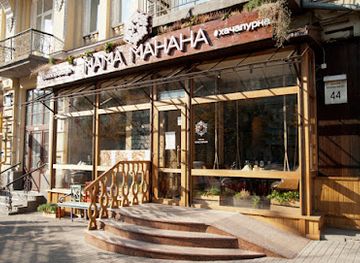
Mama Manana
Experience authentic Georgian cuisine in the heart of Kyiv at Mama Manana – where every meal is a celebration of flavor and tradition.
-
Restaurant
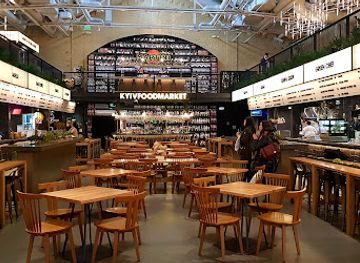
Kyiv Food Market
Discover diverse cuisines at Kyiv Food Market - a culinary gem in Ukraine's capital that celebrates local flavors and global tastes.
-
Ukrainian
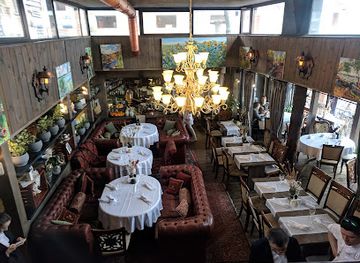
KANAPA restaurant
Discover the essence of Ukrainian cuisine at KANAPA Restaurant in Kyiv – where tradition meets modernity in every delightful dish.
-
Ukrainian
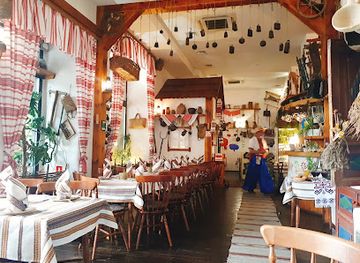
Korchma Taras Bulba
Experience authentic Ukrainian flavors at Korchma Taras Bulba in Kyiv - where tradition meets taste in a cozy setting.
Best bars in Sian River
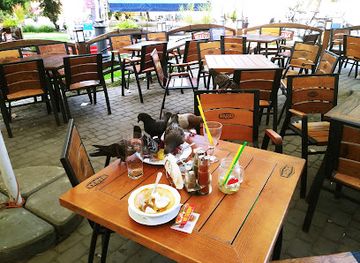
The nightlife scene of Sian River offers a vibrant and eclectic mix of bars and nightclubs, catering to a variety of tastes and preferences. From trendy cocktail bars with stunning river views to lively dance clubs playing the latest hits, visitors can expect a lively and energetic atmosphere that lasts well into the early hours of the morning. Whether you're looking for a relaxed evening with friends or a night of dancing and socializing, Sian River has something for everyone to enjoy.
-
Bar
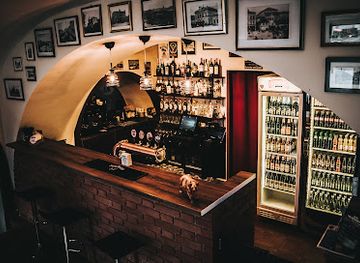
PIWIARNIA WARECKA
Discover the charm of Przemyśl at Piwiarnia Warecka, where local beers and hearty Polish dishes come together in a warm and inviting atmosphere.
-
Gastropub
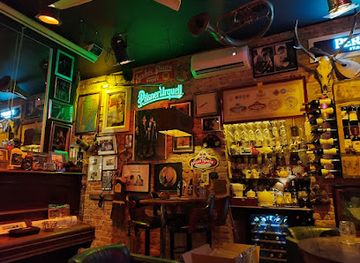
Pub Niedźwiadek (Bear Cub)
Discover the heart of Polish cuisine at Pub Niedźwiadek, a charming gastropub in Przemyśl offering local dishes and a vibrant atmosphere.
-
Brewpub
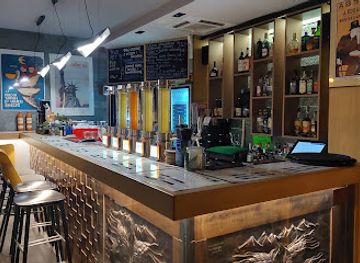
BLUES BAR, PIJALNIA PIWA TYSKIEGO GOLD FASSL
Discover the vibrant Blues Bar in Przemyśl, a brewpub where you can savor the finest Tyskie beer and enjoy live music in a cozy atmosphere.
-
Brewpub
Pub Absynt
Discover the local flavors of Przemyśl at Pub Absynt, a cozy brewpub offering handcrafted beers and delicious cuisine in a charming setting.
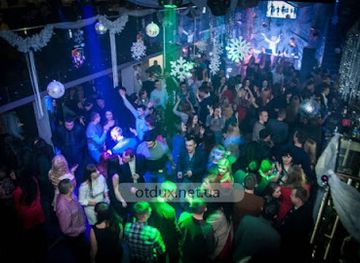
Best nightclubs in Sian River
The nightlife scene of Sian River offers a vibrant and eclectic mix of bars and nightclubs, catering to a variety of tastes and preferences. From trendy cocktail bars with stunning river views to lively dance clubs playing the latest hits, visitors can expect a lively and energetic atmosphere that lasts well into the early hours of the morning. Whether you're looking for a relaxed evening with friends or a night of dancing and socializing, Sian River has something for everyone to enjoy.
-
Night club
SkrClub Wietlin III
Dive into the nightlife at SkrClub Wietlin III, a premier night club in Poland, where music, dance, and fun come alive every weekend.
-
Night club
Eyva
Discover the pulsating nightlife of Eyva, Sambir's premier night club, offering vibrant music, signature cocktails, and an unforgettable atmosphere.
-
Night club
Tsytadelʹ
Discover the electric nightlife of Tsytadelʹ in Mostyska, where music, dance, and unforgettable memories await you.
-
 Night club
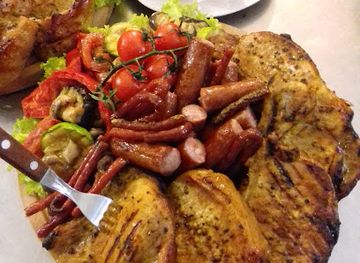
Queen Club
Unleash your nightlife spirit at Queen Club, Przemyśl's premier destination for music, dancing, and unforgettable experiences.

Best shops in Sian River
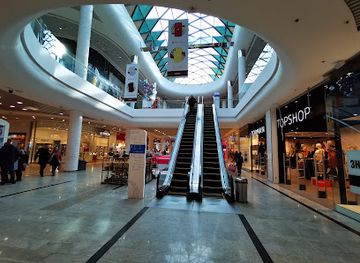
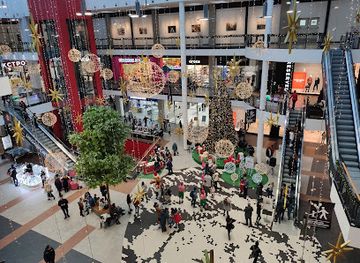
Sian River offers a unique shopping experience for visitors, with its bustling markets filled with traditional Ukrainian crafts, handmade goods, and local delicacies. From intricately embroidered textiles to hand-painted ceramics, visitors can immerse themselves in the rich cultural heritage of the region while browsing through the vibrant stalls. The lively atmosphere, friendly vendors, and affordable prices make shopping in Sian River a must-do activity for tourists looking to take home a piece of Ukraine's history and craftsmanship.
-
Shopping mall
Ocean Plaza
Experience the best of shopping, dining, and entertainment at Ocean Plaza, Kyiv's premier shopping destination.
-
Shopping mall
Forum Lviv
Discover a world of shopping, dining, and entertainment at Forum Lviv, the ultimate retail destination in the heart of Ukraine.
-
Shopping mall
ТРЦ Gulliver
Discover ТРЦ Gulliver in Kyiv: a shopping paradise with diverse brands, delightful dining, and vibrant entertainment, perfect for every traveler!
-
Shopping mall
MOST-City
Discover the ultimate shopping and entertainment experience at MOST-City, Dnipro's premier mall offering diverse shops, dining, and leisure activities.
Get your free copy of our complete guide to Sian River, delivered straight to you.
Everything on this page, from attractions and restaurants to essentials and local phrases, in one PDF you can read offline, print or share.
Already have an account? Sign in
Your Sian River guide is ready.
We'll send it to · Not you? Sign out

Getting your guide ready…
We are putting together a fresh copy of the Sian River guide. This can take up to a minute.
This can take a few moments. If your browser asks, choose Allow so the download can start. You'll find the guide in your Downloads folder.
Nothing happened? Download it again
Sorry, the guide is taking longer than usual. Please try again in a minute, or get it by email instead.
Sian River essentials
Currency and Payment
Safety
Emergency Situations
Do's and Don'ts
Local Tips
From Eve
Local phrases worth knowing
You don't need to get them perfect. A few words go a long way, and locals appreciate the effort.
Basics
| English | Local | Say it |
|---|---|---|
| Hello | Привіт | [pryvit] |
| Goodbye | До побачення | [do pobachennya] |
| Yes | Так | [tak] |
| No | Ні | [ni] |
| Please/You're welcome | Будь ласка | [budʲ laska] |
| Thank you | Дякую | [dyakuyu] |
| Excuse me/Sorry | Вибачте | [vybachte] |
| How are you? | Як справи? | [yak spravy?] |
| Fine. And you? | Добре. А ви? | [dobre. A vy?] |
| Do you speak English? | Ви говорите англійською? | [vy hovoryte anhliysʲkoyu?] |
| I don't understand | Я не розумію | [ya ne rozumiyu] |
Eating & Drinking
| English | Local | Say it |
|---|---|---|
| I'd like to see the menu, please | Я б хотів подивитися меню, будь ласка | [ya b xotiv podyvytysya menyoo, budʲ laska] |
| I don't eat meat | Я не їм м'ясо | [ya ne yim m'yaso] |
| Cheers! | На здоров'я! | [na zdorov'ya] |
| I would like to pay, please | Я б хотів оплатити, будь ласка | [ya b xotiv oplatyty, budʲ laska] |
Emergencies
| English | Local | Say it |
|---|---|---|
| Help! | Допоможіть! | [dopomozhitʲ!] |
| Go away! | Піди геть! | [pidy hetʲ!] |
| Call the Police! | Викличте поліцію! | [vyklychte politsiyu!] |
| Call a doctor! | Викличте лікаря! | [vyklychte likarya!] |
| I'm lost | Я загубився | [ya zahubyvsya] |
| I'm ill | Я хворий | [ya khvoryy] |
Shopping
| English | Local | Say it |
|---|---|---|
| I'd like to buy... | Я б хотів купити... | [ya b xotiv kupity...] |
| I'm just looking | Я просто дивлюсь | [ya prosto dyvlyusʲ] |
| How much is it? | Скільки це коштує? | [skilʲky tse koshtuye?] |
| That's too expensive | Це занадто дорого | [tse zanadto doroho] |
| Can you lower the price? | Чи можете ви знизити ціну? | [chy mozhete vy znyzyty tsinu?] |
Time & Numbers
| English | Local | Say it |
|---|---|---|
| What time is it? | Котра година? | [kotra hodyna?] |
| It's one o'clock | Одна година | [odna hodyna] |
| Half past (10) | Пів на (десять) | [piv na (desyatʲ)] |
| Morning | Ранок | [ranok] |
| Afternoon | День | [denʲ] |
| Evening | Вечір | [vechir] |
| Yesterday | Вчора | [vchora] |
| Today | Сьогодні | [sohodni] |
| Tomorrow | Завтра | [zavtra] |
| 1 | один | [odyn] |
| 2 | два | [dva] |
| 3 | три | [try] |
| 4 | чотири | [chotyry] |
| 5 | п'ять | [pyatʲ] |
| 6 | шість | [shistʲ] |
| 7 | сім | [sim] |
| 8 | вісім | [visim] |
| 9 | дев'ять | [dev'yatʲ] |
| 10 | десять | [desyatʲ] |
Transport & Directions
| English | Local | Say it |
|---|---|---|
| Where's a/the...? | Де є/знаходиться...? | [de ye/znakhodytsya...?] |
| What's the address? | Яка адреса? | [yaka adresa?] |
| Can you show me (on the map)? | Чи можете ви мені показати (на карті)? | [chy mozhete vy meni pokazaty (na karti)?] |
| When's the next (bus)? | Коли буде наступний (автобус)? | [koly bude nastupnyy (avtobus)?] |
| A ticket (to ....) | Квиток (до ...) | [kvitok (do ...)] |
History of Sian River
Ancient Settlements and Early Inhabitants
The Sian River, known for its rich history, was once home to ancient Slavic tribes. Archaeological evidence suggests that settlements along the river date back to the early Middle Ages. These early inhabitants relied on the river for fishing, agriculture, and transportation, establishing a thriving community that laid the foundations for future civilizations in the region.
The Medieval Era and the Kievan Rus
During the 9th to 13th centuries, the Sian River was part of the expansive Kievan Rus territory. This period saw the rise of influential cities and fortresses along the riverbanks, playing a crucial role in the trade routes connecting the Byzantine Empire with Northern Europe. The river facilitated both commerce and cultural exchange, contributing to the prosperity and development of the Kievan Rus civilization.
The Influence of the Polish-Lithuanian Commonwealth
In the late 14th century, the region encompassing the Sian River became part of the Polish-Lithuanian Commonwealth. This era marked significant changes in the area's cultural and political landscape. The river served as a strategic boundary and a vital waterway for trade and military movements. The cultural influences of Polish and Lithuanian governance left an indelible mark on the region’s architecture, customs, and traditions.
World War I and the Shifting Frontlines
The Sian River played a critical role during World War I as the frontlines between the Austro-Hungarian and Russian Empires frequently shifted along its course. The river's strategic importance made it a focal point for military operations, leading to intense battles and significant destruction in the surrounding areas. The war left a lasting impact on the local population and the region's infrastructure.
World War II and the Battle of Sian River
In World War II, the Sian River again became a significant military objective. The river witnessed fierce battles between the advancing German forces and the defending Soviet troops. The strategic importance of the river as a natural barrier and supply route meant that control over it was fiercely contested. The aftermath of these battles brought about considerable changes in the demographic and political landscape of the region.
Post-War Reconstruction and Modern Development
Following the devastation of World War II, the areas surrounding the Sian River underwent extensive reconstruction efforts. The river continued to be a central feature in the region's recovery and development. Modern infrastructure projects improved transportation and connectivity, while environmental initiatives aimed to preserve the river's natural beauty. Today, the Sian River is celebrated for its historical significance and its contribution to the cultural and economic vitality of Ukraine.
Sian River in Photos
Browse through our photo collection highlighting the charm and character of the destination.
Cities in Sian River
The towns and cities of Sian River, and the easiest places to base yourself.
-

-

-

-

-

-


Swipe for more cities
Neighbouring destination travel guides
The closest destinations to Sian River, if you have time for more than one.
-

-

-

-

-


Swipe for more destinations
Explore more

Explore more of Galicia
Discover the charm of Galicia in Ukraine, where historical treasures, vibrant culture, and stunning natural landscapes await.
Explore Galicia
Explore more of Ukraine
Explore Ukraine: From Kyiv's golden domes to the Carpathian Mountains, discover a country rich in history, culture, and natural beauty in the heart of Eastern Europe.
Explore Ukraine