

Roztocze National Park Travel Guide - Free Web & App
Your ultimate guide to Roztocze National Park. Discover top landmarks, proposed trips, and local tips. Free on the web or via the Evendo companion app.


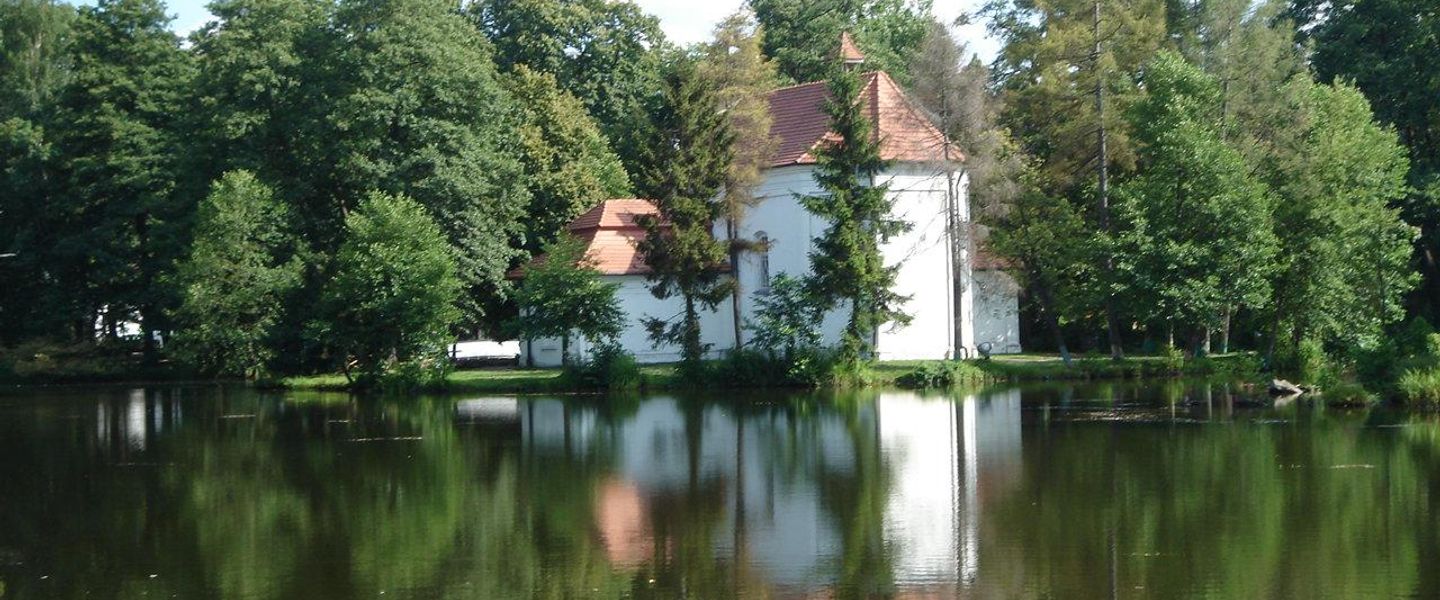


Discover Roztocze National Park, a sanctuary of natural beauty in Poland, where rolling hills, rich wildlife, and scenic trails await every nature lover and adventurer.
Read more about Roztocze National Park
When is the best time to visit Roztocze National Park?
Best: May–July · 22–26°C| Month | High (°C) | Rainfall (mm) |
|---|---|---|
| January | 3 | 30 |
| February | 3 | 30 |
| March | 9 | 30 |
| April | 15 | 40 |
| May (best) | 22 | 50 |
| June (best) | 26 | 70 |
| July (best) | 24 | 90 |
| August | 23 | 80 |
| September | 20 | 60 |
| October | 16 | 50 |
| November | 8 | 40 |
| December | 3 | 30 |
Getting to and around Roztocze National Park
How to get there
Transportation
Best attractions in Roztocze National Park
-
Park
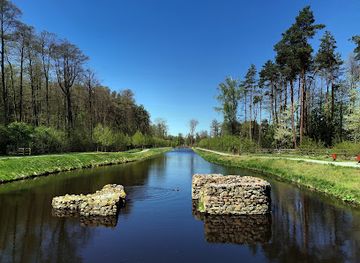
Zabytkowy układ wodno-pałacowy w Zwierzyńcu
Explore the enchanting Historic Water-Palace Complex in Zwierzyniec, where nature and history intertwine in a serene park setting.
Explore Roztocze National Park on the map
Plan your trip on one map. See where the top attractions, landmarks, restaurants and hotels are, and book hotels and experiences in a few clicks.
Best hotels in Roztocze National Park
Get your free copy of our complete guide to Roztocze National Park, delivered straight to you.
Everything on this page, from attractions and restaurants to essentials and local phrases, in one PDF you can read offline, print or share.
Already have an account? Sign in
Your Roztocze National Park guide is ready.
We'll send it to · Not you? Sign out

Getting your guide ready…
We are putting together a fresh copy of the Roztocze National Park guide. This can take up to a minute.
This can take a few moments. If your browser asks, choose Allow so the download can start. You'll find the guide in your Downloads folder.
Nothing happened? Download it again
Sorry, the guide is taking longer than usual. Please try again in a minute, or get it by email instead.
Roztocze National Park essentials
Currency and Payment
Safety
Emergency Situations
Do's and Don'ts
Local Tips
From Eve
Local phrases worth knowing
You don't need to get them perfect. A few words go a long way, and locals appreciate the effort.
Basics
| English | Local | Say it |
|---|---|---|
| Hello | Cześć | [che-sh-ch] |
| Goodbye | Do widzenia | [do-vee-dze-nya] |
| Yes | Tak | [tak] |
| No | Nie | [nye] |
| Please/You're welcome | Proszę | [pro-sheh] |
| Thank you | Dziękuję | [jyen-koo-yeh] |
| Excuse me/Sorry | Przepraszam | [psh-eh-pra-sham] |
| How are you? | Jak się masz? | [yak sheh mah-sh] |
| Fine. And you? | Dobrze. A ty? | [doh-bzheh. ah tih] |
| Do you speak English? | Czy mówisz po angielsku? | [chi moo-vish poh an-gyel-skoo] |
| I don't understand | Nie rozumiem | [nye roh-zoo-myem] |
Eating & Drinking
| English | Local | Say it |
|---|---|---|
| I'd like to see the menu, please | Chciałbym zobaczyć menu, proszę | [h-chyaw-bim zo-ba-chich meh-noo, pro-sheh] |
| I don't eat meat | Nie jem mięsa | [nye yem myen-sah] |
| Cheers! | Na zdrowie! | [nah zdro-vee-eh] |
| I would like to pay, please | Chciałbym zapłacić, proszę | [h-chyaw-bim zah-pla-chich, pro-sheh] |
Emergencies
| English | Local | Say it |
|---|---|---|
| Help! | Pomocy! | [poh-mo-tsi] |
| Go away! | Idź sobie! | [idge soh-bee-eh] |
| Call the Police! | Zadzwoń po policję! | [zahd-zvoo-n' poh po-li-tsyeh] |
| Call a doctor! | Zadzwoń po lekarza! | [zahd-zvoo-n' poh leh-kar-zah] |
| I'm lost | Zgubiłem się | [zgoo-bye-wem sheh] |
| I'm ill | Jestem chory | [yeh-stem hoh-ry] |
Shopping
| English | Local | Say it |
|---|---|---|
| I'd like to buy... | Chciałbym kupić... | [h-chyaw-bim koo-pee-ch] |
| I'm just looking | Tylko się rozglądam | [tih-ko sheh rohz-gwah-dam] |
| How much is it? | Ile to kosztuje? | [ee-leh toh kosh-too-yeh] |
| That's too expensive | To za drogie | [toh zah dro-geh] |
| Can you lower the price? | Możesz obniżyć cenę? | [mo-zhesh ob-nee-zhich tseh-neh] |
Time & Numbers
| English | Local | Say it |
|---|---|---|
| What time is it? | Która jest godzina? | [ktoo-rah yest goh-dzee-nah] |
| It's one o'clock | Jest pierwsza | [yest pyeh-veesh-zah] |
| Half past (10) | Pół do dziesiątej | [poow doh dzyeh-sh-ohn-teh] |
| Morning | Rano | [rah-noh] |
| Afternoon | Popołudnie | [poh-po-woo-dnyeh] |
| Evening | Wieczór | [vyeh-choor] |
| Yesterday | Wczoraj | [v-cho-rye] |
| Today | Dzisiaj | [dzyee-sah-ee] |
| Tomorrow | Jutro | [yoo-tro] |
| 1 | Jeden | [yeh-den] |
| 2 | Dwa | [d-vah] |
| 3 | Trzy | [tr-zih] |
| 4 | Cztery | [ch-teh-ri] |
| 5 | Pięć | [pye-nych] |
| 6 | Sześć | [sheh-shch] |
| 7 | Siedem | [shyeh-dem] |
| 8 | Osiem | [oh-zyem] |
| 9 | Dziewięć | [dzye-vyeh-nych] |
| 10 | Dziesięć | [dzyeh-sh-nych] |
Transport & Directions
| English | Local | Say it |
|---|---|---|
| Where's a/the...? | Gdzie jest... | [g-jeh yest] |
| What's the address? | Jaki jest adres? | [yah-ki yest ah-dreh-s] |
| Can you show me (on the map)? | Czy możesz mi pokazać (na mapie)? | [chi mo-zhesh mee poh-kah-zach (nah mah-pyeh)] |
| When's the next (bus)? | Kiedy jest następny (autobus)? | [kyeh-dy yest nas-tep-nih (ow-toh-boos)] |
| A ticket (to ....) | Bilet (do ....) | [bee-let (doh)] |
History of Roztocze National Park
Ancient Settlement of Goraj
The Roztocze region has been inhabited since ancient times, with archaeological findings indicating the presence of early human settlements. One of the most notable is the settlement of Goraj, which dates back to the Neolithic period. Artifacts such as pottery, tools, and remnants of dwellings have been uncovered, providing insight into the lives of early inhabitants.
Medieval Trade Routes
During the medieval period, Roztocze was a significant area for trade routes connecting the Baltic and Black Seas. The region's dense forests and strategic location made it an essential passageway for merchants and traders. The historic town of Szczebrzeszyn, established in the 14th century, served as a major trading hub, attracting merchants from across Europe.
The Zamość Renaissance
In the late 16th century, the region saw the rise of Zamość, a city founded by Jan Zamoyski, a Polish nobleman and chancellor. Designed by the Italian architect Bernardo Morando, Zamość is a prime example of Renaissance urban planning. The city's unique blend of Italian and Central European architectural styles has earned it a place on the UNESCO World Heritage list.
World War II and Roztocze
Roztocze played a significant role during World War II. The region's forests provided a natural refuge for partisan groups fighting against the Nazi occupation. Numerous battles and skirmishes took place in the area, and many local villages suffered destruction. Memorials and monuments scattered throughout the park commemorate the bravery and sacrifices of those who fought for freedom.
Establishment of Roztocze National Park
Roztocze National Park was officially established in 1974 to protect the region's unique natural landscapes and biodiversity. The park covers an area of approximately 84 square kilometers, encompassing pristine forests, rolling hills, and picturesque rivers. It is home to a variety of flora and fauna, including several endangered species. The park's creation marked a significant step in the conservation of Poland's natural heritage.
Cultural Heritage and Folklore
Roztocze is rich in cultural heritage and folklore, with traditions that have been passed down through generations. The region is known for its vibrant folk music, dance, and crafts. Annual festivals celebrate local customs, such as the 'Roztocze Festival of Culture,' where visitors can experience traditional performances, artisanal products, and regional cuisine. The area's wooden churches, some dating back to the 17th century, are also a testament to its cultural richness.
Roztocze National Park in Photos
Browse through our photo collection highlighting the charm and character of the destination.
Neighbouring destination travel guides
The closest destinations to Roztocze National Park, if you have time for more than one.
-

-

-

-

-


Swipe for more destinations
Explore more

Explore more of Poland
Discover Poland's rich history, vibrant cities, and scenic landscapes, from the medieval streets of Kraków to the serene beauty of the Tatra Mountains and Masurian Lakes.
Explore Poland