

Al Hajar al Gharbi Mountains, United Arab Emirates Travel Guide
Discover the Untamed Beauty of the Al Hajar al Gharbi Mountains in the UAE: A Paradise for Adventurers and Nature Enthusiasts.
The Al Hajar al Gharbi Mountains are a stunning natural wonder in the United Arab Emirates. They stretch across the region, showcasing rugged landscapes and breathtaking views. These peaks are perfect for adventure seekers and nature lovers alike. Visitors can explore a range of outdoor activities such as hiking, rock climbing, and mountain biking. The trails vary in difficulty, making them suitable for both beginners and experienced adventurers. As you ascend, you'll be rewarded with panoramic vistas of valleys, wadis, and rocky formations. The mountains are also rich in cultural history. Ancient petroglyphs and ruins can be found scattered throughout the area, offering a glimpse into the past. This blend of natural beauty and historical significance makes the Al Hajar al Gharbi Mountains a must-visit destination for travelers looking to experience the UAE beyond its urban landscapes.

Know before you go
Hi, I'm Eve. Here are a few practical things to know before exploring Al Hajar al Gharbi Mountains.
- Wear sturdy shoes suitable for hiking and rough terrain.
- Carry plenty of water and snacks, as there are limited facilities in the mountains.
- Visit during the cooler months (October to April) for a more comfortable experience.
- Hire a local guide to explore hidden trails and learn about the area's history.
- Check the weather forecast before your trip to avoid extreme conditions.
Top City Travel Guides in Al Hajar al Gharbi Mountains
The cities of Al Hajar al Gharbi Mountains, and the easiest places to base yourself.


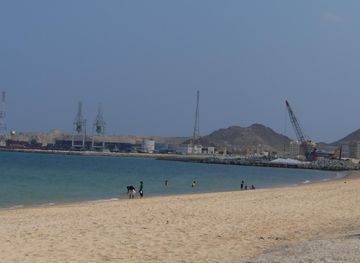

Destinations in Al Hajar al Gharbi Mountains
Resorts, valleys and scenic spots worth a trip of their own.

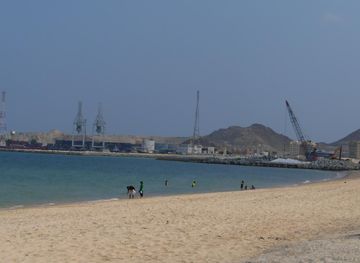


Explore Al Hajar al Gharbi Mountains: Things to Do, Places to Eat, Hotels & More
Handpicked recommendations for top attractions, local dining, accommodations, and more

Top Attractions & Sightseeing in Al Hajar al Gharbi Mountains
Top-rated picks
Best Attractions

Royal Yacht Club of Ras Al Khaimah
Experience the ultimate blend of luxury and leisure at the Royal Yacht Club of Ras Al Khaimah, your gateway to stunning waterfront adventures.

Jebel Jais Flight
Experience the thrill of Jebel Jais Flight, the world's longest zipline, soaring through stunning mountain landscapes in Ras Al Khaimah.

Jabal Yibir
Explore the breathtaking beauty of Jabal Yibir, the tallest mountain in the UAE, offering stunning views and unforgettable adventures in Ras Al Khaimah.

Hajar Mountain Adventures
Experience the thrill of adventure sports amidst the breathtaking beauty of Hajar Mountain Adventures in Ras Al Khaimah.

Best landmarks in Al Hajar al Gharbi Mountains
Top-rated picks
Best Landmarks

Jebel Jais
Discover the breathtaking heights of Jebel Jais, the UAE's highest peak, where adventure meets stunning natural beauty in Ras Al Khaimah.

Qasr Al Watan
Discover the cultural and historical splendor of Qasr Al Watan, a stunning palace in Abu Dhabi that showcases the UAE's rich heritage and architectural beauty.

Viewing Deck Park Jebel Jais
Experience the stunning views from the Jebel Jais Viewing Deck, where adventure meets tranquility in Ras Al Khaimah's breathtaking landscapes.

Jais Adventure Park
Explore the thrilling heights of Jais Adventure Park in Ras Al Khaimah, where adventure meets breathtaking beauty in the UAE's stunning mountain landscape.

Best restaurants in Al Hajar al Gharbi Mountains
Top-rated picks
Best Restaurants

MADO Restaurant مطعم مادو Jumeirah
Experience authentic Turkish cuisine at MADO Restaurant in Dubai's Jumeirah district—where every meal is a celebration of flavor and tradition.

Al Khayma Heritage Restaurant Abu Dhabi
Savor authentic Emirati flavors at Al Khayma Heritage Restaurant near Sheikh Zayed Grand Mosque – a must-visit culinary gem in Abu Dhabi.

Puerto 99 Mexican Cuisine
Discover authentic Mexican cuisine paired with vibrant nightlife at Puerto 99 in Dubai's luxurious Waldorf Astoria DIFC.

ALHAJARAIN RESTAURANT - مطعم الحجرين
Experience the taste of authentic Middle Eastern cuisine at Alhajarain Restaurant in Dubai's Heritage Village.

Best bars in Al Hajar al Gharbi Mountains
Top-rated picks
Best Bars

Jack's Bar & Grill
Discover Jack's Bar & Grill, a culinary gem at Dubai International Airport, where delicious grilled dishes await every traveler.

Amelia Lounge
Experience luxury and relaxation at Amelia Lounge in Downtown Dubai, a stylish retreat for cocktails and gourmet bites.

Fisherman's Hub - Arabian Courtyard Hotel
Experience Dubai's culinary delights at Fisherman's Hub, a lively bar and restaurant in Meena Bazaar offering fresh seafood and an exciting sports bar atmosphere.

Q's Bar and Lounge
Discover the elegance of Q's Bar and Lounge with live music, exquisite drinks, and a luxurious atmosphere in the heart of Dubai.

Best nightclubs in Al Hajar al Gharbi Mountains
Top-rated picks
Best Nightclubs

The Exchange nightclub and lounge
Discover the lively atmosphere and electrifying beats at The Exchange nightclub and lounge in Abu Dhabi, a premier destination for nightlife enthusiasts.

Rock Pool Club
Experience the vibrant nightlife of Abu Dhabi at Rock Pool Club, where delicious African cuisine meets energetic disco vibes.

Pulso night club
Discover the vibrant nightlife at Pulso Night Club in Ras Al Khaimah, where electrifying music and a lively atmosphere await you.

WIZE MONKEY ABU DHABI
Discover WIZE MONKEY ABU DHABI, where exquisite dining and vibrant nightlife collide in an electrifying atmosphere.

Best shops in Al Hajar al Gharbi Mountains
Top-rated picks
Best Shops

Mall of the Emirates
Explore luxury shopping, dining, and entertainment at the iconic Mall of the Emirates in Dubai, home to Ski Dubai and over 600 retail stores.

City Centre Deira
Experience the vibrant shopping and dining scene at City Centre Deira, a premier destination in Dubai for all your retail therapy needs.

Ibn Battuta Mall
Explore Ibn Battuta Mall, a cultural shopping paradise in Dubai with themed sections, diverse eateries, and family-friendly entertainment.

City Centre Mirdif
Discover a vibrant shopping experience at City Centre Mirdif, Dubai's premier mall offering fashion, dining, and entertainment for all ages.

Explore Al Hajar al Gharbi Mountains on the Map
A handpicked selection of must-see spots in Al Hajar al Gharbi Mountains, mapped for you.
Al Hajar al Gharbi Mountains Essentials
-
The Al Hajar al Gharbi Mountains are located in the northeastern part of the United Arab Emirates, spanning the emirates of Ras Al Khaimah, Fujairah, and Sharjah. The nearest major international airport is Dubai International Airport (DXB), approximately 150 kilometers away. From Dubai, you can rent a car or take a bus to Ras Al Khaimah or Fujairah, both of which serve as good starting points for exploring the mountains. The drive typically takes around 2 to 3 hours. Alternatively, you can arrange for private transfers directly to your accommodation.
-
Within the Al Hajar al Gharbi Mountains, the most convenient way to get around is by renting a car. This allows you the flexibility to explore the region at your own pace. Local taxis are available, but they can be expensive for long distances. Public buses connect major towns, but services may be infrequent. For those interested in guided tours, several operators offer day trips and excursions to popular spots within the mountains.
-
The official currency in the United Arab Emirates is the Emirati Dirham (AED). Credit cards are widely accepted in hotels, restaurants, and larger shops. However, it is advisable to carry some cash, especially for smaller establishments and local markets. ATMs are available in major towns, but it is wise to withdraw sufficient cash before heading into more remote areas of the mountains.
-
The Al Hajar al Gharbi Mountains are generally safe for tourists. Crime rates are low, but it is always wise to exercise standard precautions. Avoid leaving valuables in your car and be cautious when hiking in isolated areas. There are no specific high-crime areas targeting tourists, but it is always best to stay vigilant and aware of your surroundings.
-
In case of emergency, dial 999 for police, 998 for ambulance, and 997 for fire services. Medical facilities are available in Ras Al Khaimah and Fujairah, but it is recommended to have travel insurance that covers medical emergencies. For minor health issues, there are pharmacies in major towns where you can purchase over-the-counter medications. Always inform someone of your travel plans, especially if you are hiking or exploring remote areas.
-
Fashion: Do dress modestly, especially in rural areas and when visiting religious sites. Avoid wearing revealing clothing. Religion: Do respect local customs and traditions. Remove your shoes and cover your head when entering mosques. Public Transport: Do be respectful and give up your seat to elderly passengers. Don't eat or drink on public transport. Greetings: Do greet people with a handshake. Use the right hand for eating, greeting, and giving gifts. Eating & Drinking: Do try local delicacies and accept food offerings graciously. Don't refuse hospitality, as it is considered impolite.
-
To experience the Al Hajar al Gharbi Mountains like a local, visit the Friday Market near Masafi, where you can buy fresh fruits, vegetables, and traditional goods. Engage with locals, as they are often friendly and willing to share stories about the region's history and culture. Don't miss the ancient petroglyphs in Wadi Shawka and the stunning vistas from Jebel Jais, the highest peak in the UAE. For a unique experience, try traditional Emirati dishes like Al Harees and Al Majboos at local eateries.
When is the best time to visit Al Hajar al Gharbi Mountains?
Useful Local Phrases for Al Hajar al Gharbi Mountains
You don't need to speak the language perfectly. Even learning a few simple words can make conversations warmer—and locals usually appreciate the effort.
— Eve

Here are the phrases I use most often in Al Hajar al Gharbi Mountains. Try a few—you'll be surprised how far they go! 😊
❤️
-
- Helloمرحبا
[Marhaba] - Goodbyeوداعا
[Wada'an] - Yesنعم
[Na'am] - Noلا
[La] - Please/You're welcomeمن فضلك
[Min fadlik] - Thank youشكرا
[Shukran] - Excuse me/Sorryعذرا
[Udhuran] - How are you?كيف حالك؟
[Kayfa halak?] - Fine. And you?بخير. وأنت؟
[Bikhayr. Wa anta?] - Do you speak English?هل تتحدث الإنجليزية؟
[Hal tatahaddath al-ingliziyya?] - I don't understandلا أفهم
[La afham]
- Helloمرحبا
-
- I'd like to see the menu, pleaseأود رؤية القائمة، من فضلك
[Awad ru'yat al-qa'ima, min fadlik] - I don't eat meatأنا لا آكل اللحم
[Ana la akul al-lahm] - Cheers!في صحتك!
[Fi sihtak!] - I would like to pay, pleaseأود الدفع، من فضلك
[Awad al-daf', min fadlik]
- I'd like to see the menu, pleaseأود رؤية القائمة، من فضلك
-
- Help!ساعدني!
[Sa'idni!] - Go away!ابتعد!
[Ibt'id!] - Call the Police!اتصل بالشرطة!
[Ittasil bil-shurtah!] - Call a doctor!اتصل بالطبيب!
[Ittasil bil-tabib!] - I'm lostأنا ضائع
[Ana da'i'] - I'm illأنا مريض
[Ana marid]
- Help!ساعدني!
-
- I'd like to buy...أود شراء...
[Awad shira'a...] - I'm just lookingأنا فقط أبحث
[Ana faqat abhash] - How much is it?كم ثمنه؟
[Kam thamanuh?] - That's too expensiveهذا مكلف جدا
[Hatha mukallaf jidan] - Can you lower the price?هل يمكنك تخفيض السعر؟
[Hal yumkinuka takhfid al-si'r?]
- I'd like to buy...أود شراء...
-
- What time is it?كم الساعة؟
[Kam al-saa'a?] - It's one o'clockإنها الساعة الواحدة
[Innaha al-saa'a al-wahidiya] - Half past (10)نصف الساعة (10)
[Nisf al-saa'a (10)] - Morningصباحا
[Sabahan] - Afternoonبعد الظهر
[Ba'd al-dhuhr] - Eveningمساء
[Masa'a] - Yesterdayأمس
[Ams] - Todayاليوم
[Al-yawm] - Tomorrowغدا
[Ghadan] - 1واحد
[Wahid] - 2اثنان
[Ithnan] - 3ثلاثة
[Thalatha] - 4أربعة
[Arba'a] - 5خمسة
[Khamsa] - 6ستة
[Sitta] - 7سبعة
[Sab'a] - 8ثمانية
[Thamaniya] - 9تسعة
[Tis'a] - 10عشرة
[Ashara]
- What time is it?كم الساعة؟
-
- Where's a/the...?أين هو/هي...؟
[Ayn huwa/hiya...?] - What's the address?ما هو العنوان؟
[Ma huwa al-'unwan?] - Can you show me (on the map)?هل يمكنك أن تريني (على الخريطة)؟
[Hal yumkinuka an turini (ala al-kharita)?] - When's the next (bus)?متى سيأتي (الحافلة) التالية؟
[Mata sayati (al-hafila) al-taliya?] - A ticket (to ....)تذكرة (إلى ...)
[Tadhkara (ila ...)]
- Where's a/the...?أين هو/هي...؟
History of Al Hajar al Gharbi Mountains
-
The Al Hajar al Gharbi Mountains have been home to human settlements for thousands of years. Archaeological evidence indicates that early inhabitants practiced agriculture and animal husbandry, utilizing the fertile valleys and natural water sources found in the region.
-
During the Iron Age, the Al Hajar al Gharbi Mountains were a significant site for copper mining and smelting. The remnants of ancient mines and smelting sites can still be found, indicating the area's crucial role in the trade networks that connected the Arabian Peninsula with Mesopotamia and the Indus Valley.
-
The spread of Islam in the 7th century CE brought significant cultural and architectural changes to the Al Hajar al Gharbi Mountains. Numerous forts, watchtowers, and mosques were constructed as part of the region's defense system and religious infrastructure. These structures reflect the architectural styles and strategic importance of the era.
-
In the 16th century, the Portuguese established a presence in the Arabian Peninsula, including the Al Hajar al Gharbi Mountains. They built several forts and watchtowers to protect their trade routes and assert control over the region. Some of these structures remain as historical landmarks, showcasing the blend of European and local architectural styles.
-
The Al Hajar al Gharbi Mountains are also a repository of traditional Emirati culture. The mountain communities have preserved their unique customs, dialects, and crafts over centuries. Visitors can explore traditional villages, interact with local artisans, and witness practices such as falconry, camel breeding, and date farming.
-
In recent decades, the Al Hajar al Gharbi Mountains have seen significant development aimed at preserving their natural beauty while making the area accessible to tourists. Initiatives include the construction of eco-friendly lodges, hiking trails, and cultural centers that provide valuable insights into the region's rich history and heritage.
Neighbouring Regions of Al Hajar al Gharbi Mountains
The closest regions to Al Hajar al Gharbi Mountains, if you have time for more than one.
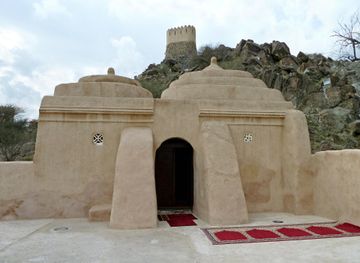
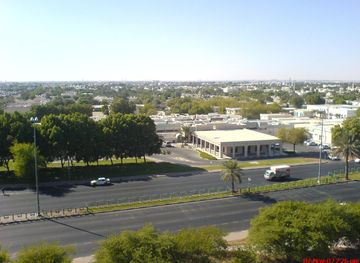


Your all‑in‑one travel companion app
Explore expert travel guides, compare and book tours, experiences, hotels, and more—all from the palm of your hand. Download now for seamless trip planning wherever your wanderlust takes you.


Explore More of United Arab Emirates

Looking beyond Al Hajar al Gharbi Mountains? Discover United Arab Emirates for broader travel guides, local hot-spots, and regional highlights.
Explore United Arab EmiratesAl Hajar al Gharbi Mountains in Photos
Browse through our photo collection highlighting the charm and character of the destination.


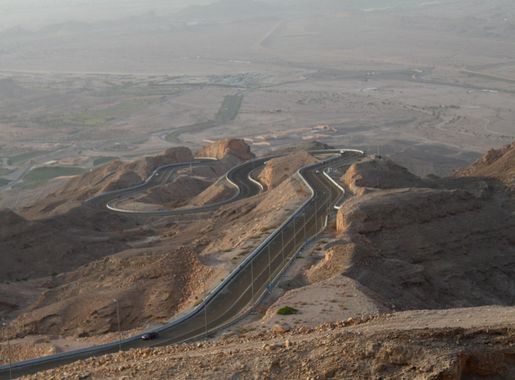


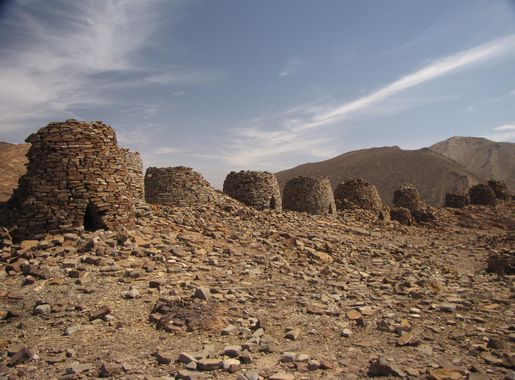

Majestic Peaks: The Al Hajar al Gharbi Mountains
The Al Hajar al Gharbi Mountains are a stunning natural wonder in the United Arab Emirates. They stretch across the region, showcasing rugged landscapes and breathtaking views. These peaks are perfect for adventure seekers and nature lovers alike. Visitors can explore a range of outdoor activities such as hiking, rock climbing, and mountain biking. The trails vary in difficulty, making them suitable for both beginners and experienced adventurers. As you ascend, you'll be rewarded with panoramic vistas of valleys, wadis, and rocky formations. The mountains are also rich in cultural history. Ancient petroglyphs and ruins can be found scattered throughout the area, offering a glimpse into the past. This blend of natural beauty and historical significance makes the Al Hajar al Gharbi Mountains a must-visit destination for travelers looking to experience the UAE beyond its urban landscapes.