

Free Al Batinah Coast Travel Guide & Mobile App
Explore Al Batinah Coast with free travel guides. Discover regional history, expert tips, proposed trips, and audio guides on web or mobile app.


Explore Oman’s Al Batinah Coast for Sohar’s maritime heritage, palm oases, historic forts, seafood and Hajar Mountain landscapes.
Read more about Al Batinah Coast
When is the best time to visit Al Batinah Coast?
Best: December–February · 23–25°C| Month | High (°C) | Rainfall (mm) |
|---|---|---|
| January (best) | 23 | 11 |
| February (best) | 25 | 10 |
| March | 29 | 10 |
| April | 33 | 6 |
| May | 37 | 1 |
| June | 40 | 0 |
| July | 41 | 0 |
| August | 40 | 0 |
| September | 38 | 0 |
| October | 34 | 3 |
| November | 29 | 6 |
| December (best) | 25 | 9 |
Getting to and around Al Batinah Coast
How to get there
Transportation
Top city travel guides in Al Batinah Coast
The cities of Al Batinah Coast, and the easiest places to base yourself.
-

-

-

-

-

-


Swipe for more cities
Destinations in Al Batinah Coast
Resorts, valleys and scenic spots worth a trip of their own.
-

-

-

-

-

-


Swipe for more destinations
Best attractions in Al Batinah Coast
Al Batinah's attractions are spread across a broad coastal plain and the lower Hajar foothills rather than concentrated in one resort centre. Sohar Fort and its surrounding waterfront introduce the region's maritime history, while the towns of Barka, Saham, Al Khaburah and Shinas provide glimpses of contemporary coastal life, fishing activity and local commerce. South of Sohar, Al Sawadi's beaches and offshore islets offer a gentler seaside setting, although facilities and conditions vary by location. Inland, Nakhal Fort stands above a palm oasis and hot spring landscape, and Al Hazm Castle near Rustaq presents one of Oman's most substantial historic fort complexes. Rustaq also provides access to mountain scenery, traditional settlements and watercourses descending from the Hajar range. Visitors interested in everyday culture can explore produce markets, date-growing areas and small fishing harbours, while birdwatchers may find seasonal interest around coastal wetlands and tidal areas. Outdoor plans should remain modest and weather-aware: the plain is very hot for much of the year, and wadis can become dangerous after rain. The region's appeal lies in combining heritage, agriculture, coast and mountain approaches within an authentically Omani setting.
-
Park
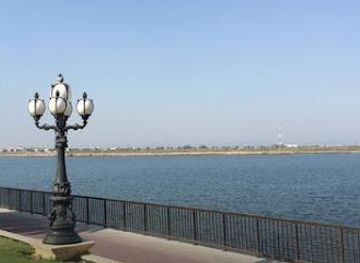
Kalba Corniche Park
Discover the serenity of Kalba Corniche Park, a scenic waterfront oasis in Sharjah, perfect for relaxation, recreation, and family fun.
-
Mosque
Sheikh Zayed Grand Mosque - Fujairah
Discover the architectural beauty and cultural significance of the Sheikh Zayed Grand Mosque in Fujairah, a must-visit landmark for every traveler.
-
Castle
Fujairah Fort
Immerse yourself in the rich history and stunning views at Fujairah Fort, a key landmark of the United Arab Emirates.
-
Cinema
VOX Cinemas City Center Fujairah
Discover the Ultimate Movie Experience at VOX Cinemas City Center Fujairah - Where Comfort Meets Entertainment.



Best landmarks in Al Batinah Coast
Sohar Fort is the region's most recognisable urban landmark, occupying a prominent position near the coast and recalling the port's historic role in Omani trade and defence. Its towers and substantial walls are a physical reminder that Sohar was connected to maritime routes extending well beyond the Gulf of Oman. In South Al Batinah, Nakhal Fort rises dramatically above a palm oasis at the foot of the mountains; its irregular form, towers and elevated setting make it one of the coast's most memorable approaches. Al Hazm Castle near Rustaq is a major early eighteenth-century monument, distinguished by its scale, defensive planning and carefully restored interiors. The Al Sawadi coastline, with low offshore islets and a broad marine horizon, provides a natural landmark rather than a single building and expresses the region's relationship with the sea. Rustaq's oasis and mountain backdrop also have landmark value, showing how fortified political centres were linked to date groves and water sources. Together these places represent Al Batinah's principal visual themes: maritime commerce, fortified authority, cultivated oases and the gradual rise of the Hajar Mountains behind the plain.
-
Landmark
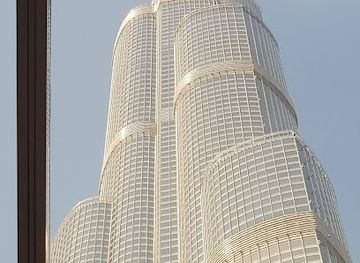
Burj Khalifa
Experience the breathtaking heights of Burj Khalifa, the tallest building in the world, and enjoy spectacular views of Dubai from its iconic observation decks.
-
Fountain
The Dubai Fountain
Experience the magic of The Dubai Fountain, the world's largest choreographed fountain, where water dances to enchanting music in a stunning urban landscape.
-
 Resort hotel
Atlantis, The Palm
Experience the ultimate blend of luxury, adventure, and relaxation at Atlantis, The Palm in Dubai, a world-renowned resort and entertainment hub.
-
Mosque
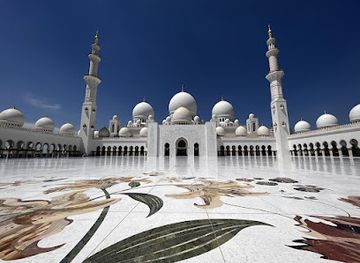
Sheikh Zayed Grand Mosque
Discover the enchanting beauty and cultural significance of the Sheikh Zayed Grand Mosque in Abu Dhabi, a must-visit landmark blending tradition and modernity.

Explore Al Batinah Coast on the map
Plan your trip on one map. See where the top cities, national parks and sights are, and book hotels and experiences in a few clicks.
Best hotels in Al Batinah Coast
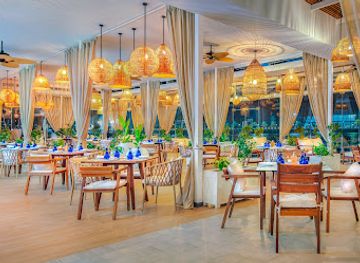
Best restaurants in Al Batinah Coast
Dining on Al Batinah Coast reflects Oman's coastal and agricultural economy. Fresh fish, prawns and other seafood appear in home-style cooking and casual restaurants, while rice dishes, grilled meats, harees and shuwa connect the region to wider Omani culinary traditions. Dates, limes, bananas and other produce from the coastal plain are sold in markets and roadside stalls, and Omani halwa is a familiar accompaniment to Arabic coffee. In Sohar and the larger towns, visitors will find Indian, Pakistani, Arab and international restaurants alongside Omani food, reflecting the region's commercial and industrial population. Smaller cafés serve karak tea, flatbreads and simple grilled meals, making them useful stops on long drives. Rural restaurants and family-run establishments may have limited English and informal opening patterns, so an earlier meal is often practical. Alcohol is not part of ordinary public dining culture and is available only under regulated conditions at appropriately licensed establishments, principally in larger hotels.
-
Turkish restaurant
MADO Restaurant and Cafe LLC
Savor authentic Turkish kebabs, mezes, and legendary desserts like baklava and ice cream in a beautifully decorated haven at City Center Fujairah—perfect for indulgent meals anytime.
-
Restaurant
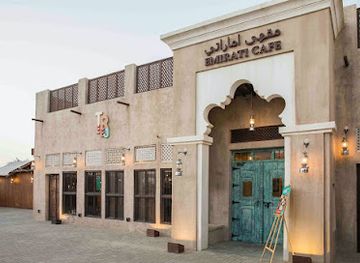
Al Fanar Restaurant & Cafe
Discover authentic Middle Eastern cuisine at Al Fanar Restaurant & Cafe in Al Ain – where tradition meets taste.
-
Restaurant
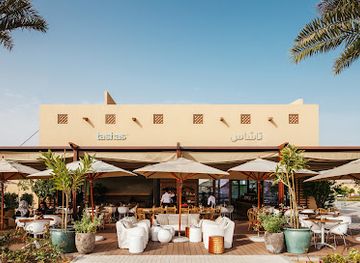
tashas Al Bateen
Experience exquisite dining at Tasha's Al Bateen in Abu Dhabi - where international flavors meet local charm.
-
Restaurant
West Bay Lounge Abu Dhabi Corniche
Experience luxury dining at West Bay Lounge in Abu Dhabi with stunning waterfront views and exquisite international cuisine.

Best bars in Al Batinah Coast
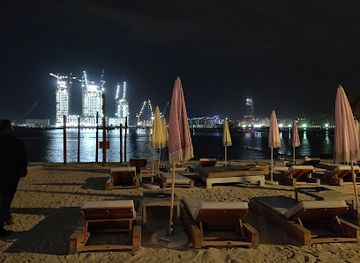
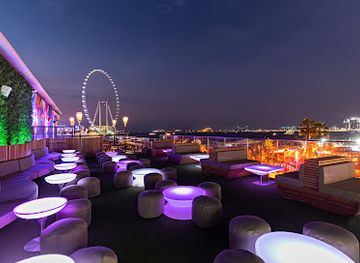
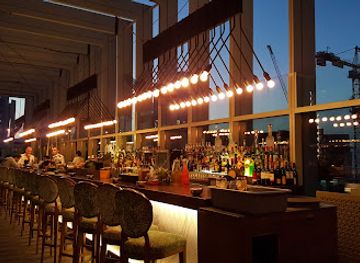
Al Batinah Coast does not have a major nightclub scene. Evening life is centred on family restaurants, coffee shops, hotel lounges and traditional cafés, with Sohar offering the broadest choice of late-day dining and more contemporary hospitality. In smaller towns such as Barka, Saham and Shinas, evenings tend to be social and low-key, revolving around tea, conversation, shopping and seaside walks rather than bar-hopping. Licensed alcohol service, where available, is generally associated with international hotels and should not be assumed in ordinary local restaurants. Live entertainment and seasonal hotel programmes may occur, but schedules change and require direct checking. The coast can be especially pleasant after sunset during the cooler months, although visitors should remember that public spaces remain family-oriented and that modest behaviour is expected. Travellers seeking a more extensive club and cocktail scene will generally need to look towards Muscat, outside Al Batinah.
-
Bar
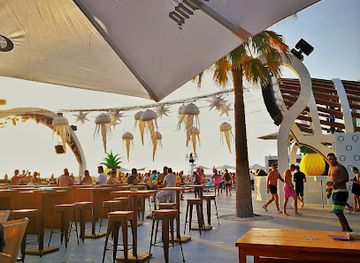
Barasti Beach
Experience the vibrant culture of Dubai at Barasti Beach, where sun, sea, and entertainment come together in a perfect coastal retreat.
-
Bar
Zero Gravity Dubai
Experience the ultimate beachfront bar in Dubai Marina, where sun, fun, and great food come together at Zero Gravity Dubai.
-
Bar
Bla Bla Dubai
Discover the vibrant beach club life at Bla Bla Dubai, where delicious cuisine meets lively entertainment and stunning sea views.
-
Lounge
Iris Dubai
Experience the allure of Dubai's nightlife at Iris Dubai, where elegance meets vibrant entertainment in a stunning lounge setting.
Best nightclubs in Al Batinah Coast
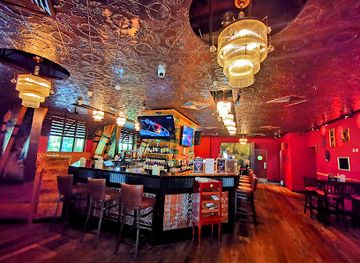
Al Batinah Coast does not have a major nightclub scene. Evening life is centred on family restaurants, coffee shops, hotel lounges and traditional cafés, with Sohar offering the broadest choice of late-day dining and more contemporary hospitality. In smaller towns such as Barka, Saham and Shinas, evenings tend to be social and low-key, revolving around tea, conversation, shopping and seaside walks rather than bar-hopping. Licensed alcohol service, where available, is generally associated with international hotels and should not be assumed in ordinary local restaurants. Live entertainment and seasonal hotel programmes may occur, but schedules change and require direct checking. The coast can be especially pleasant after sunset during the cooler months, although visitors should remember that public spaces remain family-oriented and that modest behaviour is expected. Travellers seeking a more extensive club and cocktail scene will generally need to look towards Muscat, outside Al Batinah.
-
Irish pub
McGettigan's
Experience the charm of an authentic Irish pub in Fujairah, where great food, drinks, and entertainment come together.
-
Disco club
The Exchange nightclub and lounge
Experience the electrifying nightlife of Abu Dhabi at The Exchange nightclub and lounge, where music, dance, and vibrant ambiance await.
-
Disco club
Rock Pool Club
Experience the dynamic nightlife at Rock Pool Club - where vibrant beats, delicious African cuisine, and a welcoming atmosphere await you in Abu Dhabi.
-
Night club
WIZE MONKEY ABU DHABI
Experience the vibrant nightlife at Wize Monkey Abu Dhabi, where exquisite dining meets electrifying music and dance.

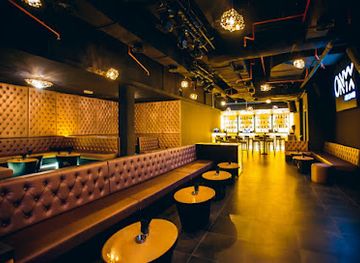
Best shops in Al Batinah Coast
Shopping in Al Batinah is more closely tied to local markets, food production and everyday town life than to luxury retail. Sohar has the region's broadest selection of modern shops and supermarkets, while traditional souqs and smaller commercial streets in the coastal towns are useful for dates, spices, incense, coffee, textiles and household goods. Roadside agricultural stalls may sell seasonal bananas, limes, mangoes, dates and vegetables from the plain, although availability changes through the year. Omani halwa, packaged dates and frankincense make practical food gifts, while pottery, woven items and modest handicrafts can sometimes be found in markets or specialist shops. Fort towns such as Rustaq and Nakhal are better suited to heritage visits than extensive retail browsing, but local produce and small traditional goods may be available nearby. Bargaining is not appropriate everywhere: it is more likely in informal market settings than in fixed-price supermarkets and established shops. Carry Omani rials for smaller purchases and protect heat-sensitive foods during long car journeys.
-
Shopping mall
Dubai Festival City Mall
Experience luxury shopping, diverse dining, and family-friendly entertainment at Dubai Festival City Mall in the heart of Dubai.
-
Shopping mall
BurJuman
Discover the ultimate shopping experience at BurJuman, a premier mall in Dubai with diverse retail, dining, and entertainment options for all.
-
Shopping mall
Dubai Marina Mall
Discover luxury shopping and exquisite dining at Dubai Marina Mall, a vibrant hub in the heart of Dubai Marina.
-
Shopping mall
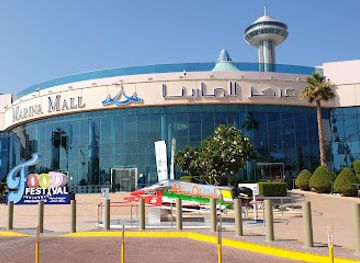
Marina Mall
Explore Marina Mall, Abu Dhabi's premier shopping destination, featuring luxury brands, entertainment, and diverse dining options by the waterfront.
Get your free copy of our complete guide to Al Batinah Coast, delivered straight to you.
Everything on this page, from attractions and restaurants to essentials and local phrases, in one PDF you can read offline, print or share.
Already have an account? Sign in
Your Al Batinah Coast guide is ready.
We'll send it to · Not you? Sign out

Getting your guide ready…
We are putting together a fresh copy of the Al Batinah Coast guide. This can take up to a minute.
This can take a few moments. If your browser asks, choose Allow so the download can start. You'll find the guide in your Downloads folder.
Nothing happened? Download it again
Sorry, the guide is taking longer than usual. Please try again in a minute, or get it by email instead.
Al Batinah Coast essentials
Currency and Payment
Safety
Emergency Situations
Do's and Don'ts
Local Tips
From Eve
Local phrases worth knowing
You don't need to get them perfect. A few words go a long way, and locals appreciate the effort.
Basics
| English | Local | Say it |
|---|---|---|
| Hello | مرحبا | [Marhaban] |
| Goodbye | مع السلامة | [Ma'a as-salama] |
| Yes | نعم | [Na'am] |
| No | لا | [La] |
| Please/You’re welcome | من فضلك | [Min fadlik] |
| Thank you | شكرا | [Shukran] |
| Excuse me/Sorry | عفوا | [Afwan] |
| How are you? | كيف حالك؟ | [Kayfa halak?] |
| Fine. And you? | بخير. وأنت؟ | [Bikhayr. Wa anta?] |
| Do you speak English? | هل تتحدث الإنجليزية؟ | [Hal tatahaddath al-ingliziyya?] |
| I don't understand | لا أفهم | [La afham] |
Eating & Drinking
| English | Local | Say it |
|---|---|---|
| I’d like to see the menu, please | أود رؤية القائمة، من فضلك | [Awd ru'yat al-qa'ima, min fadlik] |
| I don’t eat meat | لا آكل اللحم | [La akul al-lahm] |
| Cheers! | في صحتك! | [Fi sihtak!] |
| I would like to pay, please | أود الدفع، من فضلك | [Awd al-daf', min fadlik] |
Emergencies
| English | Local | Say it |
|---|---|---|
| Help! | نجدة! | [Najda!] |
| Go away! | ابتعد! | [Ibt'id!] |
| Call the Police! | اتصل بالشرطة! | [Ittasil bil-shurta!] |
| Call a doctor! | اتصل بطبيب! | [Ittasil bi-tabeeb!] |
| I’m lost | أنا ضائع | [Ana da'i'] |
| I’m ill | أنا مريض | [Ana marid] |
Shopping
| English | Local | Say it |
|---|---|---|
| I’d like to buy... | أود شراء... | [Awd shira'...] |
| I’m just looking | أنا فقط أنظر | [Ana faqat anzur] |
| How much is it? | كم ثمنها؟ | [Kam thamanha?] |
| That’s too expensive | هذا غالي جدا | [Hatha ghali jidan] |
| Can you lower the price? | هل يمكنك تخفيض السعر؟ | [Hal yumkinuka takhfid al-si'r?] |
Time & Numbers
| English | Local | Say it |
|---|---|---|
| What time is it? | كم الساعة؟ | [Kam al-sa'a?] |
| It’s one o’clock | الساعة واحدة | [Al-sa'a wahida] |
| Half past (10) | نصف (10) | [Nisf (10)] |
| Morning | صباحا | [Sabaahan] |
| Afternoon | بعد الظهر | [Ba'd al-zuhur] |
| Evening | مساء | [Masa'a] |
| Yesterday | أمس | [Ams] |
| Today | اليوم | [Al-yawm] |
| Tomorrow | غدا | [Ghadan] |
| 1 | ١ | [Wahid] |
| 2 | ٢ | [Ithnain] |
| 3 | ٣ | [Thalatha] |
| 4 | ٤ | [Arba'a] |
| 5 | ٥ | [Khamsa] |
| 6 | ٦ | [Sitta] |
| 7 | ٧ | [Sab'a] |
| 8 | ٨ | [Thamaniya] |
| 9 | ٩ | [Tis'a] |
| 10 | ١٠ | [Ashara] |
Transport & Directions
| English | Local | Say it |
|---|---|---|
| Where's a/the...? | أين ...؟ | [Ayna ...?] |
| What’s the address? | ما هو العنوان؟ | [Ma huwa al-'unwan?] |
| Can you show me (on the map)? | هل يمكنك أن تريني (على الخريطة)؟ | [Hal yumkinuka an turini (ala al-kharita)?] |
| When’s the next (bus)? | متى تأتي (الحافلة) التالية؟ | [Mata ta'ti (al-hafila) al-taliya?] |
| A ticket (to ....) | تذكرة (إلى ...) | [Tadhkara (ila ...)] |
History of Al Batinah Coast
Early coastal settlement and maritime exchange
The Al Batinah plain has supported settlements and agriculture for centuries because its coast provided fishing grounds while its alluvial soils and groundwater allowed oasis cultivation. The Gulf of Oman connected communities here with wider maritime networks linking southern Arabia, the Iranian coast, India and East Africa. Sohar became especially prominent in medieval geographical and literary accounts as a port connected to long-distance trade. Although later ports overtook it in commercial importance, the region's enduring combination of seafaring, date cultivation and market exchange remains visible in its towns and coastal communities.
Islamic Oman and the Ibadi imamate
From the early Islamic period, northern Oman developed political traditions shaped strongly by Ibadi Islam, whose religious and communal institutions influenced leadership, law and settlement. Al Batinah was closely connected to inland oases and mountain communities rather than functioning as an isolated coastal strip. Rustaq became an important political centre during periods when the Omani imamate was based in the interior. Fortified settlements and palm-growing oases reflect the need to protect water, agricultural production and routes crossing the plain towards the Hajar Mountains.
Portuguese pressure and coastal fortification
Portuguese expansion into the Indian Ocean during the sixteenth century brought military and commercial pressure to Oman's coastline. Control of ports and shipping routes became strategically important, and coastal and inland fortifications were strengthened or adapted during the struggles that followed. Sohar's fort and other defensive structures in Al Batinah belong to a wider Omani history of protecting settlements, trade and political authority. The forts were not simply residences: their towers, wells, storage areas and concealed passages supported the defence and administration of connected agricultural communities.
The Ya'aruba revival and Omani consolidation
The seventeenth-century Ya'aruba dynasty led the expulsion of Portuguese forces from Oman and inaugurated a period of stronger political and maritime consolidation. Al Batinah benefited from its position between the interior and the coast, and towns such as Rustaq became significant centres of authority. The period also encouraged the development and maintenance of forts, irrigation systems and commercial links. Al Hazm Castle, built in the early eighteenth century during the later Ya'aruba era, is one of the clearest surviving architectural expressions of this phase of Omani state-building.
Agriculture, water and the coastal economy
For much of its history, Al Batinah's economy depended on the interaction of farming, fishing, small-scale trade and livestock keeping. Falaj irrigation channels and wells helped distribute water through palm groves and villages, while dates and other crops moved through local markets. Coastal communities developed skills in fishing and boat use, and seasonal work connected them to wider Omani trading networks. Modern wells, roads and commercial agriculture have transformed the economy, but date gardens, produce markets and fishing boats still reveal the older relationship between water management and settlement.
Modernisation and the rise of Sohar
During the twentieth century, Oman experienced major changes in roads, education, healthcare, communications and urban development. Al Batinah became one of the country's most settled and economically active regions because of its proximity to Muscat, its agricultural land and its position on the northern road corridor. Sohar's modern industrial port and surrounding economic development have added manufacturing, logistics and energy-related activity to the older agricultural and maritime economy. The result is a region where traditional villages, orchards and historic forts stand alongside expanding urban and industrial landscapes.
Al Batinah Coast in Photos
Browse through our photo collection highlighting the charm and character of the destination.
Neighbouring regions of Al Batinah Coast
The closest regions to Al Batinah Coast, if you have time for more than one.
-

-

-

-

-


Swipe for more regions
Explore more

Explore more of United Arab Emirates
Discover the United Arab Emirates: A land where futuristic cities meet timeless deserts, offering luxury, adventure, and rich cultural experiences.
Explore United Arab Emirates