Free Eastern Region (Al Sharqiyah) Travel Guide & Mobile App
Explore Eastern Region (Al Sharqiyah) with free travel guides. Discover regional history, expert tips, proposed trips, and audio guides on web or mobile app.


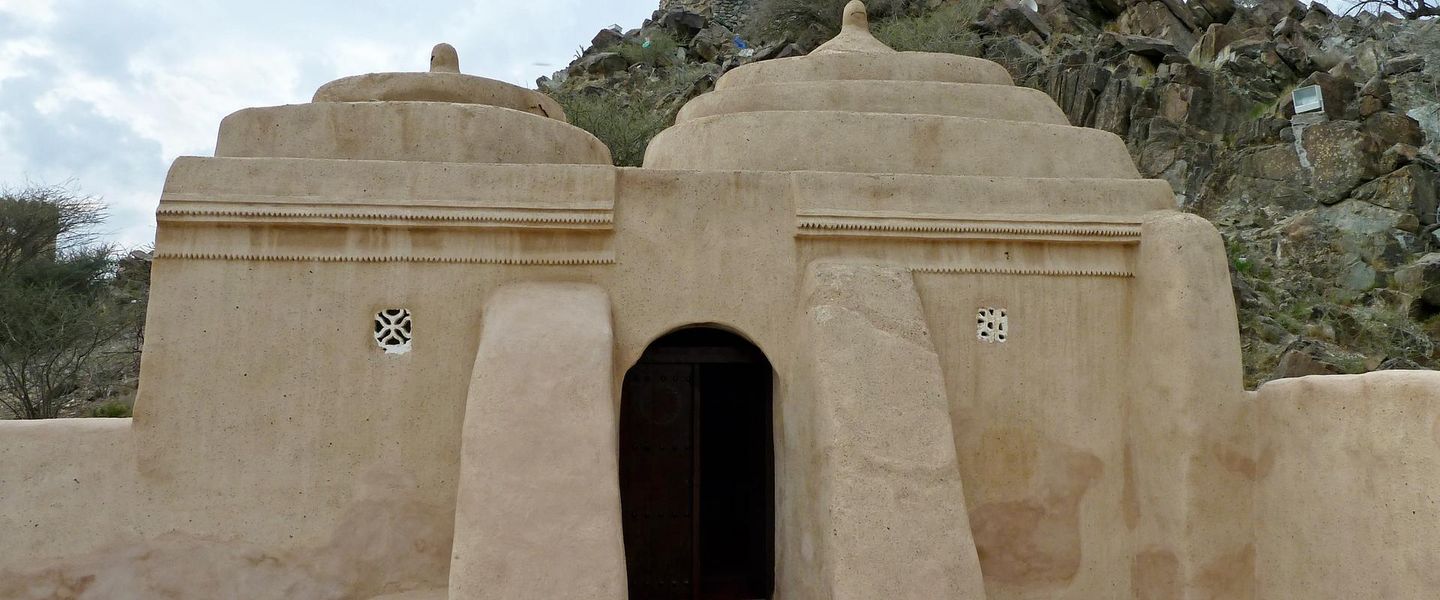


Explore Al Sharqiyah’s Gulf of Oman beaches, Hajar Mountain valleys, mangroves, heritage towns and cultural attractions in eastern Sharjah.
Read more about Eastern Region (Al Sharqiyah)
When is the best time to visit Eastern Region (Al Sharqiyah)?
Best: March, November–December · 23–27°C| Month | High (°C) | Rainfall (mm) |
|---|---|---|
| January | 21 | 10 |
| February | 23 | 15 |
| March (best) | 27 | 20 |
| April | 31 | 10 |
| May | 36 | 3 |
| June | 38 | 1 |
| July | 40 | 3 |
| August | 40 | 3 |
| September | 37 | 3 |
| October | 32 | 5 |
| November (best) | 27 | 10 |
| December (best) | 23 | 10 |
Getting to and around Eastern Region (Al Sharqiyah)
How to get there
Transportation
Top city travel guides in Eastern Region (Al Sharqiyah)
The cities of Eastern Region (Al Sharqiyah), and the easiest places to base yourself.
-

-

-


Swipe for more cities
Destinations in Eastern Region (Al Sharqiyah)
Resorts, valleys and scenic spots worth a trip of their own.
-

-

-

-

-

-


Swipe for more destinations
Best attractions in Eastern Region (Al Sharqiyah)
The Eastern Region offers a compact but varied collection of coastal, mountain and wildlife attractions. Khor Fakkan’s beach and corniche are complemented by the Khorfakkan Amphitheatre, the nearby waterfall and the restored heritage village, creating a visitor landscape that combines recent civic architecture with older settlement traditions. The coastal waters also support boating, diving and other marine activities, subject to local operators and conditions. Kalba provides a contrasting experience through its mangroves, lagoons and protected wetlands, where birdwatching and guided kayaking can reveal an ecosystem rarely associated with the UAE’s arid image. Historic houses and cultural facilities add context to the town’s maritime past. Inland, Wadi Al Helo Archaeological Centre explains copper working, falaj irrigation and mountain agriculture, while Shees offers a cooler, more rugged setting among the Hajar valleys. Family visitors will find landscaped public spaces and seafront facilities, whereas walkers and photographers can focus on wadis, escarpments and coastal viewpoints. The region’s appeal lies less in a single monumental attraction than in the sharp transition between sea, settlement, wetland and mountain within relatively short journeys.
-
Tourist attraction
Moreeb Dune
Explore Moreeb Dune, the UAE's majestic sand mountain, where adventure meets breathtaking desert landscapes and unforgettable sunsets.
-
Tourist attraction
Al Ain Raceway
Discover the thrill of karting and motorsport excitement at Al Ain Raceway, a top recreation center in Abu Dhabi for adventure seekers.
-
Tourist attraction
Mini Train- hot spring
Experience the magic of relaxation at the Mini Train Hot Spring in Abu Dhabi, where soothing waters and scenic train rides await every visitor.
-
Tourist attraction
Jabal Hafeet parking lot
Experience the breathtaking views and serene beauty of Jabal Hafeet parking lot, a must-visit destination in Abu Dhabi for every traveler.


Best landmarks in Eastern Region (Al Sharqiyah)
Khorfakkan Amphitheatre is one of the Eastern Region’s most recognisable modern landmarks, its vast stone-faced structure set dramatically against the mountains at the head of the bay. The adjacent waterfall adds a prominent visual feature to the approach, although both belong to a contemporary public landscape rather than an ancient monument. Khorfakkan Heritage Village represents the town’s earlier built environment through reconstructed and preserved elements associated with traditional coastal life. In Kalba, the House of Sheikh Saeed bin Hamad Al Qasimi is an important historic residence that helps explain the architectural and political history of the town before modern development. Kalba Fort and other historic structures evoke the defensive role of settlements on a strategically placed coast. Inland, Wadi Al Helo’s archaeological landscape is significant for its evidence of copper working, agriculture and water management in the Hajar Mountains. The region also has natural landmarks: Khor Fakkan’s mountain-framed bay, Kalba’s mangrove shoreline and the steep valley scenery around Shees all demonstrate the sharp geographical contrast between the Gulf of Oman and the interior. Together these places express the region’s identity as a meeting point of maritime history, mountain settlement and modern Sharjah.
-
Landmark
Burj Khalifa
Experience breathtaking views and architectural brilliance at Burj Khalifa, the tallest building in the world, located in the heart of Dubai.
-
Hotel
Burj Al Arab
Experience unparalleled luxury and breathtaking views at the iconic Burj Al Arab, the epitome of hospitality in Dubai.
-
Park
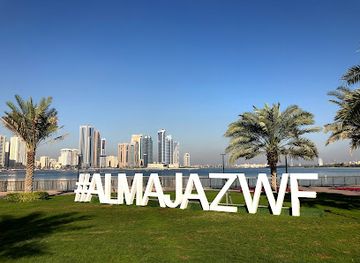
Al Majaz Waterfront
Discover the beauty of Al Majaz Waterfront, a serene park in Sharjah perfect for relaxation, dining, and recreational activities by the waterfront.
-
Zoo
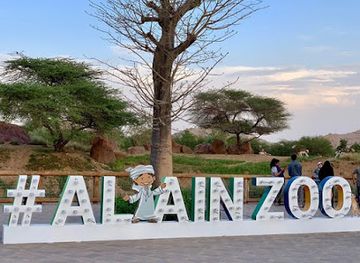
Al Ain Zoo
Explore Al Ain Zoo, a premier wildlife destination in Abu Dhabi, showcasing diverse species and promoting conservation in a beautiful, expansive setting.

Explore Eastern Region (Al Sharqiyah) on the map
Plan your trip on one map. See where the top cities, national parks and sights are, and book hotels and experiences in a few clicks.
Best hotels in Eastern Region (Al Sharqiyah)
Best restaurants in Eastern Region (Al Sharqiyah)
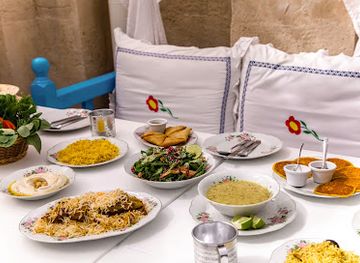
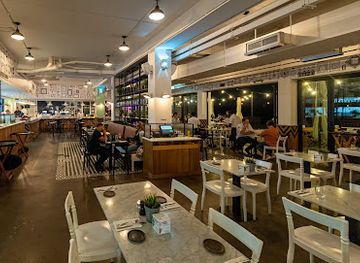
Dining in the Eastern Region reflects its coastal location and the wider Emirati, Arab and South Asian food culture of the UAE. Khor Fakkan and Kalba have restaurants and cafés serving grilled fish, seafood rice, shawarma, mixed grills, biryani, flatbreads and familiar international dishes, while seafront areas are convenient for casual meals and drinks. Traditional Emirati food may include rice dishes with fish or meat, dates, saffron, cardamom and spice blends, although availability varies between establishments. Small cafés and juice shops are useful during beach and mountain outings, and larger supermarkets provide picnic supplies for drives towards Shees or Wadi Al Helo. In Kalba, the relationship between town and sea is particularly apparent in the prominence of fish and seafood, but visitors should choose responsibly sourced and legally sold produce. Dining is generally informal outside hotels and larger restaurants; during Ramadan, opening arrangements and daytime eating rules require particular sensitivity. Alcohol is regulated nationally and is not a normal feature of ordinary cafés or local restaurants.
-
Arab restaurant
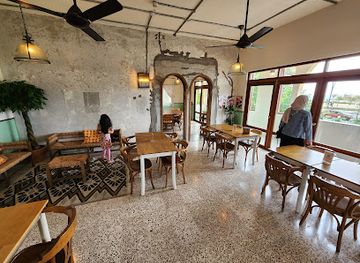
Mamaesh Al Manara ممائيش المنارة
Discover the essence of Arabian cuisine at Mamaesh Al Manara – where every meal is a celebration of flavor.
-
Restaurant
Mama’esh Sharjah Beach House ممائيش بيت شاطئ الشارقة
Discover culinary delights at Mama’esh Sharjah Beach House—where Emirati flavors meet stunning seaside views.
-
Middle Eastern
Arabian Tea House Restaurant & Cafe - Sharjah
Discover authentic Middle Eastern cuisine at Arabian Tea House Restaurant & Cafe in Sharjah – where tradition meets taste.
-
Restaurant
Maison Mathis | Arabian Ranches
Discover Maison Mathis: A Culinary Oasis in Arabian Ranches Offering Exquisite Mediterranean Dining in Dubai's Premier Restaurant.
Best bars in Eastern Region (Al Sharqiyah)
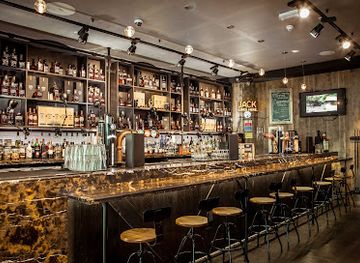
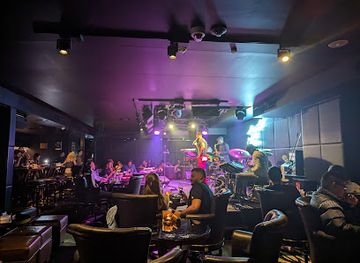
Nightlife in the Eastern Region is relatively quiet and centres on family restaurants, cafés, hotel facilities and promenades rather than a large club scene. Khor Fakkan has the broadest evening choice, with restaurants, coffee shops and seafront spaces that remain active after sunset, while Kalba’s evenings are more low-key and locally oriented. Visitors should not expect a concentrated nightlife district or the range of licensed venues found in Dubai. Live entertainment and late dining may appear in hotels or during particular public programmes, but schedules change and should be checked locally. The most characteristic evening activities are a walk along the coast, a meal overlooking the bay or a relaxed gathering in a café. Alcohol is available only under UAE licensing rules and should be consumed in authorised venues; public drinking is not acceptable. Mountain excursions after dark require additional caution because lighting and mobile coverage can be less consistent away from the towns.
-
Grill
Jack's Bar & Grill
Discover delightful grilled dishes and refreshing drinks at Jack's Bar & Grill in Dubai International Airport's Terminal 3.
-
Live Music
Q's Bar and Lounge
Discover Q's Bar and Lounge in Dubai - a vibrant live music venue offering exquisite cocktails and an unforgettable atmosphere.
-
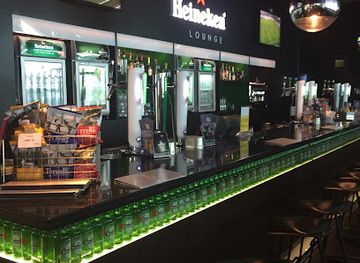
Bar
Heineken Lounge
Experience the vibrant nightlife of Dubai at Heineken Lounge, where luxury meets great drinks and stunning views.
-
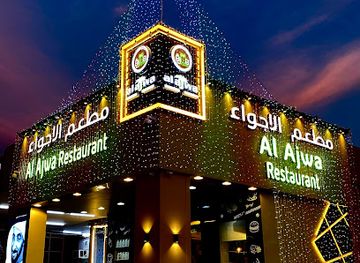
Restaurant
Al Ajwa Restaurant (shuhaiba) مطعم الاجواء
Discover the diverse culinary offerings at Al Ajwa Restaurant in Abu Dhabi, from grilled specialties to delicious biryanis and refreshing juices.
Best nightclubs in Eastern Region (Al Sharqiyah)
Nightlife in the Eastern Region is relatively quiet and centres on family restaurants, cafés, hotel facilities and promenades rather than a large club scene. Khor Fakkan has the broadest evening choice, with restaurants, coffee shops and seafront spaces that remain active after sunset, while Kalba’s evenings are more low-key and locally oriented. Visitors should not expect a concentrated nightlife district or the range of licensed venues found in Dubai. Live entertainment and late dining may appear in hotels or during particular public programmes, but schedules change and should be checked locally. The most characteristic evening activities are a walk along the coast, a meal overlooking the bay or a relaxed gathering in a café. Alcohol is available only under UAE licensing rules and should be consumed in authorised venues; public drinking is not acceptable. Mountain excursions after dark require additional caution because lighting and mobile coverage can be less consistent away from the towns.
-
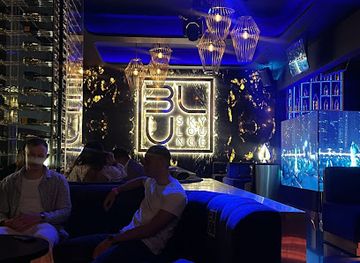
Night club
BLU Dubai
Dive into the electrifying atmosphere of BLU Dubai, a premier night club offering stunning views, exceptional music, and unforgettable nights in the heart of the city.
-
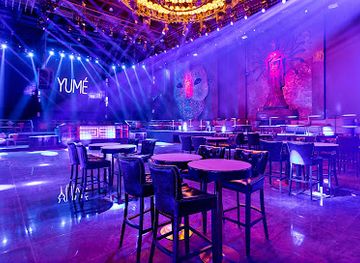
Disco club
Yume Night Club Dubai
Unleash your nightlife spirit at Yume Night Club, where Dubai's vibrant disco scene meets electrifying energy and unforgettable experiences.
-
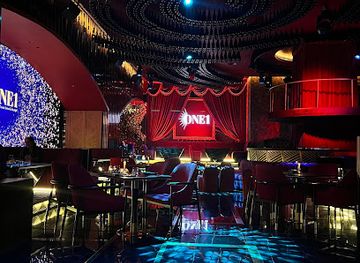
Night club
Club One Dubai
Experience the pulse of Dubai's nightlife at Club One, where vibrant energy meets unforgettable entertainment in an upscale setting.
-
Night club
BLING | Exclusive Night Club in Dubai at Five Palm Jumeirah
Discover the ultimate nightlife experience at BLING Night Club in Dubai, where luxury meets vibrant energy and unforgettable memories are made.

Best shops in Eastern Region (Al Sharqiyah)
Shopping in the Eastern Region is practical and locally focused rather than centred on luxury retail. Khor Fakkan has supermarkets, everyday high-street shops, cafés and small independent businesses serving residents and beach visitors, while Kalba offers a quieter town-centre experience. Markets and food shops are useful places to look for dates, spices, Arabic sweets, nuts, coffee and packaged regional produce, though assortments vary by season and location. Visitors may also find prayer items, perfumes, textiles, ceramics and modest souvenirs associated with wider Emirati and Gulf culture. Heritage areas and cultural attractions sometimes provide locally themed crafts, but opening arrangements and product ranges are not uniform. Larger shopping centres and specialist retail are more extensive in Sharjah city, Dubai and other major UAE urban centres outside the region. For a more meaningful purchase, choose durable foods or crafts with clear provenance and avoid collecting archaeological material, shells from protected habitats or wildlife products. The best approach is to combine routine shopping in Khor Fakkan or Kalba with independent cafés and food stores rather than expecting a dedicated designer or antique quarter.
-
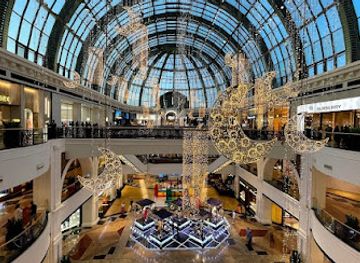
Shopping mall
Mall of the Emirates
Discover the Mall of the Emirates, the ultimate shopping and entertainment haven in Dubai, featuring over 600 stores, indoor skiing, and diverse dining options.
-
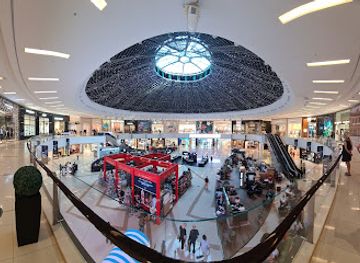
Shopping mall
Dubai Marina Mall
Experience luxury shopping, diverse dining, and entertainment at Dubai Marina Mall, the ultimate destination in the heart of Dubai's vibrant Marina district.
-
Shopping mall
Sahara Centre
Explore Sahara Centre in Sharjah: A premier shopping mall with diverse retail, dining, and entertainment options for a memorable visit.
-
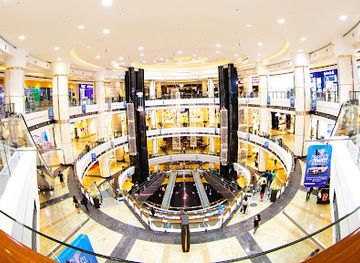
Shopping mall
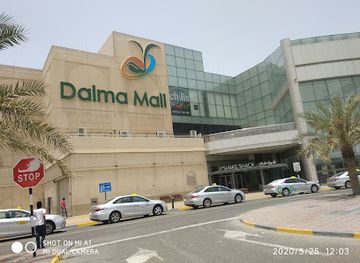
Dalma Mall
Explore Dalma Mall in Abu Dhabi for an unforgettable shopping experience with diverse stores, delightful dining, and family-friendly entertainment.
Get your free copy of our complete guide to Eastern Region (Al Sharqiyah), delivered straight to you.
Everything on this page, from attractions and restaurants to essentials and local phrases, in one PDF you can read offline, print or share.
Already have an account? Sign in
Your Eastern Region (Al Sharqiyah) guide is ready.
We'll send it to · Not you? Sign out

Getting your guide ready…
We are putting together a fresh copy of the Eastern Region (Al Sharqiyah) guide. This can take up to a minute.
This can take a few moments. If your browser asks, choose Allow so the download can start. You'll find the guide in your Downloads folder.
Nothing happened? Download it again
Sorry, the guide is taking longer than usual. Please try again in a minute, or get it by email instead.
Eastern Region (Al Sharqiyah) essentials
Currency and Payment
Safety
Emergency Situations
Do's and Don'ts
Local Tips
From Eve
Local phrases worth knowing
You don't need to get them perfect. A few words go a long way, and locals appreciate the effort.
Basics
| English | Local | Say it |
|---|---|---|
| Hello | مرحبا | [Marhaban] |
| Goodbye | مع السلامة | [Ma'a as-salama] |
| Yes | نعم | [Na'am] |
| No | لا | [La] |
| Please/You're welcome | من فضلك/عفوا | [Min fadlik/Afwan] |
| Thank you | شكرا | [Shukran] |
| Excuse me/Sorry | عفوا/آسف | [Afwan/Asif] |
| How are you? | كيف حالك؟ | [Kayfa halak?] |
| Fine. And you? | بخير. وأنت؟ | [Bikhayr. Wa anta?] |
| Do you speak English? | هل تتحدث الإنجليزية؟ | [Hal tatahaddath al-ingliziyya?] |
| I don't understand | لا أفهم | [La afham] |
Eating & Drinking
| English | Local | Say it |
|---|---|---|
| I'd like to see the menu, please | أود رؤية القائمة، من فضلك | [Awad ru'yat al-qayima, min fadlik] |
| I don't eat meat | لا أتناول اللحم | [La atanaawal al-lahm] |
| Cheers! | في صحتك! | [Fi sihtak!] |
| I would like to pay, please | أود الدفع، من فضلك | [Awad al-daf', min fadlik] |
Emergencies
| English | Local | Say it |
|---|---|---|
| Help! | ساعدني! | [Sa'idni!] |
| Go away! | ابتعد! | [Ibt'id!] |
| Call the Police! | اتصل بالشرطة! | [Ittisal bil-shurta!] |
| Call a doctor! | اتصل بالطبيب! | [Ittisal bil-tabeeb!] |
| I'm lost | أنا ضائع | [Ana da'i'] |
| I'm ill | أنا مريض | [Ana marid] |
Shopping
| English | Local | Say it |
|---|---|---|
| I'd like to buy... | أود أن أشتري... | [Awad an ashtari...] |
| I'm just looking | أنا فقط أنظر | [Ana faqat anzur] |
| How much is it? | كم ثمنه؟ | [Kam thamanuh?] |
| That's too expensive | هذا غالي جدا | [Hatha ghali jiddan] |
| Can you lower the price? | هل يمكنك خفض السعر؟ | [Hal yumkinuka khafd as-si'r?] |
Time & Numbers
| English | Local | Say it |
|---|---|---|
| What time is it? | كم الساعة؟ | [Kam al-saa'a?] |
| It's one o'clock | الساعة واحدة | [Al-saa'a wahida] |
| Half past (10) | العاشرة والنصف | [Al-'ashira wal-nisf] |
| Morning | صباح | [Sabah] |
| Afternoon | بعد الظهر | [Ba'd al-zahr] |
| Evening | مساء | [Masa'] |
| Yesterday | أمس | [Ams] |
| Today | اليوم | [Al-yawm] |
| Tomorrow | غدا | [Ghad] |
| 1 | 1 | [1] |
| 2 | 2 | [2] |
| 3 | 3 | [3] |
| 4 | 4 | [4] |
| 5 | 5 | [5] |
| 6 | 6 | [6] |
| 7 | 7 | [7] |
| 8 | 8 | [8] |
| 9 | 9 | [9] |
| 10 | 10 | [10] |
Transport & Directions
| English | Local | Say it |
|---|---|---|
| Where's a/the...? | أين...؟ | [Ayn...?] |
| What's the address? | ما هو العنوان؟ | [Ma huwa al-‘unwan?] |
| Can you show me (on the map)? | هل يمكنك أن تريني (على الخريطة)؟ | [Hal yumkinuka an turini (ala al-kharita)?] |
| When's the next (bus)? | متى يأتي (الباص) التالي؟ | [Mata ya'ti (al-bus) at-tali?] |
| A ticket (to ....) | تذكرة (إلى ...) | [Tadhkira (ila ...)] |
History of Eastern Region (Al Sharqiyah)
Prehistoric settlement and copper working
The Hajar Mountains and their valleys have supported human settlement for thousands of years. Wadi Al Helo contains archaeological evidence of agriculture, settlement and copper working, reflecting the importance of mineral resources and seasonal water in the interior of the Eastern Region. The site’s falaj-style water system and terraced cultivation also demonstrate how communities adapted to an arid mountain environment. Copper from the Hajar region formed part of wider exchange networks across the Gulf and the Indian Ocean, although the surviving remains are interpreted within a much broader pattern of regional Bronze Age and later activity.
Maritime communities on the Gulf of Oman
Coastal settlements such as Khor Fakkan, Kalba and Dibba developed around fishing, boat building, date cultivation and sea trade. Their position on the Gulf of Oman connected them with ports along the Arabian Peninsula, the wider Indian Ocean and the coast of Iran. Seasonal monsoon winds made maritime knowledge essential, while sheltered bays and natural landing places encouraged settlement. The coastal economy was never isolated from the interior: mountain tracks linked fishing communities with farms and settlements in the wadis, allowing food, livestock and goods to move between the coast and the Hajar Mountains.
Portuguese intervention in the sixteenth century
During the sixteenth century, Portuguese forces sought to control maritime routes through the Arabian Sea and the Gulf of Oman. They attacked and occupied a number of coastal positions in the region, including Khor Fakkan, as part of a wider attempt to dominate shipping between the Indian Ocean and the Gulf. Portuguese intervention disrupted established trading networks but did not permanently erase local authority or maritime activity. The episode forms part of the broader history of competition between European powers and Arabian, Persian and South Asian trading interests along the Indian Ocean coast.
Qasimi rule and regional coastal politics
From the eighteenth century, the Qasimi ruling family became a major political force in parts of the northern United Arab Emirates and the Gulf of Oman coast. Kalba, Khor Fakkan and surrounding settlements were shaped by changing relationships between local rulers, tribal communities, merchants and maritime powers. The coast’s strategic value brought both commercial opportunity and political pressure. Forts, watchtowers, historic houses and traditional settlement patterns are reminders of an era when authority depended on controlling harbours, water sources, mountain routes and access to the sea.
Treaty relationships and the Trucial States
During the nineteenth and early twentieth centuries, the coastal sheikhdoms entered treaty relationships with Britain that influenced maritime security and external diplomacy. The region remained economically connected to fishing, pearling, agriculture and coastal trade, although the decline of natural pearls and wider changes in Gulf commerce created hardship. Before oil transformed the country, communities in the Eastern Region relied on modest resources and strong local networks. Traditional houses, mosques, forts and agricultural terraces provide material evidence of this pre-federation period.
Federation and modern development after 1971
The United Arab Emirates was formed in 1971, bringing the emirates into a federal state while preserving the authority of individual emirate governments. Sharjah’s eastern settlements subsequently received major investment in roads, ports, schools, utilities and public facilities. Khor Fakkan developed as an important commercial port and urban centre, while Kalba’s wetlands and heritage buildings increasingly became part of regional conservation and cultural programmes. Modern roads now cross landscapes that were once linked mainly by wadis and coastal tracks, making the Eastern Region accessible while retaining a visible distinction from Sharjah’s western mainland.
Eastern Region (Al Sharqiyah) in Photos
Browse through our photo collection highlighting the charm and character of the destination.
Neighbouring regions of Eastern Region (Al Sharqiyah)
The closest regions to Eastern Region (Al Sharqiyah), if you have time for more than one.
-

-

-

-

-


Swipe for more regions
Explore more

Explore more of United Arab Emirates
Discover the United Arab Emirates: A land where futuristic cities meet timeless deserts, offering luxury, adventure, and rich cultural experiences.
Explore United Arab Emirates