

Free Hajar Mountains Travel Guide & Mobile App
Explore Hajar Mountains with free travel guides. Discover regional history, expert tips, proposed trips, and audio guides on web or mobile app.


Explore the UAE’s Hajar Mountains through Jebel Jais, wadis, forts, mountain roads and rugged landscapes rising above Fujairah, Hatta and Ras Al Khaimah.
When is the best time to visit Hajar Mountains?
Best: March, November–December · 21–26°C| Month | High (°C) | Rainfall (mm) |
|---|---|---|
| January | 20 | 20 |
| February | 21 | 15 |
| March (best) | 26 | 10 |
| April | 30 | 5 |
| May | 35 | 3 |
| June | 39 | 1 |
| July | 41 | 1 |
| August | 41 | 1 |
| September | 36 | 3 |
| October | 30 | 5 |
| November (best) | 25 | 10 |
| December (best) | 21 | 15 |
Getting to and around Hajar Mountains
How to get there
Transportation
Top city travel guides in Hajar Mountains
The cities of Hajar Mountains, and the easiest places to base yourself.
-

-

-

-

-

-


Swipe for more cities
Destinations in Hajar Mountains
Resorts, valleys and scenic spots worth a trip of their own.
-

-

-

-

-

-


Swipe for more destinations
Best attractions in Hajar Mountains
The UAE Hajar Mountains offer a varied collection of outdoor and cultural attractions spread across several emirates. In Ras Al Khaimah, the road to Jebel Jais is the region’s best-known scenic approach, with high viewpoints, mountain terraces and adventure facilities. Hatta, in Dubai’s Hajar enclave, combines a reservoir and rugged surroundings with walking, cycling and water-based activities. Fujairah’s interior provides access to Wadi Ham, Al Bithnah and the mountain routes around Masafi, where farms, villages and historic structures sit among bare ridges. Wadi Shawka, in Ras Al Khaimah, is associated with hiking and seasonal pools, although conditions change after rain and routes should be assessed locally. The attraction landscape is less about formal museums and more about geology, driving, hiking, old irrigation, forts and contrasts between dry valleys and cultivated pockets. Guided canyoning, climbing and off-road excursions can add access to places that are unsuitable for independent visitors, while clear winter nights make the range appealing for stargazing away from urban lights.
-
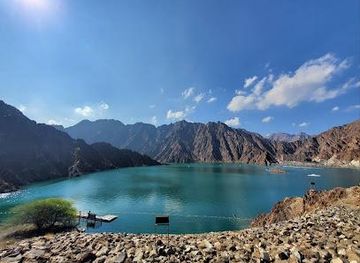
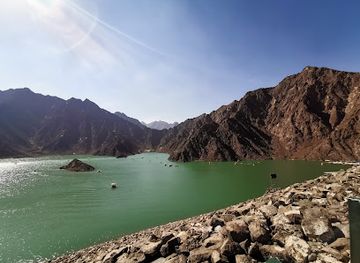
Hatta Dam
Explore Hatta Dam, a stunning natural oasis in Dubai offering breathtaking views, kayaking adventures, and rich cultural heritage.
-
Park
Shees Park
Discover the natural beauty of Shees Park in Sharjah, a perfect destination for relaxation, family fun, and scenic adventures amidst the Hajar mountains.
-
Park
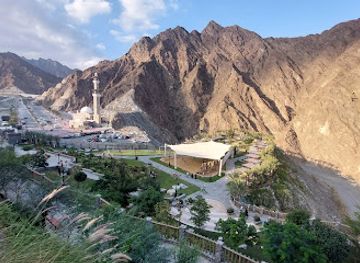
Hatta Hill Park
Experience the tranquil beauty of Hatta Hill Park, a perfect escape into nature with breathtaking views and lush greenery in Dubai.
-
Stadium
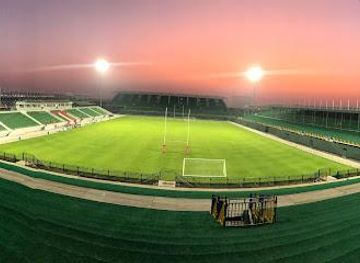
The Sevens Stadium
Experience the excitement of live sports and entertainment at The Sevens Stadium in Dubai, a premier venue for unforgettable events.
Best landmarks in Hajar Mountains
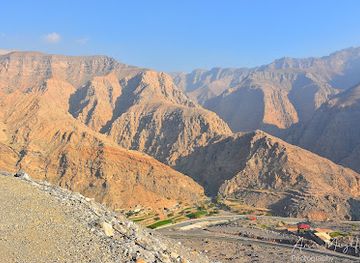
Jebel Jais is the defining natural landmark of the UAE’s Hajar Mountains, rising in Ras Al Khaimah as part of a high, sharply folded range whose ridges dominate the northern skyline. Its mountain road is itself a notable piece of contemporary infrastructure, climbing through exposed rock to elevated viewpoints. In Dubai’s Hajar enclave, Hatta’s mountain reservoir and surrounding ridgelines have become recognisable symbols of the emirate’s inland landscape, contrasting with its better-known coastal urbanity. Al Bithnah Fort, in Fujairah Emirate, represents the strategic importance of routes linking the coast with the mountain interior and is one of the region’s significant historic structures. The dry valleys around Wadi Ham and the approaches to Masafi are important geographical landmarks, shaped by erosion and seasonal water flow. Forts, old mosques, falaj channels and cultivated pockets are less monumental than the high peaks, but together they express how communities adapted to the range’s limited water and difficult terrain.
-
Tourist attraction
Jebel Jais
Discover Jebel Jais, the UAE's highest peak, where adventure meets breathtaking nature in Ras Al Khaimah.
-
Park
Shees Park
Experience tranquility and natural beauty at Shees Park, a serene escape in the Hajar Mountains, perfect for families and nature lovers alike.
-
Tourist attraction
Al Rafisah Dam
Explore the stunning beauty and tranquility of Al Rafisah Dam, a nature lover's paradise in Sharjah with breathtaking views and outdoor adventures.
-
Tour operator
Adventure Planet Tourism - Dubai Desert Safari
Discover the thrill of Dubai Desert Safari with Adventure Planet Tourism, where adventure meets culture in the stunning Arabian sands.
Explore Hajar Mountains on the map
Plan your trip on one map. See where the top cities, national parks and sights are, and book hotels and experiences in a few clicks.
Best hotels in Hajar Mountains
Best restaurants in Hajar Mountains
Dining in the UAE Hajar is closely connected to the towns, roadside settlements and developed visitor areas at the range’s edges rather than to remote mountain trails. Fujairah, Ras Al Khaimah, Hatta and Masafi provide the broadest choice, from Emirati and broader Gulf cooking to Indian, Pakistani, Levantine and international food. Look for grilled meats, rice dishes, lentil soups, flatbreads, dates and simple breakfasts, while mountain farms and roadside vendors may offer seasonal fruit, honey or locally grown produce. Hatta is associated with cafés and casual dining around its visitor areas, whereas routes through the Northern Emirates may have more modest tea shops and restaurants serving drivers and local communities. Emirati specialities such as machboos, harees and luqaimat are national foods rather than exclusive products of the mountains, but they provide useful context for the region’s hospitality. Carry snacks and water for remote excursions, where food outlets can be absent.
-
Tourist attraction
Jebel Jais
Discover Jebel Jais: UAE's tallest mountain offering breathtaking views, thrilling adventures like zip-lining and serene hiking trails amidst stunning landscapes.
-
Fine Dining
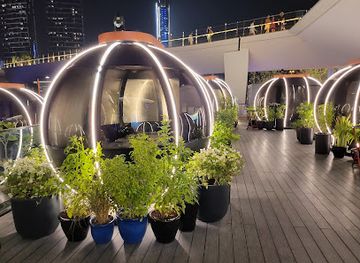
THE PODS
Experience exquisite fine dining at THE PODS on Bluewaters Island, where culinary artistry meets breathtaking views of Dubai.
-
Restaurant
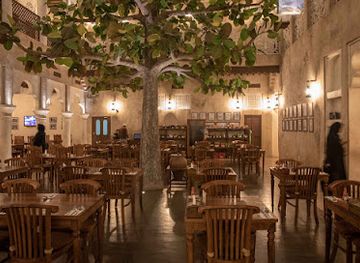
Al Fanar Restaurant & Cafe
Discover the authentic taste of Middle Eastern cuisine at Al Fanar Restaurant & Cafe - where tradition meets flavor.
-
 Hotel
HotelInterContinental Fujairah Resort, an IHG Hotel
Experience unparalleled luxury at InterContinental Fujairah Resort with stunning beach views and world-class amenities in the heart of Fujairah.
Best bars in Hajar Mountains
The mountain areas are not a major nightclub destination, and evening life is generally quieter than in Dubai or Abu Dhabi. In Hatta, Fujairah and Ras Al Khaimah, visitors will find restaurants, cafés and hotel lounges, while traditional tea shops and casual eateries provide more typical stops during a mountain drive. Some larger hotels and resorts may offer licensed bars, subject to UAE regulations, but alcohol is not available in every mountain setting and should never be taken onto roads or into outdoor activities. After sunset, the region’s main appeal is often a meal, an outdoor gathering, a clear-sky viewing session or the atmosphere of a relaxed town rather than late-night entertainment. Jebel Jais and remote wadis have no conventional nightlife infrastructure, so plan transport back to accommodation before leaving developed areas.
-
Bar
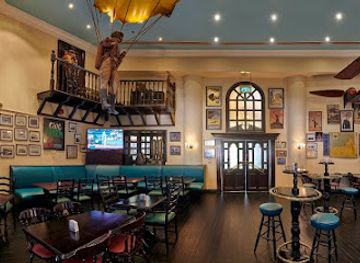
Biggles Pub
Experience the charm of a traditional British pub in Dubai at Biggles Pub, where great food, drinks, and ambiance come together.
-
Bar
Hajar Terrace Bar
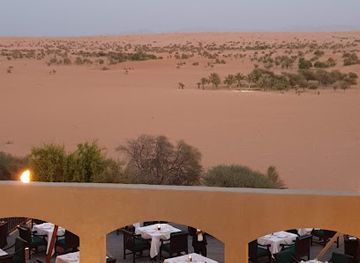
Experience the tranquil beauty of the desert at Hajar Terrace Bar, where stunning views and refreshing drinks await.
-
Bar
Lawrence's Bar
Discover Lawrence's Bar atop Jabal Hafeet, where stunning views and vibrant atmosphere create a perfect retreat in Abu Dhabi.

Best nightclubs in Hajar Mountains
The mountain areas are not a major nightclub destination, and evening life is generally quieter than in Dubai or Abu Dhabi. In Hatta, Fujairah and Ras Al Khaimah, visitors will find restaurants, cafés and hotel lounges, while traditional tea shops and casual eateries provide more typical stops during a mountain drive. Some larger hotels and resorts may offer licensed bars, subject to UAE regulations, but alcohol is not available in every mountain setting and should never be taken onto roads or into outdoor activities. After sunset, the region’s main appeal is often a meal, an outdoor gathering, a clear-sky viewing session or the atmosphere of a relaxed town rather than late-night entertainment. Jebel Jais and remote wadis have no conventional nightlife infrastructure, so plan transport back to accommodation before leaving developed areas.
-
Disco club
The Exchange nightclub and lounge
Discover the vibrant nightlife of Abu Dhabi at The Exchange nightclub and lounge, where music and excitement collide for an unforgettable experience.
-
Disco club
Rock Pool Club
Experience the vibrant nightlife and culinary delights at Rock Pool Club, Abu Dhabi's premier disco and African restaurant.
-
Night club
WIZE MONKEY ABU DHABI
Experience the vibrant nightlife at WIZE MONKEY ABU DHABI, where exquisite dining meets electrifying music for an unforgettable night out.
-
Club
WHITE Abu Dhabi
Discover the vibrant nightlife of WHITE Abu Dhabi, where clubbing meets stunning bay views in an unforgettable atmosphere.



Best shops in Hajar Mountains
Shopping in the UAE Hajar is centred on practical town centres, roadside stalls and local produce rather than large specialist retail districts. Masafi is widely associated with its market area and roadside trading tradition, where visitors may encounter fruit, vegetables, dates, honey, spices, carpets and general goods; the precise selection and trading activity can vary. Hatta and Fujairah provide more organised visitor shopping, including cafés, food products, gifts and craft-related items. In Ras Al Khaimah, larger urban shopping areas are outside the mountain landscape but useful for supplies before heading towards Jebel Jais. Look for dates, honey, Arabic coffee, spices and locally made food products as transportable souvenirs, checking packaging and customs rules before travelling internationally. Bargaining may be possible in informal markets, but prices in established shops, supermarkets and malls are generally fixed.
-
Outlet mall
Dubai Outlet Mall
Experience the thrill of unbeatable shopping at Dubai Outlet Mall, where luxury meets affordability in an exciting retail destination.
-
Tourist attraction
Jebel Jais
Experience the thrill and beauty of Jebel Jais, the UAE's highest peak, where adventure meets breathtaking views in Ras Al Khaimah.
-
Tourist attraction
X Desert Safari Dubai - Al Marjan Desert Camp
Discover adventure and culinary delights at X Desert Safari Dubai - Al Marjan Desert Camp, a unique desert experience in Dubai.
-
Tour operator
Unique Desert Camp
Experience the thrill and tranquility of Dubai's desert at the Unique Desert Camp, where adventure meets tradition under a starlit sky.

Get your free copy of our complete guide to Hajar Mountains, delivered straight to you.
Everything on this page, from attractions and restaurants to essentials and local phrases, in one PDF you can read offline, print or share.
Already have an account? Sign in
Your Hajar Mountains guide is ready.
We'll send it to · Not you? Sign out

Getting your guide ready…
We are putting together a fresh copy of the Hajar Mountains guide. This can take up to a minute.
This can take a few moments. If your browser asks, choose Allow so the download can start. You'll find the guide in your Downloads folder.
Nothing happened? Download it again
Sorry, the guide is taking longer than usual. Please try again in a minute, or get it by email instead.
Hajar Mountains essentials
Currency and Payment
Safety
Emergency Situations
Do's and Don'ts
Local Tips
From Eve
Local phrases worth knowing
You don't need to get them perfect. A few words go a long way, and locals appreciate the effort.
Basics
| English | Local | Say it |
|---|---|---|
| Hello | مرحبا | [Marhaban] |
| Goodbye | وداعا | [Wada'an] |
| Yes | نعم | [Na'am] |
| No | لا | [La] |
| Please/You're welcome | من فضلك | [Min fadlik] |
| Thank you | شكرا | [Shukran] |
| Excuse me/Sorry | عذرا | [Udhuran] |
| How are you? | كيف حالك؟ | [Kayfa halak?] |
| Fine. And you? | بخير. وأنت؟ | [Bikhayr. Wa anta?] |
| Do you speak English? | هل تتحدث الإنجليزية؟ | [Hal tatakallam al-ingliziyya?] |
| I don't understand | لا أفهم | [La afham] |
Eating & Drinking
| English | Local | Say it |
|---|---|---|
| I'd like to see the menu, please | أود رؤية القائمة، من فضلك | [Awad ru'yat al-qa'ima, min fadlik] |
| I don't eat meat | لا أكل اللحم | [La akil al-lahm] |
| Cheers! | في صحتك! | [Fi sihtak!] |
| I would like to pay, please | أود الدفع، من فضلك | [Awad ad-daf', min fadlik] |
Emergencies
| English | Local | Say it |
|---|---|---|
| Help! | نجدة! | [Najda!] |
| Go away! | إذهب بعيدا! | [Izhab ba'idan!] |
| Call the Police! | اتصل بالشرطة! | [Ittasil bil-shurta!] |
| Call a doctor! | اتصل بطبيب! | [Ittasil bi-tabib!] |
| I'm lost | أنا ضائع | [Ana da'i'a] |
| I'm ill | أنا مريض | [Ana marid] |
Shopping
| English | Local | Say it |
|---|---|---|
| I'd like to buy... | أود شراء... | [Awad shira'] |
| I'm just looking | أنا فقط أنظر | [Ana faqat anzur] |
| How much is it? | كم ثمنه؟ | [Kam thamanuh?] |
| That's too expensive | هذا مكلف جدا | [Hatha mukallaf jiddan] |
| Can you lower the price? | هل يمكنك تخفيض السعر؟ | [Hal yumkinuka takhfid as-si'r?] |
Time & Numbers
| English | Local | Say it |
|---|---|---|
| What time is it? | ما هو الوقت؟ | [Ma huwa al-waqt?] |
| It's one o'clock | إنه الساعة الواحدة | [Innahu as-saa'a al-wahidah] |
| Half past (10) | نصف الساعة (10) | [Nisf as-saa'a (10)] |
| Morning | صباح | [Sabah] |
| Afternoon | بعد الظهر | [Ba'd al-dhuhr] |
| Evening | مساء | [Masa'] |
| Yesterday | أمس | [Ams] |
| Today | اليوم | [Al-yawm] |
| Tomorrow | غدا | [Ghadan] |
| 1 | ١ | [Wahid] |
| 2 | ٢ | [Ithnain] |
| 3 | ٣ | [Thalatha] |
| 4 | ٤ | [Arba'a] |
| 5 | ٥ | [Khamsa] |
| 6 | ٦ | [Sitta] |
| 7 | ٧ | [Sab'a] |
| 8 | ٨ | [Thamaniya] |
| 9 | ٩ | [Tis'a] |
| 10 | ١٠ | [Ashara] |
Transport & Directions
| English | Local | Say it |
|---|---|---|
| Where's a/the...? | أين يوجد...؟ | [Ayn yujad...?] |
| What's the address? | ما هو العنوان؟ | [Ma huwa al-'unwan?] |
| Can you show me (on the map)? | هل يمكنك إظهار لي (على الخريطة)؟ | [Hal yumkinuka izhar li (ala al-kharita)?] |
| When's the next (bus)? | متى يجيء (الباص) التالي؟ | [Mata yaji' (al-bas) at-tali?] |
| A ticket (to ....) | تذكرة (إلى....) | [Tadhkara (ila....)] |
History of Hajar Mountains
Ancient Settlement and Mountain Exchange
The Hajar Mountains formed part of a wider network linking the interior of southeastern Arabia with the Gulf of Oman. Archaeological evidence from the mountains and their approaches shows long-term settlement, herding, farming and exchange, although occupation patterns varied between valleys. Copper resources in the broader Hajar region were important during the Bronze Age, when communities participated in maritime and overland trade across the Gulf. In the UAE, sites on the mountain margins and interior routes demonstrate that the landscape was not an empty barrier but a corridor used by people moving between coast, oasis and upland.
Falaj Irrigation and Mountain Agriculture
Dry valleys encouraged communities to develop careful systems for collecting and distributing water. Falaj channels, known locally by related names and techniques across southeastern Arabia, carried groundwater or spring water towards cultivated plots and settlements. Date palms, fruit trees and smaller crops could therefore be grown in places where rainfall was unreliable. The surviving agricultural landscape around mountain villages and foothill oases reflects generations of practical adaptation. Water-sharing arrangements were also social institutions, requiring maintenance, cooperation and agreed access rather than simply engineering works.
Islamic-Era Routes and Local Strongholds
After the spread of Islam, mountain communities remained connected to regional markets, coastal ports and inland settlements. Routes through passes and wadis were valuable for trade and for controlling movement, helping explain the presence of forts and watchtowers in places such as Al Bithnah and the mountain approaches around Fujairah and Ras Al Khaimah. These structures were generally local defensive and administrative centres rather than monumental castles in the European sense. Their surviving walls and positions reveal the strategic relationship between cultivated valleys, routes and politically important settlements.
Portuguese Intervention in the Gulf of Oman
In the sixteenth century, Portuguese naval power sought to control maritime commerce around the Gulf of Oman and the approaches to the Indian Ocean. Its influence was strongest along the coast and in ports, but the political and commercial effects reached inland through the routes connecting coastal settlements with the Hajar. Fortified places in the wider region became part of a contested strategic environment involving local rulers, maritime powers and trading communities. The mountain valleys themselves remained locally governed landscapes, yet their passes and coastal links acquired renewed importance.
Tribal, Commercial and Agricultural Networks
Before the rapid transformation brought by oil wealth, the UAE’s Hajar communities relied on combinations of agriculture, animal husbandry, trade and seasonal movement. Mountain produce and livestock were exchanged with coastal towns, while passes connected settlements that are now linked by modern roads. Social and political authority was organised through local families, tribal relationships and rulers of neighbouring emirates and territories. Forts, old houses, mosques, terraces and irrigation traces are reminders of a regional economy based on limited water and close knowledge of the terrain.
Road Building and the Modern Mountain Economy
The twentieth century brought paved roads, electricity, piped water and expanding links between the mountain interior, coastal cities and the rest of the United Arab Emirates. Improved access reduced the isolation of many settlements and transformed travel through routes that had once been difficult tracks. In recent decades, Jebel Jais, Hatta and other mountain areas have gained facilities for scenic driving, hiking and adventure tourism. This modern economy has not erased older landscapes: farms, falaj systems, forts and village sites remain part of the cultural setting, while responsible development is increasingly important in fragile wadis.
Hajar Mountains in Photos
Browse through our photo collection highlighting the charm and character of the destination.
Neighbouring regions of Hajar Mountains
The closest regions to Hajar Mountains, if you have time for more than one.
-

-

-

-

-


Swipe for more regions
Explore more

Explore more of United Arab Emirates
Discover the United Arab Emirates: A land where futuristic cities meet timeless deserts, offering luxury, adventure, and rich cultural experiences.
Explore United Arab Emirates