
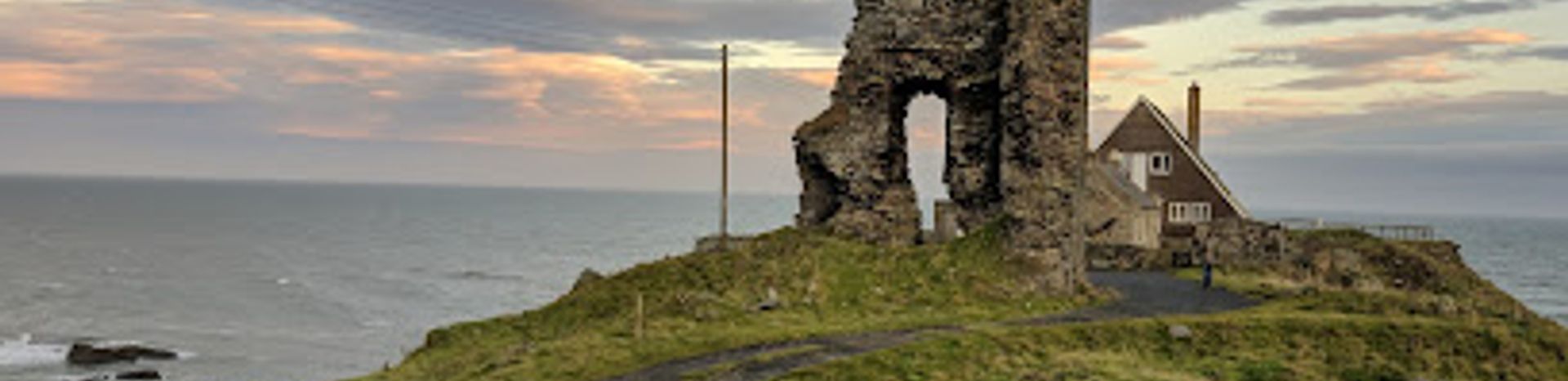
Old Slains Castle: Ruins of a 13th-Century Scottish Fortress
Explore the haunting coastal ruins of Old Slains Castle, a 13th-century fortress steeped in rebellion and Scottish history.
Old Slains Castle, located near Collieston in Aberdeenshire, Scotland, is the atmospheric ruin of a 13th-century fortress once owned by the Comyn family and later the Earls of Erroll. Destroyed in 1594 by order of King James VI due to the owners' involvement in a Catholic rebellion, only fragments of the original stronghold remain today. The site offers a glimpse into turbulent Scottish history and stands as a scheduled ancient monument overlooking the North Sea.
A brief summary to Old Slains Castle (Not Dracula castle)
- Ellon, Collieston, AB41 8ST, GB
- Visit website
- Duration: 0.5 to 2 hours
- Free
-
 Outdoor
- Mobile reception: 3 out of 5
Local tips
- Stay on designated paths and keep a safe distance from cliff edges to avoid accidents.
- Wear sturdy footwear suitable for uneven terrain and rocky surfaces around the ruins.
- Bring a camera to capture the dramatic coastal views and atmospheric remains.
- Visit during daylight hours for the best visibility and safety.

For the on-the-go comforts that matter to you
- Information Boards
- Seating Areas
- Trash Bins
Getting There
-
Car
Driving from Aberdeen to Old Slains Castle takes approximately 45 to 60 minutes. The route follows the A90 and A975 roads. Parking is limited near the site, so plan to park in Collieston village and walk the final stretch on uneven terrain. No parking fees apply.
-
Bus
Local bus services run from Aberdeen to Ellon, with connections to Collieston. From Collieston, a 20-minute walk on rural paths leads to the castle ruins. Bus frequency varies, with fewer services on weekends. A single fare costs around £5.
-
Walking
For active visitors, a scenic 2-hour hike from Collieston to Old Slains Castle follows coastal trails with some steep and rocky sections. Suitable for those with good fitness and sturdy footwear. No special permits required.
Old Slains Castle (Not Dracula castle) location weather suitability
-
 Any Weather
-
 Rain / Wet Weather
-
 Clear Skies
-
 Windy Conditions
-
 Mild Temperatures
Discover more about Old Slains Castle (Not Dracula castle)
Medieval Origins and Early Ownership
Old Slains Castle was originally constructed in the 13th century as a formidable oblong keep by the Comyn family, Earls of Buchan. This medieval fortress was strategically located near the coast to command views over the North Sea. Following the forfeiture of the Comyns in the 14th century, Robert the Bruce granted the castle to Sir Gilbert Hay in recognition of his support during the Wars of Scottish Independence. The castle thereafter remained in the Hay family, who became the Earls of Erroll, for several centuries.Rebellion and Destruction in the Late 16th Century
The castle’s most dramatic chapter unfolded in the late 1500s when Francis Hay, the 9th Earl of Erroll, took part in a Catholic rebellion against King James VI. In 1594, after the rebellion culminated in the Battle of Glenlivet and was suppressed, James VI ordered the demolition of Old Slains Castle as punishment. The castle was destroyed by gunpowder and cannon fire, leaving only two walls meeting at a corner intact. Aberdeen’s town council supplied the gunpowder and laborers for the demolition, marking the violent end of the original stronghold.Architectural Features and Remnants
Originally a five-storey keep, the castle had a defensive wall added on the landward side in the early 16th century. Today, only small parts of these structures survive, including remnants of the walls and basement kitchen works with firepits and storage spaces. The ruins reveal a blend of masonry styles, from medieval red brick to mortared granite and sandstone. In the 1950s, a three-storey house was built within the ruins adjoining an 18th-century fishing cottage, integrating later architectural elements into the historic site.Historical Significance and Archaeology
Old Slains Castle is a scheduled ancient monument, reflecting its importance in Scotland’s turbulent history of clan conflicts and royal power struggles. Archaeological excavations have been conducted intermittently since 1991, with the latest in 2007, uncovering insights into the castle’s layout and usage. The site’s dramatic cliff-top setting and surviving ruins evoke the legacy of the Earls of Erroll and their complex political allegiances during the Reformation and beyond.Connection to Bram Stoker and Cultural Legacy
While the ruined Old Slains Castle itself is not directly linked to Bram Stoker’s Dracula, its successor, New Slains Castle, nearby is often cited as an inspiration for the novel’s vampire castle. Old Slains’ dramatic coastal location and evocative ruins contribute to the region’s rich heritage and allure for visitors interested in Scotland’s medieval past and literary associations.Visiting and Preservation
The site is open to the public with no formal opening hours, but visitors should exercise caution near the cliff edges and avoid climbing on unstable structures. Its remote and rugged setting offers a tranquil yet haunting atmosphere, ideal for those fascinated by history, architecture, and natural coastal landscapes. Preservation efforts continue to maintain the ruins as a protected cultural landmark in Aberdeenshire.Iconic landmarks you can’t miss

The Powis Gates
24.7 km
Twin towers of Turkish-inspired design, built with slavery compensation in 1834.
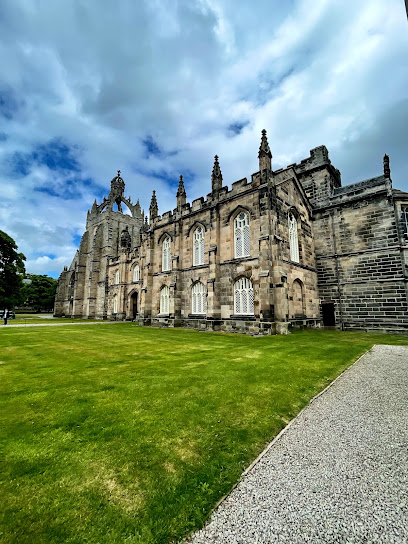
Workers' Memorial
25.0 km
A solemn granite obelisk in peaceful Persley Walled Garden, honoring Aberdeen’s industrial workers who lost their lives.
Gallows Hill
25.0 km
Gallows Hill in Aberdeen stands as a haunting reminder of centuries-old public executions and grim justice.
Barra Hill
25.4 km
Explore Barra Hill near Inverurie, an ancient hillfort and historic battlefield offering panoramic views and a deep connection to Scotland’s past.
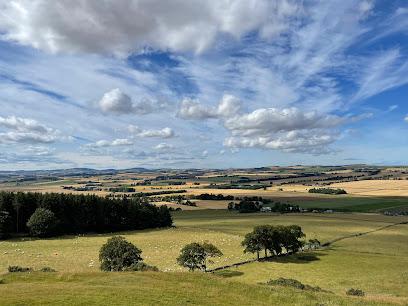
Dyce Standing Stones
25.6 km
Mysterious Pictish stones bridging pagan and Christian worlds, carved over 1,400 years ago.
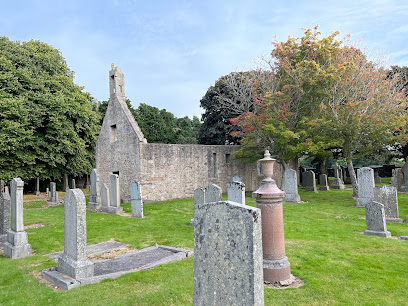
Forbes of Newe Obelisk
25.9 km
A noble stone memorial honouring a philanthropist's gift to Scottish mental health care
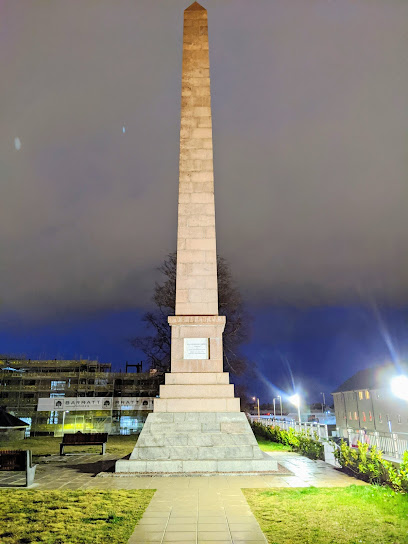
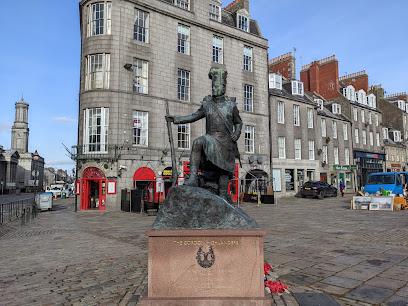
Gordon Highlanders Statue
26.0 km
A striking bronze tribute in Aberdeen honoring the valor and legacy of the historic Gordon Highlanders regiment.
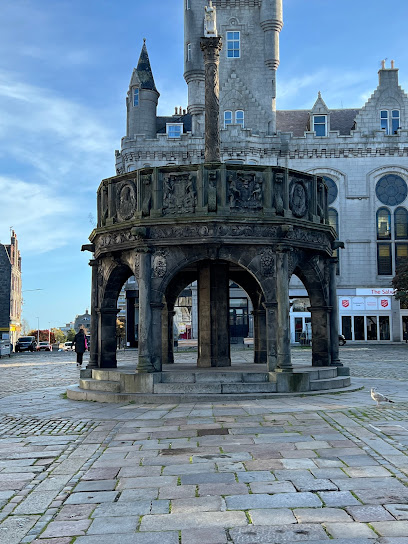
Marischal College
26.0 km
Scotland's second-largest granite building and an architectural masterpiece blending Victorian Gothic grandeur with civic purpose.
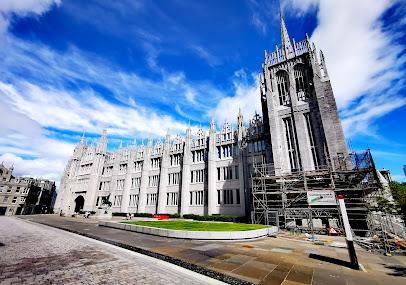
Greyfriars Church
26.0 km
Five centuries of faith and architecture in the heart of historic Aberdeen
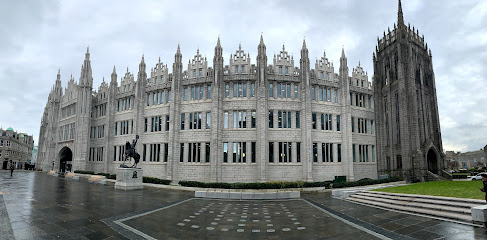
Rosemount Palace
26.0 km
A unique, budget-friendly B&B in a converted church offering practical comfort and central access in Aberdeen.

Castlegate
26.1 km
Medieval square where castle gates once stood, now home to Aberdeen's oldest building and iconic Mannie fountain.
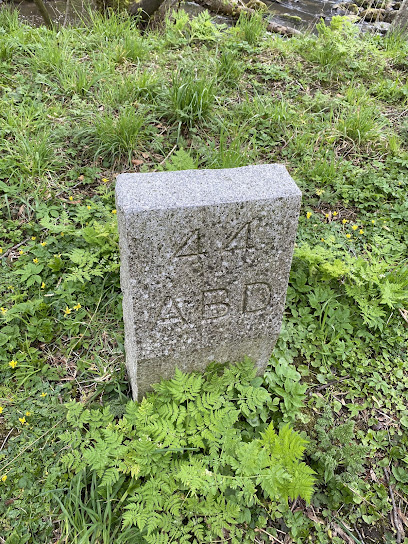
Stone 45
26.2 km
A historical landmark preserving Aberdeen's heritage in the heart of Bucksburn.
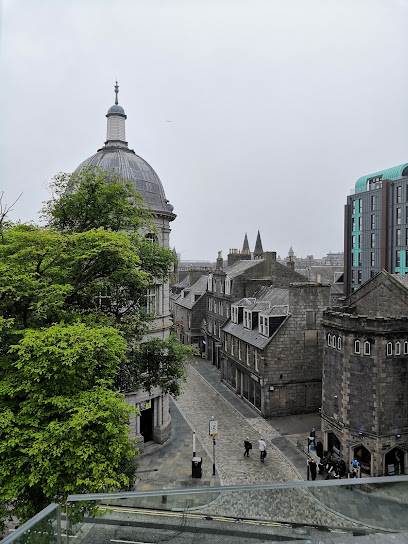
Aberdeen Art Gallery
26.2 km
Explore an extraordinary collection of art and culture at the Aberdeen Art Gallery, a must-visit for every traveler in Aberdeen.
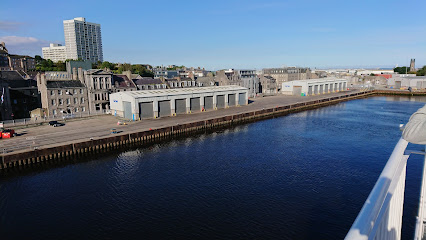
Aberdeen Ferry Terminal
26.2 km
Experience the adventure of a lifetime at Aberdeen Ferry Terminal, your gateway to Scotland's breathtaking islands and coastal beauty.
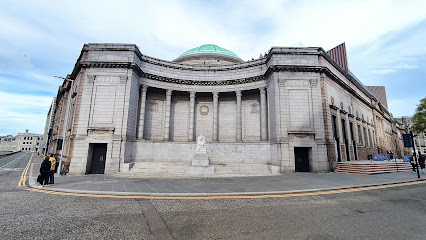
Cowdray Hall
26.2 km
Discover the cultural heartbeat of Aberdeen at Cowdray Hall, where exceptional acoustics and vibrant performances come together for an unforgettable experience.
Unmissable attractions to see

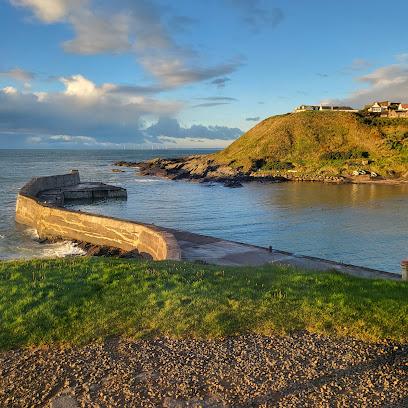
Collieston Beach
1.9 km
A sheltered golden sandy beach framed by historic harbour walls and dramatic dunes, offering tranquil coastal charm in Aberdeenshire.
Hackley Bay
3.9 km
Discover tranquil coastal beauty and historic charm at Hackley Bay, a serene retreat near Collieston in Aberdeenshire.
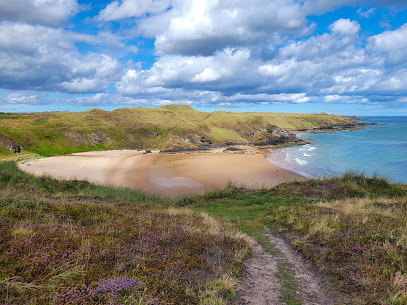
Newburgh Seal Beach
7.4 km
Discover Britain’s largest grey seal colony on the golden sands of Newburgh Seal Beach, a serene wildlife haven in Aberdeenshire.
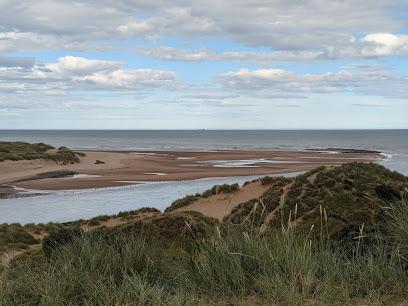
Slains Castle
7.8 km
Perched on windswept cliffs, Slains Castle’s haunting ruins inspired Dracula and echo centuries of Scottish history and legend.
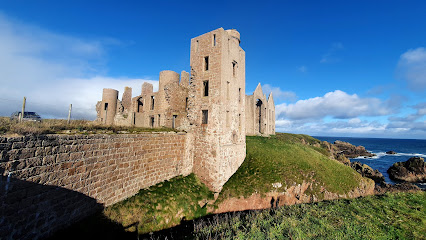
Bullers of Buchan
9.9 km
Explore a breathtaking 30-meter deep collapsed sea cave and vibrant seabird sanctuary along Aberdeenshire’s rugged northeast coast.
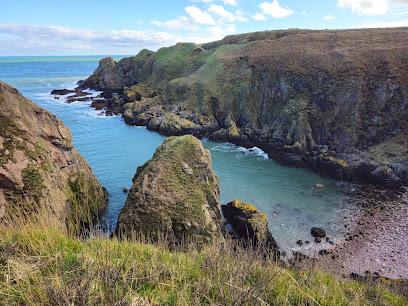
Peterhead Prison Museum
16.2 km
Step inside Scotland’s most infamous former jail for an immersive journey through crime, punishment, and history.
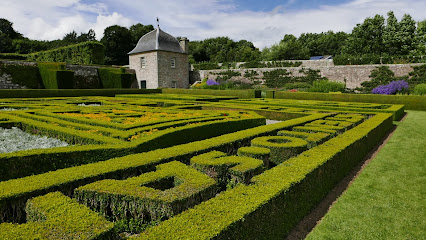
Pitmedden Garden & Museum of Farming Life
16.9 km
Discover a vibrant 17th-century Scottish Renaissance walled garden with colorful parterres, historic orchard, and a captivating Museum of Farming Life.
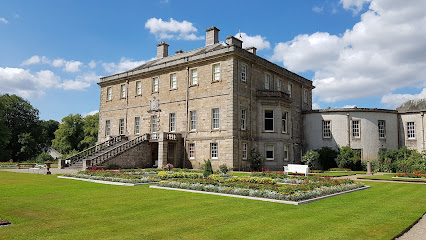
Haddo House
19.0 km
Explore Haddo House, a stunning Georgian Palladian mansion with Victorian interiors, historic gardens, and rich Scottish heritage near Ellon.
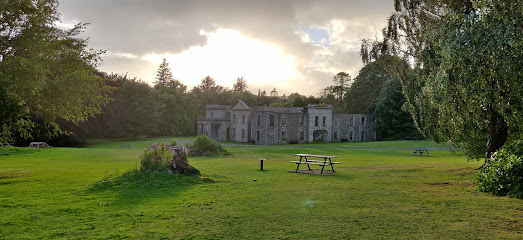
Aden Country Park
19.3 km
Explore 230 acres of natural beauty, historic ruins, and family-friendly fun at Aden Country Park in Aberdeenshire.
Scotstown Moor
21.7 km
A tranquil heathland and bog reserve near Aberdeen offering rich natural habitats, historic roots, and scenic coastal views.
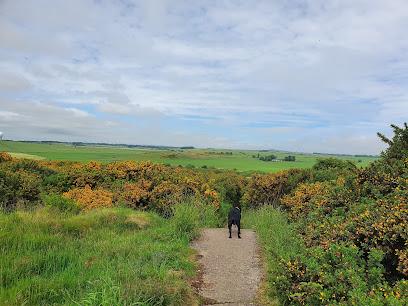
South Donmouth Beach
22.9 km
Discover Aberdeen’s peaceful South Donmouth Beach, where river, sea, and wildlife create a serene coastal haven.
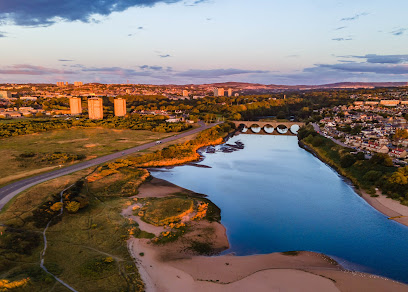
Donmouth Sands
22.9 km
A tranquil beach and nature reserve where Aberdeen’s River Don meets the sea, offering golden sands, scenic dunes, and rich wildlife in a peaceful coastal setting.
Dyce Symbol Stones
23.0 km
Explore the enigmatic Dyce Symbol Stones—ancient Pictish carvings nestled in the ruins of St Fergus's Chapel, revealing Scotland’s early medieval mysteries.
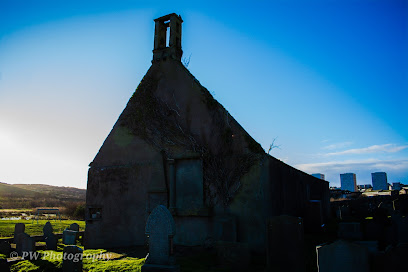
Donmouth Local Nature Reserve
23.0 km
A peaceful estuarine retreat in Aberdeen where river meets sea, rich in wildlife and scenic coastal views.
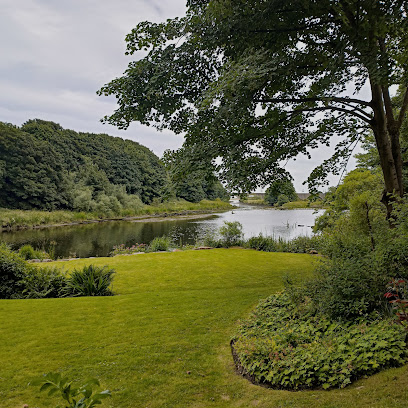
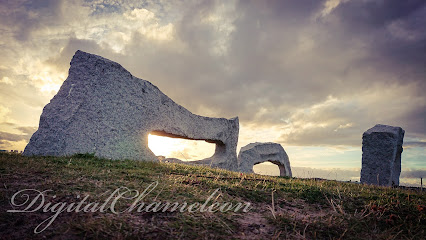
Windows to the Sea
23.2 km
Discover Aberdeen’s iconic granite frames framing stunning North Sea views on the vibrant Beach Esplanade.
Essential places to dine

The Cock & Bull
13.7 km
A beloved Scottish gastropub in Balmedie offering award-winning food, cozy accommodation, and a warm, welcoming atmosphere.
Eat On The Green
17.6 km
Experience refined Scottish dining with fresh local ingredients and impeccable service in the heart of Udny Green.
Beekie's Neuk
19.7 km
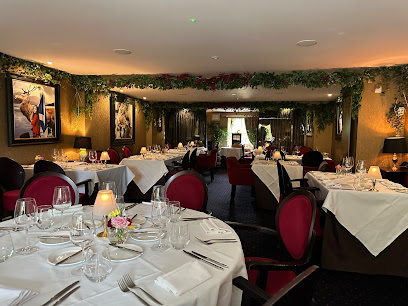
A beloved Newmachar pub serving hearty homemade Scottish classics in a relaxed, friendly atmosphere with generous portions and good value.
Mill Of Mundurno Table Table
20.4 km
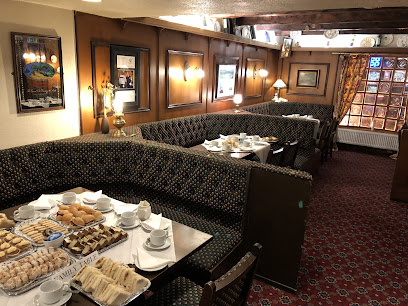
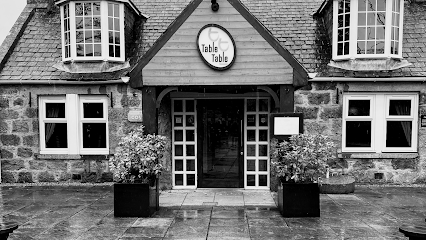
Family-friendly pub dining in scenic Aberdeen farmland with hearty British classics and warm hospitality.
Brig O'Don Pub & Grill
23.4 km
A modern Aberdeen pub serving expertly flame-grilled dishes in a friendly, relaxed setting with welcoming service and family-friendly vibes.
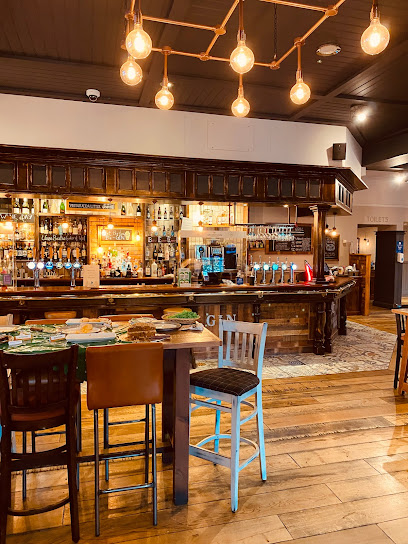
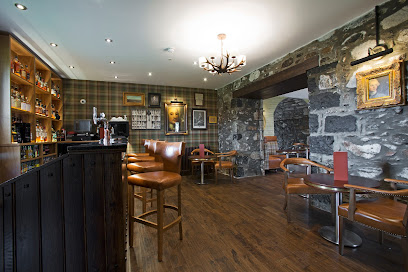
1236 Cave Bar at Meldrum House
24.0 km
Historic 800-year-old stone bar with award-winning whisky and casual Scottish dining at Meldrum House Country Hotel.
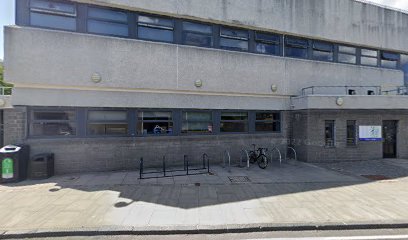
Chicago Town
24.4 km
Experience authentic Italian flavors at Chicago Town in Old Aberdeen – where every pizza tells a story.
Old El Paso
24.4 km
Authentic Mexican flavors served fresh in the vibrant heart of University of Aberdeen’s Old Aberdeen campus.
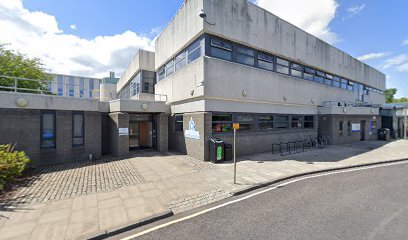
Traditional Grub
24.4 km
Traditional Scottish dining in the heart of Old Aberdeen’s university campus, blending heritage flavors with a vibrant community atmosphere.
Cartoos Grill House & Desserts
25.3 km
Experience authentic Turkish grills and delightful desserts in a warm, welcoming atmosphere on Aberdeen’s scenic Esplanade.
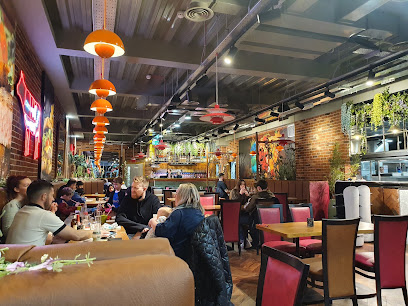
Burning Hands and Plates
25.7 km
A vibrant fusion restaurant on Aberdeen’s Esplanade offering bold American-inspired flavors in a casual beachside setting.

Croque Toasties
25.7 km
Cozy beachfront spot in Aberdeen serving specialty toasted sandwiches with a French twist, perfect for a relaxed seaside meal.
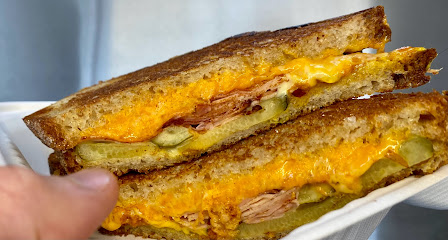
The Hungry Beast
25.8 km
Savor delicious fast food delights at The Hungry Beast in Aberdeen's Esplanade - perfect for tourists seeking quick and tasty meals.
Six°North / Smoke & Soul
25.9 km
Slow-smoked BBQ soul food ignites Aberdeen's craft beer scene at Six°North, blending hearty meats, loaded comforts, and artisanal brews in a minimalist city hideaway.
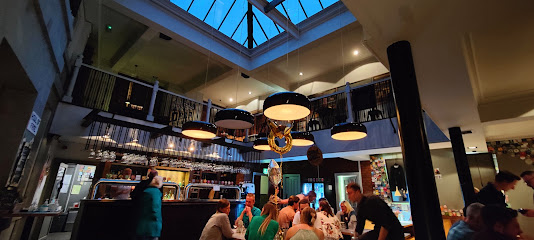
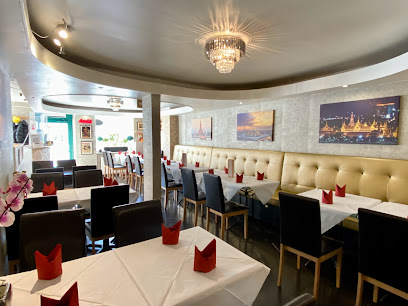
Siam Cottage
25.9 km
Discover authentic Thai and Chinese flavors in a cozy, welcoming setting at Siam Cottage, Aberdeen’s beloved casual dining spot.
Markets, malls and hidden boutiques

Quirky Gifts Emporium
9.6 km
Discover authentic Scottish treasures and unique gifts in this independent Ellon shop.
The Gift Co
16.6 km
Discover unique treasures and heartfelt gifts at The Gift Co, Peterhead’s charming boutique on Berryden Road.
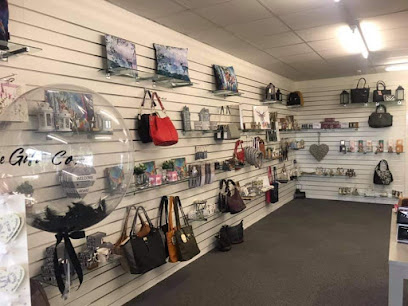
The Friends Gift Shop
19.3 km
Handcrafted local treasures in a scenic country park courtyard.
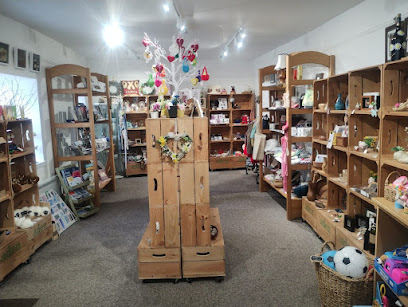
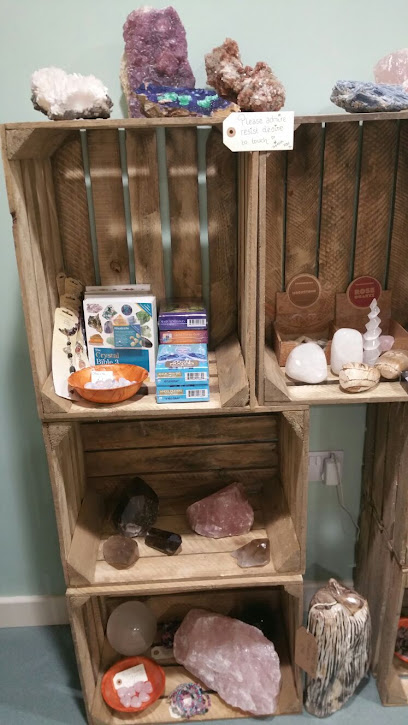
EARTHSTORE.CO.UK
23.7 km
A small, curated gem and wellness emporium within Aberdeen’s Urban Wellness Hub, where crystals, lapidary work and calming gifts meet holistic therapies.
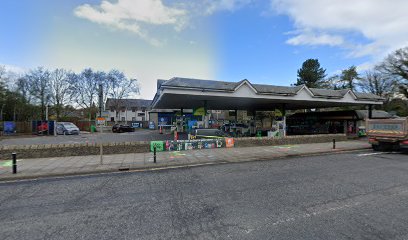
Malthurst Retail Ltd
23.9 km
A compact King Street convenience outlet serving Old Aberdeen’s students and residents with practical everyday essentials.
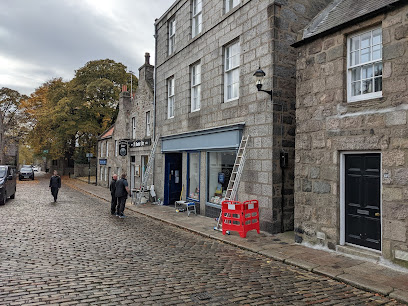
Blackwell's Bookshop
24.4 km
Discover timeless tales and local lore amid the ancient stones of Old Aberdeen at this beloved independent bookshop haven.
The Bear Essentials
24.4 km
University pride in every stitch: Discover Aberdeen's Bear Essentials for branded gear and gifts in the historic Students' Union Hub.
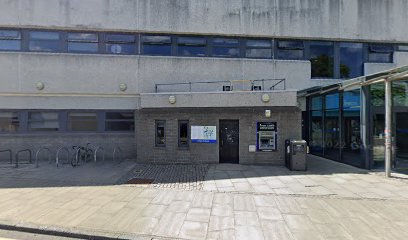
ShopHub
24.4 km
Everyday essentials at the pulse of Aberdeen Uni campus – ShopHub fuels student life with groceries, snacks, and supplies in Old Aberdeen's historic heart.
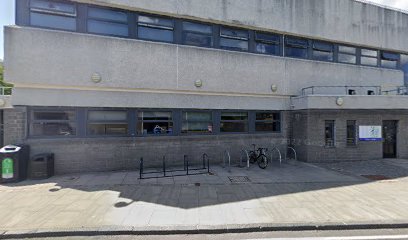
Country Images
24.9 km
Discover unique Scottish gifts and souvenirs at Country Images, a charming shop in the heart of Aberdeen offering local artisan treasures.
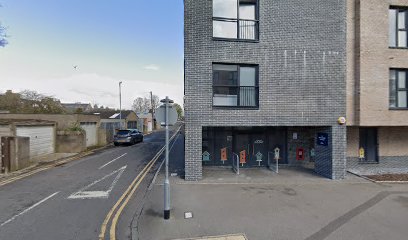
The Range, Aberdeen
25.5 km
A vast homewares and lifestyle emporium nestled in Aberdeen’s vibrant beachfront leisure park, offering everything for your home and garden.
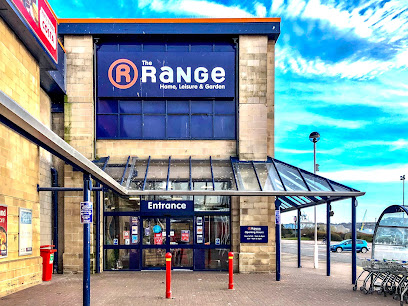
Àdùké Fashion House
25.5 km
Discover African vibrancy on Aberdeen's George Street: native wears, handmade bags, and cultural fusion fashion for all ages at affordable prices.

House of Gifts
25.6 km
Discover the charm of Aberdeen at the House of Gifts, where unique treasures and local artistry come together for unforgettable shopping.
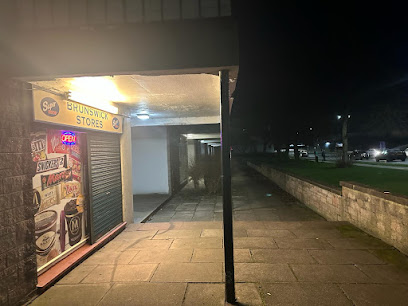
Brunswick Stores
25.7 km
Discover convenience and local flavors at Brunswick Stores, your essential stop in Aberdeen for snacks, drinks, and delightful Scottish treats.
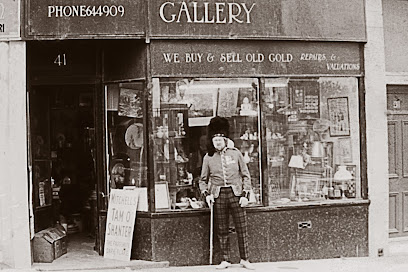
Gallery Antiques & Jewellery Workshop
25.8 km
Discover timeless elegance and expert craftsmanship at Aberdeen’s Gallery Antiques & Jewellery Workshop, a haven for antique jewellery lovers.
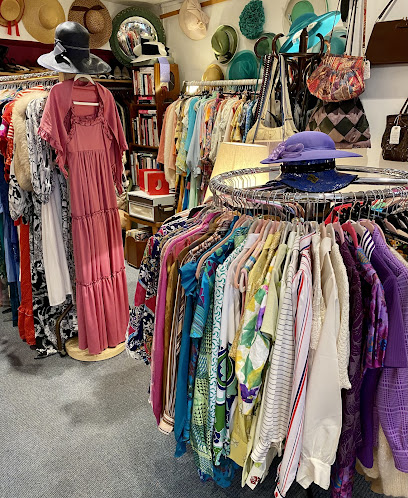
The Closet
25.9 km
Discover timeless style and curated vintage treasures at The Closet, Aberdeen’s boutique for authentic vintage clothing and accessories.
Essential bars & hidden hideouts

The Craft - off-licence and Bar
16.2 km
A cozy village wine bar and off-licence in Pitmedden offering craft drinks, community spirit, and award-winning hospitality.
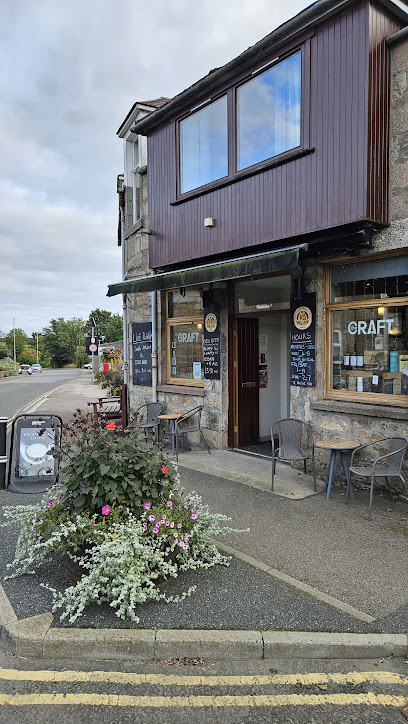
Black Dog
22.8 km
A friendly, lively pub in Aberdeen’s Bridge of Don serving hearty British classics with great entertainment and welcoming vibes.
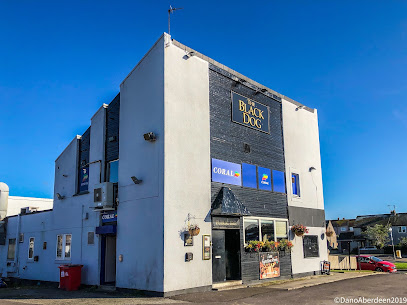
Mains of Scotstown
22.9 km
A welcoming British pub in Aberdeen offering classic dishes, craft drinks, live music, and a lively beer garden atmosphere.
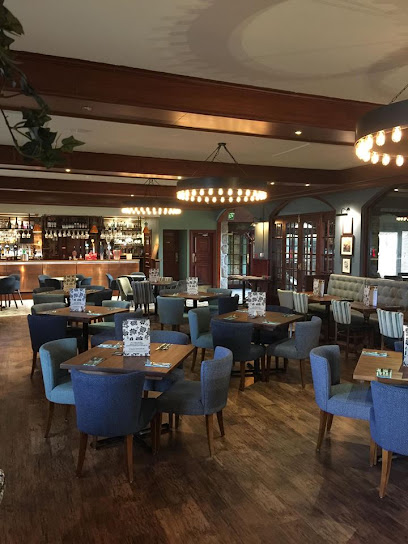
Rowan Tree Bar
24.0 km
Cozy Old Aberdeen pub pouring local ales, serving hearty Scottish dishes, and hosting lively events in a historic neighborhood gem.
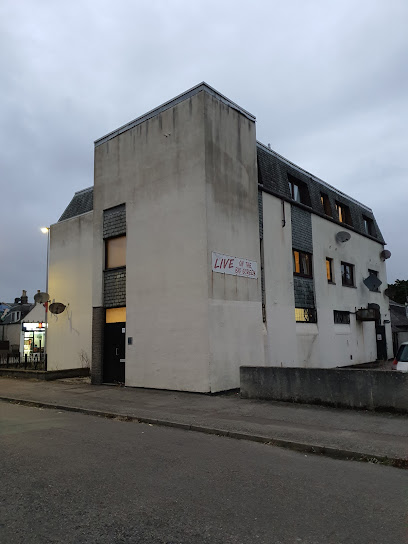
Spider's Web
24.0 km
A cozy and friendly pub in Dyce offering hearty meals, quality drinks, and a welcoming atmosphere near Dyce railway station.
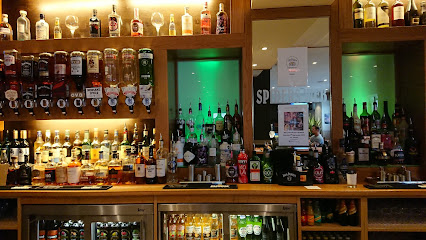
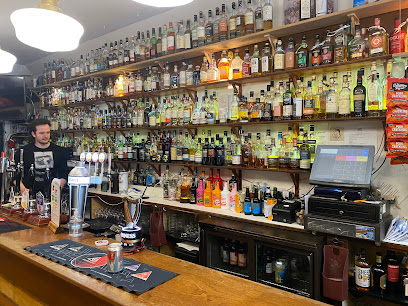
St. Machar Bar
24.4 km
Authentic Old Aberdeen pub with award-winning whiskies, local cask ales, historic brewery mirrors, and hearty pub grub in a student-favored historic spot.
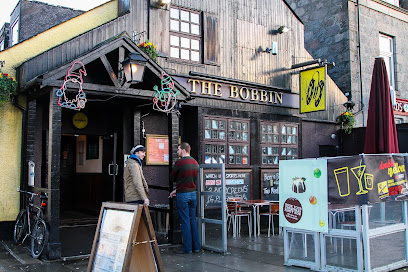
The Bobbin
24.6 km
A lively, student-leaning King Street pub offering hearty pub grub, sports screens and good-value drinks from breakfast through late night.
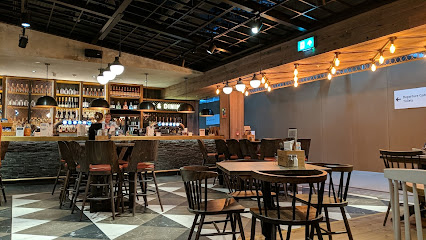
The Distilling House
24.9 km
A welcoming airport pub celebrating Scottish whisky heritage with classic food, craft beers, and expert spirit knowledge.
The Staging Post
25.5 km
A friendly and lively local pub in Bucksburn with great drinks, sports, and a family-friendly beer garden.
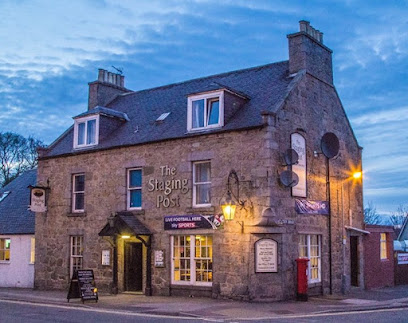
The Kings Bar
25.8 km
A warm, traditional pub on Aberdeen’s King Street, offering friendly service, lively atmosphere, and affordable drinks in the city center.
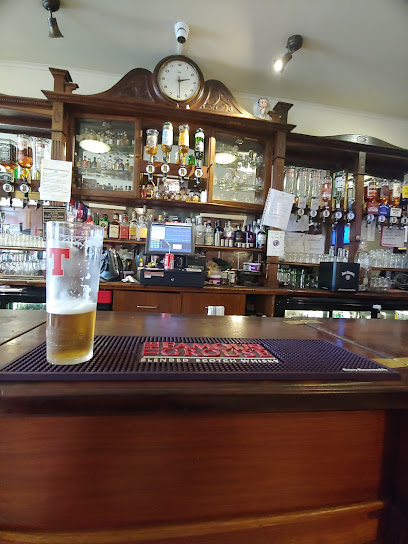
Northern Bar
25.8 km
A vibrant Aberdeen pub blending heritage, live sports, hearty food, and community spirit in a welcoming setting.
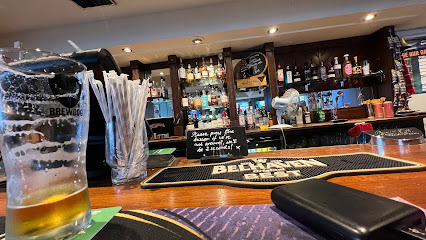
The Castle Bar
25.9 km
A friendly, affordable bar in the heart of Aberdeen with extended hours catering to early birds and night owls alike.
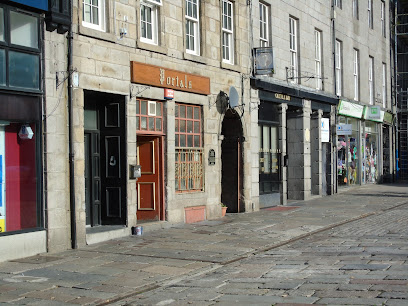
Fittie Bar
25.9 km
Historic 1821 pub in Aberdeen's Footdee fishing village, famed for giant fish suppers, rugby walls, and authentic Scottish pub soul amid harbor scents.
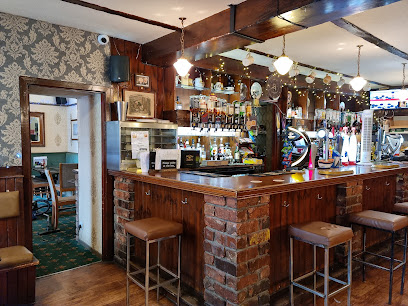
BrewDog Aberdeen Gallowgate
26.0 km
Discover Aberdeen’s craft beer pioneer with 29 taps, artisanal pizzas, and a lively atmosphere at BrewDog Gallowgate.
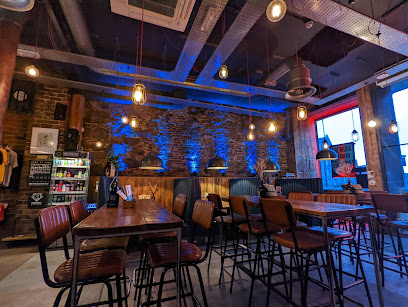
All Bar One Aberdeen
26.0 km
Stylish wine bar in Marischal Square serving global wines, craft cocktails, and shareable plates amid Aberdeen's urban buzz.
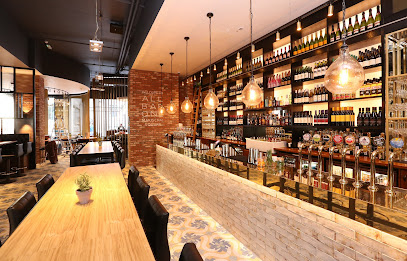
Nightclubs & after hour spots

Exodus
26.3 km
Experience Aberdeen’s vibrant nightlife and boozy brunches in a unique historic church setting at Exodus, The Triplekirks.
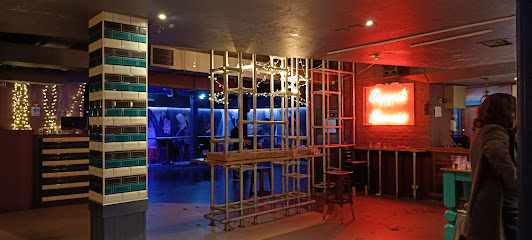
CHEERZ
26.3 km
Aberdeen's iconic LGBT bar and nightclub: dance, drink, and connect in a welcoming Exchange Street haven open late into the night.
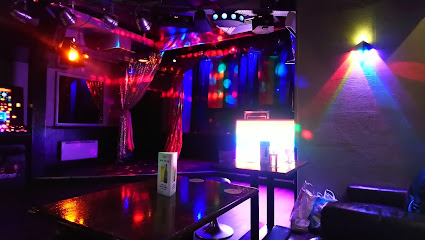
The Underground Klub
26.5 km
A compact, bass-forward late-night club in central Aberdeen with booth seating, layered sound and an intimate underground vibe.
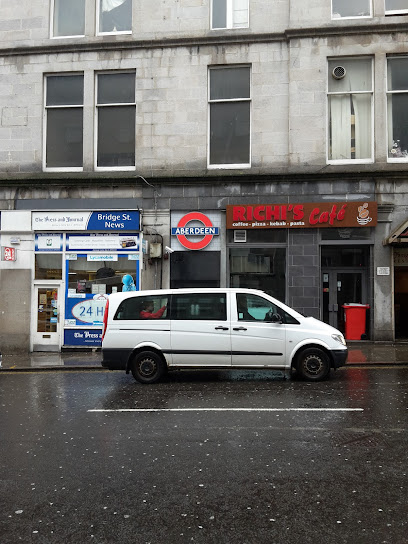
Private Eyes
26.5 km
Experience Aberdeen’s vibrant nightlife at Private Eyes, a stylish nightclub offering lively music, adult entertainment, and a welcoming city-center atmosphere.
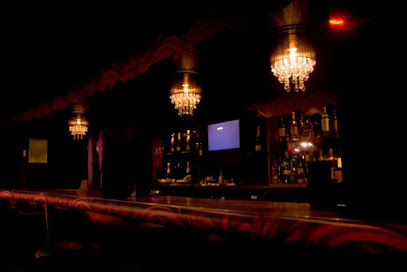
The Mask Club
26.6 km
Aberdeen’s vibrant adult entertainment hotspot with professional dancers, lively music, and a dynamic late-night atmosphere.
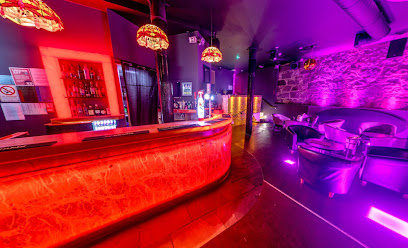
Number 7 Club
26.6 km
Aberdeen's intimate adult club on Crown Street: full-nude dances, drinks, and late-night energy from 9pm to 3am weekends.
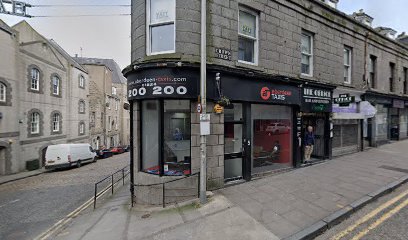
AURA Nightclub Aberdeen
26.6 km
Experience Aberdeen’s vibrant nightlife and nostalgic disco vibes at Aura Nightclub, the city’s premier venue for dynamic music and festive parties.
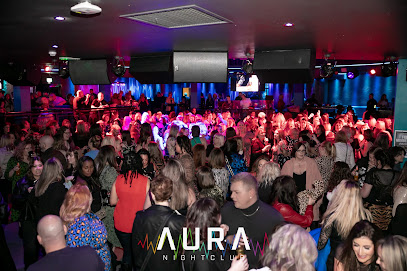
Venga
26.7 km
Dive into Aberdeen's electric nightlife at Venga, where retro beats, themed nights, and cocktails fuel unforgettable dances until dawn on vibrant Chapel Street.
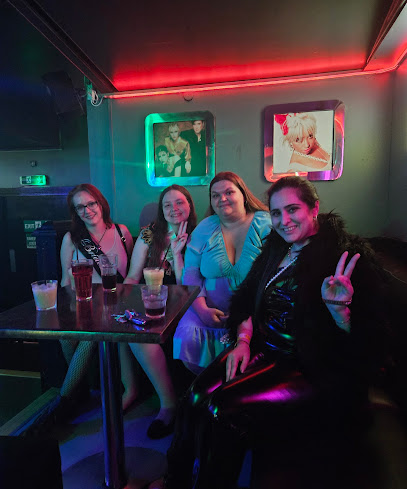
Club Tropicana & Venga
26.7 km
Compact retro nightclub on Chapel Street with neon kitsch, themed nights and a late‑night dancefloor for nostalgic hits and loud, energetic DJ sets.
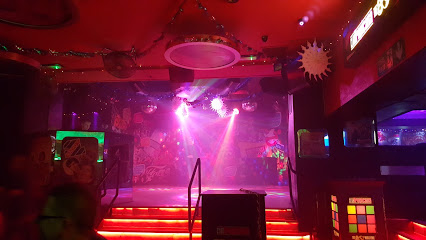
491 Union Street
27.0 km
Dive into Aberdeen's electric nightlife at this top-of-Union-Street hotspot, where killer beats, craft drinks, and epic events light up weekends until dawn.
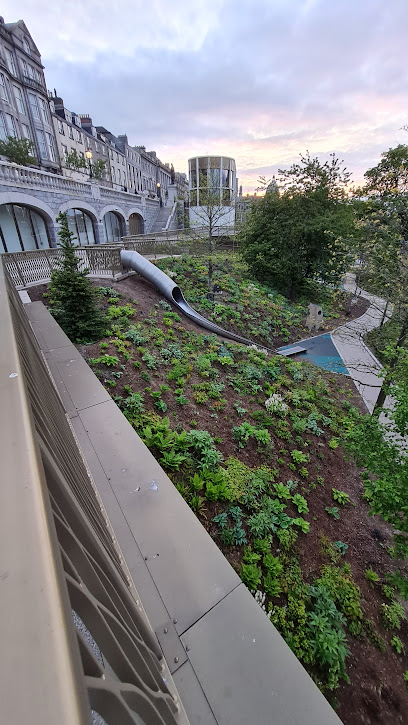
Babylon
27.0 km
Discover the pulse of Aberdeen's nightlife at Babylon, a premier nightclub and bar offering unforgettable nights filled with music and fun.
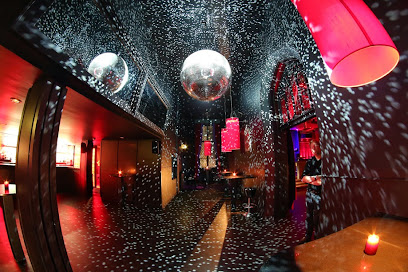
Deejays Nightclub
37.6 km
Fraserburgh’s revitalized nightlife hotspot offering vibrant music, dancing, and late-night fun on Denmark Street.
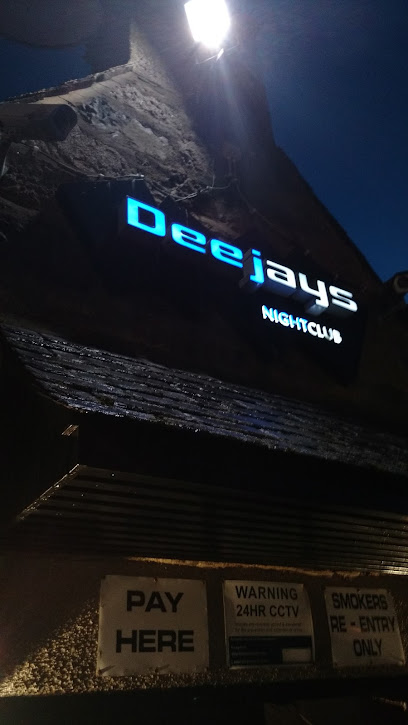
Market Arms
49.7 km
Experience the warmth and vibrancy of Market Arms in Banff, offering local brews, hearty meals, and a friendly atmosphere for every traveler.
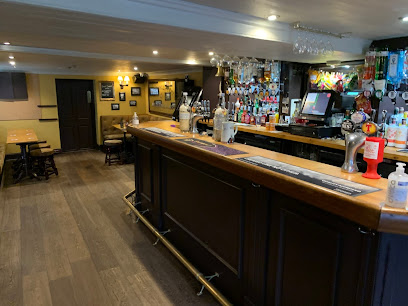
Banff Town & County Club
49.8 km
Discover the heart of Banff at the historic Town & County Club, a social hub that celebrates local culture and community spirit.
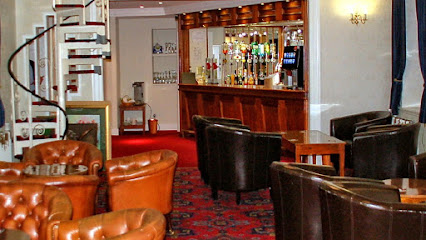
Castle Bar
50.0 km
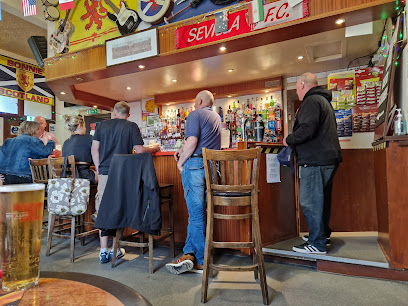
Experience the warmth and hospitality of Castle Bar, a charming pub in Banff, where locals and tourists come together over great food and drinks.
For the vibe & atmosphere seeker
- Tranquil
- Scenic
- Unique
- Quirky
For the design and aesthetic lover
- Rustic Designs
- Vintage Styles
For the architecture buff
- Historic
- Heritage Neighborhoods
For the view chaser and sunset hunter
- Iconic Views
- Waterfront
For the social media creator & influencer
- Instagrammable
- Photo Spots
For the eco-conscious traveler
- Protected Area
- Public-Transport Accessible
- Leave-No-Trace Critical
For the kind of experience you’re after
- Cultural Heritage
- Photowalk
- Nature Escape
- Day Trip
For how adventurous you want the journey to be
- Easy Access
Location Audience
- Family Friendly
- Senior Friendly
- Child Friendly
- Solo Friendly
- Couple Friendly


