
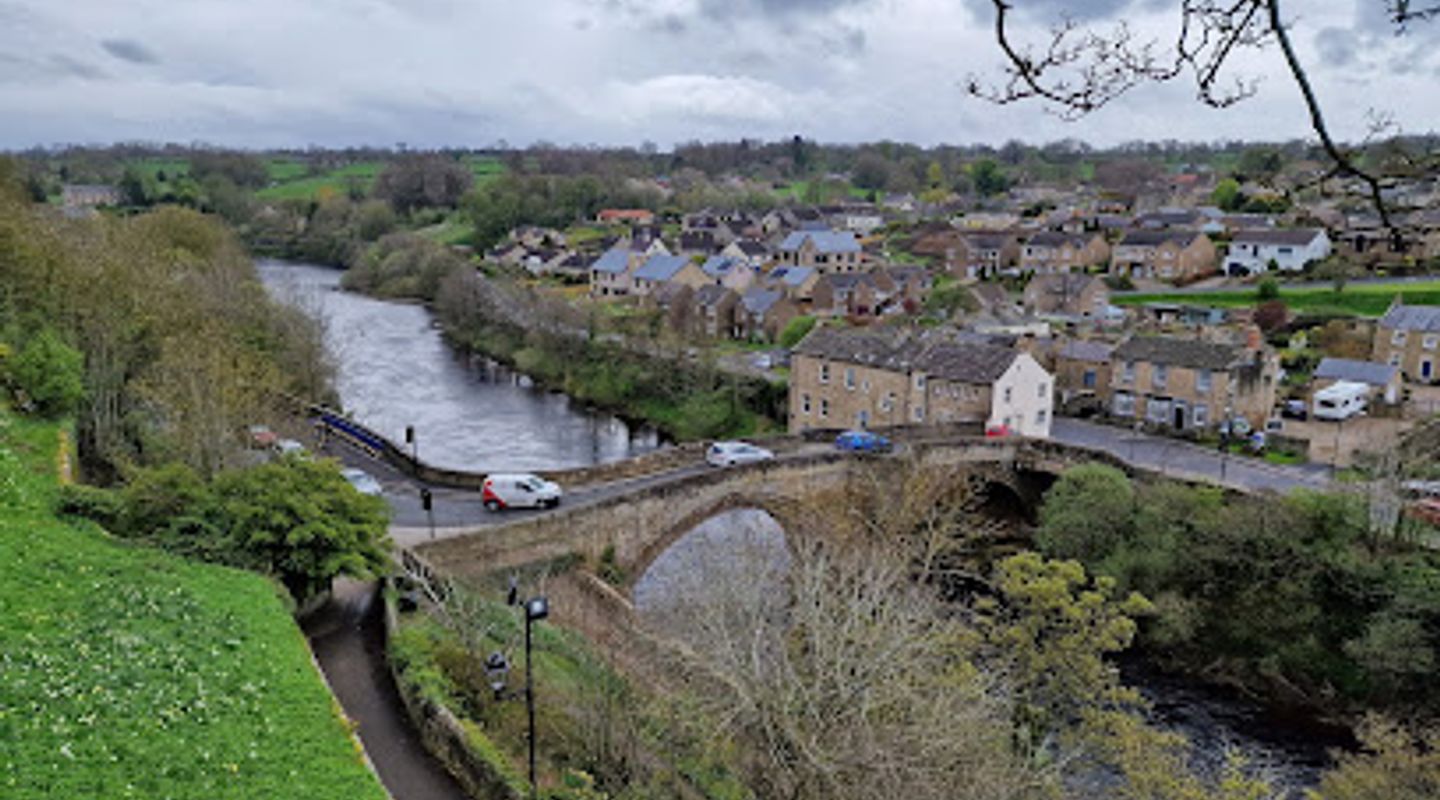
Barnard Castle Travel Guide
Explore the majestic ruins of Barnard Castle, a medieval fortress with stunning views over the River Tees and rich historical heritage.
Origins and Historical Significance
Barnard Castle was founded in the early 12th century by Bernard de Balliol, a Norman nobleman, as a strategic defensive stronghold overlooking the River Tees. Over the centuries, it was expanded and fortified by successive owners, including the powerful Beauchamp family and later Richard, Duke of Gloucester, who became King Richard III. The castle played a significant role in border conflicts and regional power struggles, symbolizing feudal authority and military might. By the 17th century, it was largely abandoned, leaving behind evocative ruins that today tell the story of medieval England’s turbulent past.Architectural Features and Ruins
The castle's remains include imposing curtain walls, the Great Hall, and a remarkable round tower that still stands tall, offering panoramic views of the surrounding Tees Gorge. Visitors can explore the extensive ruins, walking along battlements and through gatehouses that reveal the castle’s defensive design. The site’s layout on a rocky outcrop enhances its dramatic presence, while the well-maintained grounds include sensory gardens and lawns dotted with young fruit trees, blending nature with history.Scenic Surroundings and Riverside Charm
Barnard Castle is set within a picturesque landscape characterized by rolling hills and the winding River Tees below. The castle overlooks the river valley, providing breathtaking vistas that have inspired writers and artists through the ages. The nearby riverside paths offer tranquil walks, perfect for soaking in the natural beauty and watching local wildlife. The town of Barnard Castle itself retains much of its historic charm with cobbled streets, independent shops, and vibrant cultural life, making it a delightful complement to the castle visit.Cultural Highlights Nearby
Close to the castle is the renowned Bowes Museum, housed in a grand 19th-century French-style chateau. This museum boasts an impressive collection of European art, decorative objects, and the famous Silver Swan automaton. The town also features historic landmarks such as the Butter Market and Whorlton Suspension Bridge, enriching the cultural tapestry of the area. Seasonal events and family activities at the castle and museum bring history and art to life, offering engaging experiences for visitors of all ages.Visitor Experience and Practical Information
Managed by English Heritage, Barnard Castle is open from 10am to 5pm during spring and summer weekdays, with shorter hours in winter and weekends. Admission fees apply for non-members, with tickets valid all day. The site offers excellent photographic opportunities, especially from the round tower and river viewpoints. While the terrain includes some uneven and potentially muddy areas, making parts less accessible for those with mobility issues, the overall experience is rewarding with informative displays and a welcoming atmosphere.Legacy and Inspiration
Barnard Castle has long captured the imagination of poets, writers, and artists, including William Wordsworth and J.M.W. Turner, who found inspiration in its dramatic ruins and scenic setting. Its enduring presence continues to evoke the medieval spirit and the layered history of Northern England. Today, it stands not only as a monument to the past but also as a vibrant cultural landmark, inviting visitors to explore, reflect, and connect with England’s rich heritage.A brief summary to Barnard Castle
- Flatts Rd, Barnard Castle, Scar Top, Barnard Castle, DL12 8PR, GB
- Click to display
- Click to display
- Monday 10 am-5 pm
- Tuesday 10 am-5 pm
- Wednesday 10 am-5 pm
- Thursday 10 am-5 pm
- Friday 10 am-5 pm
- Saturday 10 am-4 pm
- Sunday 10 am-4 pm

Know before you go
Hi, I'm Eve. Here are a few practical things to know before exploring Barnard Castle.
- Visit early in the morning or late afternoon on weekdays to avoid crowds and enjoy a quieter experience.
- Wear sturdy footwear as some areas of the castle grounds can be uneven and muddy, especially after rain.
- Combine your castle visit with a trip to the nearby Bowes Museum for a rich cultural day out.
- Bring a camera for spectacular views from the castle’s round tower and along the River Tees.
Do you manage this location?
Take control to get all the benefits, like improved information, better appearance, and stronger visibility across AI-powered discovery. Learn more about listing your business on Evendo
Activate your presenceOther nearby places you may find interesting
The closest places of the same kind, if this one is not quite what you had in mind.
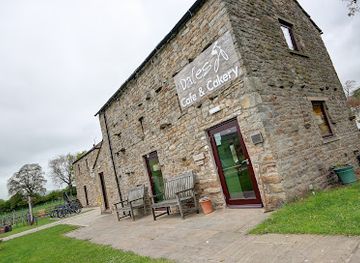

Explore Barnard Castle on the Map
A handpicked selection of must-see spots near Barnard Castle, mapped for you.
Getting There
-
Car
Driving to Barnard Castle from Durham takes approximately 45 to 60 minutes via the A688. There is public parking available near the castle; parking fees typically range from £2 to £5. The roads are well-maintained but can be busy during weekends and holidays.
-
Bus
Regular bus services run from Durham to Barnard Castle, with journey times around 1 hour 15 minutes. Buses arrive near the town center, about a 15-minute walk to the castle. Service frequency varies, so check schedules in advance. Tickets cost approximately £6 to £10 one way.
-
Train and Taxi
The nearest train station is Darlington, about 30 km away. From Darlington, a taxi ride to Barnard Castle takes around 30 minutes and costs approximately £40 to £50. This option is suitable if you prefer rail travel combined with a direct transfer.
-
Walking
For visitors staying in Barnard Castle town center, the castle is accessible on foot via a 10 to 15-minute walk. The terrain includes some slopes and uneven surfaces, so comfortable footwear is recommended.















Your all‑in‑one travel companion app
Explore expert travel guides, compare and book tours, experiences, hotels, and more—all from the palm of your hand. Download now for seamless trip planning wherever your wanderlust takes you.


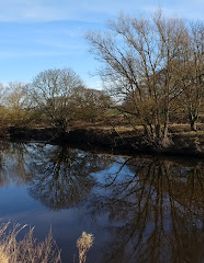
Explore 68 hectares of ancient woodland, wildflower meadows, and riverside trails just south of Durham city, with artful sculptures and rich wildlife.
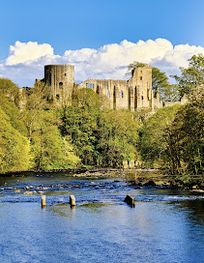
Explore the majestic medieval ruins of Barnard Castle with stunning views over the River Tees and rich cultural heritage nearby.
