Framwellgate Bridge, Durham Travel Guide
Free Guide: Durham’s oldest stone bridge, a medieval marvel offering iconic views of the cathedral and river, steeped in history and timeless charm.


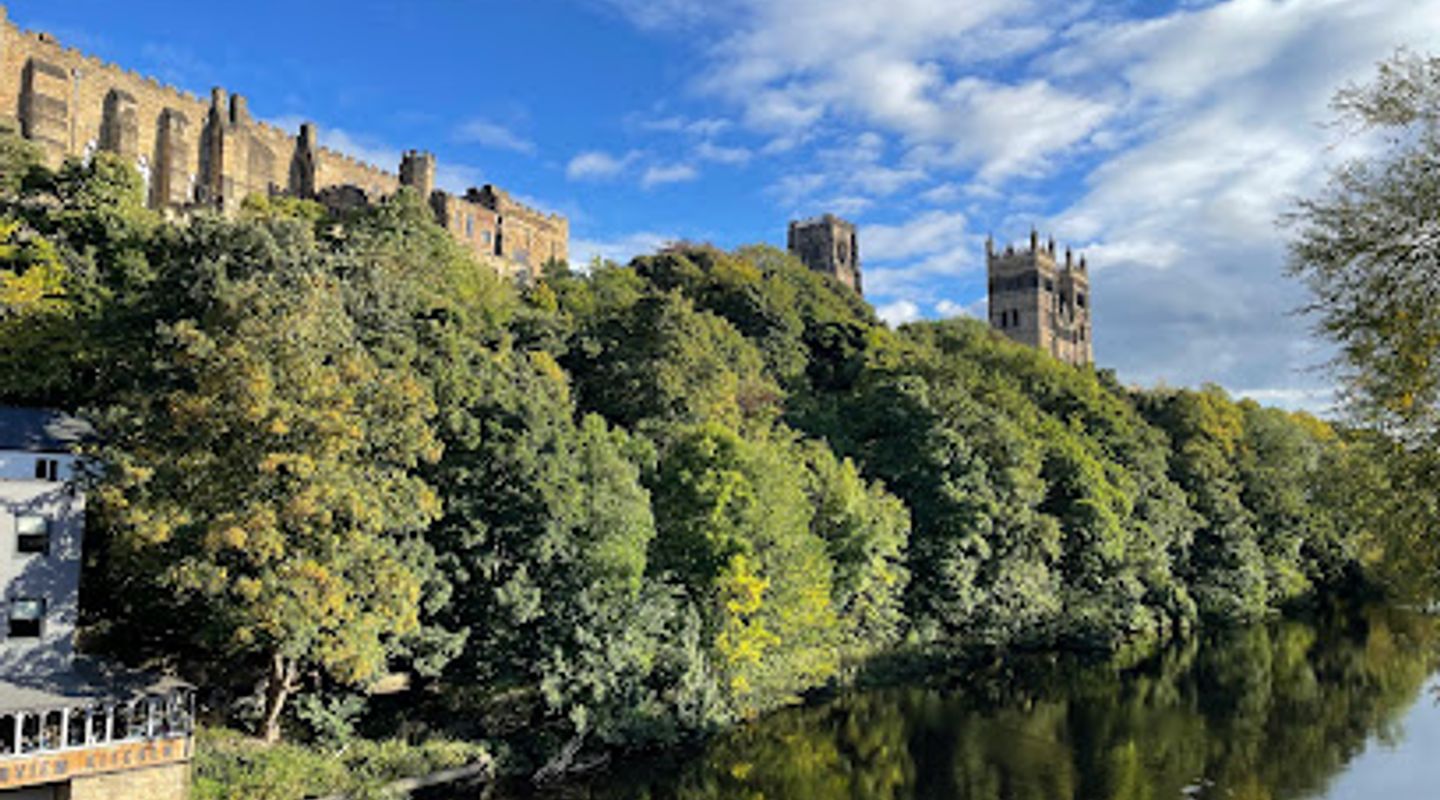
A brief summary of Framwellgate Bridge
Durham’s oldest stone bridge, a medieval marvel offering iconic views of the cathedral and river, steeped in history and timeless charm.
Framwellgate Bridge, Durham’s oldest surviving bridge, dates back to the early 12th century and stands as a testament to medieval engineering and Norman authority. Rebuilt in the 15th century after devastating floods, this stone arch bridge offers iconic views of Durham Cathedral and the River Wear, marking a historic northern entrance to the city and a vibrant stage for centuries of commerce, defense, and local life.
On-site amenities
 Seating areas
 Information boards
Opening hours
- Every dayOpen 24 hours
Opening hours as listed on the venue’s Google Business Profile. Hours can change for services and special events, so check with the venue before you go.
- Address
- Silver St, Durham DH1 4SJ
Getting there
Bus
Taxi
Walking
Discover more about Framwellgate Bridge
Origins of a Strategic Medieval Crossing
Framwellgate Bridge was originally constructed around 1127–1128 under the direction of Bishop Ranulf Flambard, a key Norman figure who sought to secure the northern approach to Durham. This early stone bridge replaced precarious fords and wooden crossings, symbolizing Norman power and control over trade and movement into the city. Its multiple stone arches were a remarkable feat for the era, establishing Framwellgate as a vital artery linking the Old Borough of Framwellgate with the heart of Durham.
Destruction and Renaissance: The 15th-Century Rebuild
After standing for nearly three centuries, the original bridge was catastrophically damaged by a great flood in 1400, severing an essential connection. The city swiftly responded by instituting ferry services while planning a more resilient replacement. Bishop Thomas Langley spearheaded the reconstruction in the early 1400s, creating the sturdier stone bridge that endures today. Its wide, robust arches were engineered to better resist the River Wear’s powerful currents, reflecting advances in medieval bridge-building.
A Hub of Medieval Life and Power
Far more than a simple crossing, Framwellgate Bridge was a focal point of medieval Durham’s social, economic, and defensive life. It was heavily fortified with a gatehouse that controlled traffic, collected tolls, and served as a checkpoint against threats. The bridge bustled with shops and booths, making it a lively commercial hub. The gatehouse’s demolition in 1760 marked a shift from military defense to facilitating commerce and traffic flow, mirroring Durham’s evolving priorities.
Architectural Evolution and Modern Use
Originally narrower and crowded with medieval structures, the bridge was cleared and widened in 1859 to accommodate increasing traffic demands. Today, Framwellgate Bridge is pedestrianized, allowing visitors to appreciate its historic stone arches and the stunning vistas it provides. From the bridge, one can admire the majestic Durham Cathedral and the serene flow of the River Wear, making it a cherished viewpoint and a symbol of the city’s enduring heritage.
Enduring Symbolism and Cultural Significance
Framwellgate Bridge stands as a monument to Durham’s layered history—from Norman conquest through medieval commerce to modern preservation. It embodies the city’s resilience and strategic importance, serving as a tangible link between past and present. The bridge’s presence continues to inspire awe, not only for its architectural merit but also for its role in shaping Durham’s identity and urban landscape.
Experience and Atmosphere Today
Walking across Framwellgate Bridge, visitors are immersed in centuries of history while enjoying a tranquil setting beside the River Wear. The bridge’s stone arches frame views of the cathedral’s spires and the lush riverbanks, creating a peaceful yet vibrant atmosphere. It remains a beloved spot for photography, reflection, and connecting with Durham’s medieval spirit.
Evendo Review Centre
 Google
Guest reviews
Best time to go
Quietest: Jan, Feb & Dec · before 6am
Busy times are Evendo estimates for a typical year, to help you plan. Actual crowds vary with events, school holidays and the weather.
Explore Framwellgate Bridge on the map
A handpicked selection of must-see spots near Framwellgate Bridge, mapped for you.
Get your free copy of our complete guide to Framwellgate Bridge, delivered straight to you.
Everything on this page, from opening hours and how to get there to Eve’s tips and the best time to go, in one PDF you can read offline, print or share.
Already have an account? Sign in
Your Framwellgate Bridge guide is ready.
We'll send it to · Not you? Sign out

Getting your guide ready…
We are putting together a fresh copy of the Framwellgate Bridge guide. This can take up to a minute.
This can take a few moments. If your browser asks, choose Allow so the download can start. You'll find the guide in your Downloads folder.
Nothing happened? Download it again
Sorry, the guide is taking longer than usual. Please try again in a minute, or get it by email instead.
Unlock the best of Framwellgate Bridge
Skip-the-line tickets, guided tours with entry, and walking tours of the area, booked in a few clicks.


Other nearby places you may find interesting
The closest places of the same kind, if this one is not quite what you had in mind.
-
-
-
-
-


Swipe for more places
More to explore near Framwellgate Bridge

 Best experiences near Framwellgate Bridge
 Best hotels near Framwellgate Bridge
 Best landmarks near Framwellgate Bridge
 Best attractions near Framwellgate Bridge
 Best shops near Framwellgate Bridge
 Best restaurants near Framwellgate Bridge
 Best bars near Framwellgate Bridge
Do you manage this location?
Take control to get all the benefits, like improved information, better appearance, and stronger visibility across AI-powered discovery.
Explore more

Explore more of Durham
Discover the unique blend of history and modernity in Durham. From the iconic Cathedral in England to the vibrant innovation hub in North Carolina.
Explore Durham
Explore more of United Kingdom
Discover the United Kingdom: A blend of rich history, stunning landscapes, and vibrant cities, offering a unique travel experience for every visitor.
Explore United Kingdom