
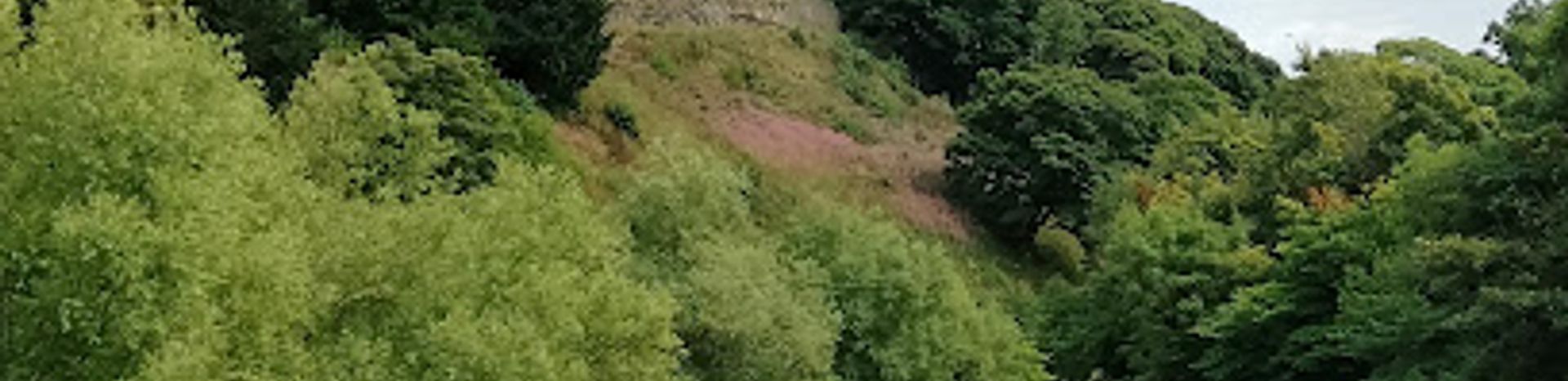
Richmond Castle
A commanding Norman fortress above the River Swale, with a towering keep, peaceful garden and a powerful story from the Conquest to the First World War.
Perched high above the River Swale in North Yorkshire, Richmond Castle is one of England’s finest and best-preserved early Norman fortresses. Built in the 1070s by Alan Rufus, its imposing 30m-high keep offers panoramic views over the market town and the rolling Yorkshire Dales. Explore the atmospheric ruins, the secluded Cockpit Garden, and an engaging exhibition that traces the castle’s journey from Norman stronghold to Victorian barracks and First World War prison for conscientious objectors. Managed by English Heritage, it’s a compelling destination for history lovers and families alike.
A brief summary to Richmond Castle
- Tower St., Richmond, DL10 4QW, GB
- Visit website
- Duration: 1.5 to 3 hours
- Mid ranged
-
 Outdoor
- Mobile reception: 4 out of 5
- Monday 10 am-5 pm
- Tuesday 10 am-5 pm
- Wednesday 10 am-5 pm
- Thursday 10 am-5 pm
- Friday 10 am-5 pm
- Saturday 10 am-5 pm
- Sunday 10 am-5 pm
Local tips
- Climb the keep early in the day to avoid queues and enjoy the best light for photos; the views over Richmond and the Dales are spectacular.
- Allow time for the interactive exhibition near the entrance – it provides excellent context for the castle’s long and varied history.
- Bring sturdy shoes and a jacket; the site is exposed and can be windy, especially on the battlements and near the river edge.
- Combine your visit with a walk into Richmond town and a trip to Easby Abbey for a full day exploring the area’s rich heritage.

For the on-the-go comforts that matter to you
- Restrooms
- Drink Options
- Drinking Water
- Food Options
- Seating Areas
- Sheltered Areas
- Trash Bins
- Information Boards
- Visitor Center
Getting There
-
On foot from Richmond town centre
From Richmond’s market square, follow Tower Street uphill for about 10 minutes. The route is paved and mostly gentle, with clear signage leading to the castle entrance. This is the most direct and scenic approach, passing historic buildings and offering views of the castle as you ascend.
-
By car with parking
Drive to Richmond and use the town’s main car parks, such as the one near the market square or the Riverside car park. From there, it’s a 10–15 minute walk uphill to the castle. Parking is paid during the day, and spaces can be limited in peak season, so arriving early is advisable.
-
By public transport
Richmond is served by regular bus services from nearby towns such as Northallerton and Darlington. From the bus stop in the town centre, it’s a 10–15 minute walk up Tower Street to the castle. The journey from Northallerton takes about 30–40 minutes by bus.
Richmond Castle location weather suitability
-
 Any Weather
-
 Clear Skies
-
 Mild Temperatures
Discover more about Richmond Castle
A Norman Powerhouse on the Edge of the Dales
Richmond Castle rises dramatically from a rocky promontory above the River Swale, a commanding presence that has dominated this corner of the Yorkshire Dales for nearly a millennium. Founded in the 1070s by Alan Rufus, a Breton nobleman and kinsman of William the Conqueror, the castle was built to assert Norman control over the rebellious north of England. Its original name, Riche Mount, meaning 'the strong hill', speaks to its strategic position and formidable design. As one of the best-preserved early Norman castles in England, Richmond offers a rare glimpse into the architecture and military thinking of the immediate post-Conquest period, with substantial sections of the original curtain walls and the core layout still clearly legible.The Keep and the Castle’s Evolution
The castle’s most striking feature is its massive 30m-high keep, constructed in the late 12th century under Duke Conan IV of Brittany. Unlike many keeps with spiral staircases, Richmond’s has straight flights between levels, leading up to battlements that provide breathtaking views across Richmond and the surrounding countryside. The keep’s thick sandstone walls and imposing scale reflect the wealth and power of its builders. Over the centuries, the castle passed through royal and noble hands, was adapted as an Elizabethan manor house, and later fell into ruin before being partially restored in the 18th century. Its later life as a Victorian militia headquarters and a First World War detention block adds layers of more recent history to its medieval core.Atmosphere and Key Features
Today, Richmond Castle is a place of evocative ruins and open grassy spaces, where visitors can wander freely through the main enclosure and imagine the castle in its heyday. The Cockpit Garden, a quiet, walled enclosure within the walls, offers a peaceful retreat and a sense of how the inner bailey might have been used. An interactive exhibition, housed in a modern building near the entrance, brings the castle’s long story to life, covering its Norman origins, medieval development, and 20th-century role, including the poignant story of the Richmond Sixteen conscientious objectors. The site is well-maintained by English Heritage, with clear signage and information boards that enhance the experience without overwhelming the historic fabric.Visitor Experience and Practicalities
Climbing the keep is a highlight, rewarding the effort with sweeping views of the town, the river, and the Dales beyond. The grassy areas inside the walls are ideal for picnics and informal games, making the castle particularly appealing for families. While the site is largely accessible, visitors should be aware that there are steep drops, particularly on the river side, with limited fencing in places, so close supervision of children is essential. The castle is a short walk from Richmond’s historic market square, allowing for a combined visit to the town’s shops, cafes, and other attractions such as Easby Abbey and the Green Howards Museum. English Heritage members enjoy free entry, and the site is open seasonally with limited hours, so checking opening times in advance is recommended.Iconic landmarks you can’t miss

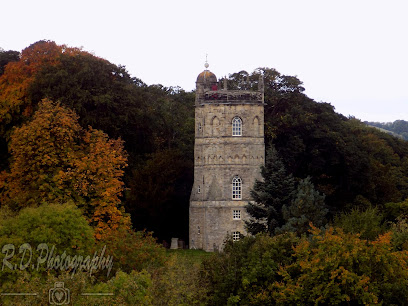
Culloden Tower
0.4 km
Historic Culloden Tower in Richmond offers a unique self-catering stay blending heritage charm with modern comfort in Yorkshire’s scenic market town.
Westmoreland Street
19.5 km
Explore Darlington from Westmoreland Street, your hub for transport, local culture, and historical attractions in County Durham.
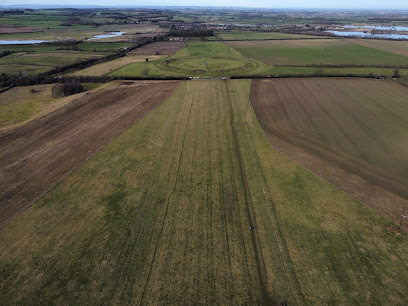
Thornborough Henges
24.3 km
Explore the awe-inspiring Thornborough Henges, a vast Neolithic ritual landscape known as the Stonehenge of the North, free to visit and steeped in ancient mystery.
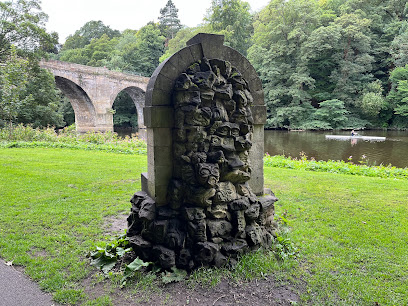
Kathedra
42.4 km
Explore the Kathedra in Durham, a stunning gothic stone chair by the river, perfect for history lovers and photography enthusiasts alike.
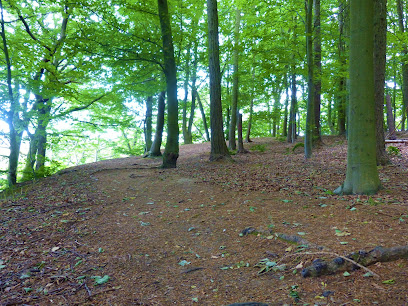
Maiden Castle Earthwork
42.4 km
Explore Durham’s ancient Iron Age promontory fort with its impressive earthworks nestled in tranquil woodland overlooking the River Wear.
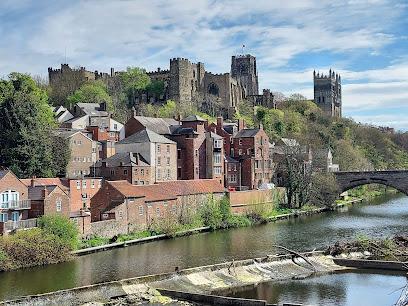
Durham
42.7 km
Explore Durham Cathedral, a Norman architectural masterpiece and spiritual sanctuary with stunning views, sacred relics, and rich medieval heritage.
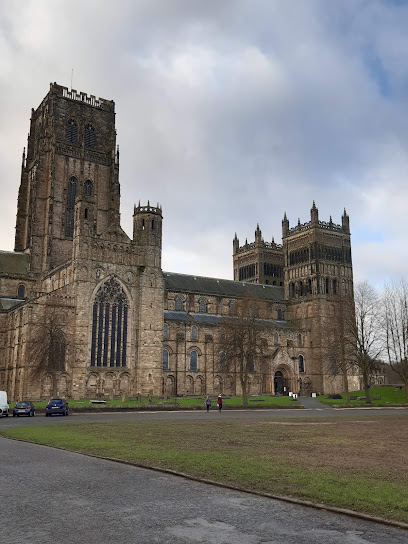
Palace Green
42.7 km
Explore Palace Green in Durham, a scenic viewpoint showcasing stunning architecture and lush landscapes, perfect for photography and leisurely strolls.
World Heritage Site Visitor Centre
42.7 km
Explore Durham's rich history and cultural heritage at the World Heritage Site Visitor Centre, your gateway to the city's stunning attractions.
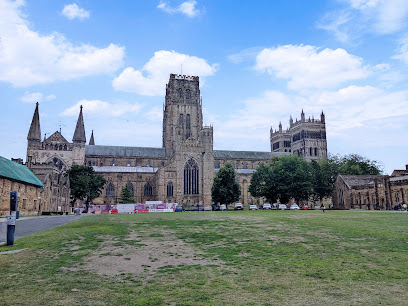
Old Durham Gardens
42.7 km
Discover the tranquil beauty of Old Durham Gardens, a hidden gem in Durham perfect for leisurely strolls and serene picnics amidst vibrant flowers.
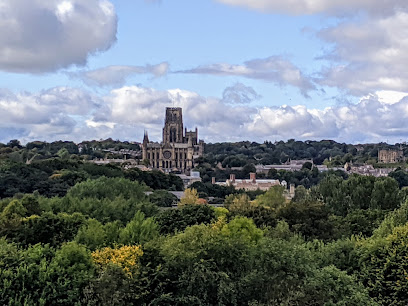
Riverside walk
42.7 km
Discover the beauty of Riverside Walk in Durham, a perfect blend of nature and history along the scenic riverbanks.
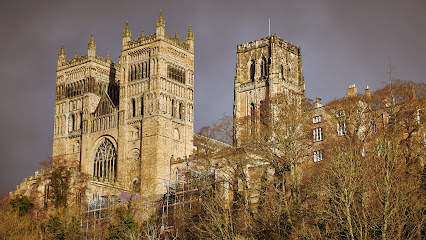
Department of History • Durham University
42.8 km
Discover the rich history and vibrant academic life at the Department of History, Durham University—where the past comes alive in the heart of a historic city.
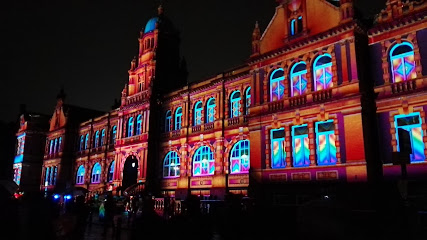
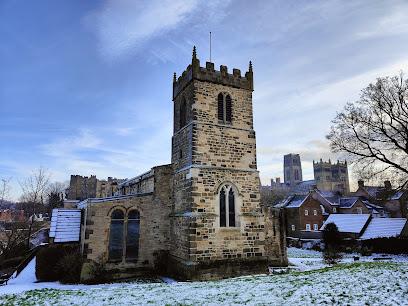
St Margaret of Antioch Church
42.8 km
Discover the serene charm of St Margaret of Antioch Church in Durham, a beautiful Anglican church rich in history and tranquility.
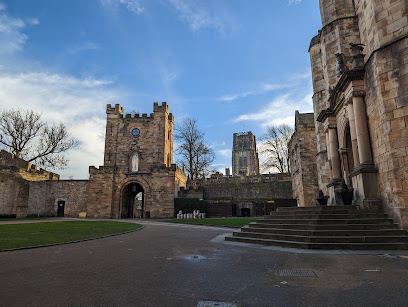
Durham Castle
42.8 km
Discover the rich history and stunning architecture of Durham Castle, a UNESCO World Heritage Site and a must-see attraction in Durham, England.
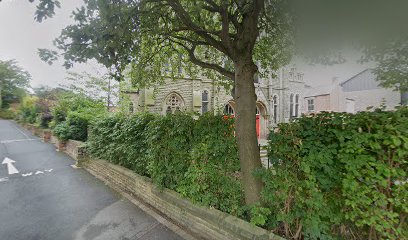
Durham Big Sing
42.8 km
Join the vibrant community of singers at Durham Big Sing, where music and joy come together in the heart of Durham's historic landscape.
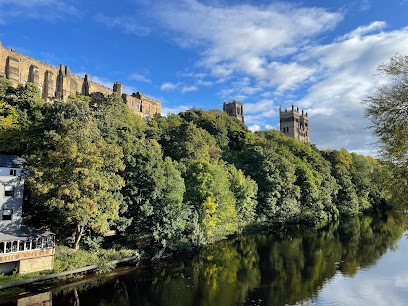
Framwellgate Bridge
42.8 km
Durham’s oldest stone bridge, a medieval marvel offering iconic views of the cathedral and river, steeped in history and timeless charm.
Unmissable attractions to see

Constable Burton Hall & Gardens
9.6 km
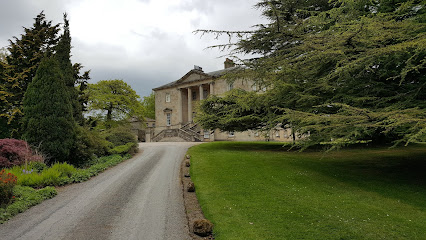
Discover the serene beauty and exclusive heritage of Constable Burton Hall & Gardens, a private Georgian estate near Leyburn, Yorkshire.
The Dalesman's Club
11.9 km
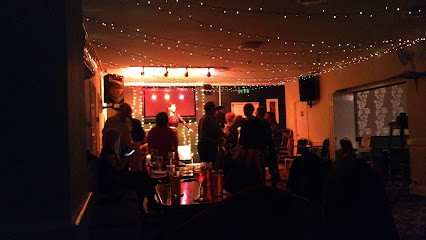
A welcoming sports club in Leyburn with lively events, excellent sports viewing, and a true community spirit in the heart of town.
Dales Bike Centre
12.6 km
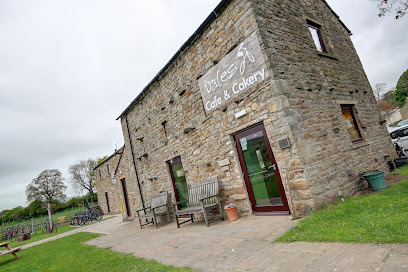
Legendary cakes and world-class cycling at the gateway to the Yorkshire Dales.
Swaledale Museum
13.3 km
Discover the rich heritage and traditional life of Swaledale at this engaging local history museum in the heart of Reeth.
Wensley Waterfall
13.6 km
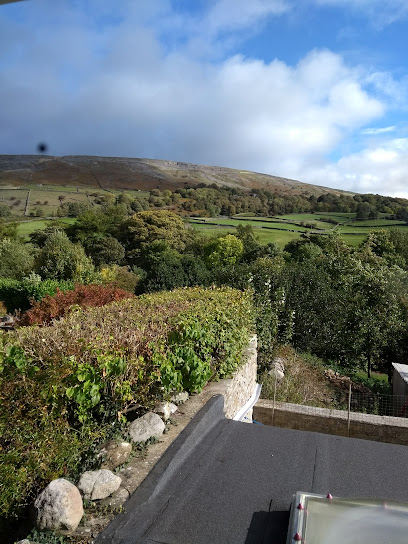
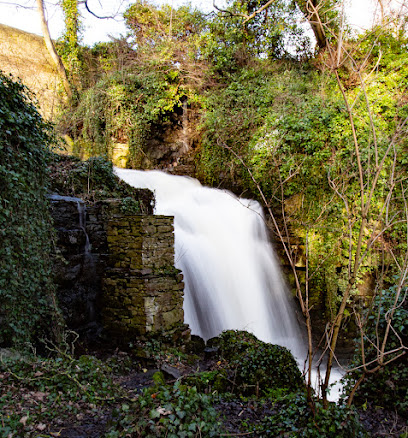
Discover the tranquil charm of Wensley Waterfall, a hidden cascade nestled in historic Wensley village within the scenic Yorkshire Dales.
Middleham Castle
13.9 km
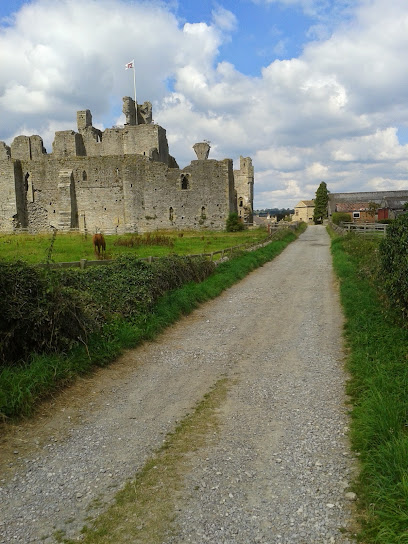
Explore the majestic ruins of Middleham Castle, childhood home of Richard III and a symbol of medieval power in North Yorkshire.
The Forbidden Corner
16.0 km
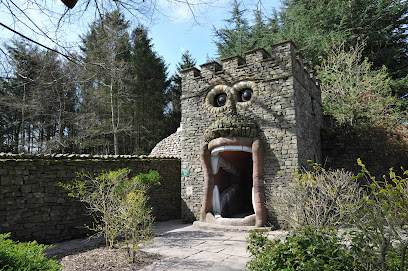
Explore a magical labyrinth of tunnels, follies, and whimsical surprises in the heart of the Yorkshire Dales at The Forbidden Corner.
Bolton Castle
16.4 km
Explore Bolton Castle, a stunning 14th-century fortress where history, royalty, and medieval architecture converge in the heart of North Yorkshire.
The Wensleydale Experience
17.0 km
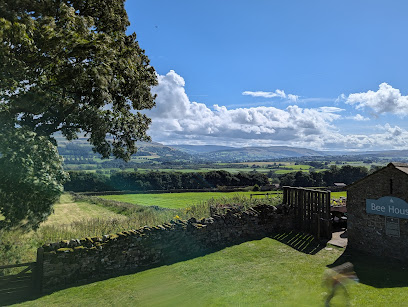
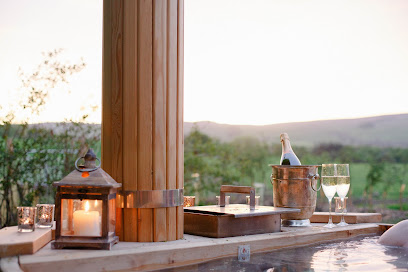
Experience authentic rural charm and stunning valley views in cozy yurts at The Wensleydale Experience, a tranquil farm stay in the Yorkshire Dales.
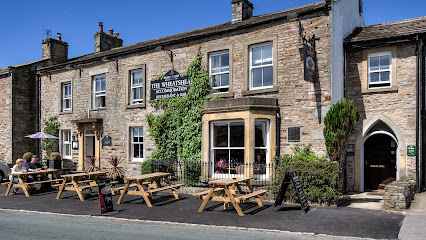
The Wheatsheaf Inn
19.6 km
Traditional Yorkshire hospitality in the heart of Wensleydale—comfort, cuisine, and countryside charm.
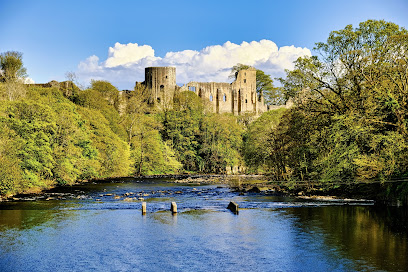
Barnard Castle
19.9 km
Explore the majestic medieval ruins of Barnard Castle with stunning views over the River Tees and rich cultural heritage nearby.
Aysgarth Falls Yorkshire Dales National Park Visitor Centre
19.9 km
Explore the stunning three-tiered Aysgarth Falls and enjoy welcoming facilities in the heart of the Yorkshire Dales National Park.
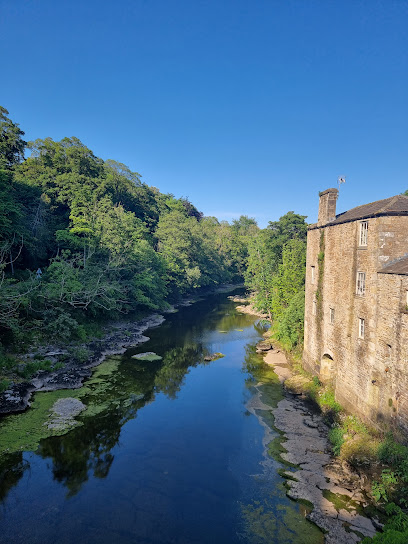
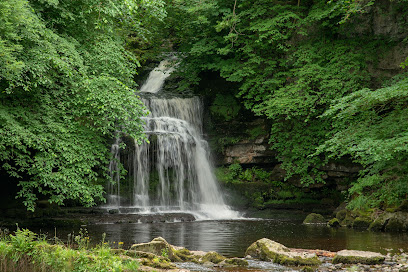
Cauldron Falls
20.7 km
Discover the serene beauty and historic charm of Cauldron Falls, a picturesque waterfall with a deep plunge pool in the heart of West Burton village.
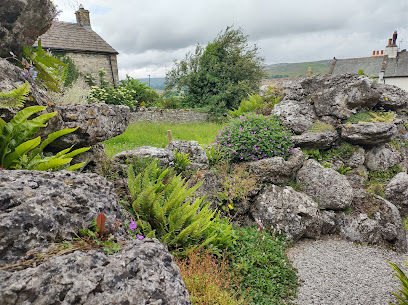
Aysgarth Edwardian Rock Garden
20.9 km
Discover a tranquil Edwardian-era limestone rock garden with winding paths, arches, and a waterfall nestled in the heart of Aysgarth village.
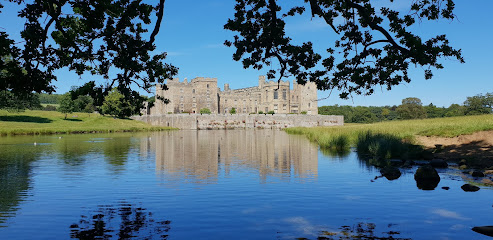
Raby Castle, Deer Park & The Plotters' Forest
21.4 km
Explore the majestic medieval Raby Castle, its serene deer park, and enchanting walled gardens in County Durham’s historic estate.
Essential places to dine

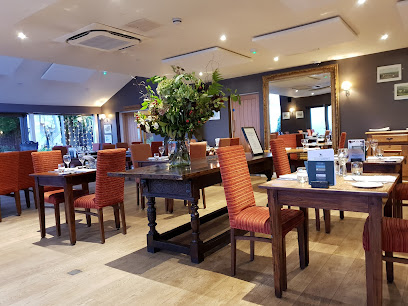
Black Bull Inn
7.2 km
Experience authentic Yorkshire hospitality with award-winning pub cuisine, seasonal local produce, and a warm, inviting atmosphere in the heart of Moulton.
The Bolton Arms
11.9 km
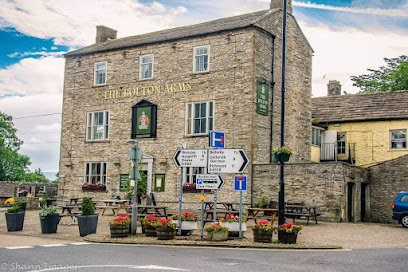
Historic Yorkshire pub offering hearty home-cooked meals, local ales, and a warm, dog-friendly atmosphere in the heart of Leyburn.
The Blue Lion Inn, Pub and Restaurant with Accommodation
15.0 km
Quintessential Yorkshire Dales inn blending rustic charm, hearty cuisine, and cozy accommodation in the heart of East Witton village.
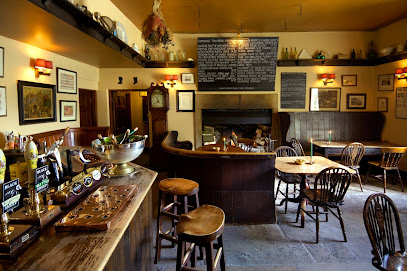
Hansom Restaurant and Wine Bar
15.5 km
Intimate fine dining in a historic Bedale house, offering modern tasting menus with local produce and expertly paired wines.
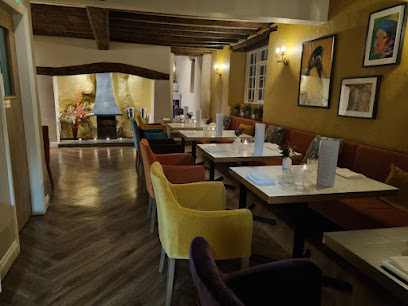
The Saddle Room Restaurant
16.0 km
Experience refined English dining and boutique comfort in the tranquil countryside of Leyburn’s historic Tupgill Park Stables.
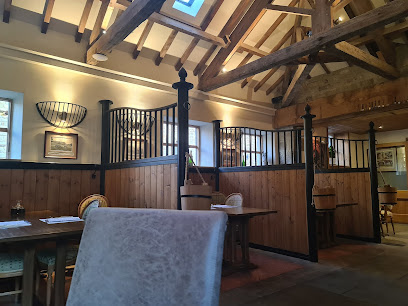
The Fox & Hounds Inn
16.5 km
Experience authentic Yorkshire hospitality at The Fox & Hounds Inn in West Witton - where comfort meets tradition.
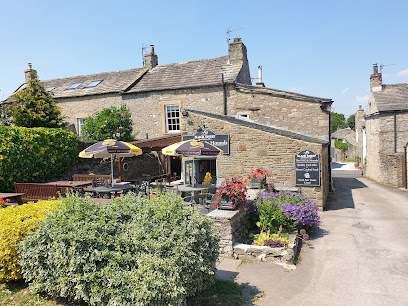
Wensleydale Heifer
16.6 km
Luxury boutique hotel and acclaimed fine dining in the heart of the Yorkshire Dales, offering themed rooms and local culinary delights.
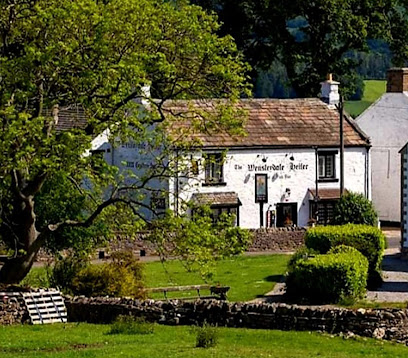
The Foresters Arms
19.1 km
A welcoming community pub in picturesque Carlton-in-Coverdale, blending traditional charm with quality food and local spirit.

Where There's Smoke Restaurant
20.7 km
Experience bold smoky flavors and artistic dining in Masham’s Michelin-starred Where There's Smoke, a unique culinary gem with local roots.
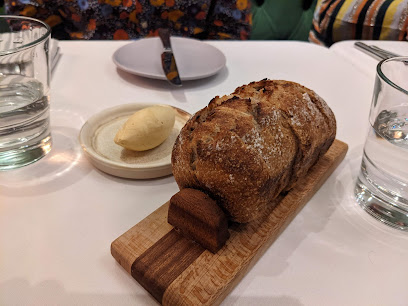
Yorebridge House
25.7 km
Experience refined luxury and serene beauty at Yorebridge House, a boutique 5-star retreat in the heart of the Yorkshire Dales.
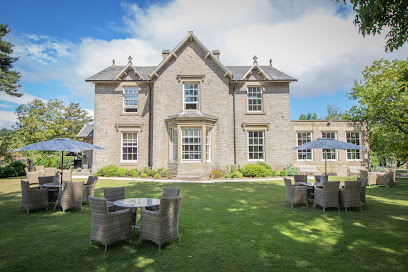
Sycamore Restaurant
26.0 km
Authentic British dining with rustic charm in the scenic village of Bainbridge, celebrating local flavors and warm hospitality.
Stone House Hotel
30.7 km
Elegant Edwardian country house hotel offering scenic Yorkshire Dales views, refined dining, and warm hospitality near Hawes.
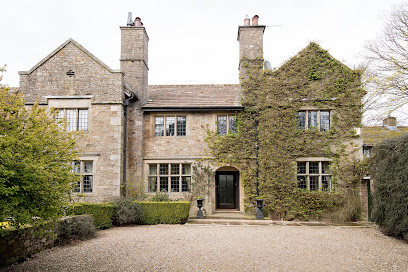
The White Hart Inn, Hawes
31.7 km
A cozy, traditional Yorkshire pub and inn in Hawes offering hearty local fare, comfortable rooms, and warm Dales hospitality.
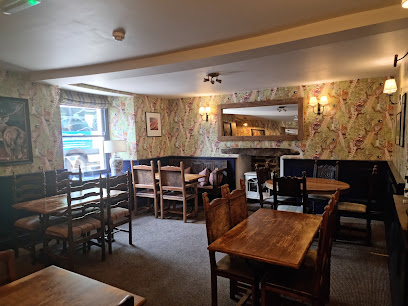
The Crown Hawes
31.8 km
A traditional Yorkshire Dales pub offering hearty meals, local ales, and warm hospitality in the heart of Hawes Market Place.
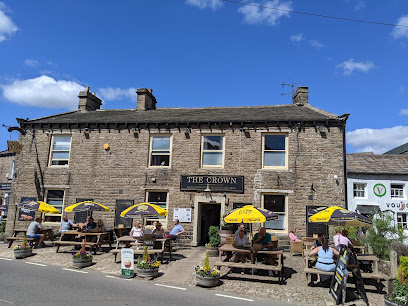
Shaun Rankin at Grantley Hall
32.2 km
Experience Michelin-starred British cuisine crafted from North Yorkshire’s finest local ingredients in an elegant countryside setting.
Markets, malls and hidden boutiques

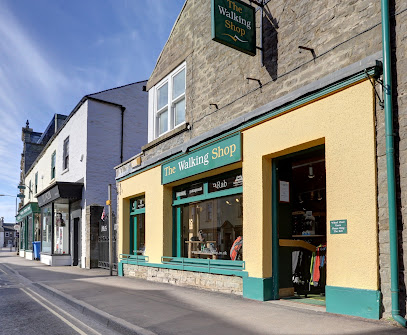
The Walking Shop
11.8 km
Your trusted outdoor gear specialist in Leyburn, offering expert advice and quality equipment for Yorkshire Dales adventures.
The Old Barnard Castle Curiosity Shop
19.9 km
Discover quirky crafts and unique treasures in the heart of historic Barnard Castle at this charming curiosity shop.

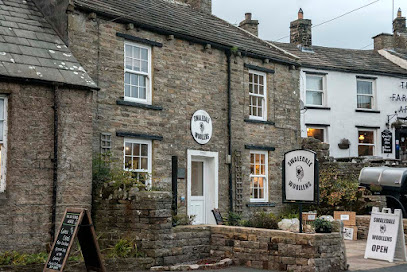
Swaledale Woollens
26.3 km
Discover authentic, handmade woollen knitwear crafted by local artisans in the heart of the Yorkshire Dales at Swaledale Woollens.
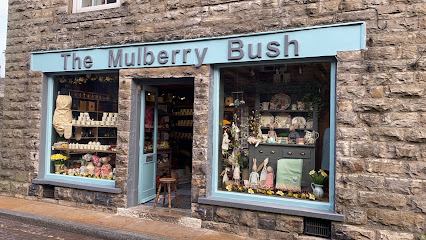
The Mulberry Bush and Yorkshire Sheepskins
31.6 km
A charming Yorkshire gift shop in Hawes offering unique sheepskins, local crafts, and a warm, traditional welcome.
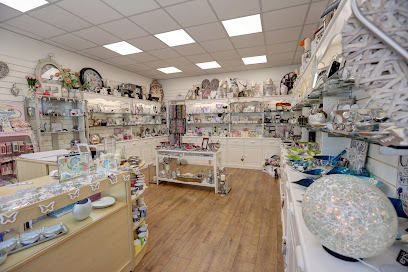
Unique Gifts
31.8 km
Discover handcrafted treasures and unique local gifts in the heart of Thirsk’s historic Market Place.
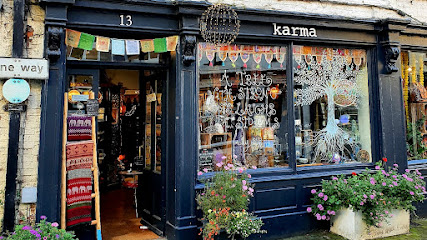
Karma - Clothing & Gift Boutique
32.8 km
Discover sustainable bohemian fashion and unique handcrafted gifts in Ripon’s vibrant Karma boutique.
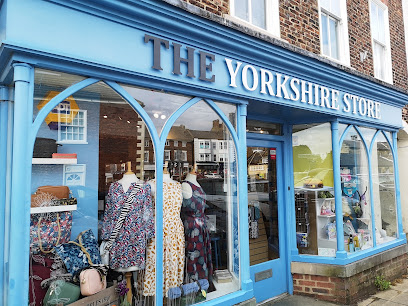
The Yorkshire Store
36.0 km
Discover authentic Yorkshire gifts and family clothing in the heart of Stokesley’s vibrant market town.
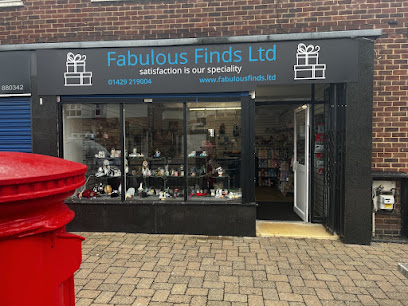
Fabulous Finds Limited
38.7 km
Explore Fabulous Finds Limited in Trimdon Station for unique gifts and local treasures that capture the spirit of your travels.
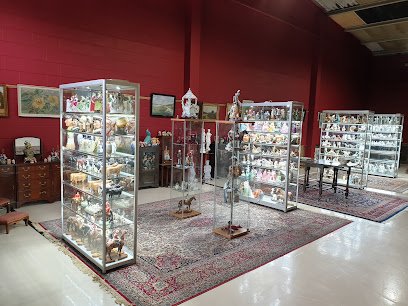
Amazing Antiques Etc. Limited
40.1 km
One of the North East’s largest antique shops, packed with porcelain, furniture and vintage treasures in a 10,000 sq ft emporium near Durham.
Durham Vintage
40.2 km
Timeless vintage fashion treasures curated with passion in the heart of Langley Moor.

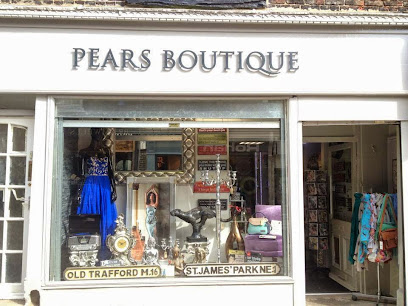
Pears Boutique
40.2 km
Discover stylish day-to-evening fashion and unique gifts at Pears Boutique in Langley Moor, Durham’s charming industrial estate shopping spot.
Church Gallery
40.4 km
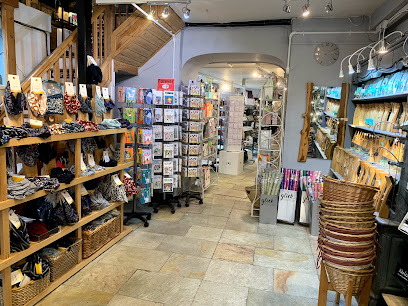
A multi-level gem in Kirkby Stephen: browse quirky gifts and cards, sip coffee, and shop ladies’ clothes in a dog-friendly, relaxed café-shop hybrid.
Sasa Girls
42.5 km
Discover stylish, locally crafted fashion accessories at Sasa Girls, Durham’s charming boutique for unique and trendy pieces.
The Cathedral Shop
42.5 km
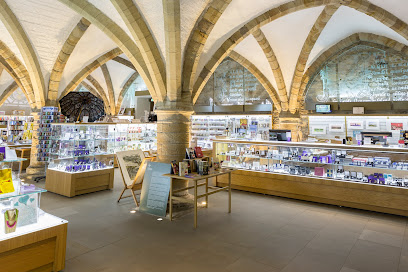
Curated gifts and books supporting Durham Cathedral's conservation, housed in medieval undercroft spaces.
The Cutting Edge
42.5 km
Discover unique handmade gifts and local crafts in the historic heart of Durham at The Cutting Edge.
Essential bars & hidden hideouts

The Cavern Music Bar
0.3 km
A retro-inspired bar in Richmond offering curated cocktails and classic tunes on lively weekend nights.
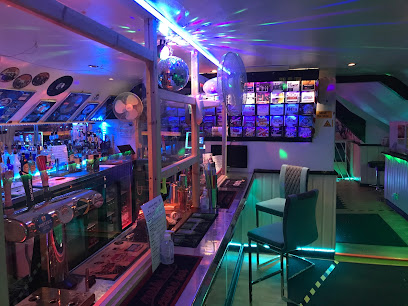
Aysgarth Falls Hotel & Restaurant
20.2 km
Charming hotel with stunning Yorkshire Dales views, fine dining, and cozy rooms near the iconic Aysgarth Falls.
Street head inn
22.7 km
A cozy Yorkshire Dales pub with hearty meals, local ales, and stunning countryside views in Newbiggin near Leyburn.
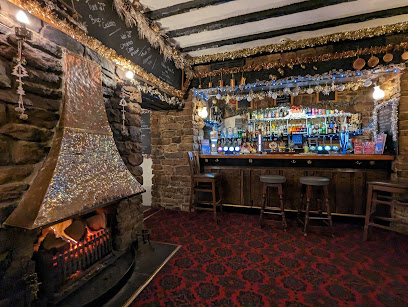
The Crown Inn
24.1 km
A friendly, family-run pub in Askrigg offering hearty local food, fine ales, and a warm Yorkshire welcome in the heart of the Dales.
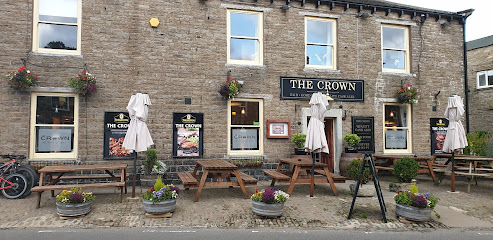
The King's Arms Hotel
24.2 km
Historic Yorkshire Dales pub and hotel famed for warm hospitality, hearty local fare, and charming traditional rooms in Askrigg village.
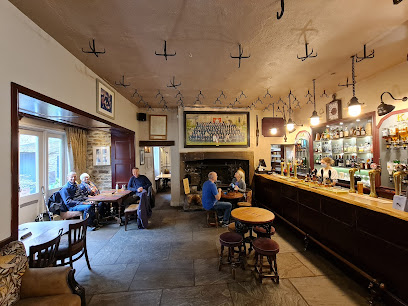
Yorkshire Dales Brewery
24.9 km
Experience authentic Yorkshire craft beers and seasonal taproom charm in the heart of the stunning Yorkshire Dales.

Farmers Arms
26.3 km
A beloved traditional pub in Muker offering hearty food, cozy charm, and a welcoming atmosphere in the heart of the Yorkshire Dales.
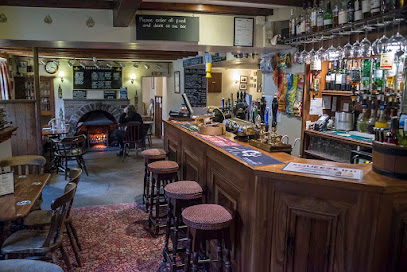
Hawes Club
31.6 km
A friendly, affordable bar on Main Street offering casual drinks, sports, and a pool table in the heart of Hawes.
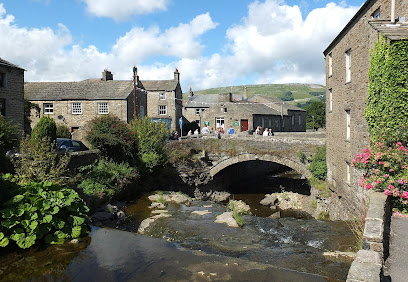
The Green Dragon Inn
31.7 km
Historic Yorkshire coaching inn with cozy fires, hearty pub fare, and scenic Dales setting near Hardraw Force waterfall.
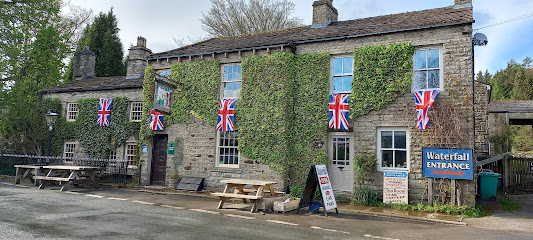
The George Inn
33.3 km
Traditional Yorkshire Dales pub with award-winning pies, cozy rooms, and warm hospitality nestled in the scenic village of Hubberholme.
G & P Events and Mobile Bars
34.7 km
Experience bespoke mobile bar services and event hospitality in the scenic heart of Kettlewell, blending professional expertise with rural charm.
The Blue Bell Inn
34.8 km
Historic 17th-century inn offering cozy rooms, hearty local fare, and a welcoming atmosphere in scenic Kettlewell, Yorkshire Dales.
The Queens Arms
37.5 km
Historic 17th-century Yorkshire pub in Litton offering award-winning local cuisine, cozy ambiance, and handcrafted ales in the heart of the Dales.
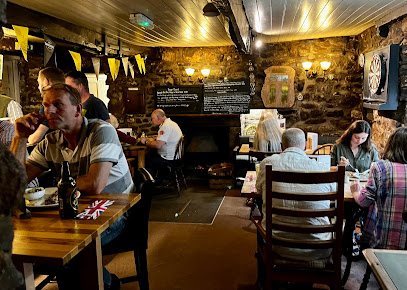
The Taggy Man
40.4 km
A quirky, cosy, and dog-friendly pub in Kirkby Stephen offering hearty pies, local ales, and a warm, welcoming atmosphere.
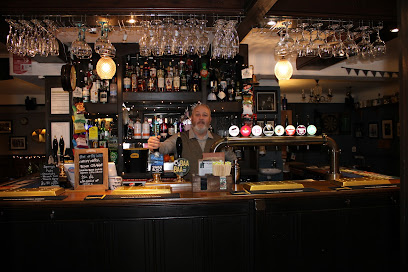
The Gamekeeper's Inn
40.8 km
A charming countryside inn blending rustic hospitality, comfortable stays, and delicious local cuisine in the heart of the Yorkshire Dales.
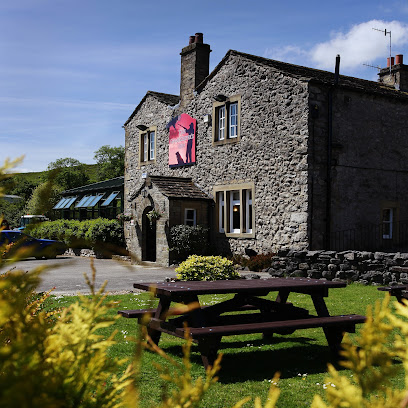
Nightclubs & after hour spots

sherdy sherd primary school
1.4 km
Experience Richmond’s vibrant nightlife at Sherdy Sherd Primary School, a uniquely named nightclub with extensive hours and lively atmosphere.
Louis Bar
3.6 km
A vibrant nightclub and bar in Catterick Garrison offering live music, quality food, and a lively atmosphere for all-night entertainment.
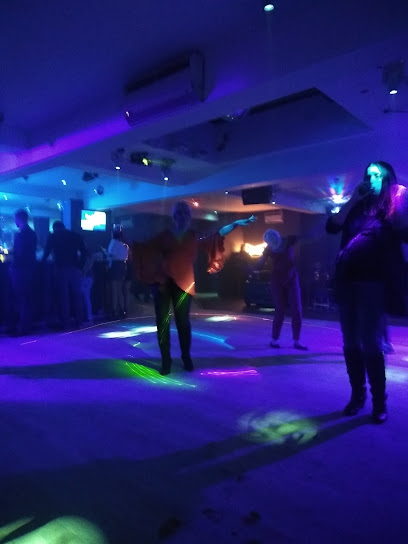
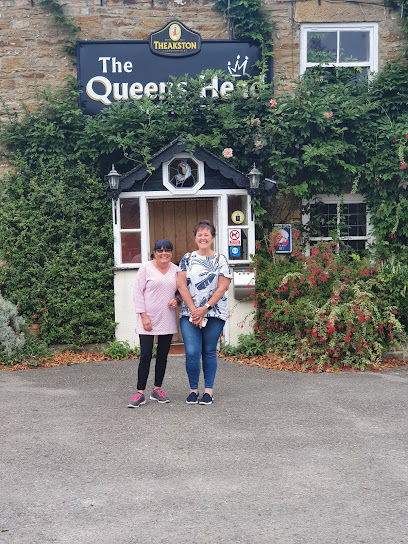
The Queen's Head, Finghall
11.1 km
A quintessential English country pub and inn in Finghall offering hearty British fare, cozy rooms, and warm hospitality in scenic North Yorkshire.
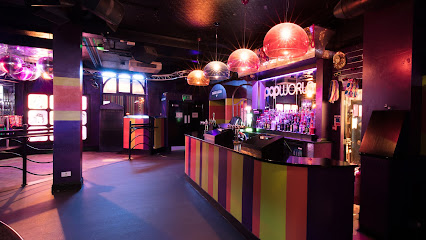
Flares & Popworld - Middlesbrough
37.9 km
Middlesbrough’s premier two-room nightclub blending retro vibes and modern beats for unforgettable nights out.
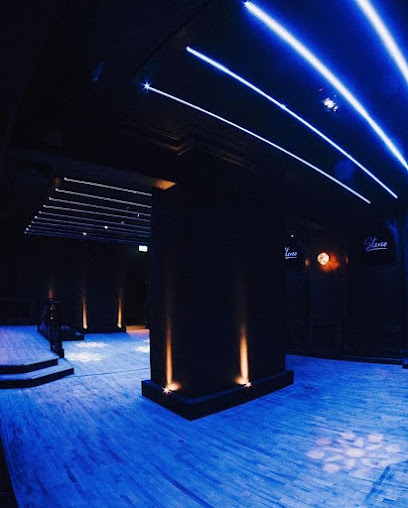
Stereo Club Tees
37.9 km
Experience Middlesbrough’s energetic nightlife at Stereo Club Tees, a lively nightclub hosting up to 500 guests with late-night music and dancing.
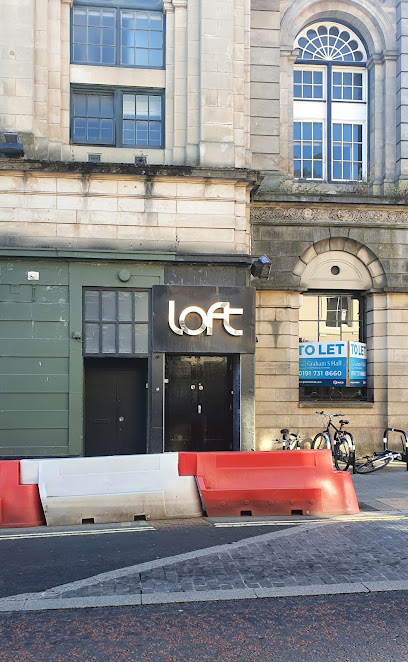
Loft Durham
42.9 km
Discover Loft Durham, the ultimate nightlife destination offering vibrant music, energetic dancing, and a chic atmosphere in the heart of Durham.
Klute
42.9 km
Durham’s iconic, unapologetically rough nightclub famed for nostalgic beats, cheap drinks, and a legendary student party atmosphere.
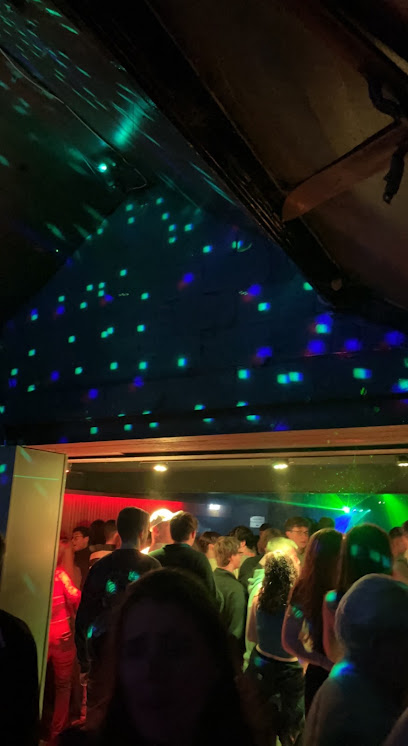
Fabio's Bar
42.9 km
Durham’s lively student nightclub and live music bar above the iconic La Spaghettata, buzzing with events and authentic local charm.

Jimmy Allens
42.9 km
Dive into Durham’s iconic vaulted nightclub where free entry, cheap drinks, and lively crowds create unforgettable nights beneath Elvet Bridge.
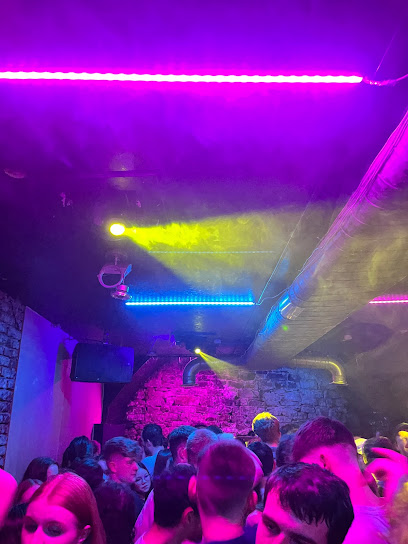
Bohemia Durham
43.1 km
Bohemia Durham pulses with vibrant nightlife energy, offering dynamic music and a lively social scene in the heart of historic Durham.
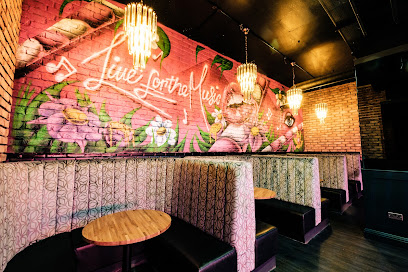
secret bridge
59.8 km
Experience vibrant nightlife and lively music at Secret Bridge, Milburn’s premier nightclub near Penrith in the scenic Eden District.
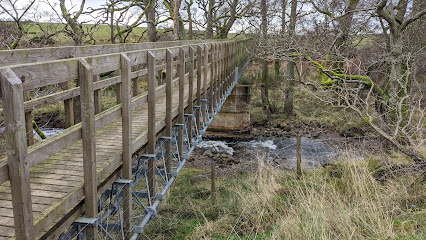
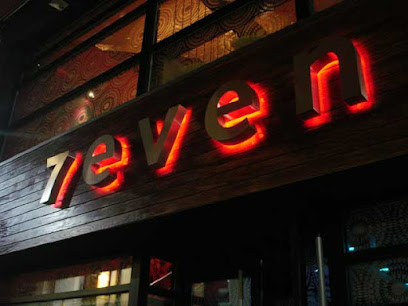
7even Nightclub
60.2 km
Sunderland’s alternative nightclub with two floors of indie, soul, and rock music, hosting themed parties and vibrant late-night events.
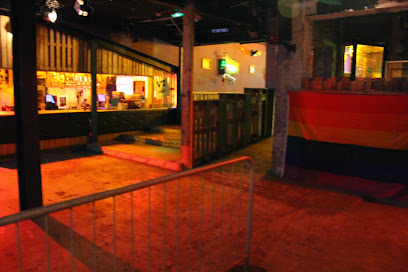
Warehouse Night Club(SR44)
63.2 km
Experience Newcastle’s vibrant underground gay nightclub scene at Warehouse Night Club (SR44), where eclectic music and lively parties come alive.
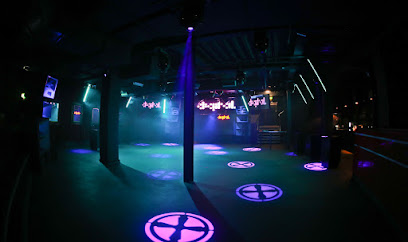
Digital
63.3 km
Experience cutting-edge nightlife with superior sound and vibrant energy at Digital, Newcastle’s premier clubbing destination in Times Square.
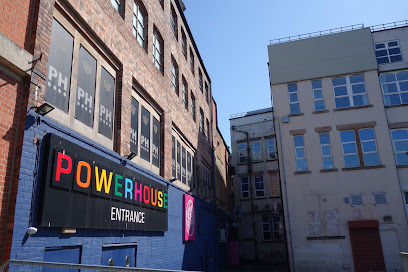
Powerhouse
63.4 km
Newcastle’s iconic four-floor nightclub blending rich LGBTQ+ history with vibrant, inclusive nightlife and dynamic music scenes.
For the vibe & atmosphere seeker
- Scenic
- Historic
- Relaxing
- Tranquil
- Unique
For the design and aesthetic lover
- Rustic Designs
- Vintage Styles
For the architecture buff
- Historic
- Landmarks
- Heritage Neighborhoods
For the view chaser and sunset hunter
- Iconic Views
- Panoramas
- Waterfront
For the social media creator & influencer
- Instagrammable
- Photo Spots
- Selfie Spots
- Architectural Shots
For the eco-conscious traveler
- Public-Transport Accessible
- Protected Area
For the kind of experience you’re after
- Cultural Heritage
- Photowalk
- Day Trip
- Weekend Getaway
For how adventurous you want the journey to be
- Easy Access
Location Audience
- Family Friendly
- Child Friendly
- Teen Friendly
- Senior Friendly
- Wheelchair Access
- Pet Friendly
- Solo Friendly
- Couple Friendly
- Solo Female Friendly


