Durham Obelisk, Durham Travel Guide
Free Guide: A hidden 90-foot sandstone tower concealed by woodland, marking Durham's forgotten astronomical heritage.


A brief summary of Durham Obelisk
A hidden 90-foot sandstone tower concealed by woodland, marking Durham's forgotten astronomical heritage.
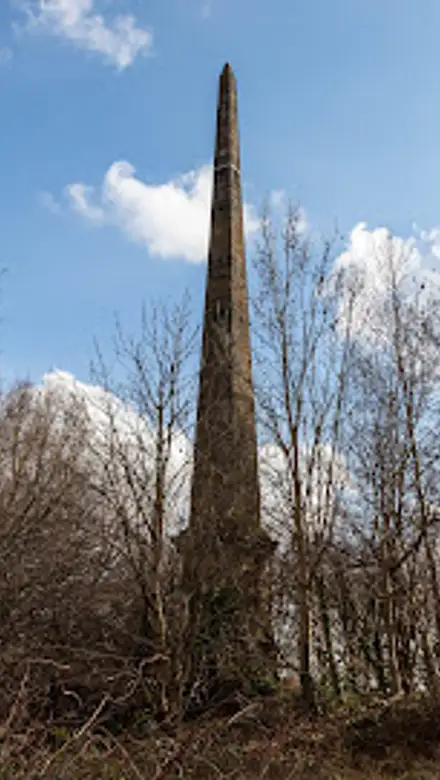
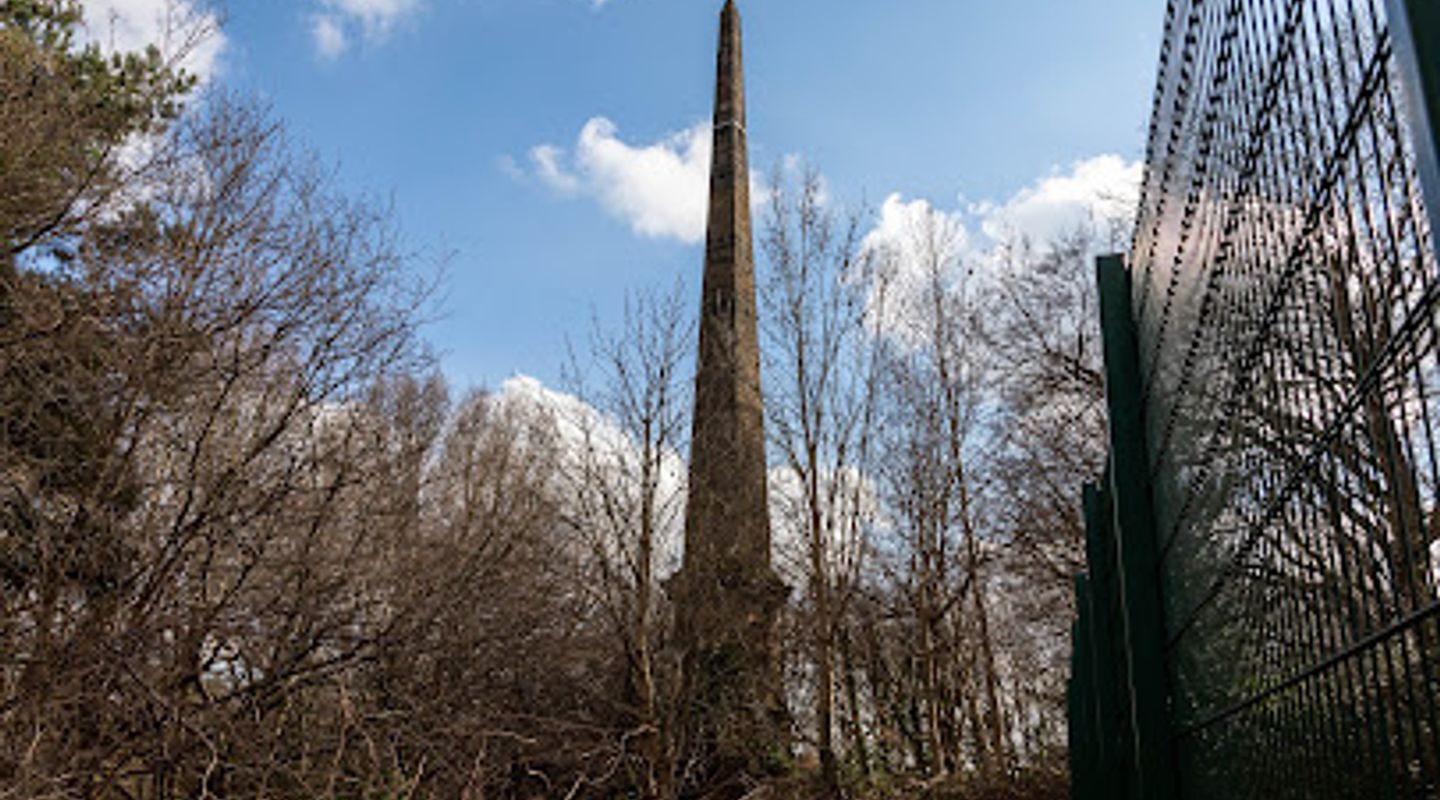
A hidden 90-foot sandstone tower built in 1850 by local philanthropist William Lloyd Wharton, the Durham Obelisk once served as an astronomical marker for Durham University's observatory. Now largely obscured by dense woodland, this forgotten monument peeks through the trees as a ghostly reminder of the university's early scientific ambitions. Accessible from Wharton Park with views also possible from The Jubilee Walk and Durham Cathedral.
On-site amenities
 Seating areas
 Parking areas
 Information boards
- Address
- Durham DH1 4RJ
Getting there
Walking from Durham Railway Station
Bus Service to Wharton Park Area
The Jubilee Walk Approach
Durham Cathedral Viewpoint
Discover more about Durham Obelisk
A Monument to Astronomy and Local Enterprise
Rising 90 feet above the woodland that now conceals it, the Durham Obelisk stands as a remarkable testament to 19th-century ambition and local philanthropy. Constructed in 1850 by William Lloyd Wharton, a prominent Durham benefactor, the sandstone tower was originally conceived as both a practical tool and a gift to the newly established Durham University. Built during a period of economic hardship, the project provided employment for local workers while simultaneously serving a scientific purpose—the obelisk functioned as a northern marker for the university's nearby observatory, helping astronomers determine true north during their celestial observations.
From Scientific Instrument to Forgotten Relic
For several decades, the obelisk played an active role in Durham's astronomical research, its tall form catching the attention of scholars and students alike. However, the trajectory of the structure changed dramatically when the university's observatory shifted its focus from astronomical observation to meteorological study. With this transition, the obelisk lost its primary function and gradually faded from public consciousness. The tower, which once represented the cutting edge of scientific inquiry, became increasingly obscured by the encroaching woodland surrounding it, transforming from a beacon of knowledge into a hidden curiosity known only to those who actively seek it out.
A Landscape of Concealment and Glimpses
Today, the Durham Obelisk exists in a state of deliberate obscurity, visible only to those who know where to look. The dense tree cover that surrounds the structure renders it nearly invisible during most of the year, though in summer months its upper reaches occasionally emerge from the foliage, and in winter it appears as a ghostly silhouette glimpsed between bare branches. The tower's isolation is further reinforced by its location on private land, making it inaccessible to visitors who might wish to approach it directly. A stairway still exists within the obelisk, leading to its summit, though the entrance was sealed approximately a decade ago, preventing any ascent to the top.
Viewing Points and Access Routes
Despite its hidden nature, the obelisk can be observed from several vantage points across Durham. The most accessible viewing location is Wharton Park, reached via a short walk up steps from Durham Railway Station or accessed through the car park off Framwellgate Peth, where accessible parking spaces offer clear sightlines to the monument. The Jubilee Walk, accessible from the Durham Station Long Stay Car Park, provides views from a greater distance, while those climbing to the top of Durham Cathedral can also spot the tower on the horizon. These multiple viewpoints ensure that the obelisk, despite its seclusion, remains discoverable for determined visitors.
A Paradox of Prominence and Obscurity
The Durham Obelisk embodies a curious paradox: a structure of considerable height and historical significance that remains virtually unknown to most residents of the city it inhabits. Its 90-foot form, which would dominate the skyline in many settings, has been effectively erased from public view by the very landscape that surrounds it. Yet this obscurity has become part of its charm and significance. Rather than serving as a grand civic monument, the obelisk functions as an unintentional memorial to Durham University's pioneering role in astronomical science, a hidden marker of intellectual ambition that rewards those curious enough to seek it out with a tangible connection to the city's scholarly heritage.
Evendo Review Centre
 Google
Guest reviews
Best time to go
Quietest: Jan, Feb & Dec · before 6am or at 9pm
Busy times are Evendo estimates for a typical year, to help you plan. Actual crowds vary with events, school holidays and the weather.
Explore Durham Obelisk on the map
A handpicked selection of must-see spots near Durham Obelisk, mapped for you.
Get your free copy of our complete guide to Durham Obelisk, delivered straight to you.
Everything on this page, from opening hours and how to get there to Eve’s tips and the best time to go, in one PDF you can read offline, print or share.
Already have an account? Sign in
Your Durham Obelisk guide is ready.
We'll send it to · Not you? Sign out

Getting your guide ready…
We are putting together a fresh copy of the Durham Obelisk guide. This can take up to a minute.
This can take a few moments. If your browser asks, choose Allow so the download can start. You'll find the guide in your Downloads folder.
Nothing happened? Download it again
Sorry, the guide is taking longer than usual. Please try again in a minute, or get it by email instead.
Other nearby places you may find interesting
The closest places of the same kind, if this one is not quite what you had in mind.
-
-
-
-
-


Swipe for more places
More to explore near Durham Obelisk

 Best experiences near Durham Obelisk
 Best hotels near Durham Obelisk
 Best landmarks near Durham Obelisk
 Best attractions near Durham Obelisk
 Best shops near Durham Obelisk
 Best restaurants near Durham Obelisk
 Best bars near Durham Obelisk
Do you manage this location?
Take control to get all the benefits, like improved information, better appearance, and stronger visibility across AI-powered discovery.
Explore more

Explore more of Durham
Discover the unique blend of history and modernity in Durham. From the iconic Cathedral in England to the vibrant innovation hub in North Carolina.
Explore Durham
Explore more of United Kingdom
Discover the United Kingdom: A blend of rich history, stunning landscapes, and vibrant cities, offering a unique travel experience for every visitor.
Explore United Kingdom