Kildonan Castle, Ayrshire Travel Guide
Discover the ivy-clad ruins of Kildonan Castle on Arran’s southern coast, where medieval history meets breathtaking sea views.
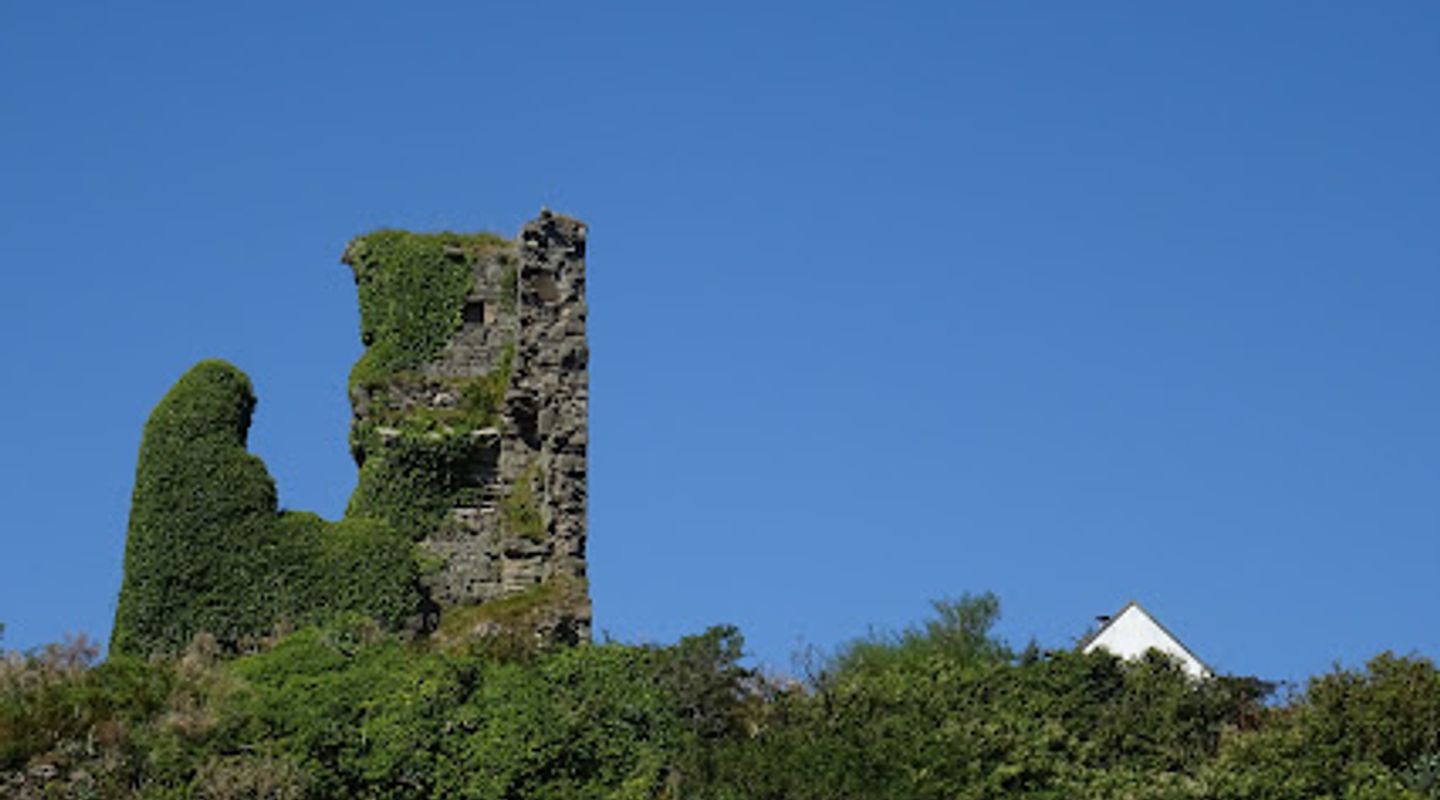
Perched on the cliffs of Kildonan village on Scotland’s Isle of Arran, Kildonan Castle is a 13th-century ruin steeped in history. Originally built by the MacDonalds, Lords of the Isles, it guarded the Firth of Clyde and served as a royal hunting lodge. Though now ivy-clad and unsafe to enter, its dramatic coastal setting overlooking Pladda Island and Kildonan Beach offers a glimpse into Scotland’s medieval past and strategic coastal defenses.
A brief summary to Kildonan Castle
- Isle of Arran, Kildonan, KA27 8SD, GB
- Click to display
- Duration: 0.5 to 1.5 hours
- Free
-
 Outdoor
- Mobile reception: 4 out of 5

Know before you go
Hi, I'm Eve. Here are a few practical things to know before exploring Kildonan Castle.
- The castle is unsafe and located on private property; view it from the nearby public right of way leading to Kildonan Beach.
- Bring binoculars to better appreciate the views of Pladda Island and the Firth of Clyde from the cliffs near the castle.
- Visit the nearby information board by the garden gate to learn about the castle’s history and local heritage.
- Combine your visit with a stroll along Kildonan Beach, known for its sandy stretches and tranquil atmosphere.
Do you manage this location?
Take control to get all the benefits, like improved information, better appearance, and stronger visibility across AI-powered discovery. Learn more about listing your business on Evendo
Activate your presenceOther nearby places you may find interesting
The closest places of the same kind, if this one is not quite what you had in mind.
Explore Kildonan Castle on the Map
A handpicked selection of must-see spots near Kildonan Castle, mapped for you.
Getting There
-
Bus
Take the local Arran bus service from Brodick to Kildonan, which runs several times daily with a journey time of approximately 40 to 50 minutes. Services are less frequent on weekends and holidays. A single fare costs around £4–£6 GBP.
-
Car
Drive from Brodick along the A841 coastal road southwards to Kildonan village, approximately a 20-minute journey. Limited parking is available near the village; note that the castle itself is on private property with no dedicated parking. Fuel costs depend on vehicle and current prices.
-
Walking
For the adventurous, a scenic 2-hour coastal walk from Brodick to Kildonan follows well-marked paths with some uneven terrain. Suitable for experienced walkers with good footwear. No facilities en route.
For the on-the-go comforts that matter to you
-
 Information Boards
-
 Seating Areas
-
 Trash Bins
Discover more about Kildonan Castle
Origins and Strategic Importance
Kildonan Castle was constructed in the 13th century by the MacDonalds, the powerful Lords of the Isles, on a rocky plateau overlooking the southern coast of the Isle of Arran. Its location atop cliffs provided commanding views over the island of Pladda and the entrance to the Firth of Clyde, a vital maritime gateway. The castle formed part of a defensive trio alongside Lochranza and Brodick Castles, guarding the approaches to the Clyde and protecting the island from seaborne threats.Royal Connections and Ownership Transitions
The castle later passed into the hands of the Scottish crown and was used as a hunting lodge by monarchs such as Robert III. In 1406, Robert III granted the castle to his illegitimate son John Stewart of Ardgowan. By the mid-16th century, ownership transferred to the Earls of Arran, specifically the Hamilton family. This period marked the castle’s peak in political significance before its decline.Conflict and Decline
In 1558, Kildonan Castle suffered a violent assault when the English, led by the Earl of Sussex, sacked and burned it during raids against Scottish territories. The damage inflicted led to the castle’s gradual ruination. Over subsequent centuries, the structure became overgrown with ivy and increasingly unstable, reflecting its abandonment and the shifting tides of Scottish history.Present-Day Ruins and Setting
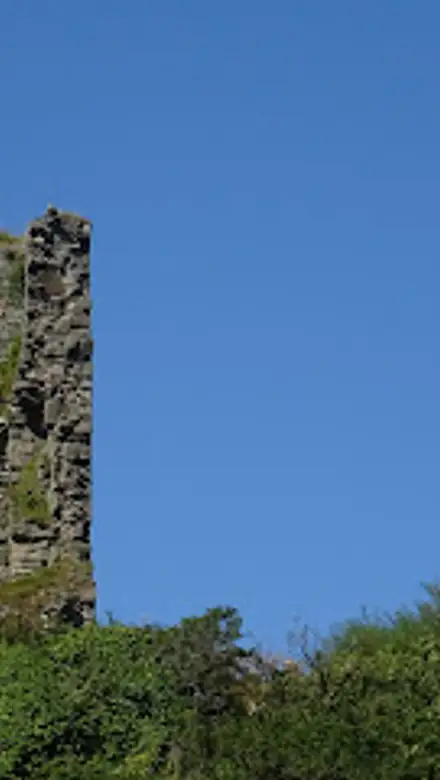
Today, only remnants of the ivy-clad keep remain, perched on an old raised beach above the village of Kildonan. The ruins stand within private gardens and are unsafe for close exploration, visible only from a nearby public path leading to Kildonan Beach. The site offers striking views of the surrounding seascape, including the island of Pladda with its historic lighthouse, and evokes a poignant sense of the island’s layered past.Local Legends and Cultural Footprint
The castle’s name honors Saint Donan, an early Irish monk believed to have lived on Arran in the 6th century and reputedly buried nearby. This spiritual connection adds a layer of mystique to the site, intertwining Scotland’s medieval military history with its early Christian heritage. The village of Kildonan itself remains a tranquil enclave, with the castle ruins as a silent witness to centuries of change.Visitor Experience and Conservation
While public access to the castle ruins is restricted for safety reasons, visitors can appreciate the site’s dramatic coastal ambiance from the adjacent paths and beach. Informational signage near the site provides historical context. The castle’s fragile state underscores the importance of preservation efforts for Scotland’s coastal heritage sites, balancing public interest with conservation.












Your all‑in‑one travel companion app
Explore expert travel guides, compare and book tours, experiences, hotels, and more—all from the palm of your hand. Download now for seamless trip planning wherever your wanderlust takes you.


Explore More of Ayrshire
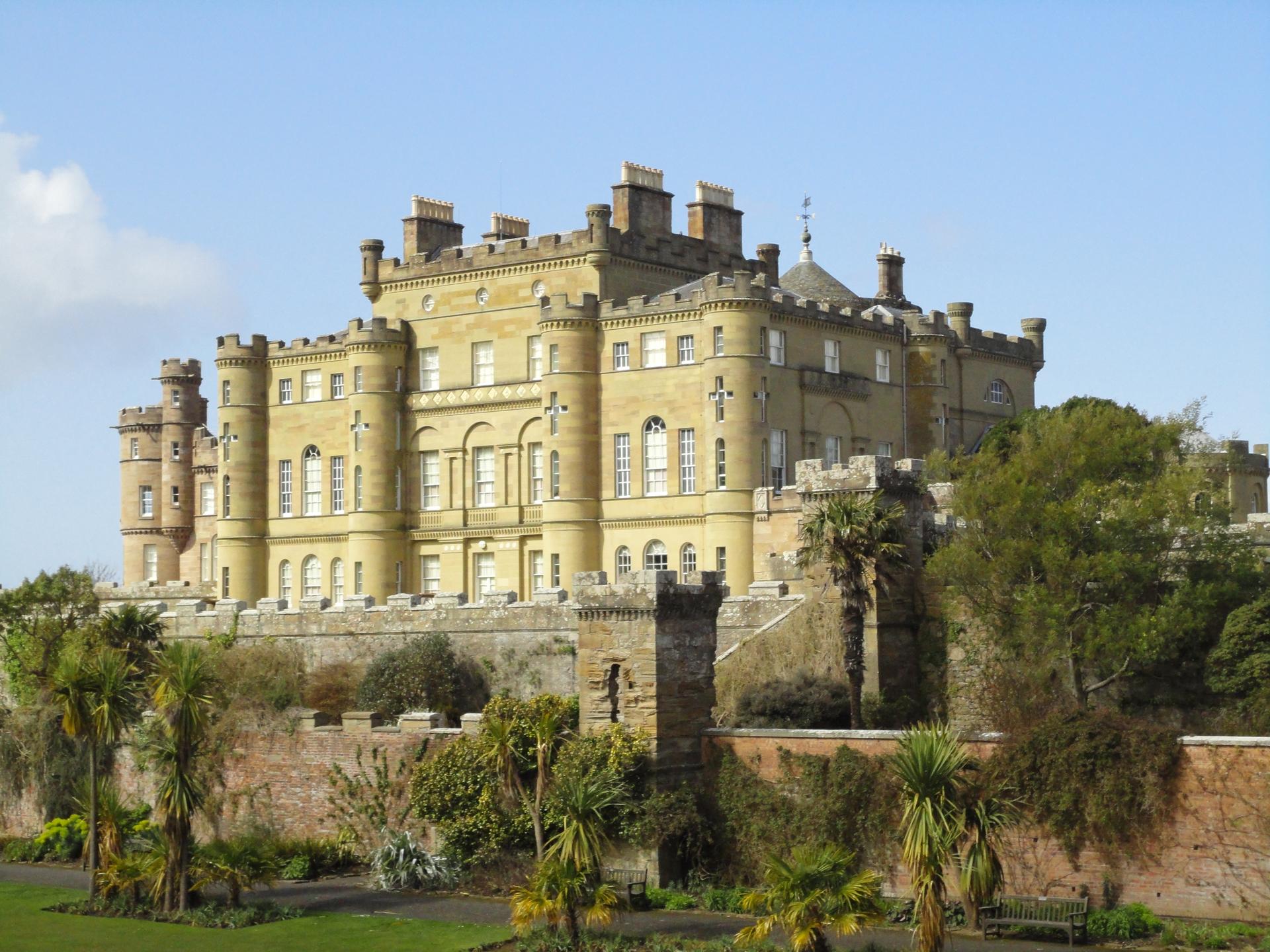
Looking beyond Kildonan Castle? Discover Ayrshire for broader travel guides, local hot-spots, and regional highlights.
Explore Ayrshire
Explore the evocative ruins of Baltersan Castle, a 16th-century Renaissance tower house nestled in the historic Ayrshire countryside near Maybole.
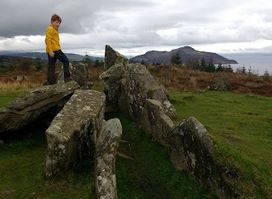
Explore the mysterious Neolithic Giants' Graves on Isle of Arran, ancient chambered tombs with breathtaking views over Whiting Bay and the Clyde estuary.