Banff Castle, Banffshire Travel Guide
A historic Scottish stronghold reborn as a vibrant community arts centre and events venue on the Banffshire coast.
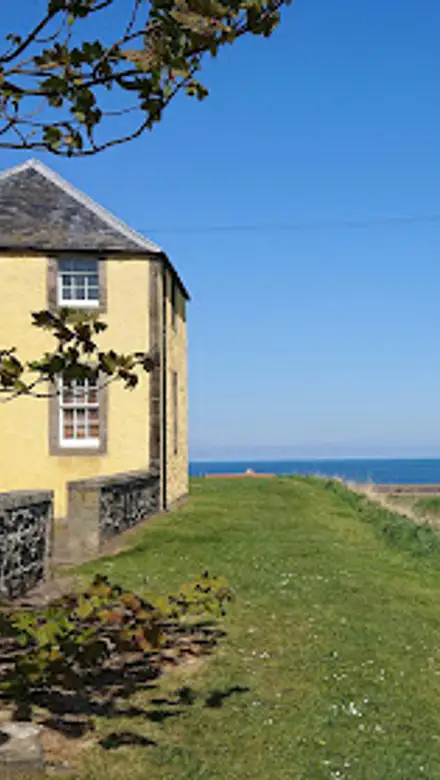
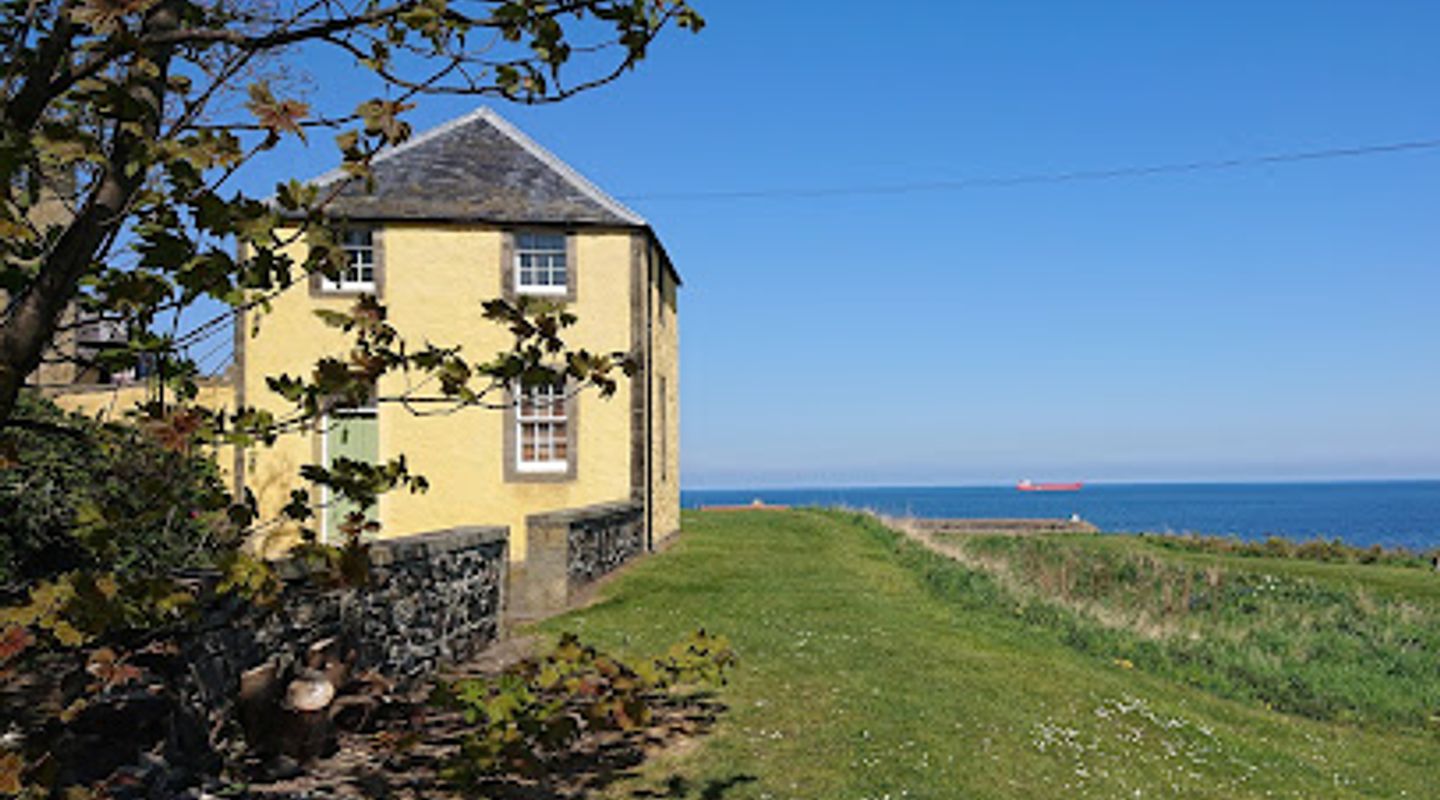
Perched on the Banffshire coast, Banff Castle is a historic landmark with roots stretching back to the 12th century. Originally a motte-and-bailey fortress guarding against Viking raids, it later became a royal stronghold during Scotland’s Wars of Independence. Today, the site is home to a Georgian manor house built in 1750 within the old castle walls, now serving as a vibrant community hub, arts centre, and events venue. The grounds preserve fragments of medieval walls, a historic well, and a striking Monkey Puzzle tree planted in honour of Argentine liberator José de San Martín. Banff Castle blends centuries of history with modern community life, offering a unique window into Scotland’s past.
A brief summary to Banff Castle
- Castle St, Banff, AB45 1DL, GB
- Click to display
- Click to display
- Duration: 1 to 3 hours
- Mid ranged
-
 Mixed
Mixed
- Mobile reception: 4 out of 5

Know before you go
Hi, I'm Eve. Here are a few practical things to know before exploring Banff Castle.
- Check the castle’s event schedule in advance; guided tours or open days may offer deeper access to the historic rooms and grounds.
- Visit the nearby harbour to see the WWII-era machine gun emplacement and enjoy views of the Moray Firth, which played a key role in the castle’s strategic importance.
- Look for the Monkey Puzzle tree in the grounds, planted in 1950 to honour Argentine liberator José de San Martín, a unique link between Banff and South American history.
- Explore the surrounding streets – Castlegate, Castle Street, and Old Castlegate – to trace the original boundaries of the medieval castle and understand how the town grew around its defences.
Do you manage this location?
Take control to get all the benefits, like improved information, better appearance, and stronger visibility across AI-powered discovery. Learn more about listing your business on Evendo
Activate your presenceOther nearby places you may find interesting
The closest places of the same kind, if this one is not quite what you had in mind.
Explore Banff Castle on the Map
A handpicked selection of must-see spots near Banff Castle, mapped for you.
Getting There
-
Public Transport
From Aberdeen, take a regular bus service to Banff; the journey takes about 1.5–2 hours. From Banff town centre, the castle is a 10–15 minute walk along Castle Street, with level pavements and clear signage.
-
Car
From the A98 along the Moray Firth coast, follow signs into Banff and then to Castle Street. Limited on-street parking is available nearby; spaces can fill quickly during events or weekends.
-
Walking
From Banff town centre, follow Castle Street uphill towards the castle; the walk takes about 10–15 minutes on paved paths with gentle gradients, suitable for most visitors.
-
Taxi
Local taxi services operate in Banff and can drop you close to the castle entrance; the ride from the town centre takes just a few minutes.
For the on-the-go comforts that matter to you
-
 Restrooms
-
 Drink Options
-
 Food Options
-
 Seating Areas
-
 Information Boards
Discover more about Banff Castle
From Viking Defences to Royal Stronghold
Banff Castle’s story begins in the late 12th century as a timber-and-earth motte-and-bailey fortress, built to defend the royal burgh of Banff against seaborne threats, including Viking raids. The steep motte provided a commanding vantage point over the surrounding land and coast, while the enclosed bailey housed essential buildings like kitchens and stables. This early castle played a strategic role in the region’s defence, later becoming a key English garrison during the Wars of Independence. Held by the Sheriff of Banff, it was one of the last strongholds in the northeast to resist Robert the Bruce, who captured it around 1309–1310 and granted it to the Earl of Ross, marking its transition into Scottish hands.Medieval Power and Royal Visits
The castle’s importance grew as a regional stronghold and royal residence. It was visited by King David II in 1342, accompanied by his queen and sisters, an event that required significant local expenditure on entertainment and underscored its status as a place of royal significance. Over the centuries, Banff Castle hosted other notable figures, including Mary, Queen of Scots, who stayed there in 1562. These royal connections cemented its role as a centre of power and administration in northeast Scotland, though the original fortress gradually fell into disrepair, leaving only earthworks and fragments of walls as reminders of its medieval past.Georgian Transformation and Noble Residence
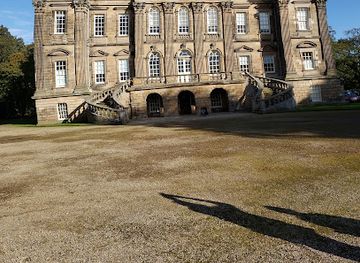
In 1750, a new chapter began with the construction of the present Georgian manor house within the old castle grounds. Designed by John Adam, eldest son of the renowned architect William Adam, the house reflects the elegant classical style characteristic of the period. Built using locally sourced materials such as birch and peat, with other supplies arriving by sea, the manor became the residence of the Earls of Findlater and Seafield. This Georgian structure replaced the earlier Comyn castle and transformed the site from a military stronghold into a refined noble residence, symbolising the shift from medieval fortification to Enlightenment-era sophistication.Modern Community and Cultural Hub
Today, Banff Castle is a Scheduled Ancient Monument and a lively community centre, arts venue, and events space. The Georgian manor houses period rooms available for hire, making it a popular choice for weddings, parties, and corporate functions. The grounds retain historical features such as a medieval well and a Monkey Puzzle tree planted in 1950 to honour José de San Martín, the Argentine liberator who was made an honorary Burgess of Banff in 1824. Street names like Castlegate and Castle Street still trace the boundaries of the old castle, linking the town’s layout to its medieval past.Layers of History in the Landscape
The site’s history extends beyond the castle itself. During the Second World War, the need to defend the Banffshire coast led to the construction of coastal batteries and machine gun emplacements, remnants of which can still be seen near Banff Harbour. The castle’s long military role, from Viking-era defences to 20th-century coastal artillery, reflects the strategic importance of this stretch of the Moray Firth. Now, the focus has shifted to community and culture, with the castle serving as a venue for local events, exhibitions, and gatherings, ensuring that its historic walls continue to play a central role in the life of Banff.












Your all‑in‑one travel companion app
Explore expert travel guides, compare and book tours, experiences, hotels, and more—all from the palm of your hand. Download now for seamless trip planning wherever your wanderlust takes you.


Explore More of Banffshire
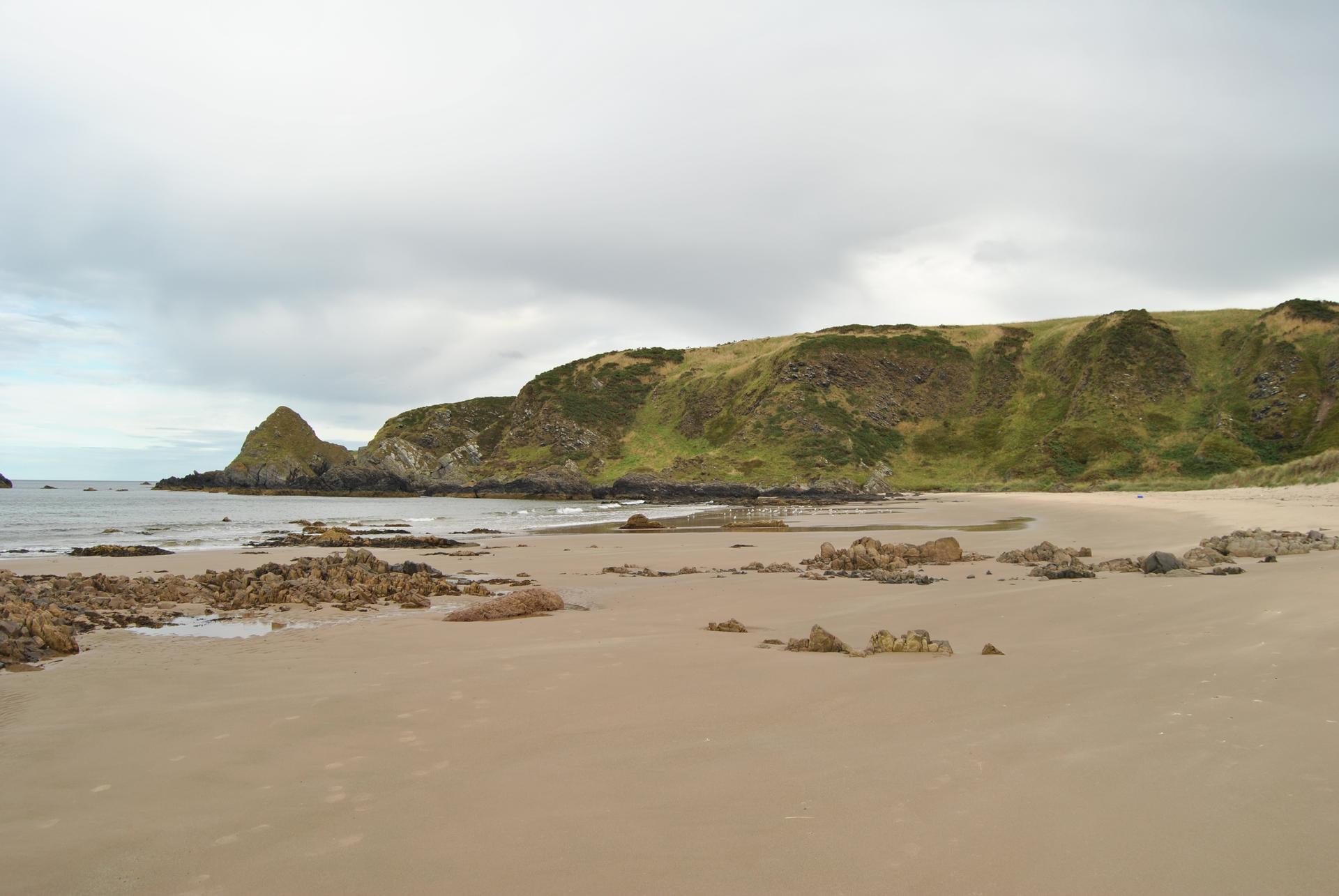
Looking beyond Banff Castle? Discover Banffshire for broader travel guides, local hot-spots, and regional highlights.
Explore Banffshire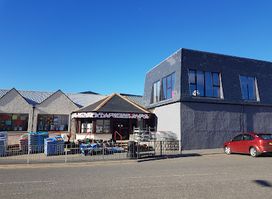
A nostalgic discount shop and café in Banff offering eclectic goods and scenic dining with friendly service in a vibrant community setting.
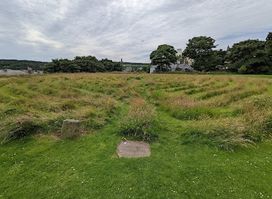
A historic castle site in Banff with a peaceful labyrinth on its front lawn, blending medieval roots, Georgian elegance, and community spirit by the Moray Firth.