
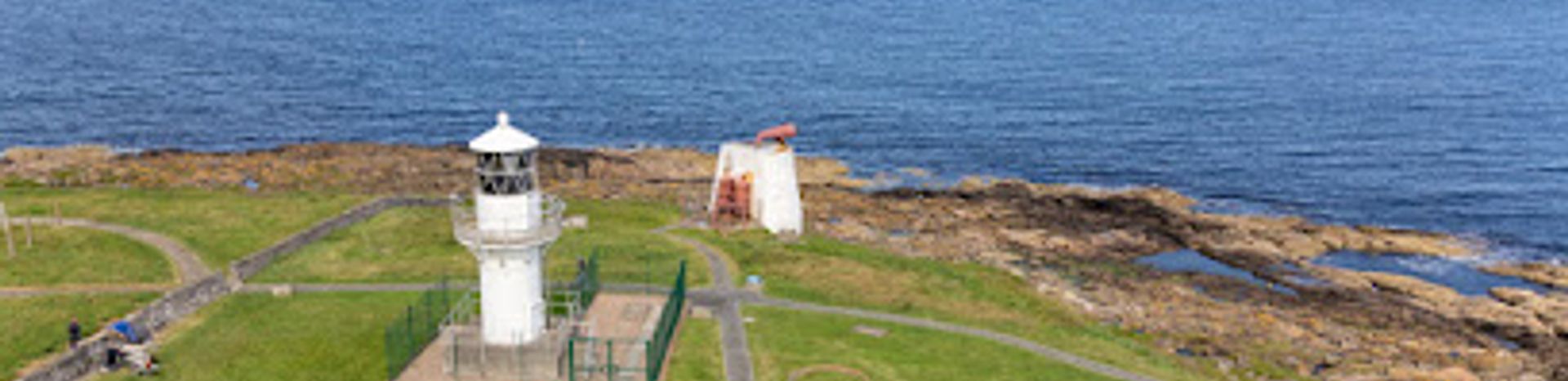
Kinnaird Head Castle Lighthouse and Museum
Explore Scotland’s first mainland lighthouse nestled in a 16th-century castle, where maritime history and medieval heritage meet on the rugged Fraserburgh coast.
Kinnaird Head Castle Lighthouse and Museum in Fraserburgh, Scotland, uniquely combines a 16th-century castle with Scotland’s first mainland lighthouse. Originally built by the Fraser family in 1570, the castle was transformed in 1787 into a lighthouse by the Northern Lighthouse Board. Today, it houses the Museum of Scottish Lighthouses, showcasing the history of lighthouse engineering and maritime navigation along Scotland’s northeast coast.
A brief summary to Kinnaird Head Castle Lighthouse and Museum
- Castle Terrace, Fraserburgh, Fraserburgh, AB43 9DU, GB
- +441346511022
- Visit website
- Duration: 1.5 to 3 hours
- Mid ranged
-
 Outdoor
- Mobile reception: 4 out of 5
- Monday 10 am-5 pm
- Tuesday 10 am-5 pm
- Wednesday 10 am-5 pm
- Thursday 10 am-5 pm
- Friday 10 am-5 pm
- Saturday 10 am-5 pm
- Sunday 10 am-5 pm
Local tips
- Allow at least two hours to fully explore the museum exhibits and the historic castle rooms.
- Visit the adjacent Wine Tower for a glimpse into local legends and 16th-century architecture.
- Check opening hours before visiting; the site is open daily from 10am to 5pm.
- Wear sturdy footwear as some areas involve uneven surfaces and spiral staircases.

For the on-the-go comforts that matter to you
- Restrooms
- Drink Options
- Food Options
- Seating Areas
- Information Boards
- Visitor Center
Getting There
-
Train and Bus
Take a train to Aberdeen (approximately 2.5 to 3 hours from Edinburgh or Glasgow), then transfer to a bus service to Fraserburgh (about 1.5 hours). From Fraserburgh town center, the castle lighthouse is a 15-minute walk. Bus services run several times daily but check schedules as frequency varies seasonally.
-
Car
Driving from Aberdeen to Fraserburgh takes about 1.5 hours via A90 and A952. Parking is available near Castle Terrace but can be limited during peak season. The castle lighthouse is a short walk from parking areas.
-
Local Bus
Local buses connect Fraserburgh with nearby towns such as Peterhead and Banff. Travel times vary from 30 to 60 minutes. The castle lighthouse is accessible on foot from Fraserburgh bus stops, with mostly flat terrain.
Kinnaird Head Castle Lighthouse and Museum location weather suitability
-
 Any Weather
-
 Windy Conditions
-
 Rain / Wet Weather
-
 Clear Skies
-
 Mild Temperatures
Discover more about Kinnaird Head Castle Lighthouse and Museum
A Storied Coastal Landmark of Fraserburgh
Kinnaird Head Castle was constructed in 1570 by Sir Alexander Fraser, 8th laird of Philorth, as a symbol of power and to support the development of the fishing village of Faithlie into what is now Fraserburgh. Perched on a prominent headland jutting into the North Sea, the castle’s strategic location was integral to the Fraser family’s vision of fostering trade and maritime activity along Scotland’s northeast coast.Transformation into Scotland’s First Mainland Lighthouse
In 1787, the castle was leased to the newly established Northern Lighthouse Board and converted into Scotland’s first operational mainland lighthouse. Thomas Smith, the Board’s chief engineer, installed a powerful lamp on the castle’s tower roof, featuring 17 parabolic reflectors arranged in three tiers. This light was the most powerful of its time, visible up to 12 miles offshore, dramatically improving navigation safety in the treacherous North Sea waters.Architectural Evolution and Preservation
By the early 19th century, structural concerns prompted Robert Stevenson, a pioneering lighthouse engineer and Thomas Smith’s successor, to propose demolishing the castle tower. However, literary figure Sir Walter Scott intervened, advocating for preservation. Instead, the tower was adapted: floors were removed, a new lantern installed atop, and ancillary buildings replaced to provide modern accommodation for lighthouse keepers. This blend of medieval fortress and lighthouse is unique in Scotland.The Museum of Scottish Lighthouses Today
The original lighthouse tower now forms the heart of the Museum of Scottish Lighthouses. The museum houses extensive collections of lenses, lamps, and artifacts from lighthouses across Scotland, offering visitors insight into the technological and human stories behind maritime safety. The castle’s historic rooms, including kitchens and the grand hall, remain accessible, preserving the site’s layered history.Nearby Historical Curiosities and Legends
Close to the castle stands the Wine Tower, a small 16th-century structure possibly used as a covert chapel. It is steeped in local legend, including haunting tales and dramatic stories involving the Fraser family. The Wine Tower’s vaulted chamber features intricate stone carvings, reflecting the religious and cultural heritage of the area.Maritime Legacy and Cultural Significance
Kinnaird Head Lighthouse was also the first British site to introduce a radio beacon in 1929, marking its ongoing role in maritime innovation. Despite wartime bombings nearby during World War II, the lighthouse endured with minimal damage. Today, it stands as a testament to Scotland’s maritime heritage, blending history, architecture, and technology in a striking coastal setting.Iconic landmarks you can’t miss

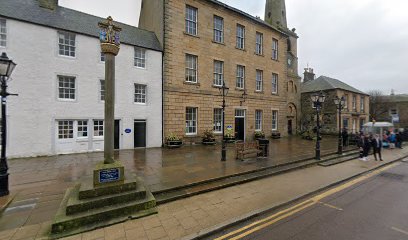
The Plainstones (Center of Banff, UK)
30.9 km
Discover Banff’s historic Plainstones, where centuries-old carvings and heraldic symbols tell the story of Scotland’s coastal heritage.
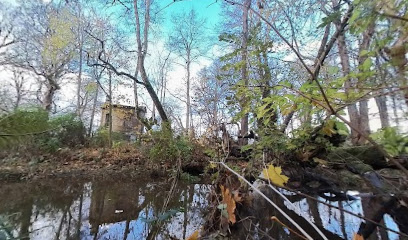
Duff House Fishing Temple
30.9 km
An elegant 18th-century neoclassical fishing temple on the River Deveron, blending history, architecture, and tranquil riverside charm in Aberdeenshire.
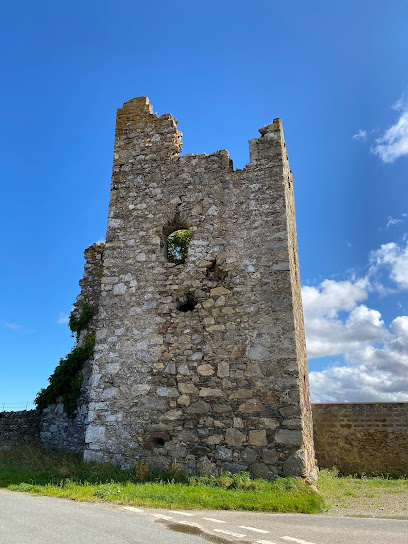
Eden Castle
31.1 km
Ruined Renaissance tower house overlooking river confluence, a scheduled ancient monument of Scottish gentry heritage.
Durn Hill - Iron Age Fort
42.7 km
Explore Durn Hill, an ancient Iron Age fort with commanding views and rich archaeological heritage near Banff, Scotland.
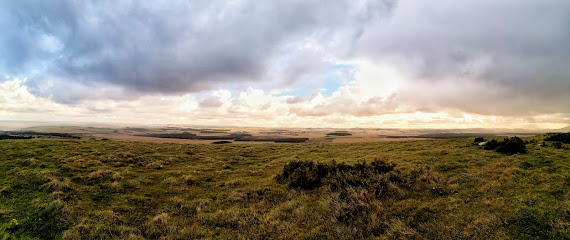
Barra Hill
46.1 km
Explore Barra Hill near Inverurie, an ancient hillfort and historic battlefield offering panoramic views and a deep connection to Scotland’s past.
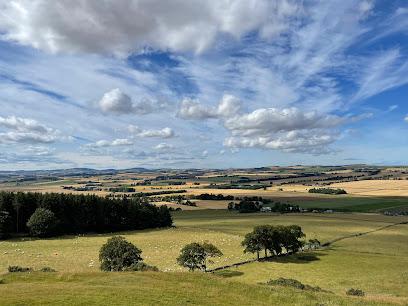
Balquhain Stone Circle
50.7 km
Explore Balquhain Stone Circle, a rare Neolithic monument near Inverurie, revealing ancient ritual mysteries amidst Aberdeenshire’s serene landscape.
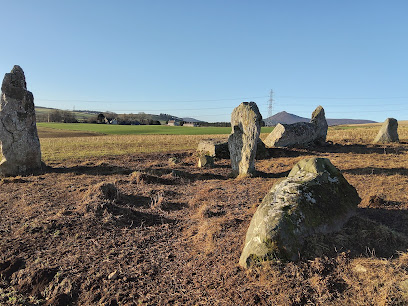
Dyce Standing Stones
56.0 km
Mysterious Pictish stones bridging pagan and Christian worlds, carved over 1,400 years ago.
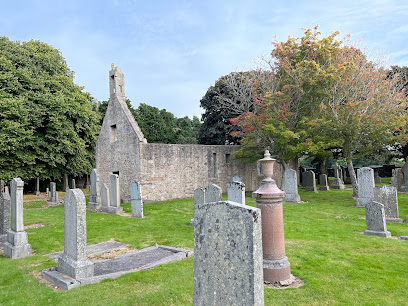
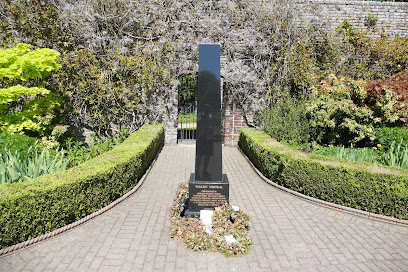
Workers' Memorial
58.7 km
A solemn granite obelisk in peaceful Persley Walled Garden, honoring Aberdeen’s industrial workers who lost their lives.
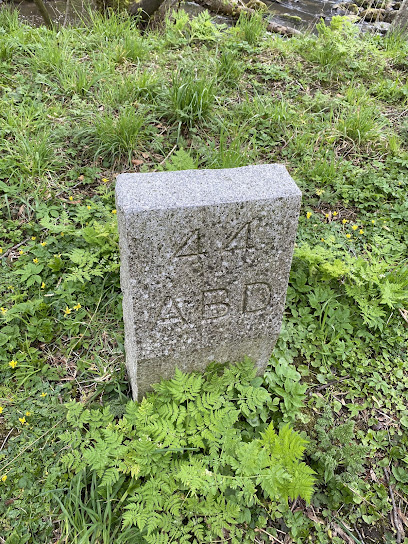
Stone 45
59.2 km
A historical landmark preserving Aberdeen's heritage in the heart of Bucksburn.
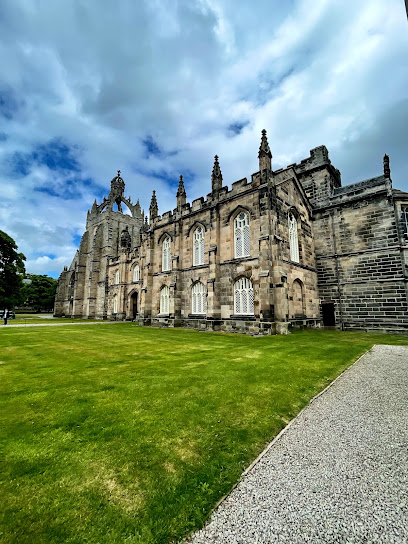
The Powis Gates
59.7 km
Twin towers of Turkish-inspired design, built with slavery compensation in 1834.
Gallows Hill
60.3 km
Gallows Hill in Aberdeen stands as a haunting reminder of centuries-old public executions and grim justice.
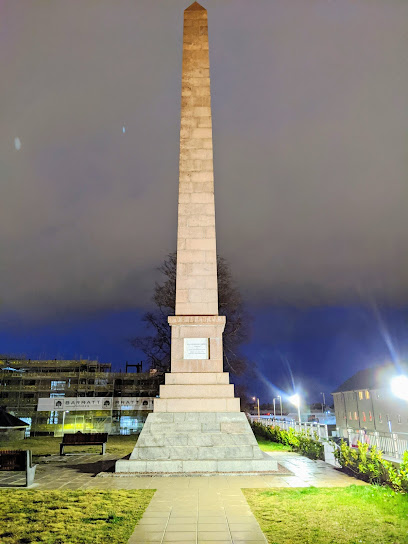
Forbes of Newe Obelisk
60.7 km
A noble stone memorial honouring a philanthropist's gift to Scottish mental health care
Rosemount Palace
60.9 km
A unique, budget-friendly B&B in a converted church offering practical comfort and central access in Aberdeen.

Codona's
61.0 km
Experience thrill and fun for the whole family at Codona's in Aberdeen, featuring rides, bowling, mini-golf, and much more.

Rosemount Place
61.0 km
Experience the vibrant spirit of Aberdeen at Rosemount Place, a lively hub of shops, cafes, and local culture.
Unmissable attractions to see

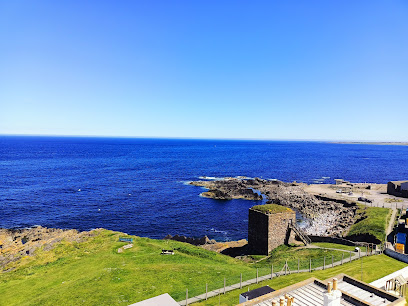
Museum Of Scottish Lighthouses
0.0 km
Explore Scotland’s pioneering lighthouse heritage and enjoy breathtaking coastal views at the Museum of Scottish Lighthouses in Fraserburgh.
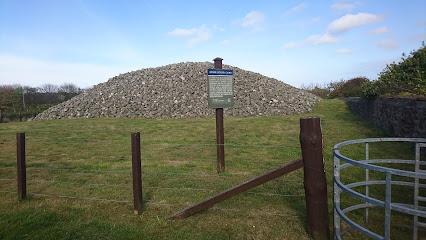
Memsie Round Cairn
5.9 km
Explore the majestic Bronze Age Memsie Round Cairn, a monumental burial site standing strong for 4,000 years near Fraserburgh.
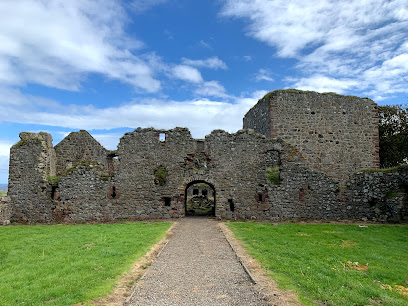
Pitsligo Castle
6.0 km
Explore the evocative ruins of Pitsligo Castle, a historic Scottish stronghold with rich Jacobite heritage and stunning coastal views.
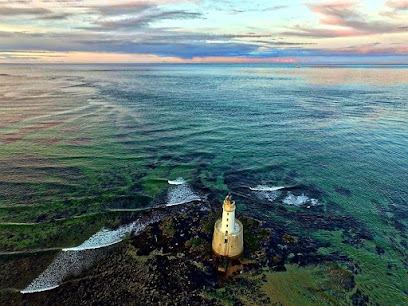
Rattray Head Lighthouse
14.9 km
Historic granite lighthouse standing tall amid rare dunes and sweeping beaches on Scotland’s rugged northeast coast.
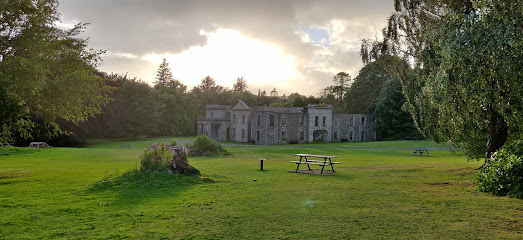
Aden Country Park
19.6 km
Explore 230 acres of natural beauty, historic ruins, and family-friendly fun at Aden Country Park in Aberdeenshire.
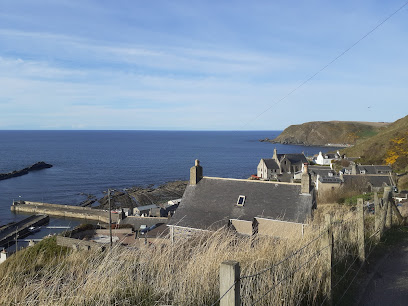
Gardenstown Scotland
19.9 km
Discover Gardenstown: a historic fishing village nestled on Aberdeenshire’s cliffs, where stunning coastal views meet rich maritime heritage.
Gardenstown Harbour Office
19.9 km
Explore the historical charm of Gardenstown Harbour, a serene coastal gem in Aberdeenshire, where rich maritime heritage meets breathtaking landscapes.
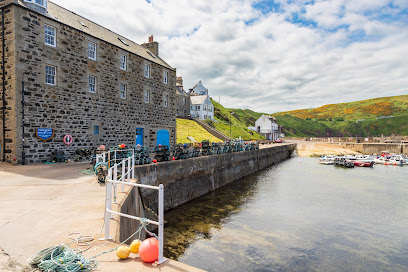
St. John's Church & Kirkyard
20.8 km
Historic cliffside ruins commemorating a legendary 11th-century battle with stunning coastal views near Banff.
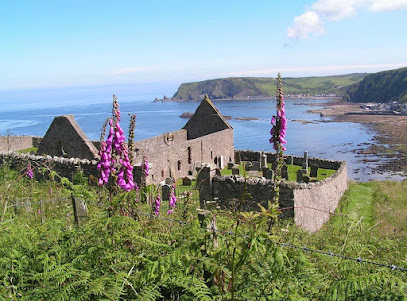
Peterhead Prison Museum
26.2 km
Step inside Scotland’s most infamous former jail for an immersive journey through crime, punishment, and history.
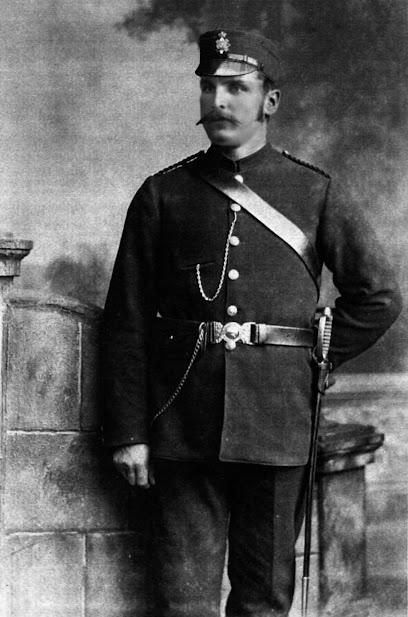
Macduff Marine Aquarium
29.0 km
Discover the vibrant marine life of Scotland’s Moray Firth at Macduff Marine Aquarium, home to the UK’s only kelp reef exhibit.
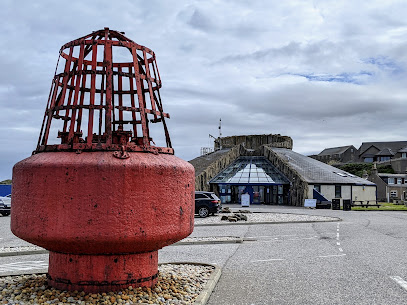
Temple of Venus
30.1 km
An elegant 18th-century folly with stunning panoramic views over Banff, Macduff, and the Moray Firth coastline.
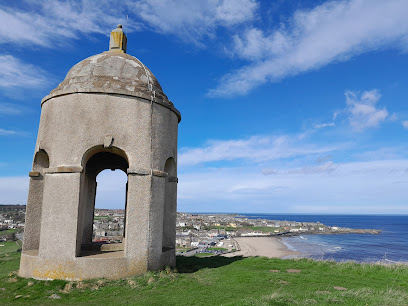
Banff beach
30.6 km
Historic Banff Bridge Beach offers serene coastal views, rich heritage, and a timeless connection between Banff and Macduff.
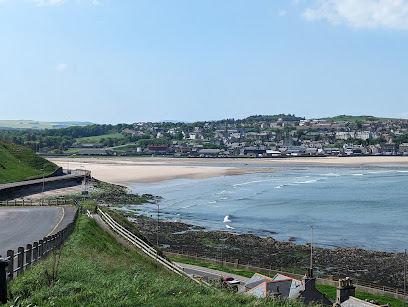
The Spotty Bag Shop
30.6 km
A nostalgic discount shop and café in Banff offering eclectic goods and scenic dining with friendly service in a vibrant community setting.
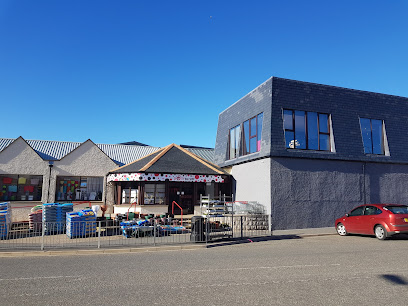
Vanilla Ink The Smiddy
30.6 km
Discover Banff’s historic silversmithing heritage through expert-led jewellery and silversmithing workshops at Vanilla Ink The Smiddy.
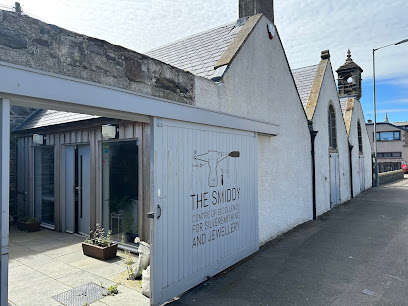
Lynash Antiques
30.7 km
Discover unique antiques and timeless treasures in the heart of Banff’s historic Old Market Place.
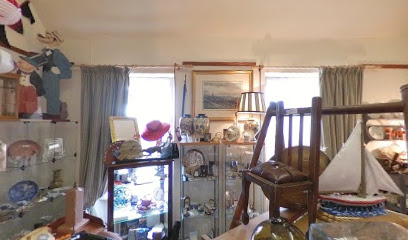
Essential places to dine

Blakeshouse Lounge Bar & Restaurant
23.5 km
Authentic Scottish flavors and local brews in a cozy lounge setting nestled in the scenic Fisherie area of Turriff.
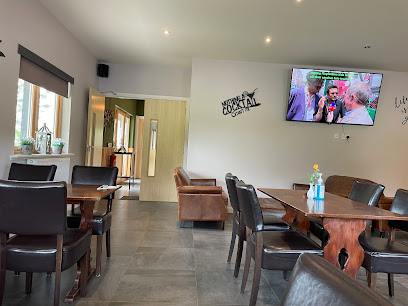
The Knowes Hotel, Restaurant and Function Suite
29.3 km
Charming coastal hotel in Macduff with stunning Moray Firth views, modern rooms, excellent dining, and versatile event spaces.
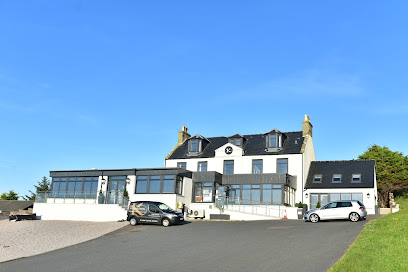
Bridgeview Restaurant
30.6 km
Bright and welcoming restaurant in Banff offering traditional Scottish dishes with scenic views and family-friendly accessibility.
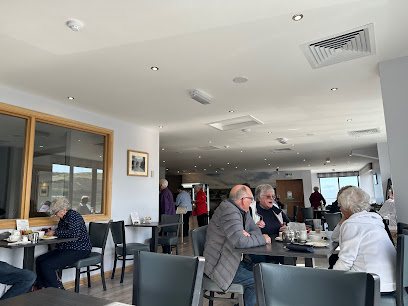
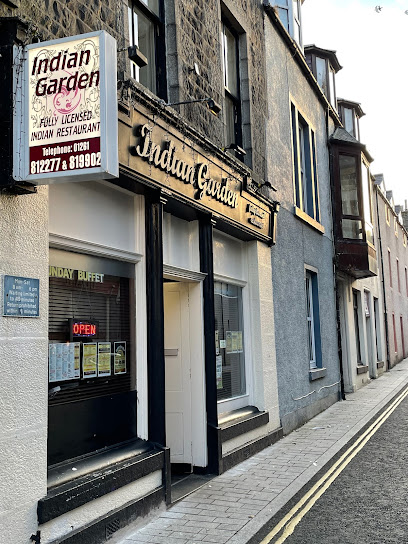
Indian Garden Restaurant and Takeaway
30.8 km
Authentic Indian flavours and warm hospitality await at Banff’s beloved Indian Garden Restaurant and Takeaway.
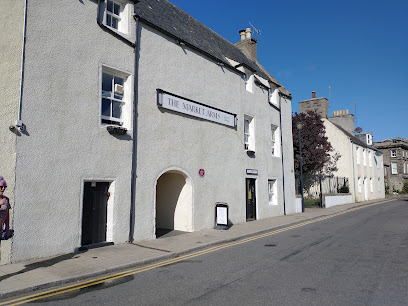
Market Arms
30.8 km
Experience the charm of Banff at Market Arms - where hearty meals meet local brews in a welcoming pub atmosphere.
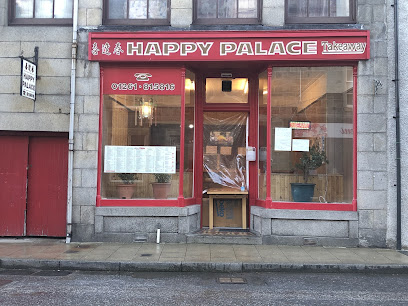
Happy Palace
30.9 km
Savor authentic Chinese flavors at Happy Palace in Banff - where every dish tells a story of culinary excellence.
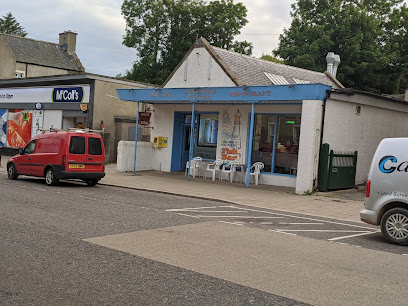
LightHouse Fish Bar
31.0 km
Savor traditional British fish and chips with a diverse menu in Banff’s cozy and welcoming LightHouse Fish Bar.
Fife Lodge Hotel
31.4 km
Charming 3-star country house hotel in Banff with friendly service, delicious dining, and beautiful garden views near scenic beaches and golf courses.
The Kastille
32.6 km
A vibrant blend of modern dining, lively bar, and nightclub experiences in the heart of Turriff.
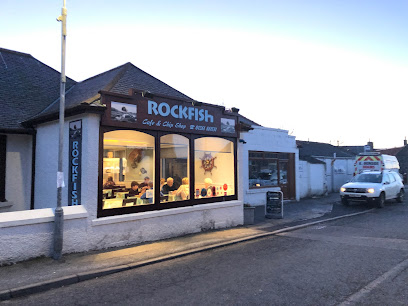
Rockfish
34.1 km
Savor sustainably sourced, fresh seafood in a cozy coastal setting with generous portions and friendly service at Rockfish, Whitehills.
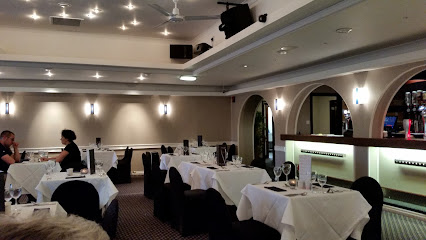
Seafield Arms
34.2 km
Traditional Scottish hospitality on the Moray coast, where comfort meets genuine Highland welcome.
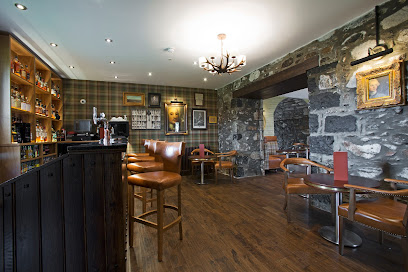
1236 Cave Bar at Meldrum House
42.6 km
Historic 800-year-old stone bar with award-winning whisky and casual Scottish dining at Meldrum House Country Hotel.
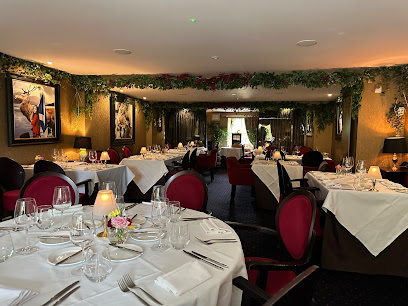
Eat On The Green
42.8 km
Experience refined Scottish dining with fresh local ingredients and impeccable service in the heart of Udny Green.
The Cock & Bull
48.3 km
A beloved Scottish gastropub in Balmedie offering award-winning food, cozy accommodation, and a warm, welcoming atmosphere.
Beekie's Neuk
49.2 km
A beloved Newmachar pub serving hearty homemade Scottish classics in a relaxed, friendly atmosphere with generous portions and good value.
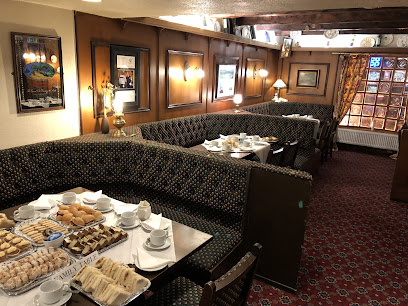
Markets, malls and hidden boutiques

The Friends Gift Shop
19.7 km
Handcrafted local treasures in a scenic country park courtyard.
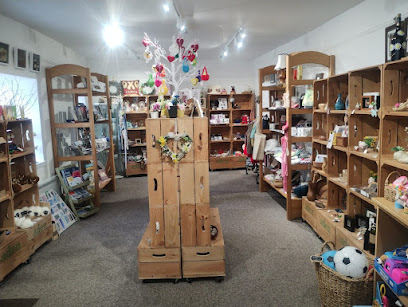
The Wee Shoppie
20.0 km
A friendly village shop in the heart of Gardenstown, perfect for essentials and a warm welcome on the Moray coast.
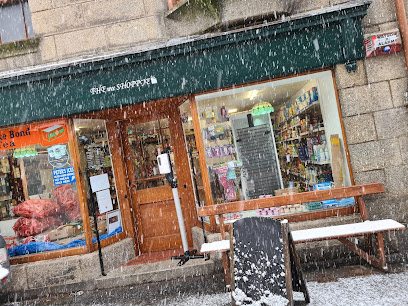
The Gift Co
25.0 km
Discover unique treasures and heartfelt gifts at The Gift Co, Peterhead’s charming boutique on Berryden Road.
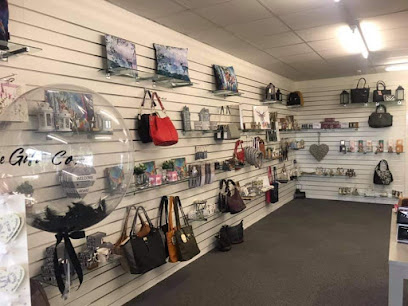
Powell's Country Store
28.6 km
A charming Banff store blending toys, clothing, and hardware for a unique local shopping experience.
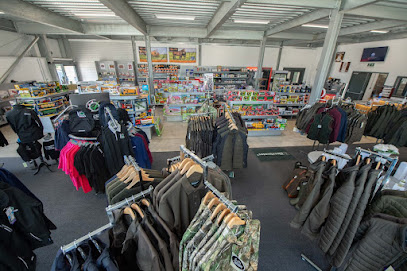
The Platform
29.8 km
Discover unique gifts, stylish fashion, and delightful café treats in Macduff’s charming old railway station turned lifestyle hub.
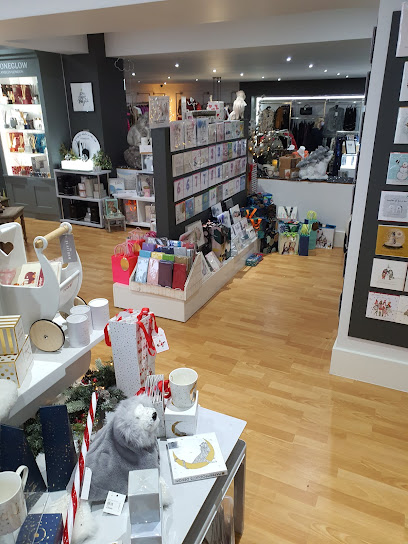
Co-op Food - Banff - Bridge Road
30.5 km
Conveniently located on Bridge Road, Co-op Food Banff offers fresh local produce and essentials daily from 7 AM to 10 PM.
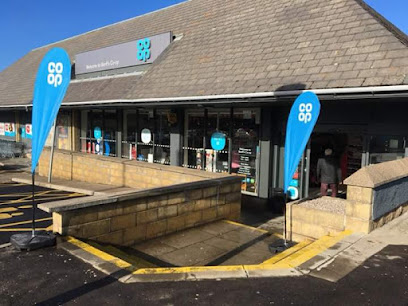
Bargainland
30.8 km
Discover stylish homewares and unbeatable bargains in Banff’s welcoming Bargainland, a must-visit for quality and charm.
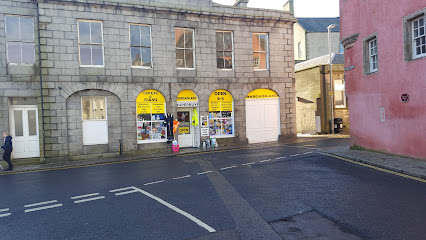
Oldanu
30.8 km
Discover a unique blend of local crafts and souvenirs at Oldanu, the charming gift shop in the heart of Banff, perfect for capturing your travel memories.
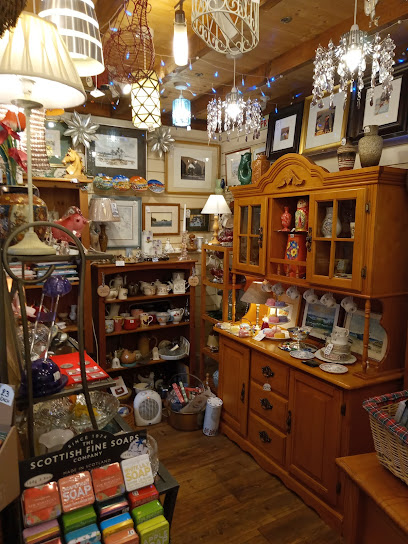
Ivy's Emporium
30.8 km
Discover timeless antiques and unique collectibles in the heart of Banff at Ivy's Emporium, a charming treasure trove for vintage lovers.
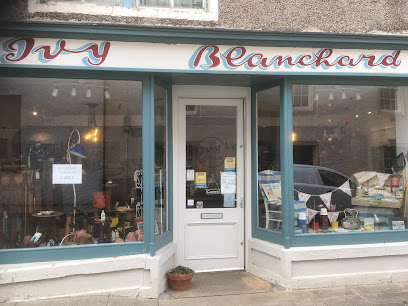
Tuleni
30.9 km
Explore Tuleni in Banff for a unique selection of stylish ladies' clothing, offering personalized shopping experiences in a charming boutique atmosphere.
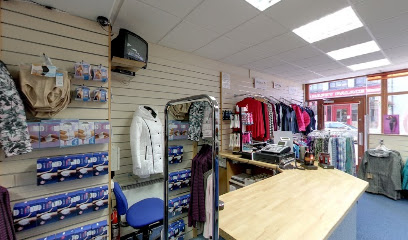
Rebel Yells
30.9 km
Discover unique clothing and accessories at Rebel Yells, a charming shop in Banff that celebrates local culture and style.
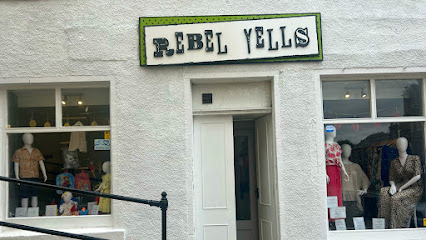
The Gift Box
30.9 km
Discover unique, locally inspired gifts in the charming heart of Banff, Scotland’s historic coastal town.
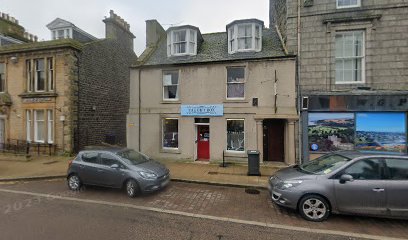
Meadowlands
30.9 km
Discover Banff’s local artistry and unique gifts at Meadowlands Gallery, a charming cultural hub on historic North Castle Street.
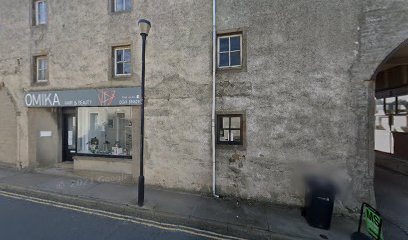
Trend DIY
30.9 km
Discover a treasure trove of crafting supplies and unleash your creativity at Trend DIY in Banff, a must-visit for all DIY enthusiasts.
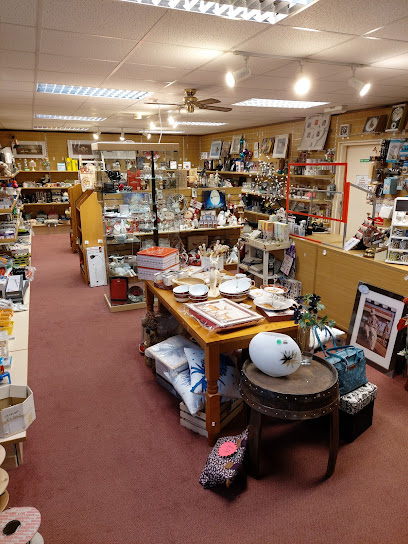
PETAL the store
31.0 km
Discover Banff’s charming gift boutique featuring over 60 independent brands in a warm, curated setting on historic High Street.
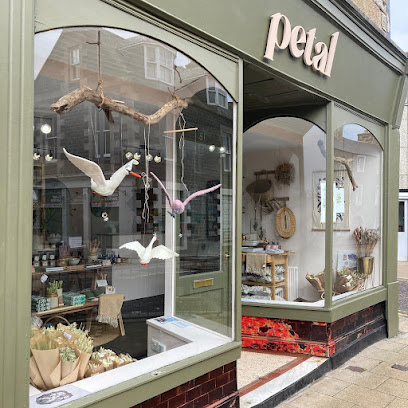
Essential bars & hidden hideouts

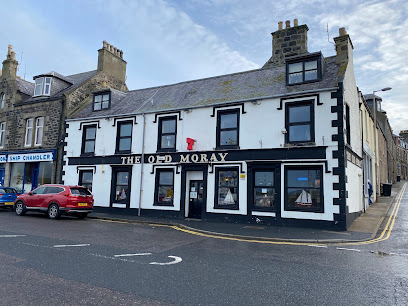
The Old Moray Ltd
29.4 km
Experience authentic Scottish hospitality and local ales at The Old Moray Ltd, a traditional harbour pub in the heart of Macduff.
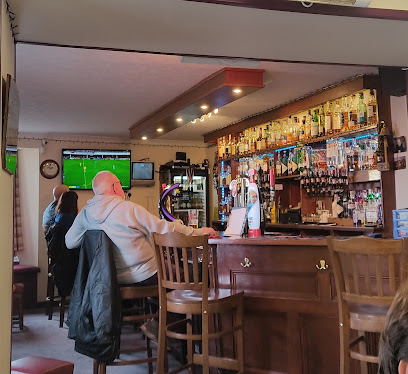
The Railway Inn
30.9 km
A traditional Scottish pub in Banff offering friendly hospitality, extensive whiskies, and stunning harbour views.
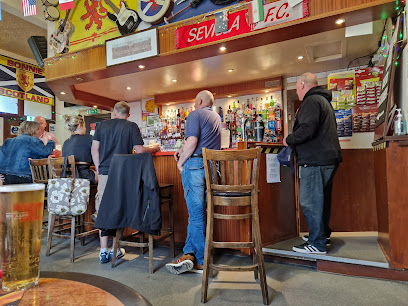
Castle Bar
31.0 km
Experience authentic Scottish hospitality and local ales in the cozy, historic setting of Castle Bar in Banff.
Banff Springs Hotel
31.9 km
Experience timeless luxury and breathtaking mountain vistas at the iconic Fairmont Banff Springs Hotel, the Castle in the Rockies.
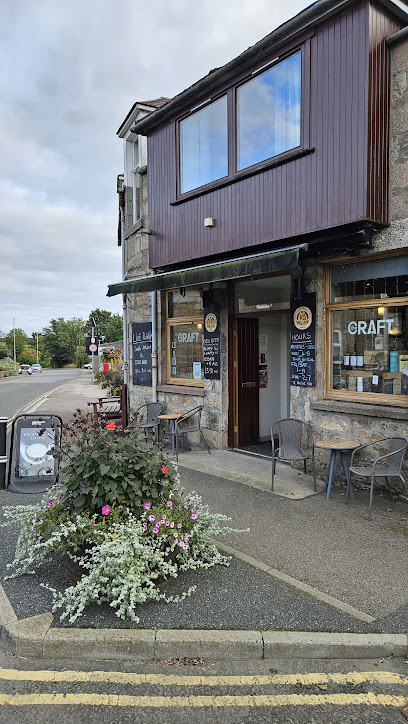
The Craft - off-licence and Bar
41.4 km
A cozy village wine bar and off-licence in Pitmedden offering craft drinks, community spirit, and award-winning hospitality.
Craigenroan Bar
55.6 km
A cozy and welcoming pub in Buckie offering authentic Scottish ales, lively events, and a true community vibe.
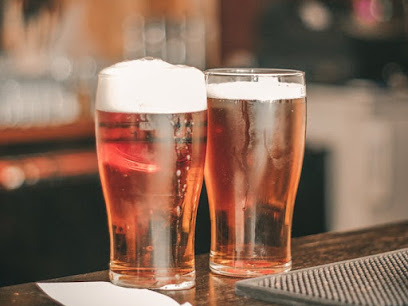
Spider's Web
55.8 km
A cozy and friendly pub in Dyce offering hearty meals, quality drinks, and a welcoming atmosphere near Dyce railway station.
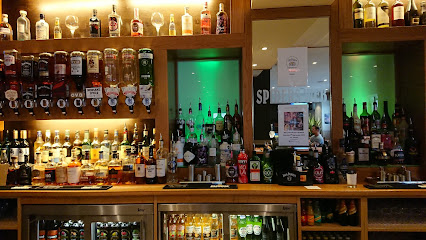
The Distilling House
56.5 km
A welcoming airport pub celebrating Scottish whisky heritage with classic food, craft beers, and expert spirit knowledge.
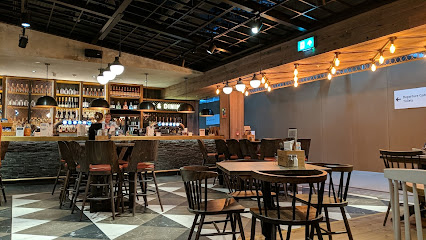
Mains of Scotstown
57.1 km
A welcoming British pub in Aberdeen offering classic dishes, craft drinks, live music, and a lively beer garden atmosphere.
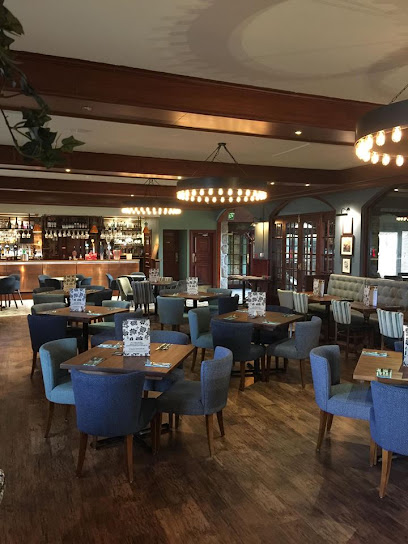
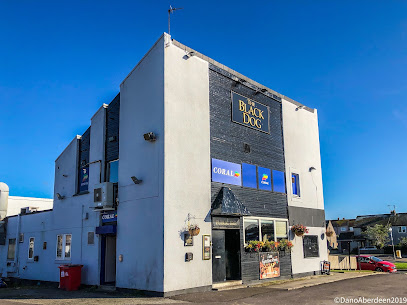
Black Dog
57.6 km
A friendly, lively pub in Aberdeen’s Bridge of Don serving hearty British classics with great entertainment and welcoming vibes.
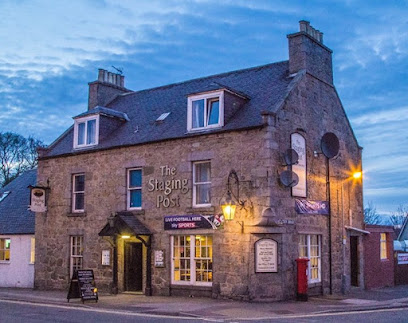
The Staging Post
58.6 km
A friendly and lively local pub in Bucksburn with great drinks, sports, and a family-friendly beer garden.
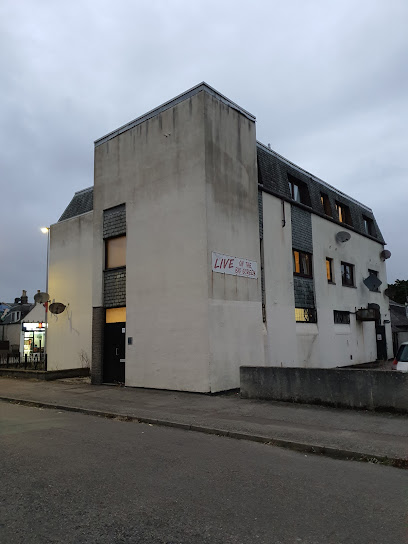
Rowan Tree Bar
59.1 km
Cozy Old Aberdeen pub pouring local ales, serving hearty Scottish dishes, and hosting lively events in a historic neighborhood gem.
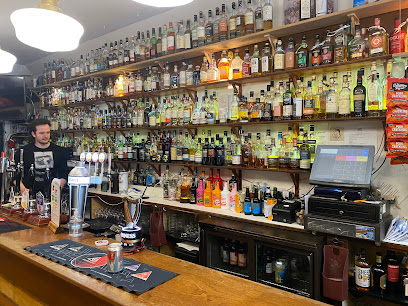
St. Machar Bar
59.3 km
Authentic Old Aberdeen pub with award-winning whiskies, local cask ales, historic brewery mirrors, and hearty pub grub in a student-favored historic spot.
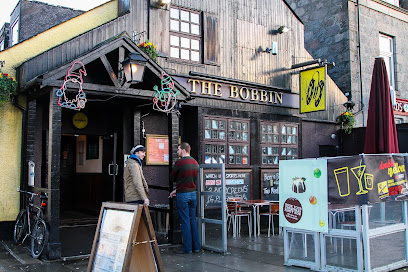
The Bobbin
59.8 km
A lively, student-leaning King Street pub offering hearty pub grub, sports screens and good-value drinks from breakfast through late night.
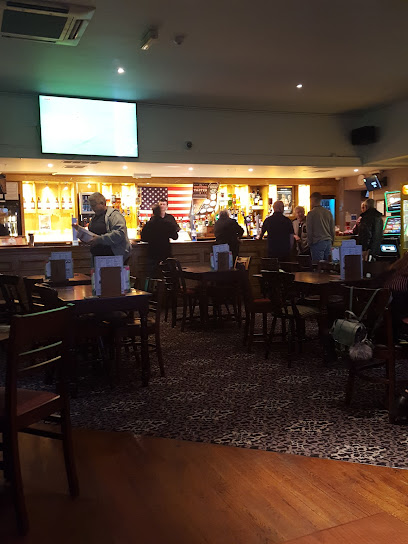
Murdos Bar
60.3 km
A vibrant community pub in Aberdeen offering great food, live sports on multiple screens, a welcoming atmosphere, and a spacious beer garden.
Nightclubs & after hour spots

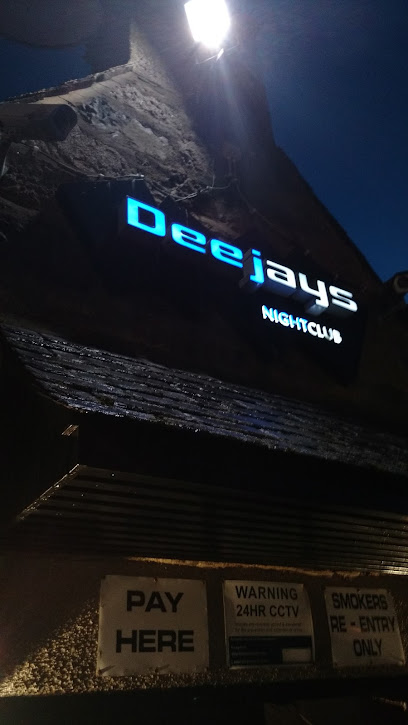
Deejays Nightclub
0.4 km
Fraserburgh’s revitalized nightlife hotspot offering vibrant music, dancing, and late-night fun on Denmark Street.
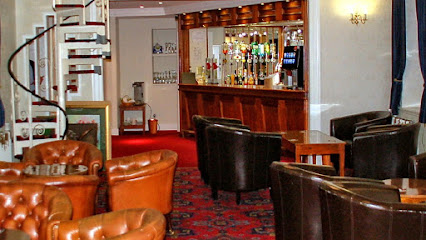
Banff Town & County Club
31.0 km
Discover the heart of Banff at the historic Town & County Club, a social hub that celebrates local culture and community spirit.
Deveronside Club
31.5 km
A warm and lively social club in Banff offering great events, affordable drinks, and a welcoming community atmosphere.
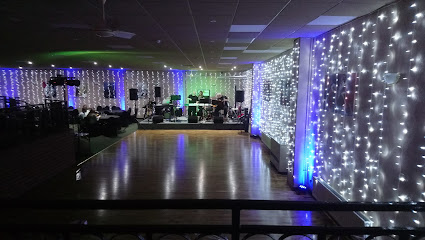
Purple Nightclub
57.0 km
Experience Buckie’s vibrant nightlife at Purple Nightclub, the ultimate destination for dancing, live music, and unforgettable late-night events.
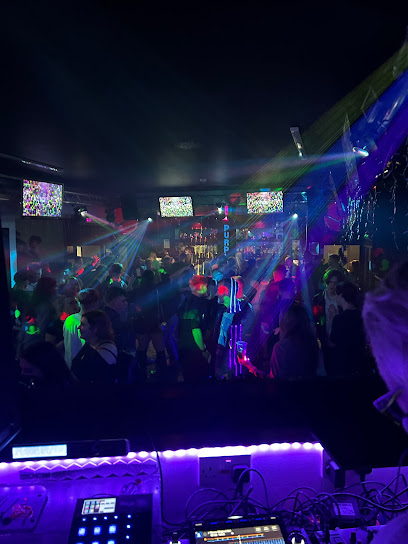
Exodus
61.4 km
Experience Aberdeen’s vibrant nightlife and boozy brunches in a unique historic church setting at Exodus, The Triplekirks.
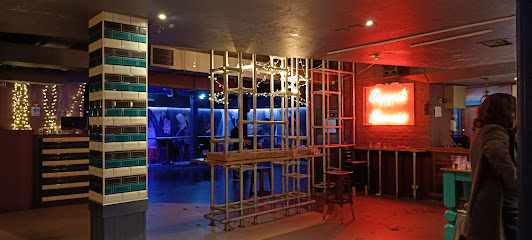
The Tunnels
61.4 km
Dive into Aberdeen’s underground nightlife at The Tunnels, where pulsating beats and intimate vibes create unforgettable nights.
CHEERZ
61.6 km
Aberdeen's iconic LGBT bar and nightclub: dance, drink, and connect in a welcoming Exchange Street haven open late into the night.
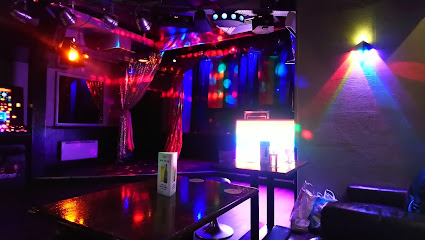
Venga
61.7 km
Dive into Aberdeen's electric nightlife at Venga, where retro beats, themed nights, and cocktails fuel unforgettable dances until dawn on vibrant Chapel Street.
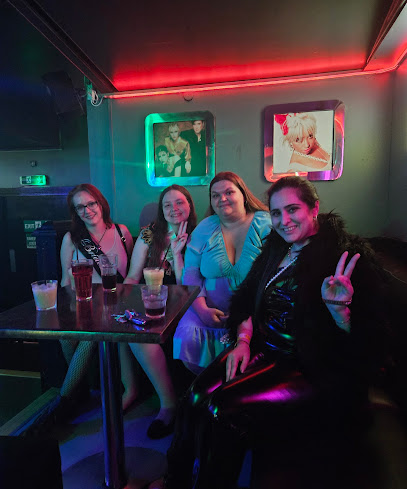
The Underground Klub
61.7 km
A compact, bass-forward late-night club in central Aberdeen with booth seating, layered sound and an intimate underground vibe.
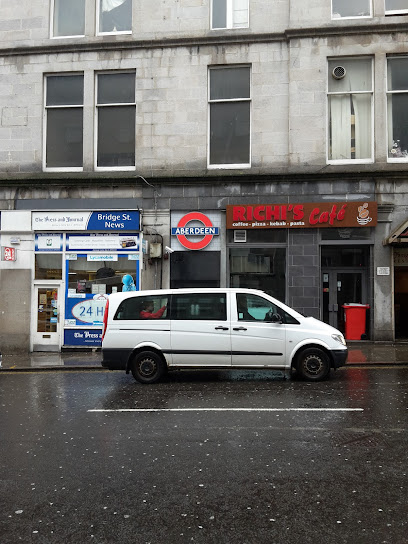
Club Tropicana & Venga
61.7 km
Compact retro nightclub on Chapel Street with neon kitsch, themed nights and a late‑night dancefloor for nostalgic hits and loud, energetic DJ sets.
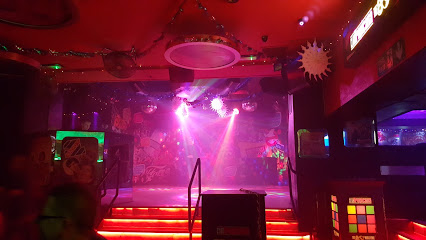
Private Eyes
61.8 km
Experience Aberdeen’s vibrant nightlife at Private Eyes, a stylish nightclub offering lively music, adult entertainment, and a welcoming city-center atmosphere.
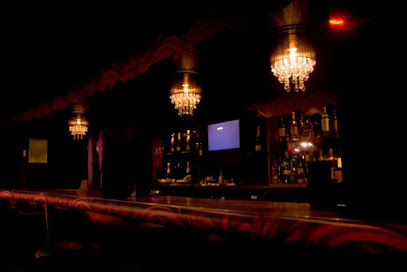
Number 7 Club
61.8 km
Aberdeen's intimate adult club on Crown Street: full-nude dances, drinks, and late-night energy from 9pm to 3am weekends.
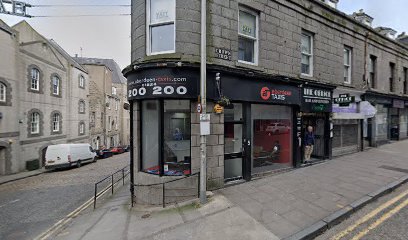
AURA Nightclub Aberdeen
61.8 km
Experience Aberdeen’s vibrant nightlife and nostalgic disco vibes at Aura Nightclub, the city’s premier venue for dynamic music and festive parties.
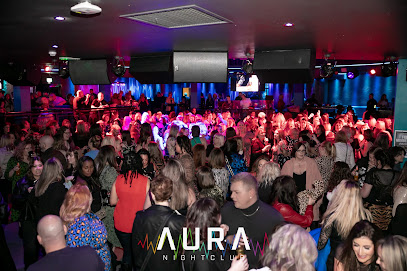
The Mask Club
61.8 km
Aberdeen’s vibrant adult entertainment hotspot with professional dancers, lively music, and a dynamic late-night atmosphere.
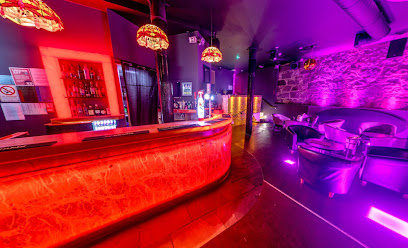
491 Union Street
62.0 km
Dive into Aberdeen's electric nightlife at this top-of-Union-Street hotspot, where killer beats, craft drinks, and epic events light up weekends until dawn.
For the vibe & atmosphere seeker
- Scenic
- Historic
- Unique
- Relaxing
For the design and aesthetic lover
- Vintage Styles
- Rustic Designs
For the architecture buff
- Historic
- Landmarks
- Heritage Neighborhoods
For the view chaser and sunset hunter
- Iconic Views
- Panoramas
- Waterfront
For the social media creator & influencer
- Instagrammable
- Photo Spots
- Architectural Shots
For the eco-conscious traveler
- Public-Transport Accessible
- Locally Managed
For the kind of experience you’re after
- Cultural Heritage
- Myth & Legends
- Photowalk
- Day Trip
- Weekend Getaway
For how adventurous you want the journey to be
- Easy Access
Location Audience
- Family Friendly
- Senior Friendly
- Child Friendly
- Teen Friendly
- Wheelchair Access
- Pet Friendly
- Solo Friendly
- Couple Friendly
- Vegetarian Friendly
- Vegan Friendly


