Rattray Head Lighthouse, Kincardineshire Travel Guide
Historic granite lighthouse standing tall amid rare dunes and sweeping beaches on Scotland’s rugged northeast coast.
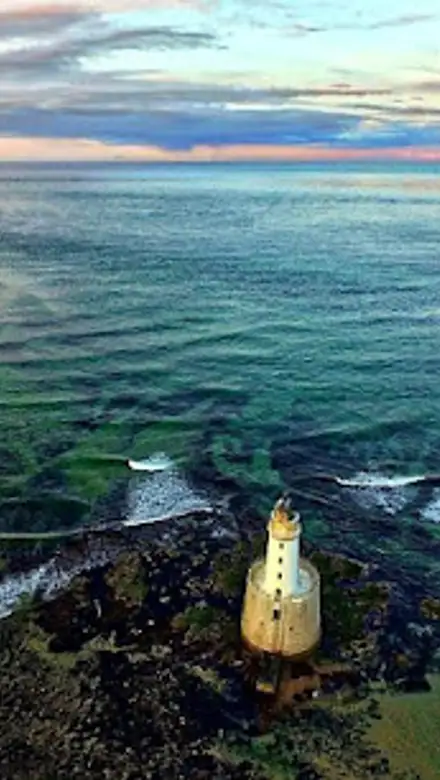
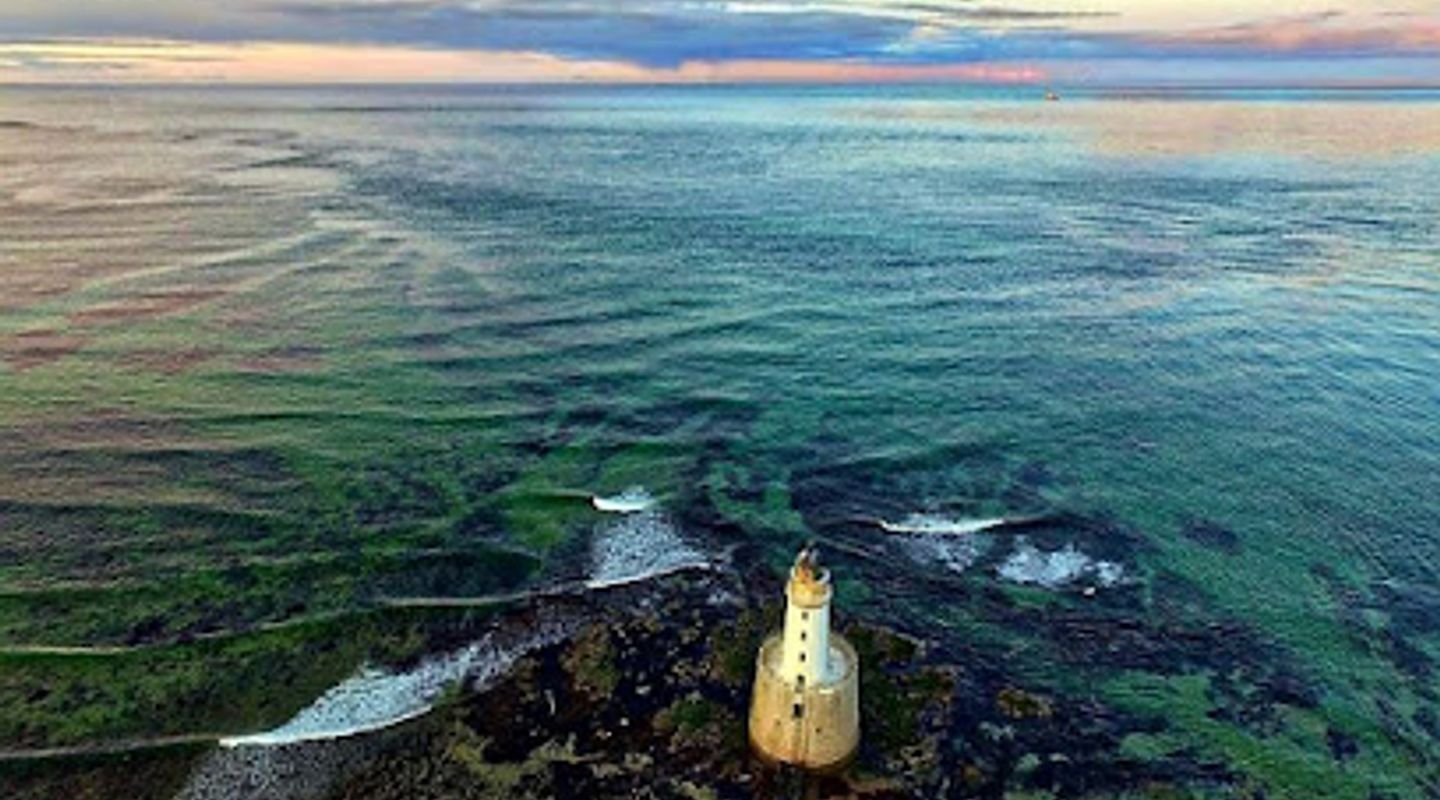
Rattray Head Lighthouse, established in 1895 off the Aberdeenshire coast near Peterhead, is a striking granite and brick tower standing 120 feet tall. Engineered by David Alan Stevenson, it marks the hazardous Rattray Briggs and is renowned for its unique construction, historical significance, and the expansive surrounding dunes and beach. This listed building offers dramatic coastal views and a glimpse into maritime heritage along Scotland's northeast shore.
A brief summary to Rattray Head Lighthouse
- Rattray Head, Peterhead, GB
- Click to display
- Duration: 1 to 3 hours
- Free
-
 Outdoor
- Mobile reception: 3 out of 5

Know before you go
Hi, I'm Eve. Here are a few practical things to know before exploring Rattray Head Lighthouse.
- Visit at low tide to walk the causeway safely to the lighthouse base.
- Wear sturdy footwear for walking through sandy and uneven dune terrain.
- Bring binoculars for birdwatching and spotting marine wildlife along the coast.
- Plan a visit during sunrise or sunset for stunning light and photographic opportunities.
- Check tide times in advance to avoid being stranded on the causeway.
Do you manage this location?
Take control to get all the benefits, like improved information, better appearance, and stronger visibility across AI-powered discovery. Learn more about listing your business on Evendo
Activate your presenceOther nearby places you may find interesting
The closest places of the same kind, if this one is not quite what you had in mind.

Explore Rattray Head Lighthouse on the Map
A handpicked selection of must-see spots near Rattray Head Lighthouse, mapped for you.
Getting There
-
Car
Driving from Peterhead, the nearest town about 15 km away, takes approximately 20-25 minutes via local roads. Parking is available near St Mary’s Chapel, but the last mile includes a rough track requiring a vehicle with good clearance. No parking is available at the lighthouse itself.
-
Bus and Walk
Take a regional bus from Aberdeen or Peterhead to Crimond or Old Rattray, which takes about 1 to 1.5 hours depending on connections. From there, a 3-4 km walk over sandy and dune terrain leads to the lighthouse area. Suitable for those prepared for uneven paths and moderate walking.
-
Walking
For active visitors, a longer coastal walk from nearby villages like Crimond or St Fergus offers a scenic route of 5-7 km one way. The terrain includes dunes and sandy beach paths, requiring sturdy footwear and good fitness. The causeway to the lighthouse is accessible only at low tide.
For the on-the-go comforts that matter to you
-
 Restrooms
-
 Seating Areas
-
 Information Boards
-
 Trash Bins
Discover more about Rattray Head Lighthouse
The Engineering Marvel Behind Rattray Head Lighthouse
Rattray Head Lighthouse was built in 1895, designed by the notable engineer David Alan Stevenson, part of the famous Stevenson family renowned for lighthouse construction. The lighthouse was erected to mark the dangerous Rattray Briggs, a notorious hazard for mariners due to foul ground, strong tides, and high seas. The lower section of the tower is constructed from 20,000 cubic feet of dressed granite blocks quarried at Rubislaw, rising 46 feet and housing the fog horn and engine room. Above this, a brick upper section contains the keepers’ quarters and the lantern, bringing the total height to 120 feet above the rock. Its innovative design included being the first lighthouse on rock to be equipped with a first-class siren fog signal, enhancing maritime safety in the area.Historical Significance and Wartime Resilience
The lighthouse's establishment followed decades of proposals and experiments, with initial ideas dating back to 1851 by Alan Stevenson. Despite early resistance due to funding and sanction issues, persistent advocacy from local fishermen and shipowners ultimately secured its construction. During World War II, Rattray Head Lighthouse endured attacks, including bombings and machine-gun fire in 1941, yet remarkably the lamp remained operational. Since automation in 1982, the lighthouse flashes three times every 30 seconds, continuing its vital role as a coastal beacon without the need for resident keepers.A Unique Coastal Landscape of Dunes and Beaches
The lighthouse is situated amid one of the UK's rare massive dune systems, stretching along a vast and largely unspoiled sandy beach. The dunes and beach create a dramatic and tranquil environment, offering visitors a sense of isolation and natural beauty. The rocky causeway to the lighthouse is accessible only at very low tides, adding to the site's allure and challenge. The surrounding area is a haven for wildlife and seabirds, making it a favored spot for nature enthusiasts and photographers.Architectural and Cultural Heritage Recognition
Rattray Head Lighthouse is a listed building of architectural and historical interest, recognized for its distinctive granite and brick construction and its role in Scotland's maritime history. The tower stands as a testament to Victorian engineering and the legacy of the Stevenson family. Its presence has shaped local culture and maritime navigation for over a century, symbolizing safety and resilience on the northeast Scottish coast.Visitor Experience and Natural Ambience
Visitors to Rattray Head can enjoy peaceful walks through the dunes and along the extensive beach, with opportunities for wildlife spotting and photography. The lighthouse’s remote setting offers spectacular views, especially at sunrise and sunset, when the light casts a golden glow over the sea and sand. The area’s quietude and natural beauty provide a contemplative atmosphere, ideal for those seeking a connection with Scotland’s rugged coastal heritage.Preservation and Accessibility Today
Though automated and unmanned, Rattray Head Lighthouse remains maintained by the Northern Lighthouse Board. Access to the lighthouse itself is tide-dependent, with the causeway submerged at high tide, so visitors should plan accordingly. Nearby amenities are limited, preserving the site's wild character. The lighthouse and its environs continue to attract those interested in maritime history, coastal landscapes, and Scotland’s natural heritage, making it a valuable and enduring landmark on the Aberdeenshire coast.More to explore near Rattray Head Lighthouse













Your all‑in‑one travel companion app
Explore expert travel guides, compare and book tours, experiences, hotels, and more—all from the palm of your hand. Download now for seamless trip planning wherever your wanderlust takes you.


Explore More of Kincardineshire
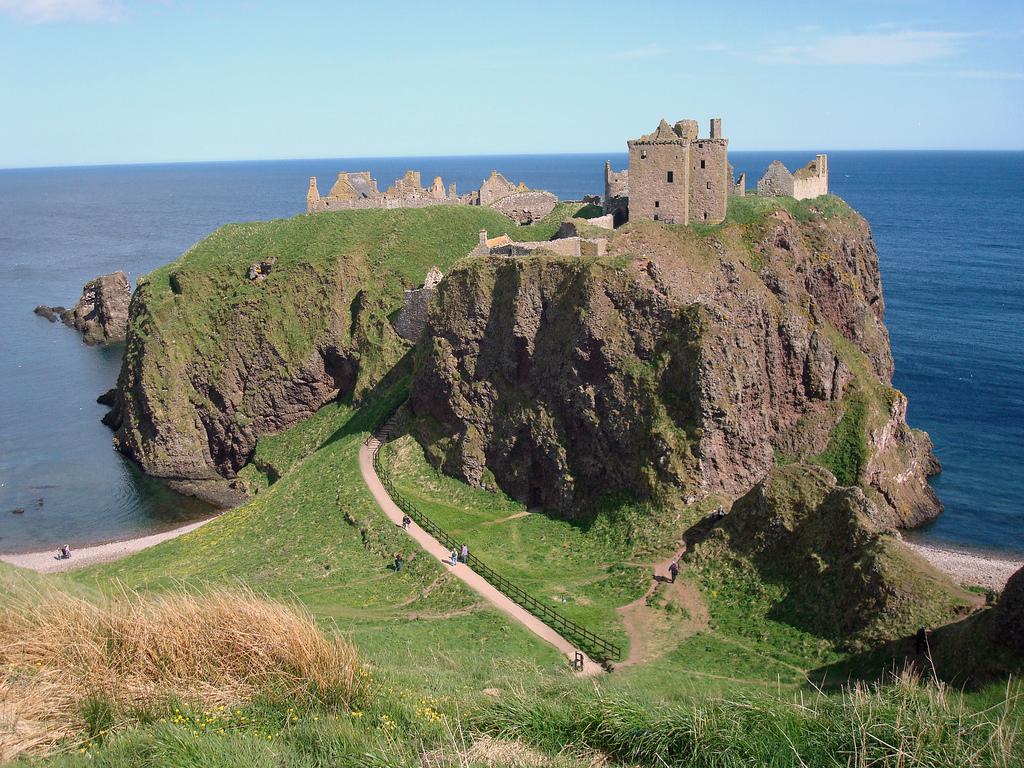
Looking beyond Rattray Head Lighthouse? Discover Kincardineshire for broader travel guides, local hot-spots, and regional highlights.
Explore Kincardineshire