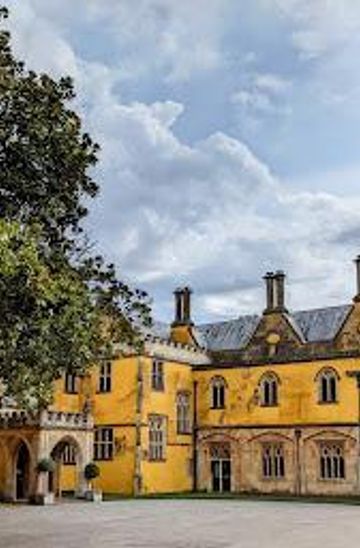
Ashton Court Estate: Historic Mansion and Expansive Parkland near Bristol
Explore Ashton Court Estate: a historic mansion and sprawling parkland blending centuries of heritage with vibrant outdoor life near Bristol.
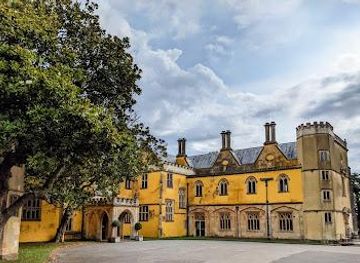
Ashton Court Estate is a vast historic estate located in Long Ashton near Bristol, England. Centered around a Grade I listed mansion with origins dating back to the 11th century, the estate features 850 acres of woodland, parkland, and open countryside. Once home to the Smyth family for over 400 years, Ashton Court now serves as a cherished public park and event venue, blending rich history with natural beauty and recreational activities.
A brief summary to Arts Mansion
- Ashton Court Estate, Bristol, Long Ashton, BS41 9JN, GB
- Click to display
- Click to display
- Duration: 2 to 5 hours
- Mid ranged
-
 Outdoor
- Mobile reception: 4 out of 5

Know before you go
Hi, I'm Eve. Here are a few practical things to know before exploring Arts Mansion.
- Visit during the Bristol International Balloon Fiesta in August for a spectacular display of hot air balloons over the estate.
- Check ArtSpace Lifespace’s schedule for occasional mansion tours and cultural events inside the historic house.
- Bring walking or biking gear to explore the extensive trails and enjoy mountain biking or orienteering activities.
- Plan for a weekend visit to experience both the natural beauty and community events that regularly take place on the grounds.
Do you manage this location?
Take control to get all the benefits, like improved information, better appearance, and stronger visibility across AI-powered discovery. Learn more
Activate your presenceOther nearby places you may find interesting

Getting There
-
Bus
Take the First Bus service 8 or 9 from Bristol city centre to Long Ashton, with a journey time of approximately 25-35 minutes. Services run frequently during the day, but check schedules for weekends. The bus stop is a 10-minute walk from the estate entrance.
-
Car
Driving from Bristol city centre takes about 15-20 minutes via the A370. Limited parking is available on-site with a small fee; spaces can fill up during major events, so arrive early. Parking is managed by Bristol City Council.
-
Cycling
Cycling from Bristol offers a scenic 6-8 km route via quiet roads and cycle paths, taking around 25-35 minutes depending on pace. Bike racks are available near the mansion and main entrances.
For the on-the-go comforts that matter to you
-
 Restrooms
-
 Drink Options
-
 Food Options
-
 Seating Areas
-
 Information Boards
-
 Picnic Areas
-
 Trash Bins
Discover more about Arts Mansion
A Storied Heritage Spanning Nearly a Millennium
Ashton Court Estate's origins trace back to before the 11th century, with a manor house recorded in the Domesday Book of 1086. Initially granted by William the Conqueror to Geoffrey de Montbray, Bishop of Coutances, the estate has passed through numerous hands, notably the Smyth family who owned it from 1545 until 1946. The estate evolved from a fortified manor into a grand country house, reflecting architectural styles from medieval to neo-Classical and Strawberry Hill Gothic, shaped by successive generations of owners. Its historical significance includes use as a military hospital during World War I and an army transit camp in World War II.Architectural Evolution and Unique Features
The mansion itself is a composite of styles, with major renovations in the 17th, 18th, and 19th centuries. Influences include the Regency-era improvements inspired by Inigo Jones and the neo-Gothic fantasies introduced by architect Major Charles Edward Davis under Greville Smyth’s patronage. Notable features once included a winter garden with tropical plants and a museum housing natural history collections. Although some original parts like the 15th-century kitchens have been lost, the house retains richly carved oak interiors, a grand hall, and a striking oak staircase. Today, the mansion operates as an event venue and is managed by the charity ArtSpace Lifespace.Expansive Grounds and Natural Beauty
The estate encompasses approximately 850 acres of Grade II* listed parkland, including woodlands, grasslands, and a historic deer park established in the late 14th century. The landscape was influenced by early 19th-century designer Humphry Repton and offers a variety of habitats supporting diverse wildlife. The grounds are a beloved green space for locals and visitors, hosting activities such as mountain biking, orienteering, and walking. The estate also features a golf course and regularly hosts large-scale events including the Bristol International Balloon Fiesta and kite festivals.Community Engagement and Conservation Efforts
Owned by Bristol City Council since 1959, Ashton Court Estate is one of the UK’s busiest country parks, attracting over 1.6 million visitors annually. Ongoing conservation and heritage projects, supported by Heritage Lottery funding, aim to improve visitor facilities, restore historic views, and maintain the estate’s ecological and cultural value. The estate is managed to balance public access with preservation, offering educational resources and promoting sustainable use of the landscape.A Venue for Culture and Events
Beyond its natural and historic allure, Ashton Court Mansion serves as a cultural hub. The Great Hall and other spaces are available for conferences, weddings, and filming, having featured in productions like Sherlock. The estate’s café and event venues provide social and artistic engagement opportunities, supporting the local community and visitors alike.Experience and Atmosphere
Visitors to Ashton Court Estate enjoy a tranquil yet lively environment where history and nature intertwine. The combination of architectural grandeur, expansive green spaces, and vibrant community events creates a unique destination that appeals to history enthusiasts, outdoor lovers, and families. The estate’s proximity to Bristol makes it an accessible retreat offering a rich sensory experience—from the scent of ancient woodlands to panoramic views over the surrounding countryside.Explore the best of what Arts Mansion has to offer













More about Gwent
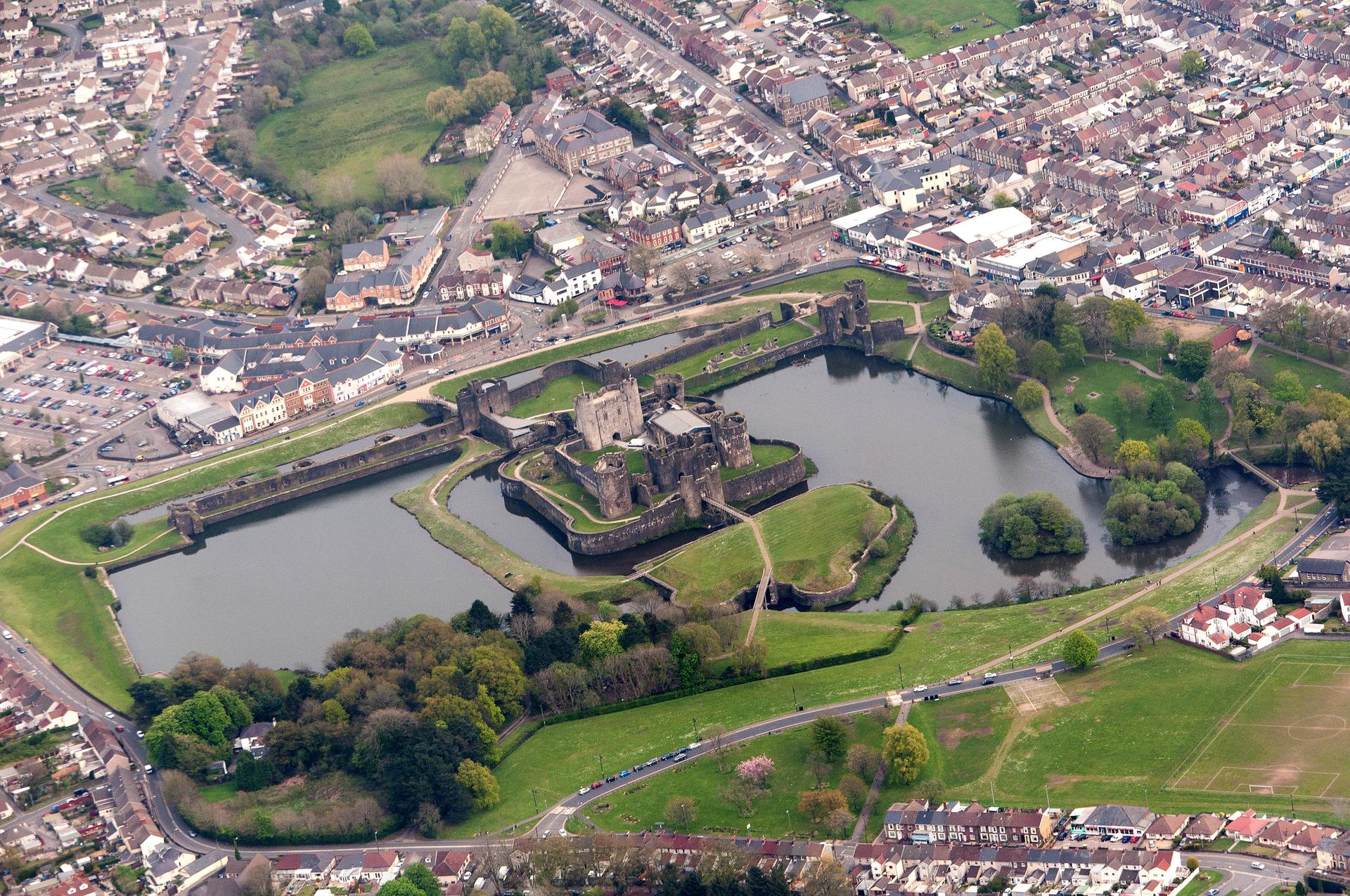
Explore Gwent, a captivating blend of ancient history, picturesque landscapes, and vibrant culture in the heart of Wales.
Tell me more about Gwent
Step into the mind of Isambard Kingdom Brunel in his original Dock Office, where personal artefacts and interactive galleries bring the genius of Victorian engineering vividly to life.
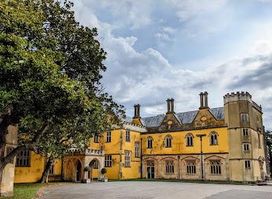
Historic Ashton Court Estate near Bristol blends centuries of architecture with 850 acres of scenic parkland and vibrant cultural events.