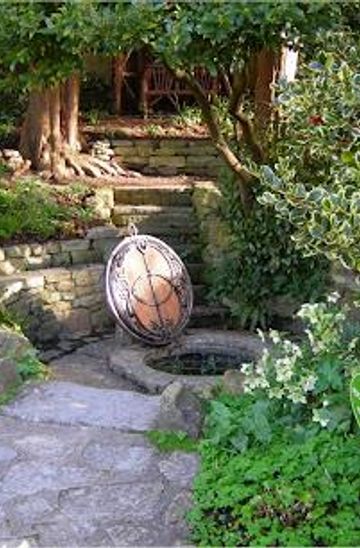
Chalice Well: The Sacred Red Spring of Glastonbury
Discover the ancient, iron-rich red spring of Chalice Well in Glastonbury—a timeless sanctuary of healing, legend, and spiritual harmony.
Nestled at the foot of Glastonbury Tor, Chalice Well is Britain's oldest holy well, renowned for its iron-rich red waters and deep spiritual significance. This ancient spring, flowing continuously for over 2,000 years, is linked to legends of the Holy Grail and Joseph of Arimathea. Surrounded by tranquil gardens and symbolic features, it offers visitors a peaceful sanctuary for reflection, healing, and connection with nature and mystical traditions.
A brief summary to Chalice Well
- Chalice Well Trust, 85-89 Chilkwell St, Glastonbury, BA6 8DD, GB
- Click to display
- Click to display
- Duration: 1 to 3 hours
- Budget
-
 Outdoor
- Mobile reception: 4 out of 5
- Monday 10 am-6 pm
- Tuesday 10 am-6 pm
- Wednesday 10 am-6 pm
- Thursday 10 am-6 pm
- Friday 10 am-6 pm
- Saturday 10 am-6 pm
- Sunday 10 am-6 pm

Know before you go
Hi, I'm Eve. Here are a few practical things to know before exploring Chalice Well.
- Respect the peaceful atmosphere by keeping noise to a minimum and observing the daily Silent Minute at noon and 3 pm.
- Bring a bottle to collect some of the iron-rich water from the Lion’s Head fountain, believed to have healing properties.
- Visit the nearby Holy Thorn Tree, which flowers twice a year at Christmas and Easter, symbolizing local legend and tradition.
- Explore the tranquil gardens surrounding the well, featuring symbolic designs like the vesica piscis and flowing water pools.
Do you manage this location?
Take control to get all the benefits, like improved information, better appearance, and stronger visibility across AI-powered discovery. Learn more
Activate your presence

Getting There
-
Bus
Take the local bus service from Glastonbury town center to Chalice Well, a 10-15 minute ride with stops near Chilkwell Street. Services run approximately every 30 minutes during the day. Tickets cost around £2-£4 one way.
-
Taxi
A taxi from central Glastonbury to Chalice Well takes about 5-10 minutes depending on traffic. Fares typically range from £6 to £10. Taxis are readily available but may require booking during peak times.
-
Walking
From Glastonbury town center, a pleasant 20-25 minute walk along mostly flat terrain leads to Chalice Well. The route is accessible for most visitors but includes some cobbled sections.
For the on-the-go comforts that matter to you
-
 Restrooms
-
 Drink Options
-
 Food Options
-
 Seating Areas
-
 Trash Bins
-
 Information Boards
-
 Visitor Center
Discover more about Chalice Well
Ancient Origins and Spiritual Legacy
Chalice Well is an ancient sacred spring located in Glastonbury, Somerset, often called the Red Spring due to its distinctive iron-rich waters that stain the stones a deep rust red. Archaeological evidence indicates that the well has been in almost constant use for over two millennia, making it one of Britain's oldest continuously flowing wells. Historically, it was sacred to the Celts, Druids, and later spiritual communities such as the Essenes. The well’s waters have long been believed to possess healing properties and are sometimes described as the essence of life itself.Legendary Connections and Symbolism
The well is famously linked to Christian and Arthurian legends, particularly the story of Joseph of Arimathea, who is said to have brought the Holy Grail—the cup used by Christ at the Last Supper and which caught drops of his blood at the Crucifixion—to Glastonbury. Legend holds that Joseph buried the Grail beneath the well, giving the water its symbolic red hue, often interpreted as the blood of Christ or the iron nails of the Crucifixion. The well cover, designed by Frederick Bligh Bond in 1919, features the vesica piscis symbol—two interlocking circles representing unity, balance, and a gateway between the physical and spiritual worlds.The Gardens and Sacred Landscape
Surrounding the well is a beautifully maintained garden sanctuary, designed to enhance the sense of peace and spiritual connection. The gardens incorporate symbolic elements such as the vesica piscis pool, flowing water features, and a variety of flowers and trees, including the nearby Holy Thorn Tree, which blooms twice yearly at Christmas and Easter. The atmosphere encourages quiet reflection, meditation, and a deep connection with nature’s rhythms.Modern Stewardship and Community
The Chalice Well Trust, established in 1959 by Wellesley Tudor Pole, a spiritualist and visionary, preserves and safeguards the well and its grounds for public benefit. Tudor Pole’s vision was to maintain the site as a living sanctuary and place of pilgrimage and rest. The Trust continues to uphold this mission, hosting events and encouraging visitors to observe the daily Silent Minute—a moment of collective prayer and contemplation that began during WWII.Experiencing Chalice Well Today
Visitors to Chalice Well experience a unique blend of history, legend, and natural beauty. The continuous flow of 25,000 gallons of water daily, even in drought, is a testament to the well’s enduring vitality. The site is a magnet for those seeking spiritual solace, healing, or simply a tranquil retreat. Its rich symbolism, serene gardens, and the mystical energy of Glastonbury make it a profound place for personal reflection and connection with ancient traditions.Chalice Well in the Context of Glastonbury
Situated between Chalice Hill and Glastonbury Tor, Chalice Well forms part of a sacred landscape steeped in myth and energy. The well’s red waters contrast with the nearby White Spring, symbolizing the union of opposites—blood and bone, feminine and masculine, earth and spirit. This duality reflects the deep spiritual heritage of Glastonbury, a place renowned for ley lines and mystical energies that have drawn pilgrims and seekers for centuries.Explore the best of what Chalice Well has to offer













More about Bath
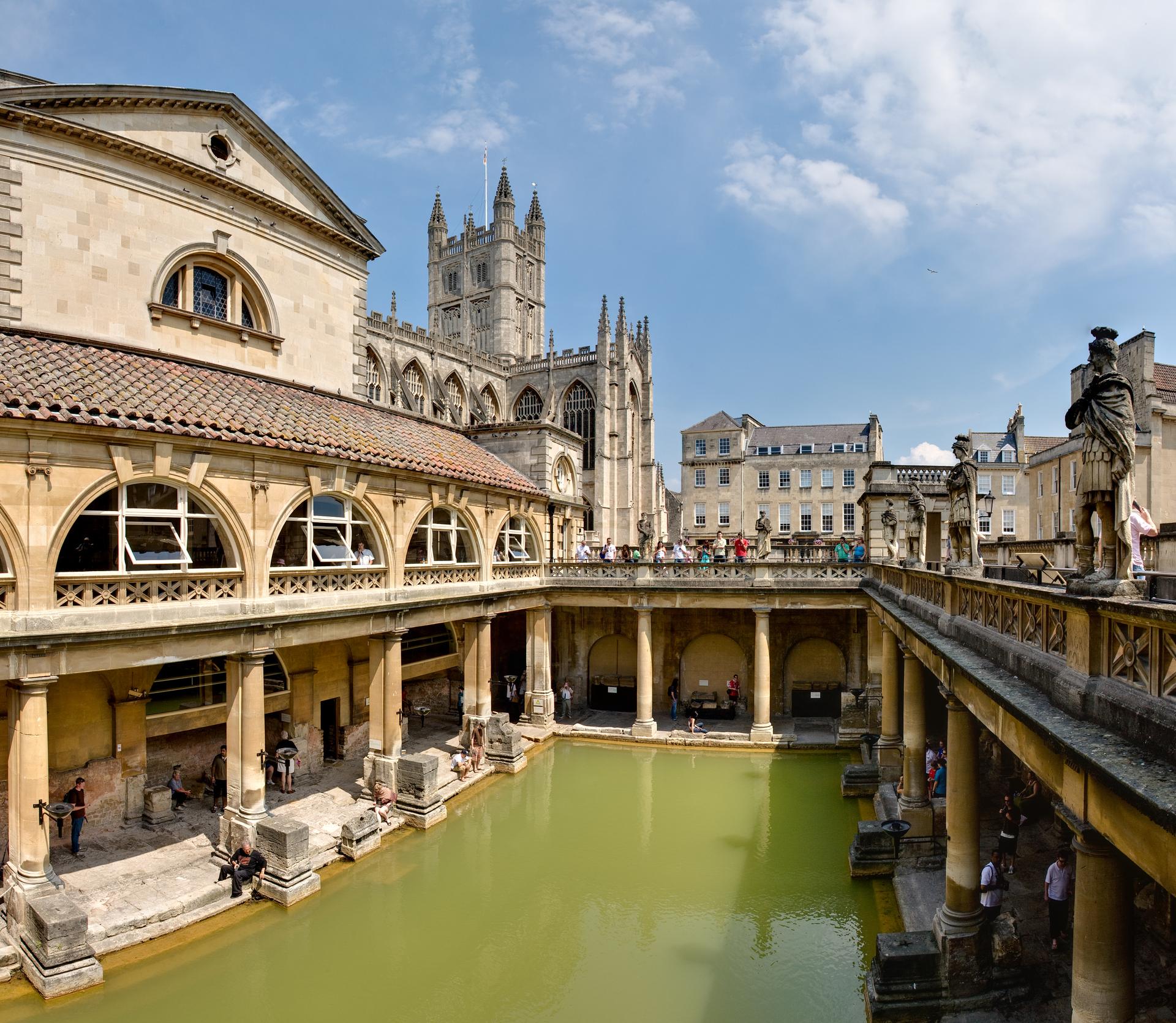
Discover Bath: A harmonious blend of Roman history, Georgian elegance, and natural beauty in the heart of England's countryside.
Tell me more about Bath
Explore England’s largest gorge with dramatic cliffs, ancient caves, panoramic views, and world-famous cheese in charming Cheddar village.
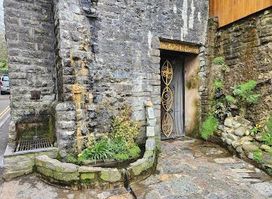
A mystical Victorian water temple at Glastonbury Tor, honoring sacred calcite-rich waters with shrines, healing pools, and timeless spiritual energy.