Background

St Margaret's Chapel and Magdalene Almshouses, Glastonbury

A serene medieval chapel and almshouses in Glastonbury, offering a peaceful retreat steeped in pilgrimage history and artistic spirit.

★★★★★4.9 (62)

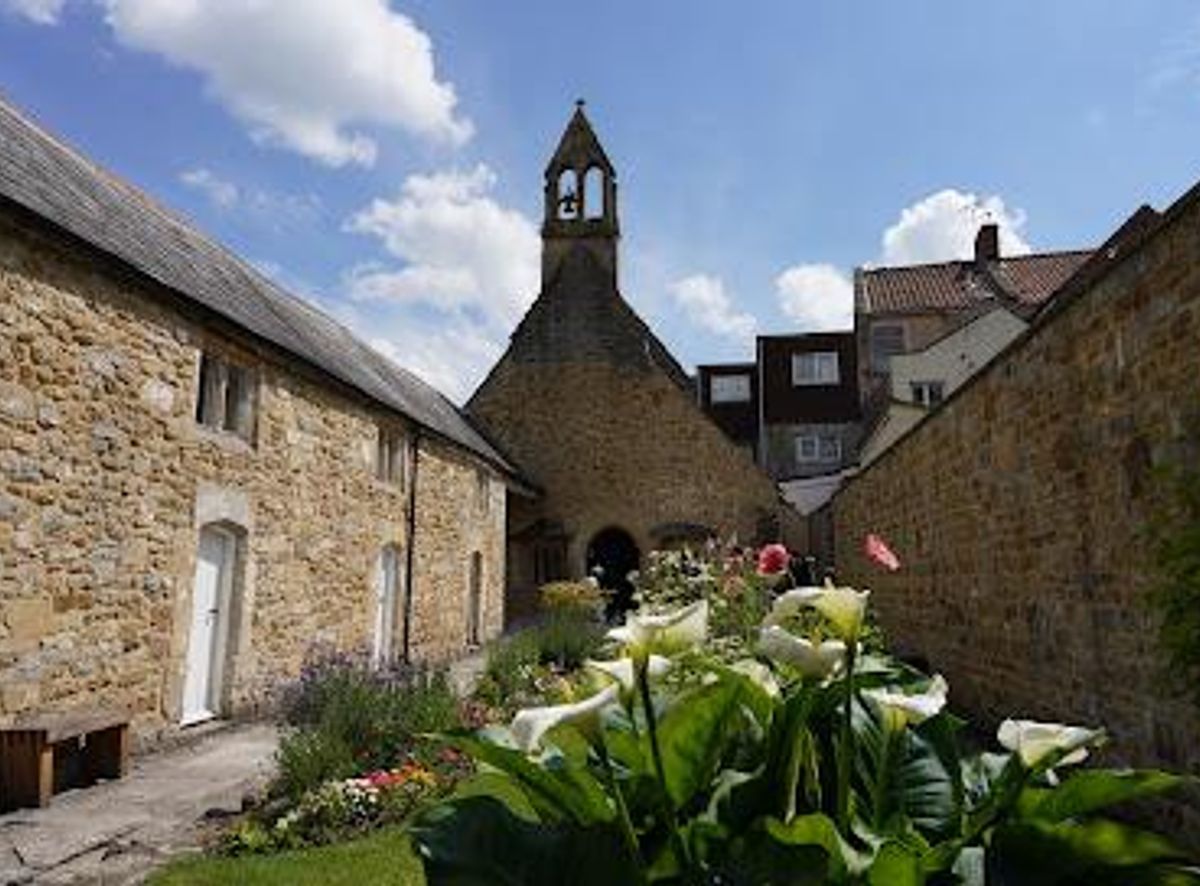
St Margaret's Chapel, located on Magdalene Street in Glastonbury, is a historic chapel dating back to the 13th century, originally part of a pilgrim hospital complex. The site includes the chapel and surviving almshouses, offering a peaceful sanctuary with rich medieval heritage, restored gardens, and spaces for prayer, quiet contemplation, and artistic activities.

Plan your visit

A brief summary to St Margaret's Chapel

Opening times, essentials, and a few local tips gathered into one calmer, easier-to-scan planning section.

Plan your visit

📍
Magdalene St, Glastonbury, BA6 9EJ, GB
🕒
Duration: 0.5 to 2 hours
💷
Free
🏛
Outdoor
📶
Mobile reception: 4 out of 5
Monday
10 am-4 pm
Tuesday
10 am-4 pm
Wednesday
10 am-4 pm
Thursday
10 am-4 pm
Friday
10 am-4 pm
Saturday
10 am-4 pm
Sunday
10 am-4 pm

Explore places near St Margaret's Chapel

    See all →

    Unlock the Best of St Margaret's Chapel

    Find tickets, tours with entry, and experiences available for this location.

    Buy tickets

    No tickets available

    Book tours with entry

    No tours with entry available

    Book tours without entry

    No tours without entry available

    Getting There

    Bus

    Regular bus services operate from Bristol, Yeovil, Taunton, and Wells to Glastonbury, with journey times ranging from 45 to 90 minutes. From the town center, Magdalene Street is accessible on foot within 10 minutes. Tickets cost approximately £5–£10 depending on the departure point.

    Train and Bus Combination

    Travel by train to Castle Cary or Bridgwater stations, approximately 30 to 60 minutes from major cities like Bristol or Bath. From there, local bus connections to Glastonbury take 20 to 40 minutes. Combined fares typically range from £10 to £20.

    Car

    Driving to Glastonbury from the M5 motorway (Junction 23) takes about 30 to 45 minutes. Parking is available in town car parks near Magdalene Street, but spaces can be limited during peak times. Parking fees generally range from £2 to £5 per hour.

    For the on-the-go comforts that matter to you

    Restrooms
    Drink Options
    Food Options
    Seating Areas
    Information Boards

    Local tips

    Visit during spring to autumn for daily open hours and enjoy the garden in full bloom.
    Explore the adjoining almshouses to see artist workshops and a historical display of 16th-century life.
    Take time for quiet reflection inside the chapel, which is kept deliberately plain and peaceful.
    Check the noticeboard outside for exact opening times, especially in winter months when hours are limited.
    Wear sturdy footwear as the pathways are ancient stone and may be uneven or slippery.

    St Margaret's Chapel location weather suitability

    Catch the right light and the right mood, whether you want a bright city moment or a more cinematic evening visit.

    Weather icon
    Any Weather
    Weather icon
    Mild Temperatures
    Weather icon
    Rain / Wet Weather

    Discover more about St Margaret's Chapel

    A Sanctuary Rooted in Pilgrimage History

    St Margaret's Chapel is part of a historic complex dating back to the 13th century, situated in Glastonbury, a town renowned for its spiritual and pilgrimage significance. Originally built as a hospital for pilgrims visiting the abbey, the site was endowed by Queen Margaret of Scotland, whose legacy is intertwined with the chapel's foundation. The chapel itself was constructed around 1444 as a place of prayer attached to the hospital, serving the spiritual needs of sick men cared for by the monks. This connection to medieval pilgrimage routes and the abbey’s religious life marks the chapel as a significant relic of England’s ecclesiastical heritage.

    Architectural Evolution and Almshouse Heritage

    The original hospital was replaced in the 16th century by two rows of almshouses designed to house poor men, reflecting the site’s ongoing charitable mission. Although one row was demolished in the 1960s to create a garden, the remaining almshouses stand today as a testament to the social history of Glastonbury. These almshouses have been sensitively restored and now serve varied purposes, including artist workshops and a small shop. The chapel and almshouses together form a quiet enclave that preserves the architectural and communal spirit of the medieval period.

    A Place of Quiet Reflection and Artistic Inspiration

    The chapel is deliberately kept plain and unadorned, fostering an atmosphere of peace and contemplation. Open daily for prayer and quiet reflection, it welcomes visitors seeking spiritual solace or a moment of calm in the bustling town. The adjoining gardens, carefully tended and featuring the foundations of former buildings, provide a tranquil outdoor space to appreciate the site's layered history. During warmer months, iconographers often work in the almshouses, adding a living artistic dimension to the site’s heritage.

    Restoration and Community Stewardship

    Managed by the Mary and Margaret Charity, the site underwent significant refurbishment in 2012, including the addition of a stone courtyard wall, disabled access facilities, and garden improvements. This restoration has ensured the chapel and almshouses remain accessible and welcoming, preserving their historical integrity while adapting to modern needs. The charity’s stewardship reflects a commitment to maintaining the chapel as a sacred space and educational resource, with ongoing involvement from local volunteers and artists.

    Hidden Gem in Glastonbury’s Spiritual Landscape

    Tucked away behind Magdalene Street, the chapel and almshouses form a hidden sanctuary within Glastonbury’s rich spiritual tapestry. The site is part of the Town Millennium Trail and offers a unique glimpse into the town’s medieval past, complementing nearby landmarks such as Glastonbury Abbey and the Goddess Temple. Its quiet presence amidst the town’s vibrant pilgrimage culture invites visitors to explore a lesser-known but deeply meaningful chapter of Glastonbury’s history.

    Visitor Experience and Accessibility

    Visitors can explore the chapel and the remaining almshouses during opening hours, which vary seasonally but generally run from 10 a.m. to 4 p.m. The site offers disabled access via a ramp and handrail, though visitors should note the ancient paving may be uneven. Nearby amenities include refreshments and restrooms, making it a comfortable stop for those touring Glastonbury’s spiritual sites. The chapel is also available for private prayer, group hire, and artistic residencies, emphasizing its role as a living community space.

    Plan around the quieter times

    A quick look at seasonal patterns and peak visiting hours.

    Busiest months of the year

    Seasonality

    Busiest hours of the day

    Footfall
    Mobile App
    Get the app

    Your all‑in‑one travel companion app

    Explore expert travel guides, compare and book tours, experiences, hotels, and more—all from the palm of your hand. Download now for seamless trip planning wherever your wanderlust takes you.
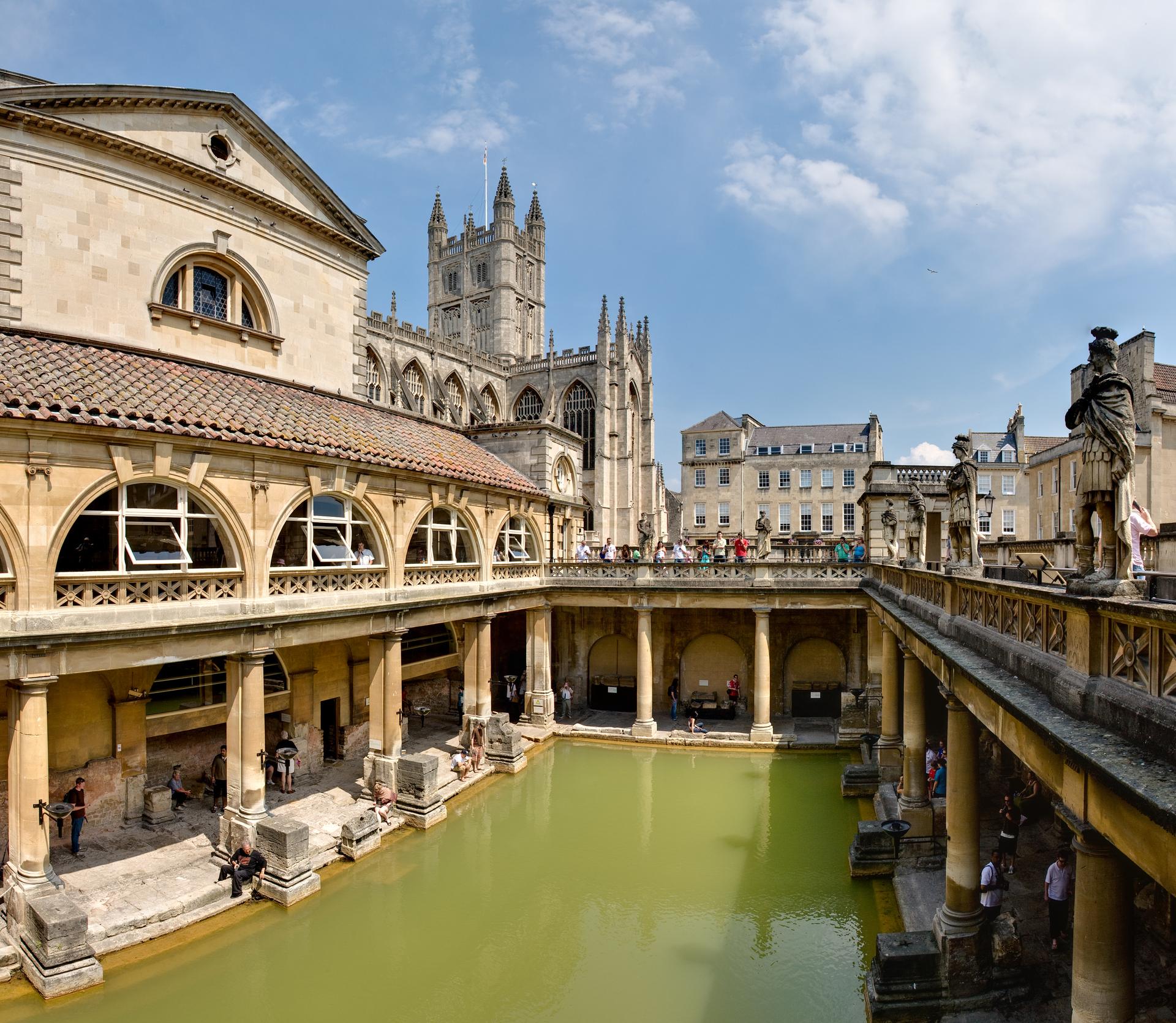
    File:Roman Baths in Bath Spa, England - July 2006.jpg - Wikipedia

    More about Bath

    Discover Bath: A harmonious blend of Roman history, Georgian elegance, and natural beauty in the heart of England's countryside.

    Tell me more about Bath
    Select Currency

    Choose the currency you want prices to display in.