Background

Glastonbury Abbey: England’s Legendary Monastic Ruin and Mythic Heart

Explore the evocative ruins of Glastonbury Abbey, where history, myth, and spirituality converge in England’s richest medieval monastery.

4.6

Ancient Origins and Historical Evolution

Glastonbury Abbey traces its roots back to early Christian Britain, with legendary claims that Joseph of Arimathea founded the first church here in AD 63. Archaeological evidence confirms occupation from the 5th century, with Saxon churches established by the 7th century. The abbey flourished through successive expansions, notably under Abbot Dunstan in the 10th century and the Normans after 1066, becoming England’s richest monastery by the late medieval period. Despite a devastating fire in 1184, the abbey was rebuilt, consecrated in 1213, and continued to thrive until its suppression under Henry VIII in 1539.

Myth, Legend, and Spiritual Significance

Glastonbury Abbey is steeped in mythic associations, most famously as the purported burial place of King Arthur and Queen Guinevere. In 1191, monks claimed to discover their tombs, a story that revitalized pilgrimages. The abbey is also linked to the Holy Grail legend through Joseph of Arimathea, who is said to have brought the Grail to Avalon and established the first Christian community here. The sacred Glastonbury Thorn, believed to have grown from Joseph’s staff, still blooms in the abbey grounds, symbolizing its enduring mystical heritage.

Architectural Remains and Artistic Highlights

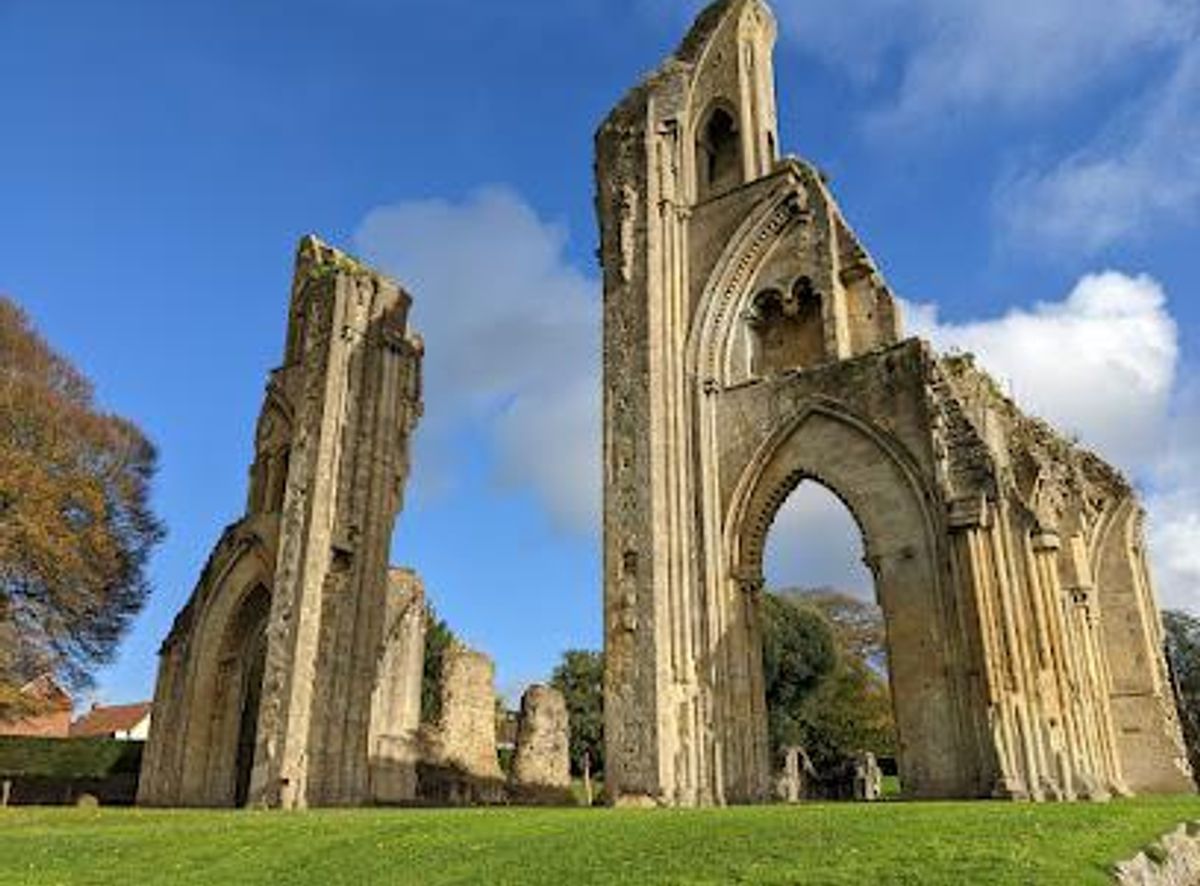
Today, the abbey’s impressive ruins reveal the scale and grandeur of the medieval monastery. Visitors can explore the remains of the Great Church, cloisters, and the unique Abbot’s Kitchen, one of only three surviving medieval kitchens in Europe. The Lady Chapel, restored with vibrant murals and stained glass, offers a glimpse into the abbey’s spiritual heart. The site’s layered architecture reflects centuries of religious, cultural, and political change, from Saxon stonework to Norman and later medieval additions.

The Abbey’s Role in English History and Culture

Beyond its religious importance, Glastonbury Abbey played a pivotal role in English history. Its abbots wielded significant power and wealth, hosting royalty and influencing national events. The abbey’s dissolution marked a brutal chapter, with the last abbot, Richard Whiting, executed on Glastonbury Tor for resisting Henry VIII’s reforms. The abbey’s legacy endures in English literature, art, and folklore, inspiring works such as William Blake’s ‘Jerusalem’ and continuing to attract pilgrims and seekers of spiritual and historical insight.

Visitor Experience and Atmosphere

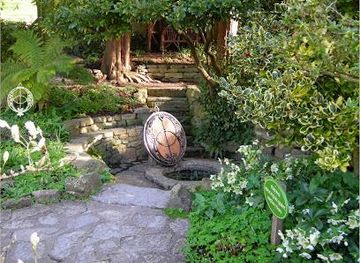
Walking through Glastonbury Abbey, visitors encounter a place where history and legend intertwine amid tranquil gardens and evocative ruins. The site offers a contemplative atmosphere, enhanced by the surrounding Somerset landscape and nearby Glastonbury Tor. Interpretive displays and a museum enrich understanding of the monks’ lives and the abbey’s complex past, making it a profound destination for cultural heritage and spiritual reflection.

Preservation and Ongoing Research

Archaeological projects continue to shed light on Glastonbury Abbey’s origins and development, challenging myths while confirming early Christian activity. Conservation efforts maintain the site’s structural remains and artistic features, ensuring its survival for future generations. The abbey remains a focal point for both academic study and popular fascination, embodying the enduring allure of England’s sacred and legendary past.

Local tips

  • Visit the Lady Chapel to see its restored medieval murals and stained glass, a highlight of the abbey’s spiritual heritage.
  • Allow time to explore the abbey’s museum and interpretive displays to fully appreciate its complex history and legends.
  • Combine your visit with a walk to nearby Glastonbury Tor for panoramic views and to deepen your connection with the local landscape.
  • Check opening times before visiting; the abbey is open daily from 10 AM to 4 PM.
  • Photography is encouraged to capture the abbey’s atmospheric ruins and scenic surroundings.
widget icon

Buy tickets

    No tickets available

Book tours with entry

    No tours available

Book tours without entry

    No tours available

A brief summary to Glastonbury Abbey

  • Monday 10 am-4 pm
  • Tuesday 10 am-4 pm
  • Wednesday 10 am-4 pm
  • Thursday 10 am-4 pm
  • Friday 10 am-4 pm
  • Saturday 10 am-4 pm
  • Sunday 10 am-4 pm

Getting There

  • Train and Bus Combination

    Travel by train to Castle Cary station from major cities such as London or Bristol (travel time approximately 1.5 to 2 hours). From Castle Cary, take a local bus to Glastonbury town center (about 30 minutes). The bus service runs regularly but check schedules in advance. Total journey time ranges from 2 to 2.5 hours. Expect to pay around £20-£40 for combined train and bus tickets.

  • Car Travel

    Driving to Glastonbury Abbey from Bristol or Bath takes approximately 45 minutes to 1 hour via the A37 and A39. Parking is available near the abbey but can be limited during peak times, so arriving early is recommended. Parking fees typically range from £3 to £6 for a day.

  • Local Taxi Service

    Taxis are available from Glastonbury town center to the abbey, with a short 5-10 minute ride. This option is convenient if you have mobility concerns or are traveling with luggage. Expect fares around £5-£10.

Popular Experiences near Glastonbury Abbey

Popular Hotels near Glastonbury Abbey

Select Currency