Cherhill White Horse: Wiltshire's Historic Chalk Figure
Historic chalk hill figure carved in 1780, offering stunning views and a unique glimpse into Wiltshire’s heritage.
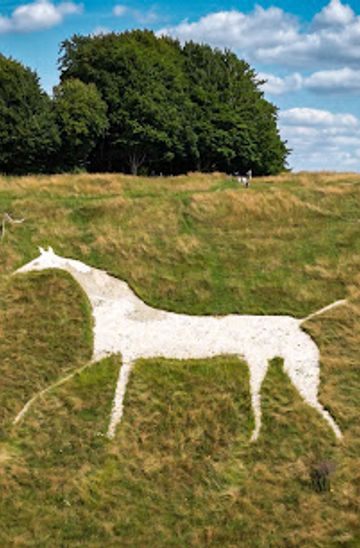
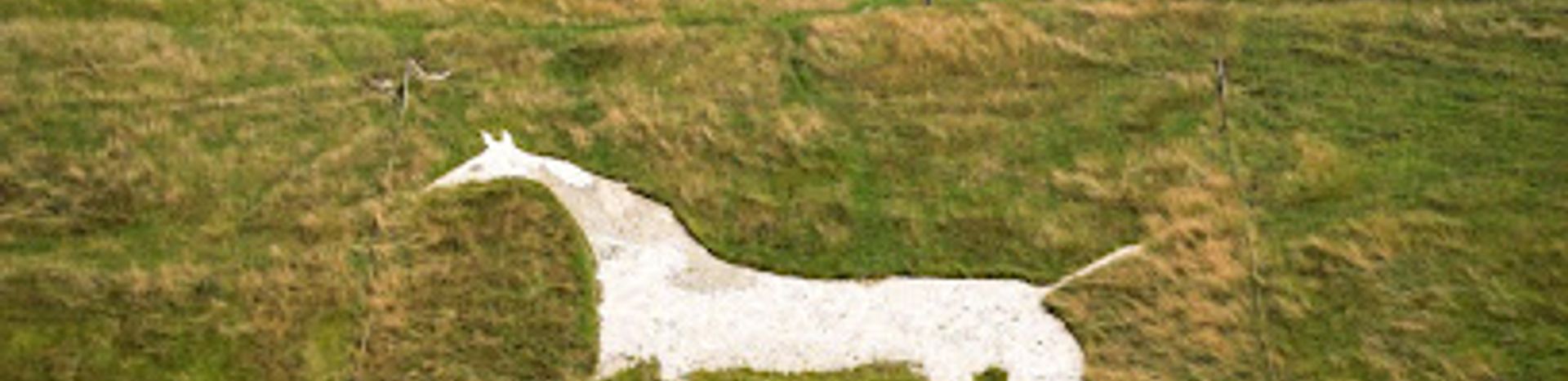
The Cherhill White Horse is an iconic chalk hill figure carved in 1780 on Cherhill Down near Calne, Wiltshire. As the third oldest white horse in Britain, it offers striking views of the surrounding countryside and symbolizes local heritage. Maintained by volunteers and protected by the National Trust, this vast figure is a captivating blend of history, art, and nature.
A brief summary to Cherhill White Horse
- Calne, SN11 8XY, GB
- Click to display
- Duration: 0.5 to 2 hours
- Free
-
 Outdoor
- Mobile reception: 4 out of 5
- Monday 12 am-12 am
- Tuesday 12 am-12 am
- Wednesday 12 am-12 am
- Thursday 12 am-12 am
- Friday 12 am-12 am
- Saturday 12 am-12 am
- Sunday 12 am-12 am

Know before you go
Hi, I'm Eve. Here are a few practical things to know before exploring Cherhill White Horse.
- Wear sturdy footwear, as paths can be muddy and slippery, especially after rain.
- Respect the site by not walking on the horse itself to help preserve this historic monument.
- Visit the nearby Lansdowne Monument for panoramic views of the Wiltshire countryside.
- Consider exploring the White Horse Trail to see all eight of Wiltshire’s remaining white horses.
Do you manage this location?
Take control to get all the benefits, like improved information, better appearance, and stronger visibility across AI-powered discovery. Learn more
Activate your presenceGetting There
-
Bus and Walk
Take a local bus from Calne to a stop near the A4 road; from there, a 20-30 minute uphill walk on well-marked footpaths leads to the Cherhill White Horse. Bus services run several times daily; tickets cost approximately £3-£5 one way.
-
Car
Drive via the A4 road to the Cherhill lay-by on the westbound carriageway, where parking is limited but available. From the lay-by, a gentle 10-15 minute walk on a footpath ascends to the horse. No parking fees apply, but spaces can be scarce during peak times.
-
Long-Distance Walking
For hiking enthusiasts, the Cherhill White Horse lies on the White Horse Trail, a 94-mile route connecting all Wiltshire white horses. Walking sections vary in length and terrain; suitable for experienced walkers and requiring preparation for uneven ground.
For the on-the-go comforts that matter to you
-
 Seating Areas
-
 Information Boards
-
 Picnic Areas
-
 Trash Bins
Discover more about Cherhill White Horse
A Storied Chalk Giant of the Wiltshire Downs
The Cherhill White Horse, cut into the chalk hillside in 1780, stands as one of England's most historic hill figures and the third oldest white horse geoglyph in Britain. Commissioned and overseen by Dr Christopher Alsop, a local physician known as the "mad doctor," the horse was created by stripping turf to reveal the white chalk beneath. Its original dimensions were approximately 165 feet by 220 feet, making it a grand and visible landmark across the Wiltshire landscape. The horse likely drew inspiration from the nearby Westbury White Horse and has itself influenced other chalk horses, such as the Alton Barnes White Horse.Artistic Origins and Unique Features
Dr Alsop reportedly directed the carving from a distance, shouting instructions through a megaphone to workers on the hillside. The design may have been influenced by the equine paintings of George Stubbs, an artist friend of Alsop. A distinctive feature once included a gleaming glass eye made from upturned bottles embedded in the chalk, reflecting sunlight and visible from afar. Though these bottles were eventually removed by souvenir hunters, subsequent replacements were also lost, and today the eye is fashioned from stone and concrete.Preservation and Community Stewardship
The Cherhill White Horse has been maintained through regular scouring and re-chalking by dedicated volunteers and local groups. A significant restoration in 2002 involved re-cutting the outline and resurfacing with fresh chalk, ensuring the figure’s sharp definition endures. The National Trust owns the land encompassing Cherhill Down, protecting the site as part of its cultural and natural heritage. Visitors are encouraged to view the horse from a respectful distance to preserve its condition, as walking on the figure itself is prohibited.Scenic Surroundings and Nearby Landmarks
Situated on the edge of Cherhill Down, the horse shares its hill with the Lansdowne Monument, a 38-meter stone obelisk erected in 1845 to honor Sir William Petty. The area offers sweeping panoramic views of the rolling Wiltshire countryside, making it a favored spot for walkers, picnickers, and photographers. The chalk grassland habitat also supports diverse flora and fauna, adding ecological value to the cultural significance of the site.Visitor Experience and Cultural Significance
The Cherhill White Horse is a symbol of Wiltshire’s rich history and tradition of chalk hill figures. It connects visitors to centuries-old landscape art practices and local identity. The site is accessible via footpaths from the A4 road and nearby Calne, and it forms part of the long-distance White Horse Trail, linking all eight of Wiltshire’s remaining white horses. The horse’s presence continues to inspire community involvement and cultural appreciation.Legacy and Modern Recognition
Over the centuries, the Cherhill White Horse has captured public imagination, appearing in music videos and local lore. Its preservation reflects ongoing efforts to safeguard England’s unique chalk hill figures, which blend natural beauty with historical storytelling. The horse remains a striking emblem of Wiltshire’s heritage, visible for miles and cherished by locals and visitors alike.Explore the best of what Cherhill White Horse has to offer















More about Wiltshire
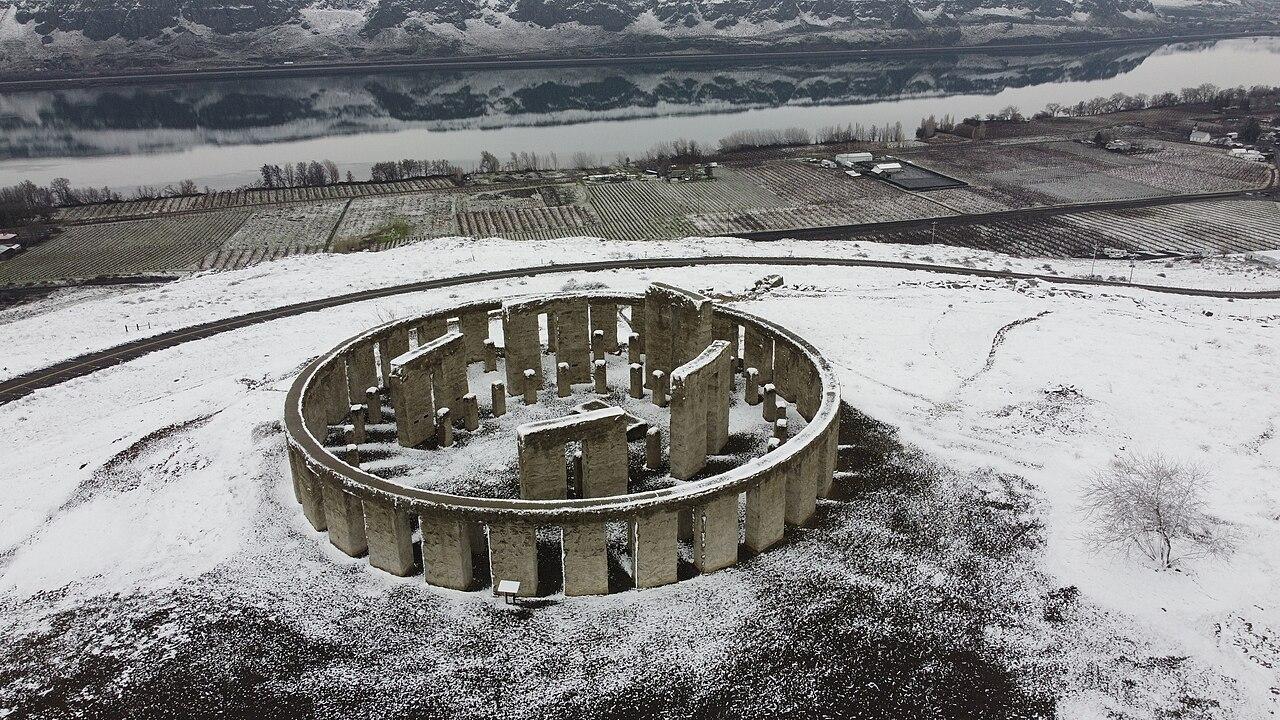
Discover Wiltshire: Home to Stonehenge, stunning landscapes, and charming villages, this county offers a perfect blend of history, nature, and quintessential English charm.
Tell me more about Wiltshire