Bristol Bridge, Bristol Travel Guide
A historic stone bridge spanning Bristol’s Floating Harbour, linking the Old City with Redcliffe and centuries of the city’s story.
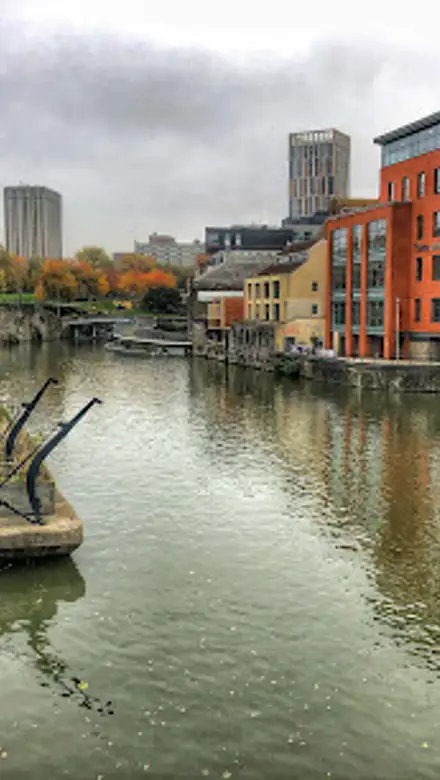
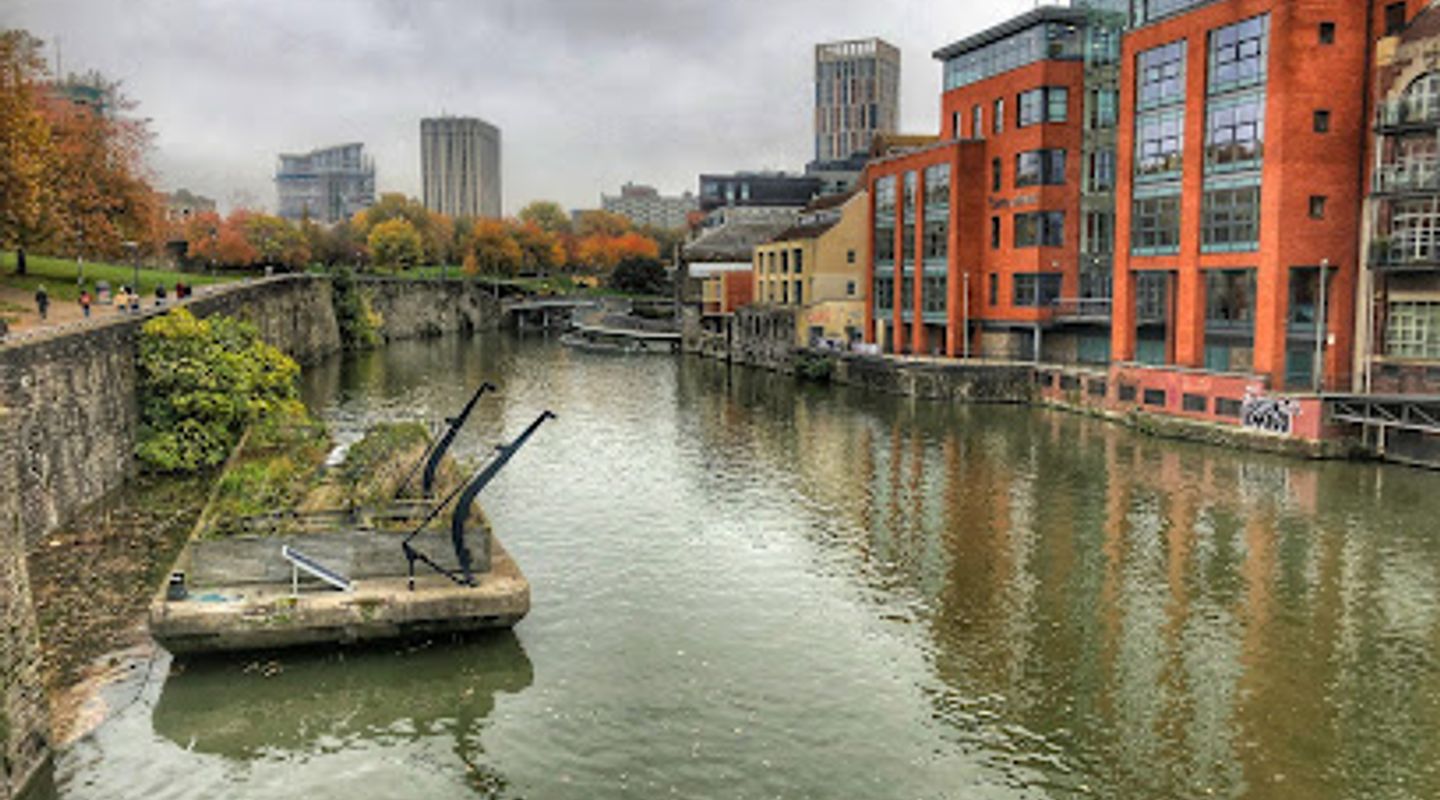
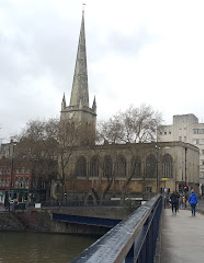
Bristol Bridge is a historic stone bridge spanning the Floating Harbour in central Bristol, England. First built in the 13th century and rebuilt in Georgian times, it connects the Old City with Redcliffe and has long served as a vital crossing and social hub. Today it’s a pedestrian- and cycle-friendly route, lined with views of the harbour, Castle Park, and the city’s modern skyline, blending centuries of Bristol’s story into one elegant span.
A brief summary to Bristol Bridge
- Bristol Bridge, Bristol, BS1 6DT, GB
- Duration: 0.25 to 1 hours
- Free
-
 Outdoor
- Mobile reception: 5 out of 5

Know before you go
Hi, I'm Eve. Here are a few practical things to know before exploring Bristol Bridge.
- Visit in the late afternoon to catch the golden light reflecting off the water and the contrast between the old stone bridge and the modern city skyline.
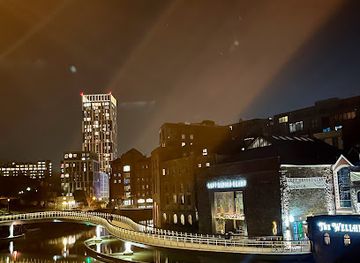
- Combine your visit with a walk through Castle Park on the west bank and explore the waterfront bars and restaurants along Welsh Back.
- Look for the subtle changes in the bridge’s structure: the Georgian arches, 19th-century walkways, and 1960s railings that tell its layered history.
Do you manage this location?
Take control to get all the benefits, like improved information, better appearance, and stronger visibility across AI-powered discovery. Learn more about listing your business on Evendo
Activate your presenceOther nearby places you may find interesting
The closest places of the same kind, if this one is not quite what you had in mind.
Explore Bristol Bridge on the Map
A handpicked selection of must-see spots near Bristol Bridge, mapped for you.
Unlock the Best of Bristol Bridge
Buy tickets
-
No tickets available
Book tours with entry
-
No tours available
Book tours without entry

Getting There
-
On foot from Bristol Temple Meads
From Bristol Temple Meads station, follow signs for the city centre and Castle Park. The walk takes about 15–20 minutes along level, well-paved streets and paths, passing through the heart of the city before reaching the bridge on the Floating Harbour.
-
By bus from the city centre
Several local bus routes serve the Old City and Temple Quay area near the bridge. From stops on Broadmead or College Green, the journey takes 5–10 minutes; check real-time boards for routes serving the Old Market or Temple Meads direction.
-
By bicycle
Bristol Bridge is fully accessible to cyclists via the city’s cycle network. Approach from the Old City or Redcliffe along marked routes; the bridge itself has dedicated cycle lanes and is part of a key central crossing.
-
From Castle Park
The bridge is a short, level walk from Castle Park on the west bank of the Floating Harbour. Follow the riverside path eastward; the crossing is clearly visible and takes just a few minutes.
For the on-the-go comforts that matter to you
-
 Seating Areas
-
 Trash Bins
-
 Information Boards
Discover more about Bristol Bridge
A River Crossing Through the Ages
Bristol Bridge crosses the Floating Harbour at the heart of the city, where the River Avon once flowed before being impounded in the early 19th century. There has been a bridge on this site since at least the 13th century, when a fortified stone bridge linked the growing medieval town to its northern suburbs. That first stone bridge, completed around 1248, was more than a crossing: it was a bustling street lined with houses and shops, even featuring a chapel in the middle that doubled as a gatehouse. By the 17th century, timber-framed buildings five storeys high overhung the river, creating a dense, prosperous neighbourhood above the water.From Medieval Arches to Georgian Elegance
The medieval bridge eventually became too narrow and dangerous for increasing traffic, so it was demolished in the 1760s. The current bridge, completed in 1768, is a fine example of Georgian engineering: a three-arched stone structure designed by James Bridges and built by Thomas Paty. It was originally a toll bridge, with tollhouses later converted into shops before being removed. In the 19th century, iron walkways were added on either side to ease congestion, subtly altering its classical appearance. The bridge’s low stone parapets and later metal railings reflect layers of adaptation, yet its core remains a graceful 18th-century span.Heart of the Harbour and City Life
Today, Bristol Bridge is the furthest downstream of the fixed bridges across the Floating Harbour, marking the upstream limit for larger vessels. To the west, the harbour opens into Castle Park, a post-war green space created on land devastated by bombing, while the opposite bank is now Finzels Reach, a redeveloped area that once housed the Georges Brewery. The bridge connects the Old City’s historic core with Redcliffe and the Temple Quay district, making it a natural route for commuters, cyclists, and visitors exploring the waterfront. Its position offers views both upstream toward the city centre and downstream along the wharves of Welsh Back and Redcliffe Back.Modern Role and Atmosphere
In recent years, Bristol Bridge has been transformed into a more pedestrian- and cycle-friendly space as part of the city’s air quality and active travel initiatives. Private motor cars and most goods vehicles are now excluded, leaving the bridge open to buses, taxis, motorcycles, and bicycles. This change has shifted its character from a congested traffic artery to a calmer, more social crossing. Locals and visitors stroll across, pause to watch boats, or simply enjoy the interplay of old stone, modern architecture, and the ever-changing light on the water. The bridge remains a quiet landmark, less showy than Clifton Suspension Bridge but deeply woven into Bristol’s daily rhythm.












Your all‑in‑one travel companion app
Explore expert travel guides, compare and book tours, experiences, hotels, and more—all from the palm of your hand. Download now for seamless trip planning wherever your wanderlust takes you.


Explore More of Bristol
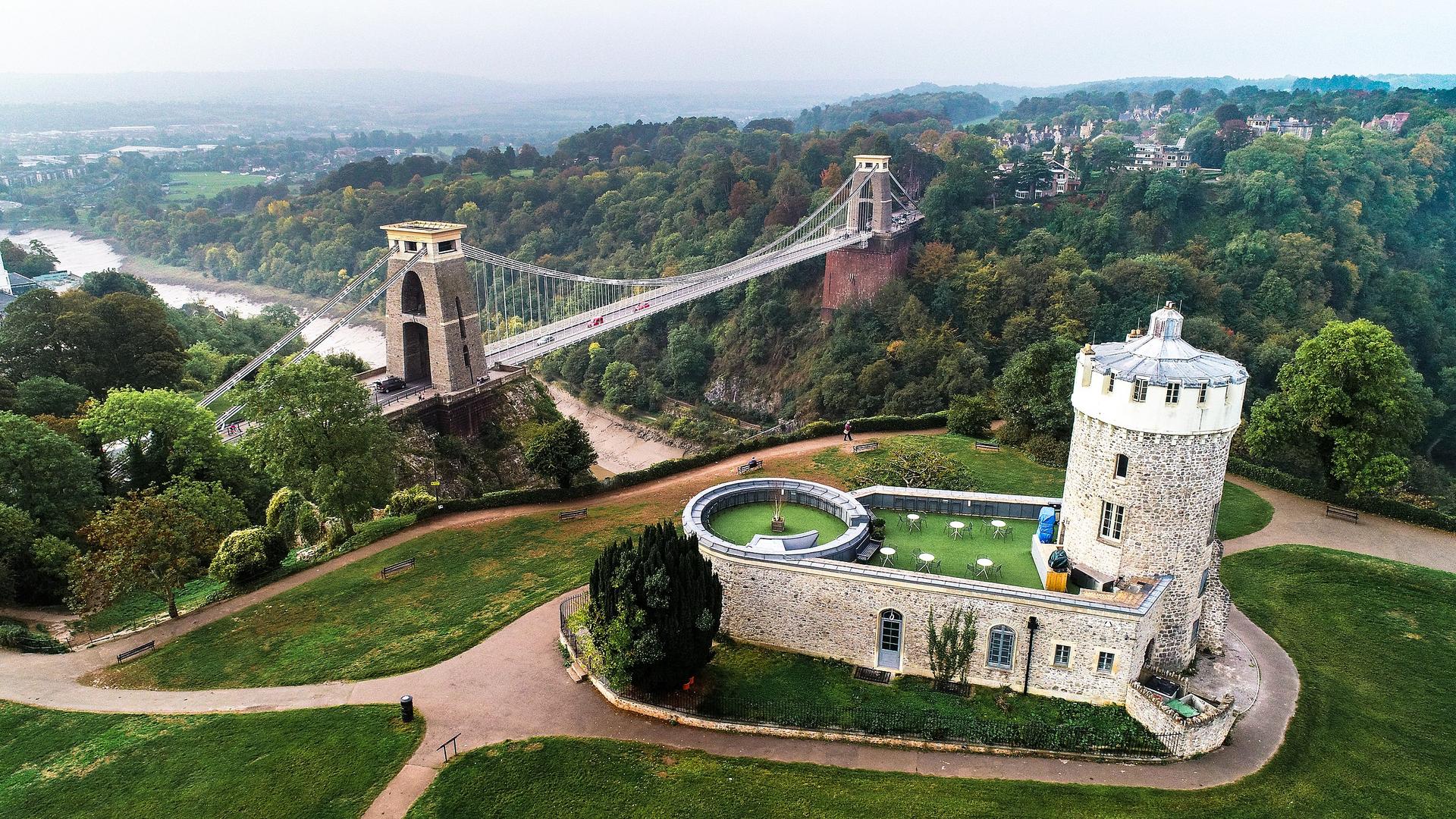
Looking beyond Bristol Bridge? Discover Bristol for broader travel guides, local hot-spots, and regional highlights.
Explore Bristol
Georgian elegance in a Grade II listed terrace, where Bath's architectural ambition meets refined 18th-century townhouse design.
Explore Bristol’s hidden medieval cellars beneath High Street, where Gothic vaults tell tales of centuries past beneath the city’s modern bustle.