
Holy Trinity Church, Warwickshire Travel Guide
Discover the oldest building in Stratford-upon-Avon, where Shakespeare was baptized and laid to rest beside the tranquil River Avon.
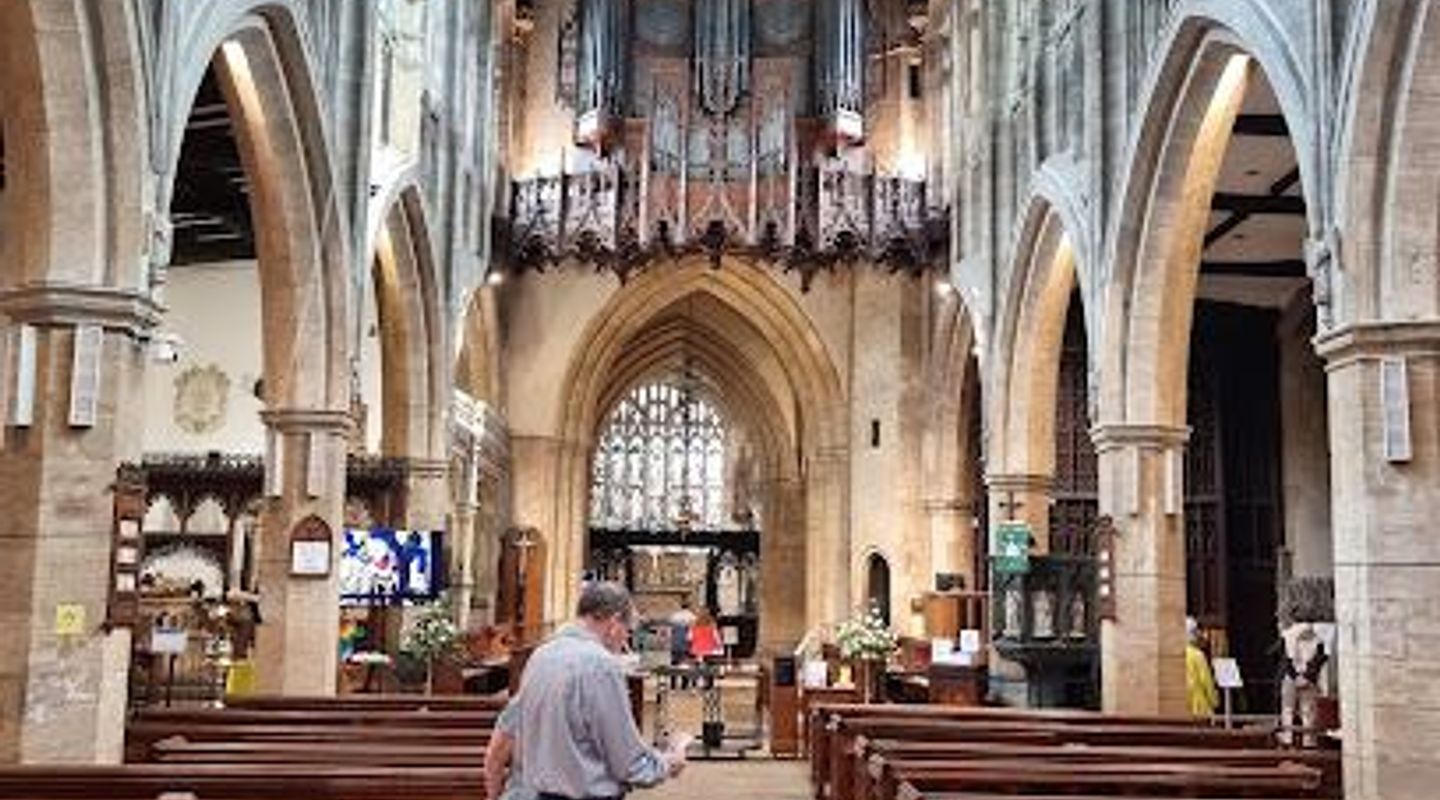
Holy Trinity Church in Stratford-upon-Avon is a Grade I listed Anglican parish church renowned as the baptismal and burial site of William Shakespeare. Dating back to 1210 on the site of a Saxon monastery, it features stunning medieval architecture, including a 15th-century chantry chapel, intricate misericords, and rare pre-Reformation stone altar. Set beside the tranquil River Avon, the church offers a serene atmosphere and attracts over 200,000 visitors annually.
A brief summary to Holy Trinity Church
- 1 Old Town, Stratford-upon-Avon, CV37 6BG, GB
- Click to display
- Click to display
- Duration: 1 to 2 hours
- Mid ranged
-
 Outdoor
- Mobile reception: 4 out of 5
- Saturday 10 am-3:45 pm
- Sunday 1 pm-3:15 pm

Know before you go
Hi, I'm Eve. Here are a few practical things to know before exploring Holy Trinity Church.
- Entry to the church is free, but a small fee is charged to visit Shakespeare’s grave and family tombs—around £5 per adult.
- Visit during weekdays or early in the day to avoid peak crowds, especially in spring and summer.
- Take time to explore the riverside grounds for peaceful views and photo opportunities.
- Look for the medieval sanctuary knocker on the porch, a rare relic with historical significance.
- Consider attending a talk or guided tour offered with grave access for deeper insight into Shakespeare’s life and the church’s history.
Do you manage this location?
Take control to get all the benefits, like improved information, better appearance, and stronger visibility across AI-powered discovery. Learn more about listing your business on Evendo
Activate your presenceOther nearby places you may find interesting
The closest places of the same kind, if this one is not quite what you had in mind.


Explore Holy Trinity Church on the Map
A handpicked selection of must-see spots near Holy Trinity Church, mapped for you.
Unlock the Best of Holy Trinity Church
Buy tickets
-
No tickets available
Book tours with entry


Getting There
-
Train and Walk
From Stratford-upon-Avon railway station, a 15-20 minute walk along the River Avon and through Avonbank Garden leads to Holy Trinity Church. The route is mostly flat and accessible. Train services connect Stratford to Birmingham and London, with fares typically ranging from £10 to £30 depending on origin.
-
Bus and Walk
Local buses run frequently from Stratford town center and nearby areas to stops within 10 minutes’ walk of the church. Tickets cost around £2-£5. The walk from the bus stop is on paved paths along the river, suitable for most visitors.
-
Taxi
Taxis from Stratford town center to Holy Trinity Church take about 5 minutes. Fare ranges from £5 to £10 depending on traffic. Useful for those with limited mobility or carrying luggage.
For the on-the-go comforts that matter to you
-
 Restrooms
-
 Drink Options
-
 Food Options
-
 Seating Areas
-
 Information Boards
Discover more about Holy Trinity Church
Ancient Origins and Architectural Evolution
Holy Trinity Church stands on a site with a history of worship dating back to Saxon times, with the current building originating around 1210. It is Stratford-upon-Avon's oldest surviving structure, built on the banks of the River Avon. The church's architecture reflects centuries of development: the north and south transepts, crossing, and tower date from the early 13th century, while the nave and aisles were expanded in the 14th century. The chancel, clerestories, and west window were added in the 15th century, culminating in a Gothic style that blends local Cotswold stone with intricate medieval craftsmanship. A wooden spire was replaced by a tall stone spire in 1763, crowning the central tower and enhancing the church’s skyline presence.Shakespeare’s Spiritual and Final Resting Place
Holy Trinity is famously known as Shakespeare’s Church, where the Bard was baptized in 1564 and buried in 1616. His grave lies in the chancel alongside his wife Anne Hathaway and daughter Susanna. Shakespeare’s burial there was due to his status as a lay rector, having leased tithes from the church. The chancel also contains the tomb of Dean Thomas Balsall, who rebuilt parts of the church in the late 15th century. Shakespeare’s grave is marked by a memorial commissioned by his widow, reputed to be a good likeness of him. Visitors can pay a modest fee to access the chancel and view these historic tombs, an experience that connects them intimately with England’s literary heritage.Artistic Treasures and Religious Heritage
The church houses numerous remarkable features, including twenty-six 15th-century misericord seats carved with religious, secular, and mythical imagery, and large stained-glass windows depicting English and Biblical saints. The sanctuary knocker on the porch, dating from the 14th century, historically allowed those who touched it to claim sanctuary for 37 days. The pre-Reformation stone altar slab was rediscovered beneath the floor in Victorian times and reinstated as the high altar, one of very few still in use in England. The Clopton chantry chapel, built in the 15th century, contains fine monuments, including the tomb of George Carew and Joyce Clopton.Serene Riverside Setting and Visitor Experience
Set beside the peaceful River Avon, the churchyard and grounds offer a tranquil retreat from the bustle of Stratford town center. The riverside location provides picturesque views and a contemplative atmosphere, perfect for reflection. The church is open to visitors for much of the year, welcoming over 200,000 tourists annually. Entry to the church is free, with a small charge for access to Shakespeare’s grave area to support maintenance and staffing. The church remains an active parish serving a large local community and hosts occasional cultural events, including theatrical performances by the Royal Shakespeare Company.Historical Preservation and Restoration Efforts
Holy Trinity has undergone several restorations, notably in the 19th century by architects Harvey Eginton and George Frederick Bodley, who sensitively preserved its medieval character. The church’s fabric reflects layers of history, from its Saxon origins through medieval expansions to Victorian conservation. The building’s slightly slanted or ‘weeping’ chancel is a distinctive architectural feature that adds to its unique charm and symbolism. The church is a Grade I listed building, recognized for its outstanding heritage and architectural significance.Legacy and Cultural Significance
Beyond its religious function, Holy Trinity Church is a cultural landmark deeply intertwined with Shakespeare’s legacy. It embodies centuries of English history, faith, and artistry, drawing visitors who come to honor the Bard and appreciate the church’s architectural beauty. The church’s continued use as a place of worship and community gathering maintains its living heritage, while its association with Shakespeare ensures its place as a must-visit destination for literature lovers and history enthusiasts alike.












Your all‑in‑one travel companion app
Explore expert travel guides, compare and book tours, experiences, hotels, and more—all from the palm of your hand. Download now for seamless trip planning wherever your wanderlust takes you.


Explore More of Warwickshire
Looking beyond Holy Trinity Church? Discover Warwickshire for broader travel guides, local hot-spots, and regional highlights.
Explore Warwickshire
Step aboard the last manually operated chain ferry in Britain and glide across the River Avon in the heart of Shakespeare’s Stratford.
A solemn tribute to Shakespeare’s legacy, this limestone monument in Holy Trinity Church marks the final resting place of England’s greatest playwright.
