
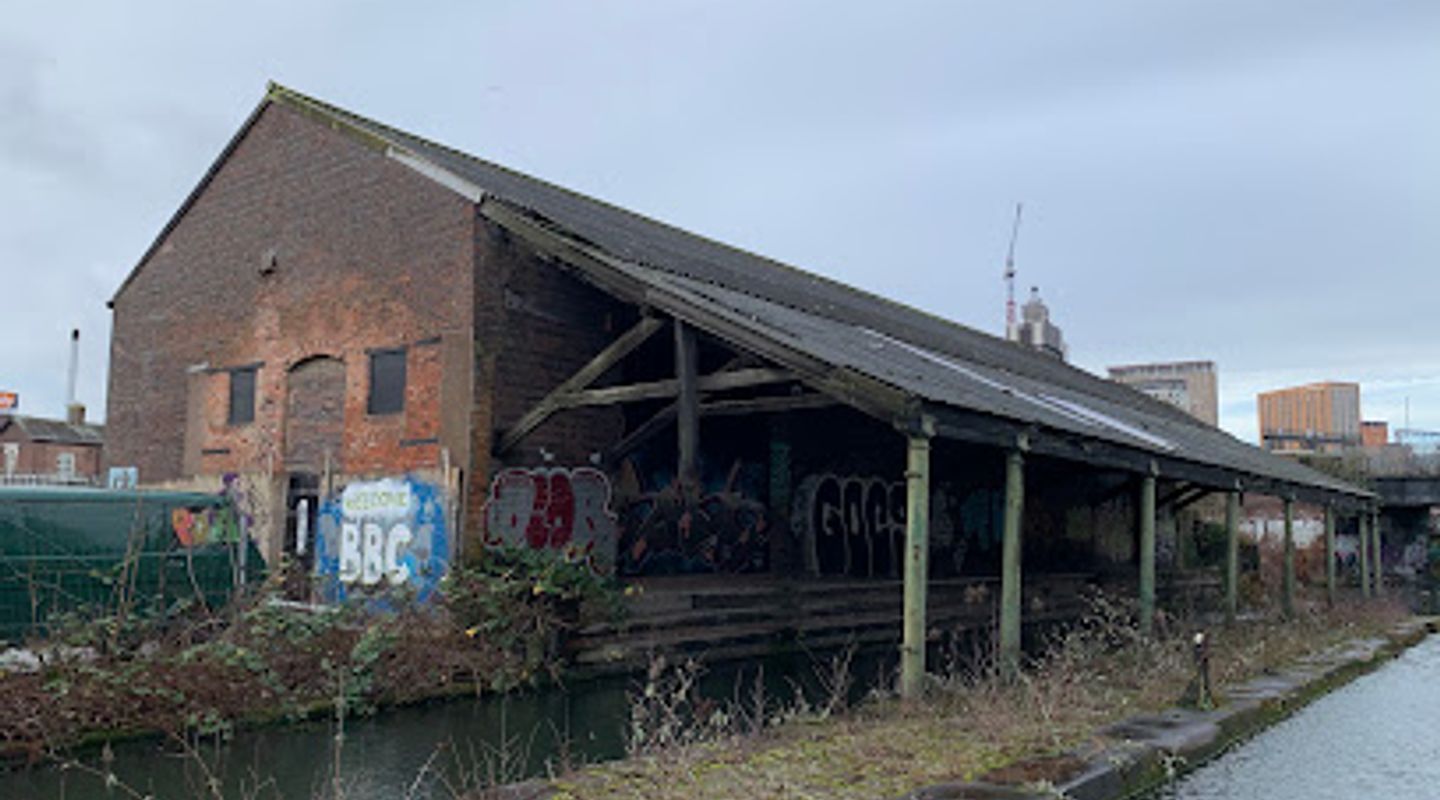
Digbeth Branch Canal, Birmingham Travel Guide
Historic canal link weaving Birmingham’s industrial past with vibrant urban renewal and tranquil waterside charm.
The Digbeth Branch Canal in Birmingham, England, is a short but historically significant canal connecting the Birmingham and Fazeley Canal at Aston Junction to the Grand Union Canal at Digbeth Junction. Completed in 1799, this 1¼-mile canal features six locks and a grade II listed tunnel, threading through an area rich in industrial heritage and urban transformation. It remains a scenic and tranquil urban waterway reflecting Birmingham’s canal and industrial past.
A brief summary to Digbeth Branch Canal
- Birmingham, B5 5RH, GB
- Duration: 0.5 to 2 hours
- Free
-
 Outdoor
- Mobile reception: 4 out of 5

Know before you go
Hi, I'm Eve. Here are a few practical things to know before exploring Digbeth Branch Canal.
- Explore the canal on foot or by bike to enjoy peaceful waterside views and discover nearby street art in Digbeth.
- Visit the historic Typhoo Tea basin area to see remnants of Birmingham’s industrial heritage along the canal.
- Check out the grade II listed Ashted Tunnel and the railway viaducts that showcase the area’s engineering history.
- Combine your canal visit with exploring Digbeth’s creative quarter for a mix of history and contemporary culture.
Do you manage this location?
Take control to get all the benefits, like improved information, better appearance, and stronger visibility across AI-powered discovery. Learn more about listing your business on Evendo
Activate your presenceOther nearby places you may find interesting
The closest places of the same kind, if this one is not quite what you had in mind.
Explore Digbeth Branch Canal on the Map
A handpicked selection of must-see spots near Digbeth Branch Canal, mapped for you.
Getting There
-
Train and Walk
From Birmingham New Street station, take a 15-20 minute walk through the city center to reach the Digbeth Branch Canal. The route is mostly flat and accessible, passing through urban streets with some pedestrian crossings. No additional cost beyond train fare applies.
-
Bus
Several bus routes serve the Digbeth area from Birmingham city center, with journey times around 10-15 minutes depending on traffic. Services run frequently during the day but reduce in frequency in evenings and weekends. A standard bus fare applies, typically around £2-£3.
-
Car
Driving to Digbeth Branch Canal is possible but parking is limited and often paid. Nearby public car parks charge approximately £5-£10 for a few hours. Traffic congestion can occur during peak times, so allow 15-25 minutes from central Birmingham.
For the on-the-go comforts that matter to you
-
 Seating Areas
-
 Trash Bins
-
 Information Boards
Discover more about Digbeth Branch Canal
A Vital Link in Birmingham’s Canal Network
The Digbeth Branch Canal was completed in 1799 as part of the Birmingham Canal Navigations system. Its primary purpose was to connect the mainline of the Birmingham and Fazeley Canal at Aston Junction with the Grand Union Canal at Digbeth Junction, facilitating the movement of goods and raw materials during the height of Birmingham’s industrial expansion. Stretching approximately 1¼ miles, the canal descends 40 feet through six locks, a testament to the engineering challenges of the era. The final lock lies beneath the approach to the modern High Speed 2 Birmingham Curzon Street railway station, integrating historical infrastructure with contemporary developments.Industrial Heritage and Urban Landscape
The canal runs through Digbeth, an area steeped in industrial history, once home to major enterprises such as the Typhoo Tea packing works, which had its own canal basin connected to the Digbeth Branch. The surrounding urban landscape is a layered tapestry of canals, rivers, viaducts, and historic buildings, including Birmingham’s oldest secular building and remnants of the metalworking industries that shaped the city. The canal corridor is part of the Warwick Bar Conservation Area, preserving its unique character amidst ongoing urban regeneration and creative reuse of former industrial spaces.Architectural and Engineering Features
One of the canal’s notable features is the grade II listed Ashted Tunnel, which carries railway lines eastwards from Birmingham New Street station beneath the canal’s path. The canal also passes under historic railway viaducts and bridges, highlighting the intertwined nature of Birmingham’s transport infrastructure. The Warwick Bar stop lock, historically significant for transshipment between canals, marks the traditional boundary between the Digbeth Branch and the Grand Union Canal.Modern-Day Experience and Environment
Today, the Digbeth Branch Canal offers a peaceful and scenic route for walkers and cyclists, with a blend of tranquil waterside views and vibrant urban art nearby. The canal’s proximity to Digbeth’s creative quarters, known for street art and repurposed industrial buildings, adds a quirky and lively atmosphere. The waterway is a green corridor within the city, providing a nature escape amid Birmingham’s bustling environment.Conservation and Cultural Significance
The canal and its surroundings are protected within conservation areas that celebrate Birmingham’s rich industrial and transport heritage. Efforts to maintain the canal’s historic fabric coexist with initiatives to enhance its accessibility and appeal as an urban amenity. The Digbeth Branch Canal stands as a symbol of Birmingham’s transformation from an industrial powerhouse to a city embracing its heritage while fostering creative and sustainable urban living.Connectivity and Future Prospects
Linking key waterways, the Digbeth Branch Canal remains a functional part of Birmingham’s extensive canal network, supporting leisure boating and waterside activities. Its integration with modern infrastructure projects, such as the High Speed 2 railway, illustrates the ongoing evolution of the area. The canal’s future is tied to both heritage conservation and urban regeneration, promising a continued role as a historic yet vibrant feature of Birmingham’s cityscape.












Your all‑in‑one travel companion app
Explore expert travel guides, compare and book tours, experiences, hotels, and more—all from the palm of your hand. Download now for seamless trip planning wherever your wanderlust takes you.


Explore More of Birmingham
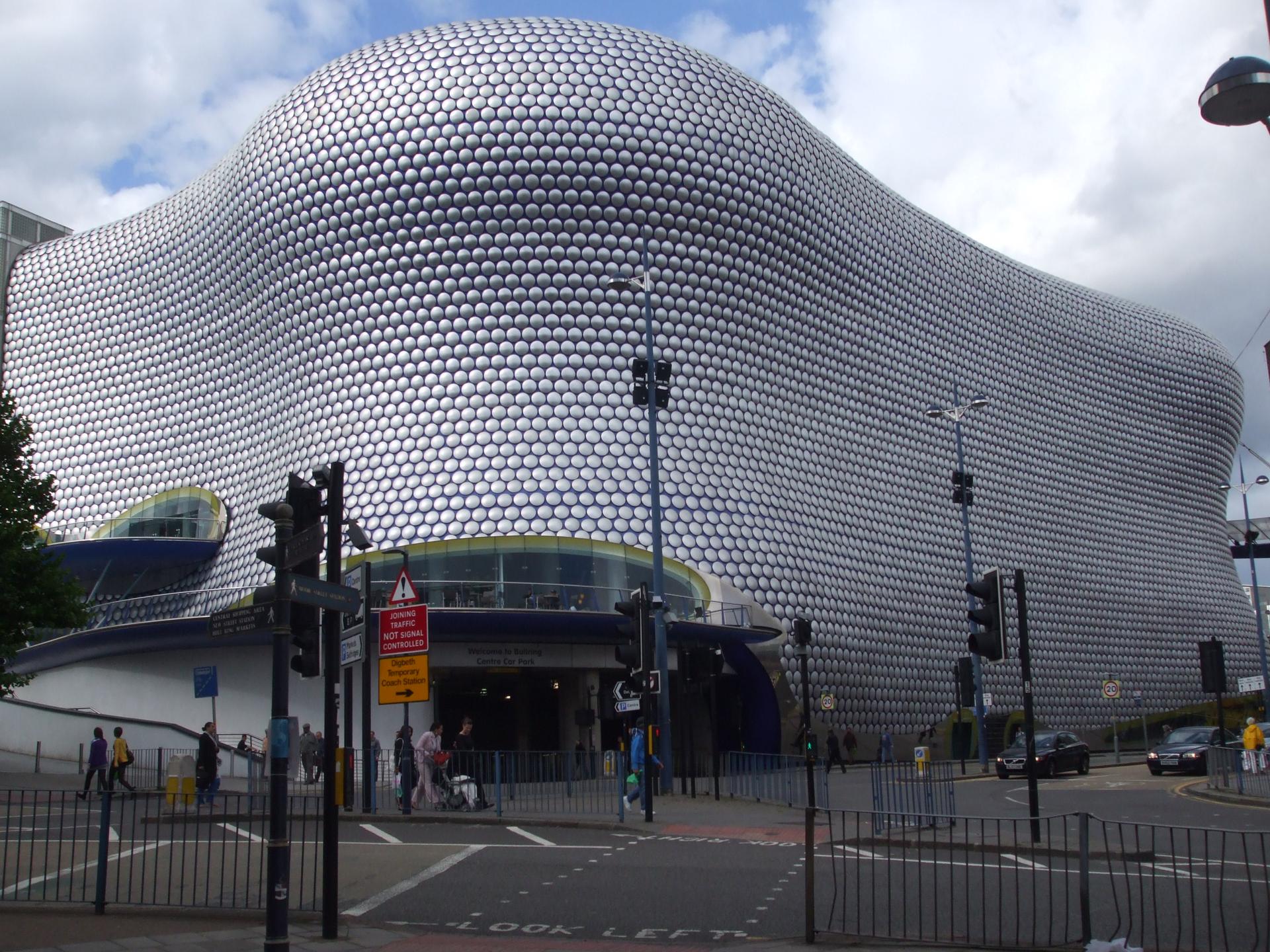
Looking beyond Digbeth Branch Canal? Discover Birmingham for broader travel guides, local hot-spots, and regional highlights.
Explore Birmingham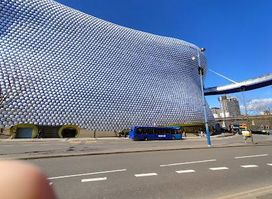
Iconic Birmingham shopping destination blending historic roots with modern retail and vibrant dining experiences.

A thought-provoking museum and installation in Birmingham exploring British Empire legacies through food, art, and cultural history in Digbeth.
