
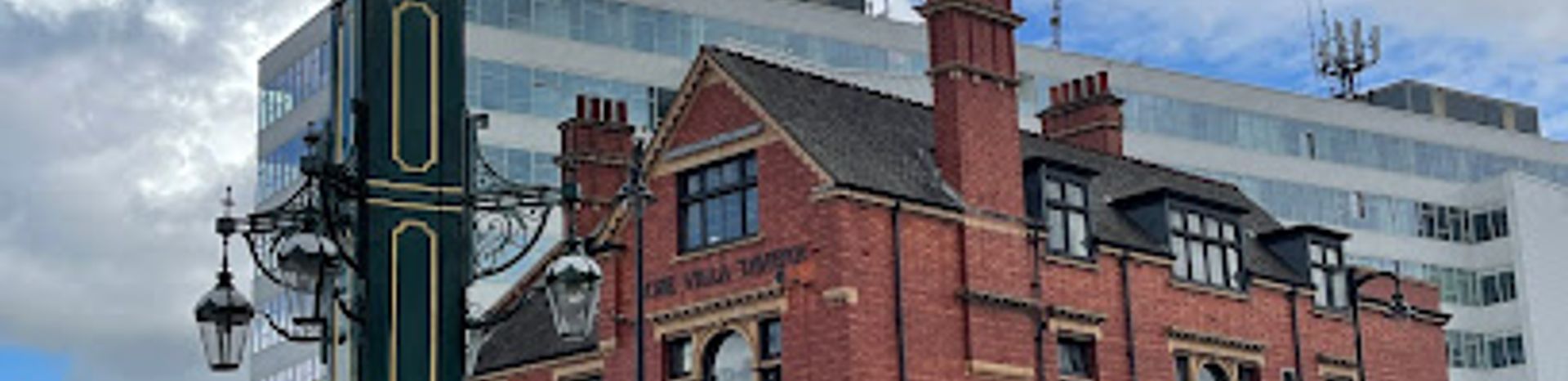
Chamberlain Clock, Birmingham Jewellery Quarter
Iconic Edwardian cast-iron clock tower marking Joseph Chamberlain’s legacy at the heart of Birmingham’s Jewellery Quarter.
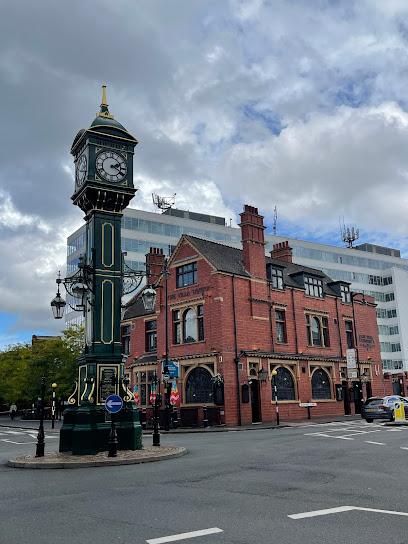
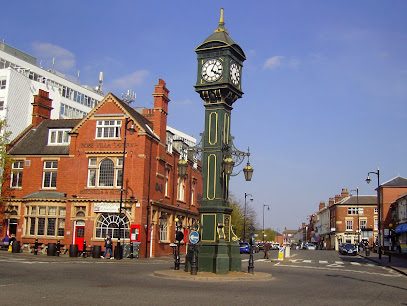
The Chamberlain Clock is a distinguished Edwardian cast-iron clock tower erected in 1903 in Birmingham’s Jewellery Quarter. It commemorates Joseph Chamberlain’s 1902-1903 South Africa tour and stands at the busy junction of Vyse Street, Frederick Street, and Warstone Lane. A local landmark and symbol of the Quarter, it has undergone restorations, most recently in 2020-2021, preserving its historic charm and mechanical heritage.
A brief summary to Chamberlain Clock
- 168 Warstone Ln, Birmingham, B18 6NP, GB
- Visit website
- Duration: 0.5 to 1.5 hours
- Free
-
 Outdoor
- Mobile reception: 4 out of 5
Local tips
- Visit during daylight hours to fully appreciate the clock’s intricate cast-iron details and surrounding heritage plaques.
- Explore nearby Jewellery Quarter workshops and museums to complement your visit to the Chamberlain Clock.
- Check for any ongoing heritage events or guided tours that include the clock for enriched historical context.

For the on-the-go comforts that matter to you
- Restrooms
- Drink Options
- Food Options
- Information Boards
Getting There
-
Bus
Take the Number 74 or 75 bus from Birmingham city center towards the Jewellery Quarter; journey time approximately 15-20 minutes. Buses run every 10-15 minutes on weekdays. Alight near Warstone Lane; note that some stops may be temporarily relocated during roadworks. Single fare around £2.50.
-
Train
Arrive at Jewellery Quarter railway station, served by frequent trains from Birmingham New Street and Snow Hill. The station is about a 7-minute walk from the Chamberlain Clock. Tickets cost between £2-£5 depending on origin. The route is accessible with step-free access.
-
Car
Driving to the Jewellery Quarter is possible but parking is limited. Nearby public car parks include the Q-Park on Vyse Street with hourly rates around £2-£3. Traffic can be busy during peak hours, and some streets near the clock are restricted or pedestrianized.
Chamberlain Clock location weather suitability
-
 Any Weather
-
 Rain / Wet Weather
-
 Clear Skies
-
 Mild Temperatures
Discover more about Chamberlain Clock
A Tribute to Joseph Chamberlain and Birmingham’s Heritage
The Chamberlain Clock was erected in 1903 to honor Joseph Chamberlain, a prominent Birmingham politician and former Mayor who played a pivotal role in the city's development during the late 19th and early 20th centuries. The clock commemorates Chamberlain’s tour of South Africa following the Second Boer War, reflecting his influence on British imperial politics and local civic pride. Chamberlain himself lived nearby on Frederick Street and was a staunch advocate for the jewellery trade, campaigning to abolish the Plate Duties tax that burdened local jewellers.Architectural and Mechanical Significance
This Edwardian clock tower is crafted from cast iron by W. F. Evans & Sons of Handsworth, a Birmingham firm known for metalwork. The clock originally operated with a winding handle mechanism before being electrified. Over time, the clock fell into disrepair, losing its chime and suffering corrosion. Its design features intricate metalwork and stands prominently at the crossroads of three historic streets, making it a focal point of the Jewellery Quarter’s urban landscape.Restoration and Conservation Efforts
The clock has undergone significant restoration efforts, notably in 1989 and more recently between 2020 and 2021. The latest restoration was carried out by Smith of Derby, expert clockmakers with over 160 years of experience, who refurbished the internal workings, clock face, and tower structure. The restoration was funded by local initiatives including the Jewellery Quarter Business Improvement District and the National Lottery Heritage Fund. New interpretive panels have been installed to educate visitors on the clock’s history and Joseph Chamberlain’s legacy.The Clock’s Role in the Community
For over a century, the Chamberlain Clock has served as a beloved meeting point and local landmark. It is woven into the social fabric of the Jewellery Quarter, marking time for generations of workers, residents, and visitors. Its presence evokes the area's rich industrial and cultural heritage, symbolizing Birmingham’s historic role in jewellery manufacturing and civic progress.Location and Surroundings
Situated at the busy junction of Vyse Street, Frederick Street, and Warstone Lane, the clock occupies a strategic position in the heart of the Jewellery Quarter. This area is renowned for its concentration of jewellery workshops, historic buildings, and cultural venues, making the clock a natural landmark within a vibrant urban environment. Nearby information panels and heritage trails provide context and invite deeper exploration of the Quarter’s history.Preserving a Legacy for Future Generations
The ongoing commitment to maintain and celebrate the Chamberlain Clock reflects broader efforts to preserve Birmingham’s industrial heritage. Oral history projects and archival collections capture personal stories connected to the clock, ensuring its significance endures. As a Grade II listed structure, the clock is protected as an important piece of architectural and historical heritage, linking past achievements with present-day community identity.Iconic landmarks you can’t miss

Chamberlain Clock
0.0 km
An elegant Edwardian clock tower at the heart of Birmingham’s Jewellery Quarter, built in 1903 as a memorial to Joseph Chamberlain and recently restored to its former glory.
The Jewellery Quarter Birmingham
0.1 km
Birmingham's glittering historic heart where Victorian workshops craft timeless jewels amid cobblestone charm and creative revival.
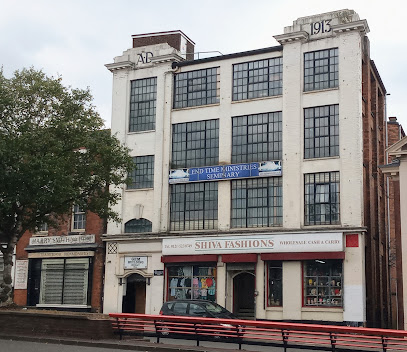
Gem Buildings
0.6 km
Historic Gem Buildings on Key Hill showcase Birmingham's rich jewelry industry heritage and early 20th-century industrial architecture.
The Best of Birmingham Trail
0.9 km
Explore Birmingham’s rich heritage through 20 iconic sites on this free, immersive city centre trail blending history, art, and urban renewal.
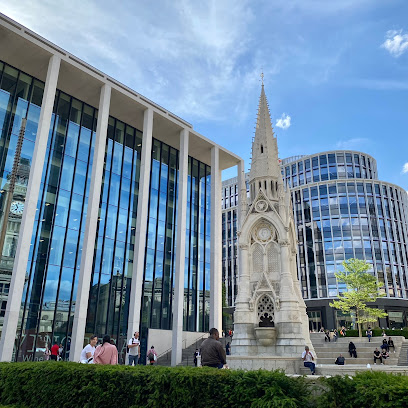
Chamberlain Memorial
1.0 km
A striking neo-Gothic monument in Birmingham’s Chamberlain Square honoring Joseph Chamberlain’s legacy of public service and city transformation.
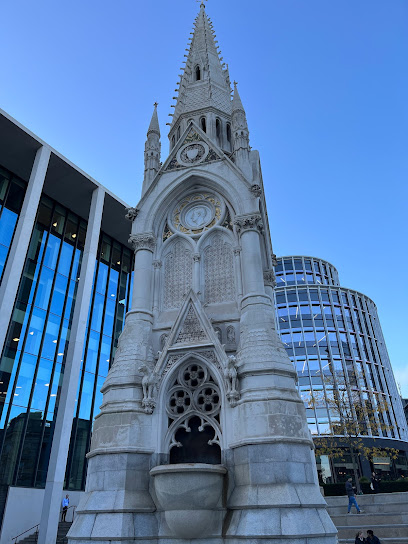
The River
1.1 km
Iconic bronze fountain sculpture in Birmingham’s Victoria Square, blending art, poetry, and urban life since 1994.
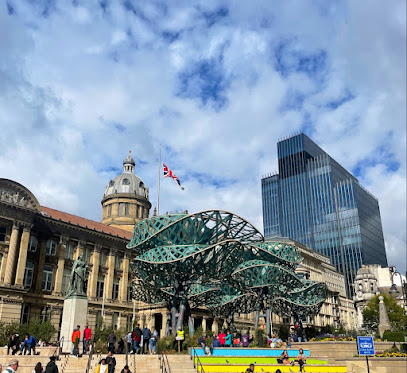
Workers Memorial
1.2 km
A solemn landmark in Birmingham honoring workers lost to workplace tragedy and inspiring the fight for safer labor conditions.
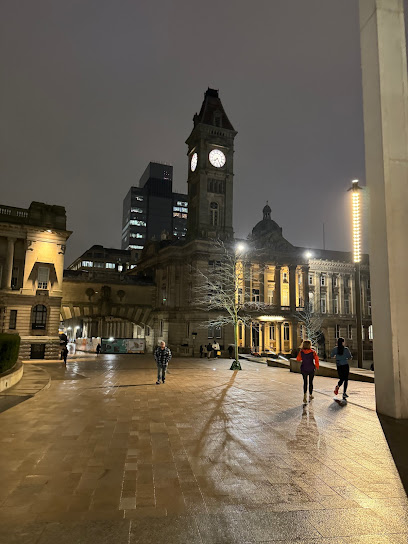
Historic England
1.3 km
Uncover Birmingham's rich history and heritage at Historic England, a cornerstone of cultural preservation and education in the heart of the city.
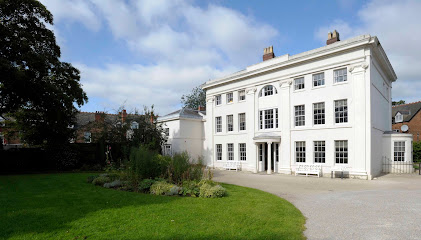
Soho House Museum
1.6 km
Explore Soho House Museum, the elegant Georgian home of industrial pioneer Matthew Boulton and a birthplace of the Industrial Revolution.
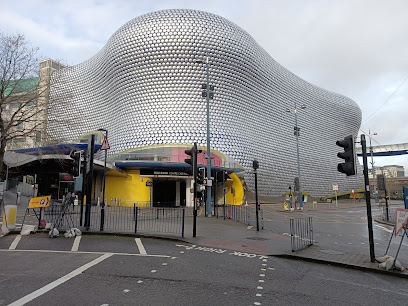
Bullring & Grand Central
1.6 km
Explore Birmingham's Bullring & Grand Central: a shopping and dining paradise that blends modern architecture with an unforgettable experience.
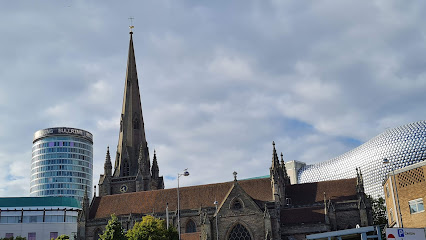
St. Martin's
1.7 km
Explore St. Martin's Church, a serene Anglican landmark in Birmingham, where architectural beauty and rich history await every visitor.
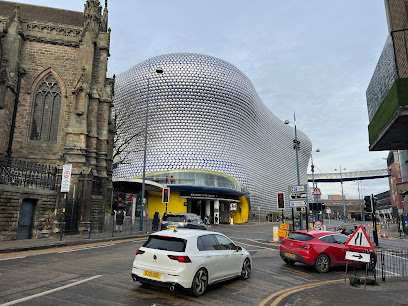
The Selfridges Building
1.7 km
A shimmering silver landmark in Birmingham’s Bullring, where shopping meets futuristic architecture and luxury retail in a sculptural masterpiece.
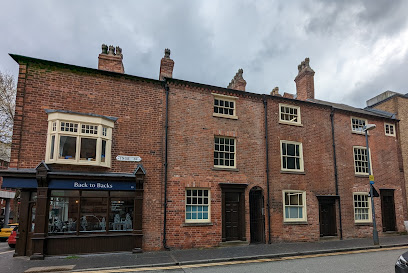
National Trust - Birmingham Back to Backs
1.8 km
Experience Birmingham's rich history at the iconic Back to Backs, a unique museum showcasing 19th-century urban life through preserved homes.
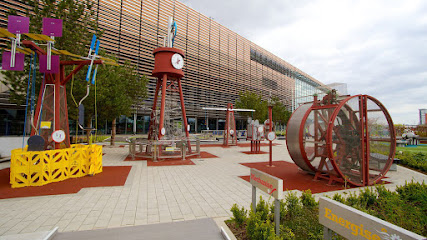
Thinktank Birmingham Science Museum
1.8 km
Unleash your curiosity at Thinktank Birmingham Science Museum, where science comes to life through interactive exhibits and engaging experiences for all ages.
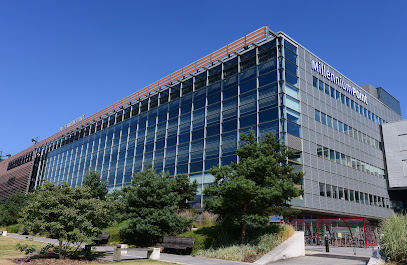
Millennium Point
1.8 km
Explore Millennium Point, Birmingham's architectural marvel and vibrant venue for conferences, exhibitions, and community events.
Unmissable attractions to see

J. W. Evans Silver Factory
0.2 km
Step into Birmingham’s Jewellery Quarter to explore the remarkably preserved J. W. Evans Silver Factory, a century-old industrial treasure of silversmithing heritage.
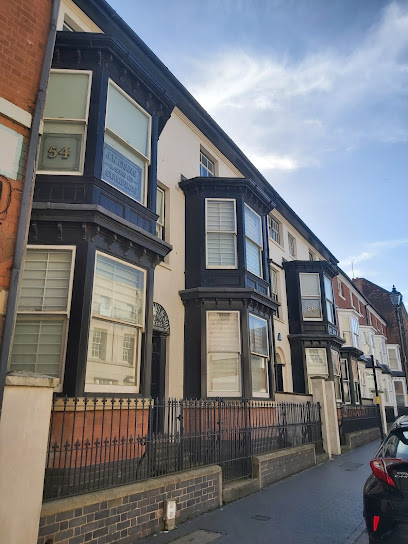
The Jewellery Quarter
0.2 km
Birmingham’s historic Jewellery Quarter: a vibrant hub of craftsmanship, culture, and creativity since the 18th century.
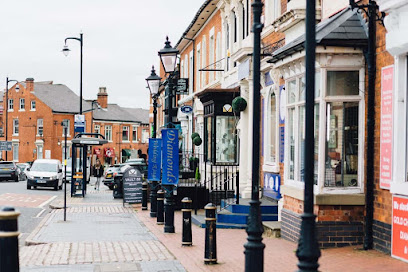
Pen Museum
0.3 km
Discover where 75% of the world's pen nibs were made in a beautifully restored Victorian factory.
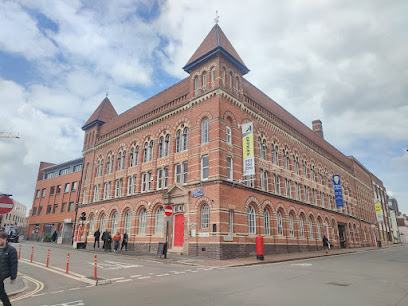
Museum of the Jewellery Quarter
0.4 km
Explore a time capsule jewellery workshop and discover Birmingham’s rich 200-year heritage of craftsmanship in the heart of the Jewellery Quarter.
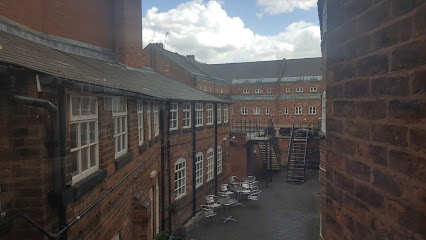
Newhall Hill
0.4 km
Discover Newhall Hill’s scenic views and historic charm in Birmingham’s vibrant Soho & Jewellery Quarter district.

St Paul's Square
0.4 km
Birmingham’s last Georgian square, blending historic elegance with vibrant modern culture in the heart of the Jewellery Quarter.
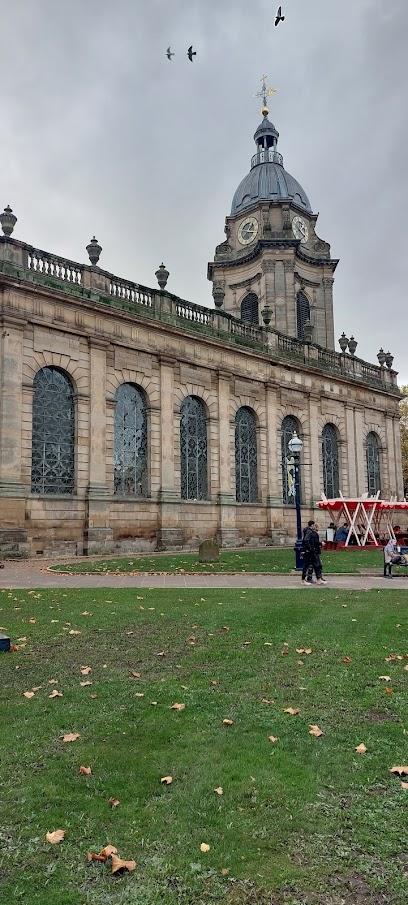
St. Paul's Church
0.5 km
Explore St. Paul's Church, a Georgian architectural gem and historic spiritual heart of Birmingham’s Jewellery Quarter.
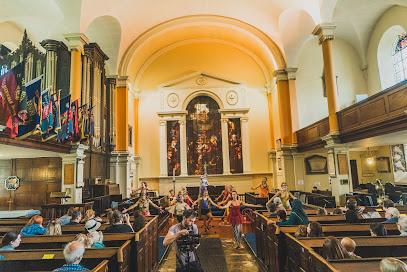
New hall Hill - Historical Signature!
0.5 km
Explore the historical charm of New Hall Hill in Birmingham, a captivating tourist attraction rich in heritage and local culture.
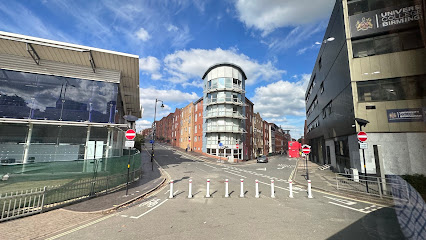
Lock 3, Farmers Bridge Locks
0.7 km
Discover the historic Lock 3 within Birmingham’s iconic Farmers Bridge Locks, a captivating canal engineering marvel in the city centre.
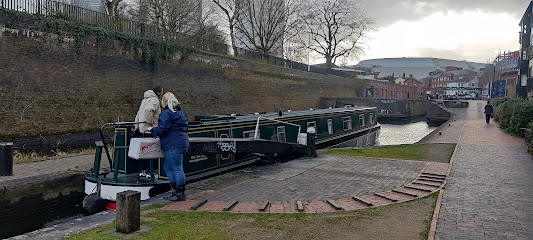
The Coffin Works
0.7 km
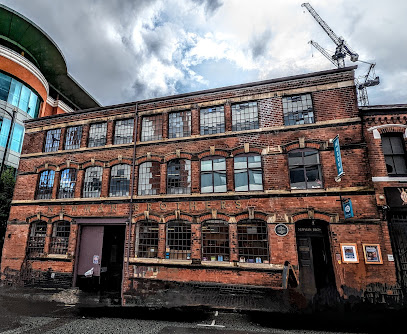
A Victorian coffin factory preserved as a time-capsule museum, revealing the craftsmanship behind royal funerals and industrial Birmingham.
Lock 1, Farmers Bridge Locks
0.7 km
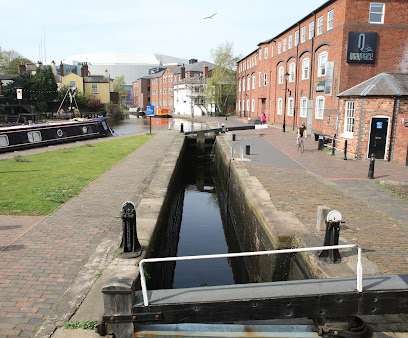
Historic flight of 13 canal locks showcasing Birmingham’s industrial heritage and vibrant urban waterways.
Springhill Interchange Birmingham
0.7 km
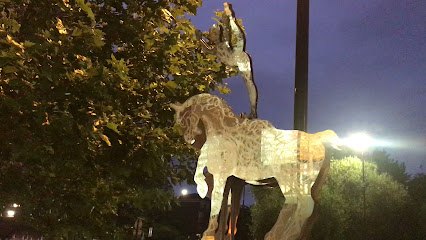
Explore Springhill Interchange, a vibrant hub in Birmingham, where culture, history, and modern urban life converge for an unforgettable experience.
Clue HQ Birmingham - The Live Escape Game
0.8 km
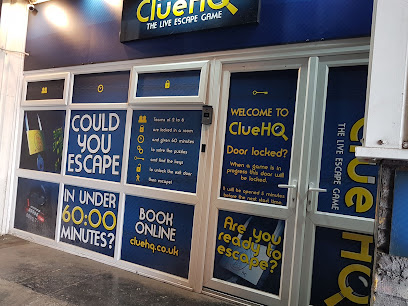
Experience thrilling, immersive escape rooms in Birmingham’s iconic railway arches, blending puzzles, technology, and storytelling for unforgettable group adventures.
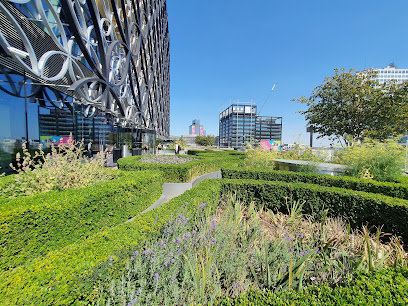
The Secret Garden
0.9 km
Discover a peaceful rooftop oasis with stunning city views atop Birmingham’s iconic Library of Birmingham.
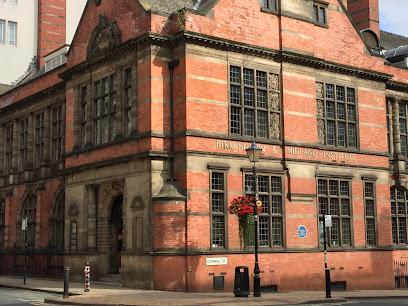
Birmingham & Midland Institute
0.9 km
Historic cultural landmark fostering education, arts, and science in Birmingham since 1854, with a renowned library and vibrant programs.
Essential places to dine

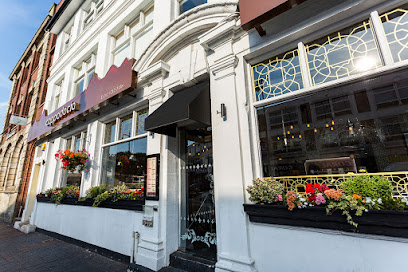
Cappadocia Restaurant
0.0 km
Authentic Turkish flavors and warm hospitality await you in Birmingham’s Cappadocia Restaurant on Frederick Street.
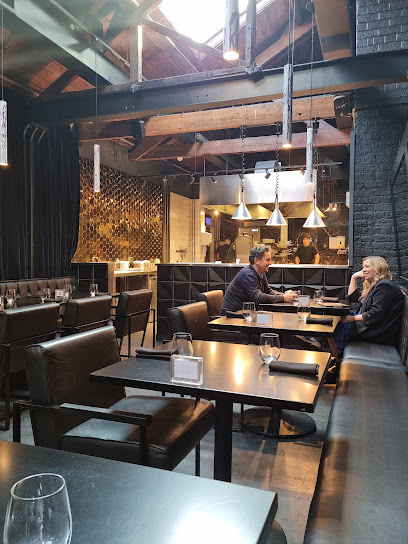
The Wilderness
0.1 km
Experience bold British fine dining with innovative tasting menus in a moody, industrial-chic setting at Birmingham’s Wilderness.
The Button Factory
0.1 km
A stylish blend of industrial heritage and modern dining, The Button Factory offers vibrant food, drinks, and rooftop vibes in Birmingham’s Jewellery Quarter.
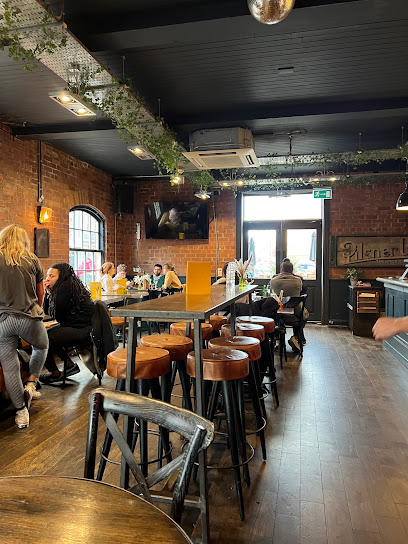
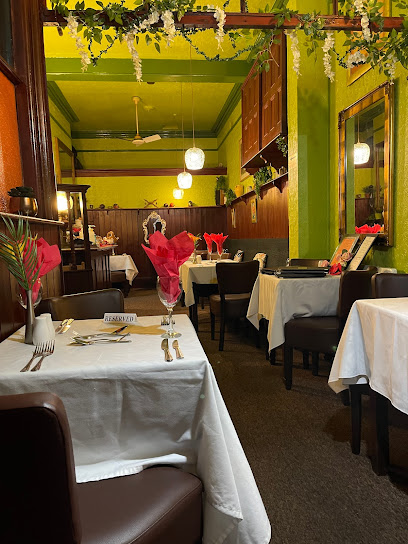
24 Carat Bistro
0.1 km
Hidden gem serving slow-cooked goat curry and Punjabi fusion in Birmingham's historic Jewelry Quarter.
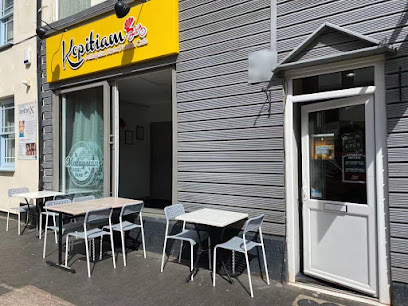
Kopitiam
0.2 km
Discover authentic Malaysian street food and warm family hospitality in Birmingham’s vibrant Jewellery Quarter at Kopitiam.
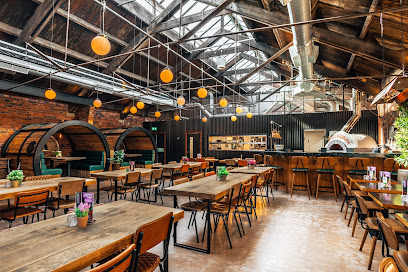
The Rolling Mill
0.3 km
A vibrant gastropub in Birmingham’s Jewellery Quarter blending traditional British charm with modern culinary delights and lively atmosphere.
Decorum Restaurant Birmingham
0.3 km
Elegant steakhouse in Birmingham’s Jewellery Quarter blending refined dining with stylish ambiance and cultural charm.
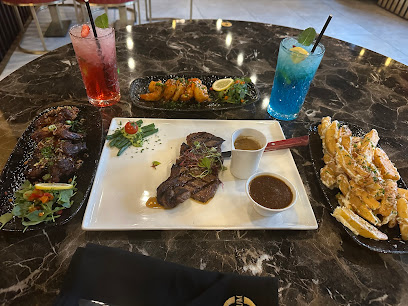
Lasan Indian Restaurant & Cocktail Bar
0.4 km
Experience Birmingham’s premier fine dining Indian restaurant blending authentic flavors with modern culinary artistry in the stylish Jewellery Quarter.
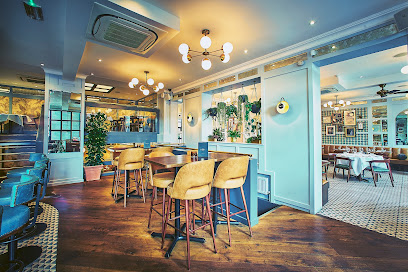
Restaurant Folium
0.4 km
Intimate modern British fine dining with seasonal tasting menus in Birmingham’s historic Jewellery Quarter.
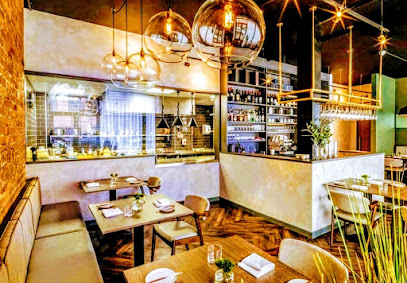
Pasta Di Piazza
0.4 km
Authentic Italian dining with generous portions and warm service in Birmingham’s historic Jewellery Quarter.
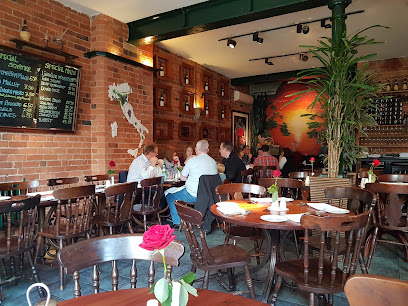
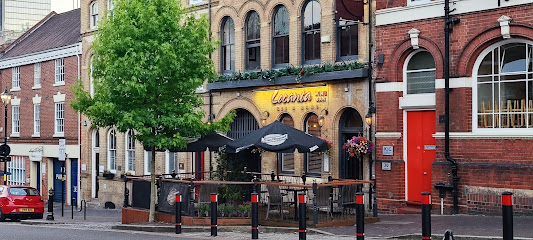
Locanta italian restaurant
0.6 km
Authentic Italian dining in a historic Victorian setting with fresh seafood, handmade pasta, fine wines, and live music in Birmingham’s city centre.
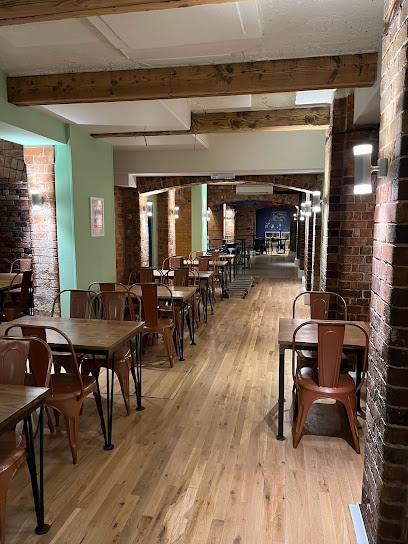
Somewhere in Brum
0.6 km
A vibrant bar and brunch spot in Birmingham’s Jewellery Quarter, blending diverse cuisine with a lively social atmosphere.
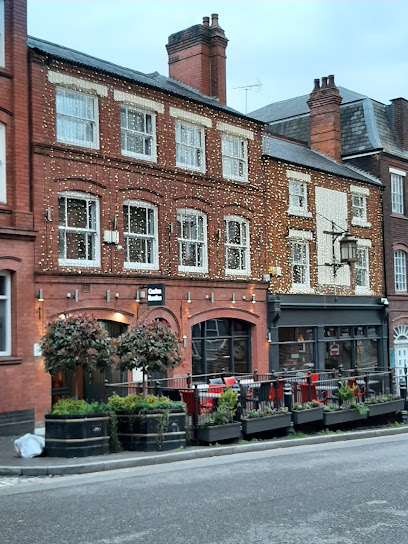
Cucina Rustica
0.6 km
Experience authentic Italian flavors crafted with passion in Birmingham’s historic Jewellery Quarter at Cucina Rustica.
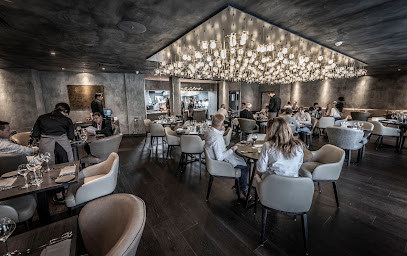
Opheem
0.7 km
Experience Michelin-starred Indian cuisine reimagined with British seasonal flair in Birmingham’s elegant Opheem.
Purnells
0.9 km
Experience Michelin-starred British innovation and exquisite flavors at Purnell's, Birmingham’s premier fine dining destination.
Markets, malls and hidden boutiques

Top Jewellery UK
0.1 km
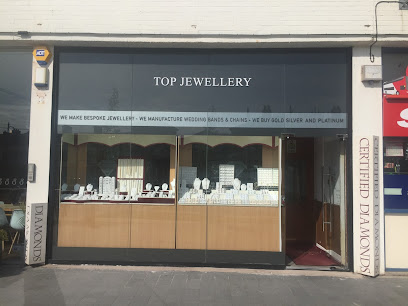
Discover bespoke brilliance in Birmingham's Jewellery Quarter at Top Jewellery, where family expertise crafts diamonds, gold, and silver into timeless treasures.
SACET
0.1 km
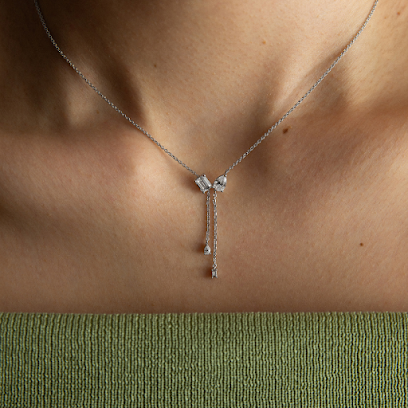
Ethical elegance awaits at SACET, Birmingham's sustainable jewellery gem in the heart of the Jewellery Quarter—where timeless craft meets modern conscience.
Quarter Jewellery
0.1 km
Independent jeweller on Warstone Lane offering commissions, valuations and attentive, workshop‑minded service in the heart of Birmingham’s Jewellery Quarter.
Design Centre
0.1 km
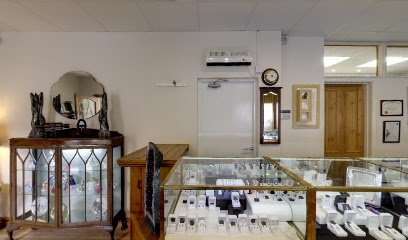
Family-crafted diamonds and luxury watches in Birmingham's historic Jewellery Quarter since 1977—timeless elegance for life's milestones.
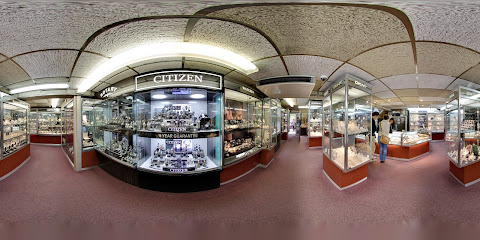
Adamas Antique Jewellery
0.1 km
A boutique Jewellery Quarter shop offering curated antique and estate jewels with specialist appraisal and bespoke care.
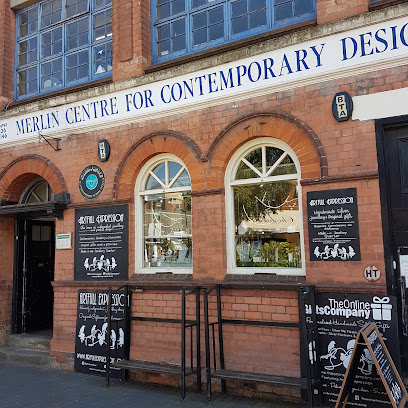
Artfull Expression
0.2 km
Discover independent jewelry artistry in Birmingham's Jewellery Quarter at Artfull Expression, where unique handcrafted designs blend historic craft with modern flair.
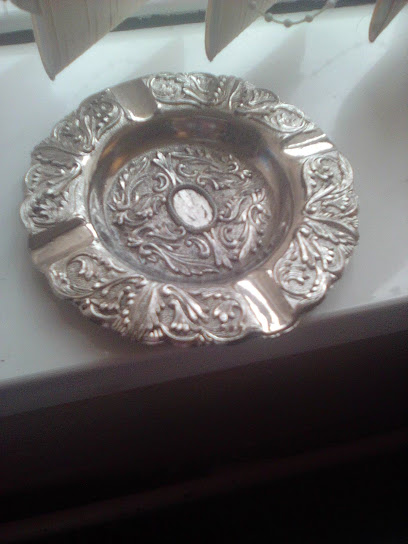
Arnett Creations - Unique Quality Jewellery
0.2 km
Discover bespoke Sterling Silver and hallmarked gold jewellery in Birmingham's Jewellery Quarter, where expert craftsmanship meets personalized service at Arnett Creations.
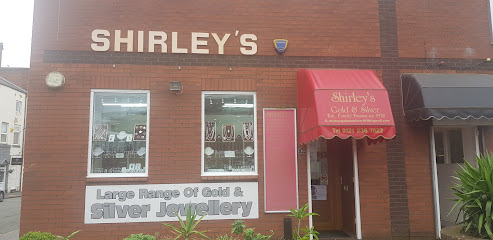
A&N Jewellery
0.2 km
Discover family-crafted silver treasures and bespoke brilliance in Birmingham's legendary Jewellery Quarter, where 50 years of expertise meets timeless elegance.
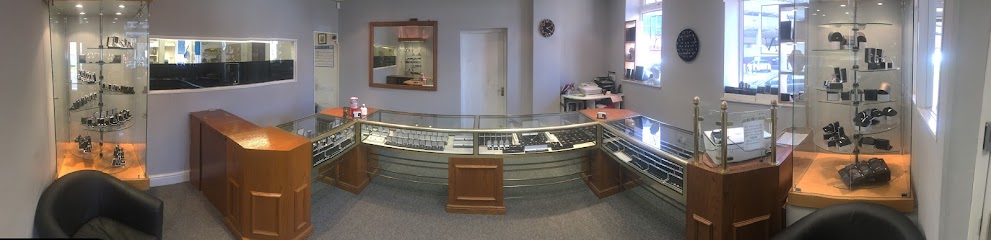
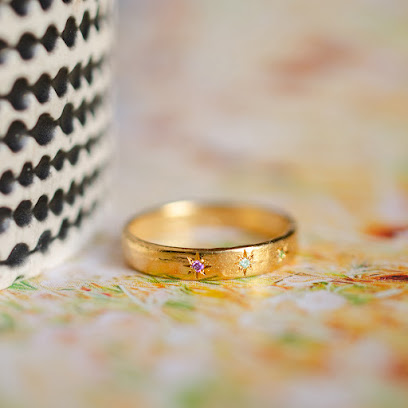
Buff Jewellery
0.2 km
Timeless minimalist jewellery handcrafted in Birmingham's Jewellery Quarter—personalised birthstone designs blending sentiment, subtlety, and modern British elegance for everyday sparkle.
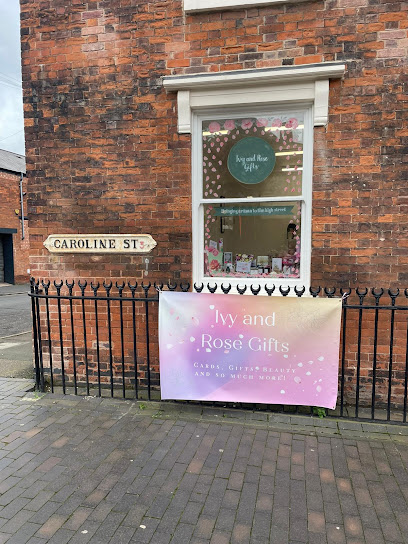
Ivy and Rose Gift Shop
0.3 km
Discover handmade UK treasures at Ivy and Rose, Birmingham's Jewellery Quarter boutique for unique jewelry, candles, and artisanal gifts from local makers. (162 characters)
Fine Jewellery Collections & Bespoke Design Service
0.3 km
Discover bespoke brilliance in Birmingham's Jewellery Quarter, where custom gems and fine collections craft heirlooms with personal stories etched in gold.
Gingermegs Vintage
0.4 km
Discover timeless style and impeccable vintage finds at Gingermegs Vintage, Birmingham’s boutique for authentic retro fashion and antiques.
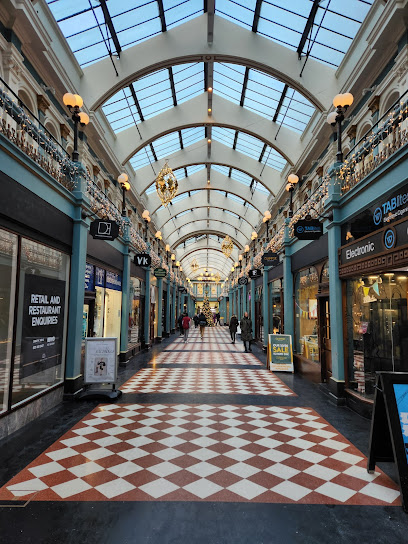
Designer Exchange
1.2 km
Discover authenticated preloved luxury fashion in Birmingham’s elegant Victorian Great Western Arcade.
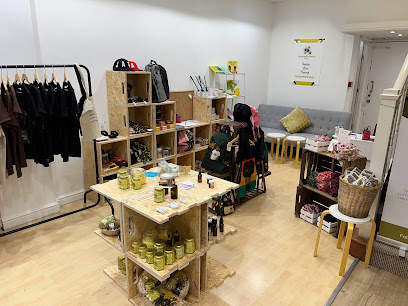
Community Gift Shop
1.2 km
Discover unique products and support diverse entrepreneurs at Birmingham’s Black Pounds Project Community Gift Shop in the historic Great Western Arcade.
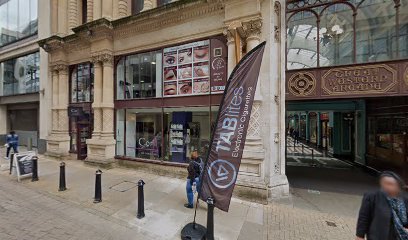
The Alice Boutique
1.2 km
Discover timeless vintage-inspired fashion in a charming boutique nestled within Birmingham’s historic Great Western Arcade.
Essential bars & hidden hideouts

The Rose Villa Tavern
0.0 km
Classic British pub in Birmingham's Jewellery Quarter, serving hearty meals, diverse drinks, and warm hospitality amid historic streets.
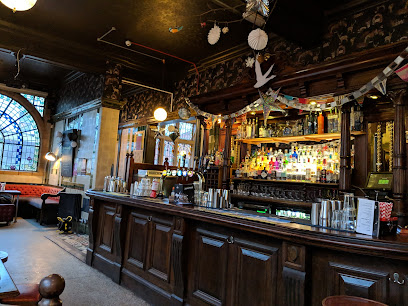
Lucky7
0.2 km
Precision mixology meets playful vibes in Birmingham's Jewellery Quarter—a relaxed haven for cocktail lovers seeking crafted perfection.
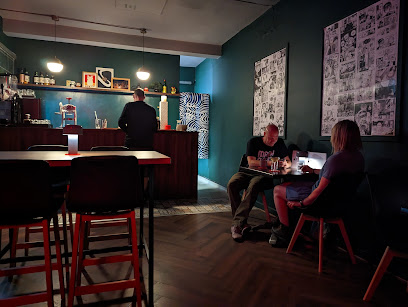
1000 Trades
0.2 km
A vibrant neighbourhood bar celebrating Birmingham’s industrial heritage with craft beers, local food, and a quirky artistic vibe.
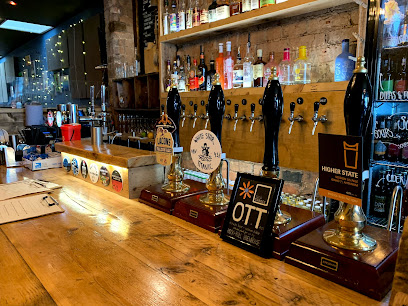
The Red Lion
0.2 km
Traditional Hockley pub fusing heritage, modern art, and hearty British fare in Birmingham's Jewellery Quarter gem on lively Warstone Lane.
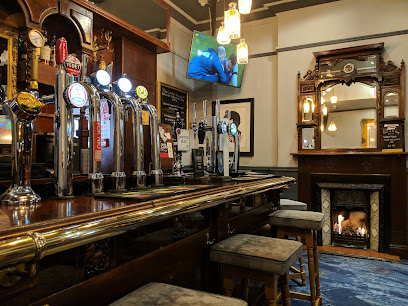
The Pig & Tail
0.3 km
Victorian charm with a punchy, colourful gastropub vibe — British small plates, rotating craft beer and lively evenings in the Jewellery Quarter.
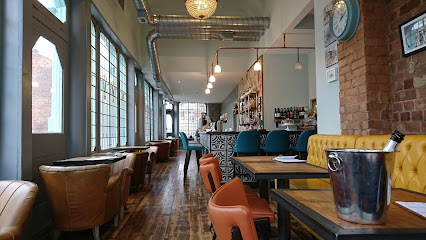
The Jewellers Arms
0.3 km
Traditional Birmingham boozer in the Jewellery Quarter: exceptional real ales, hearty pies, and cosy fireside chats since the 1830s.
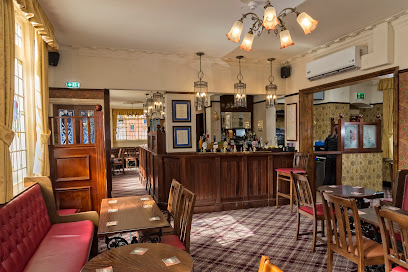
40 St Paul's
0.5 km
Discover Birmingham's hidden gin speakeasy: 100+ global varieties, intimate vibes, and masterful cocktails in the heart of the Jewellery Quarter.
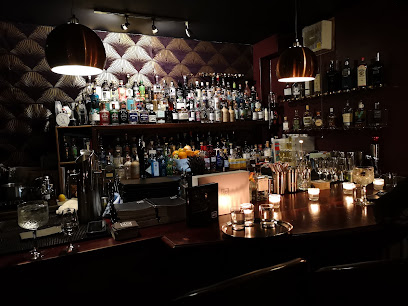
Queen's Arms birmingham
0.5 km
Traditional Jewellery Quarter pub pouring fine ales in a quirky, welcoming space with games, books, and hearty grub amid Birmingham's historic heart. (162 characters)
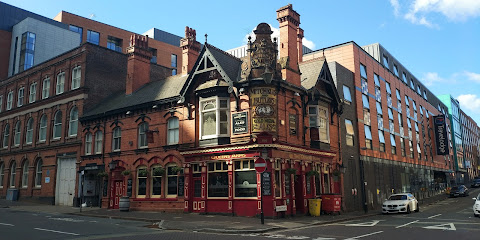
Actress & Bishop
0.6 km
Two floors, live music every night and a split personality — cosy downstairs, sweaty upstairs — in the Jewellery Quarter.
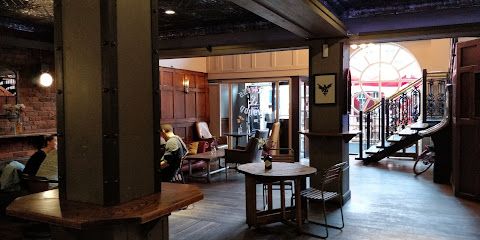
Malt House
0.8 km
A vibrant British pub in Birmingham city centre offering classic dishes, lively atmosphere, and a great spot for social gatherings near the arena.
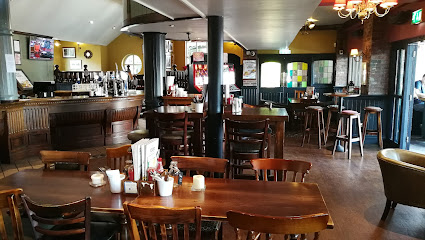
All Bar One Brindleyplace
1.0 km
Stylish canal-side wine bar and cocktail lounge in Birmingham’s vibrant Westside, perfect for bottomless brunches and lively evenings.
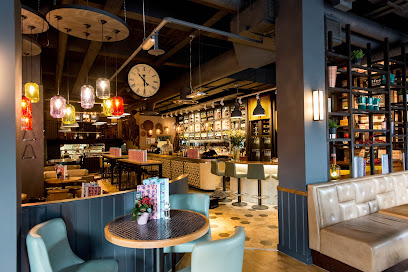
The Distillery
1.0 km
Birmingham's canal-side gin distillery pub: rotisserie feasts, wood-fired pizzas, house gins, and terrace vibes from brunch to late-night drinks.
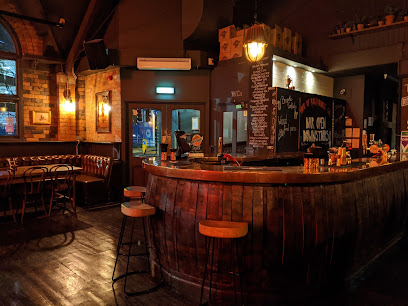
The Alchemist Brindleyplace
1.0 km
Experience Birmingham’s theatrical cocktail bar and restaurant at Brindleyplace, where molecular mixology meets creative cuisine above the canal.
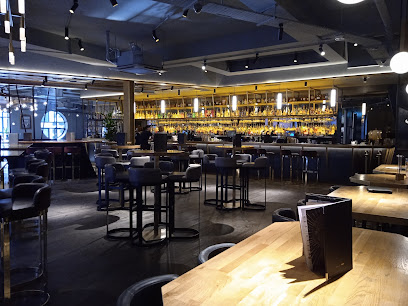
Pitcher & Piano Birmingham
1.0 km
A stylish canal-side bar in Brindley Place, Birmingham, perfect for all-day dining, cocktails, and vibrant social experiences.
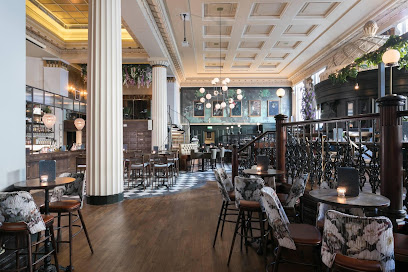
Slug & Lettuce - Birmingham
1.0 km
Lively cocktail bar and restaurant at Brindley Place offering vibrant drinks, tasty bites, and late-night fun in Birmingham’s city centre.
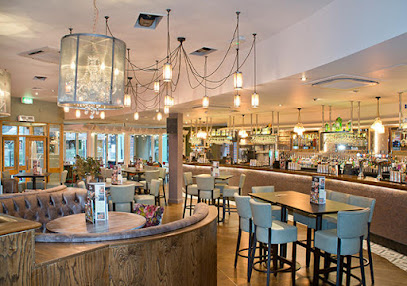
Nightclubs & after hour spots

PAVO Birmingham
0.1 km
Vibrant African fusion lounge and nightclub in Birmingham's Jewellery Quarter, where bold flavors meet electrifying beats until 4am on weekends.
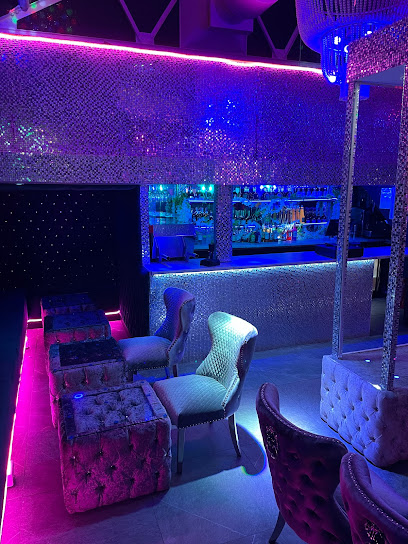
Dreams Night club and Shisha
0.5 km
Birmingham's Jewellery Quarter gem fusing aromatic shisha clouds with thumping club beats until 5am—pure late-night energy on Barr Street.
Tunnel Club Birmingham
0.7 km
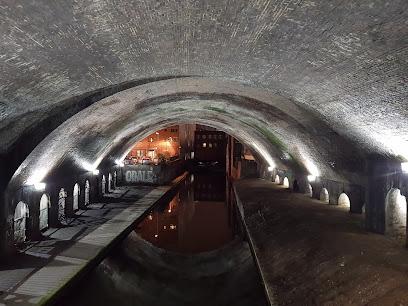
Dive under Birmingham's arches into Tunnel Club's seven-room warehouse wonderland, where house, techno, and hip-hop fuel all-night dances amid pounding bass and vivid lights.
DIAMOND SPARKLEZ
0.7 km
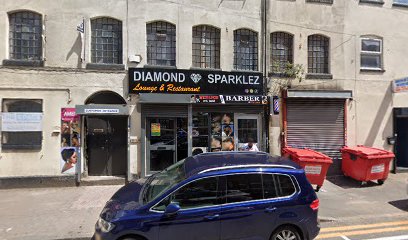
Ignite your night in Birmingham's diamond district at this glittering nightclub, where top DJs, stunning lights, and electric crowds create pure nightlife magic.
Reflex - Birmingham
1.0 km
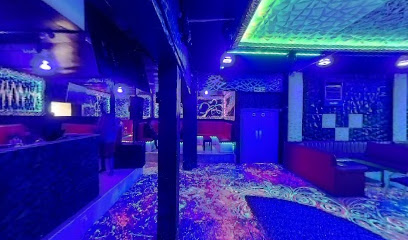
Spin into 80s-00s nostalgia at Reflex Birmingham: revolving dance floor, karaoke booths, neon vibes, and epic sing-alongs on Broad Street's party strip.
Popworld - Birmingham
1.1 km
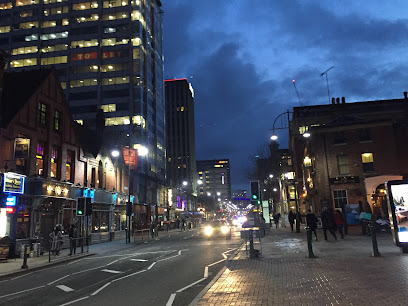
Broad Street's ultimate pop party hub: 90s-00s hits, neon dance floors, cocktails, and celebration packages until 3am.
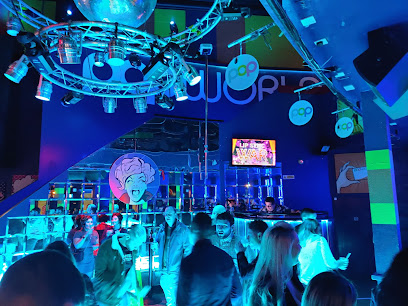
Rosies - Birmingham
1.1 km
Birmingham's ultimate super club: five themed rooms, killer cocktails, and non-stop beats on Broad Street for epic nights out.
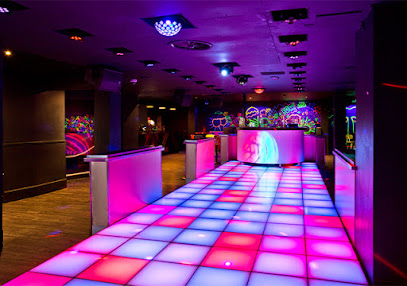
What do you mean
1.1 km
Dive into Birmingham’s vibrant nightlife at What Do You Mean, a premier nightclub known for electrifying music, creative cocktails, and an unforgettable party vibe.
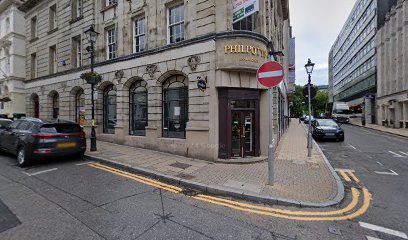
Snobs
1.3 km
Birmingham's 40-year indie-retro nightclub legend: cheap drinks, themed dance floors, and non-stop beats on Broad Street.
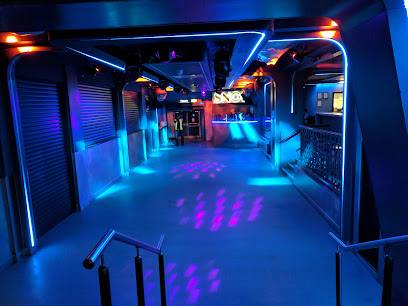
King of clubs
1.4 km
Compact late‑night Birmingham club for high‑energy R&B, hip‑hop and DJ nights, pulsing into the small hours with neon, bass and bar-driven parties.
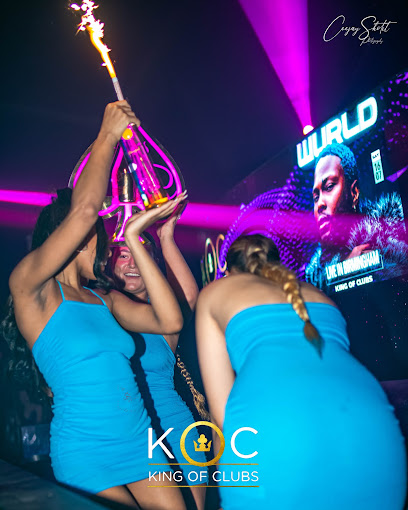
Bambu Nightclub
1.7 km
Experience Birmingham’s chic nightlife hotspot with stylish vibes, eclectic music, and late-night dancing at Bambu Nightclub.
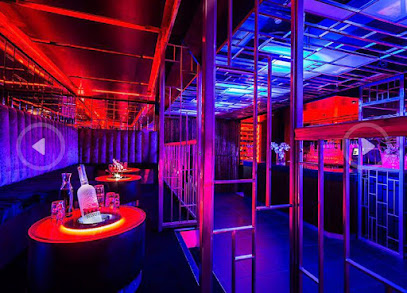
101 Night Club
1.7 km
Unleash your nightlife spirit at 101 Night Club, Birmingham's vibrant center for music, dancing, and unforgettable experiences.
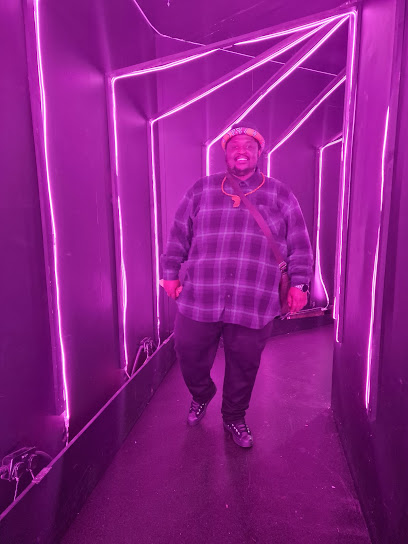
Sobar
1.7 km
Dive into Birmingham's electric nightlife at Sobar, where R&B beats, masterful cocktails, and inclusive vibes fuel unforgettable weekend revelry in the heart of the Arcadian.
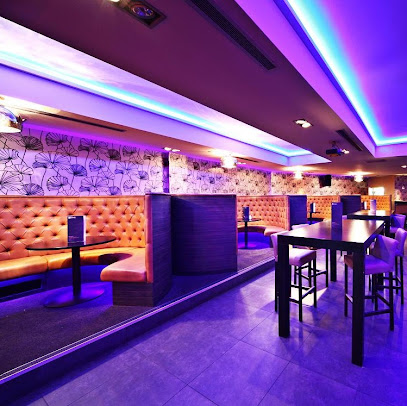
Mango Night Club
1.8 km
A high‑energy Bristol Street nightclub serving Afrobeats, hip‑hop and R&B for late‑night dancers and party crowds in central Birmingham.
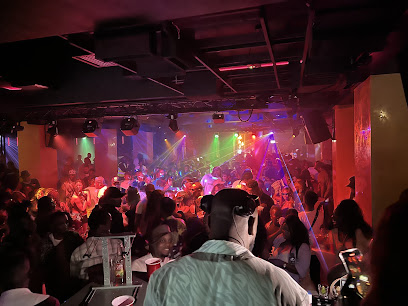
suki10c
1.9 km
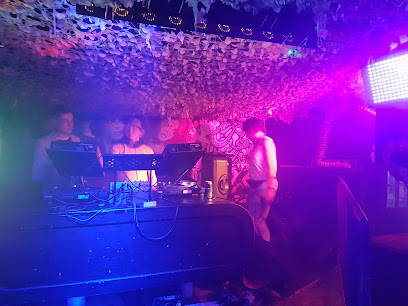
Quirky Digbeth nightclub with local art, sustainable vibes, and eclectic beats in an intimate 180-capacity space powered by wind energy.
For the vibe & atmosphere seeker
- Historic
- Scenic
- Unique
- Casual
For the design and aesthetic lover
- Vintage Styles
- Rustic Designs
For the architecture buff
- Historic
- Landmarks
For the view chaser and sunset hunter
- Iconic Views
For the social media creator & influencer
- Instagrammable
- Photo Spots
- Selfie Spots
For the eco-conscious traveler
- Public-Transport Accessible
- Locally Managed
For the kind of experience you’re after
- Cultural Heritage
- Photowalk
- Day Trip
For how adventurous you want the journey to be
- Easy Access
Location Audience
- Family Friendly
- Senior Friendly
- Child Friendly
- Teen Friendly
- Wheelchair Access
- Pet Friendly
- Couple Friendly
- Solo Friendly
- Solo Female Friendly


