

Narrow Quay, Bristol Travel Guide
Free Guide: Historic Narrow Quay in Bristol’s Floating Harbour blends centuries of maritime heritage with vibrant modern culture along a scenic waterfront.


A brief summary of Narrow Quay
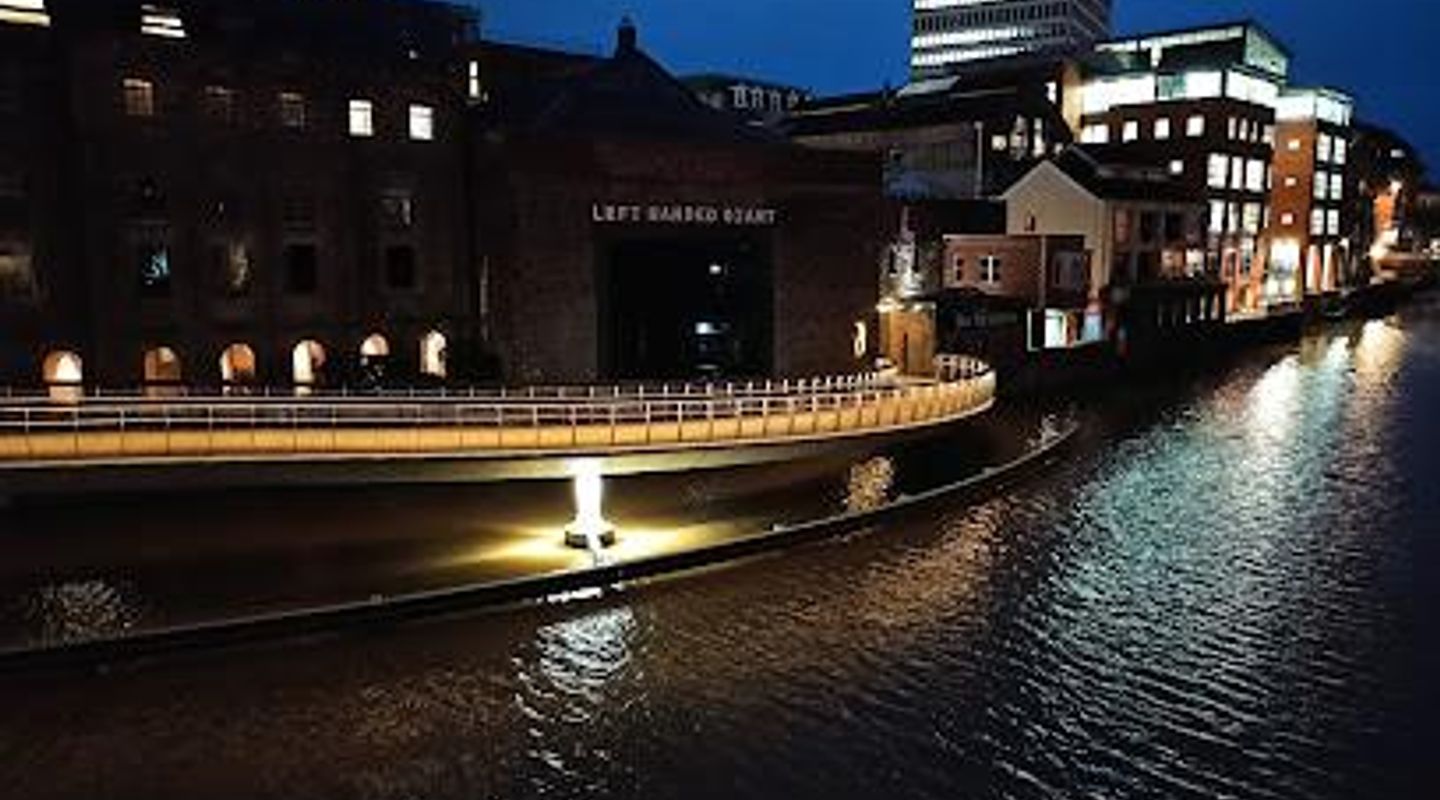
Historic Narrow Quay in Bristol’s Floating Harbour blends centuries of maritime heritage with vibrant modern culture along a scenic waterfront.
Narrow Quay is a historic waterfront stretch along Bristol's Floating Harbour, once the city's principal trading wharf since the 13th century. It showcases centuries of maritime heritage, from medieval trade routes to the engineering marvel of the 1809 Floating Harbour, designed by William Jessop. Today, it blends preserved dockside architecture with vibrant cultural spaces, reflecting Bristol’s rich seafaring past and dynamic urban life.
On-site amenities
 Restrooms
 Drink options
 Food options
 Seating areas
 Information boards
- Address
- Bristol
Getting there
Bus
Train and Walk
Taxi
Discover more about Narrow Quay
Origins of Bristol's Maritime Hub
Narrow Quay has been central to Bristol’s maritime activity since the 1240s, constructed alongside St Augustine's Reach to serve as the main wharf for the bustling port. This area, together with Broad Quay, formed the heart of Bristol’s trading infrastructure for centuries. The quay was integral to the city's economic growth, facilitating trade with Ireland, Iceland, and later North America, shaping Bristol’s identity as a major port city.
The Engineering Feat of the Floating Harbour
In the early 19th century, the natural tidal River Avon was transformed into the Floating Harbour, a pioneering scheme devised by canal engineer William Jessop. Completed in 1809, this project impounded 83 acres of water to create a non-tidal harbour, allowing ships to remain afloat at all times, vastly improving loading and unloading efficiency. Narrow Quay remained a key trading quay within this new harbour system, surrounded by warehouses and docks that supported Bristol’s maritime commerce.
Architectural and Industrial Legacy
The quay area features historic dock walls, listed quay bollards, and remnants of shipbuilding and coal-importing yards. Nearby, the Underfall Yard continues to operate as a maintenance facility for the harbour, preserving the working heritage of Bristol’s docks. The architectural styles along Narrow Quay include Victorian warehouses and Bristol Byzantine brickwork, reflecting the industrial prosperity of the 19th and early 20th centuries.
Modern Cultural Renaissance
Following the decline of commercial shipping in the 1970s, Narrow Quay and the surrounding harbour area have been revitalized as a cultural and social hub. Former warehouses have been repurposed into arts centres, museums, cafés, and nightclubs, fostering a lively atmosphere. The quay’s waterfront setting offers scenic views and a tangible connection to Bristol’s maritime history, attracting locals and visitors alike.
Historical Significance and Social Context
Narrow Quay and Bristol’s harbour bear witness to complex histories, including the city’s involvement in maritime trade and the transatlantic slave trade. The area is a focal point for reflection on Bristol’s past, including protests and movements that have shaped the city’s identity. The harbour remains a site where history, culture, and community converge.
Experiencing the Waterfront Today
Visitors to Narrow Quay can enjoy the blend of historic ambiance and contemporary vibrancy. The quay’s tree-lined promenade, historic structures, and views across the water create a unique urban waterfront experience. This area exemplifies Bristol’s transformation from an industrial port to a dynamic city embracing its heritage while looking forward.
Evendo Review Centre
 Google
Guest reviews
Best time to go
Quietest: Jan, Feb & Dec · before 6am or from 11pm
Busy times are Evendo estimates for a typical year, to help you plan. Actual crowds vary with events, school holidays and the weather.
Explore Narrow Quay on the map
A handpicked selection of must-see spots near Narrow Quay, mapped for you.
Get your free copy of our complete guide to Narrow Quay, delivered straight to you.
Everything on this page, from opening hours and how to get there to Eve’s tips and the best time to go, in one PDF you can read offline, print or share.
Already have an account? Sign in
Your Narrow Quay guide is ready.
We'll send it to · Not you? Sign out

Getting your guide ready…
We are putting together a fresh copy of the Narrow Quay guide. This can take up to a minute.
This can take a few moments. If your browser asks, choose Allow so the download can start. You'll find the guide in your Downloads folder.
Nothing happened? Download it again
Sorry, the guide is taking longer than usual. Please try again in a minute, or get it by email instead.
Other nearby places you may find interesting
The closest places of the same kind, if this one is not quite what you had in mind.
-
-
-
-
-


Swipe for more places
More to explore near Narrow Quay

 Best experiences near Narrow Quay
 Best hotels near Narrow Quay
 Best landmarks near Narrow Quay
 Best attractions near Narrow Quay
 Best shops near Narrow Quay
 Best restaurants near Narrow Quay
 Best bars near Narrow Quay
Do you manage this location?
Take control to get all the benefits, like improved information, better appearance, and stronger visibility across AI-powered discovery.
Explore more
Explore more of Bristol
Discover Bristol: A dynamic city where historical grandeur meets modern innovation, offering a rich tapestry of culture, art, and maritime heritage.
Explore Bristol
Explore more of United Kingdom
Discover the United Kingdom: A blend of rich history, stunning landscapes, and vibrant cities, offering a unique travel experience for every visitor.
Explore United Kingdom
