Carn Liath, Sutherland Travel Guide
Explore Carn Liath Broch, a remarkably preserved Iron Age stone tower overlooking the Moray Firth, showcasing ancient Scottish ingenuity and coastal beauty.
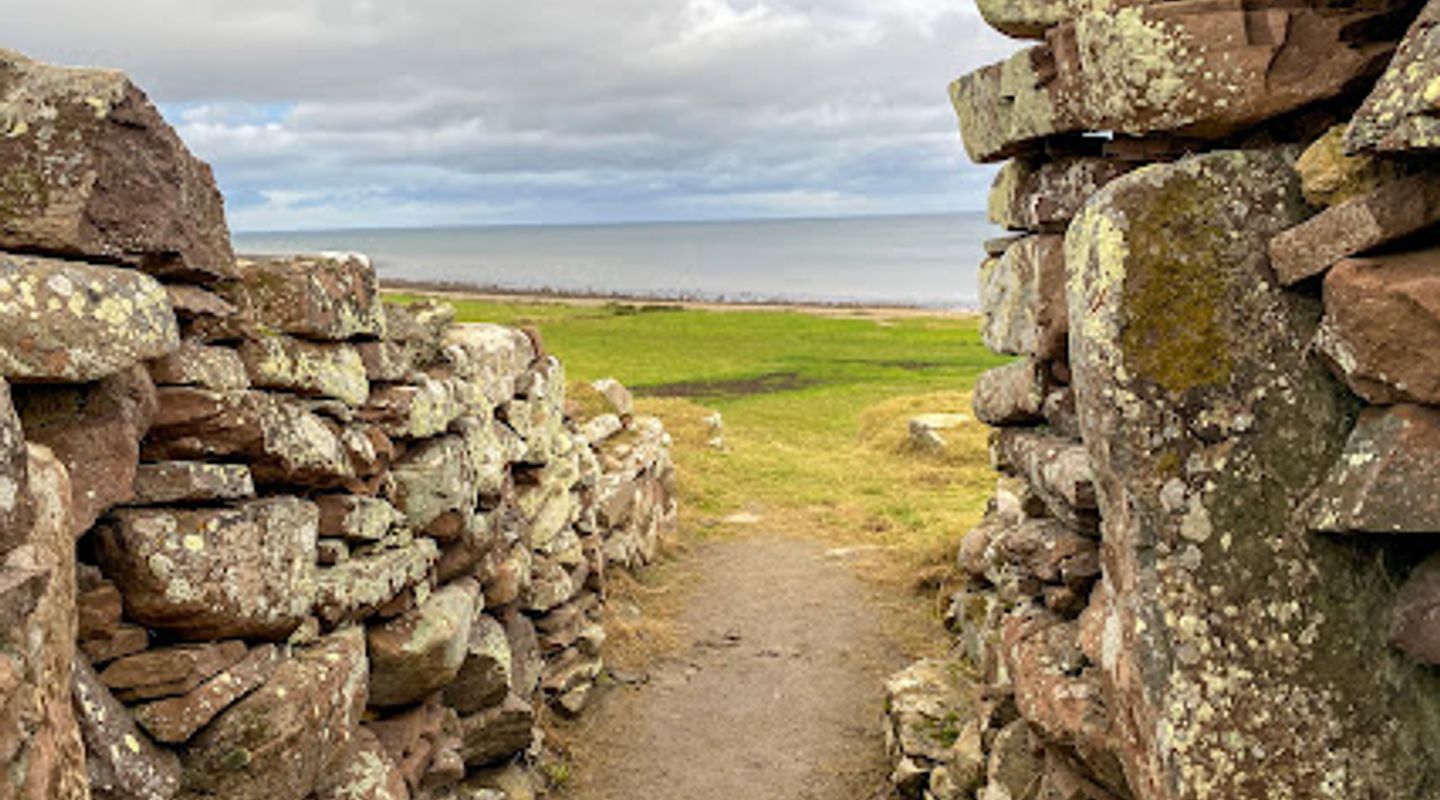
Carn Liath Broch, near Brora in the Scottish Highlands, is a well-preserved Iron Age stone tower dating back over 2,000 years. This unique Scottish monument features thick drystone walls, an intact entrance passage, guard cell, and internal steps, offering a rare glimpse into ancient fortified settlements. Set on a grassy terrace overlooking the Moray Firth, it includes surrounding village earthworks and provides scenic coastal views, making it a fascinating site for history enthusiasts and casual visitors alike.
A brief summary to Carn Liath
- Brora, GB
- Click to display
- Click to display
- Duration: 0.25 to 1 hours
- Free
-
 Outdoor
- Mobile reception: 4 out of 5

Know before you go
Hi, I'm Eve. Here are a few practical things to know before exploring Carn Liath.
- Use the designated pedestrian crossing to safely cross the busy A9 road from the free car park.
- Follow the marked paths to avoid damaging the broch’s fragile earthworks and surrounding settlement remains.
- Visit during golden hour for dramatic photos of the broch with the sea and Dunrobin Castle in the background.
- Allow about 30 minutes to explore the broch interior, read information panels, and enjoy the coastal views.
- Wear sturdy footwear as the terrain around the broch is uneven but generally accessible.
Do you manage this location?
Take control to get all the benefits, like improved information, better appearance, and stronger visibility across AI-powered discovery. Learn more about listing your business on Evendo
Activate your presenceOther nearby places you may find interesting
The closest places of the same kind, if this one is not quite what you had in mind.

Explore Carn Liath on the Map
A handpicked selection of must-see spots near Carn Liath, mapped for you.
Unlock the Best of Carn Liath
Buy tickets
-
No tickets available
Book tours with entry


Book tours without entry
-
No tours available
Getting There
-
Car
Drive via the A9 to the free parking area located on the inland side of the road near Carn Liath. The journey from Golspie takes about 10–15 minutes. Use the designated pedestrian crossing to reach the broch safely. No parking is available directly at the broch site.
-
Public Transport
Take a regional bus service from Golspie or Brora towards Dunrobin Castle or nearby stops on the A9. From the bus stop, expect a 15–20 minute walk along uneven terrain to the broch, including crossing the A9 at the designated crossing point. Check local bus schedules for frequency and availability.
-
Walking
For walkers staying in Golspie or Dunrobin Castle area, a scenic 5–7 km hike along coastal paths and minor roads leads to Carn Liath. Terrain is uneven and includes road crossing; suitable for experienced walkers with good footwear.
For the on-the-go comforts that matter to you
-
 Restrooms
-
 Information Boards
-
 Seating Areas
-
 Trash Bins
Discover more about Carn Liath
An Icon of Iron Age Ingenuity
Carn Liath Broch stands as a striking example of Iron Age architecture unique to Scotland. Built around the last century BC or first century AD, this broch is a tall, drystone roundhouse characterized by double-layered walls that supported each other, allowing impressive height and defensive strength. The broch’s walls still rise up to 12 feet in places, enclosing a deep interior with a well-preserved entrance passage, a guard cell, and internal stairs. These features reveal the sophistication and strategic design employed by Iron Age communities to protect their families and livestock.Surrounding Settlement and Archaeological Insights
Beyond the broch itself, Carn Liath is accompanied by rare surviving earthworks and signs of an associated village, indicating a small community lived alongside this fortified structure. Excavations have uncovered artefacts from the Iron Age and earlier Bronze Age, including pottery, tools, a silver ornament, and an iron knife blade. These finds enrich our understanding of the daily lives, craftsmanship, and social status of its inhabitants. The surrounding houses may have been occupied as late as AD 400, suggesting a long period of use and adaptation.Location and Scenic Coastal Setting
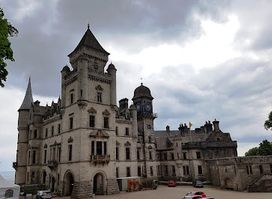
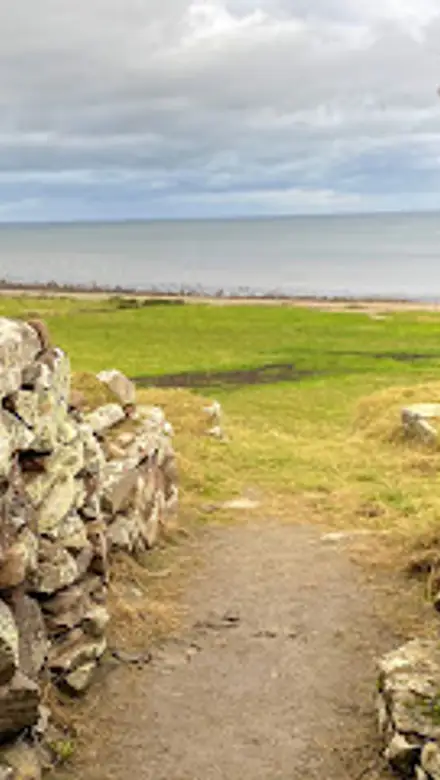
Situated on a grassy terrace overlooking the Moray Firth, Carn Liath offers sweeping sea views and a tranquil atmosphere. The site lies just east of Dunrobin Castle near Golspie, with the castle visible in the distance, creating a compelling contrast between ancient and aristocratic Highland history. Visitors can enjoy a pleasant coastal walk nearby, with opportunities to spot local wildlife such as seabirds and deer, enhancing the natural appeal of the location.Visiting Experience and Accessibility
Carn Liath Broch is easily accessible with free parking available on the inland side of the busy A9 road. A well-signposted path leads visitors safely across the road to the broch, where informative panels provide historical context. The terrain is uneven but manageable, making it suitable for most visitors. Entry is free, and the site is open year-round, offering a quick yet immersive visit to this ancient monument. While there are no onsite facilities like restrooms or cafes, the peaceful surroundings and interpretive signage create an engaging experience.Cultural Significance and Preservation
As one of the best-preserved brochs in Scotland, Carn Liath holds significant cultural heritage value. Brochs are unique to Scotland and represent a distinctive form of Iron Age settlement and defense. Carn Liath’s preservation allows visitors to connect tangibly with Scotland’s distant past and appreciate the architectural skill of its builders. The site’s excavation history, beginning in the 1800s with the Duke of Sutherland, reflects ongoing archaeological interest and efforts to protect this remarkable monument.Practical Tips and Safety Considerations
Visitors should take care when crossing the A9 due to traffic and use the designated crossing point. Sticking to the marked paths helps preserve the site’s fragile earthworks. The best times for photography are during golden hour when the broch contrasts dramatically against the sea backdrop. While the visit is relatively brief, taking time to explore the broch’s interior and read the informative boards enriches the experience, making Carn Liath a memorable stop on any Highland itinerary.












Your all‑in‑one travel companion app
Explore expert travel guides, compare and book tours, experiences, hotels, and more—all from the palm of your hand. Download now for seamless trip planning wherever your wanderlust takes you.


Explore More of Sutherland

Looking beyond Carn Liath? Discover Sutherland for broader travel guides, local hot-spots, and regional highlights.
Explore Sutherland