
Hilton of Cadboll Stone: Masterpiece of Pictish Art and History
Discover the Hilton of Cadboll Stone, a stunning 8th-century Pictish cross-slab blending intricate art, rare female imagery, and early Christian symbolism.
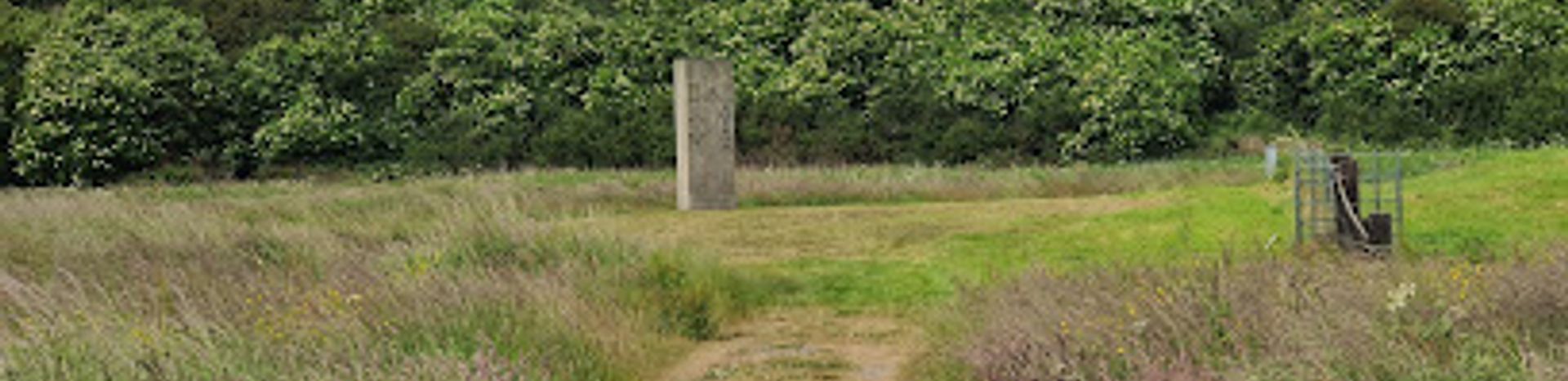
The Hilton of Cadboll Stone is a magnificent 8th-century Pictish cross-slab originally erected in Easter Ross, Scotland. Featuring intricate carvings including a rare depiction of a woman on horseback and Christian iconography, the stone reflects the artistic and religious culture of the Picts. The original is housed in the National Museum of Scotland, while a detailed full-size replica stands at its original site near Hilton Chapel, surrounded by the ruins of a medieval chapel.
A brief summary to Hilton Of Cadboll Stone
- Tain, Hilton, IV20 1XE, GB
- Duration: 0.5 to 1.5 hours
- Free
-
 Outdoor
- Mobile reception: 4 out of 5
- Monday 12 am-12 am
- Tuesday 12 am-12 am
- Wednesday 12 am-12 am
- Thursday 12 am-12 am
- Friday 12 am-12 am
- Saturday 12 am-12 am
- Sunday 12 am-12 am
Local tips
- Visit the nearby John Ross Visitor Centre in Balintore to see the original stone’s base and many recovered fragments.
- Take time to explore the grassy mounds marking the medieval Hilton of Cadboll Chapel ruins adjacent to the stone.
- Learn about the stone’s reinterpretation as featuring one of Scotland’s earliest depictions of Jesus Christ.
- Photography enthusiasts should capture the replica’s detailed carvings in the soft coastal light of Easter Ross.

For the on-the-go comforts that matter to you
- Information Boards
- Seating Areas
- Trash Bins
Getting There
-
Bus
Take the local bus service from Tain to Balintore, which runs approximately every 1 to 2 hours, with a journey time of around 25 to 35 minutes. From Balintore, the Hilton of Cadboll Stone is a 15-minute walk along rural paths. Tickets cost about £4–£6 one way. Note that weekend services are limited.
-
Car
Driving from Tain to Hilton of Cadboll takes about 20 minutes via the B9166 road. Parking is available near the stone but limited in capacity, so early arrival is recommended. The roads are rural and narrow in places, so cautious driving is advised.
-
Walking
For a scenic hike, walk from Balintore village to the Hilton of Cadboll Stone. The route covers approximately 3.5 km over mostly flat terrain with some uneven grassy paths near the site. Allow 45 to 60 minutes one way. Suitable footwear is recommended.
Hilton Of Cadboll Stone location weather suitability
-
 Any Weather
-
 Rain / Wet Weather
-
 Clear Skies
-
 Windy Conditions
-
 Mild Temperatures
Discover more about Hilton Of Cadboll Stone
A Remarkable Legacy of Pictish Sculpture
The Hilton of Cadboll Stone is one of the most exquisite surviving Pictish cross-slabs, dating from around AD 800. Standing nearly eight feet tall, this sandstone monument was carved during a time when the Picts were embracing Christianity, blending traditional motifs with Christian symbolism. The stone’s intricate designs include a vine-scroll border inhabited by winged creatures, a hallmark of early medieval Northumbrian influence, and three square panels filled with rich iconography.Central Imagery and Symbolism
The central panel of the stone is dominated by a rare and striking hunting scene. At its heart is a woman riding side-saddle on a galloping horse, adorned with a large brooch. This figure is flanked by two Pictish symbols—a mirror and a comb—indicating her importance, possibly as nobility or royalty. Accompanying her are two horsemen, huntsmen on foot blowing horns, hunting dogs, and deer, creating a vivid narrative scene uncommon in Pictish art. The reverse side features a Christian cross, symbolizing the Picts’ conversion and spiritual identity.Historical Journey and Preservation
Originally erected on the east coast of the Tarbat Peninsula, the stone experienced a turbulent history. Shortly after its creation, it toppled and broke; it was re-erected using its base as a tenon. In 1674, a storm caused it to break again, after which Alexander Duff repurposed it as a grave slab, chiselling away the cross and adding an inscription commemorating himself and his three wives. The original stone was eventually gifted to the National Museum of Scotland in 1921, where it remains preserved in pristine condition. A full-scale replica carved by sculptor Barry Grove now stands at the original site, allowing visitors to appreciate the artistry in situ.Archaeological Discoveries and Modern Research
Excavations in 2001 unearthed thousands of carved fragments and the stone’s missing lower portion, which are now displayed nearby. These discoveries have deepened understanding of the monument’s original form and significance. Modern scholarship has reinterpreted some of the imagery, notably identifying the long-haired rider as one of the earliest depictions of Jesus Christ in Scotland, riding humbly into Jerusalem. This reinterpretation highlights the stone’s role in reflecting the intellectual and spiritual currents of early medieval Scotland.The Chapel and Surrounding Landscape
The stone stands near the remains of Hilton of Cadboll Chapel, a simple medieval structure whose turfed foundations mark a once-important religious site. The area was historically used for burials, including a tradition of interring unbaptised infants until the late 19th century. The chapel site, now cared for by Historic Environment Scotland, adds a contemplative atmosphere to the location, connecting the stone to the spiritual life of the community across centuries.Cultural Significance and Visitor Experience
Today, the Hilton of Cadboll Stone replica offers a tangible link to Pictish heritage, artistry, and early Christian Scotland. The detailed carvings invite reflection on themes of power, faith, and identity. Nearby displays of the stone’s base and fragments enrich the experience, while the peaceful coastal setting of Easter Ross enhances the sense of historical continuity. The stone remains a powerful symbol of Scotland’s ancient past and artistic legacy.Iconic landmarks you can’t miss

Monument to Harriet, Duchess of Sutherland
24.0 km
A dignified monument in Golspie honoring Harriet, Duchess of Sutherland, a Victorian political hostess and social reformer with a lasting Highland legacy.

Sueno's Stone
24.5 km
Scotland's tallest Pictish monument—a 6.5-metre enigma carved with battle scenes and royal ceremony.
Duke Of Sutherland Monument
24.7 km
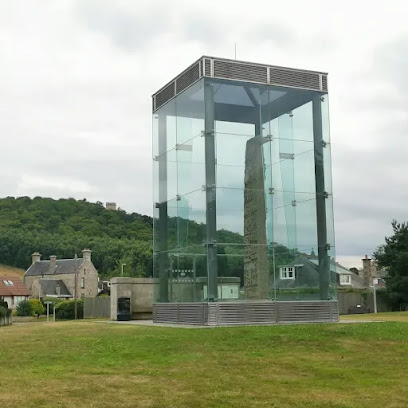
A towering Highland landmark blending breathtaking views with the complex legacy of the Duke of Sutherland’s era.
Craig Castle
27.3 km
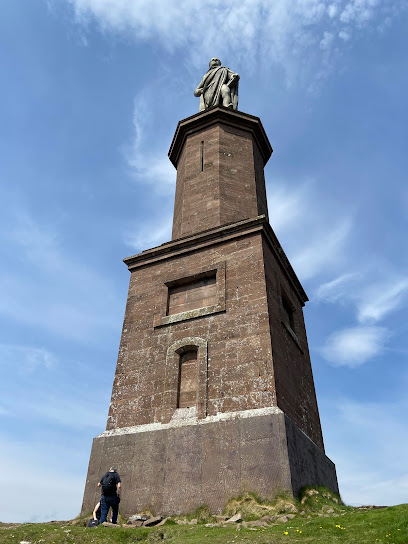
Explore the evocative ruins of Craig Castle, a 16th-century fortress overlooking the scenic Cromarty Firth on Scotland’s historic Black Isle.
Asliesk Castle (remains)
29.1 km
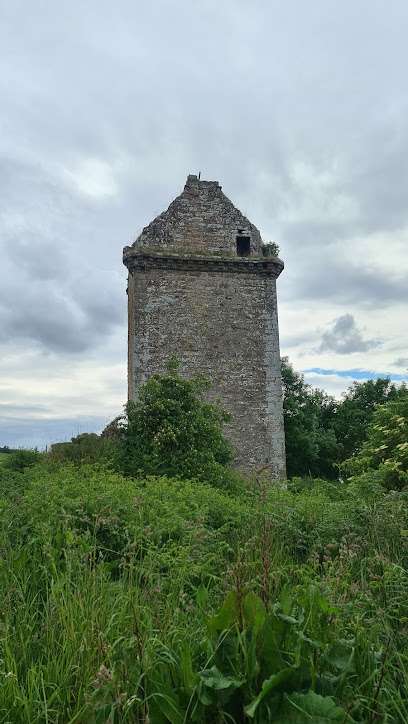
Explore the ivy-clad ruins of Asliesk Castle, a 16th-century Scottish tower house steeped in history and legend near Elgin, Moray.
Crook of Alves (historical placename)
29.9 km
Discover the Crook of Alves, a cultural landmark in Elgin, where history meets stunning natural beauty in Scotland's captivating landscapes.
Ardgay Bespoke Tours
30.1 km
Experience the Scottish Highlands like never before with personalized tours that celebrate nature, history, and culture in Ardgay.
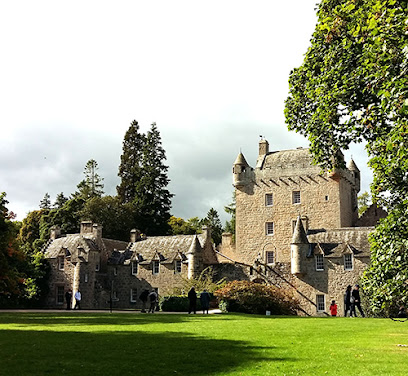
St. Peter's Kirk & Parish Cross
31.2 km
Medieval kirk and rare surviving mercat cross spanning eight centuries of Scottish history.
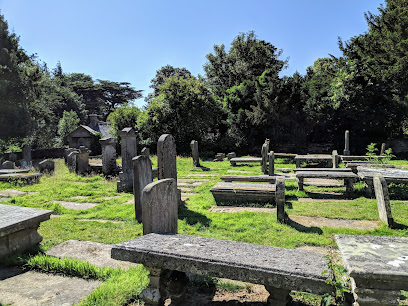
Culloden Viaduct
33.7 km
Scotland’s longest masonry viaduct, a stunning 29-arch railway bridge spanning the River Nairn valley near historic Culloden Battlefield.
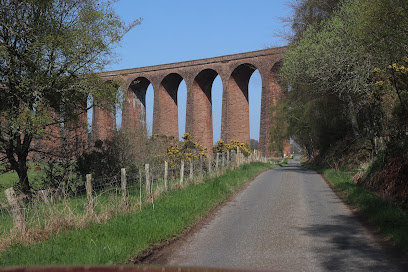
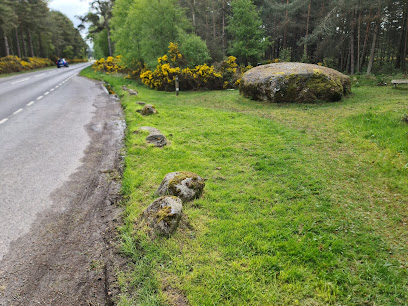
Cumberland Stone
33.8 km
A glacial giant where legend places a duke watching history unfold across a blood-soaked moor.
Culloden House Hotel
33.9 km
Elegant Georgian mansion with historic charm, fine dining, and tranquil gardens near Inverness in the Scottish Highlands.
Leanach Farm
34.0 km
Experience authentic Highland farm life with luxury comfort, scenic views, and historic sites just minutes from Inverness.
Culloden Battlefield
34.3 km
Explore the tragic yet fascinating history of Culloden Battlefield, the site of the last battle on British soil, and immerse yourself in Scotland's heritage.
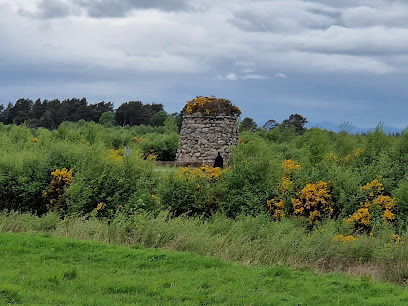
Clava Cairns
34.3 km
Explore Clava Cairns, an ancient burial site near Inverness, rich in history and surrounded by stunning Scottish landscapes.
Kyle of Sutherland
35.0 km
Experience the breathtaking landscapes and rich wildlife of the Kyle of Sutherland, a hidden gem in the Scottish Highlands perfect for nature lovers.
Unmissable attractions to see

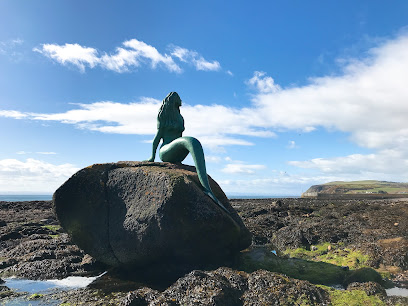
Mermaid of the North
1.2 km
Discover Balintore’s iconic 10-foot bronze mermaid, a captivating coastal sculpture steeped in local legend and maritime heritage.
Shandwick Stone
2.7 km
Discover the Shandwick Stone, a towering Pictish cross-slab near Tain, Scotland, showcasing intricate carvings and ancient Christian artistry.
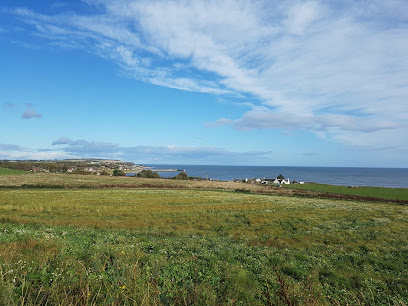
Fearn Abbey [Church Of Scotland]
3.6 km
Discover Fearn Abbey, the northernmost Premonstratensian church in Scotland, blending medieval heritage with serene rural beauty near Tain.
![Fearn Abbey [Church Of Scotland]](https://evendo-location-media.s3.amazonaws.com/AttractionImages/bed067fb-a20e-4395-ada1-8a9a8830ed46)
Tarbat Discovery Centre
8.3 km
Explore the rich Pictish heritage and medieval mysteries of the Tarbat Peninsula at this unique museum set within an ancient Highland church.
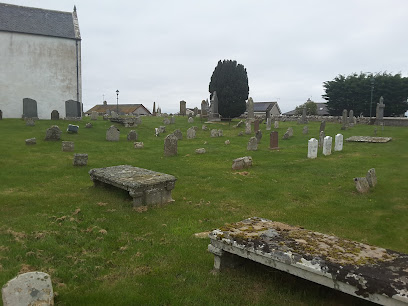
Nigg Old Church
8.5 km
Discover the ancient charm of Nigg Old Church, home to the exquisite 8th-century Nigg Stone, a pinnacle of Pictish medieval art in Scotland.
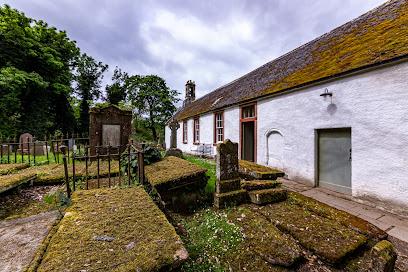
Tain Museum
10.6 km
Discover the rich heritage of Easter Ross and Clan Ross at Tain Museum, a charming volunteer-run gem in the Scottish Highlands.
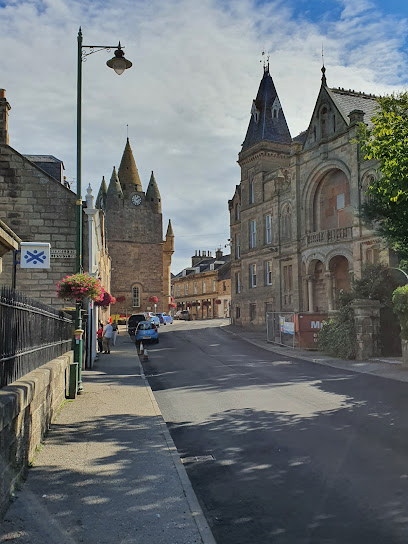
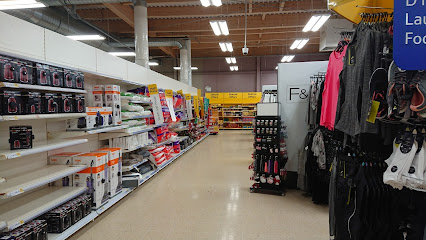
Tesco Superstore
10.7 km
A modern, accessible supermarket in Tain offering fresh produce, everyday essentials, and community-focused services from 8 AM to 10 PM daily.
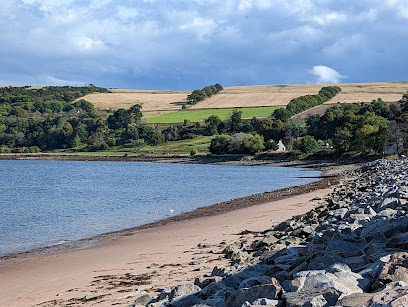
Cromarty beach
12.4 km
Explore Cromarty Beach’s serene shores and ancient fossils where Scotland’s prehistoric past meets stunning coastal beauty.
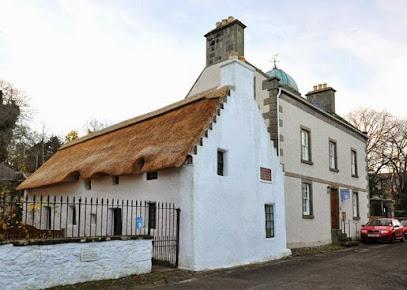
Hugh Miller's Birthplace Cottage and Museum
12.5 km
Step into the world of Hugh Miller at his birthplace cottage and museum, where geology, history, and nature intertwine in Cromarty’s charming setting.
The National Trust For Scotland
12.5 km
Explore the birthplace and museum of Hugh Miller, Scotland’s pioneering geologist and fossil hunter, nestled in historic Cromarty.
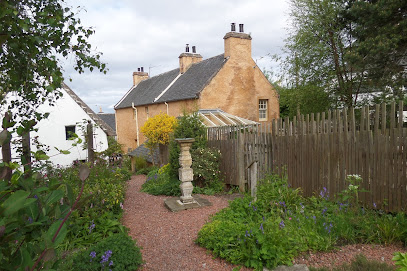
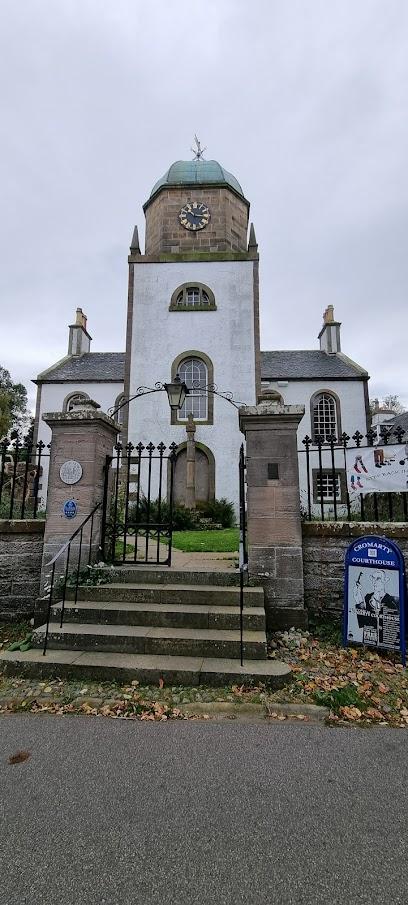
Cromarty Courthouse Museum
12.6 km
Discover Highland justice and local heritage in Cromarty’s elegant 18th-century courthouse museum on the scenic Black Isle.
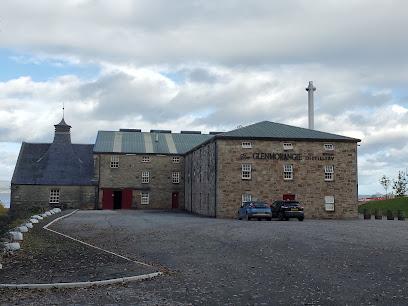
The Glenmorangie Distillery Co
12.6 km
Explore Scotland’s tallest copper stills and innovative whisky craftsmanship at Glenmorangie Distillery by the serene Dornoch Firth.
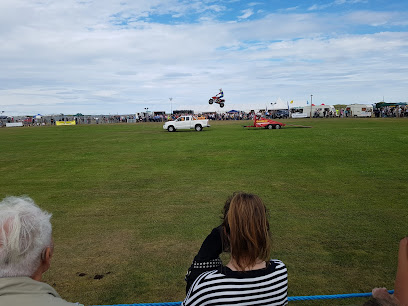
The Sutherland Show
13.8 km
Experience the vibrant agricultural heritage and community spirit of the Scottish Highlands at The Sutherland Show in Dornoch.
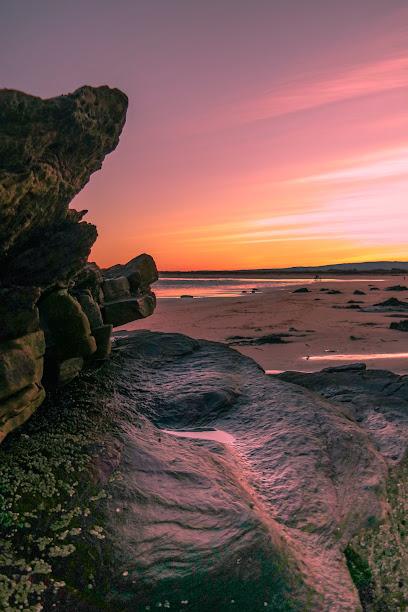
Dornoch Beach
14.2 km
Expansive golden sands and serene coastal views await at Dornoch Beach, a tranquil escape on Scotland’s scenic east coast.
The Carnegie Whisky Cellars
14.8 km
Discover rare whiskies and expert tastings in the heart of historic Dornoch at The Carnegie Whisky Cellars.
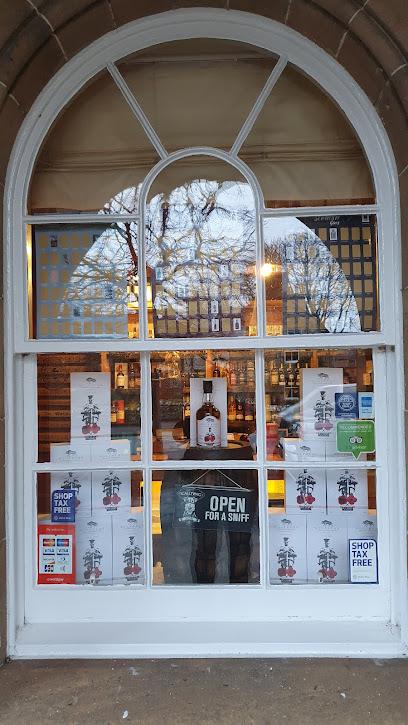
Essential places to dine

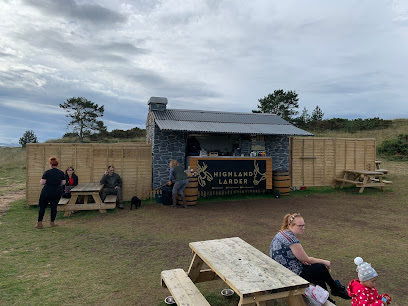
Highland Larder
14.3 km
Fresh Scottish seafood served with coastal charm beside Dornoch’s scenic Links Beach car park.
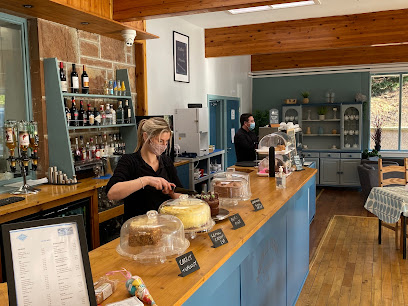
Meikle Ferry Station
14.5 km
Historic railway charm meets traditional Scottish fare and cozy lodging near Tain, a welcoming stop on the scenic NC500 route.
Links House at Royal Dornoch
14.6 km
Luxury boutique hotel at Royal Dornoch with exquisite dining, spa, and world-class golf just steps from the legendary links course.
Coach House Bar & Restaurant
14.7 km
A cozy, dog-friendly bar and restaurant in Dornoch serving fresh, locally sourced Scottish dishes with warm Highland hospitality.
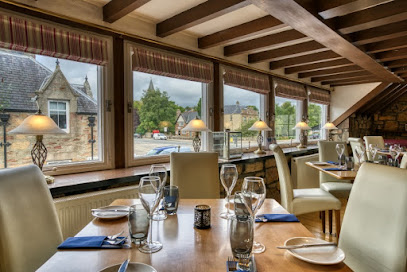
Sutherland House (Dornoch) Ltd
14.7 km
Refined Scottish dining in the heart of historic Dornoch, where local flavours meet modern style in a warm, welcoming setting.
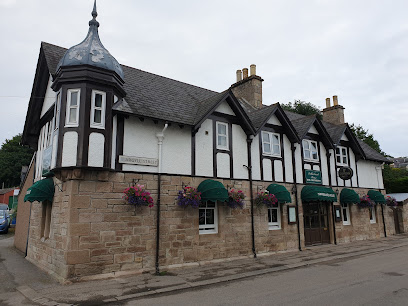
Dornoch Castle Hotel - Whisky Bar & Dining. Takeaway Pizza!
14.8 km
Historic Scottish castle hotel in Dornoch offering luxury stays, fine dining, and an acclaimed whisky bar with private tastings.
Luigi
15.0 km
Experience authentic Italian and seafood cuisine in the heart of historic Dornoch, where warm hospitality meets coastal flavors.
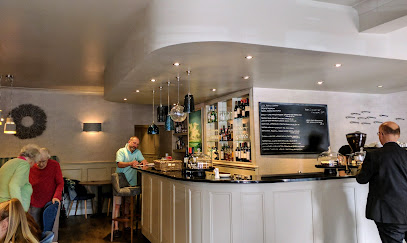
Spelding's Lounge Bar
19.7 km
Cozy coastal bar and restaurant with fresh seafood, live entertainment, and stunning marina views at Lochloy Holiday Park, Nairn.
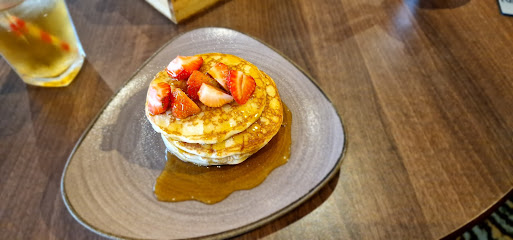
Sun Dancer, Bar and Restaurant
19.8 km
Charming Scottish seafood dining with stunning Moray Firth views in the heart of Nairn’s waterfront.
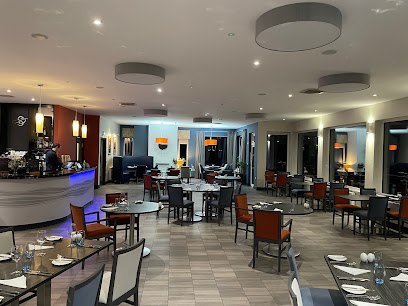
Strathnairn Beach Cafe
19.8 km
Family-run seaside cafe in Nairn offering fresh local seafood, stunning beach views, and a casual, welcoming atmosphere.
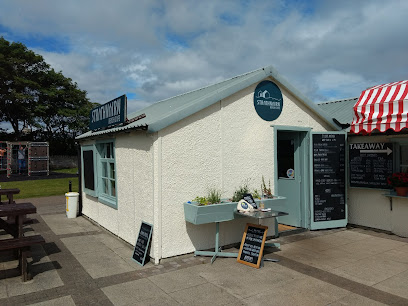
The Bandstand Hotel
20.1 km
Cozy seaside hotel in Nairn offering local cuisine, sea views, and warm Scottish hospitality on the scenic Highlands coast.
Havelock House Hotel
20.1 km
A charming Victorian seaside hotel in Nairn offering cozy rooms, fresh Scottish cuisine, and a lively local bar just steps from the beach.
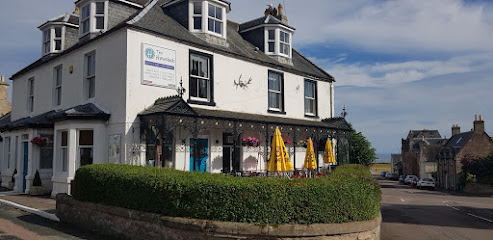
Jackos Bar & Diner
20.1 km
A lively grill and family-friendly bar in Nairn offering hearty meals, live music, and a welcoming atmosphere from noon till midnight.
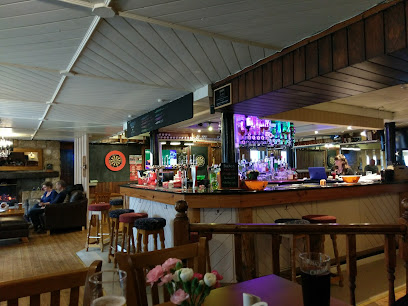
The Captain's Table
20.2 km
Fresh seafood and scenic views meet friendly service at Findhorn’s beloved coastal dining spot.
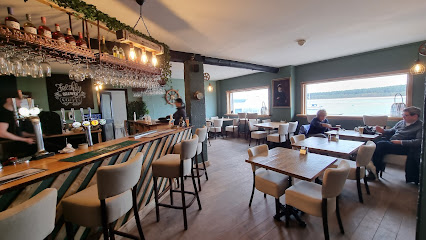
One One Two Wine Bar and Eatery
20.2 km
A stylish Nairn wine bar where small plates with South East Asian and Middle Eastern flavours meet hand‑picked wines in a relaxed, contemporary setting.
Markets, malls and hidden boutiques

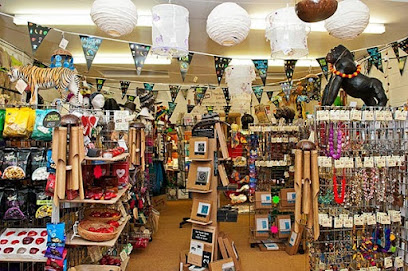
Simply The Best Fair Trade Gifts
14.7 km
Discover ethically crafted fair trade gifts supporting global artisans in the heart of Dornoch Retail Park.
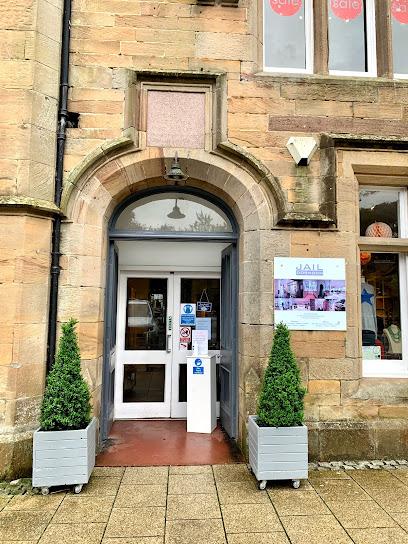
Jail Dornoch
14.8 km
Discover unique Scottish gifts and country clothing in a historic 19th-century jail transformed into a charming contemporary shop in Dornoch.
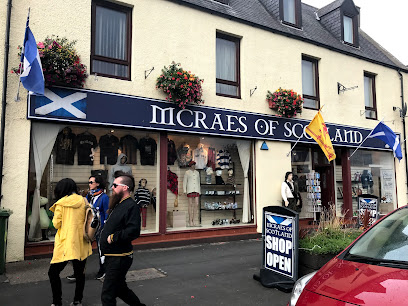
McRaes of Scotland
18.2 km
Discover authentic Scottish souvenirs and cashmere treasures at McRaes of Scotland, Invergordon’s premier gift shop on High Street.
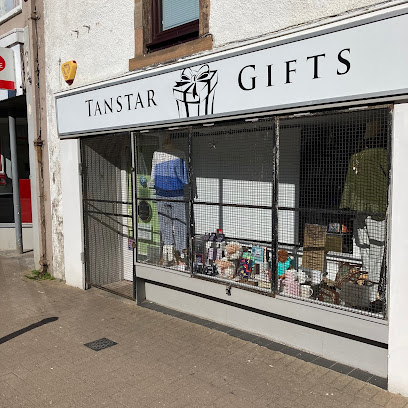
Tanstar Gifts
18.4 km
Discover authentic Scottish crafts and unique souvenirs at Tanstar Gifts, a charming boutique in the heart of Invergordon’s High Street.
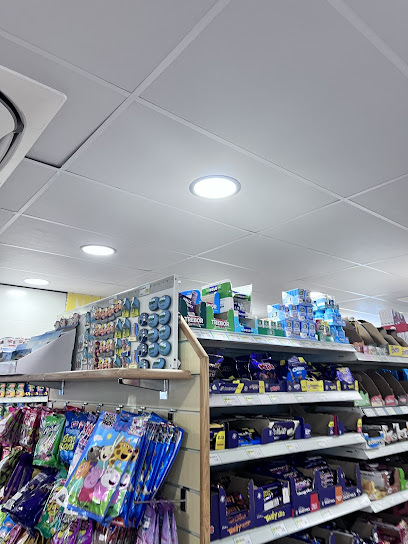
Nisa Local
19.8 km
Explore the charm of Nairn with Nisa Local, your go-to spot for unique gifts, local treats, and everyday essentials.
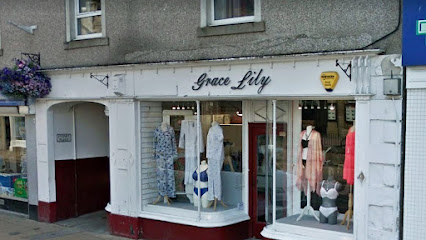
Grace Lily Lingerie
19.8 km
Discover elegant, comfortable lingerie with expert fittings at Grace Lily Lingerie, Nairn’s charming boutique for intimate apparel.
On The Upside
19.8 km
Discover unique handcrafted Scottish furniture blending traditional charm with contemporary style in Nairn’s welcoming boutique store.
In Stitches
19.9 km
Expert dressmaking and alteration services in Nairn, delivering impeccable fit and craftsmanship for every occasion.
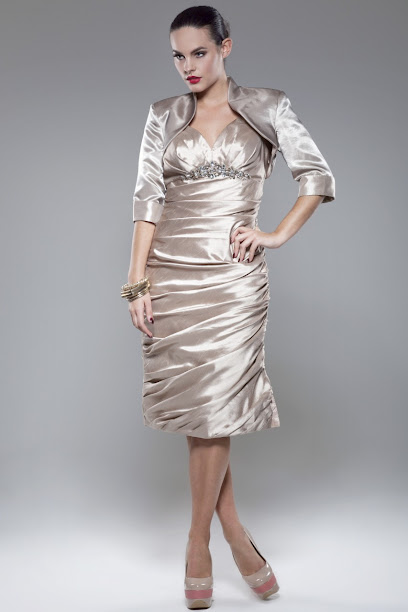
Caora Air Mara
20.0 km
Discover authentic Highland crafts and handmade treasures at Caora Air Mara, Nairn’s beloved artisan shop.
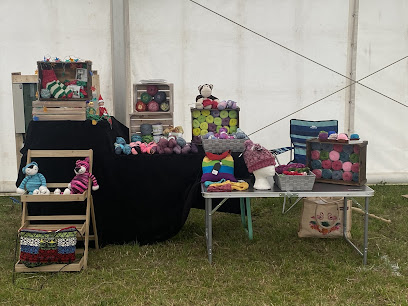
Preloved Designer Fashion Boutique
20.2 km
Explore unique, sustainable designer fashion treasures in Nairn’s charming boutique, where style meets eco-consciousness.
KLAS Clothing
20.2 km
A charming vintage clothing shop in Nairn, perfect for unique, sustainable fashion finds with a retro twist.
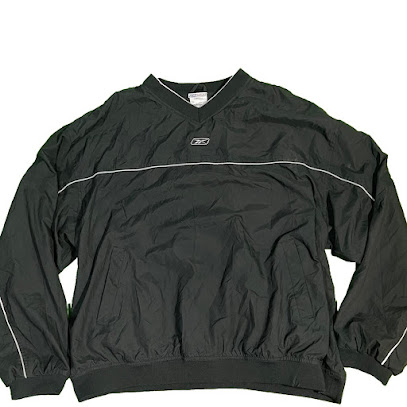
Crafty Wee Birdie
20.2 km
Discover unique local crafts and heartfelt gifts in the welcoming charm of Nairn’s Crafty Wee Birdie boutique.
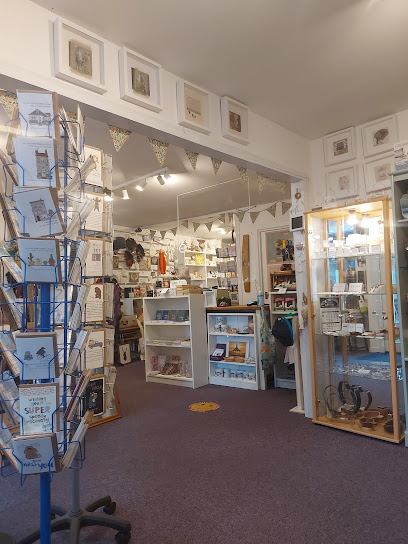
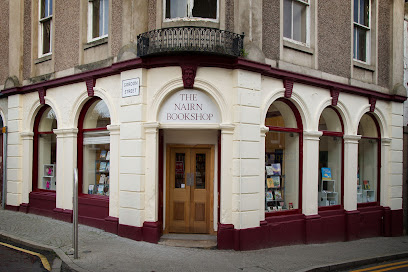
The Nairn Bookshop
20.2 km
A long‑standing independent bookshop on Nairn’s High Street, with a wide, thoughtful selection of fiction, non‑fiction, children’s books, and local interest titles.
Bridgemill Direct
20.3 km
Your trusted source for quality outdoor clothing and gear in Nairn, bridging adventure with reliable equipment for all ages.
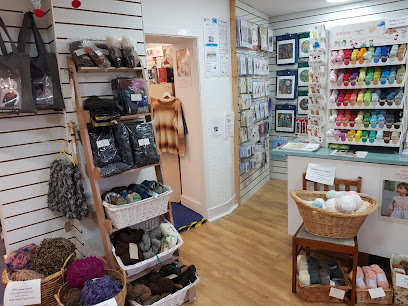
nairn wool shop
20.3 km
Discover a vibrant hub of wool, yarn, and local crafts in the heart of scenic Nairn, where creativity and community intertwine.
Essential bars & hidden hideouts

The Inver Inn
5.8 km
Cozy, dog-friendly pub in Tain’s Inver village serving fresh Scottish fare with warm hospitality and scenic Highland charm.
Platform 1864
10.6 km
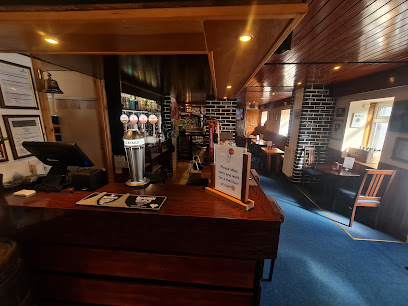
Historic charm meets contemporary dining at Platform 1864, Tain’s beloved bar and restaurant in a stunning old train station.
The Fishertown Inn
12.5 km
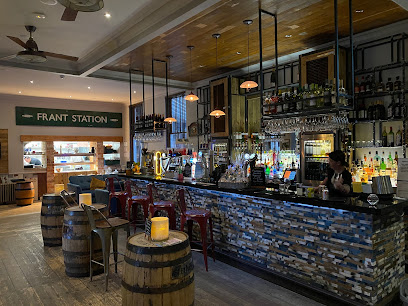
A cozy Georgian pub in Cromarty offering exceptional food, local ales, and a warm Highland welcome on historic Church Street.
The Ship Inn
18.6 km
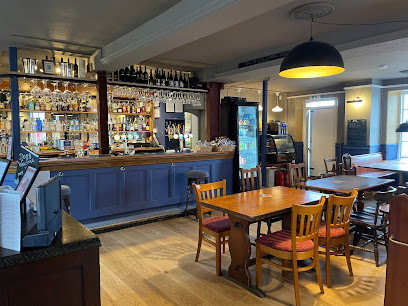
Experience warm Highland hospitality and home-cooked meals at The Ship Inn, your cozy retreat in Invergordon by the Cromarty Firth.
Brackla Hotel
20.1 km
A friendly and lively bar with comfortable hotel rooms, perfect for relaxing and socializing in the heart of Nairn.
The Clubhouse B&B
20.1 km
Boutique coastal B&B in Nairn offering modern comfort, friendly service, and easy beach access for a peaceful Highland getaway.
The Albert Inn
20.3 km
Cozy Scottish pub and hotel in Nairn offering exceptional steaks, warm hospitality, and a charming Highland atmosphere.
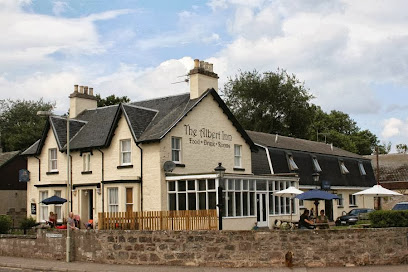
The Play House
20.4 km
Experience Nairn’s vibrant nightlife at The Play House, a lively nightclub and bar known for energetic music, dancing, and social fun.
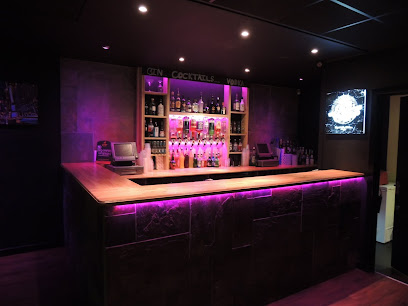
Aido's bar
20.4 km
Aido's Bar offers a cozy, friendly pub experience in Nairn with local ales, live music, and a welcoming atmosphere for all visitors.
Thistle Bar
24.2 km
Cozy and friendly bar on Forres High Street, offering affordable drinks and a warm local atmosphere every day from 11am to 10pm.
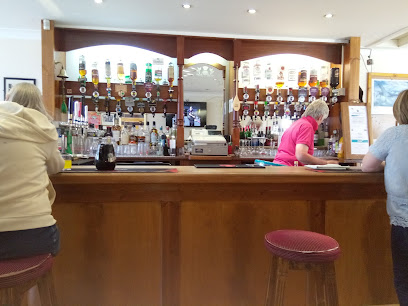
Legends
24.2 km
Lively pub with hearty fare, live weekend music, and a welcoming atmosphere in the heart of Forres.
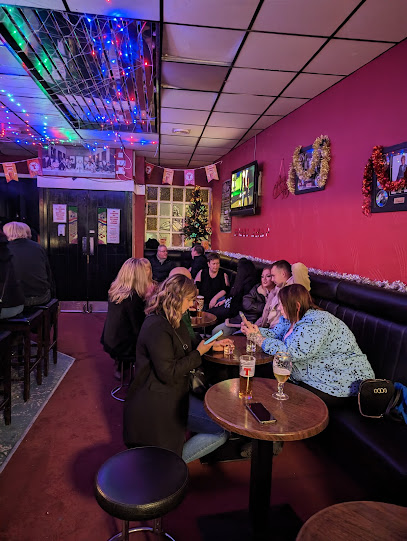
Sloe & Steady
24.3 km
Discover Forres’ cozy cocktail haven where creative drinks and a warm atmosphere blend for an unforgettable night out.
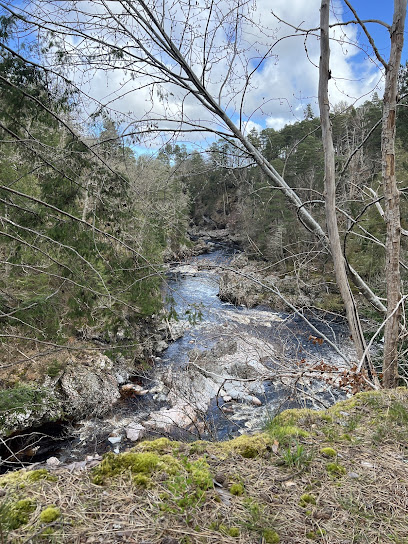
The Union Tavern
25.0 km
A cozy Fortrose pub offering local ales, live traditional music, and a warm, welcoming atmosphere on the Black Isle.
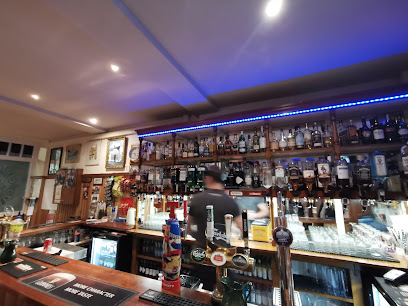
Braemou Inn
28.2 km
A cozy, welcoming pub and inn in Hopeman offering hearty homemade food, comfortable rooms, and a true taste of Scottish coastal hospitality.
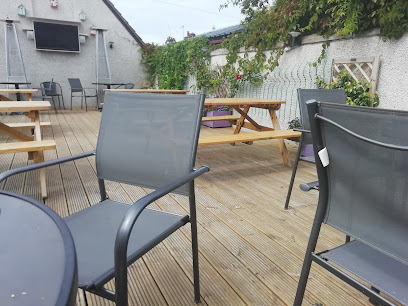
The Snow Goose
35.9 km
Cozy up by the fire at The Snow Goose, Inverness’s charming pub serving hearty Highland classics in a warm, welcoming setting.
Nightclubs & after hour spots

Seaforth Club
20.2 km
Experience Nairn’s vibrant social heart at Seaforth Club, where community spirit meets lively nightlife in a welcoming setting.
Xplosive Discos
21.7 km
Experience the vibrant nightlife at Xplosive Discos in Nairn, where unforgettable music and karaoke fun await every visitor.
Moray Jazz Club
36.5 km
Discover the vibrant live music scene at Moray Jazz Club in Elgin, where talented musicians create unforgettable performances in an intimate setting.

Joannas Nightclub
36.8 km
Lively and casual nightclub in Elgin’s town centre, offering weekend late-night music, dancing, and social vibes in a friendly local setting.
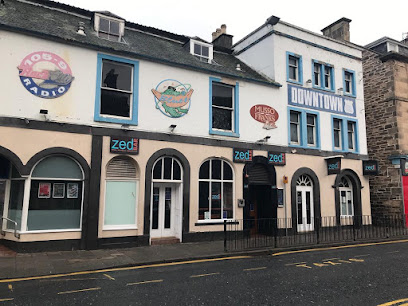
Zed Bar
36.8 km
Experience the vibrant nightlife at Zed Bar in Elgin, where great drinks and lively atmosphere await every visitor.
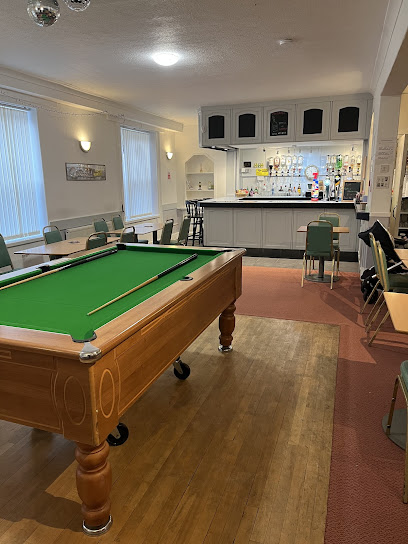
The Ross Shire Club
37.0 km
Experience Dingwall’s vibrant nightlife with a welcoming vibe, BYOB policy, and lively social scene at The Ross Shire Club.
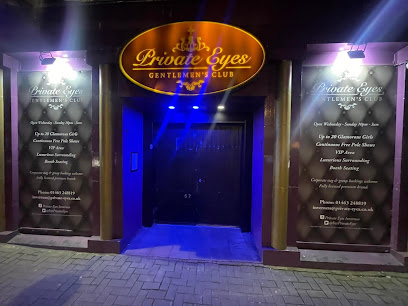
Private Eyes Inverness
37.5 km
Experience Inverness’s vibrant nightlife at Private Eyes, where stylish decor meets great music and a welcoming party atmosphere.
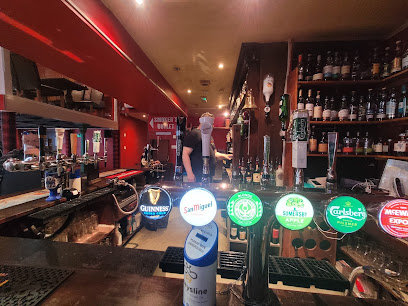
Hootananny
37.6 km
Discover the heart of Inverness at Hootananny, the ultimate destination for live Scottish music and vibrant nightlife.
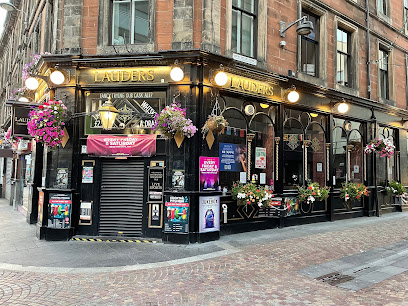
Lauders
37.6 km
Experience the lively spirit of Inverness at Lauders, where great food, drinks, and live music create unforgettable moments.
Revolution Inverness
37.7 km
Discover Revolution Inverness: A vibrant lounge and restaurant offering cocktails, delicious food, and an unforgettable nightlife experience in the heart of the city.
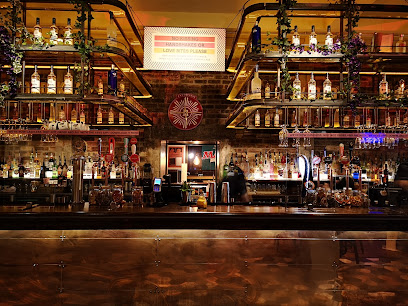
Gellions Bar
37.7 km
Experience the heart of Inverness at Gellions Bar, where live music, local drinks, and vibrant atmosphere create unforgettable nights.
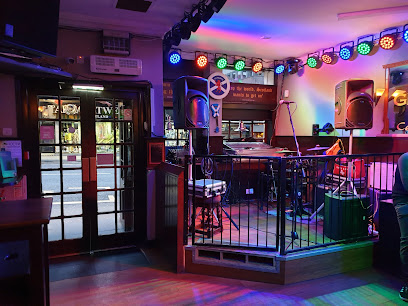
Johnny Foxes
37.8 km
Experience the heart of Inverness nightlife at Johnny Foxes - a delightful pub with cocktails, local flavors, and live music.
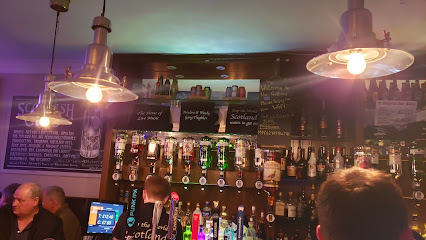
The Piano and Whisky Bar Inverness
38.2 km
Experience the enchanting blend of live piano music and exquisite whisky at The Piano and Whisky Bar in Inverness, a perfect night out.
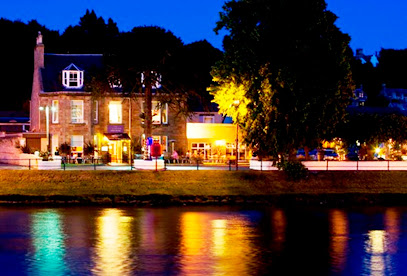
Purple Nightclub
56.2 km
Experience Buckie’s vibrant nightlife at Purple Nightclub, the ultimate destination for dancing, live music, and unforgettable late-night events.
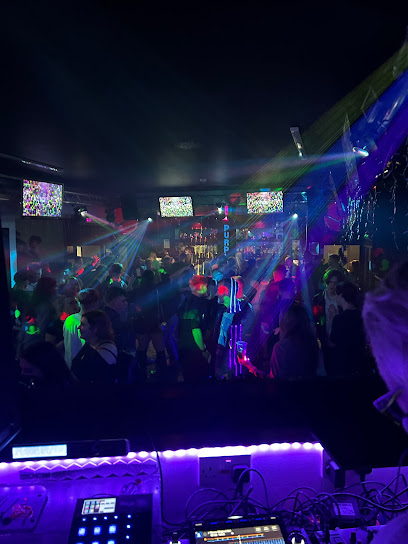
the Balavoulin
63.9 km
A lively, dog-friendly pub with hearty meals and cozy rooms, perfectly placed for exploring Aviemore and the Cairngorms.
For the vibe & atmosphere seeker
- Tranquil
- Scenic
- Unique
- Relaxing
For the design and aesthetic lover
- Rustic Designs
For the architecture buff
- Historic
- Sacred Sites
For the view chaser and sunset hunter
- Iconic Views
- Panoramas
For the social media creator & influencer
- Instagrammable
- Photo Spots
- Selfie Spots
For the eco-conscious traveler
- Public-Transport Accessible
- Locally Managed
For the kind of experience you’re after
- Cultural Heritage
- Photowalk
- Day Trip
- Weekend Getaway
- Myth & Legends
For how adventurous you want the journey to be
- Easy Access
Location Audience
- Family Friendly
- Senior Friendly
- Child Friendly
- Teen Friendly
- Wheelchair Access
- Solo Friendly
- Couple Friendly
- Vegetarian Friendly
- Vegan Friendly


