
Castle Mound: Historic Heart of Medieval Cambridge
Historic Norman motte offering panoramic Cambridge views and a serene park rich with medieval and ancient heritage.
Castle Mound in Cambridge is the surviving earthwork remnant of a Norman motte-and-bailey castle built in 1068 by William the Conqueror. Once a key medieval fortress and administrative center, it evolved through centuries of military and civic use before falling into ruin. Today, the grassy mound offers panoramic views over Cambridge and stands as a tranquil park rich with layered history, from Iron Age origins to Civil War fortifications.
A brief summary to Castle Mound: site of medieval Cambridge Castle
- Braeside, Cambridge, CB4 3AA, GB
- Duration: 0.5 to 2 hours
- Free
-
 Outdoor
- Mobile reception: 4 out of 5
Local tips
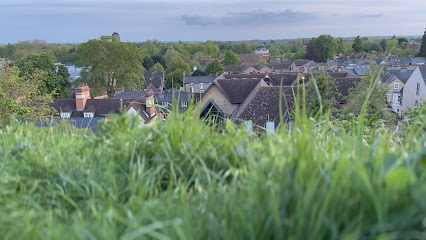
- Visit at sunset for stunning panoramic views over Cambridge’s rooftops and the River Cam.
- Wear comfortable shoes as the path up the mound is grassy and not wheelchair accessible.
- Bring a picnic to enjoy in the peaceful grassy areas surrounding the mound.
- Combine your visit with a walk along the nearby River Cam for a fuller historical experience.

For the on-the-go comforts that matter to you
- Seating Areas
- Trash Bins
- Information Boards
Getting There
-
Bus
Take the Citi 1 or Citi 3 bus from Cambridge city center to the Arbury Road stop, approximately 15-20 minutes journey. From there, it is a 10-minute walk to Castle Mound. Buses run frequently with fares around £2-3 one way.
-
Train and Walk
Arrive at Cambridge Railway Station, then take a 25-minute walk or a short taxi ride (5 minutes) to Castle Mound. Walking involves some gentle uphill sections on grassy paths.
-
Car
Drive to nearby public parking areas such as at the bottom of Castle Hill or local street parking. Parking availability varies; expect a 5-10 minute walk uphill to the mound. No dedicated parking on site.
Castle Mound: site of medieval Cambridge Castle location weather suitability
-
 Any Weather
-
 Clear Skies
-
 Mild Temperatures
-
 Rain / Wet Weather
Discover more about Castle Mound: site of medieval Cambridge Castle
Origins and Strategic Importance
Castle Mound occupies a site with deep historical roots, originally an Iron Age hill fort and later a Roman fortification protecting the vital river crossing in Cambridge. In 1068, William the Conqueror established a Norman motte-and-bailey castle here to secure control over the region and the important route from London to York. The initial wooden castle required demolition of 27 houses and became a center for royal administration, housing courts, a sheriff's office, and a prison dungeon.Medieval Expansion and Decline
During the late 13th century, under Edward I, the castle underwent a major transformation with extensive stone rebuilding including curtain walls, circular towers, a gatehouse, and a barbican. Despite ambitious plans, the stone fortress was never fully completed. Over the following centuries, the castle gradually fell into disrepair. By the 15th century, many buildings were roofless or demolished, with stone repurposed for nearby university colleges such as King’s and Trinity College. The castle's military significance waned, shifting its role primarily to justice and incarceration.Civil War and Later Use
In the English Civil War (1642–1651), the castle was briefly refortified by Parliamentary forces on Oliver Cromwell’s orders. New earthwork bastions and a brick barracks were added to strengthen defenses. However, by 1647 the fortifications were deliberately slighted to prevent future military use. The castle gatehouse continued as a county gaol into the 19th century, with a new prison built on the site between 1801 and 1807. These buildings were demolished in the early 20th century, leaving only the motte and earthworks.Present-Day Setting and Experience
Today, Castle Mound is a protected Scheduled Monument and public park offering visitors a peaceful green space with elevated views over Cambridge’s rooftops and the River Cam. The grassy mound invites relaxation and reflection on the site’s layered past, from ancient fortifications to medieval justice. It is especially renowned locally as one of the best spots in the city to watch the sunset, combining historical ambiance with natural beauty.Architectural and Archaeological Significance
Though no substantial castle buildings remain above ground, archaeological evidence reveals the site’s continuous occupation from the Iron Age through Roman, Saxon, Norman, medieval, and Civil War periods. The motte itself is a striking earthwork feature, and the surrounding landscape hints at former moats and defensive ditches. Interpretive signage helps visitors appreciate the castle’s evolution and its role in Cambridge’s development.Community and Cultural Legacy
Castle Mound stands as a symbol of Cambridge’s complex history beyond its famous university. It reflects the city’s strategic military importance, medieval governance, and civic justice system. The site’s transformation from fortress to park illustrates changing social priorities and urban growth. Today, it offers a quiet retreat for locals and tourists alike, connecting them with centuries of heritage amid the vibrant cityscape.Iconic landmarks you can’t miss

Castle Mound: site of medieval Cambridge Castle
0.0 km
Explore Castle Mound, the grassy remnant of Cambridge’s medieval fortress with panoramic city views and centuries of rich history.
Westminster College
0.2 km
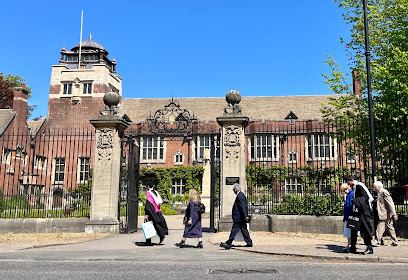
Historic theological college blending Victorian architecture with contemporary faith education in Cambridge's academic heart.
Magdalene Bridge
0.3 km
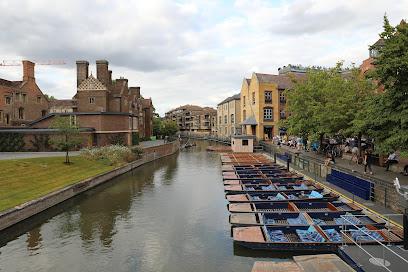
Historic cast-iron bridge over the River Cam, linking Cambridge’s academic heart with its ancient trading past.
Castle Park
0.3 km
Historic green space featuring the Norman Cambridge Castle Mound with panoramic city views and tranquil parkland near the city centre.
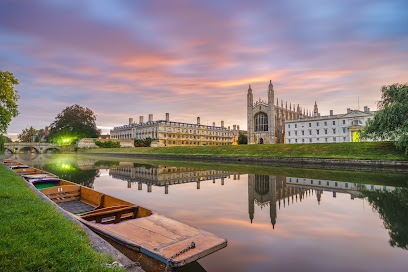
Bridge of Sighs
0.4 km
A Victorian Gothic covered bridge spanning the River Cam, linking history and beauty at St John's College, Cambridge.
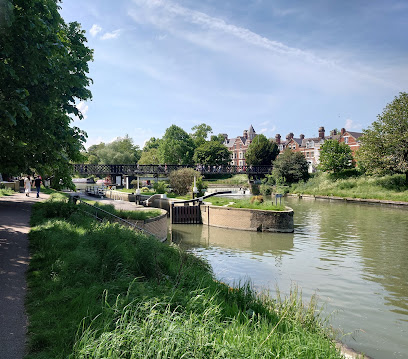
Jesus Lock
0.4 km
Historic Jesus Lock on the River Cam offers serene riverside charm and a unique glimpse into Cambridge's aquatic heritage.
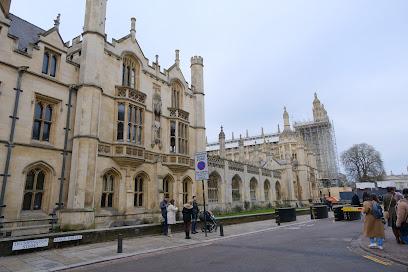
The Old Schools
0.8 km
Historic university landmark at Trinity Lane, blending Gothic and classical architecture at the heart of Cambridge's academic tradition.
Senate House Hill
0.8 km
Historic Senate House Hill in Cambridge offers stunning views, iconic architecture, and a vibrant academic atmosphere at the heart of the university city.

University Museum Of Zoology
1.1 km
Discover the rich biodiversity and fascinating zoological exhibits at the University Museum of Zoology, a top tourist attraction in Cambridge.
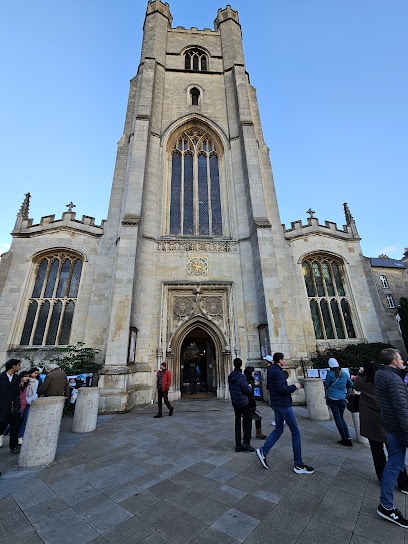
10 Downing Street
1.1 km
Explore the historical charm of 10 Downing Street in Cambridge, a symbol of British politics and architectural beauty, perfect for history enthusiasts.
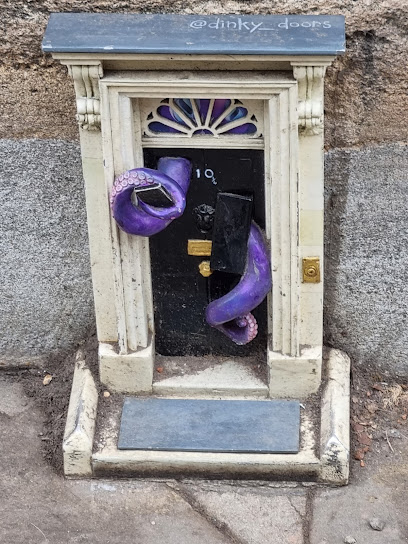
Mathematical Bridge
1.1 km
Explore the Mathematical Bridge in Cambridge, a stunning example of 18th-century engineering and a must-see tourist attraction.
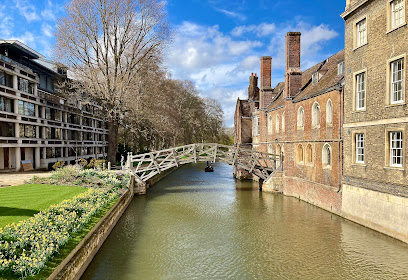
Duke House
1.1 km
A charming boutique guesthouse blending historic elegance with warm hospitality in central Cambridge.
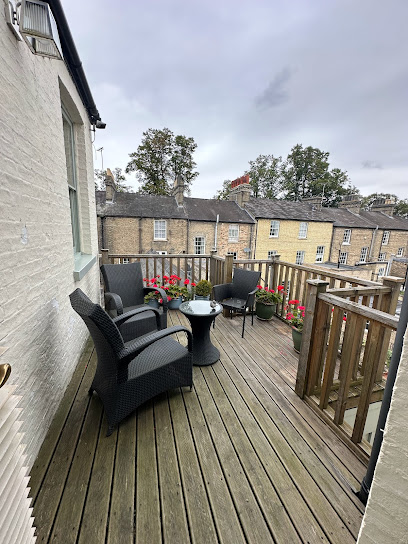
Museum of Archaeology and Anthropology
1.1 km
Explore the Museum of Archaeology and Anthropology in Cambridge – a treasure trove of global history and culture that captivates every visitor.
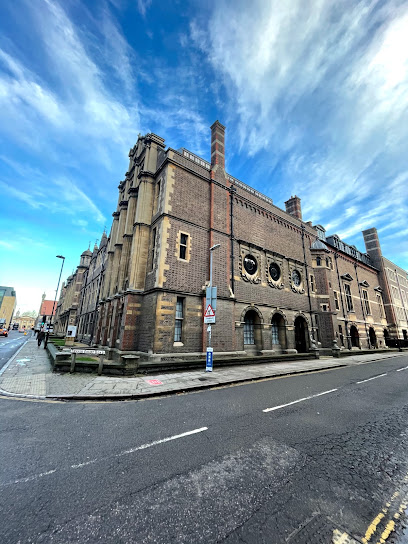
Sedgwick Museum of Earth Sciences
1.1 km
Explore the Sedgwick Museum of Earth Sciences in Cambridge – a fascinating journey through the planet's geological and biological history.
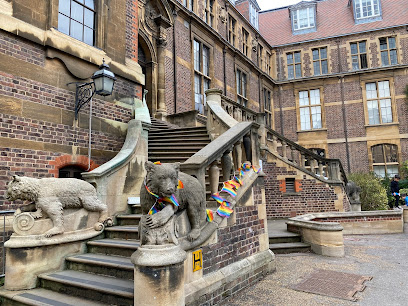
Arts Picturehouse
1.2 km
Discover a unique cinematic experience at Arts Picturehouse, Cambridge's historic cinema showcasing independent films and classic favorites.
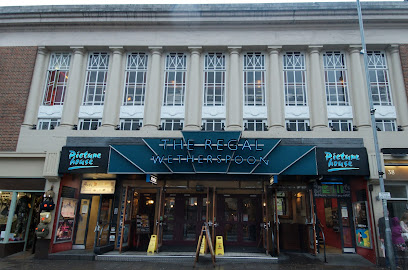
Unmissable attractions to see

Kettle's Yard
0.1 km
Discover Kettle's Yard, where modern art meets historic charm in a serene Cambridge home and gallery.
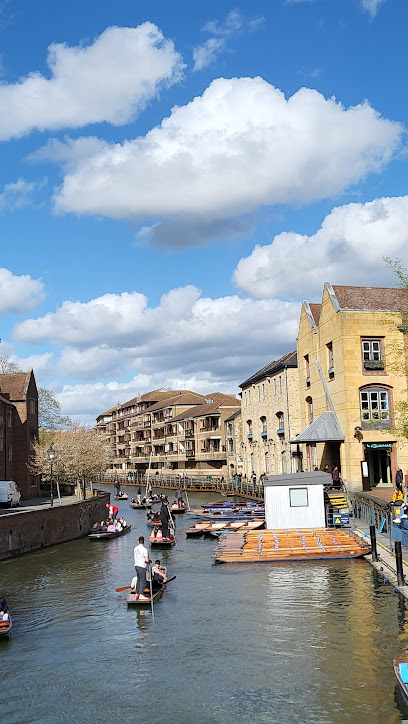
Museum of Cambridge
0.1 km
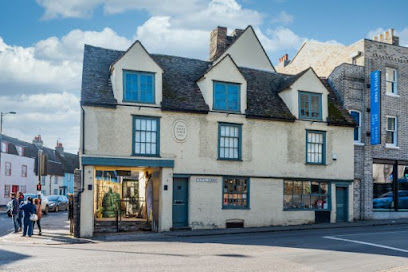
Discover the rich tapestry of Cambridgeshire’s everyday history in a charming 17th-century coaching inn just steps from the city centre.
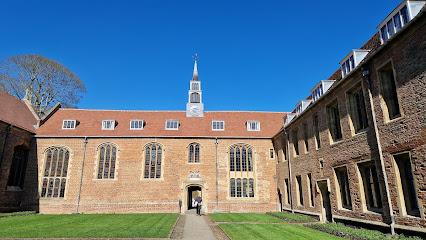
Magdalene College
0.2 km
Discover Magdalene College, a serene riverside Cambridge gem blending medieval charm with academic heritage and stunning architecture.
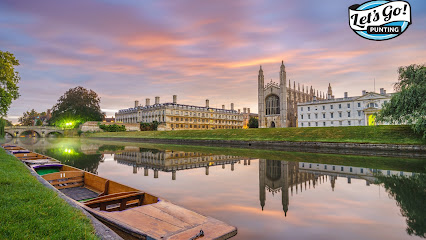
Lets Go Punting Cambridge
0.2 km
Discover Cambridge’s historic charm on a serene, expertly guided punting tour along the iconic River Cam.
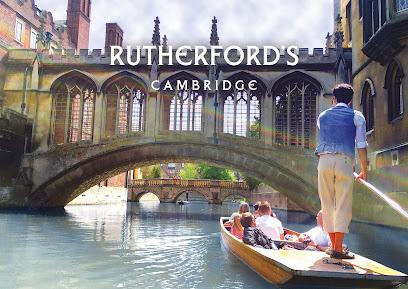
Rutherford's Punting Cambridge
0.3 km
Experience the enchanting beauty of Cambridge's waterways with Rutherford's Punting, offering guided tours and boat rentals for all visitors.
Scholars Punting
0.3 km
Experience Cambridge’s iconic colleges from a handcrafted punt with expert guides on the tranquil River Cam.
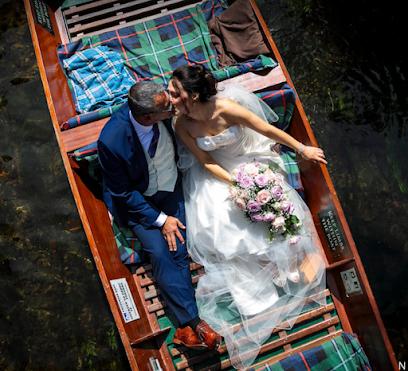
Scudamore's Punting Company
0.3 km
Glide through Cambridge's historic waterways aboard a traditional flat-bottomed punt, guided by knowledgeable locals or steering your own course.
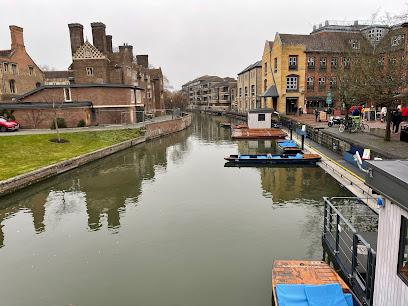
Alexandra Gardens
0.3 km
A peaceful Cambridge haven with vibrant flowerbeds, unique playgrounds, and a welcoming community spirit for all ages.
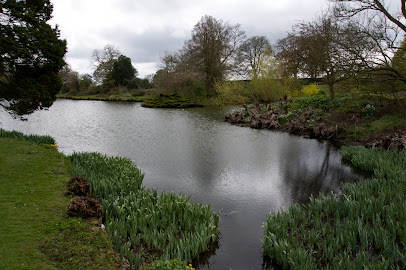
Dinky door: Ride and Park
0.4 km
Historic lock-keeper’s house beside Cambridge’s only River Cam lock, blending heritage charm with riverside tranquility.
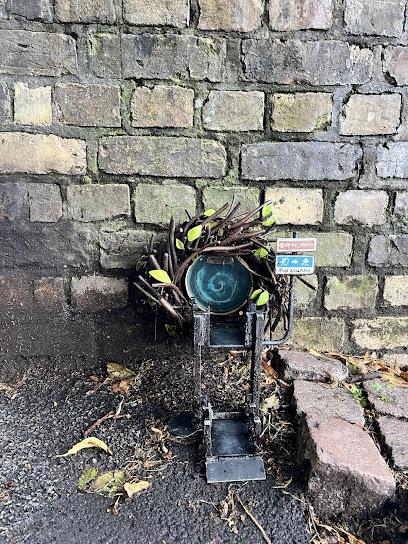
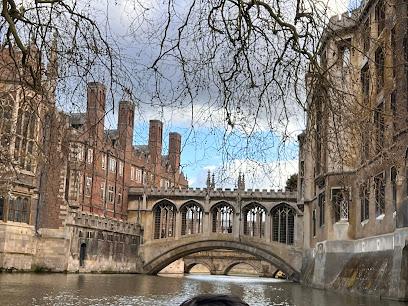
Kitchen Bridge, St John's College
0.5 km
Historic Kitchen Bridge at St John's College, a serene stone span blending early 18th-century craftsmanship with Cambridge's timeless academic heritage.
Christian Heritage
0.5 km
Discover Cambridge’s iconic 12th-century Round Church, a rare Norman circular landmark rich in history, architecture, and Christian heritage.
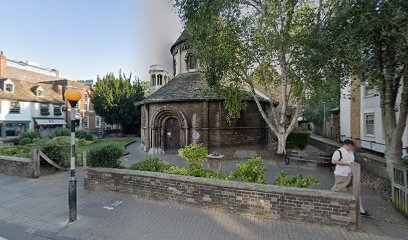
The Round Church
0.5 km
Explore Cambridge’s medieval marvel: a rare 12th-century round church inspired by Jerusalem’s Holy Sepulchre, rich in history and Norman architecture.

St John's College
0.5 km
Walk through centuries of Cambridge history at St John’s College, home to the iconic Bridge of Sighs, a magnificent chapel, and tranquil riverside gardens.

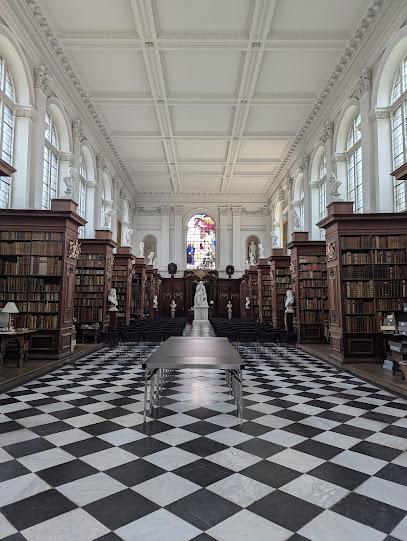
Wren Library
0.5 km
Discover the historic Wren Library at Trinity College, Cambridge—home to rare manuscripts, stunning architecture, and centuries of intellectual heritage.
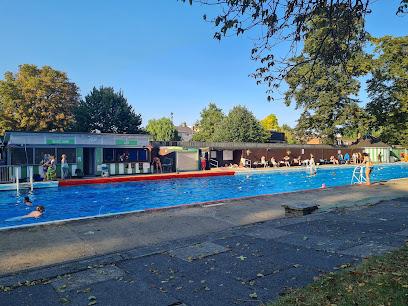
Jesus Green
0.6 km
Historic riverside park in Cambridge offering open green spaces, tennis courts, a children’s playground, and one of Europe’s longest outdoor pools.
Essential places to dine

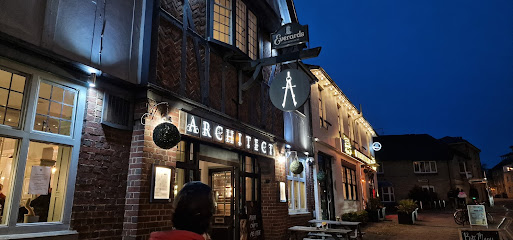
The Architect
0.1 km
Cambridge’s vibrant gastropub serving classic fish & chips and pies with a modern, inclusive twist in a welcoming setting.
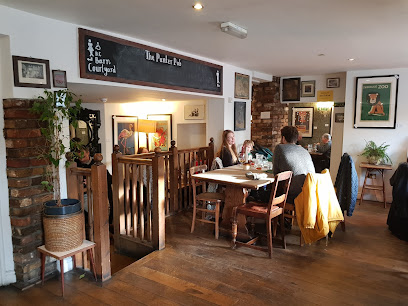
The Punter
0.2 km
A cozy gastropub blending classic British fare with quirky charm and a welcoming atmosphere in the heart of Cambridge.
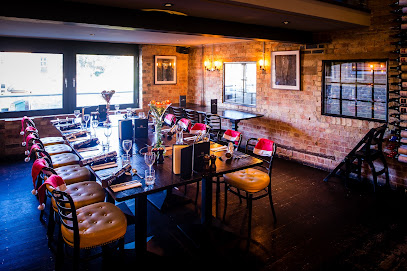
The Riverbar Steakhouse and Grill
0.3 km
Upscale riverside steakhouse in Cambridge with expertly cooked steaks, scenic river views, and a lively rooftop cocktail terrace.
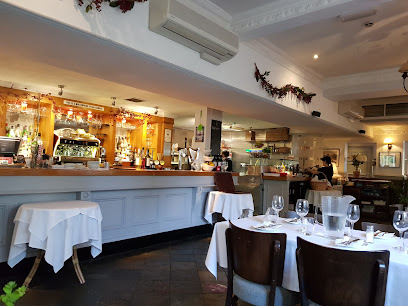
La Mimosa
0.3 km
Experience authentic Italian flavors and warm hospitality by the scenic River Cam at La Mimosa, Cambridge’s cherished family-run restaurant.
Las Iguanas - Cambridge
0.3 km
Experience a vibrant Latin American fiesta with bold flavors, lively cocktails, and riverside views at Las Iguanas Cambridge.
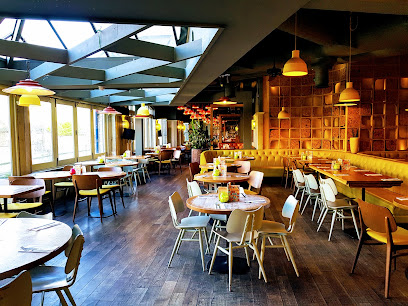
Galleria restaurant cambridge
0.3 km
Elegant continental dining with riverside views and romantic balconies in the heart of Cambridge’s historic center.
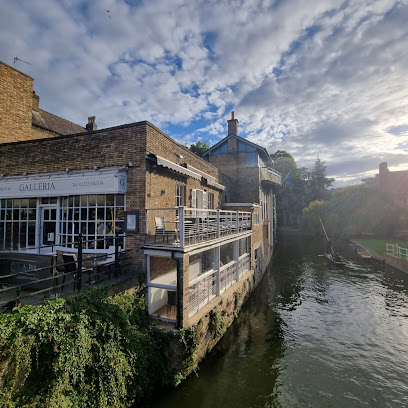
Côte Cambridge
0.4 km
Classic French brasserie charm meets modern dining in the heart of Cambridge, with inclusive menus and a warm, romantic atmosphere.
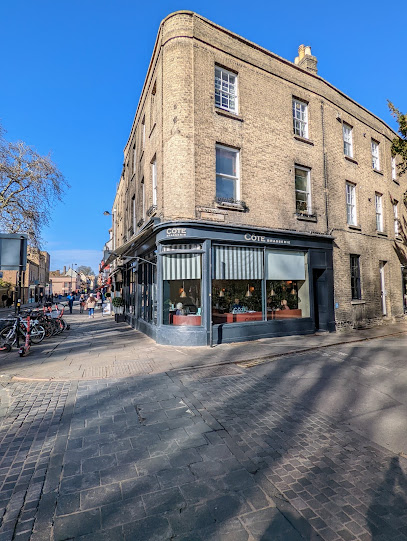
Gastrono-me
0.4 km
Vibrant brunch and cocktail bar in Cambridge offering generous portions, vegan-friendly dishes, and a lively atmosphere near the city centre.
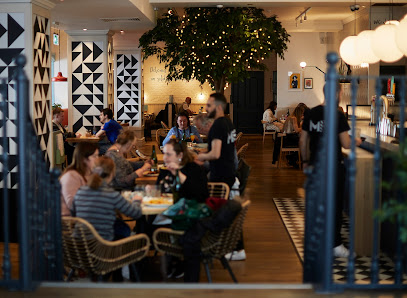
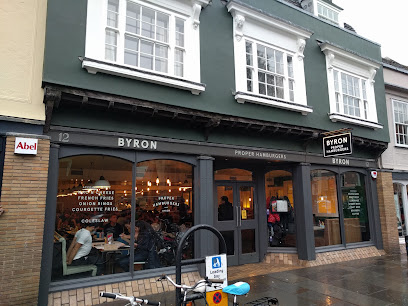
Byron
0.5 km
Savour expertly crafted, indulgent burgers in a stylish, cosy setting at Byron Cambridge, the home of proper burgers since 2007.
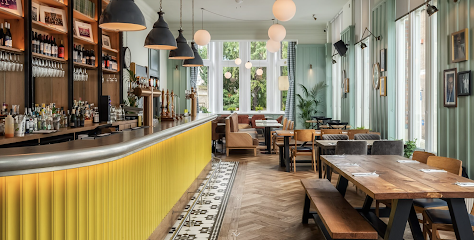
The Orator
0.5 km
Historic Cambridge Union’s stylish bar and brasserie blending tradition with modern dining and a lively beer garden.
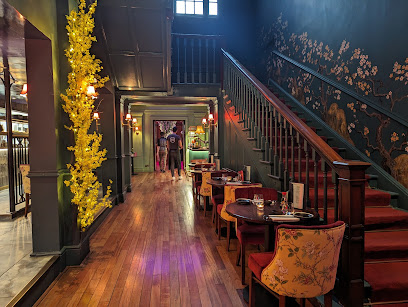
KIBOU Japanese Restaurant & Bar Cambridge
0.6 km
Experience authentic Japanese cuisine and vibrant ambiance in Cambridge’s stylish KIBOU Japanese Restaurant & Bar, where sushi artistry meets elegant design.
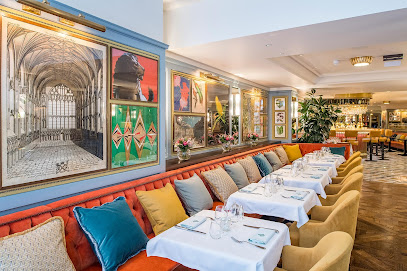
The Ivy Cambridge Brasserie
0.6 km
A vibrant British brasserie in Cambridge city centre, blending classic elegance with lively atmosphere and exceptional dining.
Trinity Restaurant
0.7 km
A charming Cambridge eatery blending classic pies with contemporary style opposite Trinity College’s Great Gate.
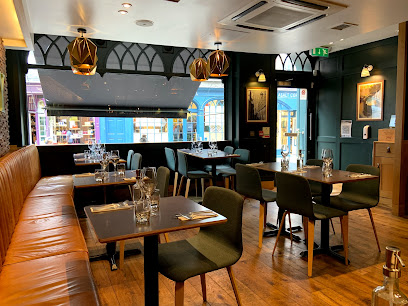
Bill's Cambridge Restaurant
0.7 km
Eclectic British dining with vibrant charm in the heart of historic Cambridge’s Green Street.
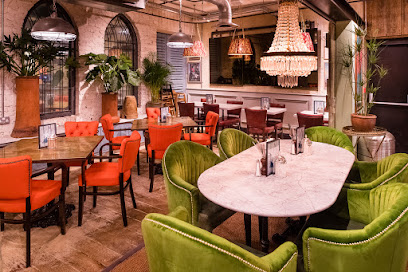
Restaurant Twenty Two
0.7 km
Michelin-starred contemporary British dining in a cozy Victorian townhouse, blending seasonal flavors with artistic precision in Cambridge.
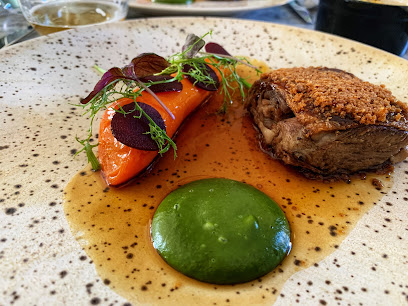
Markets, malls and hidden boutiques

Fridge
0.2 km
Discover timeless designer vintage fashion and expert service at Fridge, Magdalene Street’s iconic boutique in Cambridge.

Bowns
0.2 km
Discover luxury and elegance at Bowns, Cambridge's premier designer clothing boutique, where haute couture meets personalized service.
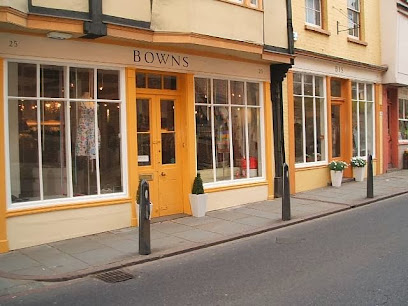
Typically British
0.3 km
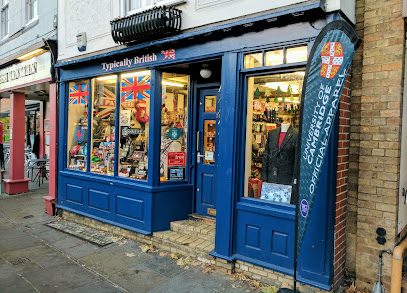
Discover authentic British and Cambridge souvenirs in a welcoming shop full of heritage and charm at 29 Bridge Street.
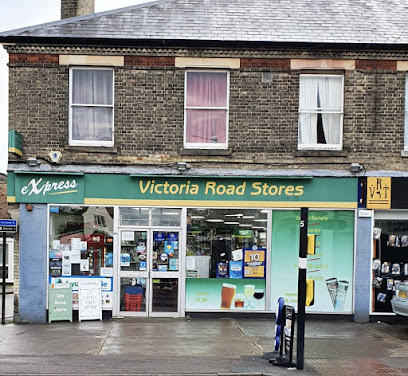
Victoria Store
0.4 km
Experience the convenience of Victoria Store in Cambridge, your one-stop shop for snacks, essentials, and local goods.
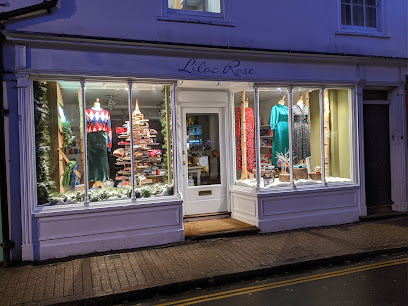
Lilac Rose
0.5 km
Discover unique British fashion and accessories in a charming independent boutique in the heart of Cambridge.
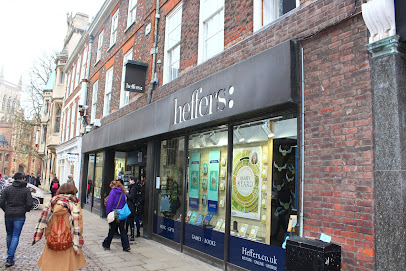
Heffers Bookshop
0.6 km
Cambridge's historic book haven since 1876: vast collections, expert staff, lively events, and treasures from academics to games in a scholar's paradise.
Jacks on Trinity
0.7 km
Authentic Cambridge gifts and official university apparel in a charming Trinity Street shop blending tradition with modern British style.
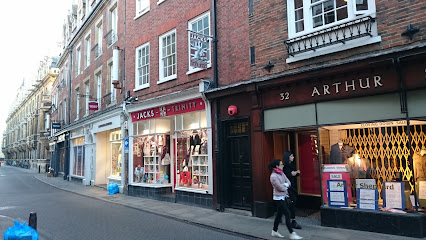
Jigsaw
0.7 km
Discover timeless elegance and premium ladies' fashion in the heart of historic Cambridge at Jigsaw on Trinity Street.
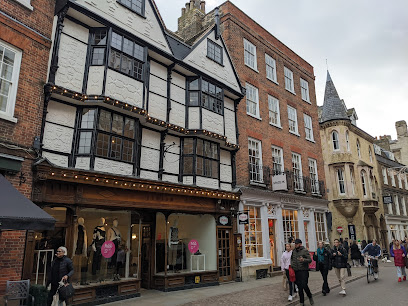
Bring It Back Cambridge
0.7 km
Discover premium vintage and streetwear fashion with a sustainable edge at Bring It Back Cambridge on Green Street.
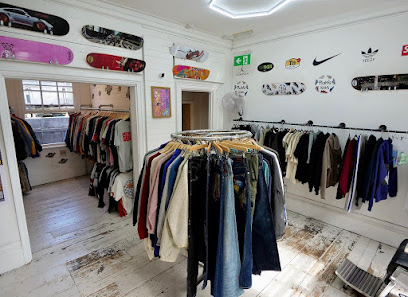
White Stuff Cambridge
0.7 km
Discover vibrant, stylish fashion for the whole family at White Stuff Cambridge, nestled in the city’s historic shopping heart.
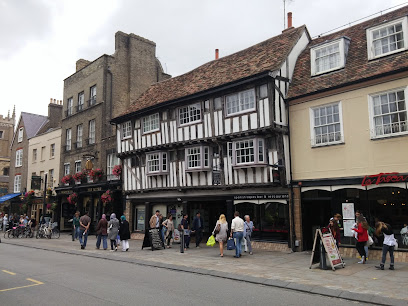
The Department of Magical Gifts
0.7 km
Step into Cambridge’s enchanting Harry Potter shop where magic, whimsy, and unique gifts create a spellbinding experience for all ages.
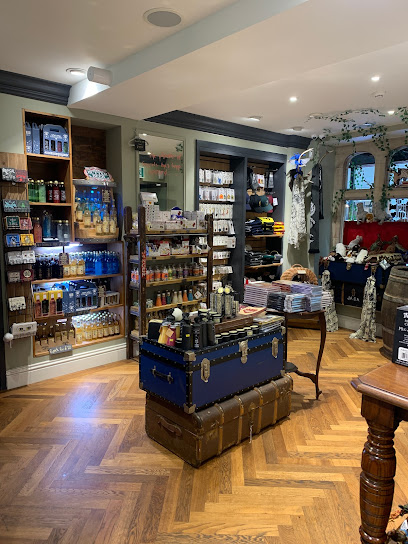
The Cambridge Gift Shop
0.7 km
A compact, friendly gift shop on Rose Crescent offering locally made crafts, stationery and Cambridge-themed keepsakes in a tidy, well-curated space.
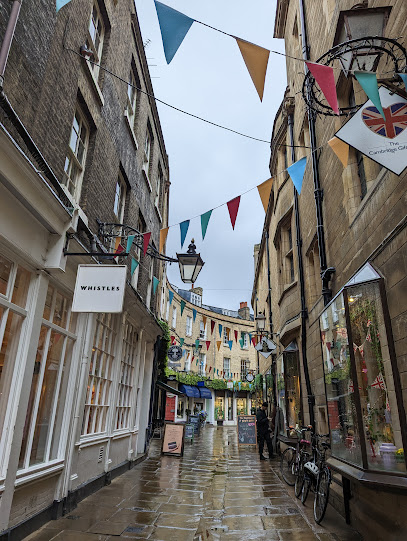
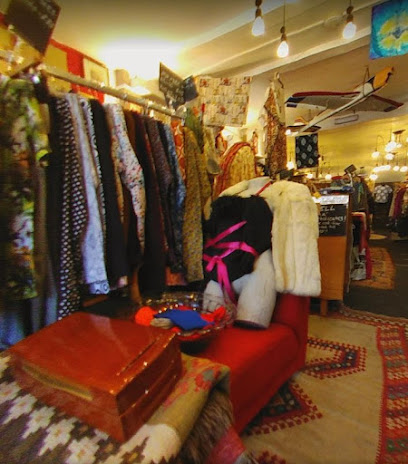
Fantasia
0.7 km
Discover unique vintage fashion at Fantasia, a charming clothing shop in Cambridge that brings nostalgia to life with every exquisite piece.
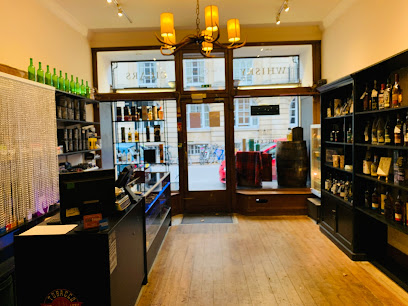
Robert Graham 1874 - whisky & cigars
0.7 km
A refined Cambridge haven for whisky lovers and cigar connoisseurs, where heritage meets expert curation in a relaxed, intimate setting.
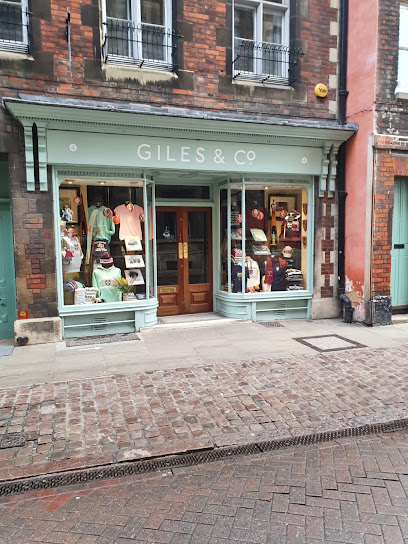
Giles & Co
0.7 km
Compact Trinity Street giftshop specialising in Cambridge-branded clothing, personalised keepsakes and locally sourced presents with friendly, knowledgeable service.
Essential bars & hidden hideouts

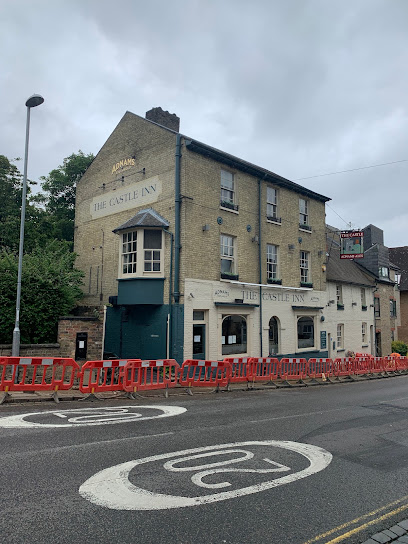
The Castle Inn
0.1 km
Traditional Cambridge pub on Castle Street serving classic British fare, local ales, and cozy vibes in the shadow of historic landmarks—a perfect pitstop for explorers.
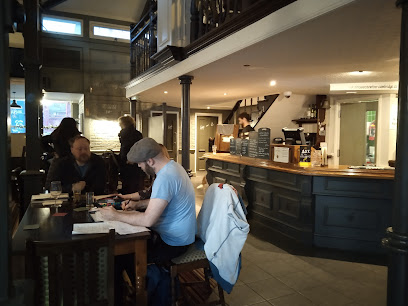
Sir Isaac Newton
0.2 km
A friendly, dog‑friendly Castle Street pub named for Cambridge’s famed scientist — casual food, sports screens and a neighbourhood atmosphere.
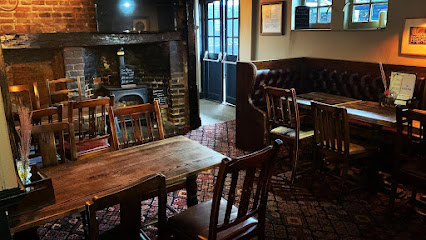
Pickerel
0.3 km
Cambridge's oldest pub pours history from 15th-century beams: real ales, riverside garden, and classic grub near Magdalene College.
Modern Jazz
0.6 km
Hidden jazz gem on Jesus Lane where modern rhythms pulse amid Cambridge's historic whispers—intimate gigs fueling the city's creative soul.
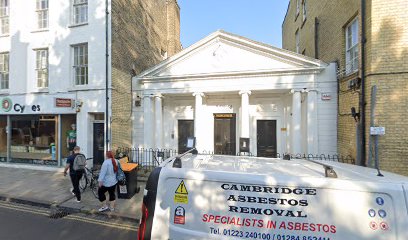
Hidden Rooms
0.6 km
Discover Cambridge's underground speakeasy: creative cocktails, live tunes, and intimate vibes in historic vaults on Jesus Lane.
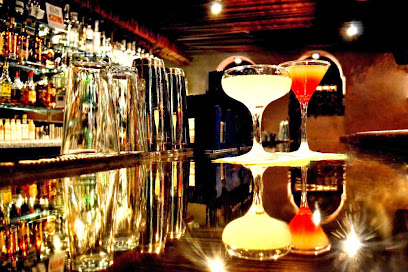
The Tivoli
0.6 km
A vibrant four-floor venue in Cambridge offering mini golf, shuffleboard, rooftop views, craft drinks, and casual dining for memorable social experiences.
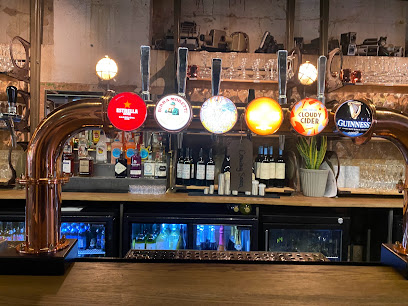
2648 Cambridge
0.7 km
Step into 2648 Cambridge for expertly crafted cocktails in a nostalgic, vinyl-filled setting at the heart of Trinity Street’s vibrant nightlife.
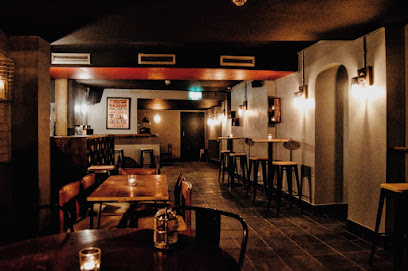
La Raza
0.7 km
Cambridge's basement gem for Spanish tapas, craft cocktails, and live funk beats—from daytime café to late-night haven.
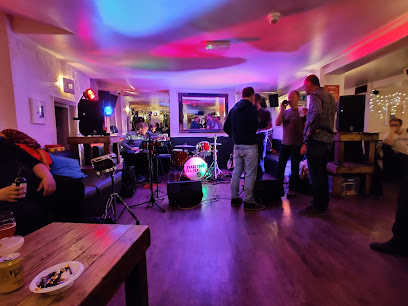
Town and Gown
0.7 km
A vibrant Cambridge pub and intimate theatre where university meets local life in a lively, historic setting with great food and entertainment.
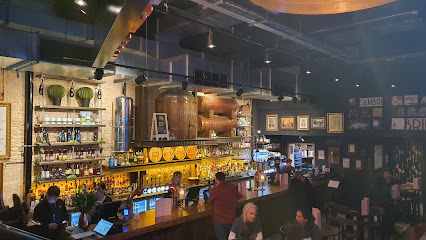
The Cambridge Brew House
0.7 km
Classic British pub charm meets craft brewing excellence in the heart of Cambridge’s vibrant King Street.
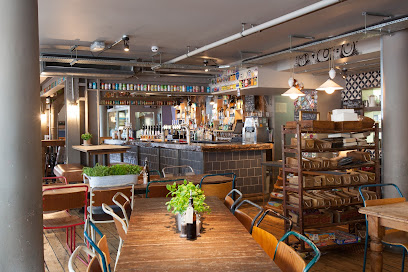
Ta Bouche
0.7 km
Experience Cambridge’s lively cocktail scene with creative drinks, fresh food, and a vibrant social atmosphere at Ta Bouche.
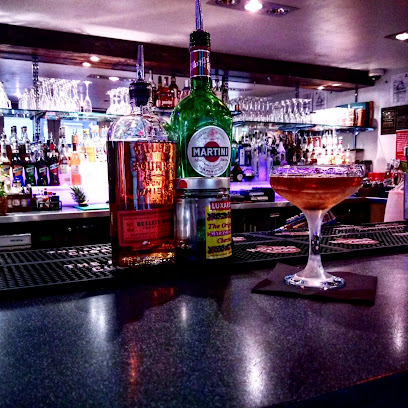
Glitterbomb
0.8 km
A vibrant queer bar in Cambridge’s city center, Glitterbomb celebrates LGBTQ+ nightlife with inclusive club nights and dynamic drag performances.
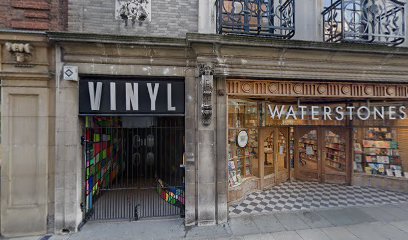
Champion Of The Thames
0.8 km
Historic Victorian pub in Cambridge offering award-winning ales, a warm atmosphere, and a genuine taste of traditional British pub culture.
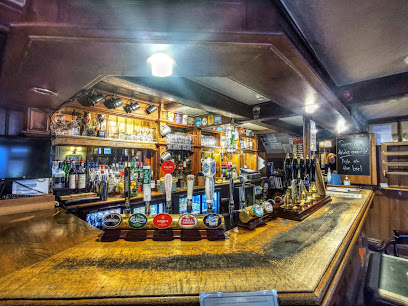
Fort St George
0.9 km
Historic 16th-century riverside pub in Cambridge offering classic British fare, local ales, and a warm, traditional atmosphere.
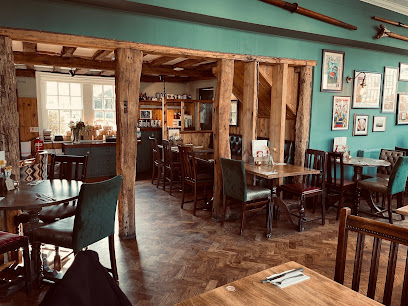
Bath House
0.9 km
Historic 17th-century Cambridge pub pouring Greene King cask ales and classic grub in a dog-friendly, family-welcoming spot steps from university landmarks.
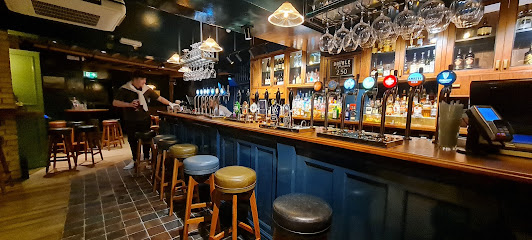
Nightclubs & after hour spots

MASH
0.7 km
Cambridge’s vibrant independent nightclub offering themed music nights and a welcoming, safe party atmosphere until the early hours.

Vinyl Cambridge
0.8 km
Dance through decades on a glowing LED floor at Vinyl Cambridge's throwback haven—2-for-1 drinks, VIP vibes, and non-stop retro anthems await in the city center.
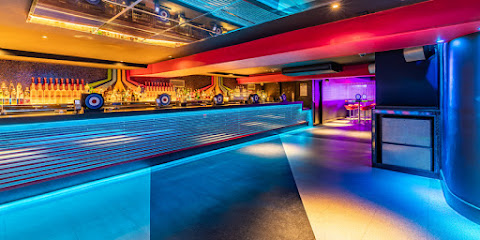
High Five
0.9 km
Cambridge's electrifying gay nightclub where themed nights, drag glamour, and inclusive dance floors ignite unforgettable evenings in the city heart.
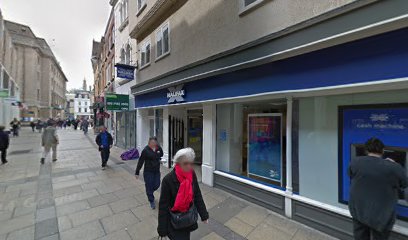
Cambridge Lola Lo
0.9 km
Step into Cambridge Lola Lo, a vibrant tiki-themed nightclub with tropical vibes, lively dance floors, and a stunning rooftop terrace in the city centre.
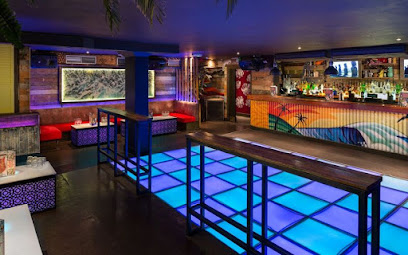
EBC Shop
1.4 km
Discover the electrifying nightlife at EBC Shop in Cambridge, where the music keeps you dancing and the atmosphere is always electric.
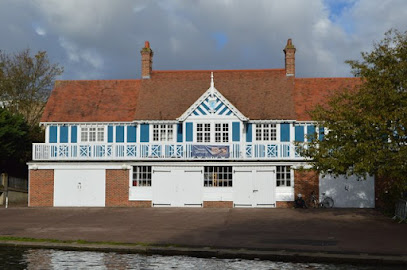
Cambridge Pop-up Speakeasy Jazz
1.5 km
Free live jazz pop-ups in a historic Cambridge pub: intimate sets, diverse musicians, speakeasy vibes on select Wednesdays at 7:30pm.
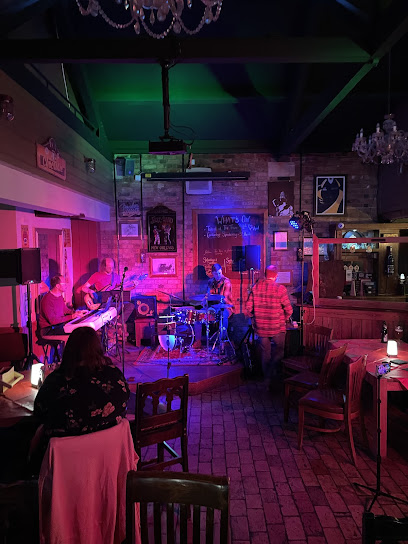
Cambridge Working Mens Club
1.6 km
Discover the lively ambiance of Cambridge Working Mens Club, a perfect blend of local culture, music, and community spirit.
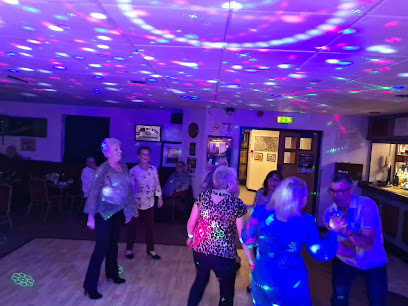
Newnham Croft Social and Sports Club
1.9 km
Experience the vibrant community spirit at Newnham Croft Social and Sports Club, a lively venue for live music, events, and friendly gatherings in Cambridge.
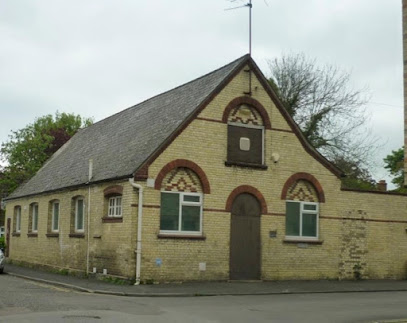
80s karaoke bar
1.9 km
Neon-lit, 80s-themed karaoke on Hills Road—compact, group-friendly singalongs from the early evening into the night.

The Calling
2.2 km
Discover the vibrant nightlife at The Calling, Cambridge's premier event management venue, perfect for unforgettable experiences and fun times.
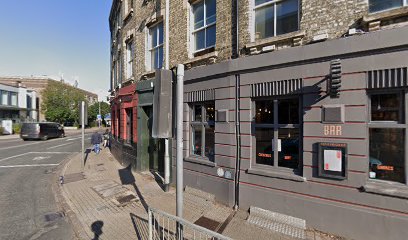
Cambridge Junction
2.8 km
Discover the heart of Cambridge's nightlife at Cambridge Junction, a dynamic venue for live music, comedy, and unforgettable performances.
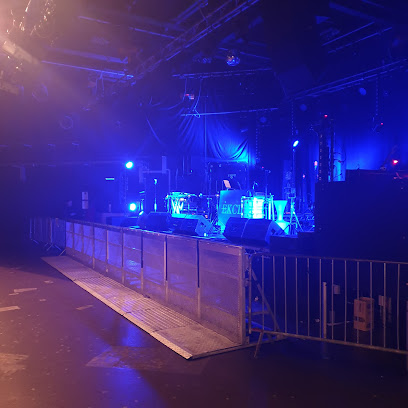
Salisbury Club
2.8 km
Cambridge's cozy Mill Road club: retro discos, pool tables, cheap drinks, and community spirit in a true local gem.
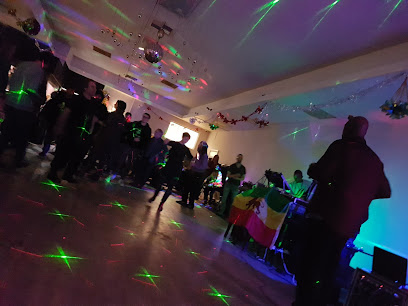
Sing Dizzy
2.8 km
Sing Dizzy offers Cambridge a lively karaoke bar experience with costumes, props, and an extensive song list for unforgettable nights of fun and music.
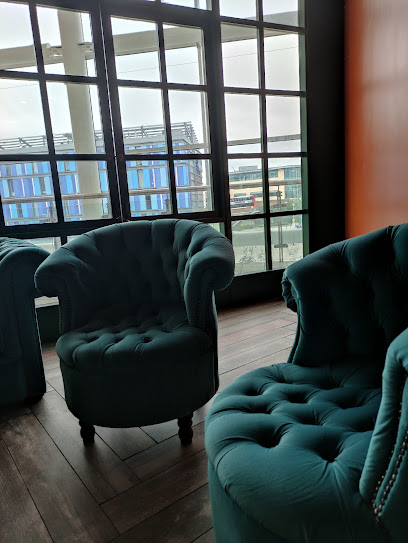
Rock
3.5 km
Experience the vibrant atmosphere and delicious cuisine at The Rock, a beloved pub and restaurant in the heart of Cambridge.
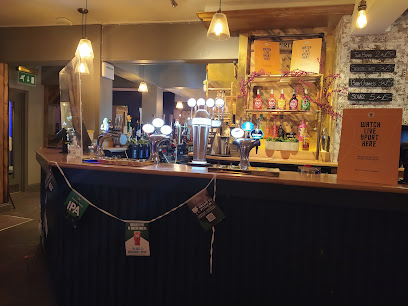
The Lounge
18.0 km
A lively nightclub and wine bar on The Broadway, offering vibrant late-night entertainment in the heart of St Ives.
For the vibe & atmosphere seeker
- Relaxing
- Tranquil
- Scenic
- Unique
For the design and aesthetic lover
- Rustic Designs
For the architecture buff
- Historic
- Landmarks
- Parks & Gardens
For the view chaser and sunset hunter
- Iconic Views
- Panoramas
- Sunset Spots
For the social media creator & influencer
- Instagrammable
- Photo Spots
- Selfie Spots
For the eco-conscious traveler
- Protected Area
- Public-Transport Accessible
- Leave-No-Trace Critical
For the kind of experience you’re after
- Cultural Heritage
- Photowalk
- Nature Escape
- Day Trip
- Weekend Getaway
For how adventurous you want the journey to be
- Easy Access
Location Audience
- Family Friendly
- Senior Friendly
- Child Friendly
- Teen Friendly
- Wheelchair Access
- Pet Friendly
- Solo Friendly
- Couple Friendly


