Tintern Abbey
Gothic masterpiece where medieval splendour meets Romantic inspiration on the River Wye.
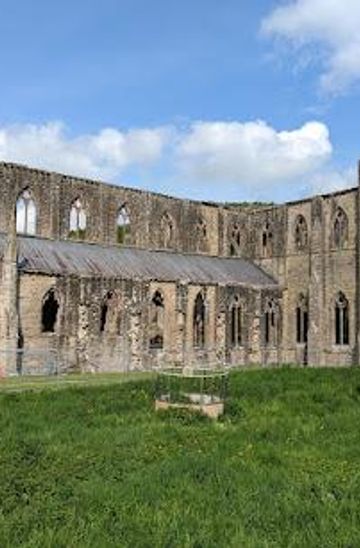
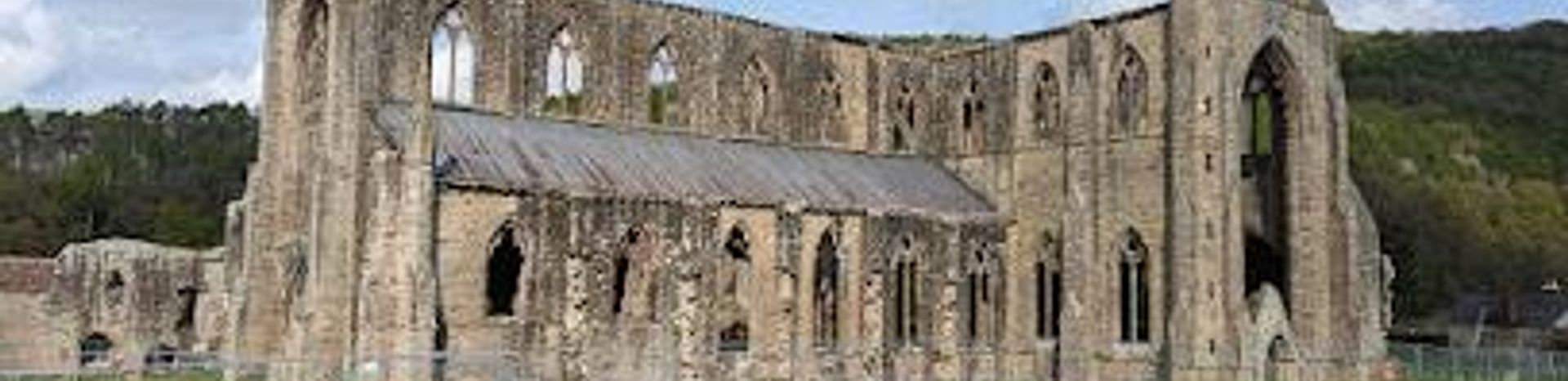
Tintern Abbey stands as one of Britain's most iconic medieval ruins, a breathtaking Cistercian monastery founded in 1131 on the banks of the River Wye in Monmouthshire, Wales. Built from local Old Red Sandstone, its soaring Gothic arches and magnificent west front with a seven-light window showcase exceptional medieval architecture. Though roofless and partially scaffolded for ongoing conservation work, the abbey remains the best-preserved medieval abbey in Wales. Dissolved in 1536, it later inspired Romantic-era poets and artists including Wordsworth and Turner, who were captivated by its sublime beauty. Today managed by Cadw, it welcomes approximately 17,000 visitors annually seeking to experience its unique blend of spiritual tranquility, architectural grandeur, and natural riverside setting.
A brief summary to Tintern Abbey
- Tintern Abbey, Tintern, NP16 6SE, GB
- Click to display
- Click to display
- Duration: 1 to 2 hours
- Budget
-
 Outdoor
- Mobile reception: 4 out of 5
- Monday 10 am-4 pm
- Tuesday 10 am-4 pm
- Wednesday 10 am-4 pm
- Thursday 10 am-4 pm
- Friday 10 am-4 pm
- Saturday 10 am-4 pm
- Sunday 10 am-4 pm

Know before you go
Hi, I'm Eve. Here are a few practical things to know before exploring Tintern Abbey.
- Book tickets online in advance to receive a 5% discount and guarantee entry, especially during peak season. Online booking is available up to 24 hours ahead.
- Visit on weekday mornings to experience the abbey with fewer crowds and better opportunities for photography and peaceful exploration.
- Allow 1–2 hours for your visit, including time to explore the ruins, read information boards, and browse the gift shop. The parking fee can be redeemed as a voucher toward admission.
- Wear sturdy, comfortable footwear with good grip, as walkways are uneven and can be slippery, especially after rain. The terrain requires careful footing throughout the site.
- Check the Cadw website or social media before visiting, as extreme weather may cause unexpected closures. The site is closed 24–26 December and 1 January.
Do you manage this location?
Take control to get all the benefits, like improved information, better appearance, and stronger visibility across AI-powered discovery. Learn more
Activate your presenceOther nearby places you may find interesting
Getting There
-
Car from Cardiff
From Cardiff, take the M4 motorway northbound to Junction 23, then continue onto the M48 bridge. Exit at Junction 2 and follow the A466 north toward Tintern. The drive takes approximately 45–60 minutes and covers roughly 35 kilometres. Tintern Abbey has a dedicated pay-and-display car park on-site; the parking fee can be redeemed as a voucher toward admission. Parking typically costs £2–3 for a few hours.
-
Car from London
From London, take the M4 motorway westbound to Junction 21, then continue onto the M48 bridge. Exit at Junction 2 and follow the A466 north toward Tintern. The drive takes approximately 2–2.5 hours and covers roughly 150 kilometres. The same pay-and-display car park is available on-site with fee redemption toward admission.
-
Public Transport from Chepstow
Chepstow railway station is approximately 8 kilometres south of Tintern Abbey. From the station, local bus services operate along the A466 corridor, though frequency varies seasonally. Journey time by bus is approximately 20–30 minutes depending on service and stops. Alternatively, taxi services are available from Chepstow, typically costing £15–25 for the journey. Check Traveline Cymru (0800 464 0000) for current bus schedules and National Rail Enquiries (03457 48 49 50) for train connections.
-
Walking from Tintern Village
Tintern village centre is approximately 1–1.5 kilometres from the abbey. A scenic riverside walk along the Wye Valley Walk trail connects the village to the abbey, taking 20–30 minutes on relatively level terrain with good footing. The route follows the River Wye and offers beautiful valley views. This option is ideal for those staying locally or combining the visit with exploration of the surrounding area.
For the on-the-go comforts that matter to you
-
 Restrooms
-
 Drink Options
-
 Food Options
-
 Seating Areas
-
 Trash Bins
-
 Information Boards
-
 Visitor Center
Discover more about Tintern Abbey
A Cistercian Vision in Stone
Tintern Abbey was founded in 1131 by Cistercian monks seeking solitude in the verdant Wye Valley. What began as humble timber structures evolved into one of Wales' most important spiritual and architectural centres. The monks constructed a stone church and cloisters, and by 1269, wealthy Marcher Lords' patronage enabled the construction of a magnificent new abbey church. Built from local Old Red Sandstone in varying shades of purple, buff, and grey, the abbey church stretches 228 feet in length with a cruciform design, its soaring arches and intricate stonework representing the pinnacle of Gothic ecclesiastical architecture. For over 400 years, Tintern thrived as a centre of monastic life, prayer, and learning, its influence extending across the Welsh borderlands.Dissolution and Romantic Rediscovery
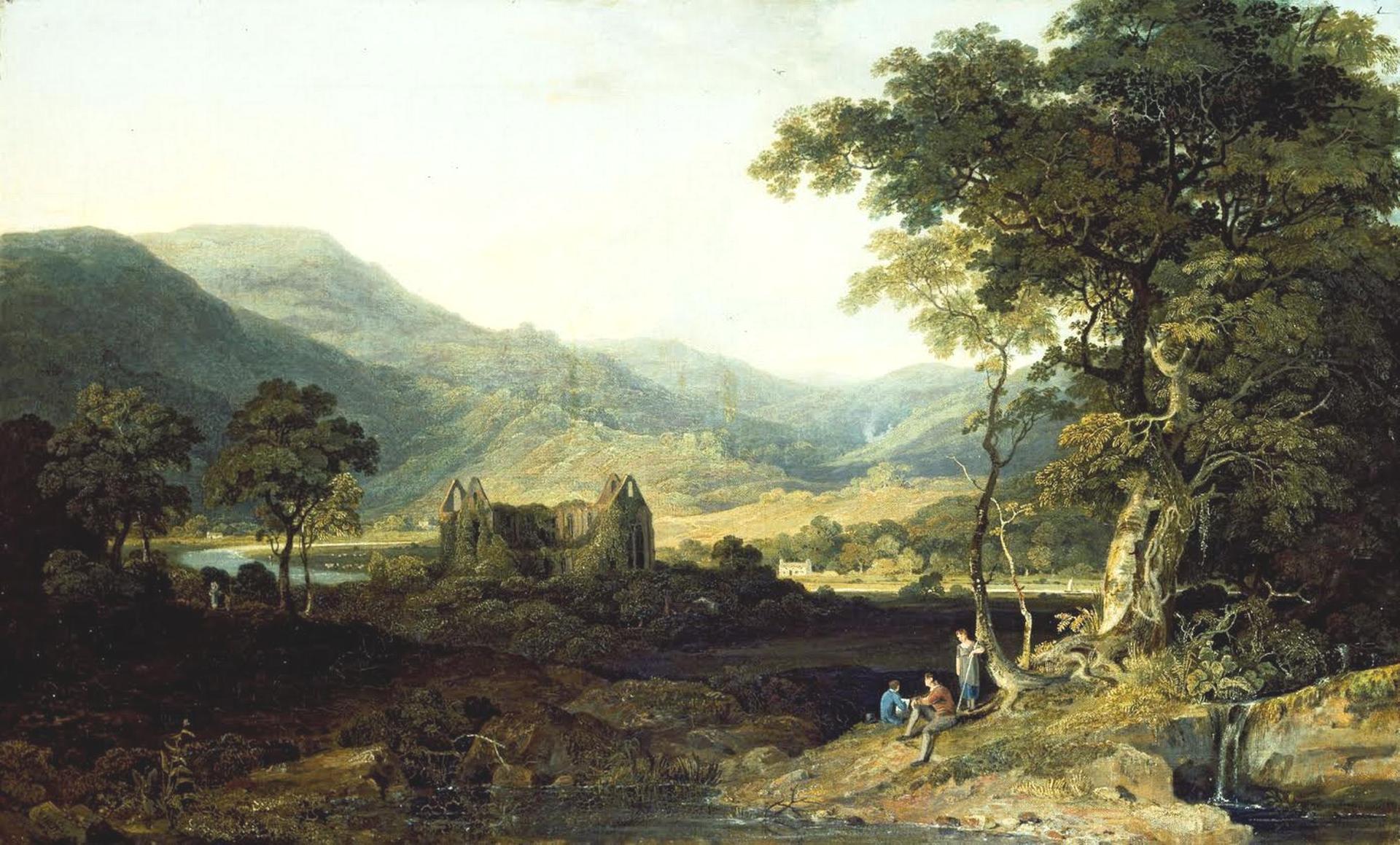
Tintern's fortunes changed dramatically with Henry VIII's Dissolution of the Monasteries. On 3 September 1536, Abbot Wych surrendered the abbey and its estates to the King's visitors, ending four centuries of monastic life. Valuables were sent to the royal Treasury, the remaining twelve monks pensioned off, and the buildings granted to Henry Somerset, 2nd Earl of Worcester. The lead roof was sold, stone was plundered for local building projects, and nature gradually reclaimed what had been one of Wales' most important spiritual centres. Yet this abandonment paradoxically preserved the abbey's essential structure, leaving behind the magnificent shell that captivates visitors today.The 18th century brought unexpected redemption through the Romantic movement. As the French Revolution and Napoleonic Wars made continental travel perilous, British travellers discovered the sublime beauty of wild landscapes such as the Wye Valley. Artists and poets flocked to Tintern, drawn by its picturesque ruins and atmospheric setting. William Wordsworth's celebrated poem "Lines Composed a Few Miles above Tintern Abbey" (1798) immortalised the site as a symbol of memory, nature, and personal transformation. Turner's evocative paintings captured its Gothic splendour, cementing Tintern's status as an icon of the Romantic imagination.Architectural Splendour and Gothic Mastery
The abbey's most striking feature is its magnificent Gothic west front, dominated by a soaring seven-light window that frames the sky beyond. The vast nave, with its ribbed vaults and slender columns, demonstrates the sophisticated engineering and aesthetic vision of medieval craftsmen. The transepts, chancel, and remains of the cloister reveal the complex spatial organisation of monastic life. Though open to the elements, the abbey's structural integrity remains remarkable—a testament to both medieval construction techniques and the durability of Old Red Sandstone. The intricate tracery, pointed arches, and decorative mouldings showcase the refined artistic sensibilities of the Gothic period, while the scale of the structure speaks to the abbey's former wealth and influence.Conservation and Modern Stewardship
In 1901, the Crown purchased Tintern Abbey for £15,000, initiating serious archaeological investigation and conservation work. Now under Cadw's (Welsh Historic Environment Service) care since 1984, Tintern is Grade I listed and subject to ongoing preservation efforts. Recent conservation programmes have addressed the weathered and crumbling sandstone on the church's upper walls, with scaffolding erected to enable essential repairs that ensure future generations can experience this magnificent site. These interventions, while temporarily affecting visitor access to certain areas, reflect a commitment to preserving Tintern's authenticity and structural integrity for centuries to come.The Wye Valley Setting and Visitor Experience
Tintern Abbey's location on the banks of the River Wye amplifies its romantic appeal and spiritual resonance. The river's gentle flow, the surrounding woodland, and the valley's natural beauty create an atmosphere of serene contemplation. Visitors can explore the ruins at their own pace, discovering details in the stonework and imagining the rhythms of monastic life that once animated these spaces. Information boards throughout the site provide historical context, while the gift shop offers publications and mementos. The nearby car park, pub, and facilities make Tintern an accessible destination for day-trippers from Bristol, Cardiff, and beyond. Whether drawn by architectural interest, literary connections, historical curiosity, or simply the tranquil atmosphere, visitors find themselves transported by the abbey's enduring power to inspire wonder and reflection.Explore the best of what Tintern Abbey has to offer















More about Monmouthshire
Discover the charm of Monmouthshire, a picturesque county in Wales known for its stunning landscapes, historic sites, and vibrant food scene.
Tell me more about Monmouthshire
Explore the elegant 17th-century Stable Block at Tredegar House, a testament to the Morgan family's equestrian heritage and architectural grandeur.
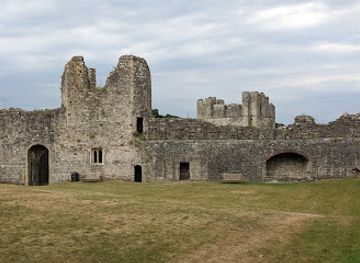
Explore Britain’s oldest stone castle perched above the River Wye, where 900 years of history and stunning views await.