Victoria Square, Clifton
A Victorian masterpiece of elegant terraces and historic gardens in prestigious Clifton.
Victoria Square is a prestigious Victorian residential square in Clifton, Bristol, built between 1837 and 1874 across four distinct architectural phases. Named to honour Queen Victoria's accession in 1837, the square features elegant Georgian and Victorian terraces with distinctive carved stone balconies, arched ground-floor windows, and period railings. The central pleasure gardens, planted with some trees dating to the 1840s, provide a tranquil green space surrounded by Grade II listed buildings. Once home to notable residents including cricketer W.G. Grace, the square exemplifies Bristol's transformation into a prestigious Victorian suburb and remains one of the city's most architecturally significant residential spaces.
A brief summary to Victoria Square
- Bristol, Clifton, GB
- Duration: 0.75 to 2 hours
- Free
-
 Outdoor
- Mobile reception: 5 out of 5

Know before you go
Hi, I'm Eve. Here are a few practical things to know before exploring Victoria Square.
- Visit during late morning or early afternoon when natural light best illuminates the carved stone details and architectural features of the terraces.
- Walk the perimeter of the square to observe the distinct architectural styles of each side, noting how Royal Promenade differs from the later detached houses.
- Look for the Royal Coat of Arms carved into numbers 7 and 8 Royal Promenade, a distinctive feature reflecting the square's royal connections.
- Explore the mature gardens in the centre, where some trees have grown since the 1840s, offering peaceful respite and seasonal colour.
- Combine your visit with nearby attractions including the Victoria Rooms and Clifton Suspension Bridge, both within walking distance.
Do you manage this location?
Take control to get all the benefits, like improved information, better appearance, and stronger visibility across AI-powered discovery. Learn more
Activate your presenceOther nearby places you may find interesting
Getting There
-
Bus
Multiple bus routes serve Clifton, with services 8, 9, and 17 stopping near Victoria Square. Journey times from Bristol city centre are typically 15–25 minutes depending on traffic and starting point. Buses run regularly throughout the day with reduced frequency in evenings and Sundays. Single fares cost approximately £1.80–£2.50.
-
Walking from Clifton Triangle
From Clifton Triangle (the main shopping and dining hub), Victoria Square is accessible via a 10–15 minute walk. Head towards Boyce's Avenue and follow it to the arched gateway entrance. The route is entirely on pavements with gentle gradients suitable for most fitness levels. This approach offers pleasant views of surrounding Victorian architecture.
-
Taxi or Ride-Share
Taxis and ride-share services (Uber, local firms) operate throughout Bristol. Journey times from the city centre are typically 10–20 minutes depending on traffic. Fares generally range from £8–£15. Drop-off points exist around the square's perimeter, though parking is limited to residents and permit holders.
-
Cycling
Victoria Square is accessible by bicycle via Clifton's residential streets. Cycle routes connect from the city centre via the Avon Valley Path and local roads. Journey time from the centre is approximately 20–30 minutes. Limited cycle parking is available; secure your bike to railings or designated stands. The surrounding streets are relatively quiet with moderate gradients.
For the on-the-go comforts that matter to you
-
 Seating Areas
-
 Information Boards
-
 Trash Bins
Discover more about Victoria Square
The Vision of a Royal Square
Victoria Square emerged from the ambitious urban planning of the Merchant Venturers, who owned the Manor of Clifton and initiated a vast building programme in the 1820s. The square was developed on land formerly known as Ferney Close, with the first formal plans appearing in 1837—the same year Queen Victoria ascended to the throne. This royal coincidence shaped the square's identity: the original terrace was named Royal Promenade, and the inclusion of the Royal Coat of Arms carved into the upper facades of numbers 7 and 8 sparked contemporary rumours that the Queen herself might visit Bristol and stay at the square. The naming of Nelson Street as Victoria Street (later Princess Victoria Street) further cemented the square's connection to the new monarch.Architectural Development Across Four Decades
Unlike many Georgian squares built as unified compositions, Victoria Square evolved gradually across nearly four decades, with each side reflecting the architectural tastes of its era. The north-west side, Royal Promenade (numbers 1–14), was constructed between 1845 and 1847 under the direction of architect John Foster. These buildings abandoned the fading Regency style in favour of a more robust Victorian aesthetic, featuring stone-carved balconies and distinctive arched ground-floor windows that remain striking today. The builder, William Reed, required substantial financial support from the Merchant Venturers—borrowing £15,000—to complete the work, reflecting the considerable investment required for such prestigious development.The remaining sides of the square followed at different times. Lansdown Place (1837) arrived early with residual Regency features including square window tops, canopied first-floor balconies, and formal railings with gateposts and stone sills. The final western terrace, comprising five large detached houses (numbers 26–30), was not completed until 1874, designed by architect James Adam Clark. This protracted development—spanning over 25 years and involving the financing of three separate builders—demonstrates the challenges of coordinating large-scale Victorian residential projects, yet the result is a harmonious ensemble of listed buildings that collectively define one of Bristol's most distinguished addresses.The Central Gardens and Wartime Changes
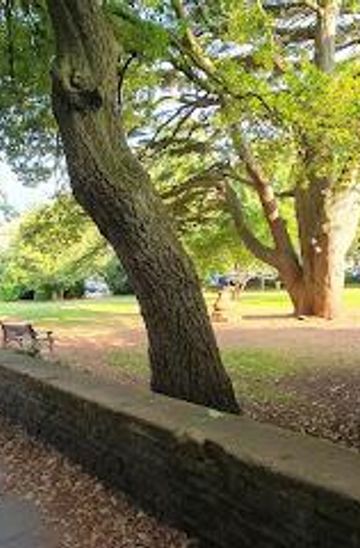
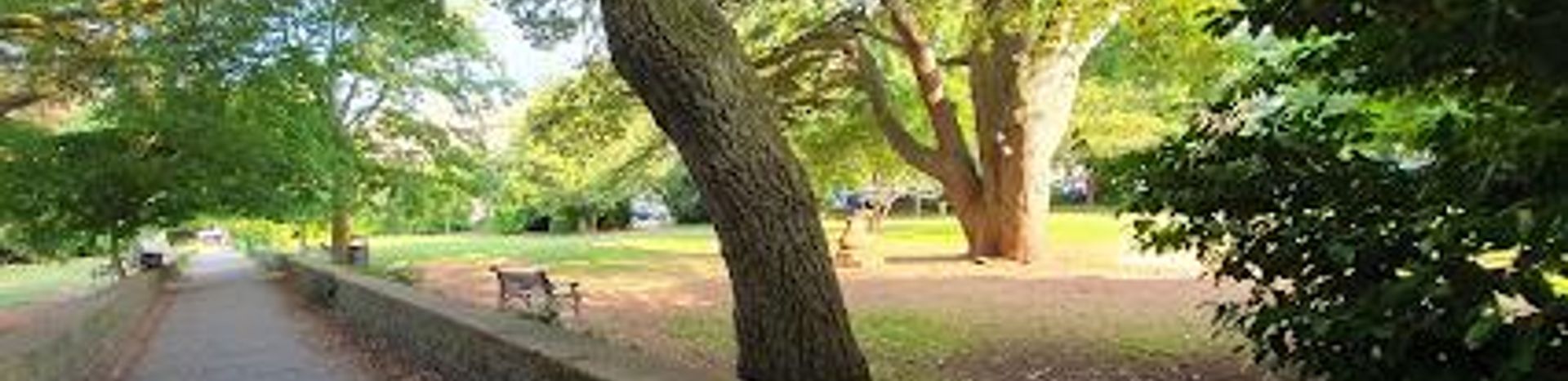
At the heart of Victoria Square lies a pleasure garden, a verdant refuge in the urban landscape. Some of the mature trees in these gardens date to the 1840s, their growth spanning nearly two centuries of Bristol's history. The gardens were originally enclosed by ornamental railings that defined the square's character and maintained its exclusivity as a private residential precinct. However, the Second World War fundamentally altered this landscape. During the Blitz, all railings surrounding the gardens were removed—partly for metal salvage and partly to open the space to the public during wartime. Large static water supply tanks were installed across the tennis courts as emergency reserves for firefighting, a practical response to Clifton's elevated position where water pressure proved difficult to maintain during air raids. Though these wartime modifications have long since been removed, they left an indelible mark on the square's appearance and accessibility.Residents of Distinction
Victoria Square attracted some of the most celebrated figures of 19th-century Bristol. Dr W.G. Grace, the legendary cricketer and founder of modern cricket, made his home here, and the square became synonymous with the cultural and intellectual elite of Victorian Bristol. The presence of such distinguished residents reflected Clifton's transformation from a fashionable spa resort centred on the Hotwells to Bristol's most prestigious Victorian suburb. The square's proximity to the newly enlarged Victoria Rooms (opened in 1842) and its commanding position overlooking the Avon Gorge made it an ideal address for those seeking both social prominence and cultural engagement.Architectural Heritage and Listed Status
Today, Victoria Square stands as a testament to Victorian ambition and architectural refinement. The individual buildings are protected as Grade II listed structures, recognising their historical and architectural significance. The variety of styles across the four sides—from late Regency through early Victorian to mid-Victorian—creates a living chronicle of architectural evolution during a transformative period in British design. The carved stonework, period railings, and distinctive fenestration patterns reward close observation, while the mature gardens provide a serene counterpoint to the urban fabric of modern Bristol.Explore the best of what Victoria Square has to offer















More about Gwent
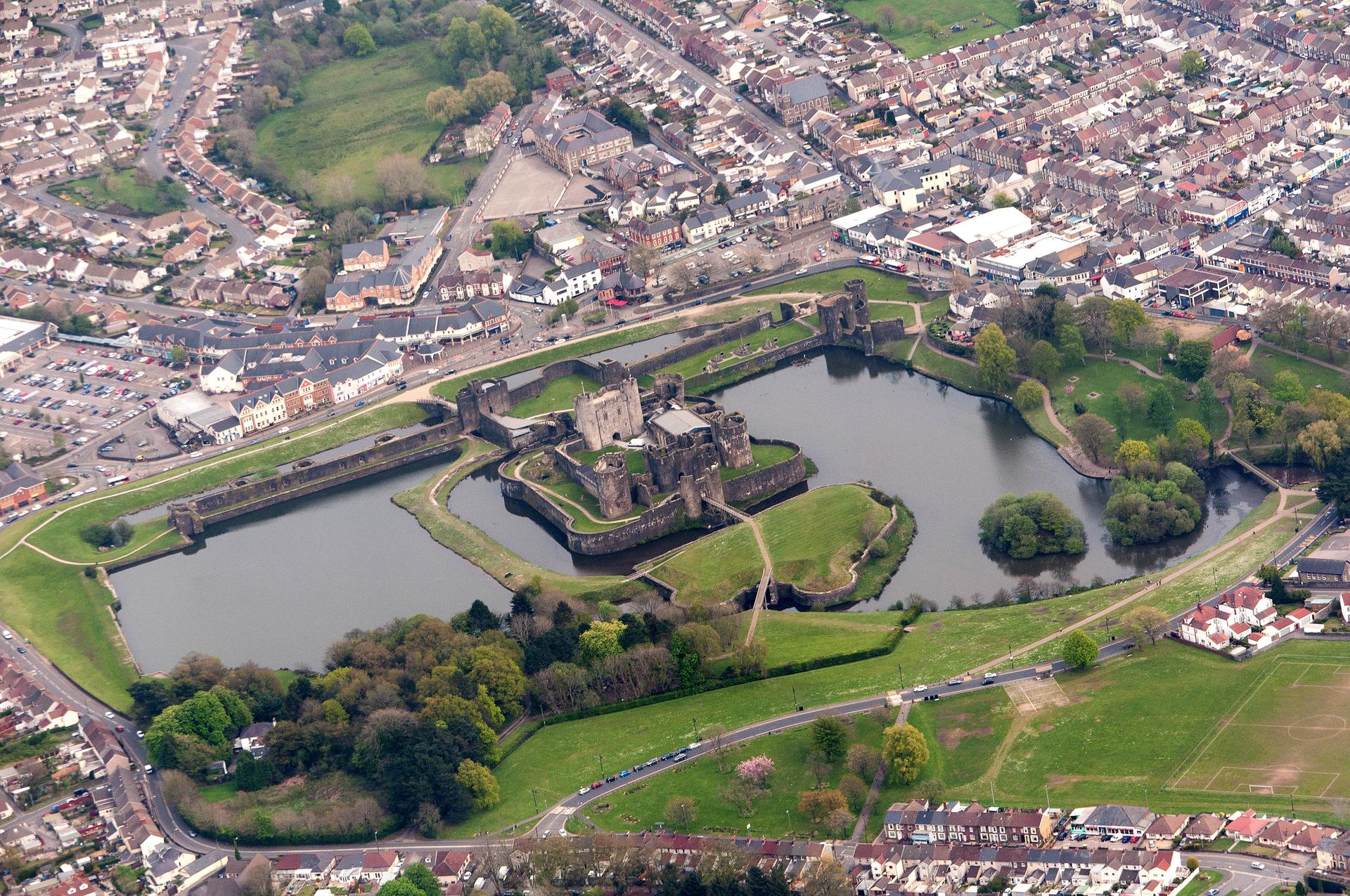
Explore Gwent, a captivating blend of ancient history, picturesque landscapes, and vibrant culture in the heart of Wales.
Tell me more about Gwent