
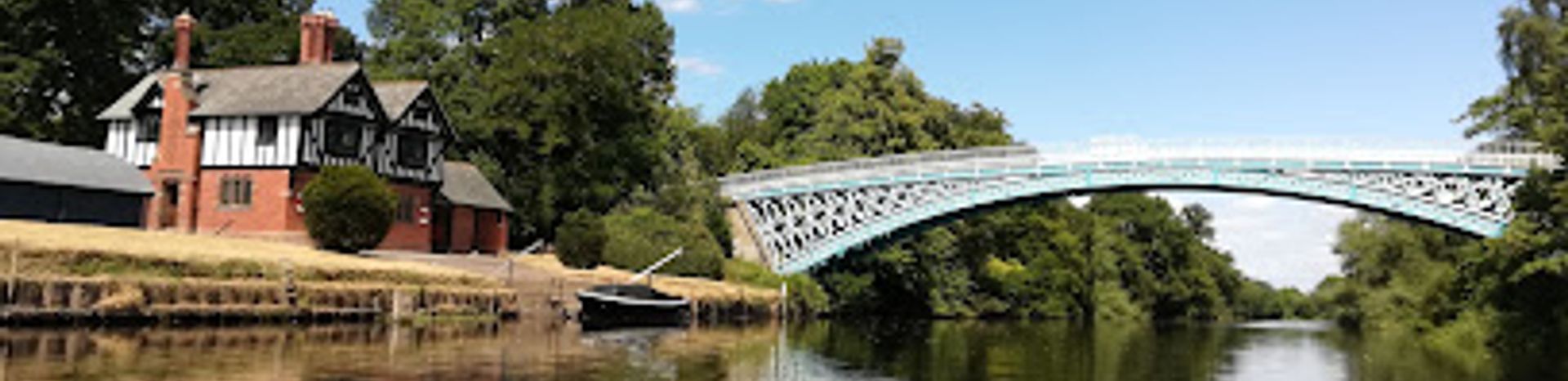
Aldford Iron Bridge: A Historic Cast Iron Marvel on the River Dee
A Grade I listed cast iron bridge from 1824, blending industrial heritage with scenic riverside charm near Chester.
The Aldford Iron Bridge, also known as Eaton Hall Bridge, is a Grade I listed cast iron bridge built in 1824 across the River Dee near Chester. Designed by Thomas Telford and constructed by William Hazledine, it connects the Eaton Hall estate with Aldford village. The bridge is renowned for its delicate ironwork, historical significance, and continued use for light road traffic within the Grosvenor estate.
A brief summary to Aldford Iron Bridge
- Chester Approach, Chester, CH4 9JD, GB
- Duration: 0.5 to 1.5 hours
- Free
-
 Outdoor
- Mobile reception: 4 out of 5
- Monday 12 am-12 am
- Tuesday 12 am-12 am
- Wednesday 12 am-12 am
- Thursday 12 am-12 am
- Friday 12 am-12 am
- Saturday 12 am-12 am
- Sunday 12 am-12 am
Local tips
- Visit during daylight hours to fully appreciate the intricate ironwork and surrounding natural beauty.
- Combine your visit with a riverside walk along the Dee to explore the Grosvenor estate and nearby Aldford village.
- Look for the cast iron inscriptions of the builders’ names at the corners of the bridge for a unique historical detail.
- Nearby Iron Bridge Lodge is an architectural highlight worth viewing, showcasing late Victorian estate design.

For the on-the-go comforts that matter to you
- Seating Areas
- Information Boards
Getting There
-
Bus
Take the Arriva bus services from Chester city center to Aldford village, which takes approximately 25 to 35 minutes. Buses run regularly but check schedules for weekend service. From Aldford, the bridge is a short walk along the riverbank footpath. No direct bus stops at the bridge itself.
-
Car
Driving from Chester to Aldford Iron Bridge takes about 15 to 20 minutes via the A483 and local roads. Parking is limited near the private estate; visitors should use designated parking areas in Aldford village and walk to the bridge. Access is subject to estate regulations.
-
Walking
For a scenic route, walk from Aldford village to the bridge along the riverside footpaths. The terrain is mostly flat and suitable for casual walkers, taking around 10 to 15 minutes. Paths are accessible but may be muddy after rain.
Aldford Iron Bridge location weather suitability
-
 Any Weather
-
 Clear Skies
-
 Mild Temperatures
-
 Rain / Wet Weather
Discover more about Aldford Iron Bridge
Engineering Excellence of the Early 19th Century
Constructed in 1824, the Aldford Iron Bridge stands as a testament to early industrial engineering and design. It was built by William Hazledine, a prominent ironfounder, to the design of the celebrated civil engineer Thomas Telford. The bridge’s cast iron components were produced at Hazledine’s foundry in Plas Kynaston, Cefn Mawr, and transported via canal and river to the Eaton Hall estate. This method of prefabrication and transport was innovative for its time, reflecting the industrial advances of the period.A Connection Between Estates and Heritage
The bridge spans the River Dee, linking Eaton Hall—the grand estate of the Grosvenor family—with the village of Aldford. It serves both a practical and symbolic role, facilitating access across the river while embodying the architectural and social history of the region. The bridge remains in use today for light road traffic, preserving its original function within a private estate setting.Artistry in Ironwork and Historical Details
Beyond its structural role, Aldford Iron Bridge is notable for its intricate cast iron detailing. The names of key figures involved in its creation—William Hazledine (contractor), William Stuttle (founder), William Crosley (surveyor), and William Stuttle Junior (founder)—are cast into the ironwork at the bridge’s corners, celebrating the craftsmanship and pride of its builders. This feature adds a personal historical dimension to the bridge, rare among similar structures.Surrounding Landscape and Architectural Companions
Nestled within the scenic grounds of the Eaton Hall estate, the bridge is complemented by Iron Bridge Lodge on the west bank, a fine example of late 19th-century estate architecture designed by Douglas and Fordham for the Duke of Westminster. The natural beauty of the River Dee and the estate’s parkland enhance the bridge’s picturesque setting, making it a favored spot for walkers and history enthusiasts.Preservation and Legacy
The bridge has undergone careful maintenance, including steel reinforcements added in 1980 to replace some original iron struts, ensuring its longevity without compromising its historic character. As a Grade I listed structure, it is protected for its exceptional architectural and historic interest, symbolizing the ingenuity of the industrial revolution and the legacy of the Grosvenor estate.Experience and Significance Today
Today, Aldford Iron Bridge offers visitors a glimpse into early 19th-century engineering and aristocratic heritage. Its elegant design and tranquil riverside setting invite appreciation of both natural and man-made beauty. The bridge’s continued use and preservation reflect a living history that connects past craftsmanship with present-day landscape and community.Iconic landmarks you can’t miss

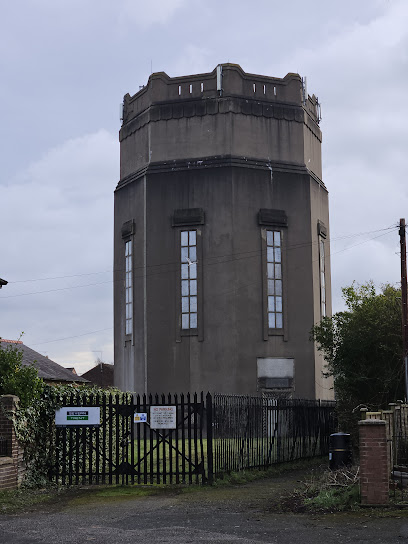
Overleigh Water Tower
5.3 km
Discover the Overleigh Water Tower, a stunning historical landmark in Chester, offering a blend of rich heritage and scenic beauty for all visitors.
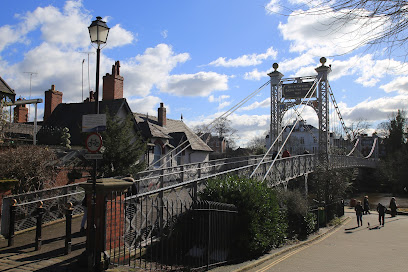
Bridge Gate and Old Dee Bridge
5.8 km
Historic medieval gateway and ancient stone bridge spanning the scenic tidal River Dee in Chester’s charming riverside setting.
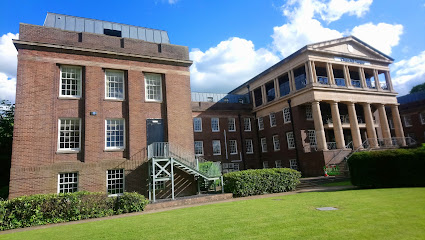
Churchill House
5.8 km
A vibrant academic landmark on Chester’s Queen’s Park campus, blending historic charm with modern learning and scenic riverside views.
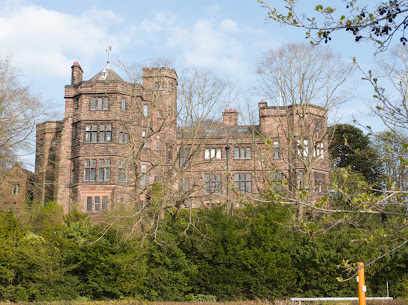
Walmoor Hill (Douglas Castle)
5.8 km
Explore Walmoor Hill, the grand Elizabethan-style Douglas Castle perched above the River Dee, a historic gem of Chester’s architectural heritage.
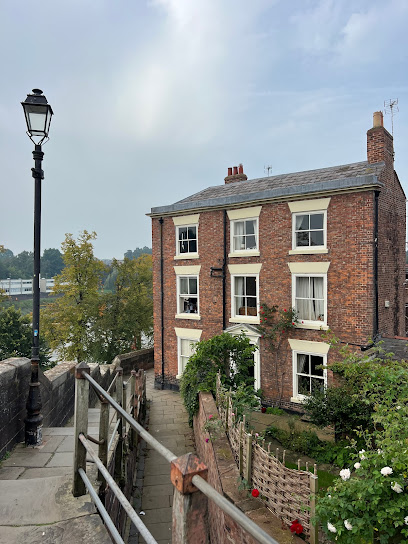
Wishing Steps
5.9 km
Historic stone steps at Chester’s medieval walls where wishes come true through a charming local tradition.
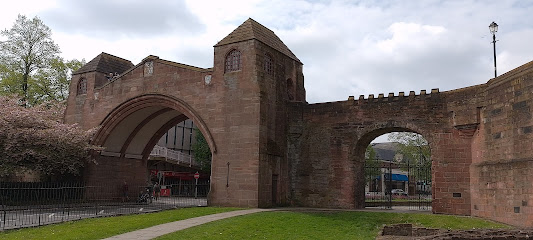
Roman South East Corner Tower
6.2 km
Explore the enduring Roman South East Corner Tower, a sentinel of Chester’s ancient fortress and a testament to Roman military engineering.
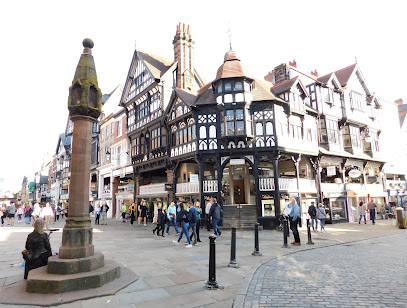
Chester Cross
6.3 km
Medieval heart of Chester where Roman streets meet Tudor architecture and civic tradition.
Crypt Chambers
6.3 km
Medieval crypt meets Victorian Gothic Revival in Chester's most architecturally significant commercial building.
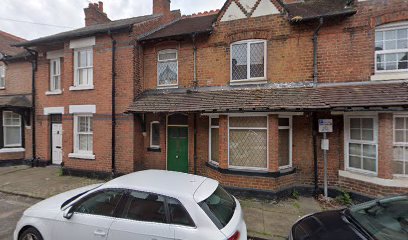
Uffington House, Chester
6.3 km
Victorian literary landmark where author Thomas Hughes built his Chester residence in 1885.
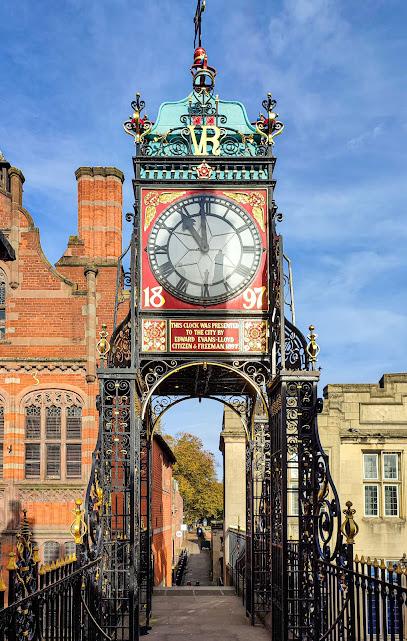
Eastgate Clock
6.3 km
A Victorian clock atop a Roman gateway, Eastgate Clock is Chester’s most iconic meeting point and one of England’s most photographed timepieces.
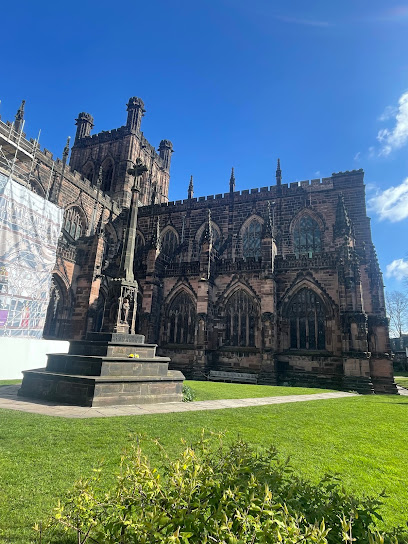
Chester War Memorial
6.4 km
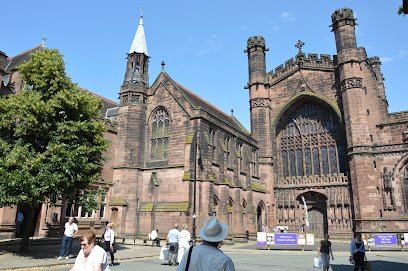
A solemn neo-medieval tribute to fallen soldiers, unveiled in 1922 within Chester Cathedral's historic grounds.
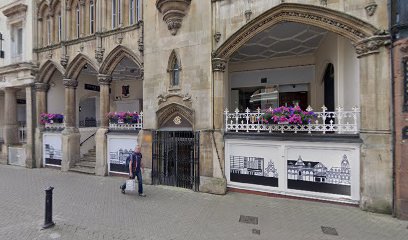
Chester Visitor Information Centre
6.5 km
Explore Chester's rich history and vibrant culture at the Visitor Information Centre, your essential resource for navigating this historic city.
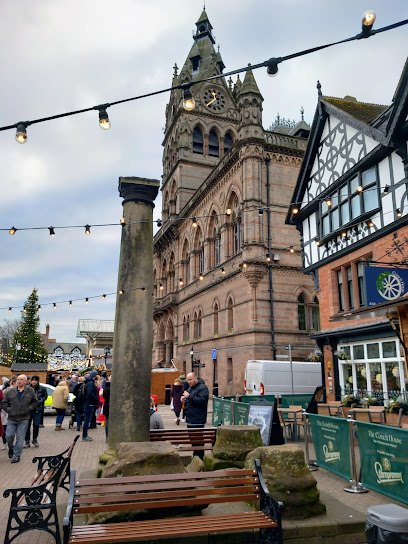
Chester Town Hall
6.5 km
A stunning Victorian Gothic Revival landmark, Chester Town Hall is the historic heart of Chester’s civic and cultural life.

Ancient Roman Columns, Chester
6.5 km
Roman column bases marking Chester's legacy as a major legionary fortress and potential capital of Britannia.
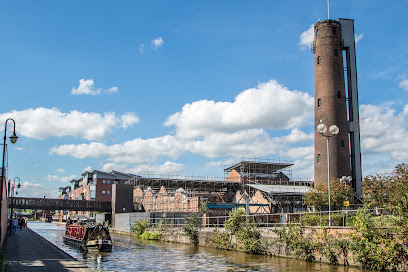
Chester Shot Tower
6.6 km
Explore Chester’s 168-foot-tall 1799 Shot Tower, a rare industrial relic and symbol of Britain’s lead shot manufacturing heritage.
Unmissable attractions to see

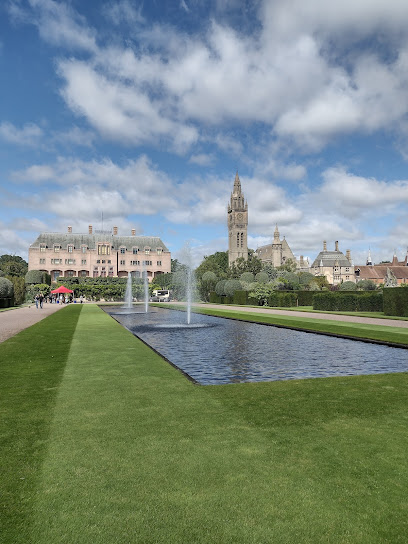
Eaton Hall
0.9 km
Historic Grosvenor family estate blending Victorian grandeur, expansive parklands, and modern sustainable rural management near Chester.
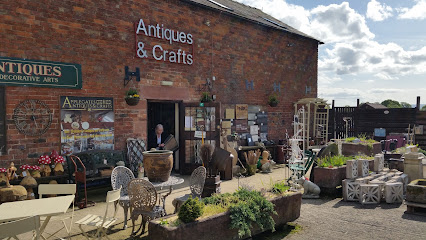
Applegates Antiques & Crafts
4.3 km
Discover antiques, crafts, and vegan delights in a charming 17th-century barn near Chester’s countryside.
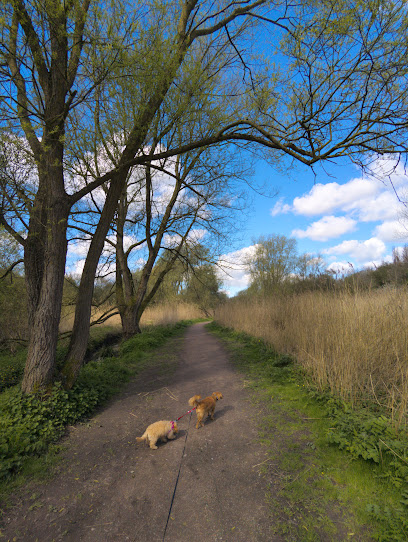
Caldy Nature Park
4.9 km
Discover Caldy Nature Park, a peaceful 12-hectare green oasis near Chester, rich in wildlife, walking trails, and family-friendly amenities.
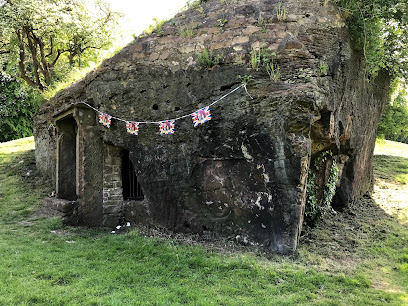
Goddess Minerva's Shrine
5.6 km
Discover Chester’s rare Roman rock-cut shrine honoring Minerva, a unique ancient monument nestled in a tranquil riverside park.
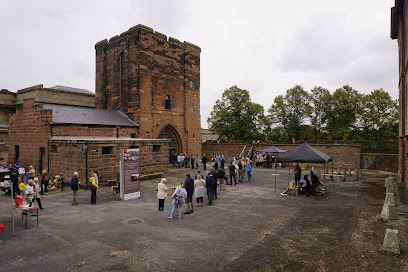
Chester Castle: Agricola Tower and Castle Walls
5.8 km
Explore Chester Castle’s medieval Agricola Tower, stunning city views, and centuries of history in this free, volunteer-run heritage site.
Sandy Lane Park
5.8 km
A family-friendly riverside park in Chester with an aqua play area, scenic views, and community-led regeneration.

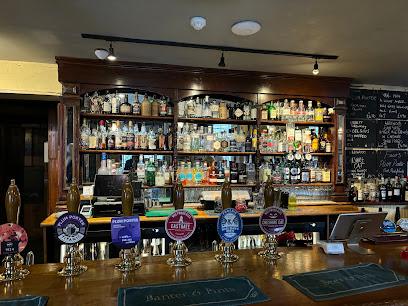
Bear & Billet
5.9 km
Historic 17th-century Chester gastropub blending Tudor charm with hearty British fare and a lively, dog-friendly atmosphere.
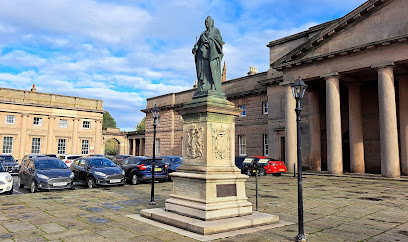
Statue of Queen Victoria
5.9 km
Historic Grade II listed statue honoring Queen Victoria, standing dignified outside Chester Crown Court, a symbol of Victorian legacy and civic pride.
Cheshire Military Museum
5.9 km
Explore centuries of Cheshire soldiers’ history through immersive exhibits and archives in the heart of Chester Castle.

ChesterBoat
6.0 km
Experience the beauty of Chester from the water with ChesterBoat's scenic cruises along the historic River Dee.
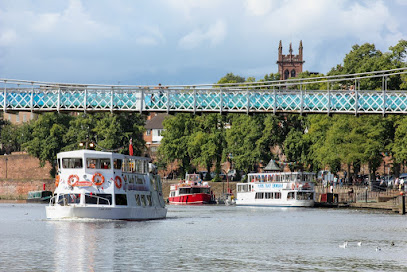
Queens Park Bridge
6.0 km
Explore the stunning Queens Park Bridge in Chester, an architectural marvel offering breathtaking views of the River Dee and a glimpse into the city's rich history.
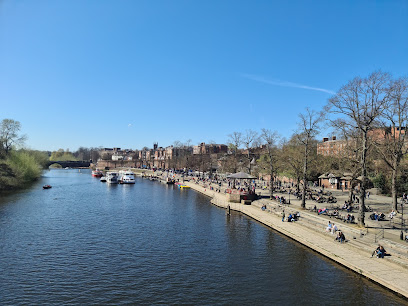
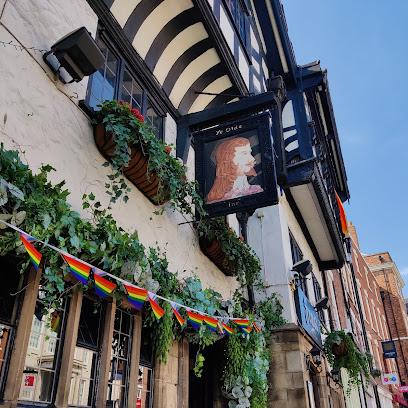
Ye Olde King's Head Hotel, Chester
6.0 km
Historic Tudor inn in Chester famed for its rich heritage, cozy charm, and renowned paranormal activity with immersive ghost-hunting experiences.
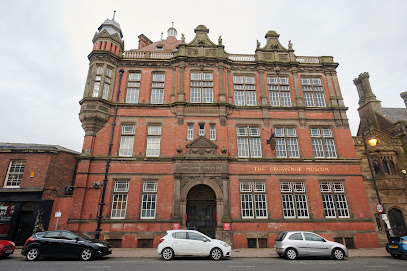
The Grosvenor Museum
6.0 km
Explore Chester’s rich heritage from Roman relics to period homes in this free-entry Victorian museum with diverse exhibits and community events.
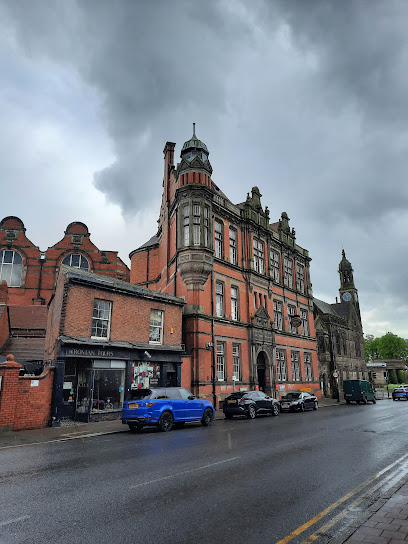
Chester History & Heritage
6.0 km
Discover Chester’s rich history and heritage through Roman artifacts, period rooms, and vibrant exhibitions at the Grosvenor Museum.
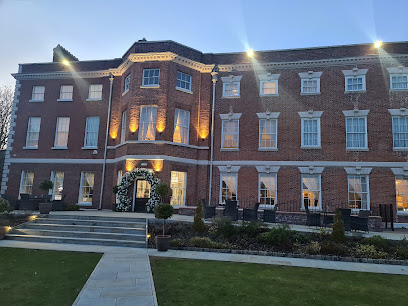
Old Palace Chester
6.0 km
Historic Georgian palace with riverside elegance, 23 bedrooms, and exclusive-use sophistication for unforgettable celebrations.
Essential places to dine

Miller & Carter Chester
6.0 km
Experience expertly aged steaks and classic British dining in a stylish, welcoming steakhouse at the heart of Chester.
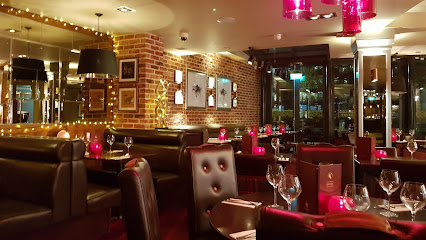
Hickory's Smokehouse Chester
6.0 km
Savor authentic American barbecue and smoky brisket in a lively riverside setting at Hickory's Smokehouse Chester.
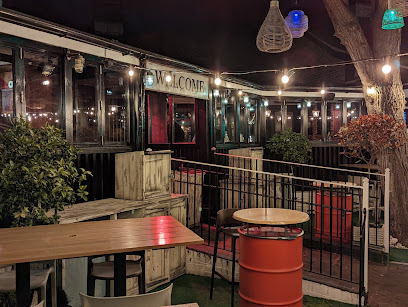
La Fattoria
6.0 km
Experience vibrant Southern Italian dining with authentic flavors, generous portions, and a lively atmosphere in the heart of Chester.
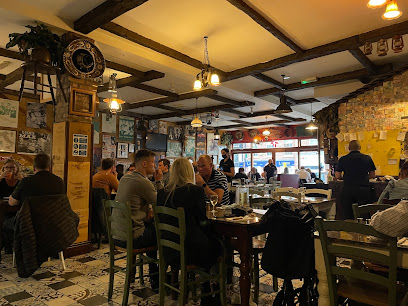
The Secret Garden Restaurant
6.1 km
Discover The Secret Garden at Oddfellows, a charming spot in Chester blending modern British cuisine with a unique garden ambiance.
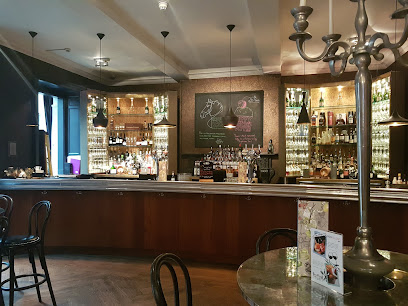
Ruan Orchid
6.1 km
Experience authentic Thai cuisine with a vibrant atmosphere and welcoming service in the heart of Chester’s historic center.
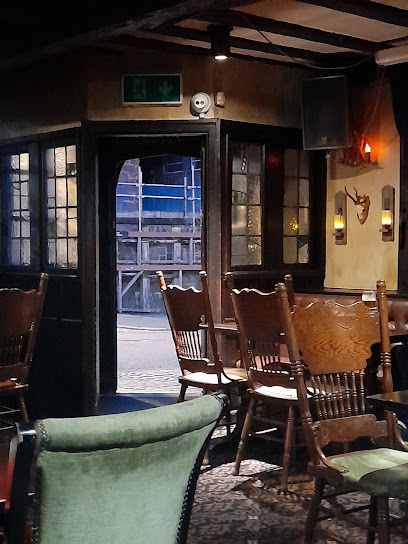
Moules a go-go Bar & Bistro
6.1 km
Chester’s vibrant bistro specializing in fresh Anglesey mussels, offering a lively atmosphere and diverse seafood dishes since 1999.
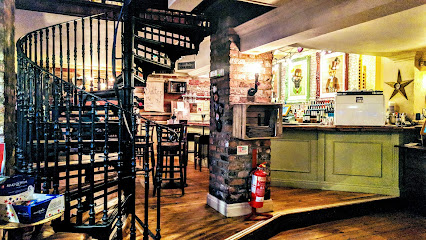
Six One Six Restaurant & Bar
6.1 km
A stylish Chester restaurant blending historic inspiration with modern elegance, exceptional food, and a vibrant social scene.
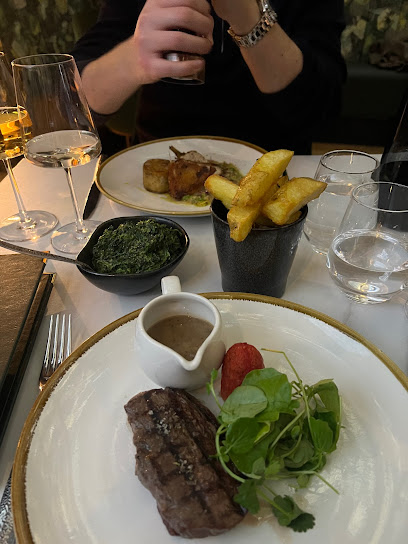
Opera Restaurant Bar & Grill
6.1 km
Grand Grade II listed grill with live music, a rooftop terrace, and an internationally inspired steakhouse menu in the heart of Chester.
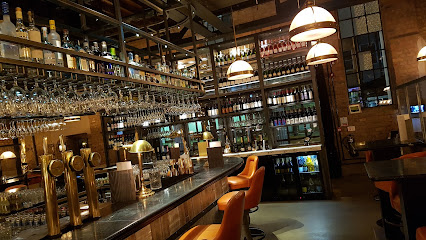
Artezzan Restaurant & Bar
6.1 km
Vibrant Mediterranean dining with fresh, honest flavors and handcrafted drinks in Chester’s lively Pepper Street venue.
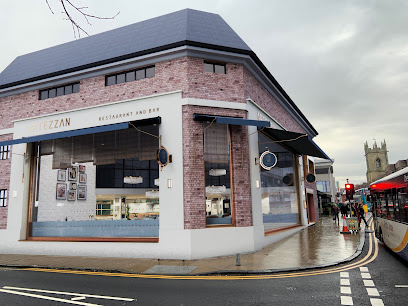
Chef's Table
6.1 km
Discover inventive modern British cuisine in a bright, welcoming setting at Chef's Table, Chester’s acclaimed seasonal dining destination.
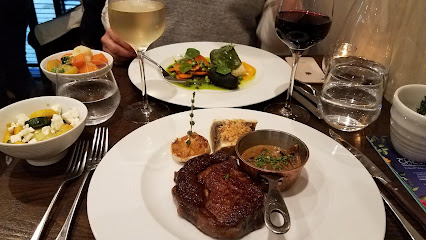
Piccolino Chester
6.1 km
Stylish Italian dining with vibrant prosecco bar and alfresco terrace in Chester’s lively city centre.
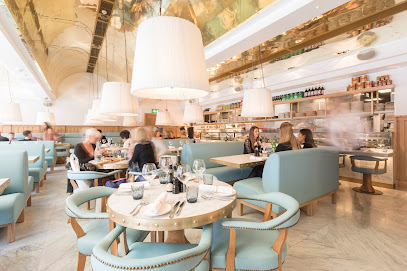
Da Noi Chester
6.1 km
Experience authentic Piedmontese Italian cuisine with exquisite wine pairings in Chester’s intimate Michelin-recognized Da Noi.
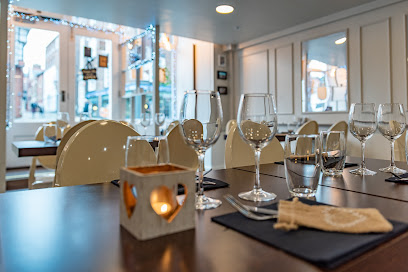
Rio Brazilian Steakhouse
6.2 km
Authentic Brazilian churrascaria with premium meats, vibrant atmosphere, and exceptional service in the heart of Chester.
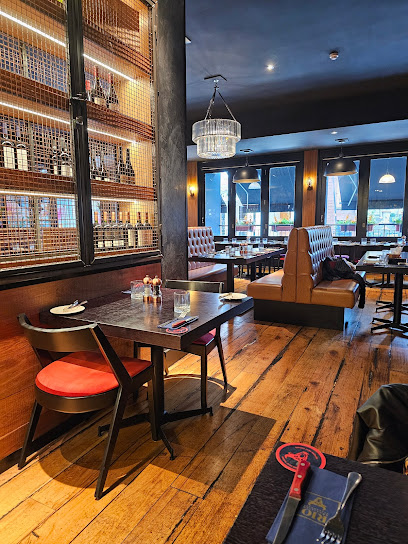
Carbonara at No 49
6.2 km
Experience authentic Roman Italian flavors in Chester’s historic Bridge Street setting, blending tradition, warmth, and local produce.
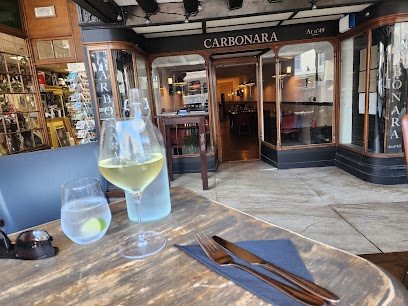
Côte Chester
6.2 km
A stylish French brasserie in Chester’s city centre offering classic dishes, diverse menus, and a welcoming atmosphere for all occasions.
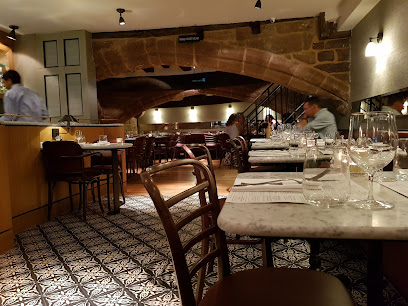
Markets, malls and hidden boutiques

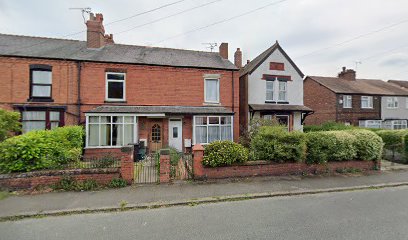
Commonplace Things
5.6 km
Curated vintage treasures and antiques in the heart of Saltney, Chester.
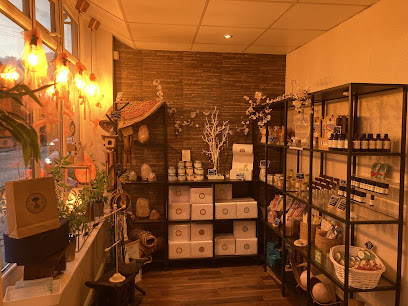
Sakura Natural Gifts
6.2 km
Explore Sakura Natural Gifts in Saltney for unique, sustainable souvenirs that capture the spirit of Chester's vibrant culture.
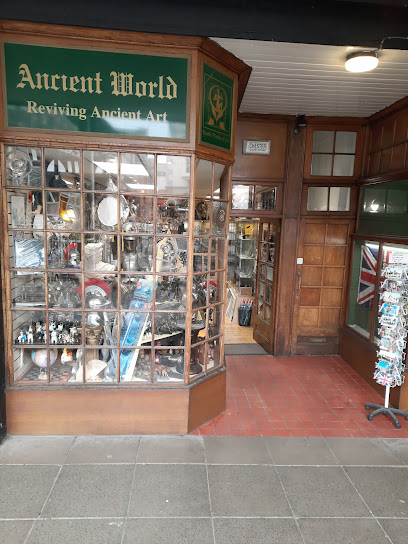
Ancient World
6.2 km
Discover unique antiques and curiosities steeped in history at Ancient World, Chester’s charming vintage treasure shop on Bridge Street.
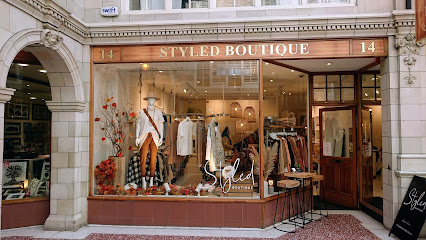
Styled Boutique
6.2 km
A warm, independent women’s boutique in Chester’s historic centre, offering easy-to-wear fashion and a personal, friendly shopping experience.
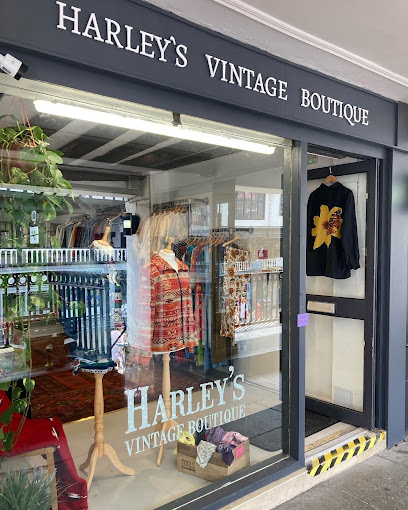
Harley’s Vintage Boutique
6.2 km
Discover timeless vintage fashion and expert styling in Chester’s charming Harley’s Vintage Boutique on Bridge Street Row.
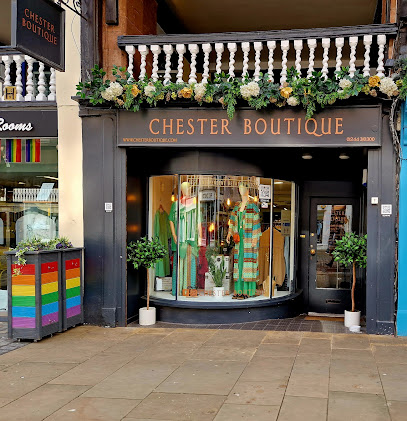
Chester Boutique
6.2 km
Discover curated contemporary fashion in Chester’s vibrant Bridge Street boutique, blending style with historic charm.
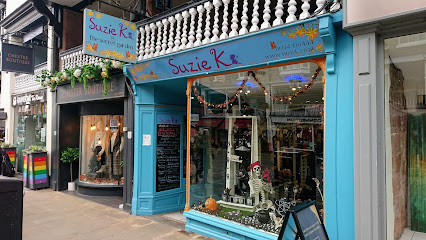
Suzie K
6.3 km
Discover Chester’s magical alternative gift shop blending unique fashion, crystals, and holistic services in a warm, welcoming atmosphere.
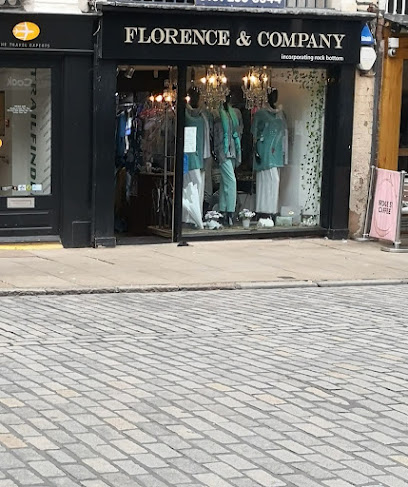
Rock Bottom / Florence & Company
6.3 km
Chester’s vibrant ladies' boutique offering fresh fashion, unique jewelry, and stylish scarves in a welcoming city center setting.
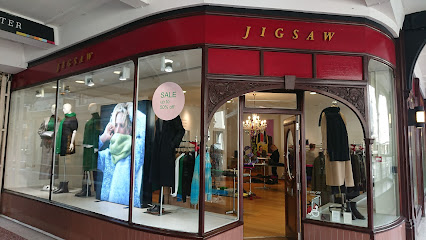
Jigsaw
6.3 km
Upscale women's fashion boutique blending timeless style with Chester’s historic charm on Bridge Street.
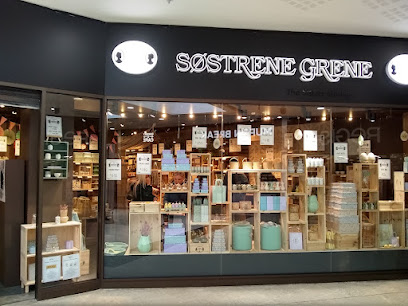
Søstrene Grene
6.3 km
Discover Scandinavian-inspired home décor, crafts, and gifts at Søstrene Grene Chester, a charming and affordable treasure trove in the city center.
About you
6.3 km
Contemporary clothing store at Chester’s Grosvenor Shopping Centre, blending modern fashion with historic city charm.

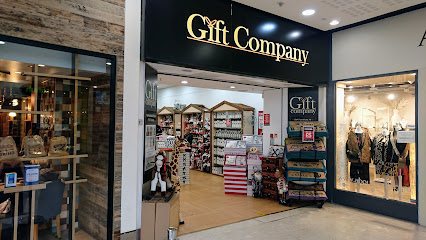
Gift Company CHESTER
6.3 km
Discover eclectic gifts and stylish homewares in Chester’s charming Grosvenor Precinct at Gift Company Chester.
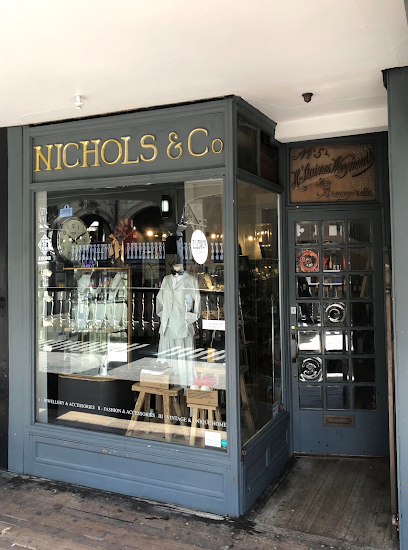
NICHOLS
6.3 km
Discover Nichols, Chester’s quirky boutique blending unique ladies’ fashion with antique treasures in a charming historic setting.
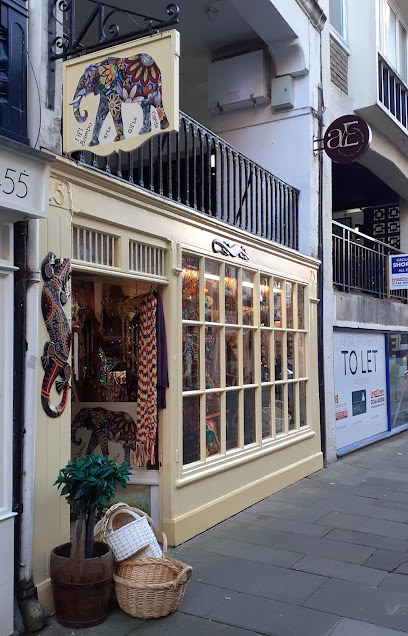
Fifi Bambu
6.3 km
Discover the magic of Chester’s Watergate Street through Fifi Bambu, a charming gift shop filled with unique treasures and enchanting finds.
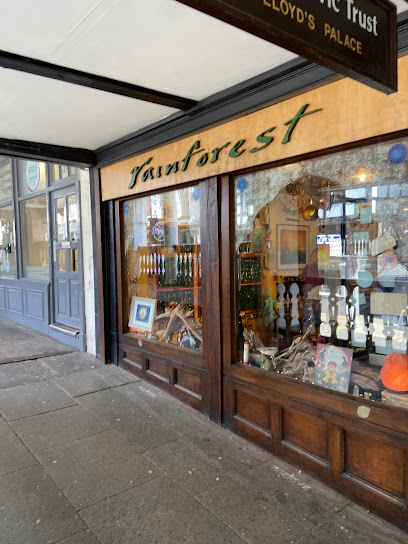
Rainforest
6.3 km
Discover Chester’s serene spiritual gift shop with crystals, mindfulness tools, and warm hospitality at Rainforest on Watergate Street.
Essential bars & hidden hideouts

The Cheshire Cat
5.6 km
Historic country pub in Christleton offering hearty seasonal fare, cask ales, and warm hospitality in a charming rural setting near Chester.
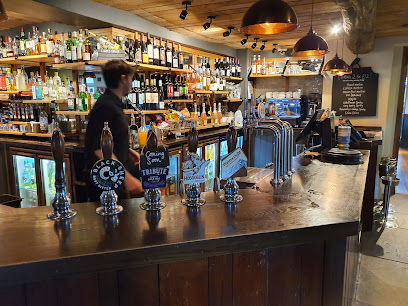
Kings Head Chester
6.0 km
Historic 17th-century pub in Chester with classic British fare, a haunted reputation, and a cosy, welcoming atmosphere.
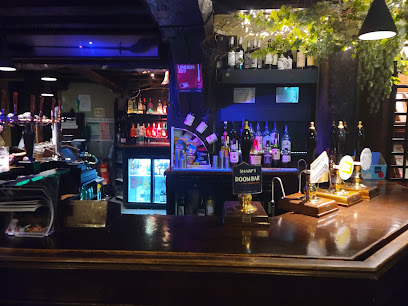
The Architect
6.1 km
Historic Georgian pub in Chester offering classic British cuisine, cask ales, and a lively atmosphere overlooking the Roodee racecourse.
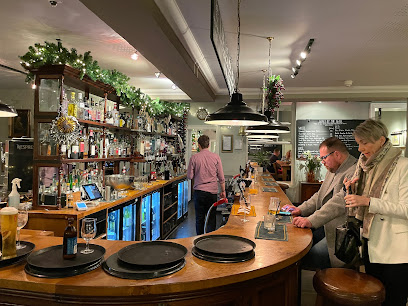
All Bar One Chester
6.2 km
Stylish wine bar in Chester’s city center offering expertly crafted drinks and a vibrant social atmosphere.
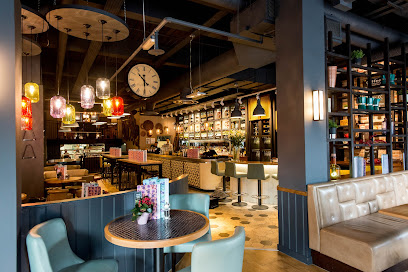
Paysan
6.2 km
Chester’s cozy wine bar with 200+ wines downstairs and a vibrant beer cellar upstairs, perfect for relaxed evenings and casual gatherings.
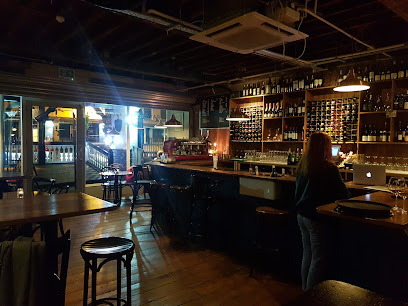
The Church Chester Bar & Restaurant
6.2 km
Historic church turned vibrant bar and restaurant in Chester, blending classic charm with modern dining and lively atmosphere.
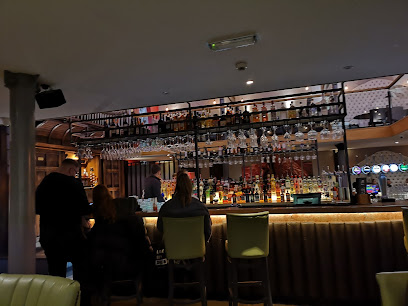
The Cavern of the Curious Gnome
6.2 km
A cozy upstairs bar in Chester famed for its curated Belgian ales, continental lagers, and British craft beers paired with classic comfort food.
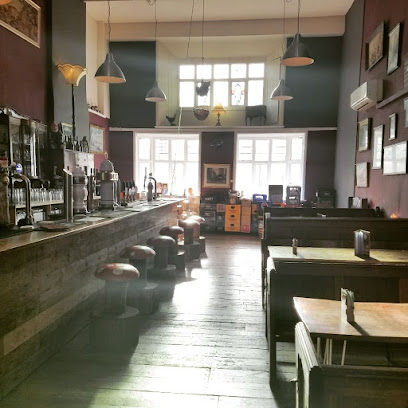
Slug & Lettuce - Chester
6.2 km
Lively cocktail bar and restaurant on Chester’s historic Bridge Street, blending vibrant social vibes with diverse food and drink offerings.
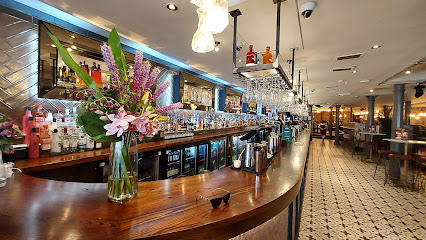
Commonhall Street Social
6.2 km
A cozy, dog-friendly bar with craft beers, delicious food, and a lively outdoor terrace in the heart of Chester’s city centre.
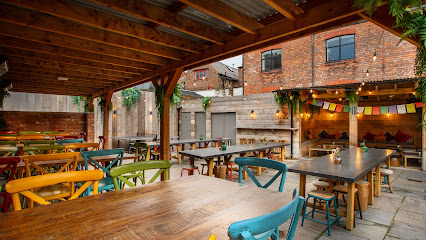
Red Door
6.3 km
Vibrant late-night cocktail bar and restaurant in Chester’s city center, known for creative drinks and lively music.
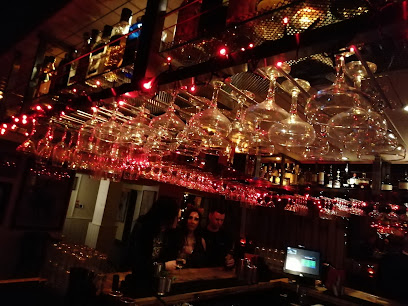
Palm Cocktail Bar & Eatery
6.3 km
Chester’s vibrant cocktail bar with expertly crafted drinks, lively atmosphere, and friendly service on historic Watergate Street.
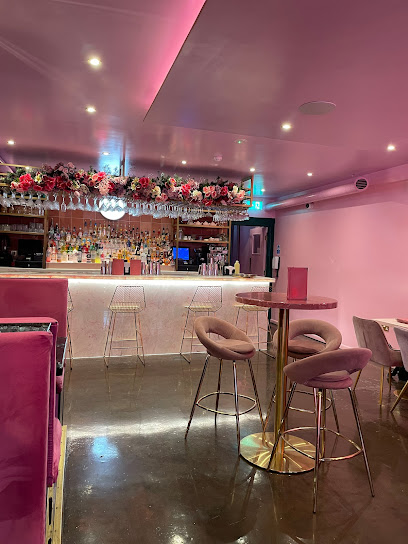
BarLounge - Chester
6.3 km
Chester’s premier lounge bar blending refined comfort food with creative cocktails in a stylish, welcoming setting.
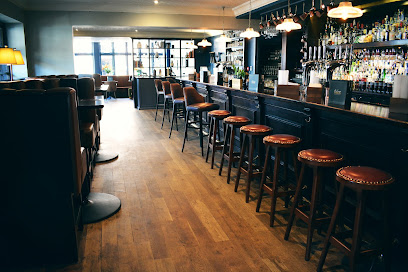
Havana Chester
6.3 km
Lively Cuban-inspired bar and restaurant on Chester’s historic Watergate Street, offering vibrant music, tapas, and creative cocktails.
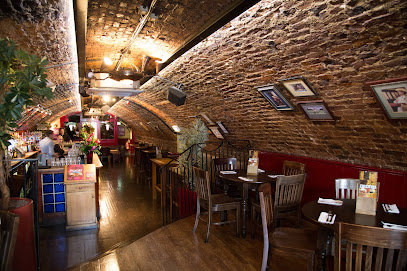
Watergates Bar
6.3 km
Historic medieval crypt pub in Chester city centre with vaulted ceilings, classic British fare, real ales, and a lively yet family-friendly vibe.
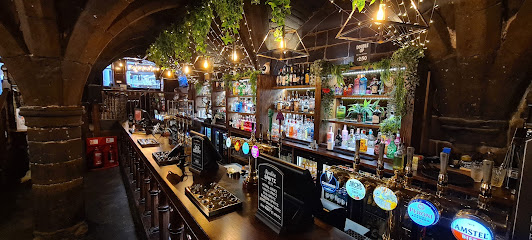
Prohibition
6.3 km
Step into Chester’s Prohibition for expertly crafted cocktails and a vibrant 1920s speakeasy vibe in a cozy, intimate setting.
Nightclubs & after hour spots

BONOBO Bar & Canteen
6.2 km
A vibrant two-floor bar and canteen in Chester blending American eats, cocktails, video games, and lively music for a unique nightlife experience.
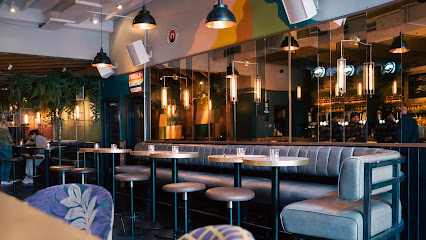
Cruise
6.3 km
A multi-floor nightclub in Chester offering vibrant music, premium drinks, and lively nightlife across seven bars.
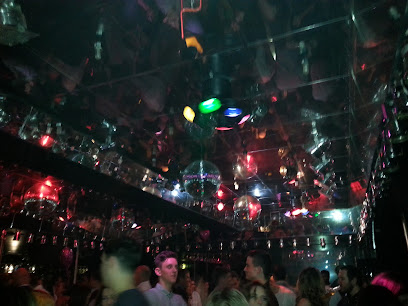
Chester City Club
6.3 km
Experience Chester’s vibrant nightlife at City Club, where modern beats meet historic charm in the heart of St Peters Churchyard.
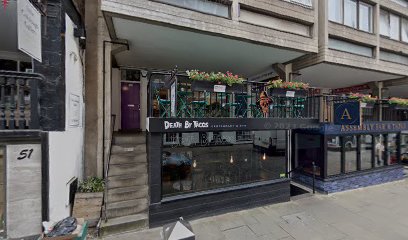
Rosies - Chester
6.4 km
Experience Chester’s vibrant nightlife at Rosies, a multiroom club with rooftop terrace, VIP lounges, and cutting-edge sound over three lively floors.
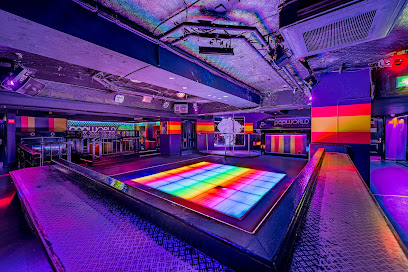
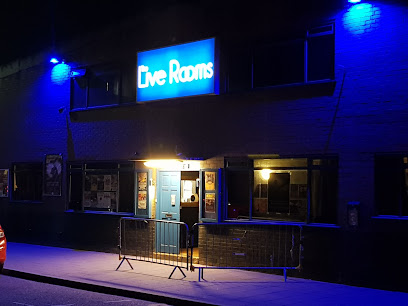
The Live Rooms
6.9 km
Discover Chester's vibrant nightlife at The Live Rooms, where live music, comedy, and unforgettable experiences await.
Mandy & Graham’s
8.2 km
Experience Chester’s vibrant nightlife at Mandy & Graham’s, where pulsating beats and lively crowds create unforgettable party nights.
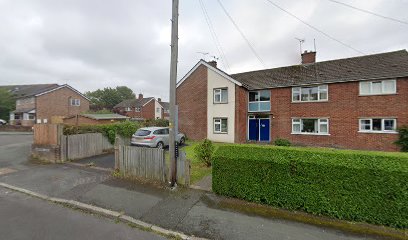
The Magnet Club
12.8 km
Wrexham’s independent venue since 1984, The Magnet Club blends live music, sports, and social games in a welcoming, refurbished space on King Street.
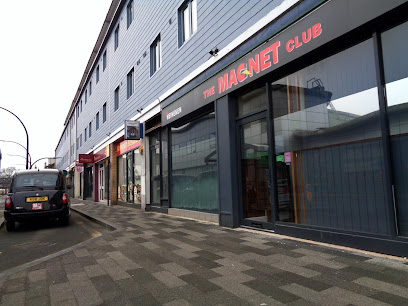
Ewloe Social and Community Club Ltd
13.8 km
Experience the heart of Deeside at Ewloe Social and Community Club, where fun, games, and community spirit come together.

Bryn Griffiths W M Social Club
18.6 km
Discover the vibrant community spirit at Bryn Griffiths W M Social Club in Mold, where fun meets fellowship and local culture thrives.
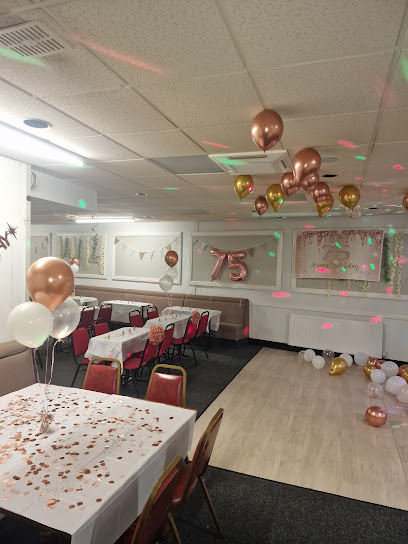
North Wales Celebrations Wedding & Party Disco DJ
21.0 km
Elevate your celebrations with North Wales Celebrations - the premier mobile disco DJ service for unforgettable weddings and parties.
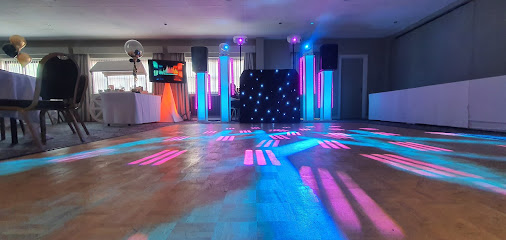
Flint Royal British Legion Social Club
21.6 km
A welcoming social hub in Flint supporting veterans and community through camaraderie, remembrance, and local events.
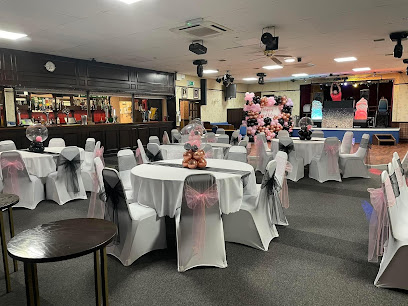
The Studio
24.5 km
Experience Nantwich’s energetic nightlife at The Studio, a vibrant club known for live DJs, dance music, and late-night fun in the town center.

Dj Tony B Disco Karaoke & video Roadshow
25.7 km
Dive into a night of music and fun at Dj Tony B Disco Karaoke & Video Roadshow, where every guest gets to shine on stage!

The Establishment
26.9 km
A vibrant Widnes nightclub offering lively events, friendly staff, and a spacious venue for unforgettable nights out.
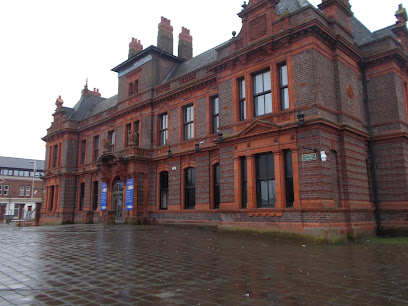
Supper Club at Blundell Street
30.1 km
Liverpool's ultimate supper club: fuel up on hearty meals, then dance the night away to drag shows, tributes, and non-stop hits near Echo Arena.

For the vibe & atmosphere seeker
- Scenic
- Tranquil
- Relaxing
- Unique
For the design and aesthetic lover
- Vintage Styles
- Rustic Designs
For the architecture buff
- Historic
- Landmarks
- Parks & Gardens
For the view chaser and sunset hunter
- Iconic Views
- Waterfront
For the social media creator & influencer
- Instagrammable
- Photo Spots
- Selfie Spots
For the eco-conscious traveler
- Protected Area
- Public-Transport Accessible
- Locally Managed
For the kind of experience you’re after
- Cultural Heritage
- Photowalk
- Nature Escape
- Day Trip
- Weekend Getaway
For how adventurous you want the journey to be
- Easy Access
Location Audience
- Family Friendly
- Senior Friendly
- Child Friendly
- Couple Friendly
- Solo Friendly


