
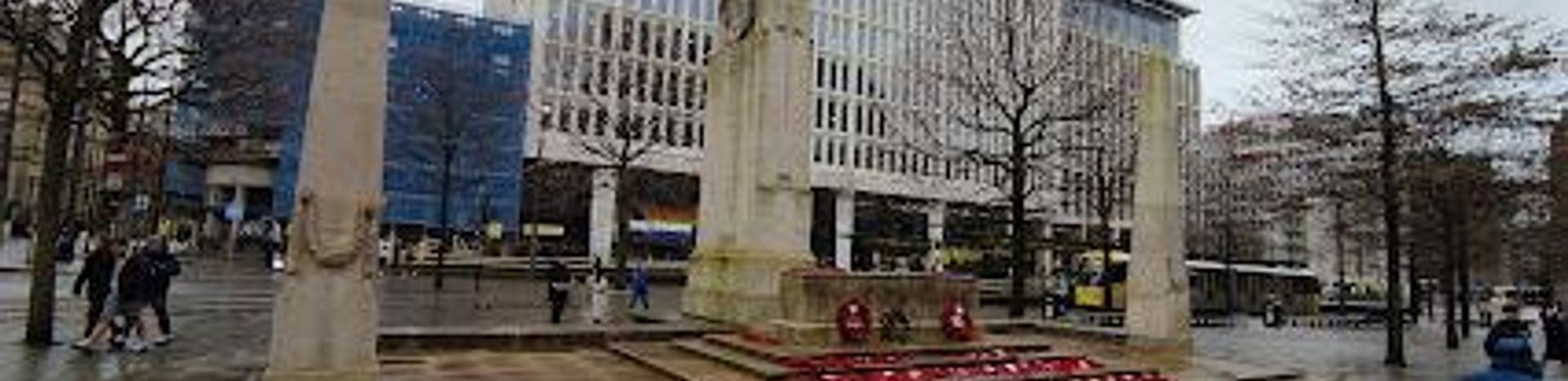
Manchester Cenotaph
A solemn and architecturally striking war memorial in Manchester’s St Peter’s Square, honoring the city’s fallen soldiers with timeless dignity.
The Manchester Cenotaph is a solemn war memorial in St Peter’s Square, Manchester, commemorating the city’s fallen soldiers from World War I and subsequent conflicts. Designed by Sir Edwin Lutyens and unveiled in 1924, it features a central cenotaph topped by a sculpture of an unknown soldier, flanked by symbolic stone sculptures. Relocated in 2014-15 near the Town Hall, it remains a poignant symbol of sacrifice and remembrance in Manchester.
A brief summary to Manchester Cenotaph
- Manchester, Manchester, GB
- Visit website
- Duration: 0.5 to 1.5 hours
- Free
-
 Outdoor
- Mobile reception: 5 out of 5
Local tips
- Visit during Remembrance Sunday to witness the poignant ceremonies held at the Cenotaph.
- Explore nearby memorials in St Peter’s Square to gain a fuller understanding of Manchester’s military history.
- Take time to observe the detailed carvings and sculptures that symbolize sacrifice, courage, and devotion.
- Combine your visit with a walk around the historic St Peter’s Square and adjacent civic buildings.

For the on-the-go comforts that matter to you
- Restrooms
- Seating Areas
- Information Boards
Getting There
-
Tram
Take the Manchester Metrolink tram to St Peter’s Square stop, located within 5 minutes’ walk of the Cenotaph. Trams run frequently throughout the day, with tickets costing approximately £3.50 for a single journey from central Manchester.
-
Bus
Several bus routes serve the city center with stops near St Peter’s Square. Buses from Manchester Piccadilly or Victoria stations take about 10-15 minutes. Single fares range from £2 to £4 depending on the route.
-
Walking
From Manchester Piccadilly Station, a flat and accessible 20-minute walk through the city center leads directly to St Peter’s Square and the Cenotaph. The route is paved and suitable for wheelchairs and strollers.
Manchester Cenotaph location weather suitability
-
 Any Weather
-
 Rain / Wet Weather
-
 Clear Skies
-
 Mild Temperatures
Discover more about Manchester Cenotaph
A Monument Honoring Manchester’s Fallen
The Manchester Cenotaph stands as a powerful tribute to the men of Manchester who lost their lives in World War I, later also commemorating those who died in World War II and the Korean War. Designed by the renowned architect Sir Edwin Lutyens, the memorial was unveiled on July 12, 1924, after the city council formed a war memorial committee in 1922. It was created to embody the virtues of sacrifice, courage, and devotion exhibited by the fallen soldiers. The memorial’s central feature is a cenotaph—a symbolic empty tomb—topped by a stone effigy of an unknown soldier draped in a greatcoat, representing every soldier who died anonymously in battle.Architectural Symbolism and Design
Lutyens’ design is notable for its austere elegance and profound symbolism. The cenotaph is flanked by twin obelisks and accompanied by a Stone of Remembrance, an altar-like feature common in Lutyens’ war memorials. Carvings of the imperial crown, Manchester’s coat of arms, and inscriptions honor the dead. The memorial’s sculptural groups portray allegories of sacrifice and courage, while laurel wreaths carved on the sarcophagus symbolize victory after death. The design’s simplicity and geometric purity evoke solemnity and universal grief, making it a focal point for remembrance ceremonies.Historical Context and Relocation
Originally located in St Peter’s Square on the site of the former St Peter’s Church, the Cenotaph was carefully sited to be visible from key city streets and aligned with important civic buildings like the Central Library. The square itself is historically significant, once the site of the 1819 Peterloo Massacre. In 2014-15, due to redevelopment and the expansion of Manchester’s Metrolink tram network, the Cenotaph was dismantled and relocated to a prominent position near Manchester Town Hall, on the former Peace Gardens site. This move was conducted with great care to preserve the monument’s integrity and historical significance.Commemorative Ceremonies and Legacy
The unveiling ceremony was attended by large crowds, military guards, clergy, and dignitaries, including Lord Derby, who emphasized the memorial as both a tribute and a warning about the cost of war. The Cenotaph continues to serve as the centerpiece for Remembrance Day events in Manchester, drawing people who come to pay respects and reflect on the sacrifices made. It stands not only as a memorial to the dead but as a symbol of human resilience and the high price of peace.Surrounding Memorials and Setting
Near the Cenotaph are additional memorials dedicated to fallen comrades from other conflicts, such as the Korean War and other post-1945 engagements. The setting in St Peter’s Square, adjacent to civic landmarks, enhances its prominence and accessibility for visitors. The stone materials, carvings, and solemn atmosphere create a contemplative space within the urban environment, inviting reflection on history and sacrifice.Architectural and Cultural Significance
The Manchester Cenotaph is a Grade II* listed structure and part of a national collection of Lutyens’ war memorials recognized for their architectural and cultural importance. Its design draws from the famous Whitehall Cenotaph in London, adapting its themes to the local context. The memorial’s enduring presence underscores Manchester’s commitment to honoring its war dead and preserving the memory of their service for future generations.Iconic landmarks you can’t miss

St. Peter's Square
0.1 km
Manchester’s historic St Peter's Square blends rich heritage, iconic architecture, and vibrant urban life at the heart of the city centre.
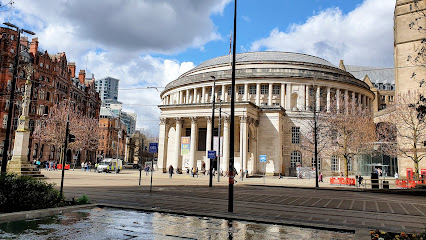
Manchester City Council
0.1 km
Manchester City Council’s majestic Town Hall in Albert Square: a Victorian Neo-Gothic masterpiece and symbol of civic heritage.
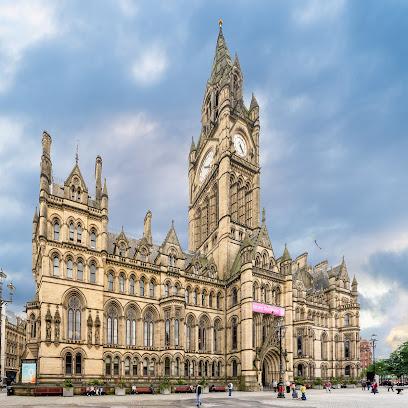
Connaught Building
0.2 km
Discover the historic Connaught Building in Manchester, a captivating landmark reflecting the city’s rich architectural heritage and vibrant urban spirit.
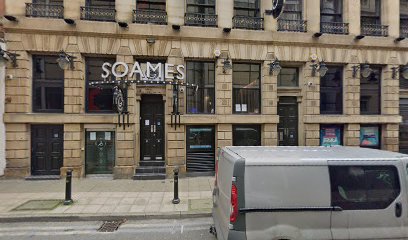
Albert Memorial
0.2 km
A grand Victorian Gothic monument in Albert Square celebrating Prince Albert’s legacy through art, science, and culture.
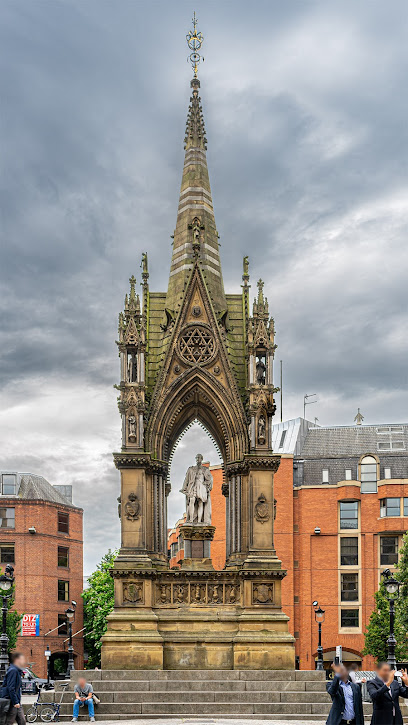
John Bright Statue
0.2 km
A marble tribute in Albert Square honoring John Bright’s legacy as a champion of free trade and social reform in Victorian Manchester.
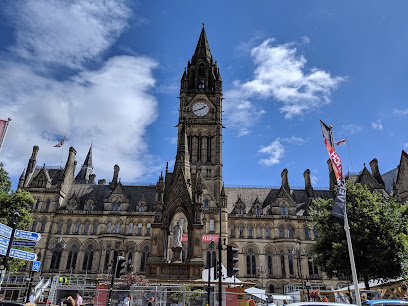
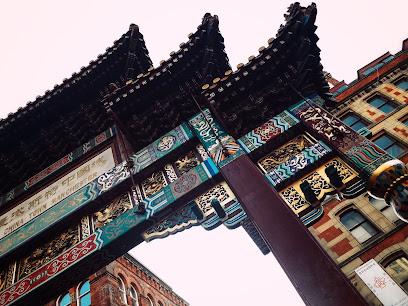
Arch of Chinatown
0.2 km
Europe's only imperial Chinese arch, a stunning gateway to Manchester's vibrant multicultural heart.
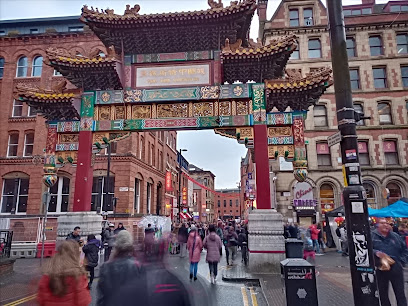
Mulberry Passage
0.3 km
Discover Mulberry Passage, a hidden Manchester alleyway celebrating John Dalton’s atomic theory through captivating art and historic charm.
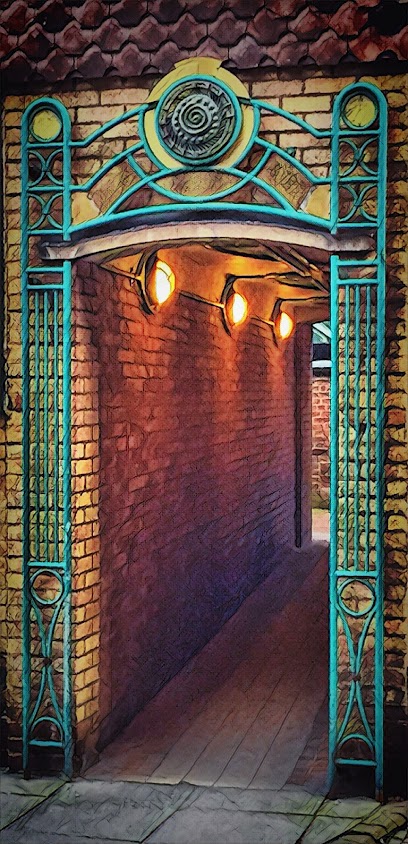
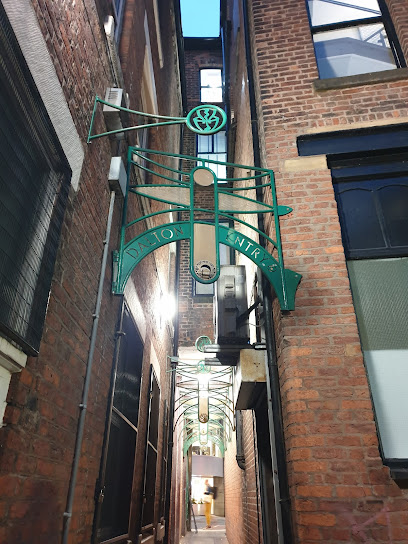
Dalton Entry
0.3 km
Discover Dalton Entry, a hidden Manchester alley honoring John Dalton’s atomic theory and scientific legacy through art and history.
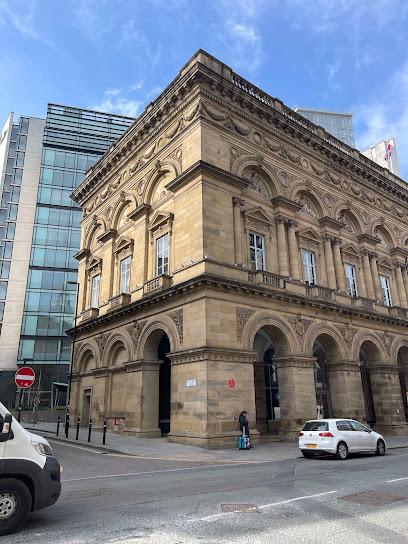
Free Trade Hall
0.3 km
Historic landmark on the Peterloo Massacre site, blending Victorian architecture with a rich legacy of music and political activism.
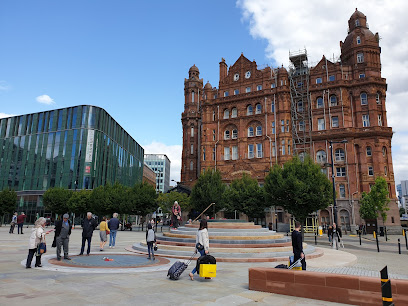
Peterloo Massacre Monument
0.3 km
A powerful stone memorial in Manchester honoring the victims of the 1819 Peterloo Massacre and the fight for democracy.
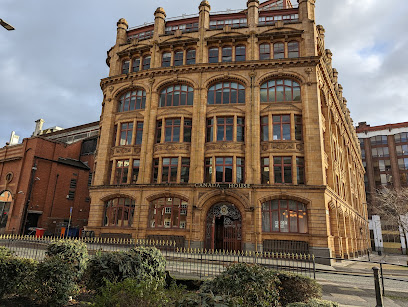
Canada House, Manchester
0.3 km
Discover Canada House, a majestic Grade II listed cotton warehouse in Manchester, embodying the city’s rich industrial heritage and architectural splendor.
Historic England
0.4 km
Explore the rich heritage of England at Historic England in Manchester, where history meets preservation and community engagement.
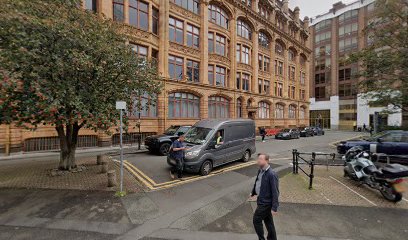
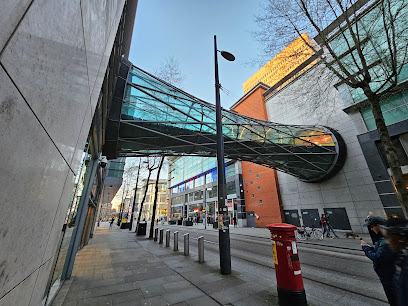
The Undamaged Red Post Box
0.5 km
A resilient symbol of hope standing where devastation once reigned on Manchester's Corporation Street.
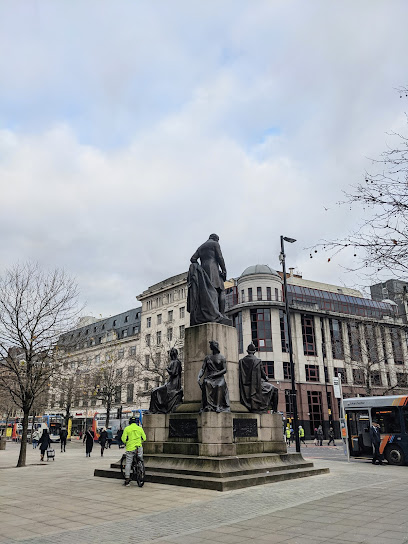
Statue of the Duke of Wellington
0.5 km
A commanding Victorian bronze statue in Piccadilly Gardens honoring the Duke of Wellington’s military valor and political legacy.
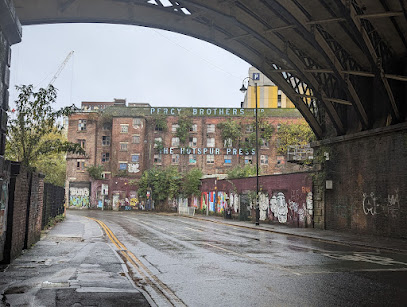
Hotspur House
0.6 km
Historic Hotspur House blends Manchester’s industrial past with bold modern redevelopment, preserving heritage amid vibrant urban renewal.
Unmissable attractions to see

Emmeline Pankhurst Statue
0.1 km
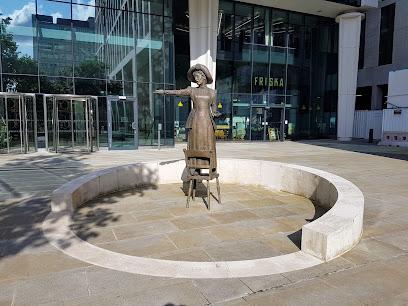
Celebrate the legacy of Emmeline Pankhurst, Manchester’s pioneering suffragette leader, through this inspiring statue in St. Peter’s Square.
Manchester Art Gallery
0.1 km
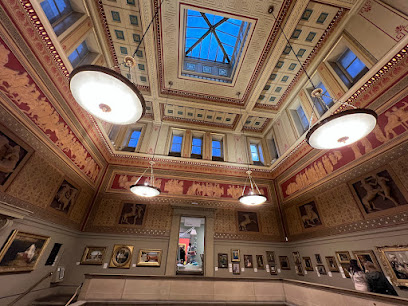
Explore centuries of art and design in Manchester’s historic and dynamic city-centre gallery with free entry and family-friendly spaces.
Manchester Central Library
0.1 km
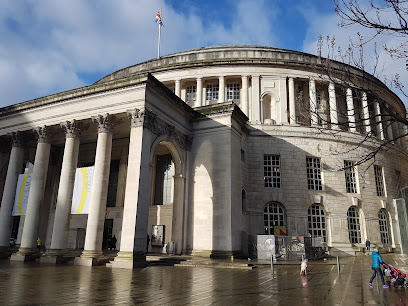
Discover Manchester Central Library’s iconic neoclassical dome, vast collections, and vibrant cultural spaces in the city’s historic heart.
Manchester Albert Square
0.2 km
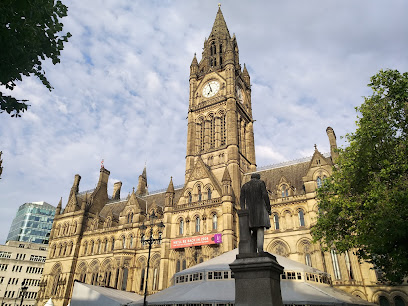
Discover Manchester Albert Square, a stunning Victorian civic space where history, architecture, and vibrant culture converge in the city’s heart.
Chinatown
0.2 km
Discover Manchester Chinatown’s vibrant streets filled with authentic Asian cuisine, rich culture, and festive charm in the city’s heart.
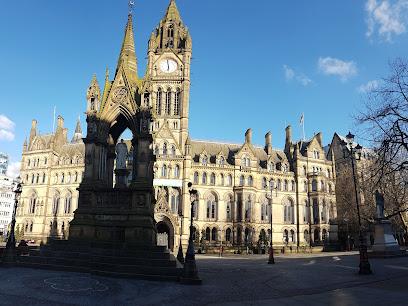
Albert Square
0.2 km
Manchester’s grand civic heart, framed by Gothic spires and alive with markets, monuments, and city life.
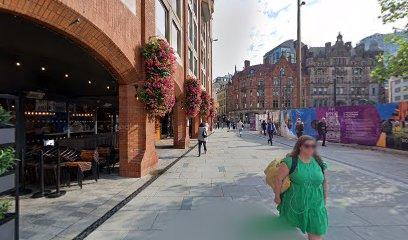
2 Albert Square
0.2 km
Historic Albert Square in Manchester showcases Victorian Gothic grandeur with its iconic Town Hall and Prince Albert Memorial.
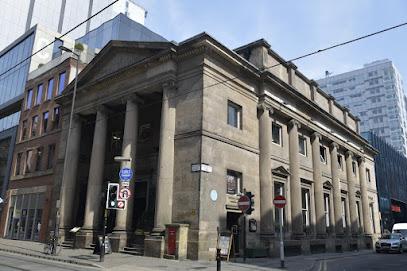
The Portico Library
0.2 km
Discover Manchester’s historic Portico Library, a Greek Revival architectural gem and vibrant cultural hub since 1806.
Landmark, St Peter's Square
0.2 km
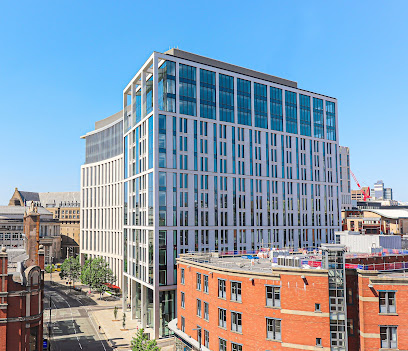
A central corporate hub in Manchester’s St Peter's Square, blending modern office facilities with urban vitality.
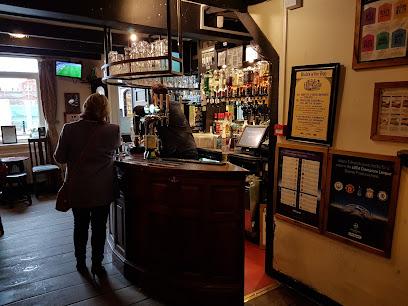
Grey Horse Inn
0.2 km
Experience the heart of Manchester at the Grey Horse Inn, where delicious food, local brews, and a welcoming atmosphere await.
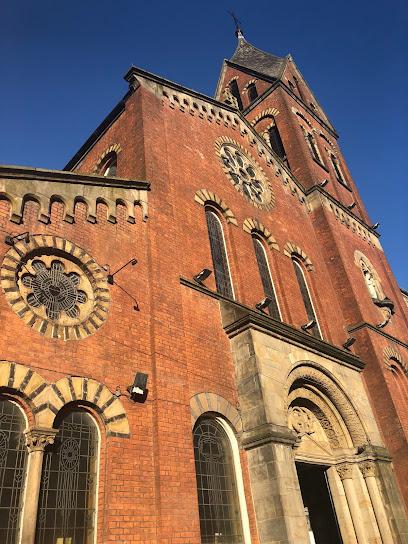
St Mary's RC Church
0.3 km
Discover St Mary's RC Church, Manchester's historic 'Hidden Gem' blending Victorian artistry and deep Catholic heritage since 1794.
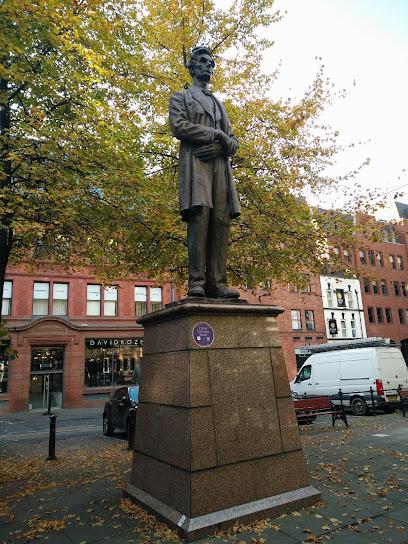
Abraham Lincoln Statue
0.3 km
A powerful bronze tribute in Manchester honoring Abraham Lincoln and the city’s courageous support for abolition during the American Civil War.
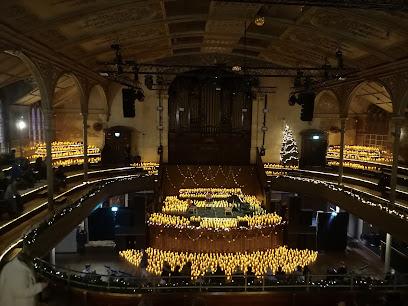
Albert Hall, Manchester
0.3 km
Historic Wesleyan chapel turned iconic music venue with stunning stained glass and vaulted ceilings in Manchester’s vibrant city centre.
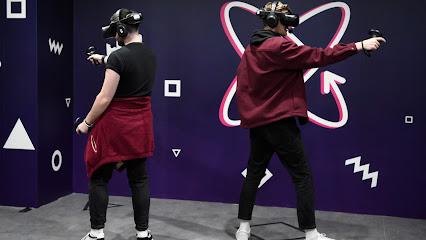
DNA VR Manchester
0.3 km
Step into Manchester’s premier VR arcade where immersive games, escape rooms, and free-roam adventures bring virtual worlds to life.
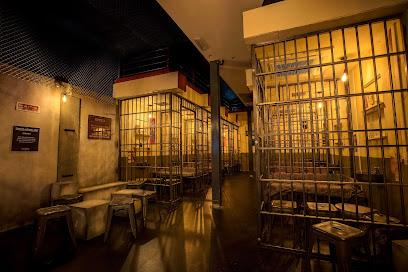
Alcotraz Manchester: Cell Block Three-Four
0.4 km
Discover the thrilling cocktail experience at Alcotraz Manchester, where immersive storytelling meets masterful mixology in a unique prison-themed bar.
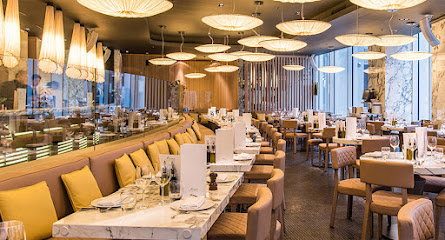
Essential places to dine

Fumo by San Carlo - Manchester
0.1 km
Sophisticated Italian dining with an art deco flair, vibrant bar scene, and shareable dishes in Manchester’s lively St Peter’s Square.
Adam Reid at The French
0.2 km
Experience innovative Northern British fine dining with theatrical flair in Manchester’s iconic Midland Hotel.
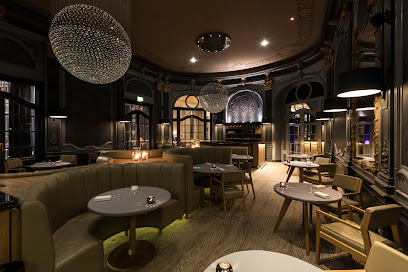
Mount Street Dining Room & Bar
0.2 km
Classic British dining with northern flair in the elegant, historic setting of Manchester’s Midland Hotel.
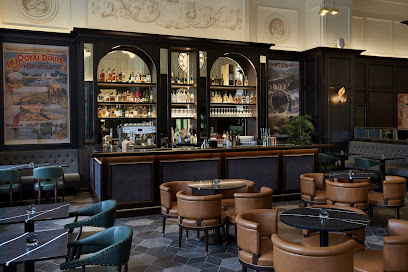
Armenian Taverna & Restaurant
0.2 km
Manchester's authentic Armenian culinary institution, recently modernized yet rooted in five decades of tradition.
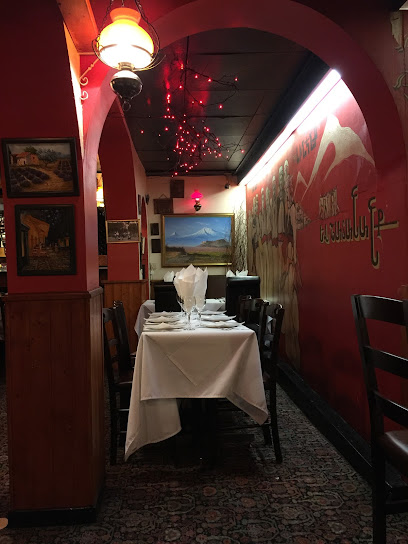
Don Giovanni - Italian Restaurant Manchester
0.2 km
A lively Italian restaurant in Manchester’s city centre blending traditional flavours with modern style and vibrant atmosphere.
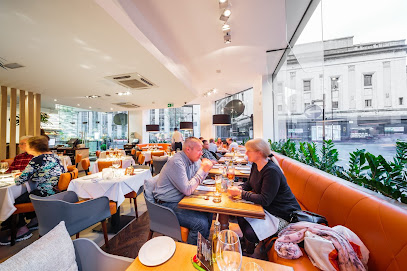
10 Tib Lane
0.2 km
A refined French-inspired restaurant and cocktail bar in Manchester’s historic core, blending seasonal small plates with natural wines and crafted cocktails.
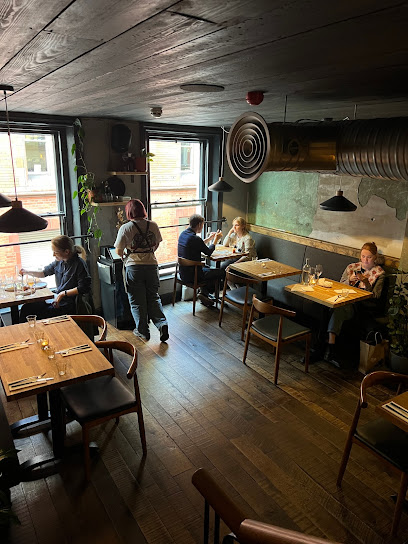
Grand Pacific
0.3 km
Experience Manchester’s gothic-inspired Pan-Asian cocktail bar with stunning décor, lively atmosphere, and expertly crafted drinks in the city center.
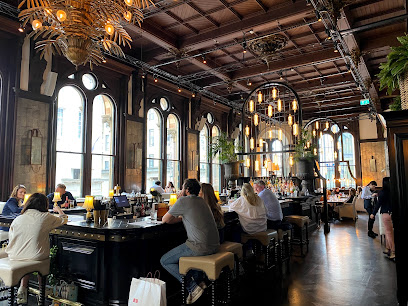
Kala
0.3 km
Modern European bistro blending classic and contemporary flavours in Manchester’s vibrant King Street district.
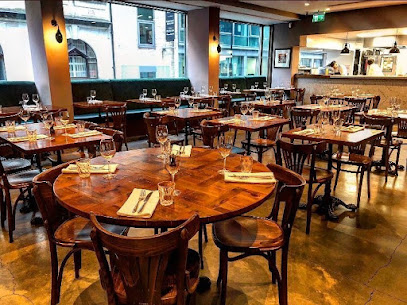
Browns Manchester
0.3 km
Victorian elegance meets contemporary British cuisine in Manchester's most distinguished brasserie.
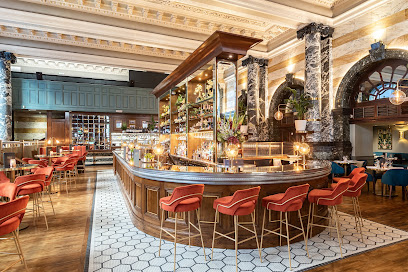
Miller & Carter Manchester
0.3 km
Classic British steakhouse on Manchester’s King Street, serving expertly aged premium steaks in a warm, elegant setting with attentive service.
MR THOMAS'S CHOP HOUSE
0.3 km
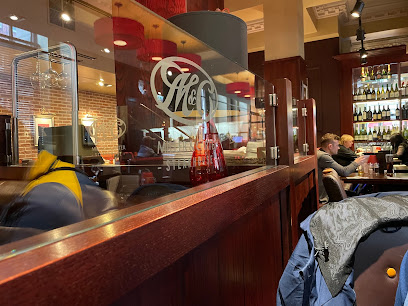
Historic Manchester chophouse serving hearty British classics in a warm, inviting setting since 1867.
Albert's Schloss - Manchester
0.3 km
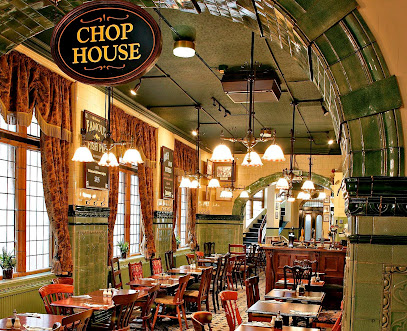
A lively Bavarian-inspired beer hall in Manchester blending hearty food, live music, and vibrant nightlife in a unique social setting.
El Gato Negro Tapas Manchester
0.3 km
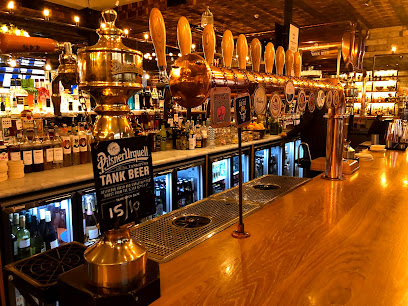
Stylish Spanish tapas in a historic Manchester townhouse with a vibrant bar, open kitchen dining, and a stunning rooftop terrace.
Namii Kitchen & Cocktails
0.3 km
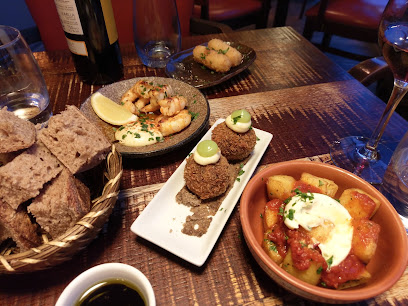
Experience vibrant Vietnamese and pan-Asian flavors with creative cocktails in Manchester’s lively city centre.
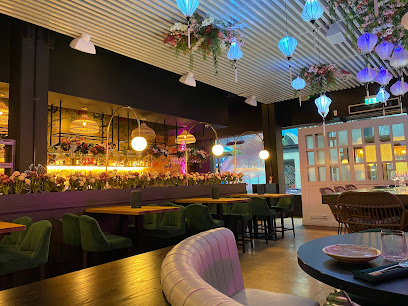
Higher Ground
0.3 km
A vibrant Manchester bistro blending seasonal British produce with sustainable ethos and refined, shareable dishes in a modern, welcoming setting.
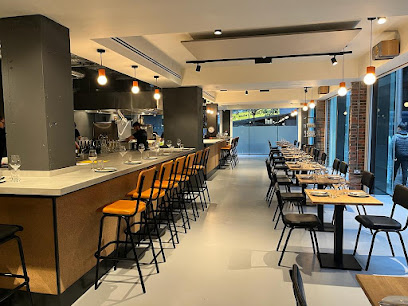
Markets, malls and hidden boutiques

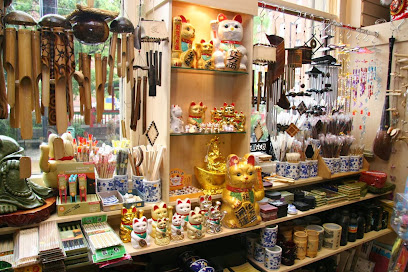
T.La Art & Craft Gallery
0.2 km
A vibrant Chinese art and craft gallery in Manchester’s Chinatown, showcasing handcrafted treasures and cultural heritage in a warm, welcoming space.
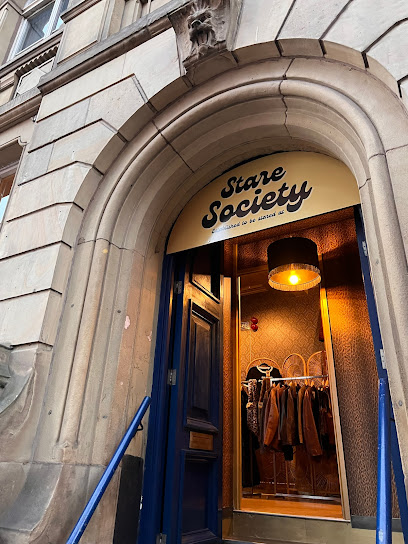
Stare Society
0.2 km
Discover curated vintage clothing and unique home furniture in Manchester’s stylish Stare Society boutique.
Manchester Souvenirs Gifts & Presents Geek Elf Elux Bars Luggage storage locker
0.4 km
Authentic Manchester souvenirs and gifts with local charm, plus convenient luggage storage in the heart of Deansgate.
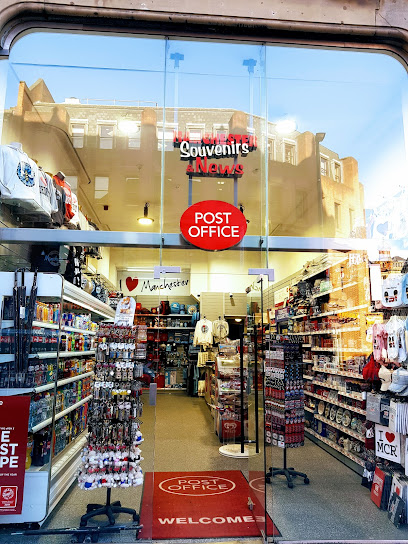
Manchester Souvenirs & Convenience Store
0.4 km
Discover authentic Manchester souvenirs and essentials in the heart of the city, blending culture, convenience, and community spirit.
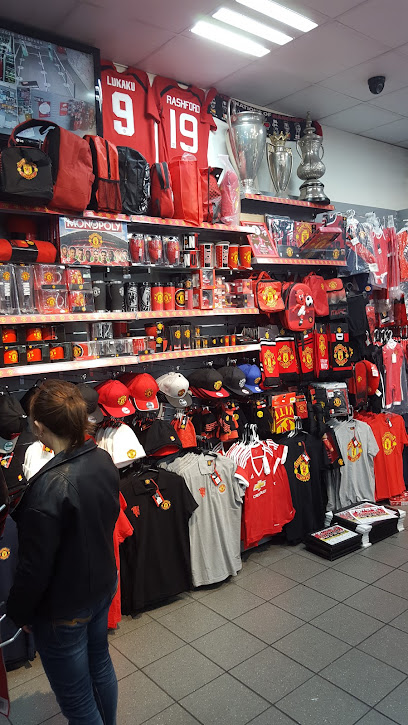
Søstrene Grene
0.4 km
Discover Danish-inspired creativity and cozy home treasures in the heart of Manchester’s vibrant city centre.
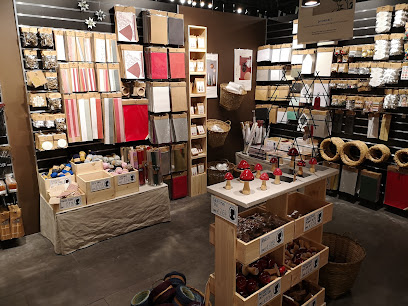
Pulse
0.4 km
Discover unique local treasures and artistic gifts in the heart of Manchester’s historic St Anne’s Square at Pulse.
Menkind
0.5 km
Discover quirky gadgets and unique gifts at Menkind, Manchester Arndale’s vibrant destination for fun and innovative presents.
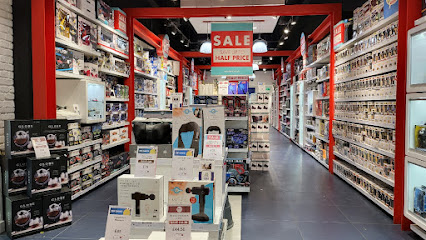
Rams Gift World
0.5 km
Discover unique gifts and local crafts at Rams Gift World, Manchester’s vibrant and eclectic souvenir shop on Market Street.

Flying Tiger Copenhagen
0.5 km
Discover playful Danish design and quirky everyday essentials at Flying Tiger Copenhagen in Manchester Arndale’s vibrant Market Street.
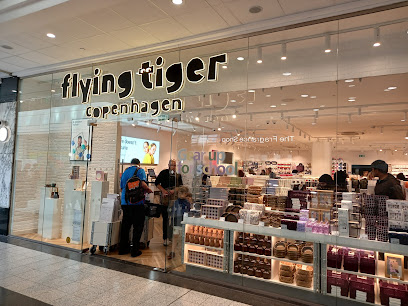
TVSeriesJackets
0.6 km
Explore TVSeriesJackets in Manchester, where iconic TV show jackets come to life, blending style with your favorite characters' adventures.
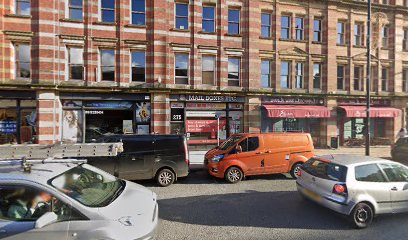
Catch my Thrift
0.6 km
Sustainable designer vintage at £25 and under – Manchester's thrift haven for slow fashion lovers in the city centre.
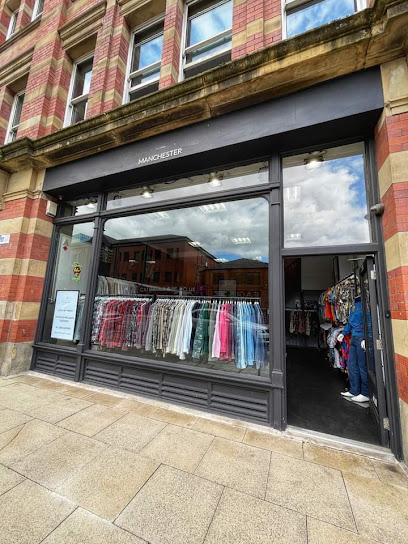
Amazonas Gifts
0.6 km
Discover unique gifts and souvenirs at Amazonas Gifts, nestled in the heart of Manchester Markets Piccadilly.
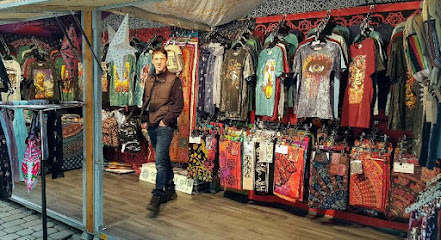
The Manchester Shop
0.6 km
Discover Manchester's soul in bee motifs, music tees, and proud souvenirs at this Northern Quarter gem within Afflecks Arcade.
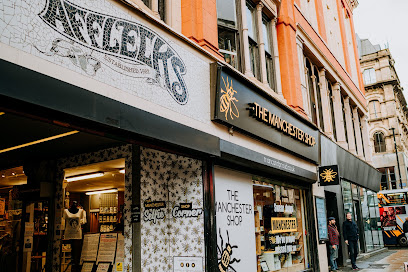
needi
0.6 km
Discover unique, locally crafted gifts with expert personal service in the heart of Manchester’s vibrant Piccadilly at Needi.

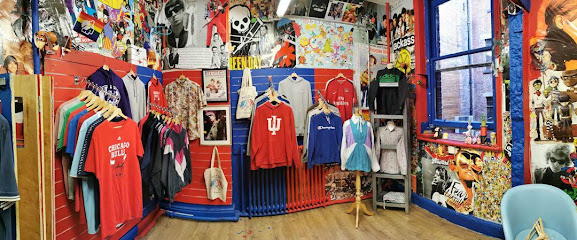
Red and Blue Umbrella
0.6 km
Discover timeless style and friendly service at Manchester’s Red and Blue Umbrella vintage clothing shop on Church Street.
Essential bars & hidden hideouts

Slug & Lettuce - Albert Square Manchester
0.2 km
Vibrant cocktail bar and restaurant in Manchester’s Albert Square, perfect for lively brunches, evening drinks, and social celebrations.
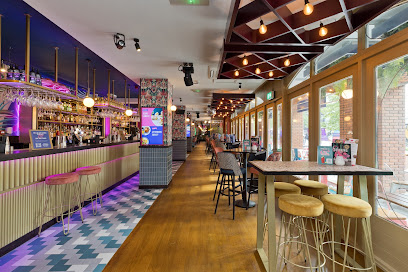
Salt Dog Slim's Manchester
0.2 km
Dive into Salt Dog Slim's Manchester for bold cocktails, American-style hot dogs, and a vibrant nightlife experience in the heart of the city.
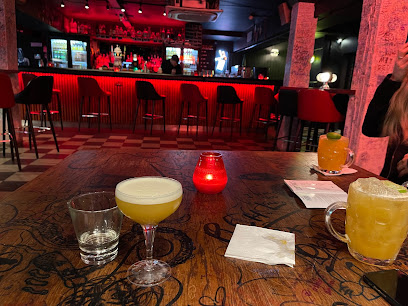
All Bar One Manchester
0.3 km
Stylish wine bar on Manchester’s King Street offering Mediterranean-inspired dishes and a lively, modern atmosphere for casual dining and drinks.
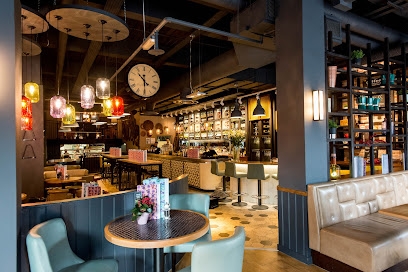
The Alchemist New York Street
0.3 km
A captivating cocktail theatre and dining experience blending molecular mixology with global cuisine in Manchester’s vibrant city centre.
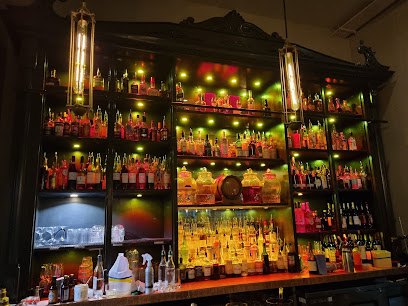
Speak In Code
0.3 km
Discover Speak In Code, Manchester’s innovative cocktail bar blending artisanal mixology, sustainable practices, and a uniquely immersive atmosphere.
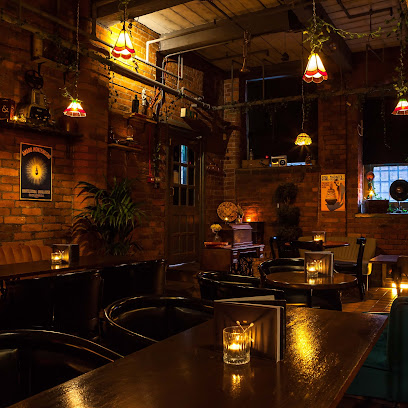
Corbieres Bar
0.4 km
Discover Corbieres Bar, Manchester’s cozy underground spot famed for its eclectic jukebox, vegan-friendly pizzas, and welcoming vibe.
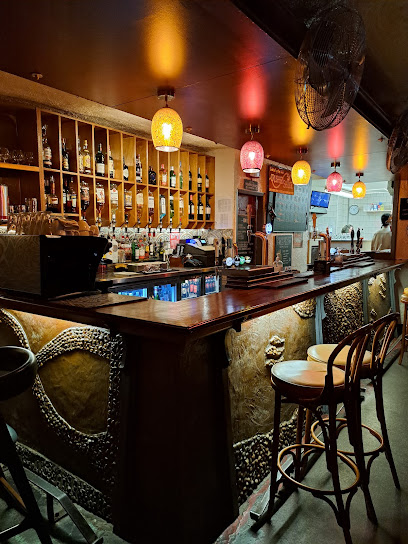
Arcane
0.4 km
Discover Arcane, a cozy Victorian-inspired cocktail bar in Manchester’s city centre, blending inventive drinks with a relaxed, intimate atmosphere.
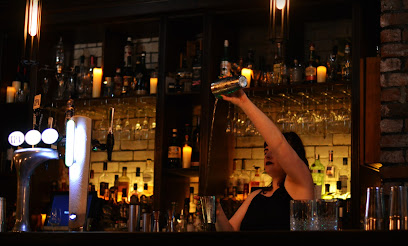
Three Little Words
0.5 km
A stylish gin distillery and cocktail bar under historic arches, blending craft cocktails, seasonal food, and immersive experiences in Manchester’s heart.
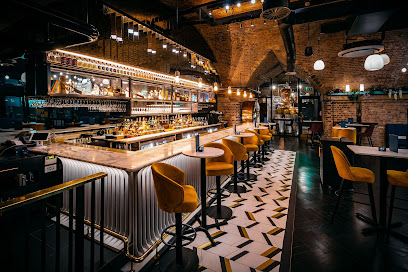
The Britons Protection
0.5 km
Historic Manchester pub famed for its vast whisky selection, traditional charm, lively atmosphere, and welcoming community spirit.
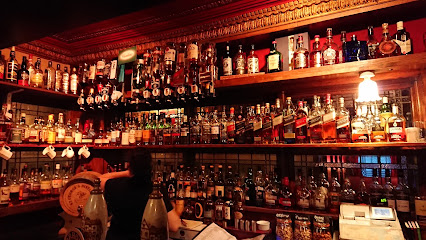
Gorilla
0.5 km
Manchester's ultimate hybrid haunt: brunch by day, beats by night in a funky bar-club fusion with live gigs and roasts.
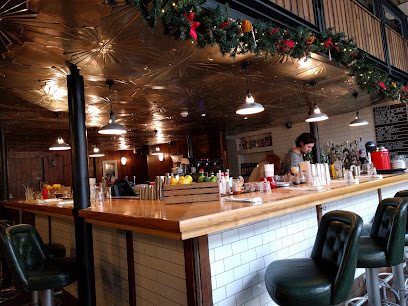
The Gas Lamp
0.5 km
Discover Manchester’s atmospheric basement pub with a rich history, exceptional craft beers, and a cozy, characterful vibe beneath Bridge Street.
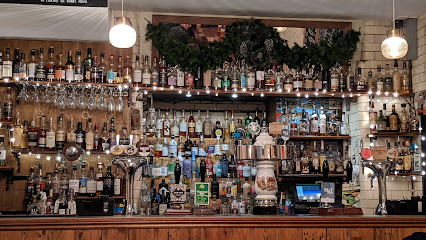
The Blues Kitchen Manchester
0.5 km
Experience authentic Southern barbecue, soulful live music, and vibrant vibes in the heart of Manchester’s Spinningfields.
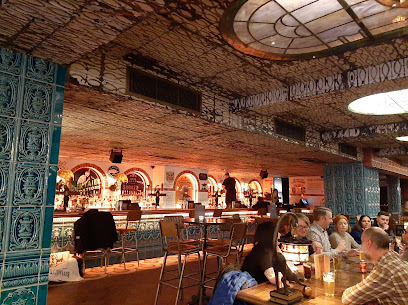
Be At One - Manchester
0.5 km
Lively cocktail bar on Deansgate with 100+ drinks, private hire rooms, and unbeatable happy hour deals in the heart of Manchester nightlife.
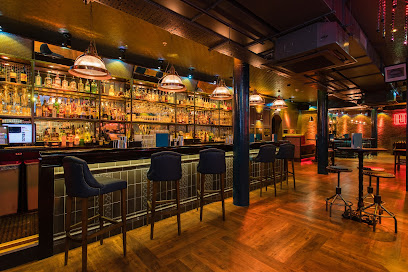
MOJO
0.5 km
Eclectic cocktail bar in Manchester’s heart, blending creative drinks with a lively, urban nightlife vibe.
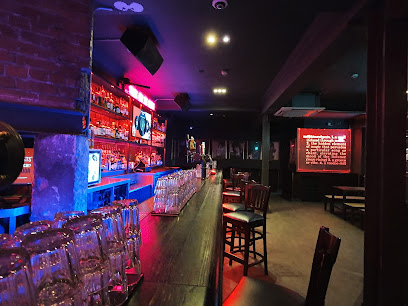
The Alchemist Spinningfields
0.6 km
Innovative cocktails and contemporary dining in Manchester’s vibrant Spinningfields district, blending theatrical flair with a lively social scene.
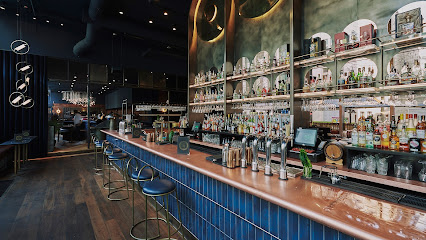
Nightclubs & after hour spots

Satans Hollow
0.3 km
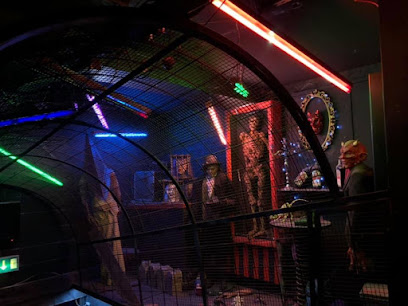
Manchester's infernal punk-rock abyss: demonic decor, dirt-cheap drinks, and mosh-pit mayhem for metalheads and rebels.
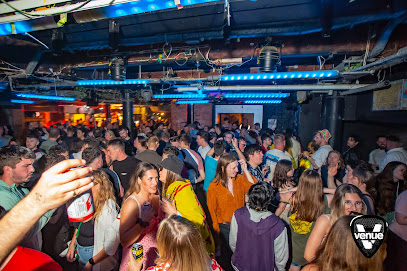
Venue Nightclub
0.3 km
Manchester's underground indie haven: cheap drinks, packed dance floors, and anthems till dawn in Deansgate's electric night scene.
Club Liv Manchester
0.4 km
Experience Manchester’s vibrant nightlife with exclusive VIP vibes, world-class Pan-Asian dining, and a stylish rooftop terrace at Club Liv.
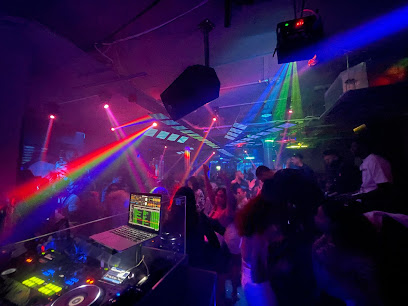
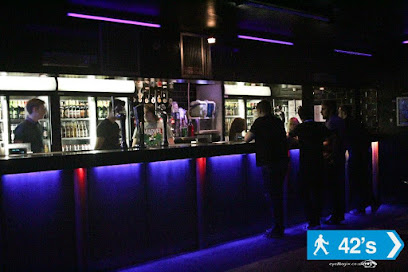
42's
0.4 km
Manchester’s iconic indie nightclub blending rich musical heritage with a lively, inclusive nightlife experience.
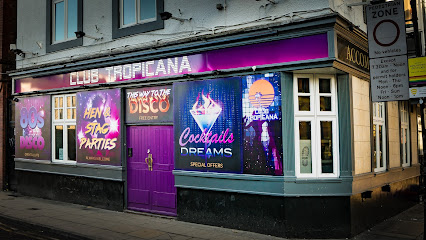
Club Tropicana
0.4 km
Dive into 1980s glamour at Manchester's premier gay nightclub, where drag, DJs, cocktails, and retro beats fuel the Gay Village's electric nightlife.
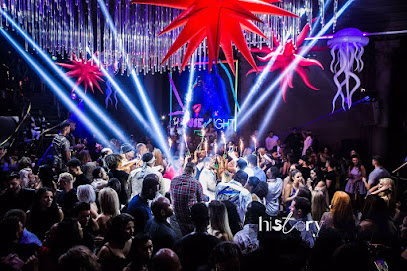
History Nightclub
0.5 km
Experience Manchester’s lively hip hop and house beats at History Nightclub, a large, energetic venue open late into the night.
Viva Manchester
0.5 km
Compact stage-driven nightclub on Whitworth Street West — theatrical themed nights, DJ sets and group-friendly table service.
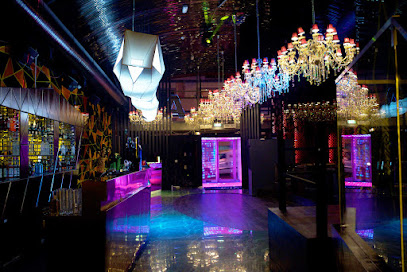
Bliss Club Manchester
0.5 km
Experience Manchester’s authentic late-night vibe at Bliss Club, where music and local energy blend into a spirited urban nightlife hub.

Royal Vida Night Club
0.5 km
Dive into Manchester's underground pulse at Royal Vida, where Castlefield's industrial shadows host thumping beats and endless nights from 11pm to 4am.
Kable
0.6 km
A compact, late‑night basement club on New Wakefield Street, favoured for punchy electronic nights and close‑up DJ sessions.
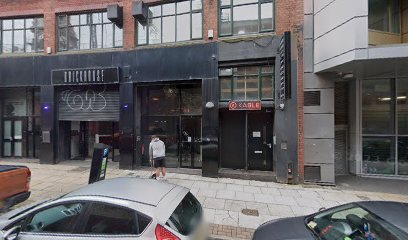
Popworld Manchester
0.6 km
Dance to cheesy pop anthems amid neon lights and poptail cocktails in Manchester's ultimate throwback nightclub.
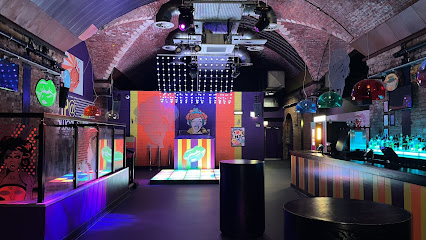
Ark Manchester
0.7 km
Multi-room beats and canal-side cocktails fuel Manchester's electric Deansgate Locks nightlife at Ark—dance, drink, repeat till dawn.
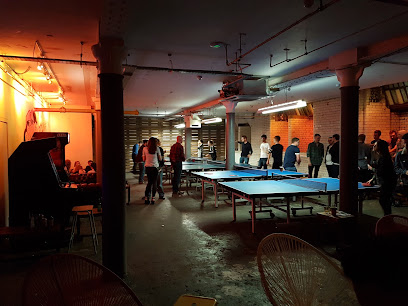
Twenty Twenty Two
0.7 km
Manchester's gritty basement haven where ping pong battles rage under DJ beats and craft brews flow freely in the Northern Quarter's creative underbelly.
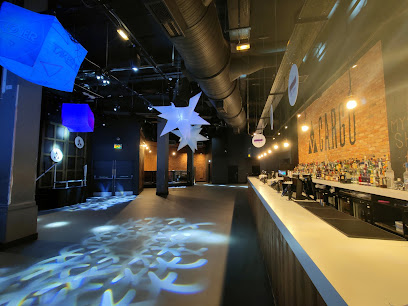
Cargo
0.7 km
Manchester's Printworks powerhouse: light-up dance floors, bottomless brunches, and non-stop beats until dawn in the city's nightlife epicenter.
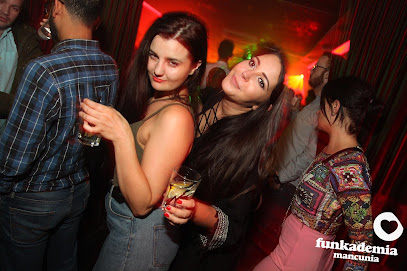
Funkademia
0.8 km
Manchester's longest-running funk and soul night pulses at Mint Lounge in the Northern Quarter—dance to electric disco until dawn in an underground haven.
For the vibe & atmosphere seeker
- Tranquil
- Scenic
- Unique
- Casual
For the design and aesthetic lover
- Minimalist Designs
For the architecture buff
- Historic
- Landmarks
- Sacred Sites
For the view chaser and sunset hunter
- Iconic Views
For the social media creator & influencer
- Instagrammable
- Photo Spots
- Selfie Spots
- Architectural Shots
For the eco-conscious traveler
- Public-Transport Accessible
For the kind of experience you’re after
- Cultural Heritage
- Myth & Legends
- Mindfulness
- Day Trip
For how adventurous you want the journey to be
- Easy Access
Location Audience
- Family Friendly
- Senior Friendly
- Child Friendly
- Teen Friendly
- Wheelchair Access
- Solo Friendly
- Couple Friendly
- Vegetarian Friendly
- Vegan Friendly


