
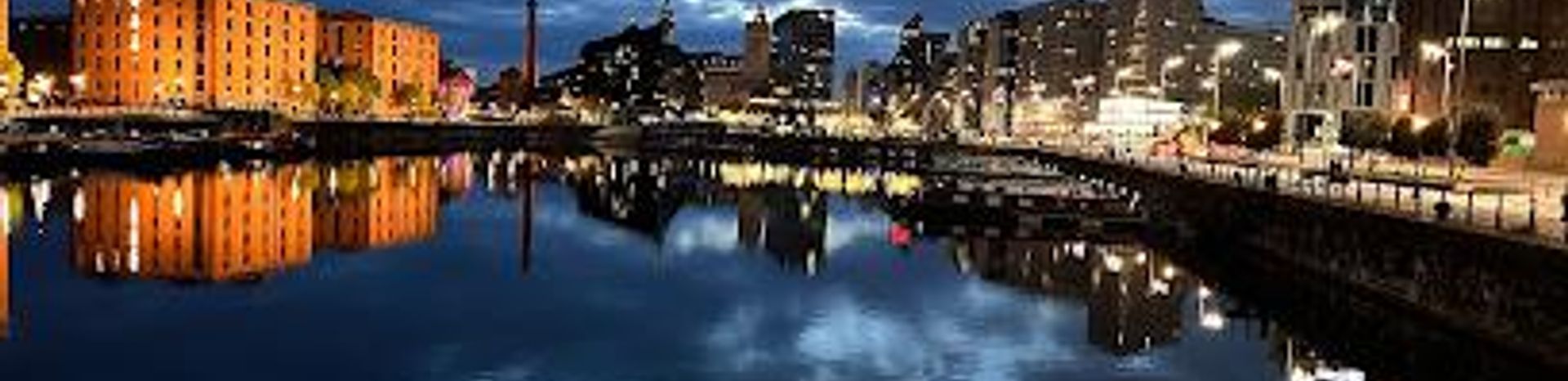
Salthouse Dock
One of Liverpool’s oldest docks, Salthouse Dock is a quiet stretch of water steeped in salt-trade history, now part of the Albert Dock’s UNESCO waterfront.
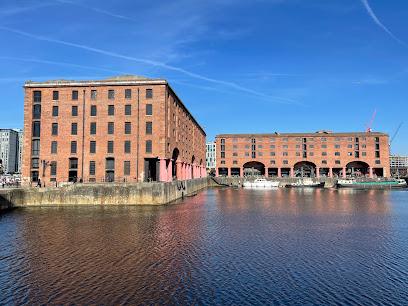
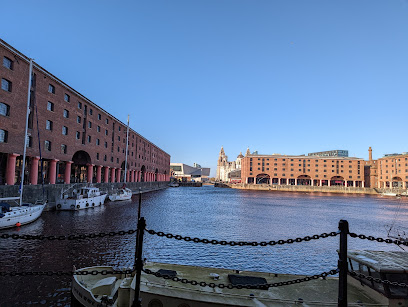
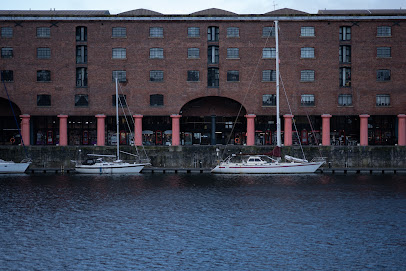
Salthouse Dock is one of Liverpool’s oldest surviving docks, dating back to 1753. Originally built as the South Dock and later renamed for nearby saltworks, it played a key role in the city’s salt trade and later supported the Albert Dock complex. Today, it forms part of the UNESCO World Heritage–listed Liverpool Maritime Mercantile City, offering a quiet, photogenic stretch of water framed by historic warehouses and the modern waterfront. It’s a peaceful spot to reflect on Liverpool’s maritime past while enjoying views of the Albert Dock and the River Mersey.
A brief summary to Salthouse Dock Liverpool - UK
- Salthouse Dock, Salthouse Quay, The Strand, Gower St, Liverpool, L3 4AN, GB
- Visit website
- Duration: 0.5 to 2 hours
- Free
-
 Outdoor
- Mobile reception: 5 out of 5
- Monday 12 am-12 am
- Tuesday 12 am-12 am
- Wednesday 12 am-12 am
- Thursday 12 am-12 am
- Friday 12 am-12 am
- Saturday 12 am-12 am
- Sunday 12 am-12 am
Local tips
- Visit early in the morning or late afternoon to avoid crowds and catch the best light for photos of the dock and surrounding warehouses.
- Walk the full perimeter of the dock to appreciate the different architectural details and views of the Albert Dock and River Mersey.
- Combine your visit with the nearby Maritime Museum, Tate Liverpool, and The Beatles Story for a full day on the waterfront.
- Look for the rebuilt gable of the 1855 transit shed – it’s the last surviving remnant of the many goods sheds that once lined the docks.

For the on-the-go comforts that matter to you
- Restrooms
- Drink Options
- Drinking Water
- Food Options
- Seating Areas
- Sheltered Areas
- Trash Bins
- Information Boards
Getting There
-
Walking
From Liverpool Central station, follow signs to the waterfront and Albert Dock. The walk takes about 15–20 minutes along level, paved routes, passing through the city centre and along the Strand. Salthouse Dock is at the southern end of the Albert Dock complex, just beyond Canning Dock.
-
Bus
Several local bus routes serve the Pier Head and Albert Dock area, with stops within a 5-minute walk of Salthouse Dock. Journey times from the city centre are typically 10–15 minutes, depending on traffic and exact starting point.
-
Train
Arrive at Liverpool Lime Street or Liverpool Central station, then walk or take a short bus ride to the waterfront. Trains from major UK cities connect to both stations, with journey times varying by origin.
-
Car
Drive to the Albert Dock area using the city centre ring road. Paid public car parks are available nearby, with a 5–10 minute walk to Salthouse Dock along well-maintained, level paths.
Salthouse Dock Liverpool - UK location weather suitability
-
 Any Weather
-
 Mild Temperatures
-
 Clear Skies
Discover more about Salthouse Dock Liverpool - UK
One of Liverpool’s Oldest Docks
Salthouse Dock, opened in 1753, is the second wet dock ever constructed in Liverpool and the oldest still in existence. Designed by pioneering dock engineer Thomas Steers and likely completed by Henry Berry, it was originally known as the South Dock. Its current name comes from John Blackburne’s saltworks at the eastern end, which gave the dock its identity as a hub for the salt trade. Ships brought rock salt from Cheshire, coal from Lancashire for refining, and later carried manufactured salt to markets across the British Isles and beyond.A Hub for Salt and Global Trade
In the 18th and early 19th centuries, Salthouse Dock was a vital transit terminal for Liverpool’s salt industry, a cornerstone of the city’s economy. Refined salt was shipped to places like the Isle of Man and Newfoundland for preserving fish, while the dock also handled agricultural produce from Ireland and goods such as wine, brandy, and fruit from small French and Mediterranean vessels. After the opening of the Albert Dock in the mid-19th century, Salthouse was repurposed as a loading area for ships that had first unloaded in Albert, helping to streamline the port’s operations.Surviving Architecture and Historic Fabric
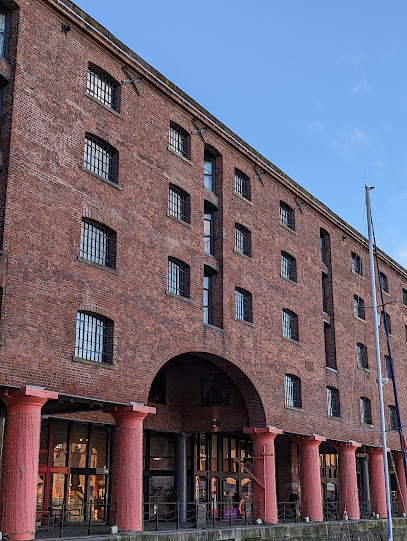
Though much of the dock’s masonry dates from 19th-century improvements in 1842 and 1853, original 18th-century stonework can still be seen at the southwest corner. One of the most distinctive surviving features is the rebuilt gable of an 1855 transit shed, the last remnant of the many goods sheds once built by Jesse Hartley to protect cargo. These structures speak to the dock’s long history as a working port and its evolution through the age of sail and steam.Part of the Albert Dock Complex Today
Today, Salthouse Dock is integrated into the Royal Albert Dock and Pier Head area, a UNESCO World Heritage–listed maritime landscape. While no longer a working commercial dock, it remains a quiet, atmospheric stretch of water, framed by grand Victorian warehouses and modern waterfront developments. The dock is now a Blue Flag marina, home to leisure craft and a popular spot for walking, photography, and simply soaking in the city’s maritime heritage.A Peaceful Waterfront Escape
Unlike the busier Albert Dock quays, Salthouse offers a more tranquil experience. Benches along the quay invite quiet contemplation, with views across the water to the Albert Dock’s iconic warehouses and the wider Mersey waterfront. The dock’s scale and historic fabric make it ideal for a photowalk, while its proximity to museums, galleries, and restaurants means it fits naturally into a broader day exploring Liverpool’s waterfront. It’s a place where the city’s industrial past feels close at hand, yet the atmosphere is relaxed and inviting.Iconic landmarks you can’t miss

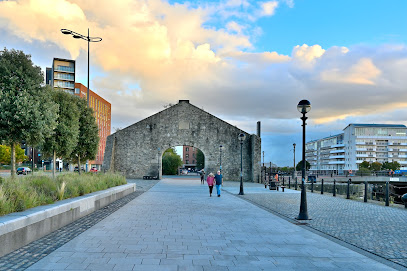
Old Wall Arch Albert Dock UK
0.1 km
Historic Georgian gateway at Liverpool’s Albert Dock, blending maritime heritage with vibrant cultural life and scenic waterfront charm.
Albert Dock Pride Sculpture
0.1 km
A vibrant public artwork at Liverpool’s Royal Albert Dock celebrating LGBTQ+ pride, diversity, and the city’s rich maritime heritage.
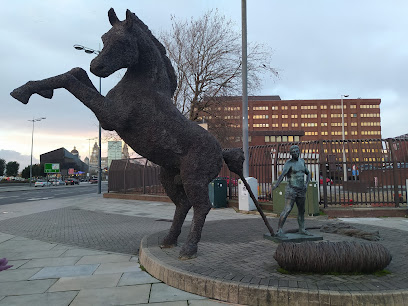
'The Great Escape' statue
0.1 km
A powerful bronze horse symbolising freedom and human liberation at Liverpool's historic waterfront.
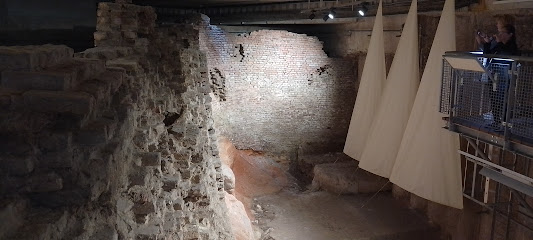
Viewing window to the Old Dock
0.3 km
Step through a glass window into the world’s first commercial wet dock, the birthplace of Liverpool’s global maritime legacy.
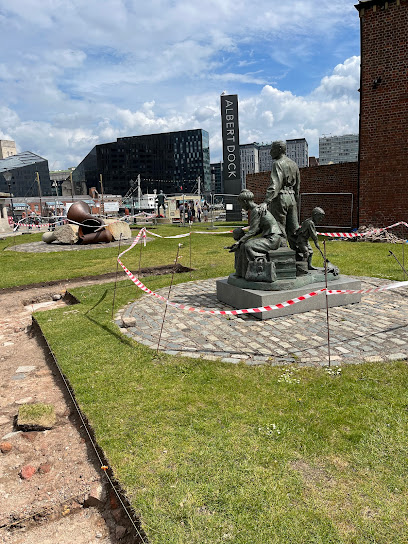
Legacy Sculpture
0.3 km
A powerful bronze tribute at Royal Albert Dock honoring Liverpool’s migrant heritage and the hopeful journeys to the New World.
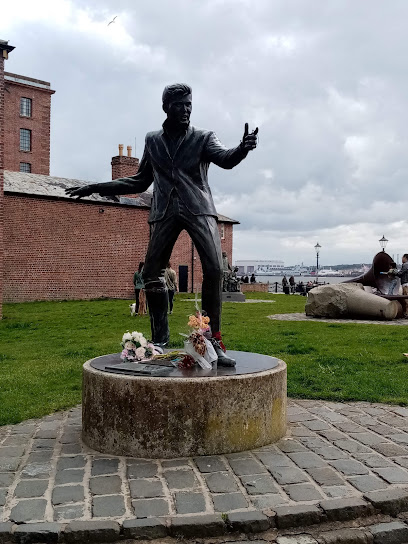
Billy Fury
0.4 km
Celebrate the legacy of Liverpool’s rock and roll pioneer with the iconic Billy Fury statue at the historic Royal Albert Dock.
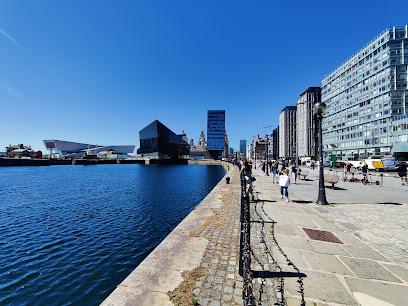
Mann Island
0.4 km
Contemporary waterfront landmark reflecting Liverpool's maritime heritage through striking architecture and cultural innovation.
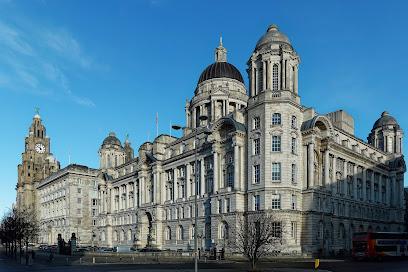
The Port Of Liverpool Building
0.5 km
The oldest of Liverpool’s Three Graces, this Edwardian Baroque masterpiece at Pier Head is a powerful symbol of the city’s golden age as a global port and a defining feature of its historic skyline.
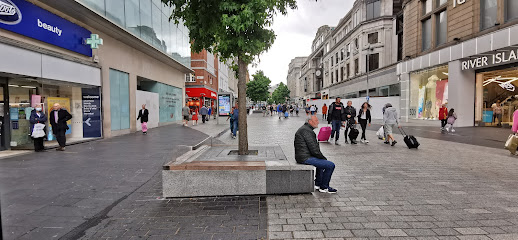
Coopers Building
0.6 km
Discover Coopers Building, a striking early 20th-century landmark that enriches Liverpool’s historic Church Street with timeless architectural charm.
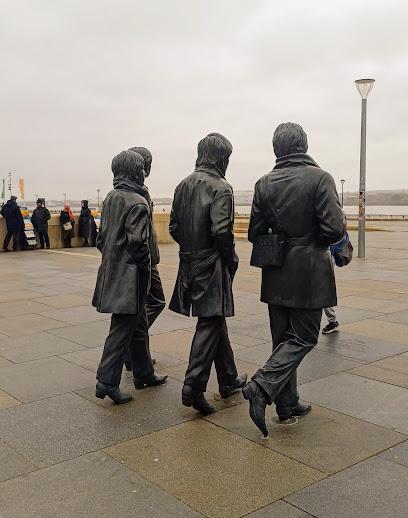
The Beatles Statue
0.6 km
A bronze tribute to John, Paul, George, and Ringo on Liverpool’s iconic waterfront – a must-see for every Beatles fan.
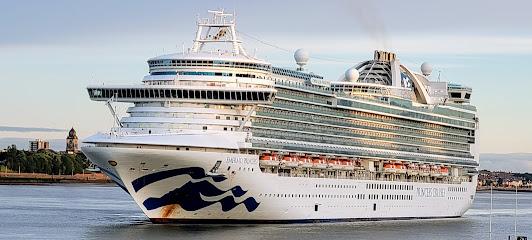
Canada Blvd
0.6 km
Experience the charm and history of Canada Boulevard in Liverpool, a vibrant waterfront destination with stunning views and rich cultural significance.
The British Music Experience
0.6 km
Explore the vibrant history of British music at The British Music Experience, an interactive museum celebrating iconic artists and genres in Liverpool.
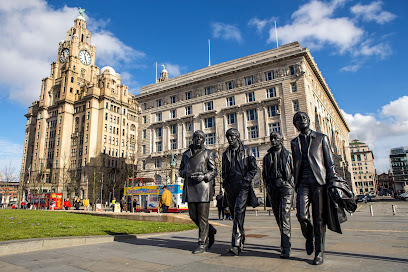
Cunard Building
0.6 km
A majestic waterfront landmark embodying Liverpool’s rich maritime history and Cunard’s legacy of luxury ocean travel.
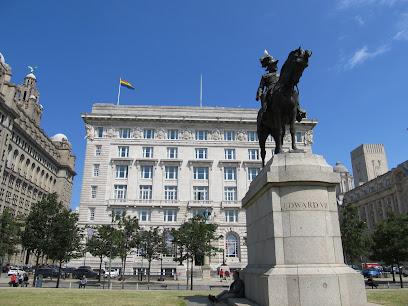
The Three Graces
0.6 km
Iconic trio of waterfront buildings symbolizing Liverpool’s maritime heritage and architectural grandeur at the Pier Head.
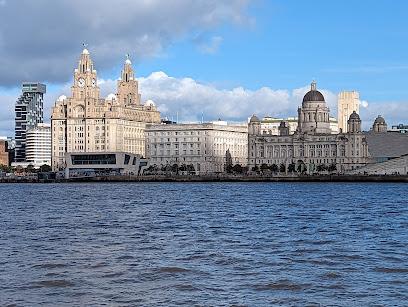
The Liverpool Waterfront
0.7 km
Discover the beauty and history of Liverpool Waterfront, where iconic landmarks meet vibrant culture along the banks of the River Mersey.
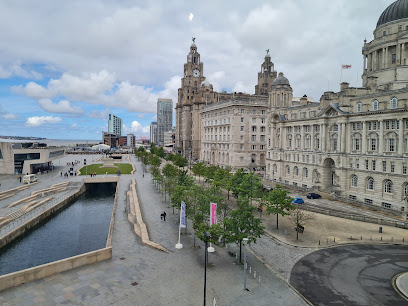
Unmissable attractions to see

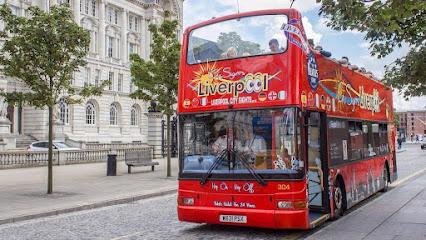
Liverpool City Sights Tour Bus
0.1 km
Discover Liverpool’s iconic landmarks and rich history aboard a flexible hop-on hop-off open-top bus tour with live, engaging commentary.
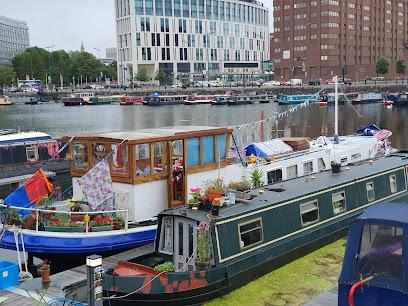
Salthouse Quay
0.1 km
Historic Liverpool dock with scenic waterside moorings, rich maritime heritage, and vibrant connections to the Royal Albert Dock waterfront.
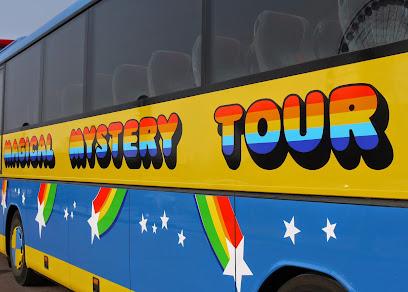
Beatles Magical Mystery Tour
0.1 km
Liverpool's longest-running Beatles tour: visit iconic homes, legendary landmarks, and the Cavern Club where it all began.
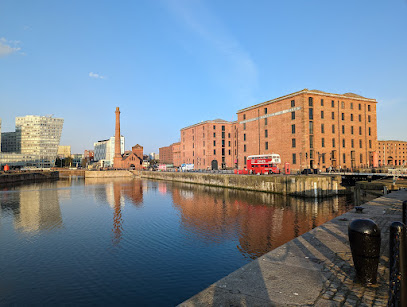
Royal Albert Dock Liverpool
0.2 km
A beautifully restored 19th-century dock turned vibrant waterfront hub of culture, dining, and history on the River Mersey.
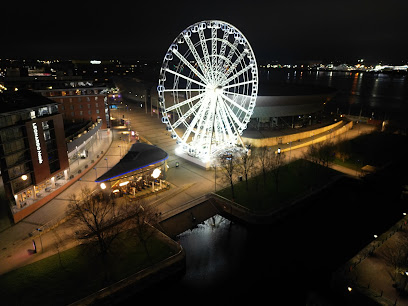
Liverpool wheel
0.2 km
Experience breathtaking 360-degree views of Liverpool’s iconic waterfront from the 60-meter Wheel of Liverpool at Royal Albert Dock.
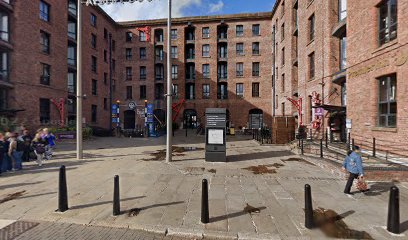
Magical Mystery Tour
0.2 km
Explore Liverpool’s Beatles heritage on the iconic Magical Mystery Tour, visiting legendary sites from childhood homes to the world-famous Cavern Club.
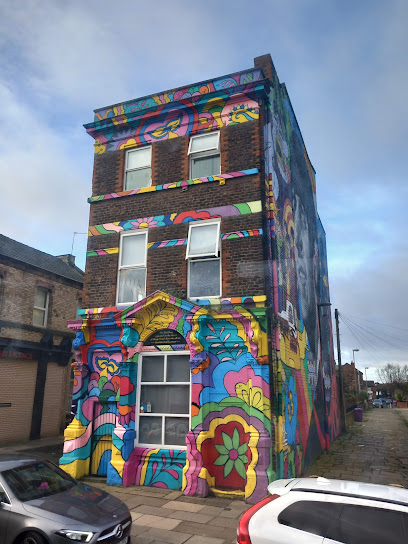
Dukes Dock Liverpool
0.2 km
One of Britain’s oldest docks, Duke's Dock blends historic canal heritage with tranquil riverside leisure in Liverpool’s city centre.
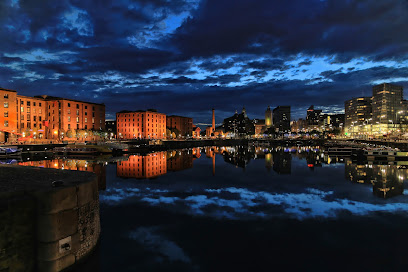
The Dock Traffic Office, Liverpool
0.2 km
Historic Grade I listed Dock Traffic Office in Liverpool’s Royal Albert Dock, a symbol of maritime heritage and Victorian industrial design.
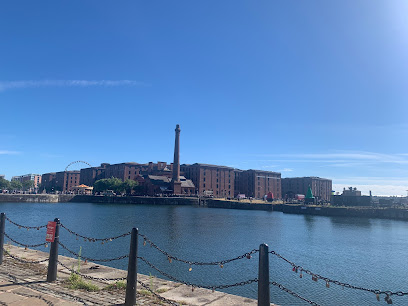
The Beatles Story Museum, Liverpool
0.2 km
Immerse yourself in the ultimate Beatles experience at Liverpool’s iconic waterfront museum celebrating the Fab Four’s legendary journey.
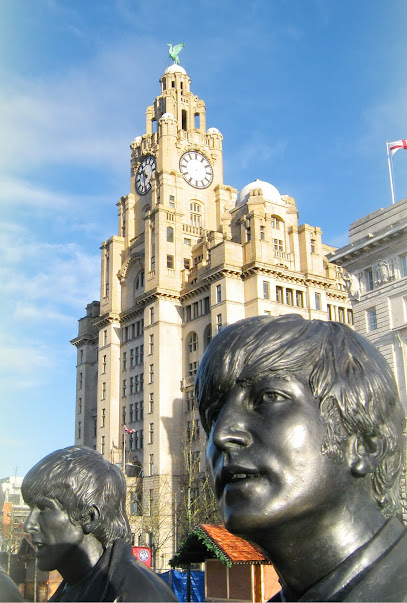
Pump House
0.2 km
Waterside Victorian pumphouse turned lively pub-restaurant on Albert Dock, serving classic British dishes and seasonal ales with dock views.
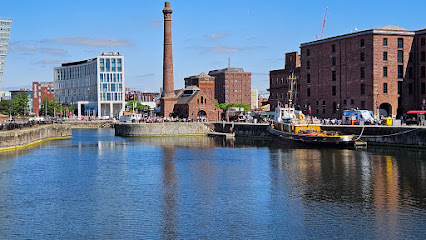
Maritime Museum
0.2 km
Explore Liverpool’s maritime past at the free Merseyside Maritime Museum, nestled in the historic and vibrant Royal Albert Dock.
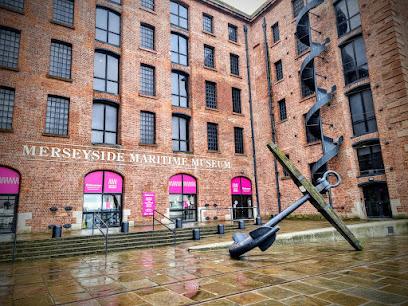
Wheel Of Liverpool
0.3 km
Experience breathtaking 360-degree views of Liverpool’s iconic waterfront from the 60-meter-high Wheel of Liverpool.
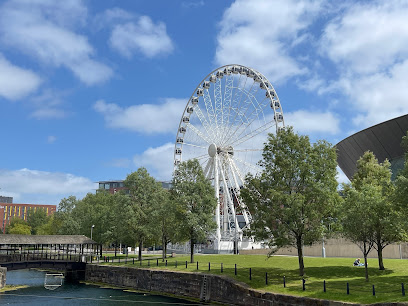
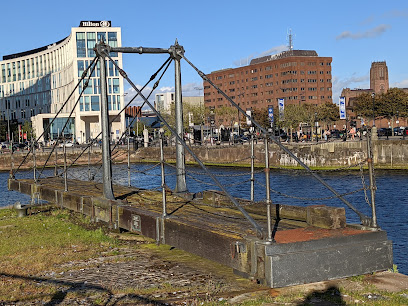
RENNIE BRIDGE
0.3 km
Historic iron swing footbridge linking Liverpool’s Royal Albert Dock, showcasing John Rennie’s engineering legacy and maritime heritage.
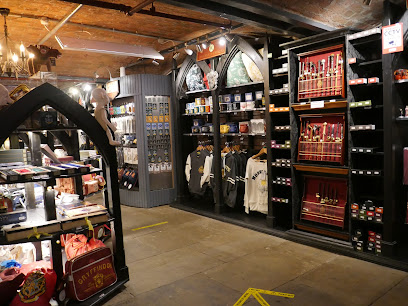
House of Spells
0.3 km
Step into Liverpool’s largest fandom shop at Albert Dock, where magic, cult TV, and iconic collectibles come alive across two immersive floors.
Tate Liverpool
0.3 km
Discover Tate Liverpool’s vibrant contemporary art and family activities at RIBA North, Mann Island, amidst Liverpool’s iconic waterfront.
Essential places to dine

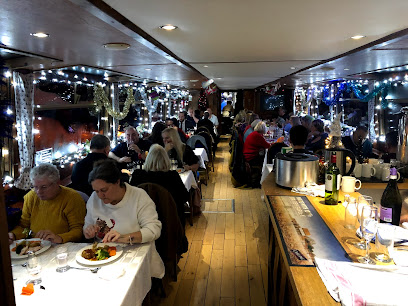
Floating Grace
0.1 km
Dine and cruise the Mersey aboard a historic vessel, combining fresh cuisine with scenic waterfront views and entertaining skipper commentary.
Miller & Carter Albert Dock
0.1 km
Savor expertly crafted British and Irish steaks with panoramic Albert Dock views in Liverpool’s vibrant waterfront steakhouse.
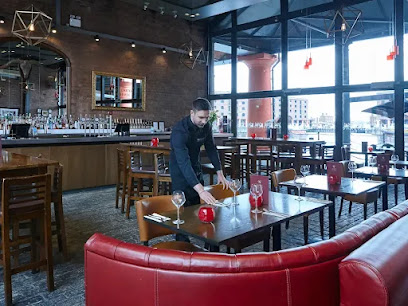
Madre
0.1 km
Vibrant Mexican taqueria at Albert Dock: authentic tacos, killer margaritas, and waterfront terrace vibes in Liverpool's heart.
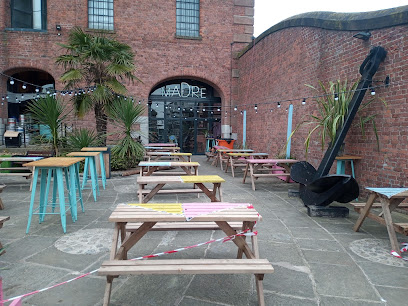
Revolución de Cuba Liverpool
0.1 km
Discover authentic Cuban cuisine at Revolución de Cuba Liverpool—where vibrant culture meets exquisite flavors in a lively lounge setting.
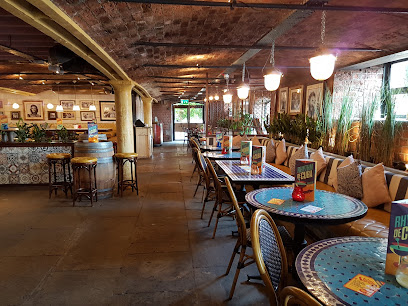
Maray Albert Dock
0.2 km
Mediterranean and Middle Eastern small plates in a vibrant waterfront setting at Liverpool’s historic Royal Albert Dock.
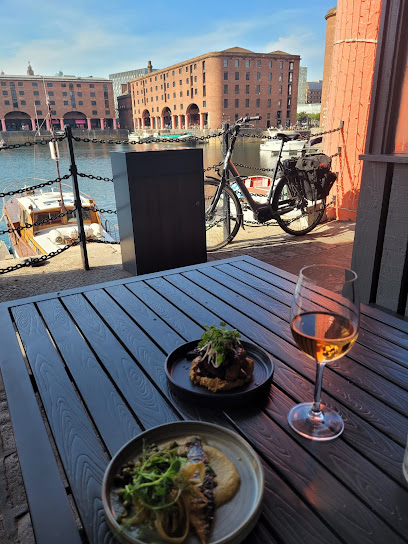
Gusto Italian
0.2 km
Stylish Italian dining in Liverpool’s Edward Pavilion, blending classic Milanese flavors with a sleek, inviting atmosphere.
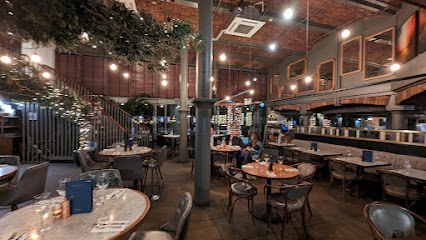
Lunyalita
0.2 km
Authentic Catalan tapas and deli delights with stunning Albert Dock views in Liverpool’s historic Britannia Pavilion.
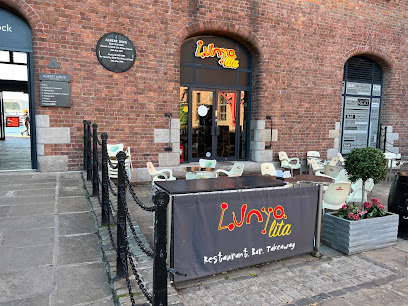
Rudy's Pizza Napoletana - Albert Dock
0.2 km
Authentic Neapolitan pizzas served in a lively waterfront setting at Liverpool’s historic Albert Dock.
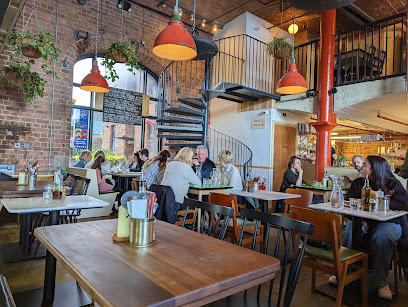
PANAM Restaurant & Bar
0.2 km
Savor Scouse stew and craft cocktails amid Albert Dock's glittering waters—PANAM blends Liverpool's maritime soul with vibrant brunches and live music nights.
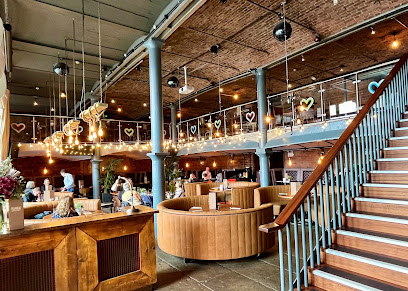
The Exchange Restaurant
0.2 km
Elegant British dining with seasonal menus and scenic park views at Hilton Liverpool City Centre’s premier restaurant.
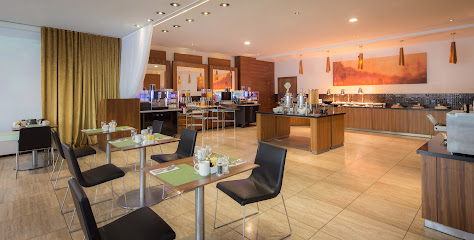
What's Cooking
0.3 km
Hearty American-Mexican grills with Mersey views in Liverpool's historic Albert Dock—a dockside dining staple since 1978.
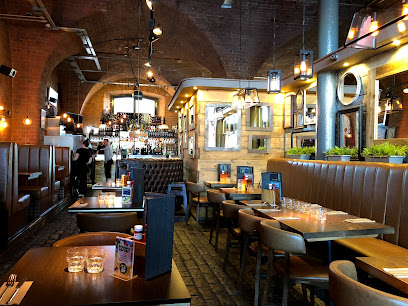
The Botanist Albert Dock
0.3 km
A lush botanical bar and restaurant at Liverpool’s Albert Dock, blending garden-inspired charm with creative cocktails and vibrant dining.
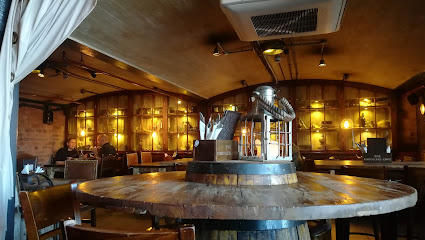
Churrasco Steak House - City - Liverpool
0.3 km
A vibrant Liverpool steakhouse blending South American flair with British quality steaks and interactive dining in the city centre.
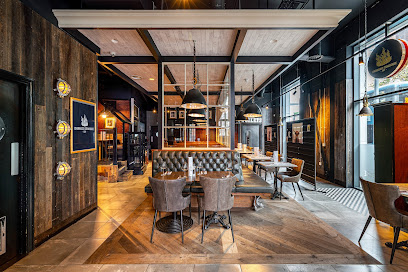
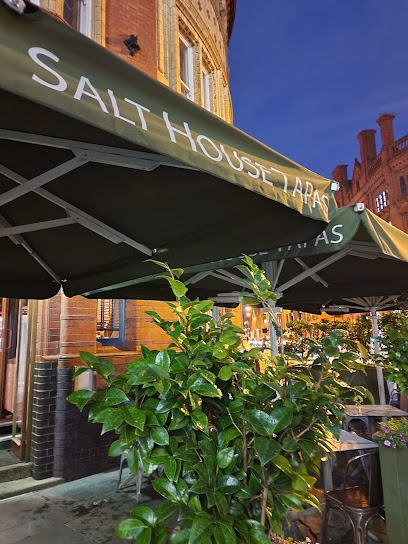
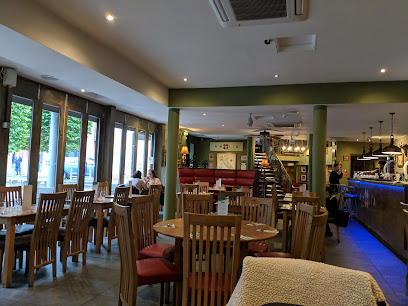
Salt House Tapas
0.4 km
Experience authentic Spanish tapas in a lively, historic Liverpool setting with generous portions and vibrant atmosphere.
Amalia - Italian Restaurant Liverpool
0.4 km
Experience authentic Italian flavors and warm hospitality at Amalia, Liverpool’s beloved family-inspired Italian restaurant in Campbell Square.
Markets, malls and hidden boutiques

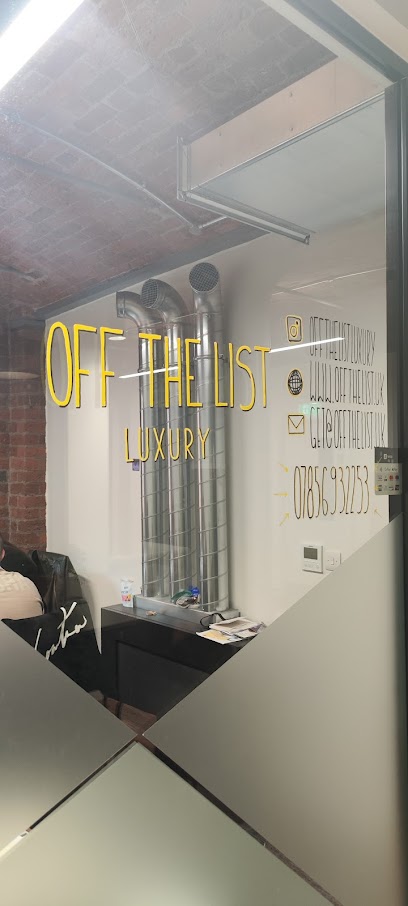
Off The List Luxury
0.1 km
Discreet luxury watch boutique in Liverpool's business heart, offering Rolex Datejust and elite timepieces with expert, professional service.
The Fab4 Store
0.2 km
Liverpool's ultimate Beatles emporium: official merch, rare finds, and Fab Four magic at Albert Dock's heart.
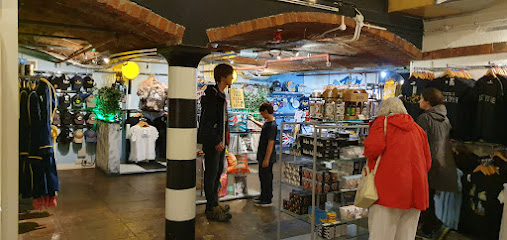
With Love From Liverpool
0.3 km
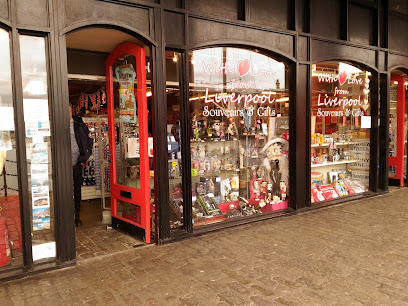
Liverpool's ultimate souvenir haven in the Royal Albert Dock, brimming with Beatles treasures, Scouse spirit, and authentic gifts that capture the city's unbeatable vibe.
Annabel's Accessories
0.3 km
Fashion accessories in Liverpool's historic Royal Albert Dock, blending style with UNESCO heritage at The Colonnades.
Nature's Treasure
0.3 km
Intimate jewellery boutique in The Colonnades, offering handcrafted pieces, bespoke commissions and restoration inside Liverpool’s historic Albert Dock.
The Nest Liverpool
0.3 km
Unique gifts and local crafts in Liverpool's historic Royal Albert Dock—a perfect waterfront stop for authentic Scouse souvenirs.
Lost Soles
0.3 km
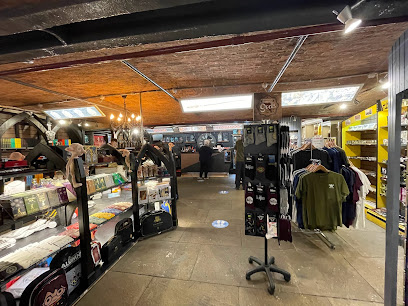
Unique graphic tees and menswear in Liverpool's historic Albert Dock – independent style with waterfront flair.
Pride of Liverpool
0.3 km
Whistle-stop souvenirs celebrating Liverpool pride and Britain's iconic cities in the heart of Royal Albert Dock's historic colonnades.
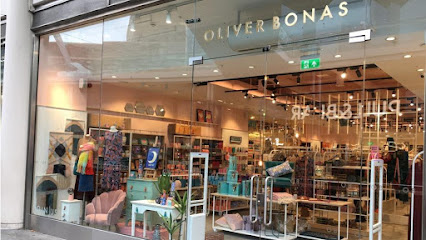
Oliver Bonas
0.4 km
Colourful, design-led fashion and homeware in Liverpool ONE — a boutique atmosphere for stylish gifts and everyday statement pieces.
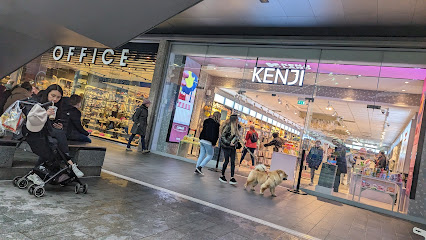
KENJI Liverpool ONE
0.4 km
Discover cute plushies, quirky gifts, and local makers in Liverpool ONE's playful arcade-gift haven—perfect for unique souvenirs and fun finds.
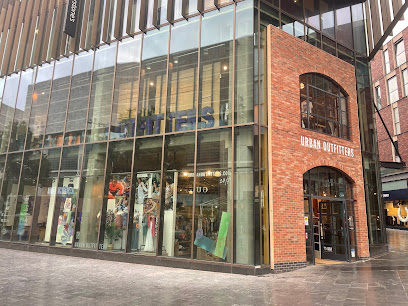
Urban Outfitters
0.4 km
Discover unique vintage-inspired fashion and eclectic homewares at Urban Outfitters Liverpool, a vibrant hub for style and culture in the city centre.
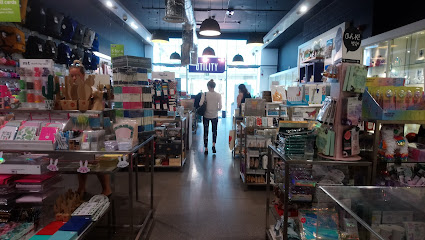
Utility
0.5 km
Independent Liverpool gift shop specialising in quirky, design-led presents, cards and small homewares with a friendly, well-curated atmosphere.
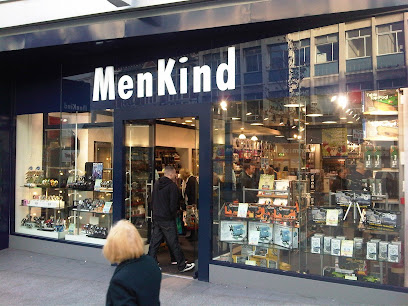
Menkind
0.5 km
Discover quirky gadgets and imaginative gifts for men and boys at Menkind Liverpool, your go-to spot for unique presents in the city centre.
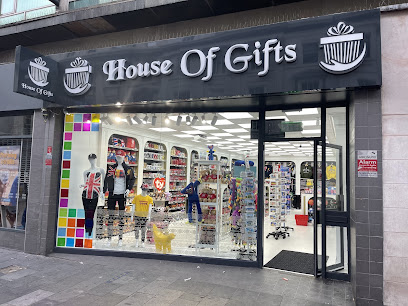
House Of Gifts
0.6 km
A fun-filled Liverpool novelty shop packed with souvenirs, local memorabilia, and quirky gifts for visitors and locals alike.
Cavern Walks - Shopping Centre
0.6 km
Boutique shopping arcade in Liverpool's Beatles epicentre, linking stylish retail to Cavern Club legacy on vibrant Mathew Street.
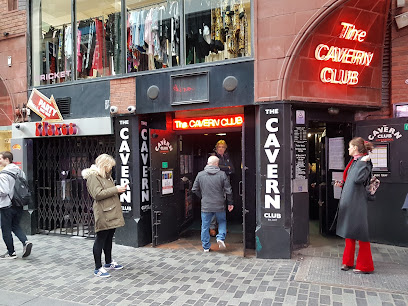
Essential bars & hidden hideouts

Revolution Liverpool - Albert Dock
0.1 km
Vibrant cocktails, riverside vibes, and non-stop nightlife in Liverpool's legendary Albert Dock—where dockside history meets modern revelry.
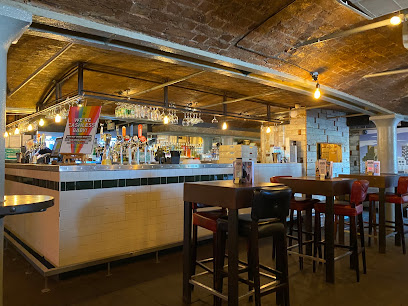
The One O'Clock Gun
0.2 km
Raise a glass to Liverpool's maritime heartbeat at this dockside pub, where historic time signals meet modern merriment and Mersey views.
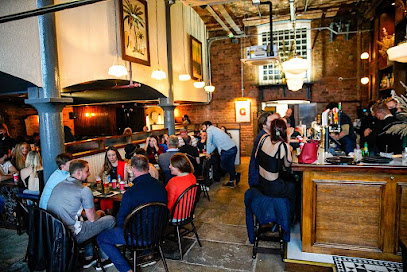
The Long Shot Bar
0.2 km
Liverpool's premier dockside sports bar: epic screens, killer cocktails, and stacked sandwiches amid Albert Dock's historic charm.
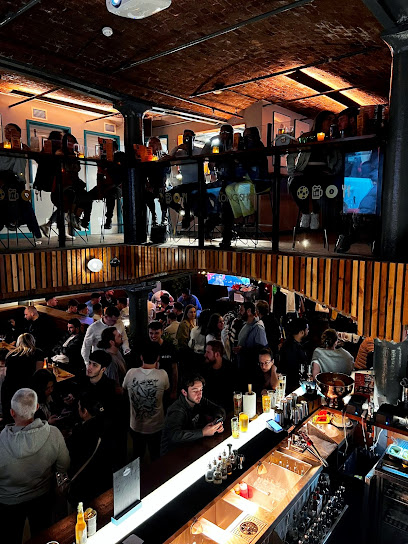
Baltic Fleet
0.3 km
Historic flat-iron pub in Liverpool's docks, pouring craft ales and cask brews amid maritime heritage and Baltic Triangle buzz.
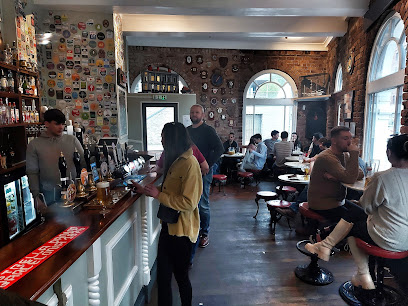
The Bierkeller Liverpool
0.3 km
Experience the ultimate Bavarian beer hall vibe in Liverpool with giant steins, live Oompah bands, and a lively party atmosphere.
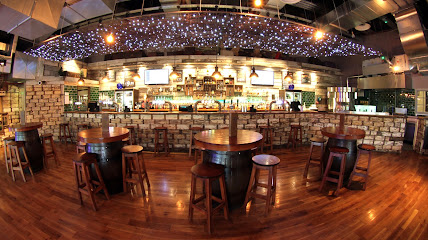
Sub Rosa
0.5 km
Quirky outdoor bar in Liverpool's Baltic Triangle: fire pits, craft brews, street food, and industrial charm for unforgettable gatherings under glitter balls and warehouse skies.
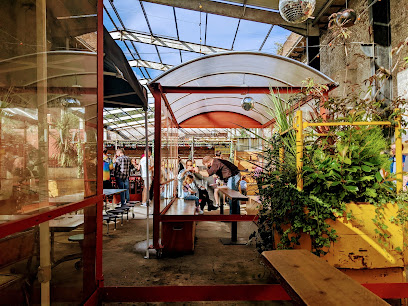
The Slaughter House
0.6 km
Historic Liverpool pub blending hearty gastropub fare with lively live music and comedy in a warm, rustic setting.
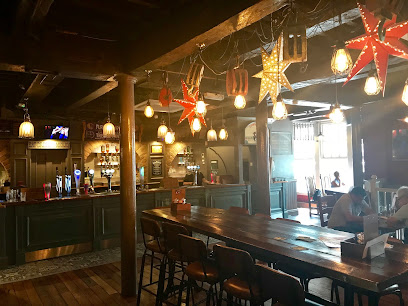
Kazimier Garden
0.6 km
Liverpool's original garden bar: quirky outdoor oasis with craft brews, live gigs, and fairy-lit magic in the heart of Ropewalks.
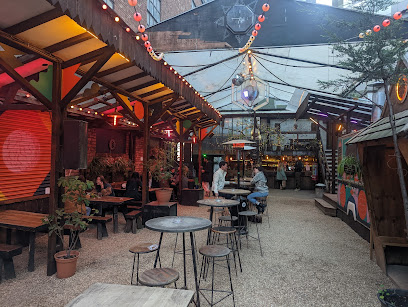
Be At One - Liverpool
0.6 km
Liverpool's cocktail epicenter: 100+ mixes, 2-for-1 happy hours, and masterclass shakes in a chic Seel Street hotspot.
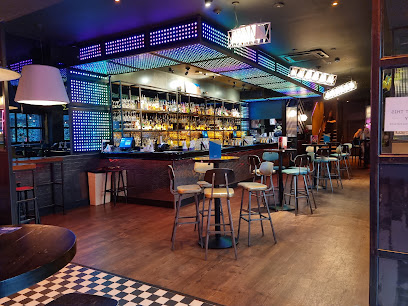
The Alchemist Liverpool
0.6 km
Experience Liverpool’s premier cocktail bar where molecular mixology meets bold flavors and vibrant city vibes.
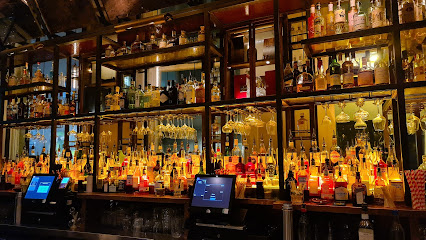
Love Lane Brewery, Bar and Kitchen
0.6 km
Discover the heart of Liverpool's brewing scene at Love Lane Brewery, where craft beers meet delicious food in a lively atmosphere.
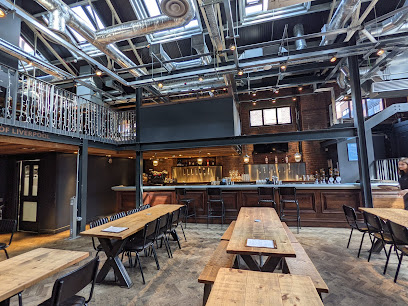
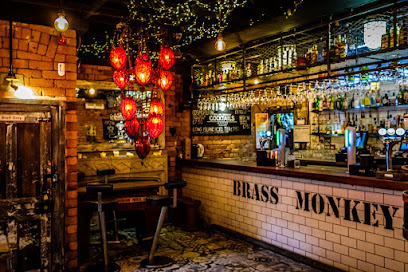
Brass Monkey
0.6 km
Liverpool's quirky cocktail haven on School Lane, blending inventive drinks, British bites, and lively vibes from midday to late-night revelry.
Present Company
0.6 km
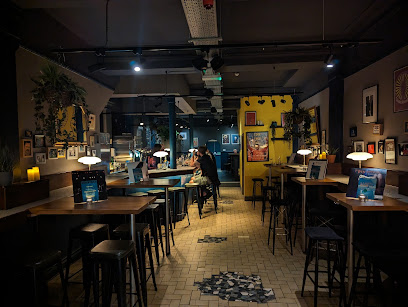
Intimate Liverpool cocktail bar blending expert drinks, music culture, and warm hospitality in a stylish, relaxed setting.
Motel Bar
0.7 km
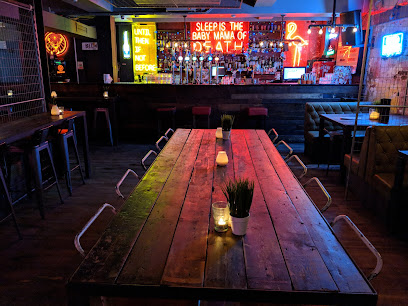
A moody, music-first Fleet Street dive bar famous for band-backed karaoke and late-night crowds in Liverpool city centre.
Slug & Lettuce - Liverpool
0.7 km
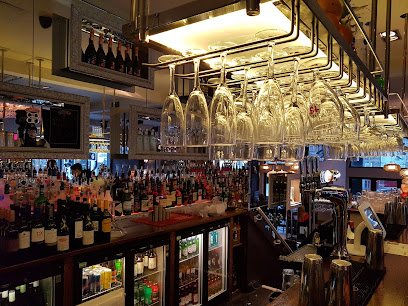
Liverpool's ultimate cocktail spot in a historic building—2-for-1 drinks, bottomless brunches, and three floors of festive vibes for groups and celebrations.
Nightclubs & after hour spots

Playground Liverpool
0.2 km
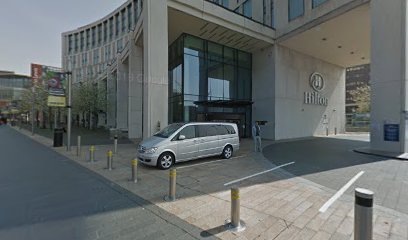
Liverpool's luxury nightclub haven in the Hilton, pulsing with upscale beats by the Mersey waterfront – exclusive nights await in the heart of the city.
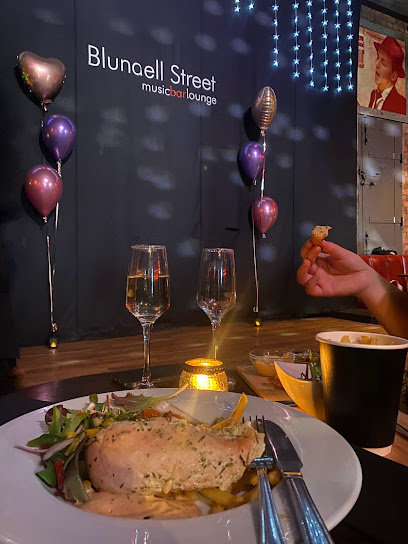
Supper Club at Blundell Street
0.6 km
Liverpool's ultimate supper club: fuel up on hearty meals, then dance the night away to drag shows, tributes, and non-stop hits near Echo Arena.
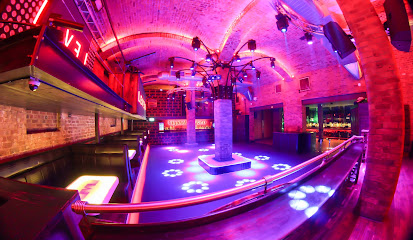
LEVEL Nightclub Liverpool
0.7 km
Liverpool’s expansive multi-floor nightclub offering diverse music, VIP areas, and a buzzing party atmosphere in the heart of Ropewalks.
ELECTRIK WAREHOUSE
0.7 km
Liverpool's multi-floor warehouse nightclub: three dance floors of dance, RnB, indie, and chart hits in quirky industrial surrounds, open Thu-Sat till 4am.
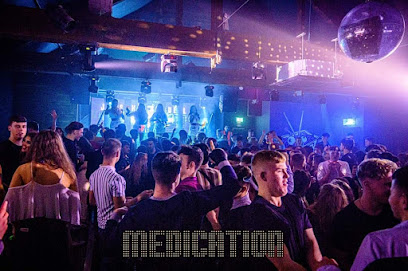
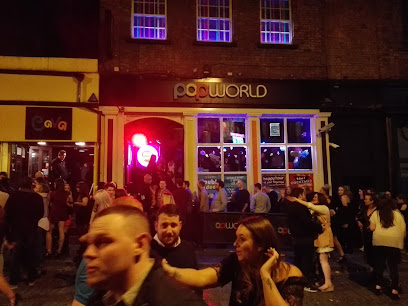
Popworld - Liverpool
0.7 km
Liverpool's ultimate cheesy pop haven: 90s bangers, cheap drinks, and dance-'til-dawn vibes in the heart of Ropewalks.
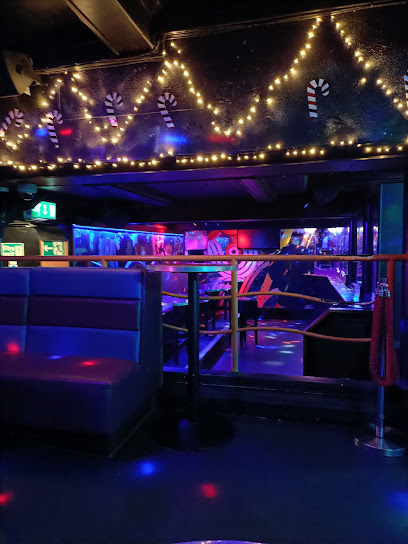
Flares - Liverpool
0.7 km
Experience Liverpool’s vibrant nightlife at Flares on Mathew Street, where great cocktails and unbeatable party vibes meet iconic music heritage.
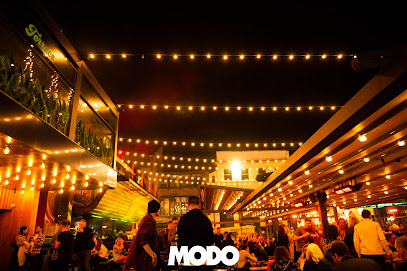
Modo, Liverpool
0.7 km
Liverpool's Concert Square legend: multi-room nightclub with cocktails, sports screens, heated terrace, and epic party spaces for every vibe.
Mambo Club Liverpool
0.7 km
Experience Liverpool’s vibrant nightlife at Mambo Club, where electrifying music and lively crowds create unforgettable Saturday nights.
Concert Square Bars And Clubs Liverpool
0.7 km
Discover the energetic nightlife of Liverpool at Concert Square Bars and Clubs, where diverse bars and clubs create an unforgettable experience.
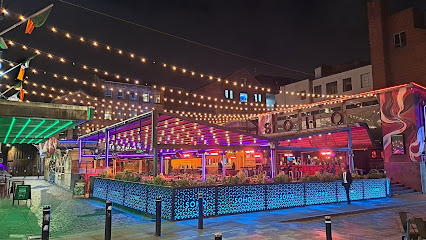
Heaven Nightclub Liverpool
0.7 km
Experience the lively atmosphere and inclusive spirit at Heaven Nightclub in Liverpool, a top destination for nightlife enthusiasts.
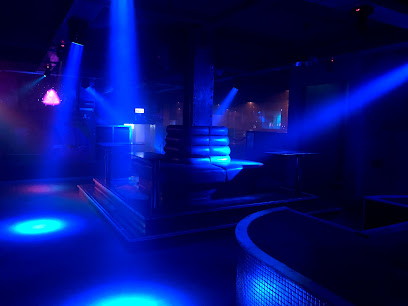
Baa Bar Liverpool
0.7 km
Two floors of house and R&B beats, £2 shooters, and courtyard vibes in Liverpool's nightlife epicenter—perfect for students and party-hoppers alike.
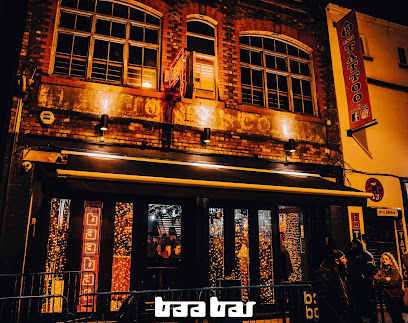
BrooklynMixer
0.7 km
Liverpool's original R&B haven on Seel Street: three floors of hip-hop beats, craft cocktails, leather lounges, and private party vibes from dusk till dawn.
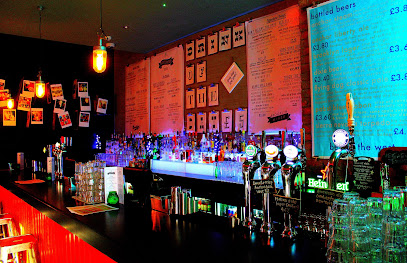
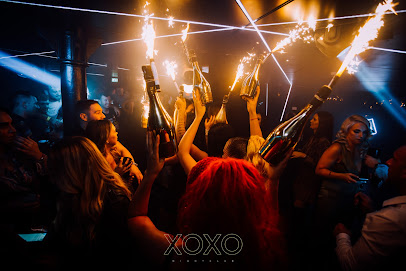
XOXO Nightclub Liverpool
0.7 km
Dive into Liverpool's electric basement beats at XOXO Nightclub, where diverse DJs and immersive vibes craft unforgettable weekends from 10pm till dawn.
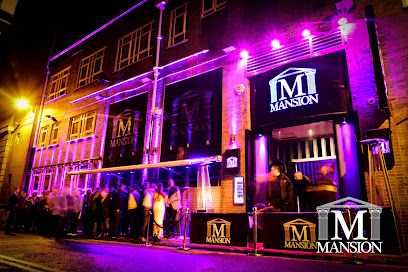
Mansion Nightclub
0.8 km
Liverpool’s vibrant nightclub with the UK’s largest LED ceiling, laser shows, and a dynamic party atmosphere in the city centre.
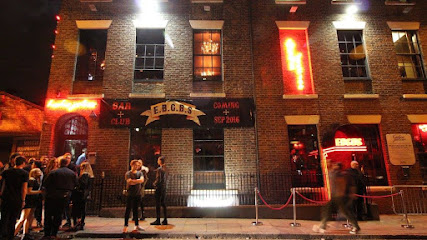
EBGBS
0.8 km
Liverpool's gritty basement nightclub where live indie gigs, craft cocktails, and underground vibes fuel epic nights until 4am in the heart of Seel Street.
For the vibe & atmosphere seeker
- Relaxing
- Tranquil
- Scenic
- Historic
- Cultural Heritage
For the design and aesthetic lover
- Industrial Designs
- Historic
- Rustic Designs
For the architecture buff
- Historic
- Landmarks
- Heritage Neighborhoods
For the view chaser and sunset hunter
- Waterfront
- Iconic Views
- Panoramas
For the social media creator & influencer
- Instagrammable
- Photo Spots
- Aesthetic Corners
- Architectural Shots
For the eco-conscious traveler
- Public-Transport Accessible
- Low Impact
For the kind of experience you’re after
- Cultural Heritage
- Photowalk
- Day Trip
- Weekend Getaway
For how adventurous you want the journey to be
- Easy Access
Location Audience
- Family Friendly
- Senior Friendly
- Child Friendly
- Teen Friendly
- Wheelchair Access
- Solo Friendly
- Couple Friendly
- Solo Female Friendly
- Business Friendly


