

The Three Graces: Liverpool’s Iconic Waterfront Trio
Iconic trio of waterfront buildings symbolizing Liverpool’s maritime heritage and architectural grandeur at the Pier Head.
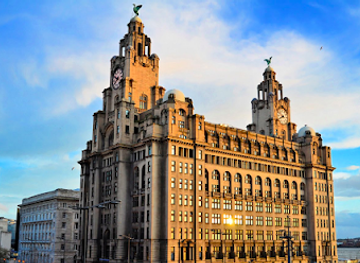
The Three Graces are a trio of majestic buildings on Liverpool’s waterfront at the Pier Head, comprising the Royal Liver Building, Cunard Building, and Port of Liverpool Building. These historic landmarks symbolize Liverpool’s maritime heritage and commercial prowess, featuring stunning architectural styles and crowned by the mythical Liver Birds. Listed as a UNESCO World Heritage Site, they define one of the world’s most famous skylines and represent the city’s rich history as a global port.
A brief summary to The Three Graces
- Water St, Liverpool, GB
- Click to display
- Duration: 0.5 to 2 hours
- Free
-
 Outdoor
- Mobile reception: 5 out of 5

Know before you go
Hi, I'm Eve. Here are a few practical things to know before exploring The Three Graces.
- Visit early in the day to admire the buildings’ details in soft morning light and avoid crowds.
- Look up to spot the Liver Birds atop the Royal Liver Building and learn about their local legends.
- Explore the nearby waterfront to experience the full panorama of Liverpool’s historic skyline.
- Check for occasional guided tours or events that provide access to interior spaces of the buildings.
Do you manage this location?
Take control to get all the benefits, like improved information, better appearance, and stronger visibility across AI-powered discovery. Learn more
Activate your presenceOther nearby places you may find interesting
Getting There
-
Train
Take a Merseyrail train to Liverpool Lime Street station, then a 15-20 minute walk along the waterfront to the Three Graces. Trains run frequently with fares around £3-£6.
-
Bus
Several local buses stop near the Pier Head area, including routes 10, 17, and 86. Travel time from Liverpool city center is about 10-15 minutes. Single fares cost approximately £2-£3.
-
Taxi
Taxi rides from central Liverpool take about 5-10 minutes depending on traffic, costing roughly £5-£10. Taxis are readily available throughout the city.
-
Walking
From Liverpool city center, a scenic 20-30 minute walk along the waterfront leads directly to the Three Graces. The route is flat and accessible, suitable for most visitors.
For the on-the-go comforts that matter to you
-
 Restrooms
-
 Drink Options
-
 Food Options
-
 Seating Areas
-
 Information Boards
Discover more about The Three Graces
Architectural Marvels Defining Liverpool’s Skyline
The Three Graces consist of three grand buildings that dominate Liverpool’s Pier Head waterfront: the Royal Liver Building, the Cunard Building, and the Port of Liverpool Building. Each was constructed in the early 20th century and reflects Liverpool’s status as a major maritime and commercial hub. The Royal Liver Building, completed in 1911, was Europe’s tallest building at the time and is famed for its enormous clock faces and the two Liver Birds perched atop its towers. The Cunard Building, finished in 1916, was inspired by grand Italian palazzos and served as the headquarters of the Cunard Steamship Company. The Port of Liverpool Building, completed in 1907, features Edwardian Baroque style with a prominent dome originally intended for a cathedral. Together, they form a striking ensemble that defines Liverpool’s historic waterfront.Symbolism and Legends of the Liver Birds
The Liver Birds crowning the Royal Liver Building are emblematic of Liverpool itself. These mythical creatures, part eagle and part cormorant, hold sprigs of broom in their beaks, a nod to the Plantagenet dynasty. Local folklore tells that the male bird watches over the sailors at sea, while the female looks toward the city to protect those ashore. A popular legend holds that if the birds ever fly away together, Liverpool will cease to exist. These birds were designed by Carl Bernard Bartels and crafted by the Bromsgrove Guild, embodying the city’s spirit and maritime legacy.Historical Significance and Preservation
Built on the filled-in George’s Dock, the Three Graces were conceived as symbols of Liverpool’s international prestige and economic power during the British Empire’s height. They survived World War II bombings intact, partly because German bombers used them as navigational markers. The buildings have undergone extensive restoration, including a £10 million refurbishment of the Port of Liverpool Building completed in 2009, preserving their original grandeur. Today, the Three Graces are Grade I and II listed buildings and form part of Liverpool’s UNESCO World Heritage Site, attracting visitors worldwide.Interior Grandeur and Maritime Heritage
While the buildings primarily house offices today, their interiors reflect their maritime heritage and early 20th-century opulence. The Cunard Building’s interior evokes the feel of a grand ocean liner, with wood paneling, Corinthian columns, and marble finishes, including marble-lined toilets. The Port of Liverpool Building’s main hall is adorned with marble and stained glass windows representing countries of the former British Empire. These details highlight Liverpool’s role as a global port and the significance of the shipping companies headquartered here.The Three Graces in Liverpool’s Cultural Landscape
The Three Graces are more than architectural icons; they symbolize Liverpool’s resilience, history, and identity. They stand as a testament to the city’s maritime past and its role in global trade and migration. Their presence on the waterfront complements Liverpool’s cultural offerings, including its music heritage and vibrant arts scene. The buildings continue to inspire pride among Liverpudlians and serve as a focal point for visitors exploring the city’s rich heritage.Legacy and Continuing Influence
The Three Graces remain a defining feature of Liverpool’s skyline and a powerful symbol of the city’s golden era. Their design innovations, historical associations, and cultural significance ensure their place as treasured landmarks. As part of Liverpool’s UNESCO World Heritage Site, they contribute to the city’s ongoing regeneration and tourism appeal, linking past glories with future aspirations.Explore the best of what The Three Graces has to offer














More about Lancashire
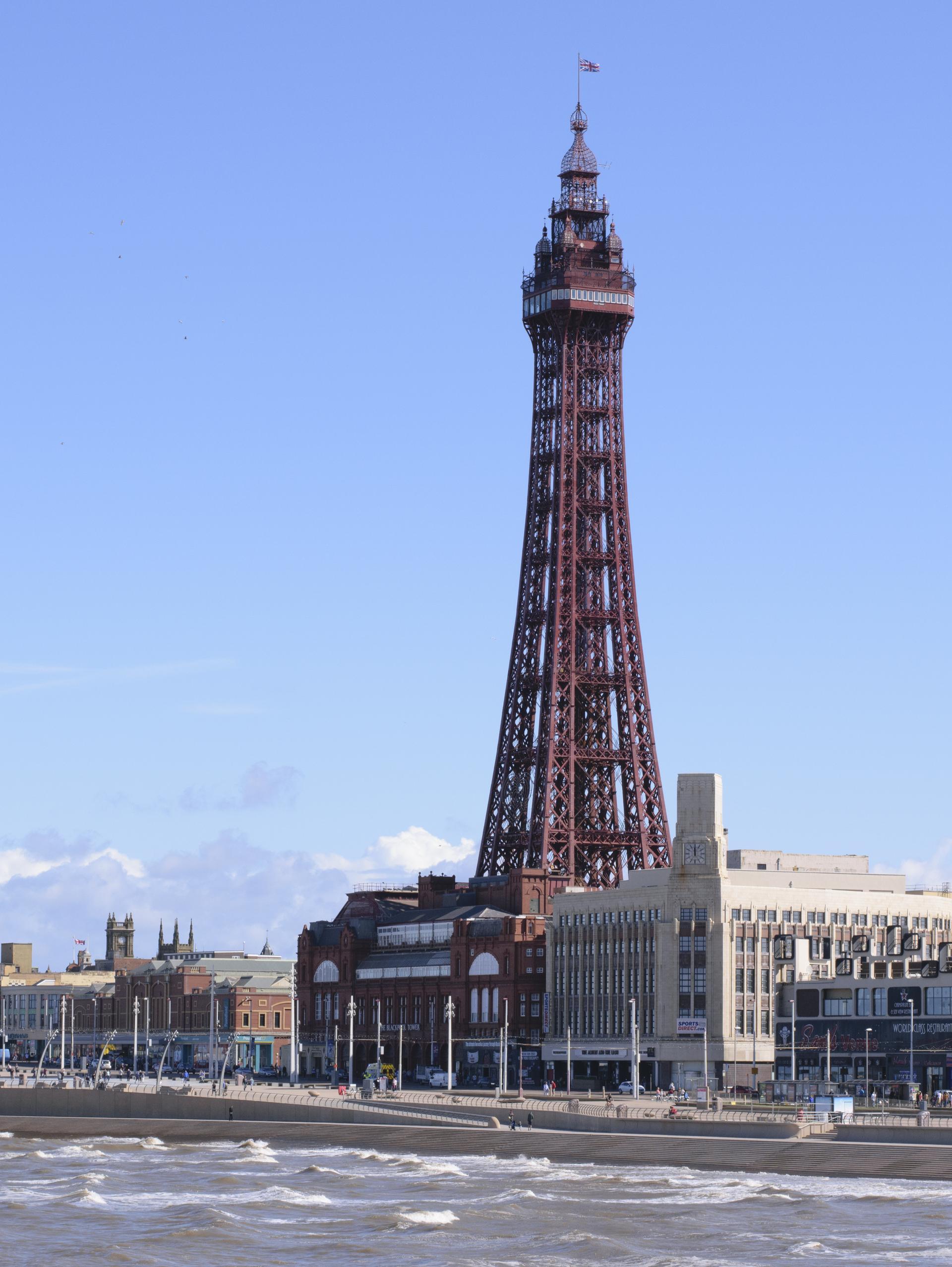
Discover Lancashire: A perfect blend of stunning landscapes, rich history, and vibrant culture in the heart of England's northwest.
Tell me more about Lancashire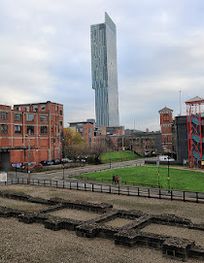
Explore Manchester’s Roman roots at Mamucium, a reconstructed fort showcasing ancient military might and early urban life.
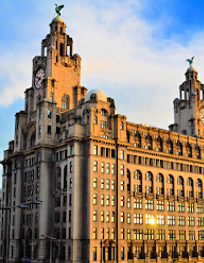
Celebrate your special moments with panoramic Mersey views in Liverpool’s iconic Royal Liver Suite, blending heritage and elegance.
