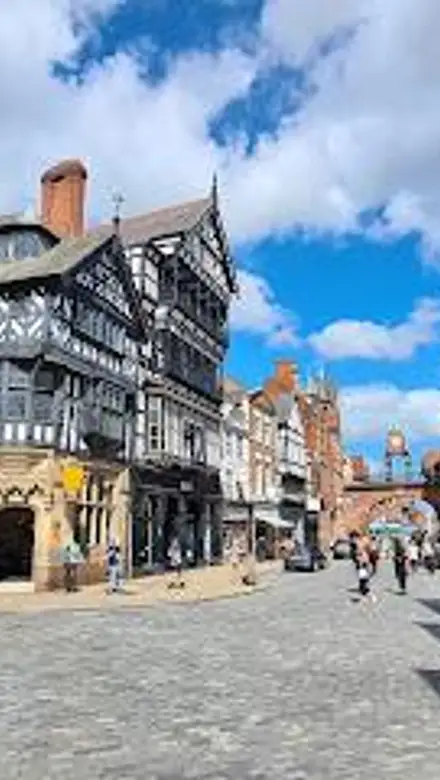
Eastgate St, Chester Travel Guide
Free Guide: Medieval shopping galleries, Victorian elegance, and timeless black-and-white charm in Chester's historic heart.


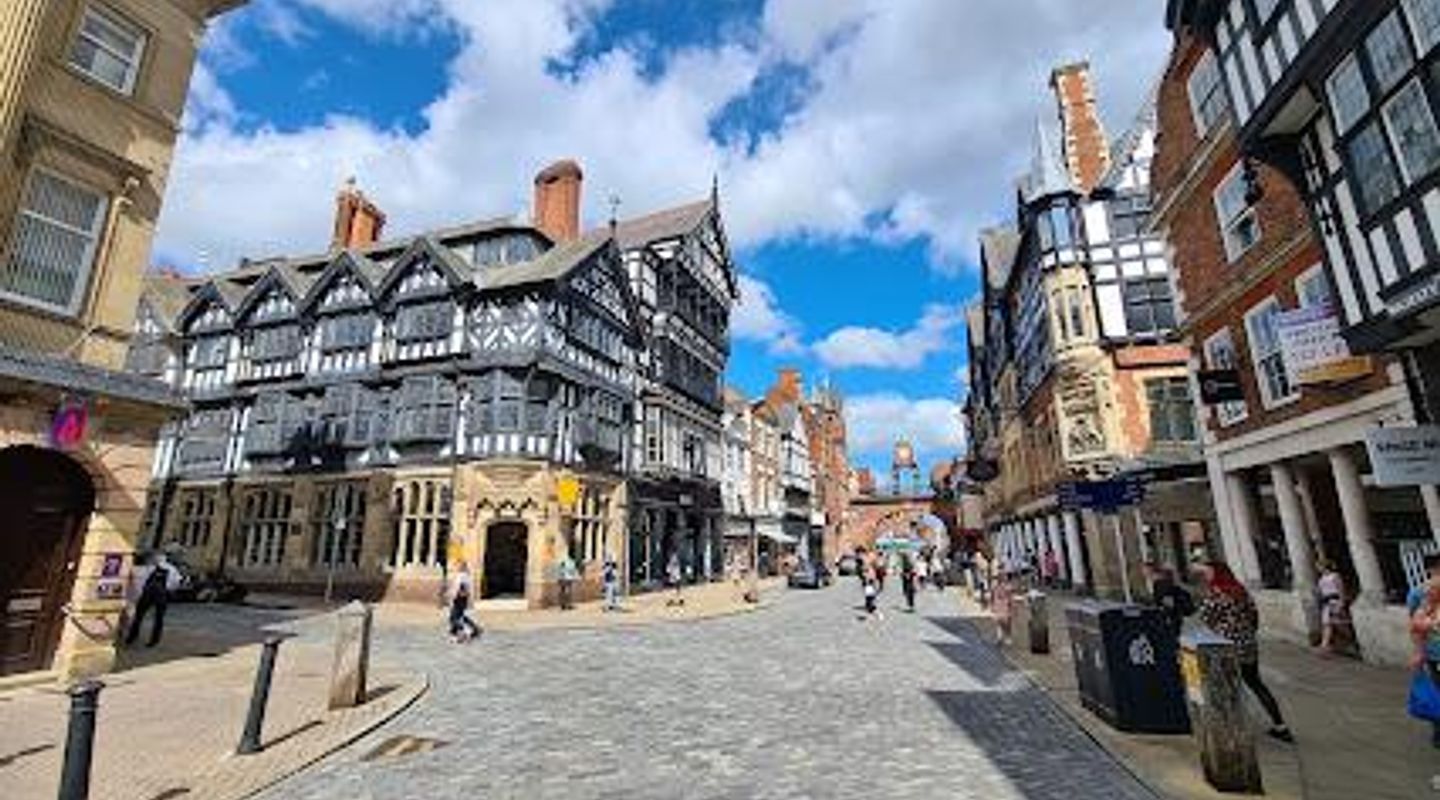
A brief summary of Eastgate St
Medieval shopping galleries, Victorian elegance, and timeless black-and-white charm in Chester's historic heart.
Eastgate Street is the vibrant heart of Chester's medieval city centre, renowned for its distinctive black-and-white timber-framed buildings and the iconic Victorian Eastgate Clock. This historic thoroughfare seamlessly blends architectural heritage with modern retail and dining, featuring the unique Chester Rows—elevated medieval shopping galleries found nowhere else in England. Lined with independent shops, cafes, restaurants, and pubs, it offers visitors an immersive experience of Chester's rich past while serving as the primary commercial hub of this ancient walled city.
On-site amenities
 Restrooms
 Drink options
 Food options
 Seating areas
 Information boards
 Visitor centre
- Address
- Chester
Getting there
By Train
By Bus
By Car
On Foot from City Walls
Discover more about Eastgate St
A Street Built on Roman Foundations
Eastgate Street occupies one of the most historically significant locations in Chester. The street follows the line of the original Roman fortress of Deva Victrix, with the Eastgate itself marking the site where Roman soldiers once entered the settlement nearly two millennia ago. This continuity of use demonstrates how Chester's urban layout has remained remarkably consistent through centuries of change. The gate through the city walls remains permanently open, serving as a symbolic and practical gateway between the medieval walled city and the modern suburbs beyond.
The Distinctive Chester Rows
What sets Eastgate Street apart from other British high streets is the presence of the Chester Rows—a unique architectural feature found nowhere else in England. These elevated medieval shopping galleries create a two-level retail experience, with shops and covered walkways positioned above street level. The Rows feature exposed timber frames, wattle-and-daub construction visible in places like number 22, and a fascinating array of display methods including wooden shopfronts, glass-and-wood booths, and stallboards. Walking through these passages feels like stepping into a living museum, where centuries-old construction techniques remain visible and functional. The wooden boards beneath your feet, the dipping ceilings, and the arches hung with shop signs create an atmosphere of authentic medieval commerce preserved in working order.
Victorian Elegance and the Famous Clock
Dominating the streetscape is the ornate Eastgate Clock, installed in 1899 to commemorate Queen Victoria's diamond jubilee. This striking Victorian structure has become the most recognizable symbol of Chester and serves as the natural focal point of the street. The clock's elaborate design reflects the confidence and craftsmanship of the late Victorian era, and it remains one of the most photographed landmarks in the city. Beyond this iconic timepiece, the street is lined with black-and-white timber-framed buildings that create a picturesque and instantly recognizable aesthetic, drawing visitors from around the world who come specifically to experience this architectural ensemble.
A Living Commercial Hub
Today, Eastgate Street functions as Chester's primary shopping and dining destination. The street hosts numerous independent retailers, chain stores, and specialist shops housed within both historic buildings and modern structures. The dining scene is particularly vibrant, with restaurants and cafes ranging from casual eateries to upscale establishments offering international and British cuisine. Several notable venues line the street, including the legendary Browns of Chester department store, which though currently between tenants, remains fondly remembered by locals as a destination where people would dress up to shop. The street's role as a social and commercial gathering place continues uninterrupted, with locals and tourists mingling throughout the day.
Architectural Diversity and Heritage
While the Chester Rows are the primary architectural draw, Eastgate Street also features buildings from various periods that reflect Chester's evolving history. The red sandstone bulk of St Peter's Church rises prominently at Northgate Corner, offering views across the street's black-and-white facades. Individual buildings tell their own stories—such as 33 Eastgate Street, built in 1859–60 for the Chester Bank, which demonstrates the street's importance as a financial and commercial centre during the Victorian era. Multiple buildings are listed on the National Heritage List for England, ensuring their preservation and continued appreciation as part of Chester's architectural legacy.
Gateway to Chester's Medieval Character
Eastgate Street serves as the primary introduction to Chester's walled city for most visitors. Its position at the Eastgate makes it the natural entry point, and the street's character immediately communicates the city's historical significance. From here, visitors can access the city walls themselves, explore the surrounding medieval streets, and discover the layers of Roman, medieval, and Victorian heritage that make Chester distinctive. The street functions not merely as a shopping destination but as a threshold into one of England's best-preserved medieval cities, where history remains tangible and integrated into everyday life.
Evendo Review Centre
 Google
Guest reviews
Best time to go
Quietest: Jan, Feb & Mar · before 6am or from 11pm
Busy times are Evendo estimates for a typical year, to help you plan. Actual crowds vary with events, school holidays and the weather.
Explore Eastgate St on the map
A handpicked selection of must-see spots near Eastgate St, mapped for you.
Get your free copy of our complete guide to Eastgate St, delivered straight to you.
Everything on this page, from opening hours and how to get there to Eve’s tips and the best time to go, in one PDF you can read offline, print or share.
Already have an account? Sign in
Your Eastgate St guide is ready.
We'll send it to · Not you? Sign out

Getting your guide ready…
We are putting together a fresh copy of the Eastgate St guide. This can take up to a minute.
This can take a few moments. If your browser asks, choose Allow so the download can start. You'll find the guide in your Downloads folder.
Nothing happened? Download it again
Sorry, the guide is taking longer than usual. Please try again in a minute, or get it by email instead.
Unlock the best of Eastgate St
Skip-the-line tickets, guided tours with entry, and walking tours of the area, booked in a few clicks.


Other nearby places you may find interesting
The closest places of the same kind, if this one is not quite what you had in mind.
-
-
-
-
-


Swipe for more places
More to explore near Eastgate St

 Best experiences near Eastgate St
 Best hotels near Eastgate St
 Best landmarks near Eastgate St
 Best attractions near Eastgate St
 Best shops near Eastgate St
 Best restaurants near Eastgate St
 Best bars near Eastgate St
Do you manage this location?
Take control to get all the benefits, like improved information, better appearance, and stronger visibility across AI-powered discovery.
Explore more
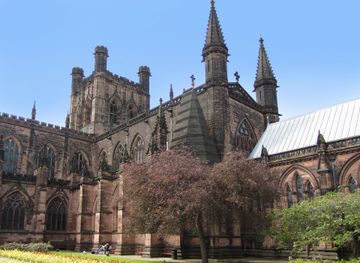
Explore more of Chester
Discover Chester: where ancient Roman walls embrace a lively city of culture, history, and stunning architecture in the heart of England.
Explore Chester
Explore more of United Kingdom
Discover the United Kingdom: A blend of rich history, stunning landscapes, and vibrant cities, offering a unique travel experience for every visitor.
Explore United Kingdom